

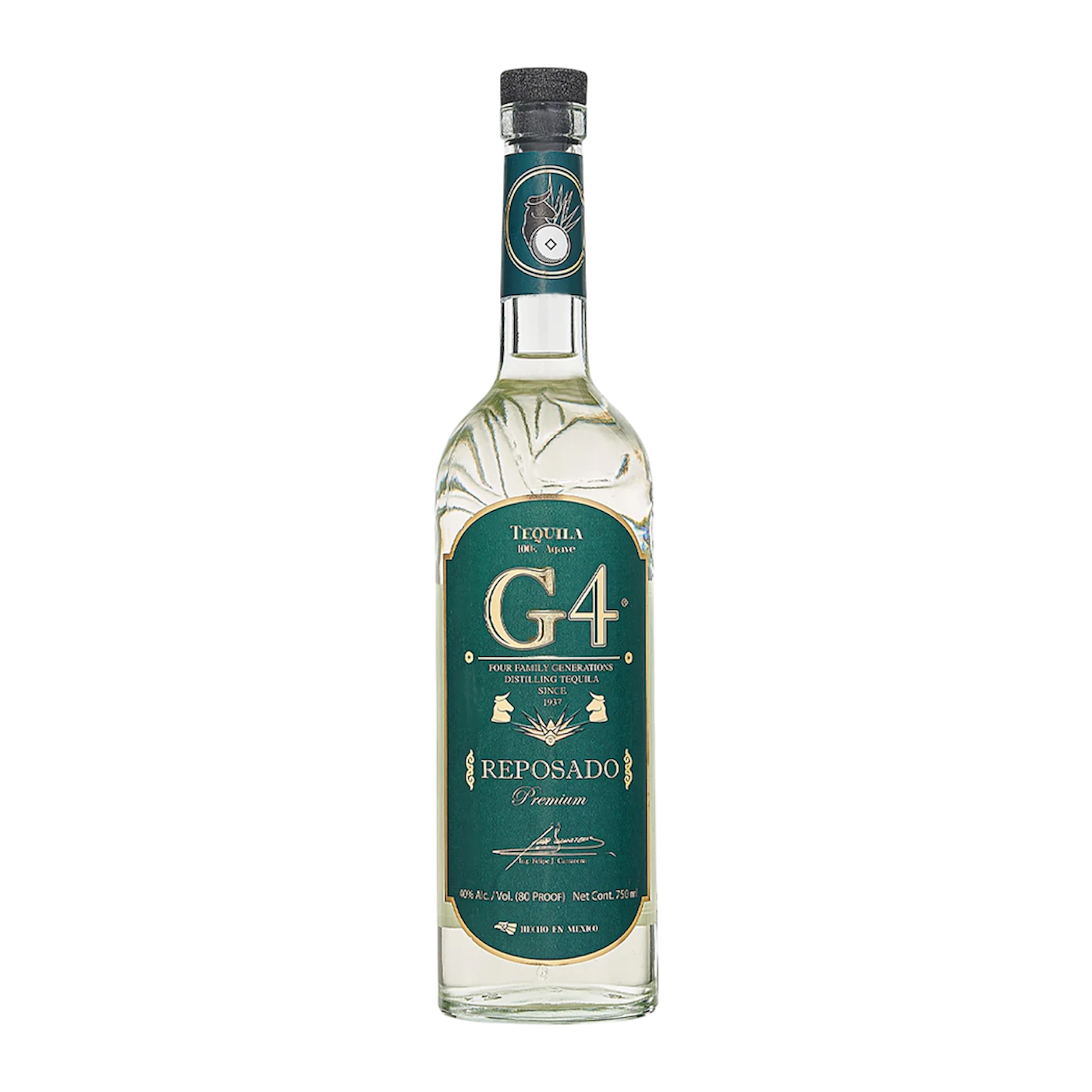
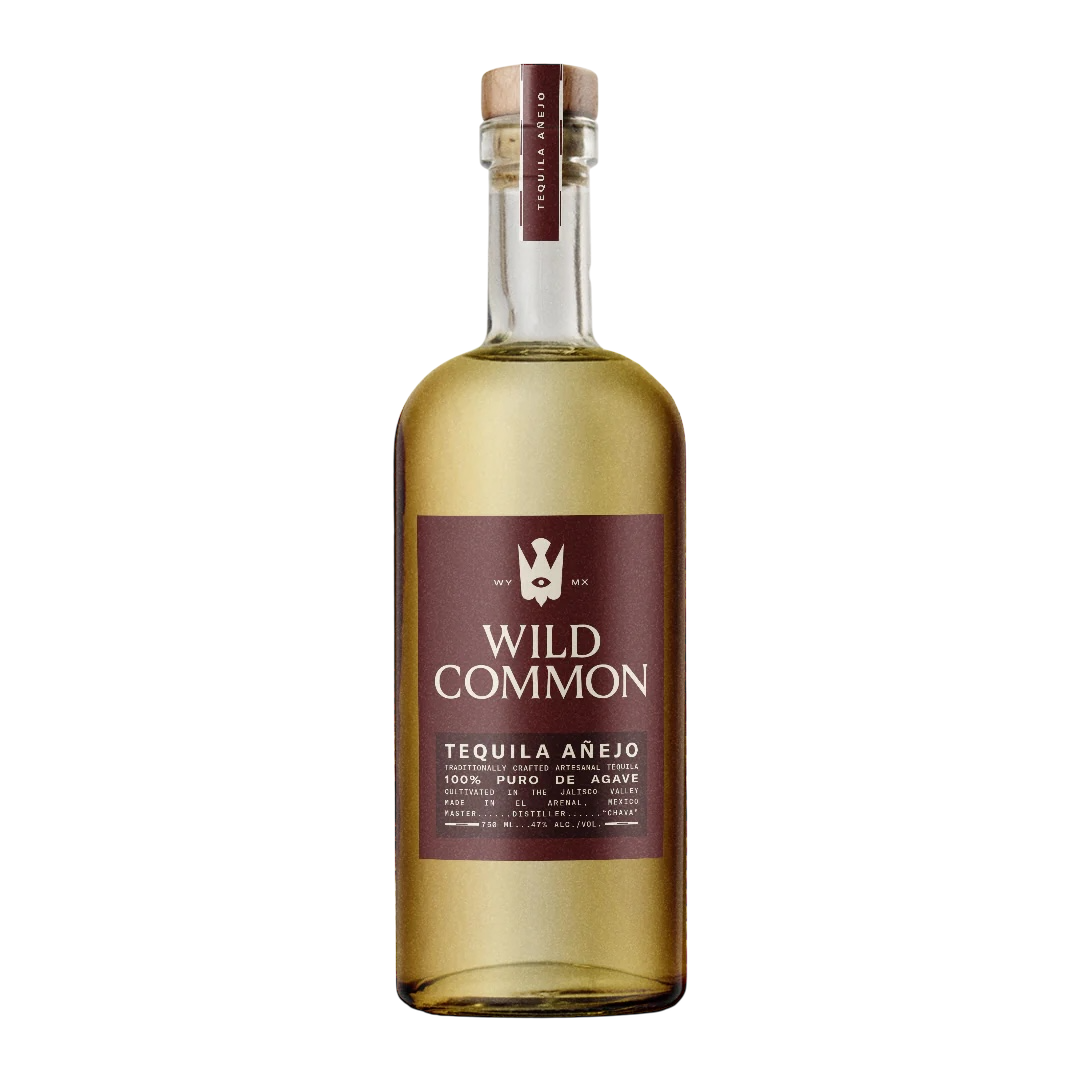
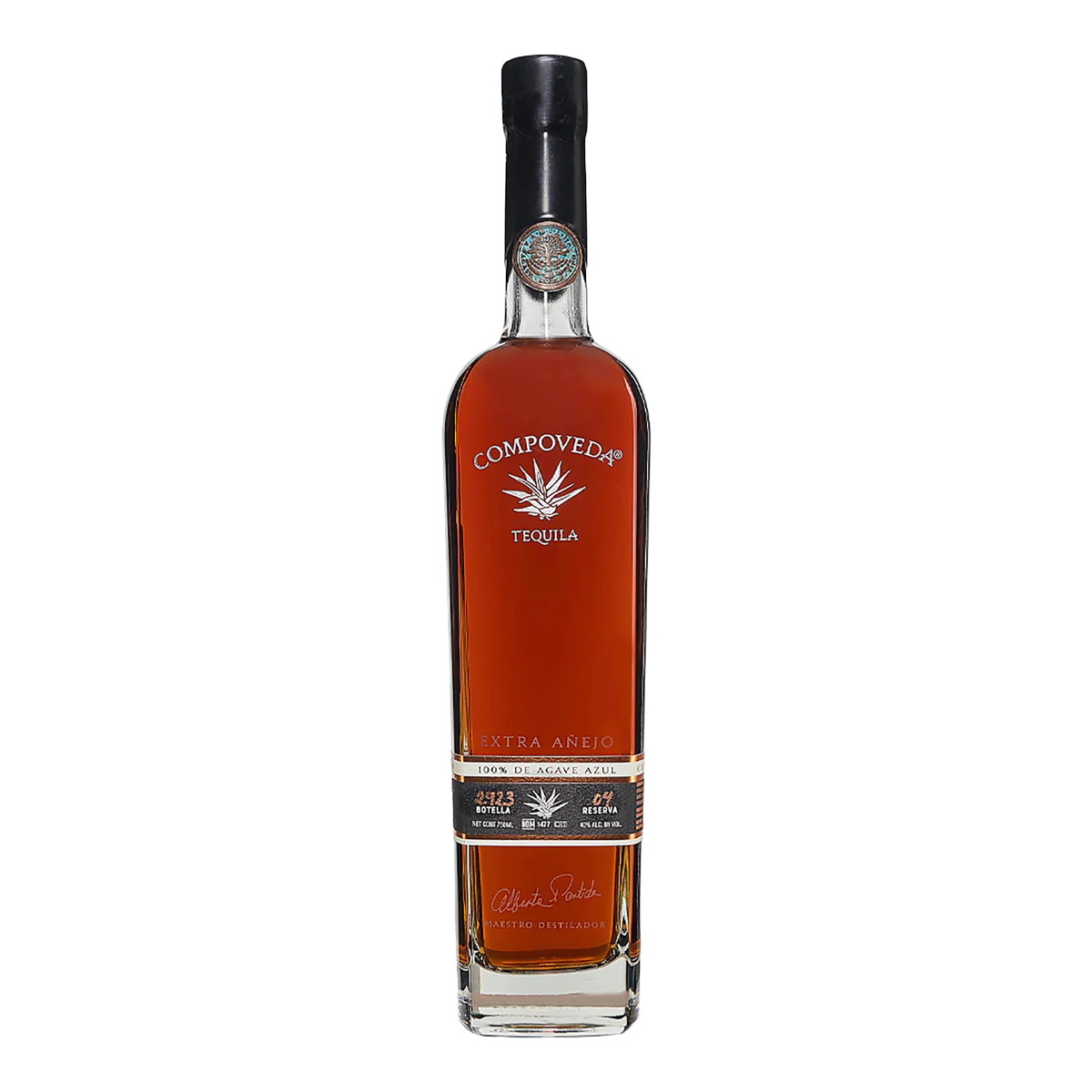
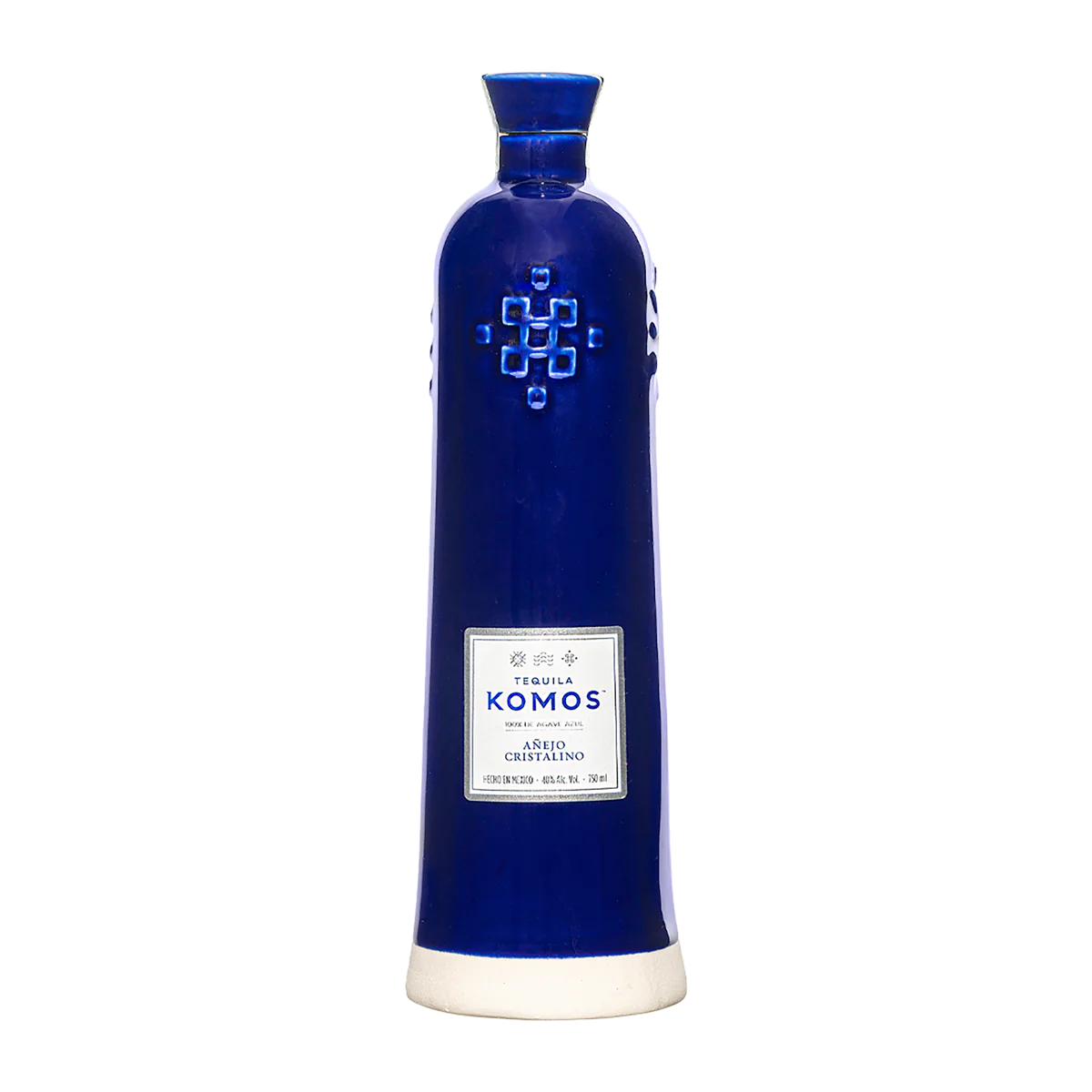
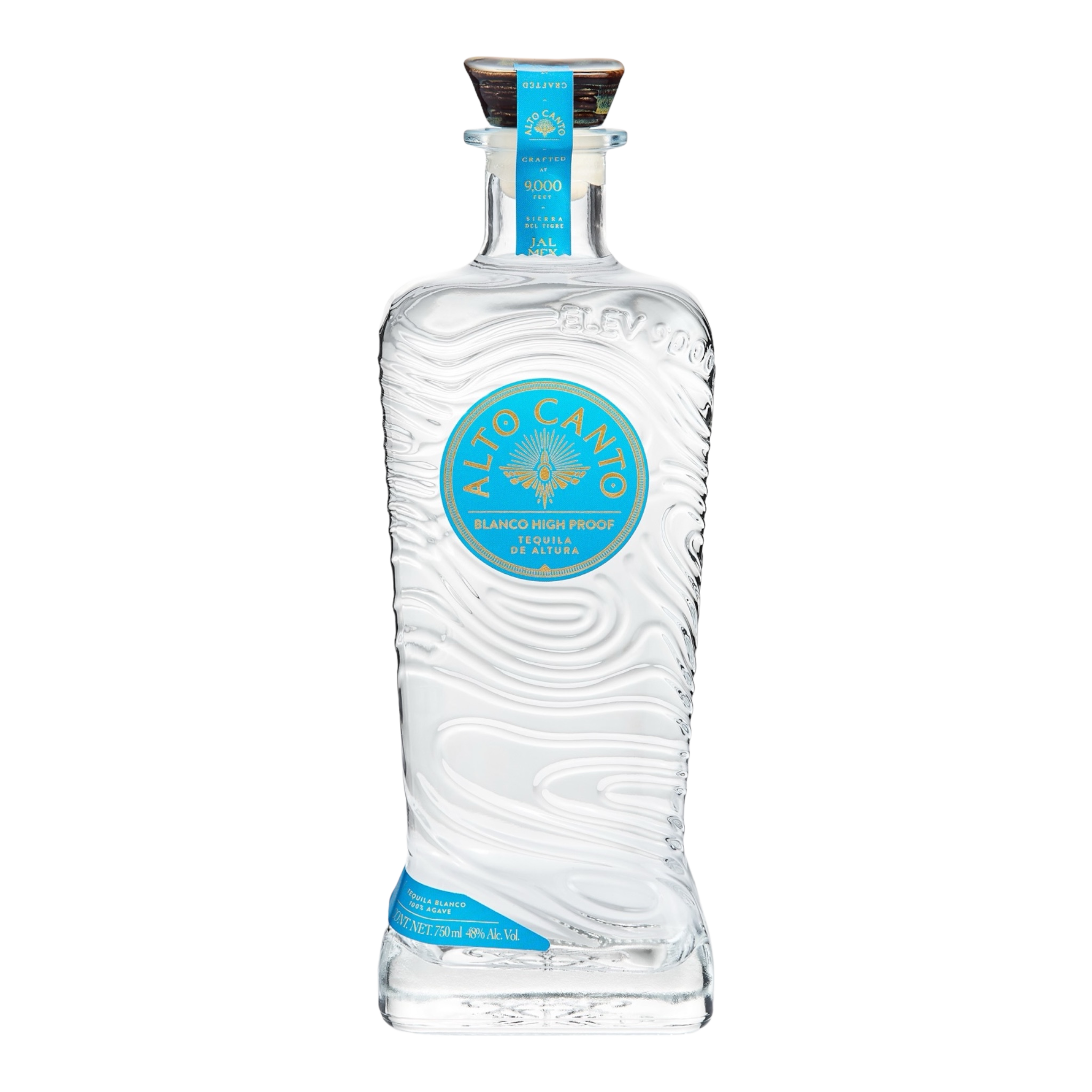
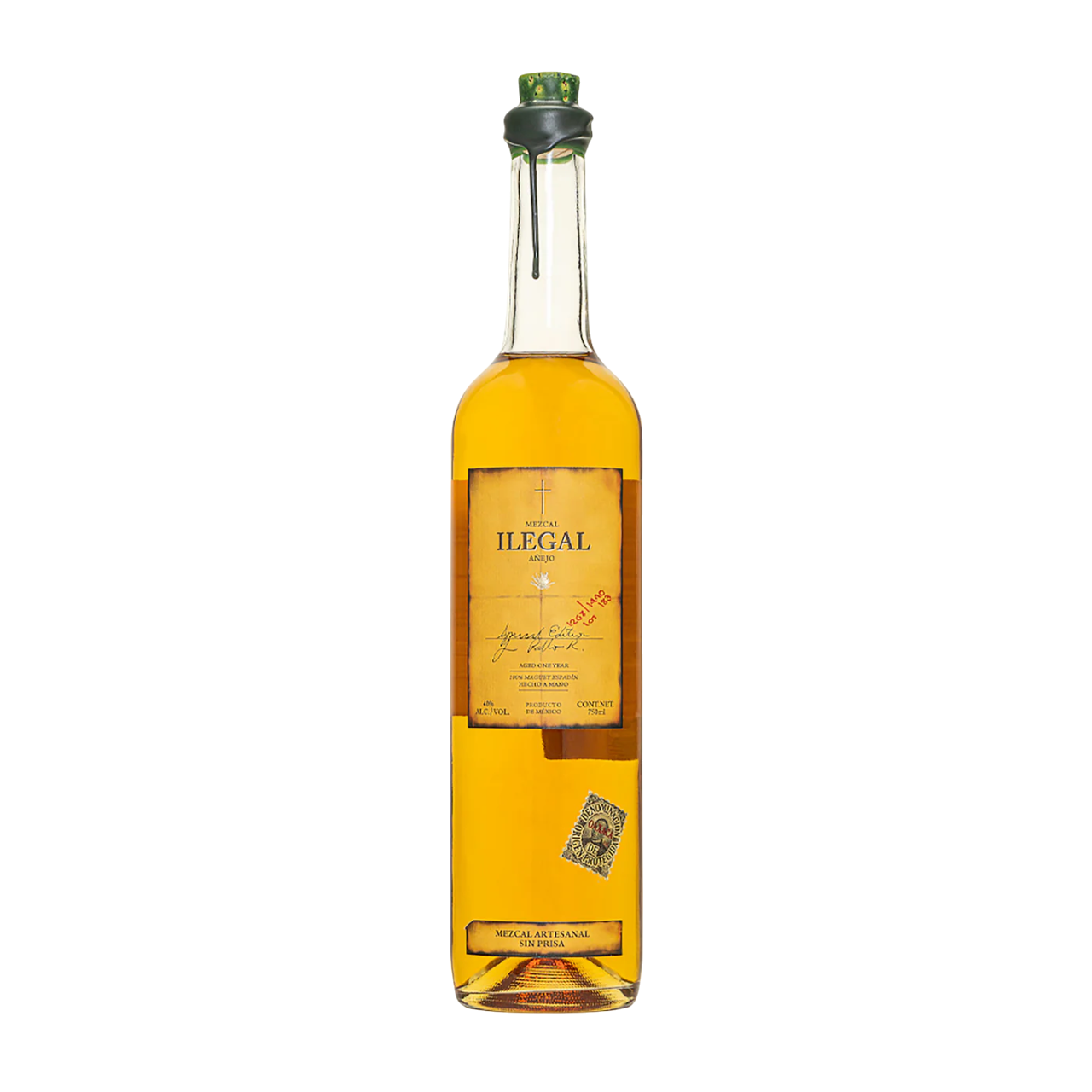
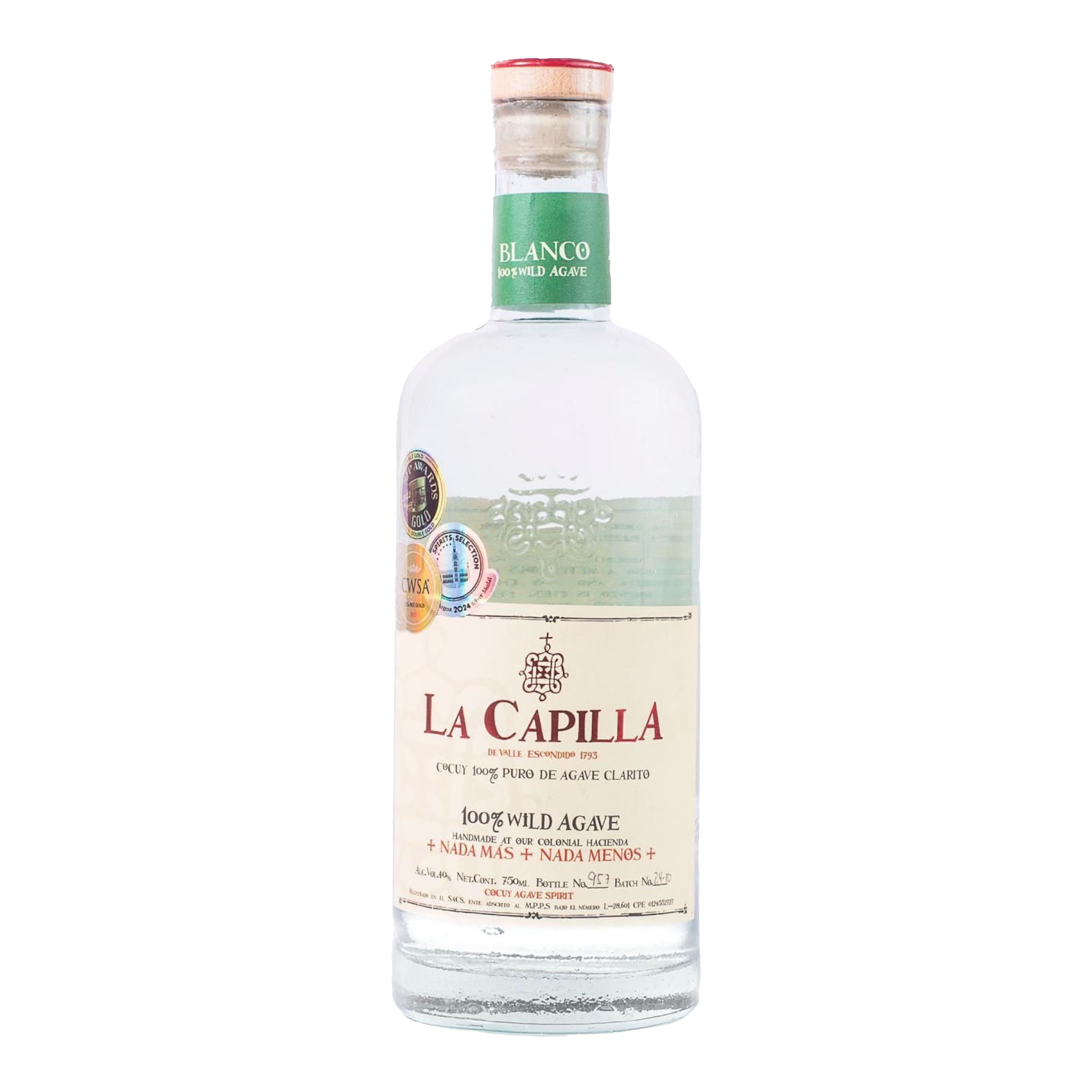




If your tequila experience has been limited to the big, familiar names on the shelf, you’re only seeing a small part of the picture. True quality isn't always found in the largest marketing budgets. In fact, some of the most exceptional tequilas come from smaller, family-owned distilleries dedicated to traditional craftsmanship. These producers focus on what’s inside the bottle, not just the label. This guide is your map to discovering these hidden gems. We’ll help you look beyond the hype and understand the real markers of quality, giving you the confidence to explore artisanal and authentic premium tequila brands that deliver an unforgettable experience.
Key Takeaways
- Verify Quality by Reading the Label: The most important indicator of a premium tequila is the "100% de Agave" statement. For the purest taste, look for additive-free spirits to ensure the flavor comes from craftsmanship, not from artificial coloring or sweeteners.
- Match the Tequila's Age to Your Palate: A tequila's character is defined by its time in a barrel. Choose a crisp, unaged Blanco for cocktails, a balanced Reposado for versatile sipping, and a complex Añejo or Extra Añejo to enjoy neat like a fine whiskey.
- Sip, Don't Shoot, to Appreciate the Craft: A great tequila is meant to be savored. Use a proper tasting glass instead of a shot glass, and take your time to notice the aromas and complex flavors that come from the agave, terroir, and aging process.
What Does "Premium" Tequila Actually Mean?
Walk down any spirits aisle, and you’ll see the word "premium" on countless bottles. But when it comes to tequila, this term isn't just marketing fluff—it’s a standard that separates the truly exceptional from the merely average. Understanding what makes a tequila premium is the first step to appreciating the incredible depth and complexity this spirit has to offer. It’s about honoring tradition, celebrating craftsmanship, and, most importantly, tasting the pure, authentic flavor of the agave plant.
So, what should you look for? A few key indicators can tell you whether you’re holding a bottle of thoughtfully crafted tequila or a mass-produced spirit. From the type of agave used to the absence of additives, these details make all the difference in your glass. Learning to spot them will help you choose a bottle you’ll genuinely enjoy.
It Starts with 100% Blue Weber Agave
The most important rule in the world of high-quality tequila is simple: it must be made from 100% Blue Weber Agave. This isn't just a preference; it's the foundation of authentic tequila. This specific requirement "ensures that the spirit is of high quality and retains the true flavors of the agave plant." If a bottle doesn't say "100% de Agave" on the label, it's a "mixto," meaning it can contain up to 49% other sugars. This is where you get the harsh burn and cloying sweetness often associated with low-quality shots. A true premium tequila showcases the earthy, sweet, and complex notes of the agave it came from.
The Difference Between Traditional and Mass Production
How a tequila is made is just as important as what it’s made from. Traditional production methods—like slow-roasting agave in brick ovens and crushing it with a stone tahona wheel—are laborious, but they preserve the rich, nuanced flavors of the plant. In contrast, mass production often uses industrial diffusers that strip the agave of its character, resulting in a more neutral, harsh spirit. You can often taste the difference. As a general rule, "many of the higher-quality, 100% agave tequilas do not impart significant alcohol burn." That smoothness isn't an accident; it's a direct result of meticulous craftsmanship and a commitment to quality over quantity, a philosophy we share with our distillery partners.
Why You Should Look for Additive-Free Tequila
To get the most authentic tasting experience, it’s best to "focus on additive-free tequilas for the purest expressions of agave." Current regulations allow distillers to use up to 1% of additives—like glycerin for a smoother mouthfeel, oak extract for flavor, or caramel coloring for a darker hue—without disclosing it on the label. While not inherently bad, these additives can mask imperfections and create a homogenous flavor profile that hides the tequila's true character. An additive-free tequila is a transparent one. It stands on the merit of its ingredients and the skill of its maker, offering a genuine taste of the terroir and the agave. It’s why so many bottles in our Rare & Limited Collection are celebrated for their purity.
The Art of Aging and Craftsmanship
When additives aren't used, a tequila's complexity comes from two places: the quality of the agave and the artistry of the distiller. For aged expressions like Reposado and Añejo, "the natural aging process and the skill of the distiller are relied upon to create a rich, complex flavor profile." The type of barrel used for aging, the climate, and the length of time all contribute to the final taste, imparting notes of vanilla, spice, and toasted oak. This patient process is a testament to the maestro tequilero's expertise. They don't rely on shortcuts; they use time-honored techniques to craft a spirit that is balanced, flavorful, and truly memorable.
A Guide to Premium Tequila Types
One of the most exciting parts of exploring tequila is discovering how a single ingredient—the blue weber agave—can produce such a wide spectrum of flavors. The primary difference between the main types of tequila comes down to one thing: time. How long the spirit rests in an oak barrel fundamentally shapes its character, color, and complexity. Understanding these categories is the first step to finding the perfect bottle for your palate, whether you’re mixing a cocktail or sipping it neat.
Blanco: The Purest Expression of Agave
Often called silver or plata, Blanco tequila is the spirit in its purest form. It’s typically bottled right after distillation or rested for less than two months in stainless steel tanks, meaning it never touches wood. This lack of aging allows the true character of the blue agave to take center stage, offering bright, crisp flavors of citrus, pepper, and sweet, earthy agave. For many purists, Blanco is the ultimate test of a distiller's skill. It’s a versatile spirit that shines in cocktails like a Margarita or Paloma, but a well-made Blanco is also fantastic for sipping, offering a clean and vibrant taste of the plant itself. Explore our tequila collection to find a Blanco that speaks to you.
Reposado: A Perfect Balance of Agave and Oak
Reposado, which means "rested," is where the spirit begins its relationship with wood. Aged in oak barrels for anywhere from two months to just under a year, this tequila strikes a beautiful balance between the raw agave notes of a Blanco and the richer characteristics of an aged spirit. The time in the barrel softens the tequila, imparting a light golden hue and subtle notes of vanilla, caramel, and toasted oak. A great Reposado maintains the agave-forward profile while adding a layer of warmth and complexity. It’s an incredibly versatile choice, perfect for sipping on its own or for adding a bit more depth to your favorite tequila cocktails.
Añejo: Rich, Complex, and Sophisticated
Añejo, or "aged" tequila, rests in oak barrels for one to three years. This extended aging process transforms the spirit, giving it a darker amber color and a much richer, smoother, and more complex flavor profile. The bright agave notes mellow significantly, making way for deep flavors of dried fruit, cinnamon, chocolate, and vanilla, all wrapped in a warm, oaky finish. Añejo tequilas are true sipping spirits, meant to be savored slowly like a fine whiskey or cognac. They represent a beautiful expression of time and craftsmanship, making them a perfect choice for a special occasion or a quiet evening. Many of the most sought-after Añejos can be found in our Rare & Limited collection.
Extra Añejo: The Pinnacle of Aged Tequila
For the ultimate tequila experience, look no further than Extra Añejo. This category, established in 2006, is reserved for tequilas aged for more than three years in oak barrels. The result is an incredibly rich, dark, and complex spirit that pushes the boundaries of what tequila can be. The agave flavor becomes a subtle, underlying note in a symphony of flavors like toasted nuts, dark chocolate, leather, and caramelized vanilla. Extra Añejos are the most luxurious tequilas on the market, often presented in stunning, handcrafted bottles. These are exceptional spirits for the discerning collector and are best enjoyed neat in a proper tasting glass to appreciate every nuanced layer.
Our Top Premium Tequila Picks for Every Budget
Exploring the world of premium tequila is an adventure, and you don’t need a treasure map to find the good stuff. High quality isn’t always tied to a high price tag. Whether you’re looking for a versatile bottle for cocktails, a sophisticated spirit to sip and savor, or a rare gem to add to your collection, there’s a perfect premium tequila waiting for you. We’ve curated a list of our favorites to guide you through the different tiers, helping you find an exceptional bottle that fits your budget and your palate.
Great Bottles Under $100
This is where you’ll find the true workhorses of the tequila world—bottles that are both affordable and exceptionally well-made. In this range, you can discover crisp, vibrant Blancos that are perfect for crafting elevated cocktails, bringing a pure agave punch to any drink. You’ll also find beautifully balanced Reposados that have spent just enough time in oak to develop smooth, nuanced flavors of vanilla and caramel, making them fantastic for sipping neat. Brands like Don Julio, El Tesoro, and Casamigos consistently deliver on quality and craftsmanship, offering a genuine taste of premium tequila without a hefty investment. Exploring our full tequila collection is a great way to find your next go-to bottle.
Worth the Splurge: $100-$300
When you’re ready to treat yourself or find a memorable gift, this price point is the sweet spot. Here, you’ll find tequilas with more complexity and character, often aged longer as Añejos or even Extra Añejos. These spirits are made for sipping, revealing intricate layers of flavor that evolve with each taste. Think rich notes of dried fruit, toasted oak, chocolate, and spice. Brands like Casa Dragones are known for their incredibly smooth profiles, offering a refined experience that justifies the splurge. These bottles are often the stars of our best sellers list because they represent a significant step up in quality and are perfect for celebrating special moments.
For the Collector: Bottles Over $300
This is the realm of liquid art. Bottles in this category are for the true collector and aficionado—they are rare, exclusive, and represent the pinnacle of tequila craftsmanship. These are often limited-edition releases, single-barrel selections, or Extra Añejos aged for many years in unique casks. The presentation is just as important as the spirit inside; brands like Clase Azul are famous for their stunning, handcrafted ceramic decanters that are keepsakes in themselves. These tequilas are investments, conversation starters, and the crown jewels of any collection. For those seeking the most exceptional and hard-to-find spirits, our Rare & Limited collection is where these treasures are found.
Finding the Best Value in Premium Tequila
Premium tequila doesn’t have to come with a shocking price tag. Finding good value isn’t about hunting for the cheapest bottle on the shelf; it’s about discovering an exceptional spirit that delivers an experience far beyond its cost. It’s about smart buying—knowing what to look for so you can find those truly special tequilas that over-deliver on quality. Whether you’re building a collection or just looking for your next favorite bottle, here’s how to spot the best value.
High Quality Without the High Price Tag
A high price doesn't always guarantee high quality. Often, you’re paying for a massive marketing budget or a fancy bottle, not necessarily a better spirit. The real signs of quality are found in the production process. Look for brands that are transparent about using traditional methods and 100% Blue Weber agave. These producers prioritize craftsmanship over mass-market appeal, resulting in a superior tequila that doesn’t need to break the bank. Exploring a well-curated tequila collection is a great way to compare producers and find spirits that focus on what’s inside the bottle.
Bottles Worth Investing In
When we talk about "investing," we mean adding a bottle to your home bar that you'll be proud to own and share. The smartest buys are always additive-free tequilas. These spirits offer the purest expression of agave, with no artificial sweeteners or coloring to mask imperfections. For an even more complex flavor profile, seek out tequilas aged in oak barrels. The interaction between the spirit and the wood creates rich notes of vanilla, caramel, and spice. These bottles provide a fantastic balance of quality and price, making them worthy additions to any rare and limited collection.
Hidden Gems You Need to Try
Some of the most exciting tequilas are the ones you haven’t heard of yet. Many smaller, family-owned distilleries are crafting incredible spirits that consistently win awards in blind taste tests, beating out the big-name brands. These hidden gems are where you’ll often find the best quality-to-price ratio. Instead of reaching for the bottle with the most prominent advertising, trust the experts and your own palate. Exploring a list of best-selling tequilas can be a great starting point, as it often features these crowd-pleasing, high-value spirits that have earned their spot through sheer quality.
Common Myths About Premium Tequila, Debunked
As you explore the world of premium tequila, you’ll likely come across some long-standing myths. These misconceptions can get in the way of fully appreciating the spirit and might even lead you to the wrong bottle. It’s easy to see how these ideas take hold—tequila has a complex history and a production process that leaves room for interpretation. But understanding the truth is key to becoming a more confident and knowledgeable sipper.
Let's clear up some of the most common myths floating around. We'll look at why a tequila's color isn't the whole story, why you should put away the salt and lime when you've got a great bottle, and why the most famous name on the shelf isn't always the best choice. By separating fact from fiction, you can refine your palate, make smarter purchasing decisions, and discover the incredible depth and variety that authentic, well-made tequila has to offer. Think of this as your guide to seeing past the marketing and getting to the heart of what makes a tequila truly great.
Myth: Darker Color Means Better Quality
It’s a common assumption that a darker tequila must be older and therefore better, but that’s not always the case. While an Añejo or Extra Añejo gets its beautiful amber hue from years spent aging in oak barrels, color can be misleading. Some mass-market brands use additives like caramel coloring to make their tequila look older than it is. A truly premium aged tequila develops its color and complex flavors—like vanilla, caramel, and spice—naturally over time. The focus for master distillers is always on the final taste, not just achieving a certain shade. Don't judge a bottle by its color alone; a crystal-clear Blanco can be just as complex and high-quality as the darkest Extra Añejo.
Myth: Premium Tequila is Just for Shots
Please, step away from the salt and lime. The idea that all tequila is meant to be shot back quickly is probably the biggest myth of all. While that might be true for lower-quality mixtos, premium 100% agave tequila is a spirit crafted to be sipped and savored, much like a fine whiskey or wine. Artisanal producers work incredibly hard to create tequilas with nuanced aromas and complex flavor profiles. When you sip it slowly, you can appreciate the notes of cooked agave, citrus, earth, and oak. As more people discover premium tequila, this perception is changing, but it’s worth repeating: a great tequila deserves to be enjoyed, not just endured.
Myth: A Famous Name Always Means High Quality
We all recognize the big brand names that dominate liquor store shelves, but a famous label doesn't automatically equal a superior product. In fact, many of the most exceptional tequilas come from smaller, family-owned distilleries that prioritize traditional, craft-oriented production methods over mass-market appeal. These producers are dedicated to making 100% agave tequila that reflects the true character of the plant and the region. Exploring these lesser-known brands is where you’ll often find the real gems. So, while some well-known brands are certainly reputable, don't be afraid to try something new. You might just discover your next favorite bottle in our collection of rare and limited editions.
What Separates Good Tequila from Great Tequila?
You’ve seen the bottles lining the shelves—some affordable, others carrying a hefty price tag. But what really separates a good tequila from a truly great one? It’s more than just marketing or a fancy bottle. The distinction lies in a series of deliberate choices made long before the spirit ever reaches your glass. A great tequila is an agricultural product at its heart, one that tells a story of its origin, from the specific field where the agave grew to the hands that crafted it. It’s a spirit that reflects a deep respect for tradition and a commitment to quality that you can taste in every sip. The finest tequilas are made by producers who prioritize the integrity of the agave over mass-market efficiency, focusing on time-honored techniques instead of industrial shortcuts. This dedication results in a spirit with depth, character, and a clean finish that speaks for itself. Understanding these nuances is what turns a casual drinker into a true connoisseur, allowing you to appreciate the artistry in every bottle. Let's look at the key factors that distinguish an average tequila from an exceptional one: how it's made, where the agave comes from, and the brand's commitment to its craft and community.
How Production Methods Impact Flavor
The journey from agave to tequila involves several critical steps, and the methods used at each stage dramatically shape the final flavor. Traditional producers often slow-roast their agave in brick ovens, which caramelizes the sugars gently and brings out complex, sweet notes. In contrast, industrial methods can strip away these subtleties. The most significant mark of a premium tequila is that it’s additive-free. This means the flavor comes purely from the agave, fermentation, distillation, and barrel aging—not from artificial sweeteners or coloring. When a tequila is aged, the type of oak barrel used imparts notes of vanilla, caramel, and spice, creating the rich profiles found in our Añejo collection.
Why the Agave's Origin Matters
Just like grapes in wine, the terroir—or the land where the agave is grown—has a profound impact on tequila’s taste. All tequila must be made from 100% Blue Weber Agave, but where that agave is cultivated makes a world of difference. Agave from the Highlands (Los Altos) of Jalisco tends to produce sweeter, fruitier, and more floral tequilas due to the iron-rich red clay soil. Conversely, agave from the Lowlands (El Valle) grows in volcanic soil, resulting in a more earthy, herbaceous, and mineral-forward spirit. A great producer understands their land and uses its unique characteristics to craft a distinctive tequila that reflects its specific sense of place.
Spotting Sustainable and Ethical Brands
A great tequila is about more than just taste; it’s also about integrity. The best producers are deeply connected to their communities and the long-term health of the agave ecosystem. These artisan distillers are on a mission to create a spirit with soul, which means paying fair wages, using responsible farming practices, and ensuring that the agave population can thrive for generations to come. This commitment to sustainability isn't just good for the planet—it's a sign of a brand that refuses to cut corners. When a producer invests in their people and their land, that same level of care and attention to detail is reflected in the quality of the tequila they produce.
How to Pair Food with Premium Tequila
Pairing tequila with food is an experience that goes far beyond a simple shot and a lime wedge. When you have a truly great tequila, it deserves a place at the dinner table, much like a fine wine. The right food pairing can highlight the complex notes of the agave, oak, and aging process, creating a memorable meal. The key is to match the intensity of the dish with the profile of the tequila. A delicate Blanco won’t stand up to a heavy steak, while a rich Añejo might overpower a light salad. Thinking about tequila this way opens up a whole new world of culinary possibilities, turning your favorite spirit into the star of your next dinner party.
Pairings for Blanco, Reposado, and Añejo
Each type of tequila offers a unique flavor profile that complements different kinds of food. Start with a Blanco tequila for lighter fare. Its crisp, vibrant agave notes are a perfect match for fresh seafood, especially ceviche, or any dish with a strong citrus component. For something with a bit more body, a Reposado is your go-to. Its time spent in oak barrels gives it a smoother character with hints of vanilla and caramel that beautifully complement spicier dishes and grilled meats. When you’re serving a rich, complex meal, reach for an Añejo. Its deep, sophisticated flavors of toasted oak and dried fruit can stand up to heartier dishes like braised short ribs or a flavorful mole.
Classic Food Pairings
Some pairings are classics for a reason—they just work. The bright, citrusy acidity of a fresh ceviche is a perfect match for the sharp, peppery notes of a good Blanco. Another can’t-miss combination is guacamole and chips. The creamy avocado and saltiness of the chips complement the flavors in nearly any tequila, from a bright Blanco to a smooth Reposado. For something a little more substantial, try pairing your tequila with tacos. Fresh vegetable tacos or grilled fish tacos work especially well with Blancos, while heartier carnitas or al pastor tacos are a fantastic match for the balanced oak and spice of a best-selling Reposado.
Surprising Pairings That Actually Work
Ready to think outside the box? Premium tequila is surprisingly versatile and pairs well with more than just traditional Mexican cuisine. The earthy notes in many mushroom dishes, for example, are an incredible match for the subtle oakiness of a Reposado. Another unexpected but delicious pairing is barbecue. The smoky, savory flavors of slow-cooked brisket or pulled pork can bring out the complex caramel and spice notes in an Añejo or even an Extra Añejo. Don’t be afraid to experiment. Try sipping a rare Añejo with a rich, dark chocolate dessert—the combination is truly something special.
Where to Find Authentic Premium Tequila
Once you know what you’re looking for, the next step is knowing where to find it. The world of premium tequila is filled with incredible spirits, but it also has its share of imitations. Sourcing your tequila from the right place is just as important as choosing the right brand to guarantee you’re getting an authentic, high-quality product. Whether you're adding to a collection or just want a reliable bottle for sipping, knowing where to shop makes all the difference.
The Importance of a Trusted Source
When you’re investing in premium tequila, you want to be confident you’re getting the real deal. A trusted source, like a specialty shop or dedicated online retailer, provides authentic options that reflect the true essence of tequila. These retailers build direct relationships with distilleries and have a reputation for quality. They curate their collections carefully, ensuring every bottle is one they stand behind. This expertise saves you the guesswork and protects you from counterfeit products, letting you explore new spirits with peace of mind.
How to Spot a Fake Bottle
Authenticity is everything in premium spirits. The most important thing to look for on any label is the phrase "100% de Agave." If it’s not there, the tequila is a "mixto," meaning it contains other sugars and won't have the pure flavor you’re looking for. Also, check for a NOM (Norma Oficial Mexicana) number on the bottle. This four-digit number identifies the distillery, and you can look it up to verify its origin. Be wary of deals that seem too good to be true—they usually are. A genuine premium tequila is a craft product, and its price reflects that.
Securing Exclusive and Limited Editions
For the true gems of the tequila world, you often have to look beyond your local liquor store. Reputable online retailers are your best bet for finding exclusive and limited-edition bottles. These are the places where you can discover additive-free tequilas with the purest expressions of agave and unique aging profiles. Curated shops often get first access to small-batch releases and special bottlings directly from distilleries. If you’re looking to find something truly unique, building a relationship with a specialized online store is the key to accessing the most sought-after rare and limited spirits.
How to Sip and Savor Premium Tequila
If your only experience with tequila involves a shot glass and a lime wedge, you’re in for a treat. A truly premium tequila is crafted to be sipped and savored, much like a fine whiskey or wine. The goal is to appreciate the complex flavors that come from the agave, the distillation process, and the time spent aging in barrels. Forget everything you think you know about shooting it back; we’re going to slow down and explore the nuances that make these spirits so special. Learning how to properly taste tequila opens up a whole new world of aromas and flavors, turning a simple drink into a memorable experience.
A Simple Guide to Tasting
First things first: set aside the salt and lime. That ritual was designed to mask the harshness of lower-quality spirits. A well-made, 100% agave tequila doesn’t have that aggressive burn and deserves to be tasted on its own.
Start by pouring a small amount into a proper glass. Gently swirl the liquid and watch the “legs” or “tears” run down the side—thicker, slower legs can indicate a fuller body. Next, bring the glass toward your nose, but don’t stick it all the way in. Inhale gently to pick up the primary aromas. A bright Blanco tequila might have notes of citrus and cooked agave, while an aged expression will have hints of vanilla, caramel, and oak. Finally, take a small sip and let it rest on your tongue before swallowing. Notice the initial taste, the texture, and the finish.
The Right Glassware and How to Serve It
The vessel you drink from genuinely impacts the tasting experience. A standard shot glass is designed for quick consumption and does nothing to concentrate the spirit’s aromas. For a proper tasting, opt for a glass with a wider bowl and a tapered rim, like a Glencairn glass, a copita, or even a champagne flute. This shape allows the aromas to collect and funnel toward your nose, giving you a much richer sensory experience.
To truly appreciate the distiller’s craft, it’s best to drink tequila neat, or served by itself at room temperature. This is especially true for complex Añejo and Extra Añejo varieties. If you prefer your drink chilled, serve it “on the rocks” with a single large ice cube, which melts more slowly and prevents over-diluting your spirit.
Simple Cocktails That Let the Tequila Shine
While sipping tequila neat is a fantastic way to appreciate it, sometimes a simple cocktail is in order. The key is to choose recipes that complement the spirit rather than overpowering it. A well-made Margarita—using a quality Reposado tequila, fresh lime juice, and agave nectar—is a classic for a reason. Another great option is a Paloma, which combines tequila with grapefruit soda for a refreshingly simple highball.
You can also think about pairings. A crisp Blanco is a perfect match for light, fresh dishes like ceviche, grilled fish, or vegetable tacos. A richer, oak-aged Añejo stands up beautifully to heartier fare like grilled steak, mole, or even a piece of dark chocolate for dessert. The right pairing can enhance the flavors of both the food and the tequila.
Frequently Asked Questions
I'm new to sipping tequila. Which type is the best to start with? That's a great question. I usually recommend starting with a high-quality Blanco. Because it isn't aged in wood, a Blanco gives you the purest taste of the agave plant itself—bright, crisp, and often a little peppery. It’s the truest expression of the distiller's craft. If you prefer something a bit softer, a good Reposado is another excellent starting point. The short time it spends in an oak barrel mellows the spirit and adds subtle notes of vanilla and caramel without overpowering the agave flavor.
Is an older, more expensive tequila always better? Not at all. While age and price can be indicators of quality, they aren't the whole story. The most important factor is how the tequila is made. A beautifully crafted, additive-free Blanco made with traditional methods will always be better than a mass-produced Añejo that uses additives to fake its age and flavor. Think of it like this: quality is about the integrity of the ingredients and the skill of the maker, not just the number on the price tag or the time spent in a barrel.
What's the main difference between tequila and mezcal? Think of it this way: all tequila is a type of mezcal, but not all mezcal is tequila. The rules for tequila are very specific—it must be made in certain regions of Mexico, primarily from the Blue Weber agave. Mezcal, on the other hand, can be made from dozens of different types of agave. This variety, along with the common practice of roasting the agave hearts in earthen pits, is why mezcal often has a distinctly smoky flavor that sets it apart from the cleaner profile of most tequilas.
How should I store an open bottle of premium tequila? Once you open a bottle, the key is to protect it from its enemies: light, heat, and air. Find a cool, dark place like a cabinet or pantry, and always store the bottle standing upright. Unlike wine, you don't want the high-proof spirit to have constant contact with the cork, as it can cause the cork to break down over time. A properly stored bottle will maintain its character and flavor for a very long time.
Why is "100% de Agave" so important if other spirits use different ingredients? This rule is the heart and soul of authentic tequila. Unlike spirits like vodka, which can be made from various grains or potatoes, tequila's identity is tied directly to a single plant: the Blue Weber agave. The "100% de Agave" label is your guarantee that every drop of flavor comes from that plant, reflecting the land where it grew and the traditional process used to make it. Anything else is a "mixto," which can contain other sugars that dilute the true agave taste and often lead to a harsher spirit.