


If you think Cinco de Mayo is Mexico's Independence Day, you're not alone. It's one of the most common misconceptions about the holiday, and honestly, it says more about how the day has been marketed in the U.S. than what it actually represents.
So let's set the record straight.
The real story starts in 1862.
Mexico was in rough shape. The country had just come out of the Reform War, a brutal civil war fought between Liberals and Conservatives over the role of the Catholic Church in government. By 1861, the country was bankrupt. President Benito Juarez had no choice but to suspend all foreign debt payments.
That didn't sit well with Great Britain, Spain, and France, all of whom were owed significant money. The three nations sent warships to Mexico's Gulf Coast to demand repayment. Britain and Spain eventually negotiated and withdrew. France, under Napoleon III, had bigger plans. He wanted to establish a French-controlled monarchy in Mexico and use it as a base to expand French influence in the Americas.
A well-equipped French army of roughly 6,000 soldiers, one of the most powerful military forces in the world at the time, marched toward Mexico City. Standing in their way was a much smaller Mexican force of about 2,000 to 4,500 soldiers under the command of General Ignacio Zaragoza, a 33-year-old Texas-born general.
On May 5, 1862, the two armies met at the city of Puebla. What happened next was one of the most improbable military victories in modern history.
The French launched multiple assaults on the fortified hilltop positions of Loreto and Guadalupe, and each time they were repelled. According to the Library of Congress, the Mexican army lost fewer than 100 soldiers in the battle. The French lost roughly 500 and were forced to retreat to the city of Orizaba to wait for reinforcements.
The victory didn't end the war. France eventually sent over 30,000 reinforcements, captured Puebla a year later, and installed Austrian Archduke Maximilian as Emperor of Mexico. But the Battle of Puebla became a massive symbol of Mexican resilience. As General Zaragoza wrote to Mexico City after the battle: the national arms had covered themselves in glory.
President Juarez declared May 5 a national holiday just four days after the battle. The city of Puebla de los Angeles was renamed Puebla de Zaragoza in the general's honor. Tragically, Zaragoza died of typhoid fever just four months after his greatest victory.
It also connects to the American Civil War.
Here's a part of the story most people don't know: the Battle of Puebla may have helped determine the outcome of the U.S. Civil War. According to the Library of Congress, France had been considering recognizing the Confederacy and potentially shipping long-range artillery overland through Mexico to Confederate forces in the East. The Mexican victory at Puebla delayed those plans. By the time France gained control of the Mexican border with Texas in summer 1863, General Grant had already won the Battle of Vicksburg, cutting off the Confederates' western supply lines.
The first Cinco de Mayo celebrations in the United States actually took place in 1862 in California, organized by Latino communities who were strong Union supporters and had helped fund Juarez's army.
So why do we celebrate it with tequila?
Cinco de Mayo in the U.S. has evolved from a regional California tradition into a broader celebration of Mexican heritage, food, music, and yes, tequila. Much of the holiday's modern popularity grew out of advertising campaigns by beer, wine, and tequila companies in the 1980s.
But there's something real underneath the marketing. Tequila is a spirit that exists because of Mexican land, Mexican labor, and Mexican law. The Denomination of Origin established in 1974 by the Mexican government ensures that tequila can only legally be produced in designated regions of Mexico using 100% blue Weber agave. It's a protected cultural product, like Champagne to France or Scotch to Scotland.
Every bottle carries a NOM number that traces it back to the exact distillery where it was made. Behind every sip is a jimador who harvested the agave by hand, a master distiller who oversaw production, and centuries of tradition rooted in the volcanic soil of Jalisco.
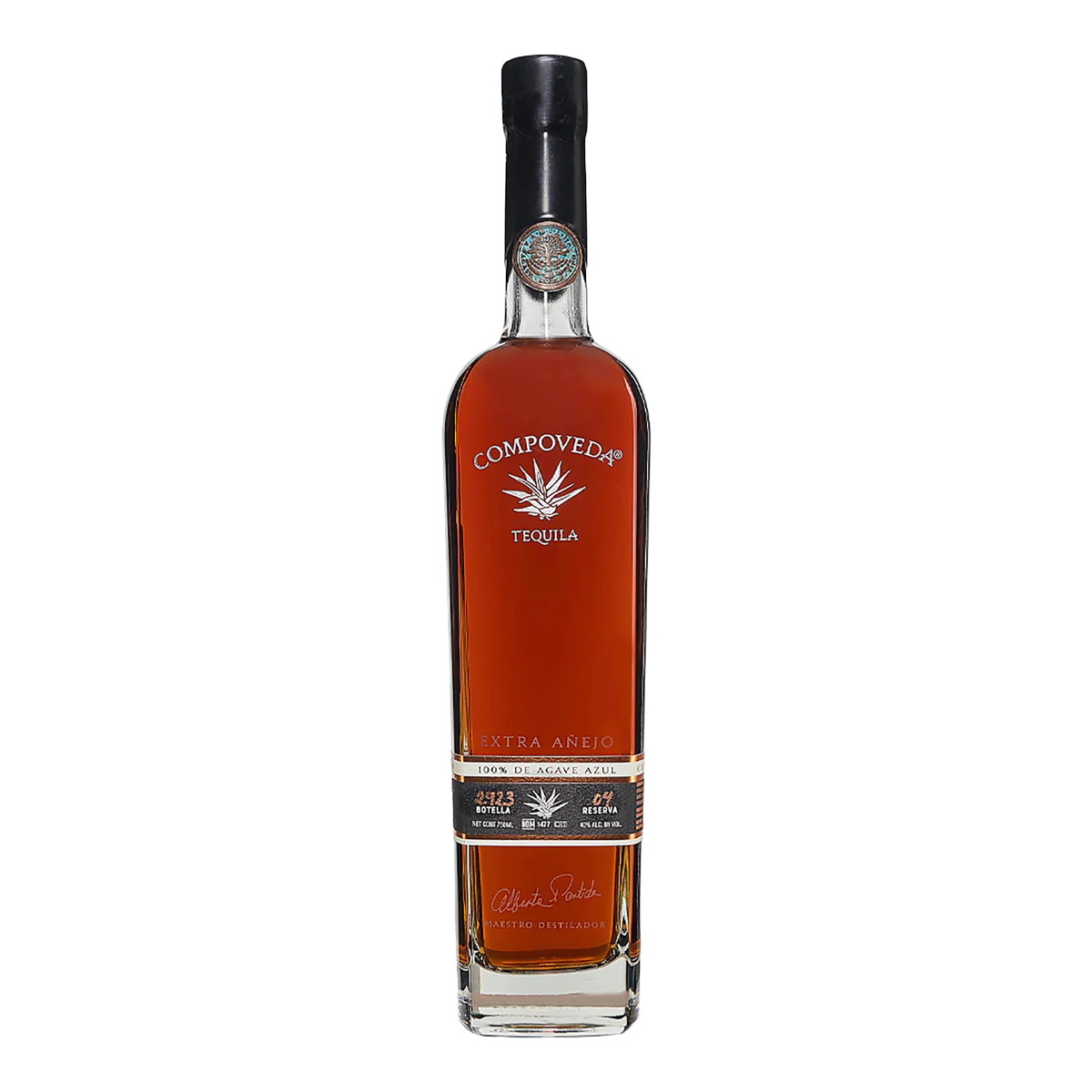
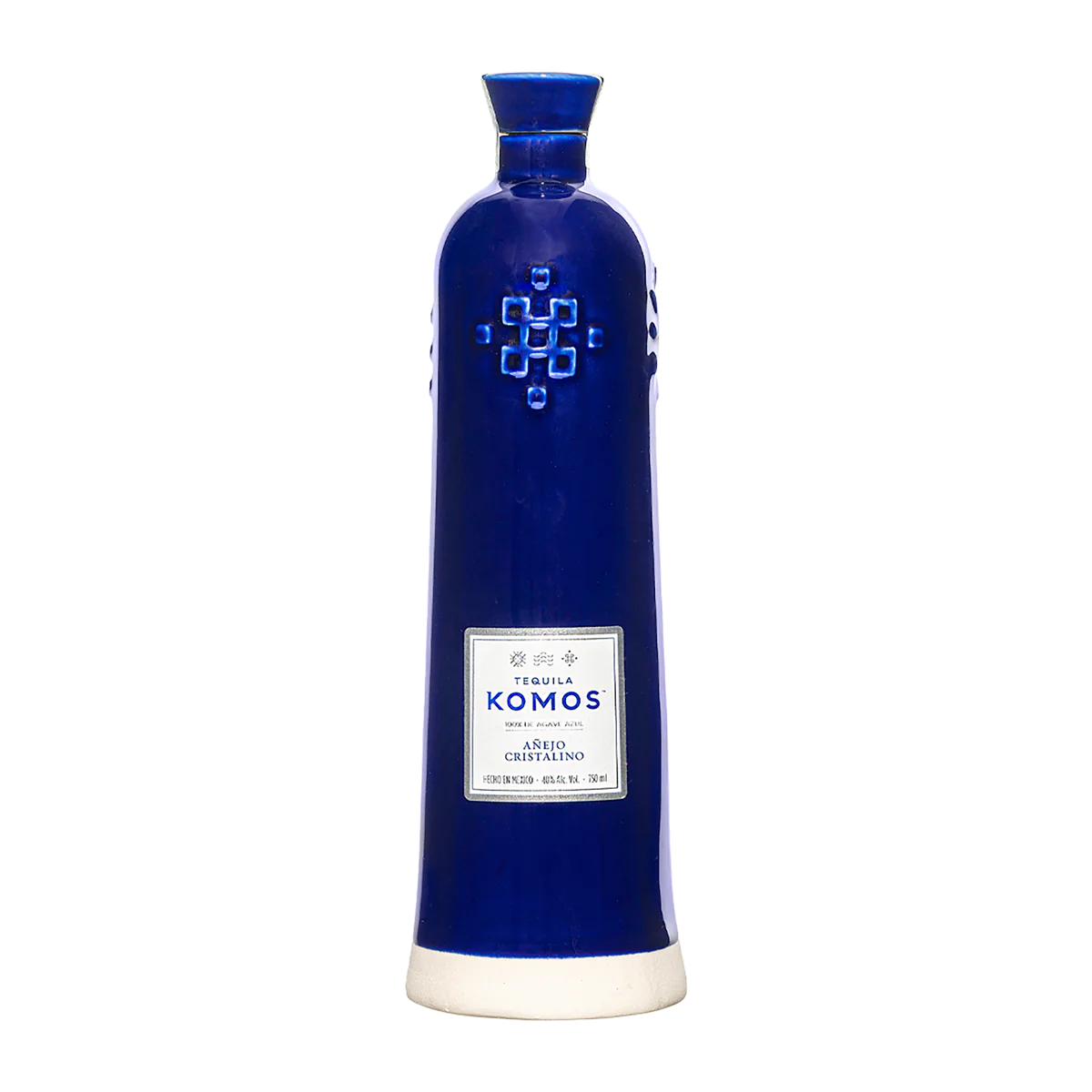
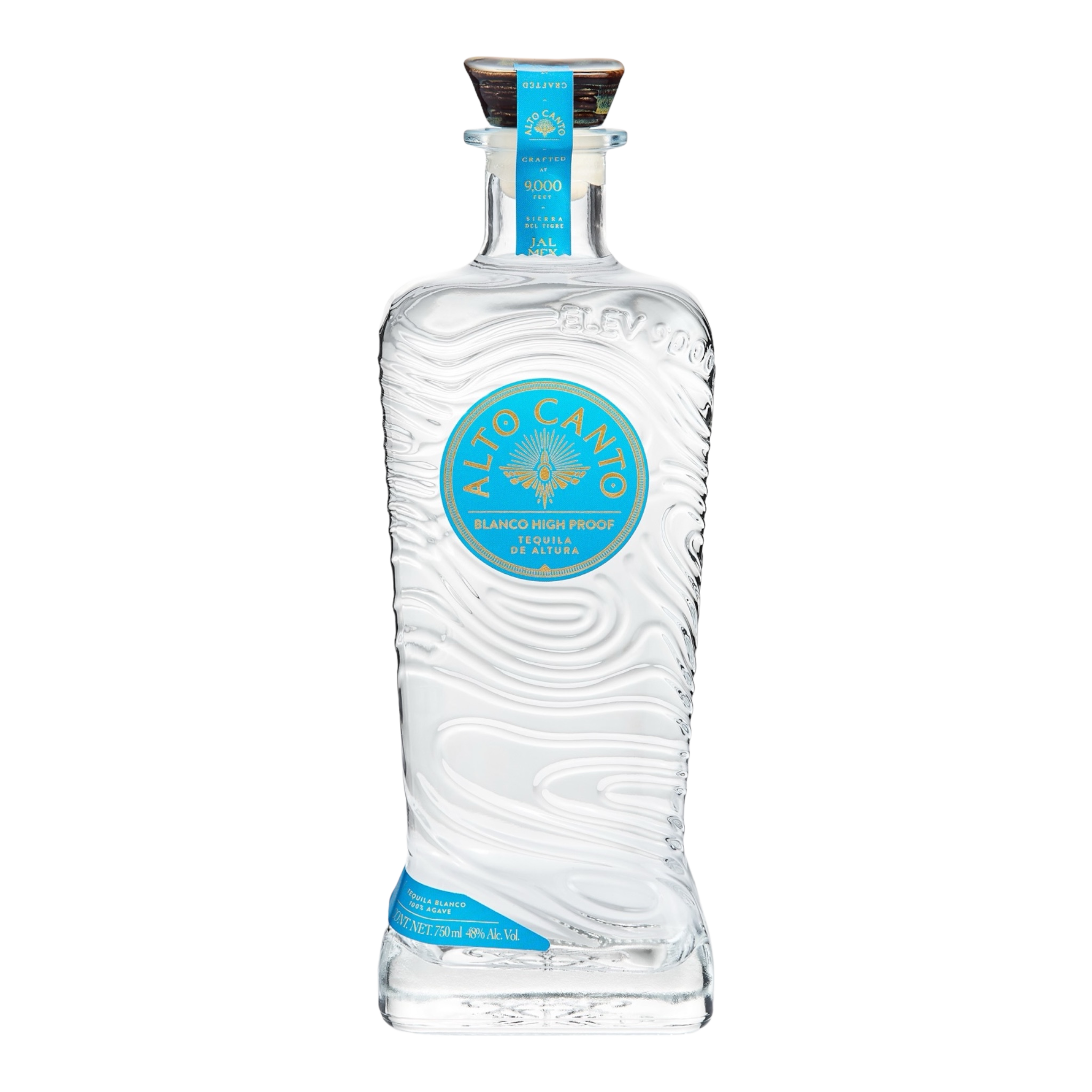
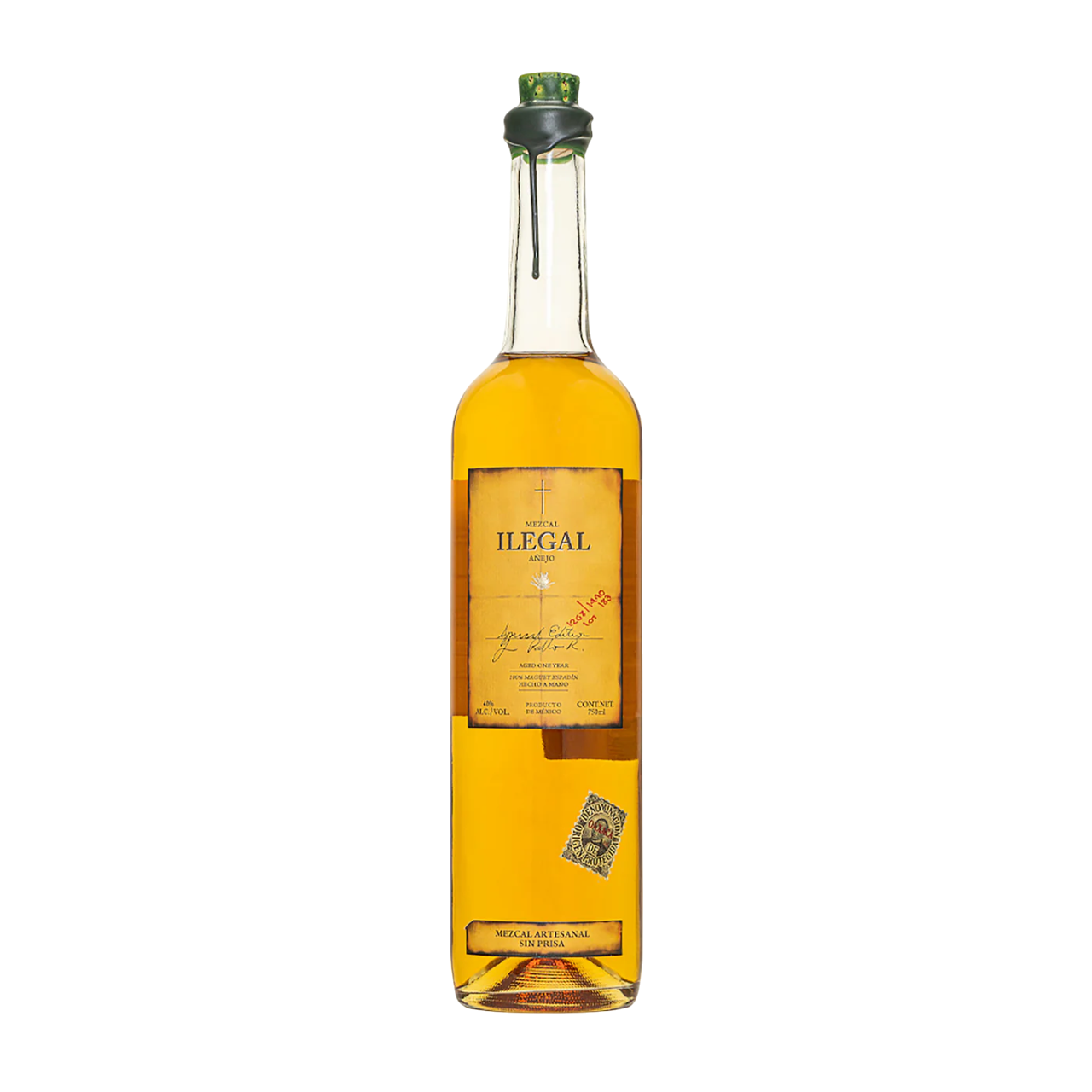
So this Cinco de Mayo, whether you're reaching for a blanco to mix into a Paloma, a reposado to sip neat, or an extra añejo to savor after dinner, you're holding a piece of that history.
The best way to honor it? Actually understand it.
Salud.