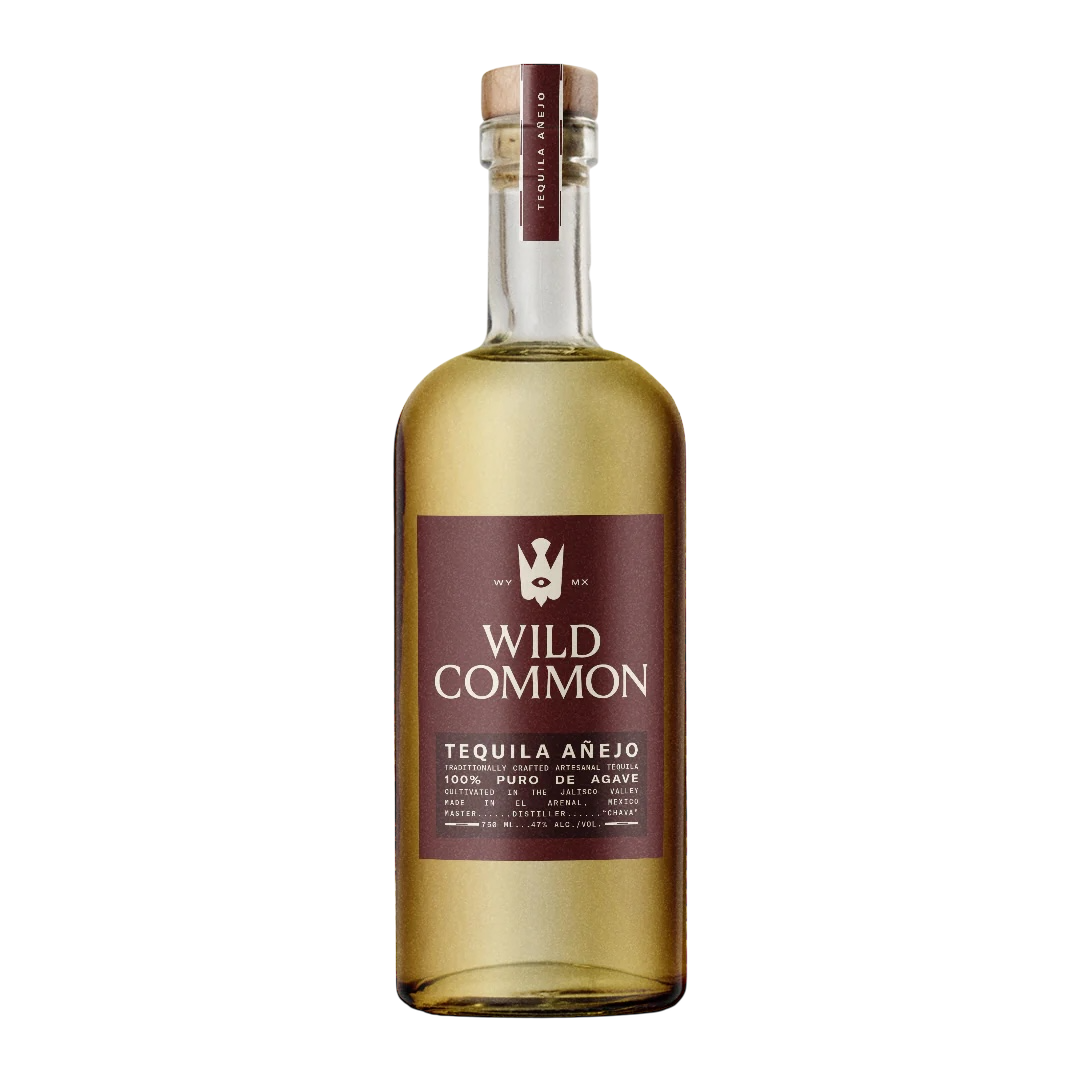
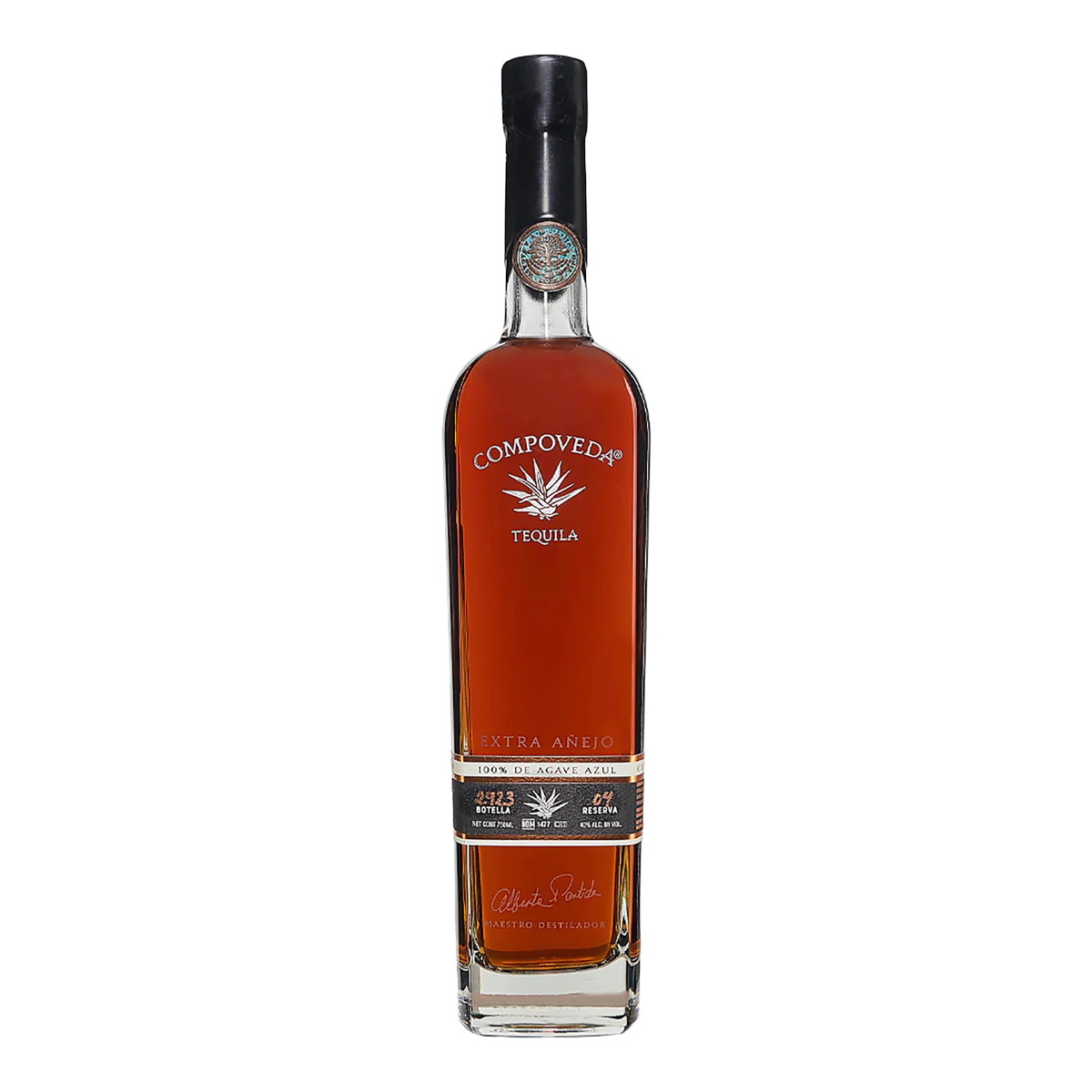
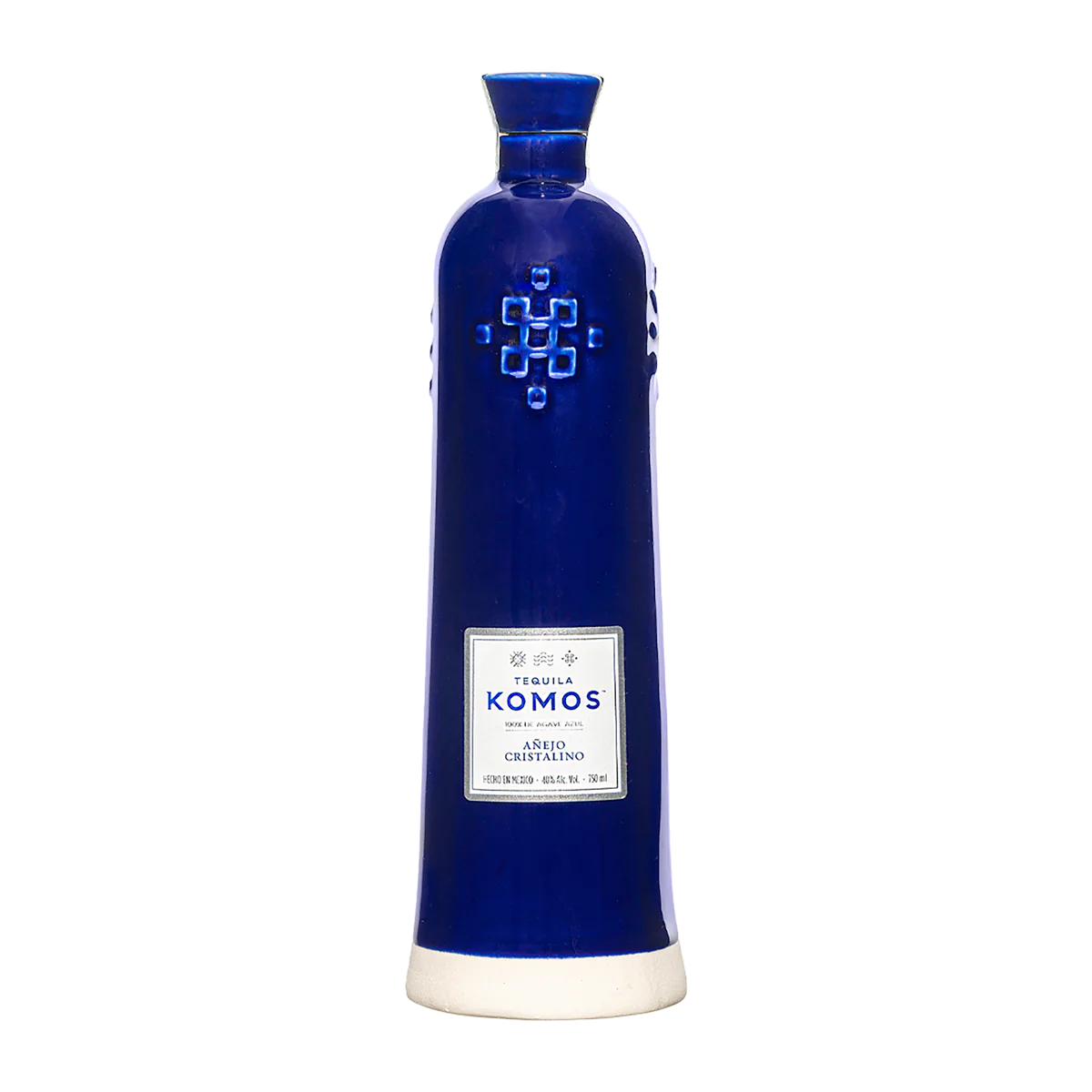
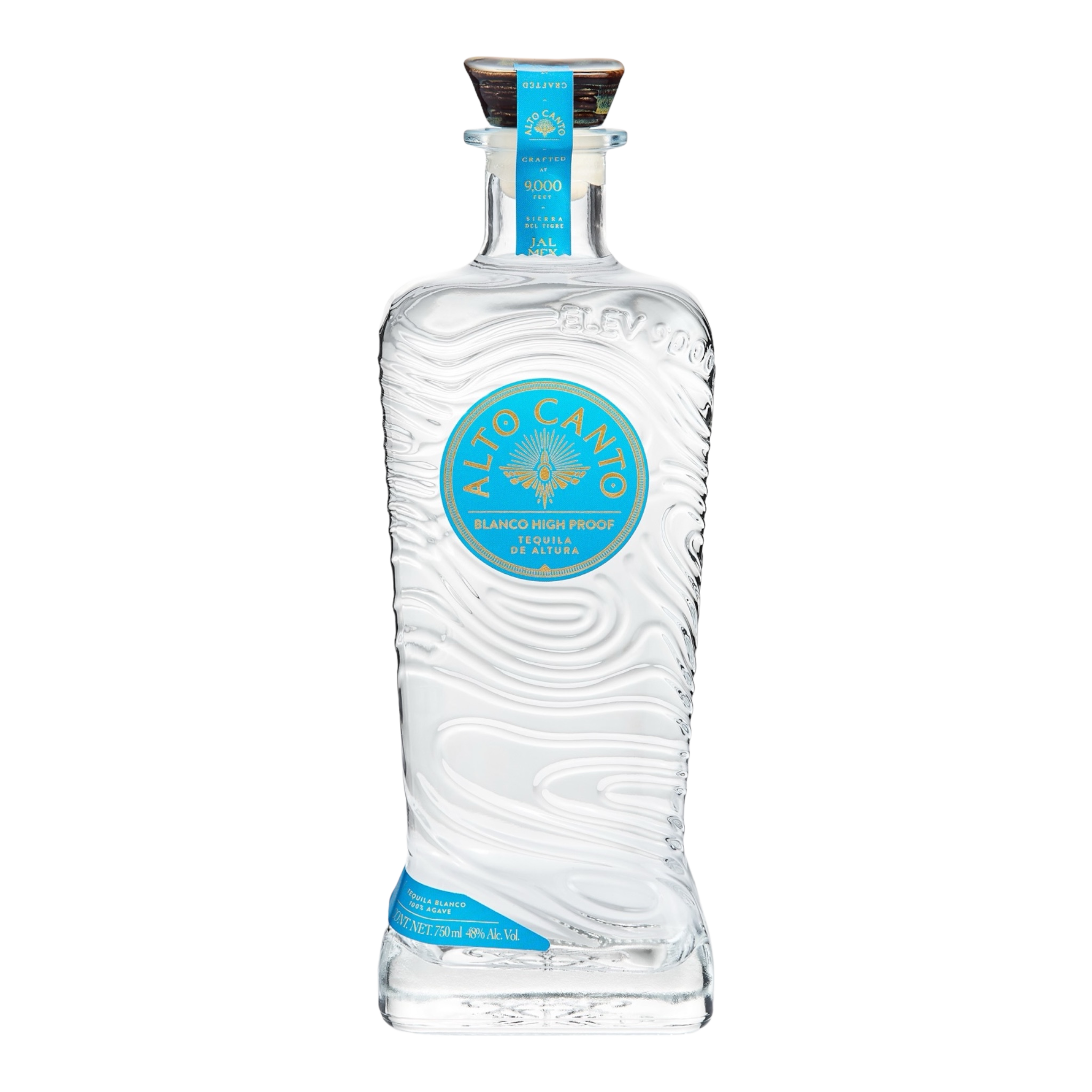



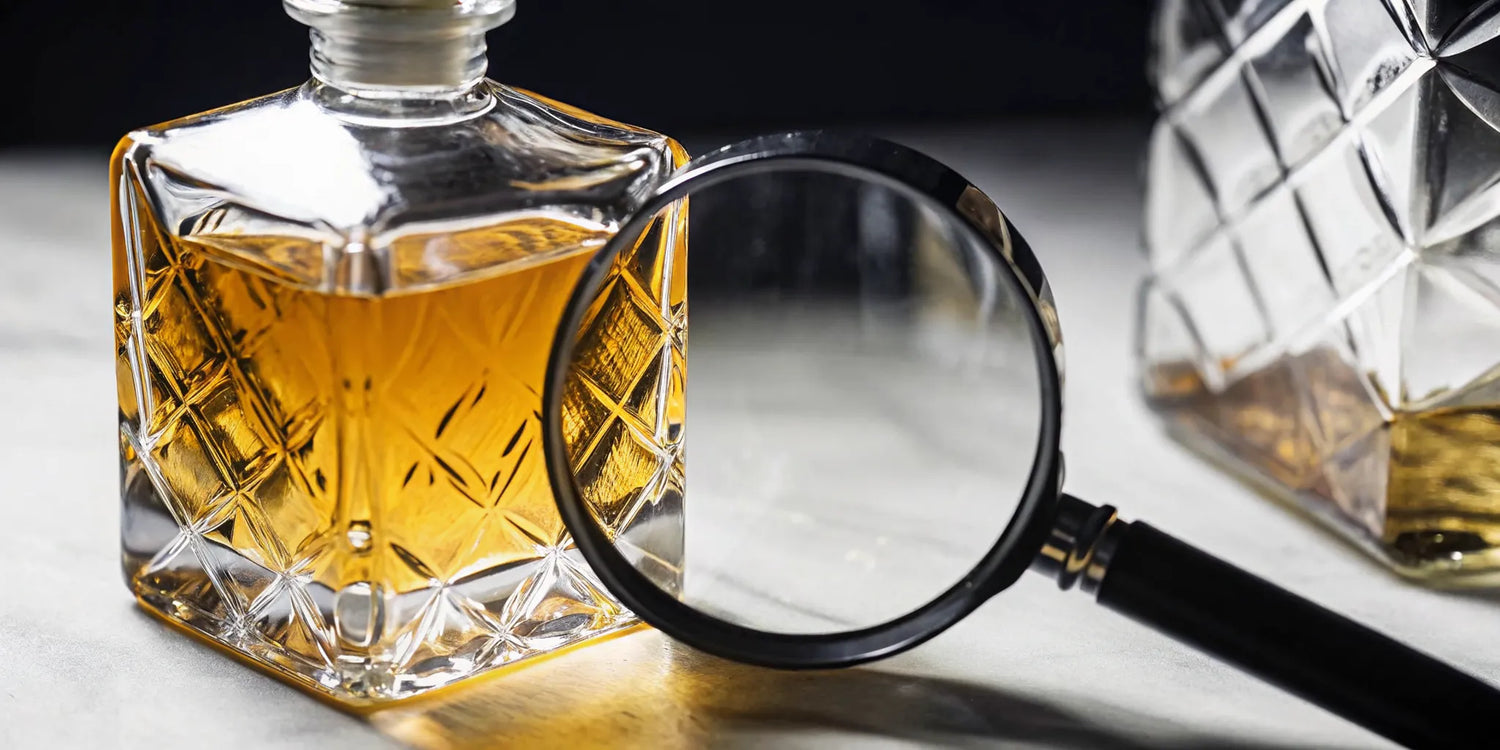
An additive free tequila list is the best starting point for finding spirits made without flavor or texture modifiers. While many drinkers expect bottles to be pure, current Mexican rules allow for hidden additives. The NOM-006-SCFI-2012 standard permits up to one percent additive weight before bottling without any mention on the label.
These approved additives include caramel coloring, glycerin, and oak extract. To find truly clean tequila, you must look for the NOM number on the bottle. This number tells you the distillery where the spirit was made. You can then look for outside checks from expert teams. These groups perform on site visits to ensure no chemicals enter the process.
This method helps you avoid brands that rely on artificial ingredients.
Additive Free Tequila List: What Does Additive-Free Actually Mean Under NOM-006?
If you want to find top additive-free tequila brands, you must first know how the rules work. In Mexico, the NOM-006-SCFI-2012 standard sets the rules for making tequila. This law does not force brands to put every ingredient on the bottle label. Many people think a bottle marked as 100% de agave is always pure.
But the law lets makers add small amounts of flavor and color without telling you. This lack of clear info is why fans now look for outside audits.
The one percent mellowing rule
The biggest myth in the trade is that 100% de agave means nothing but agave was used. Under the law, makers can use "mellowing agents" to change the taste or look of the spirit. These agents can make up to 1% of the total weight of the tequila before it goes into the bottle.
Common additives include caramel color for a darker gold, oak extract for an older taste, and glycerin for a smooth feel. Because the amount is small, the label can still claim the spirit is pure agave. This makes it hard for you to know what you are really drinking.
Hidden sugars and the abocado label
When a tequila is "mellowed" with additives, it is often called abocado. The law lets these spirits have a large amount of added sweeteners. In fact, abocado tequilas can contain up to 75 grams per liter of reducing sugars. While this is most common in gold tequilas, it can happen in aged ones too.
These sugars help hide the bite of cheap alcohol or young agave. If you want a drink that tastes only of the plant and the soil, you should avoid bottles that use these heavy additives. You can browse our additive-free tequila collection to find spirits that skip these hidden fillers.
Why disclosure is not needed
The CRT, which is the board that oversees tequila, treats these additives as legal steps. Since the law says these parts are allowed, they do not count as "foreign" to the spirit. This is why a brand does not have to list them.
A maker can use fast tools to speed up the work and then use chemicals to fix the flavor. To be sure your bottle is truly clean, you must look past the official label and find brands that commit to full honesty.
Knowing these rules is the first step to finding the best spirits with a guide to buying additive-free tequila online.
How to Read a NOM Label Like an Expert
Finding a good bottle starts with a look at the back label. Every legal bottle must carry a four-digit number known as the NOM. This code is your key to find the truth about where and how your drink was made. It acts as a fingerprint for the plant that made the liquid.
Since the Consejo Regulador del Tequila (CRT) tracks every still, this number is more than just a label. It is a link to the heart of the making steps.
Find the Four Digit Code
The first thing you should do is scan the label for the letters "NOM" followed by a number. This code shows the exact plant where the drink was made. Since many sites make dozens of brands, the NOM helps you find the true source. It is a vital tool for any fan of clean drinks.
You might find it in small print on the back or even stamped into the glass. If a bottle lacks this number, it may not be legal spirits at all. Always check this first to ensure you are buying a real product from Mexico.
Check the Public Files
Once you have the code, you can check it through public files. The NOM-006-SCFI-2012 rule needs all makers to list their sites with the state. By checking this number, you can see if the plant has a past of good work or if they use fast, low-cost ways.
This data is open to the public and serves as a check on large plants. It helps you see which brands share the same stills and which ones own their own land. This clear view is what sets top shelf bottles apart from mass-made brands.
Spot the Red Flags
As you read the label, look for words that hint at hidden extras. Terms like "mellowed" or "abocado" often mean the maker added color or sugar after the still. While the law allows up to one percent of total weight to be additives, these can mask low-grade agave.
A pure bottle will often focus on the estate and the age of the plants. If the label is vague about the source but loud about the taste, take a closer look at the NOM number. True craft brands have nothing to hide and will list their still with pride.
- Find the NOM number on the bottle label. Look for a small stamp that says NOM followed by a code like 1146 or 1414. This number is unique to each plant in Mexico.
- Visit the public site of the Tequila Regulatory Council or use a trusted app. You can enter the NOM there to find the plant name and where it is. This helps you see if the brand makes its own juice.
- Check the standing of that plant. Sites must follow strict rules set by the CRT to stay active and in good grace. A plant in good standing is a sign of a safe and legal product.
- See if the label says "abocado" or "blanco" on the front. While most blanco spirits are pure, an abocado can have added sugars or oak extracts to change the taste. Blanco is usually the safest bet for purity.
- Check the plant against an additive free tequila list to see if they pass extra tests for clean drinks. Other audits can prove a brand stays pure from the field to the glass.
Knowing how to read these labels is key for anyone who wants to avoid hidden extras. Even though the law lets some makers use additives, an expert knows how to spot the signs of a pure pour. Use these steps to make sure your next bottle meets the top grade.
By taking the time to check the NOM, you can support the makers who stay true to the old ways. This ensures a better drink for you and a better future for the agave world.
Why the Additive-Free Label Is More Complicated Than You Think
You might think a label like "additive-free" is a clear sign of purity on a bottle. But in the world of Mexican law, this term has no official legal status. In fact, using the phrase on a bottle can lead to legal trouble for producers in Mexico. While you want to find the best guide to buying additive-free tequila online, the official rules make this much harder than it looks.
The CRT position on additive claims
The Consejo Regulador del Tequila (CRT) is the group that sets the rules for making tequila. In August 2024, the CRT issued a formal circular stating it would not certify any "additive-free" claims. According to official CRT documents, the regulator will not issue any papers to support these labels.
The CRT's reasoning is rooted in the NOM-006-SCFI-2012 standard, which permits up to 1% of a tequila's volume to consist of additives , including glycerin. Caramel coloring, oak extract, and sugar-based syrup , with no disclosure required on the bottle.
Since small amounts are already legally allowed, the CRT argues that calling any tequila "additive-free" is inherently misleading under the existing rules.
This hardline stance came shortly after a brief and controversial experiment. In October 2023, the CRT endorsed Patrón as additive-free, issuing a special certification that Patrón proudly placed on its bottles. It was a major PR win for Patrón and seemed to signal a new openness from the regulator.
But within months, the CRT reversed course entirely, dropping the program and declaring that it would never certify such claims again. The whiplash left many in the industry wondering what had changed behind closed doors. And whether the Patrón endorsement was a one-off favor rather than a real policy shift.
Mexico's consumer protection agency, PROFECO, aligns with the CRT on this issue. PROFECO has stated that the phrase "additive-free" can mislead or confuse consumers, particularly because the official NOM-006-SCFI-2012 standards already account for permitted additives. In the agency's view, any additional claim implies a distinction that the regulatory framework does not recognize.
This creates a frustrating gap for fans who simply want to know exactly what is in their glass. Caught between a regulator that won't certify the truth and a consumer agency that considers the truth itself misleading.
Filling the transparency gap
Since the government does not certify these claims, independent groups have stepped in to help. The Tequila Matchmaker Additive-Free program launched in 2020 , building on the Taste Tequila database that Grover and Scarlet Sanschagrin started back in 2009. To provide the data that labels lack.
The organization performs on-site audits at distilleries across Jalisco, inspects production logs, reviews purchase receipts for raw ingredients. And even accesses official CRT lab reports to verify that no additives are being used. This thorough vetting process has led to the creation of a growing top additive-free tequila brands list that many fans trust today.
The program rebranded as the Additive Free Alliance (AFA) in 2023 and introduced a physical stamp that certified brands could place directly on their bottles. More than 100 tequilas have now been approved under the program. Though that list was temporarily removed from the AFA website in October 2024 after the CRT sent threatening letters to small producers.
Warning of product seizure if additive-free language appeared anywhere associated with their brands, including on third-party sites. Brands like Yéyo Tequila reported that their bottling was held up due to the CRT's crackdown. The AFA made the difficult call to pull the list to protect those same producers from their own regulator.
The standoff escalated further in March 2025, when the CRT filed a federal lawsuit against the AFA and its parent company S2F in U.S. District Court in Florida, arguing that the AFA's independent verification program infringes on the CRT's exclusive authority over tequila certification and misleads consumers.
The raid that changed everything
Perhaps the most dramatic moment in this ongoing battle came in March 2024. Mexican federal authorities, acting on a tip from the CRT's legal representative, raided a property belonging to the Sanschagrins in Jalisco. Officials claimed the home was being used as an "adulterated tequila factory." Armed with a search warrant.
Officers broke down the door and seized 540 glass bottles, 57 jars, five containers of unknown liquid, distillation equipment, and labeling materials. No arrests were made, but the message was clear: the CRT was willing to use the full force of Mexican law to shut down the additive-free movement.
The timing was telling , the raid came just as the comment period was closing on new U.S. TTB alcohol labeling rules, suggesting the CRT was feeling pressure from both sides of the border. For anyone tracking the fight for transparency in tequila, it was the moment the conflict went from bureaucratic to personal.
Despite all this pressure, the Additive Free Alliance has persisted. Refiling as an independent 501(c)(3) nonprofit in August 2024 and continuing its mission with a clear disclaimer: every brand that participates must agree that the AFA's verification is not a formal certification. Just an honest assessment. It's a careful legal dance, but one that thousands of tequila drinkers rely on every day to make informed choices about what goes into their glass.
How to Verify a Tequila is Truly Additive-Free
Buying a bottle that says 100% agave is no longer enough to guarantee purity. Current laws let brands add up to 1% of the total weight in additives like glycerin or oak extract without any mention on the label. To find a bottle you can trust, you must look past the marketing and use expert tools. Use the steps below to build your own top additive-free tequila brands list with confidence.
Check the Additive-Free Alliance database
The best way to find pure spirits is through independent audits. Many fans use the Tequila Matchmaker program, which began in 2020 to inspect brands for additive-free status through on-site checks. These audits go deep into the production process to verify that no hidden sugars or flavoring agents enter the final product. As of today, more than 100 spirits have earned the right to carry the Additive-Free Alliance logo after passing these tests.
Review official NOM records
Every bottle of tequila must show a four-digit NOM (Norma Oficial Mexicana) number. This code tells you which distillery made the spirit. You can search this number on the Consejo Regulador del Tequila (CRT) website to see if the distillery produces many different brands.
If a single facility makes dozens of products at very low prices, they may use "abocado" or mellowing processes. These methods can involve adding up to 75 grams per liter of total reducing sugars from sweeteners to hide poor quality spirits.
- Consult the Alliance database. Search for the brand on Tequila Matchmaker to see if it has a green "Additive-Free" checkmark.
- Find the NOM on the label. Locate the four-digit code and find the producer. Note if the brand shares a distillery with known mass-market labels.
- Look for the Abocado label. Check the back label for terms like "abocado" or "mellowed," as these are official markers for products containing added color or flavor.
- Check for an unnatural color. Be wary of aged tequilas that look dark or murky. Pure barrel aging usually yields a light straw or golden hue, not a deep caramel brown.
- Note the mouthfeel and smell. If the spirit feels syrupy or smells strongly of fake vanilla or cake batter, it likely contains glycerin or flavoring agents.
- Monitor legal updates. Stay informed on the industry, as a lawsuit against the CRT is currently active regarding "additive-free" claims and label transparency.
- Shop at trusted sources. You can browse our additive-free tequila collection to find spirits that we have already vetted for quality and purity.
Learn to spot sensory red flags
Even without a label check, your senses can provide clues about a spirit's purity. Additives are often used to make a harsh, young spirit taste like a premium, aged one. If a blanco tequila is very sweet or has a thick, oily texture that sticks to the glass, it may have added sugar or glycerin.
While some brands claim these traits come from the agave, true additive-free spirits should taste like the plant and the earth, not like a candy shop.
Brands Known for Additive-Free Production
Finding a pure spirit is easier when you know which names to trust. While the CRT does not put an additive-free claim on labels, many makers use third-party audits to verify their purity.
These brands often follow old-world steps like crushing cooked agave with a tahona wheel or slow-cooking piñas in traditional brick ovens rather than using the industrial autoclaves and diffusers that strip flavor. The production method matters because it directly shapes what ends up in the bottle , additive-free tequila made with traditional techniques tends to carry more complexity.
Texture, and terroir than its mass-produced counterparts. You can find many of these in our additive-free tequila collection online.
The Additive-Free Alliance
The Tequila Matchmaker program started in 2020 to check brands through on-site visits. This independent verification looks at every step from the field to the bottle , confirming that no glycerin. Caramel coloring, artificial oak flavorings, or sugar-based sweeteners were added after distillation.
By 2026, more than 100 tequilas have earned the right to use the Additive-Free Alliance logo after passing these rigorous tests. This list helps both newcomers and seasoned collectors find products that deliver a genuine agave experience without synthetic manipulation.
Top Brands to Watch
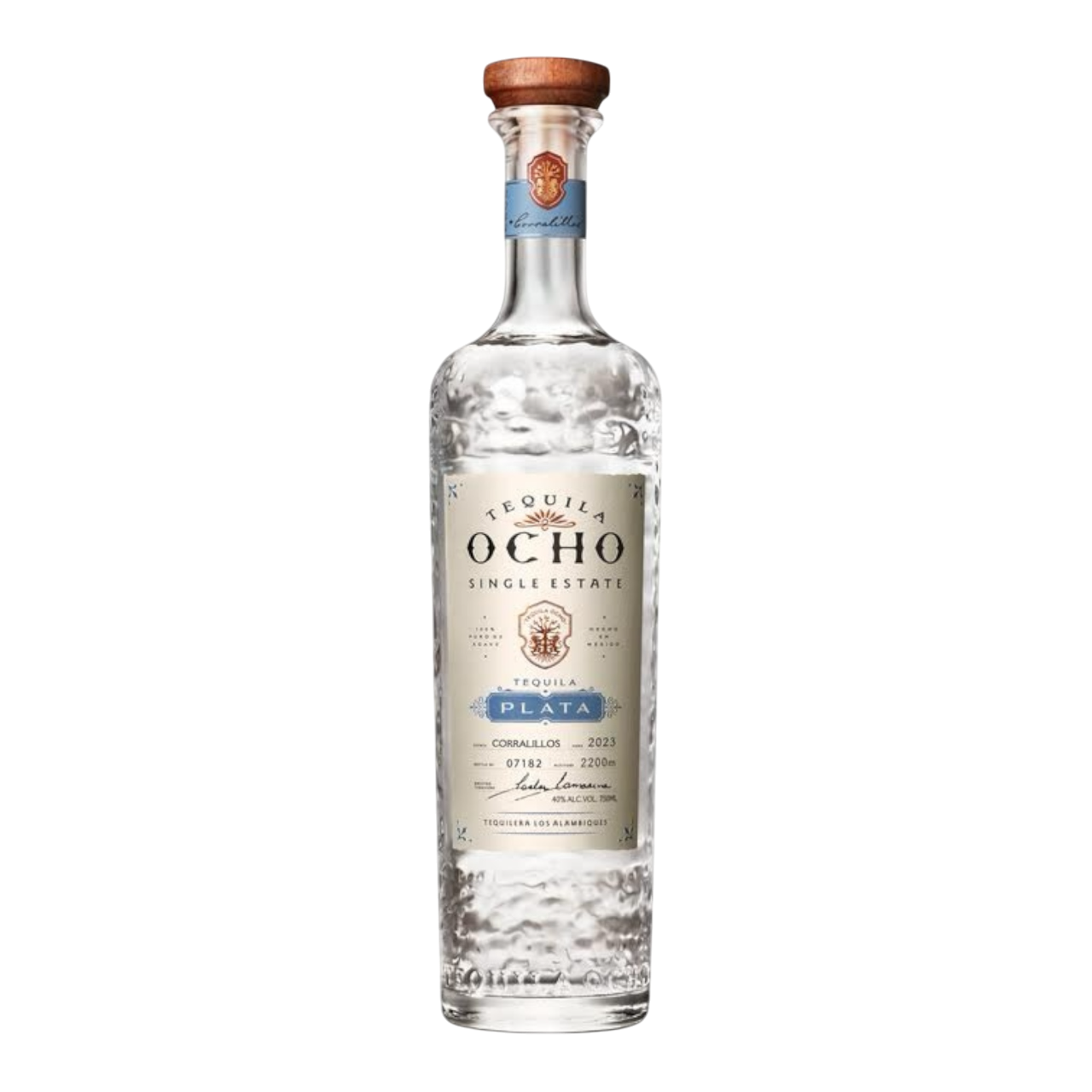
Many of the most loved bottles today come from small distilleries with a focus on craft rather than volume. Brands like Tequila Ocho and Fortaleza lead the way by being transparent about their NOM and production methods. These makers typically source local agave and rely on traditional tools , tahonas.
Stone ovens, wild yeasts , to create deep, natural flavors that vary from batch to batch. The table below lays out their key differences so you can explore based on what matters most to you.
| Brand | NOM | Production Style | Agave Source | Cooking Method | Flavor Profile | Price Tier |
|---|---|---|---|---|---|---|
| Fortaleza | 1493 | Tahona | Own estate (Los Abuelos) | Stone brick oven | Earth, Olive, Butter | Premium |
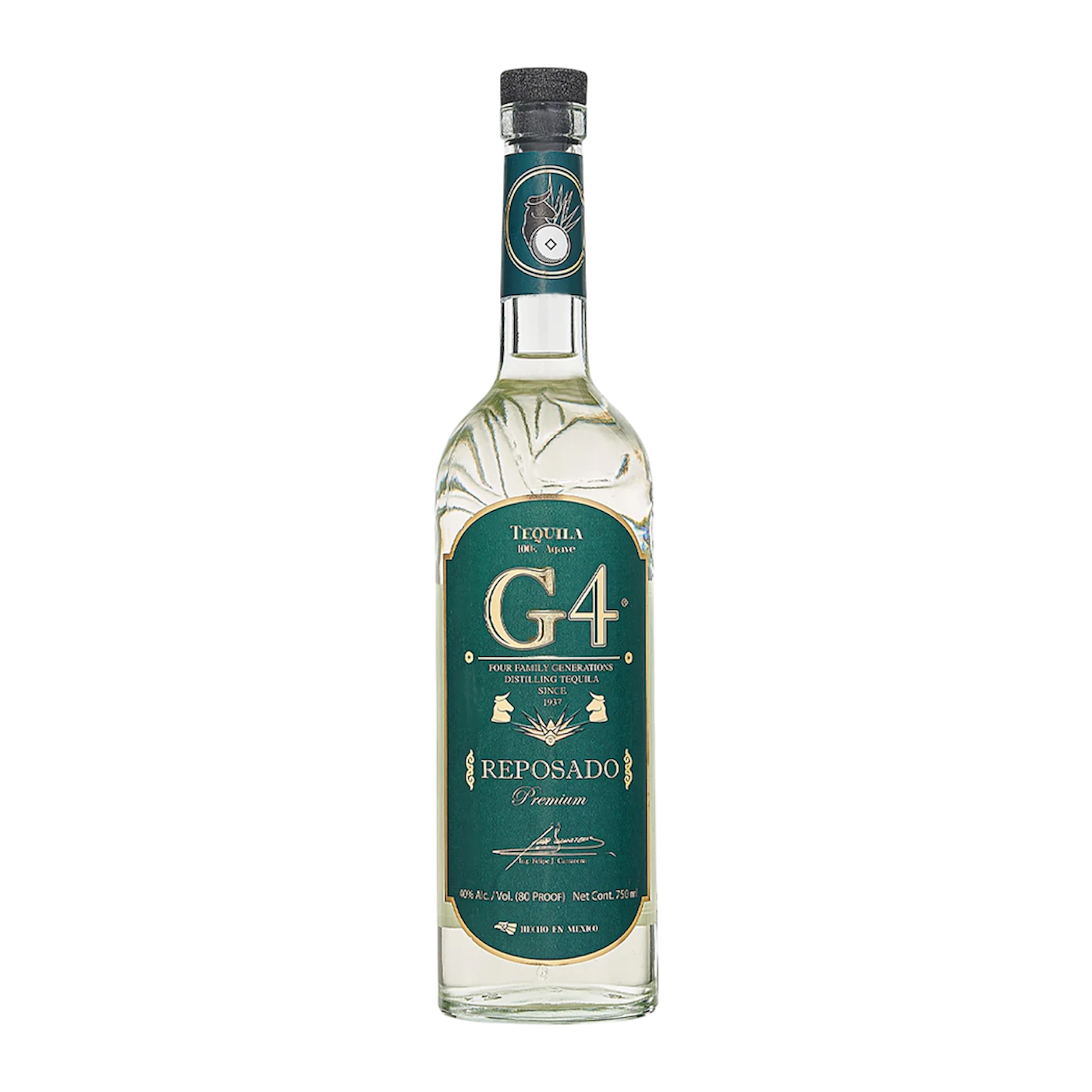
| G4 | 1579 | Metal Tahona | Highlands estate-grown | Stone brick oven | Mineral, Rain, Pepper | Mid-Range |
| Tequila Ocho | 1474 | Roller Mill | Single-estate, vintage-dated | Stone brick oven | Sweet Agave, Fruit | Mid-Range |
| LALO | 1468 | Roller Mill | Highlands & Lowlands blend | Stone brick oven | Pure Agave, Citrus | Mid-Range |
| Siete Leguas | 1120 | Tahona / Roller Mill | Own estate | Stone brick oven | Herbal, Cooked Agave | Premium |
| El Tesoro | 1139 | Tahona | Highlands estate-grown | Stone brick oven | Pepper, Smoke, Agave | Premium |
| Cascahuin | 1123 | Tahona / Roller Mill | Valley estate-grown | Stone brick oven | Mineral, Earthy | Mid-Range |
| Cazcanes | 1614 | Roller Mill | Highlands estate-grown | Stone brick oven | Floral, Spice, Sweet | High-End |
| Volcán de Mi Tierra | 1523 | Roller Mill | Highlands estate-grown | Stone brick oven | Rich Earth, Vanilla, Stone Fruit | Premium |
| Don Fulano | 1146 | Roller Mill | Highlands estate (Felipe López family) | Stone brick oven | Citrus, Honey, Cooked Agave | Premium |
The difference between tahona and roller mill production is more than just equipment , it is a flavor decision. A tahona wheel crushes cooked agave fibers slowly, extracting juice along with bitter and savory compounds from the plant's minerals and oils. This creates richer, earthier profiles with more texture, as seen in Fortaleza and El Tesoro.
Roller mills, by contrast, press agave rapidly and leave more of the fibrous bagasse intact. Producing cleaner, brighter agave flavors , the kind Tequila Ocho and LALO are known for. Some distilleries like Siete Leguas and Cascahuin use both methods depending on the expression.
Giving drinkers a chance to compare the same agave treated two different ways within a single lineup.
Most of these brands also invest heavily in agave sourcing. Single-estate producers like Fortaleza and Tequila Ocho grow their own agave and can track each harvest to a specific field and year. This traceability lets them adjust fermentation times, yeast strains, and cut points based on what the agave itself needs, rather than forcing a consistent profile through additives.
Whether you prefer the mineral snap of a highlands blanco or the deep earth of a valley expression. These brands prove that when you start with quality agave and respect the process, no additives are required.
Frequently Asked Questions
Are all additive-free tequilas labeled as such?
According to Mexican rules, makers do not have to list additives on the label. Brands can add up to 1% of total weight in agents like glycerin or caramel color without any notice. This means a bottle can be "100% de Agave" but still contain these extras. You must look for outside checks like the Tequila Matchmaker database to be sure a bottle is truly pure.
Does additive-free mean the tequila is higher quality?
The term additive-free describes how a tequila is made rather than its final grade. Many fans feel these spirits are better because they show the true flavor of the plant. Since makers cannot use sugar or oak extract to hide flaws, they must focus on clean methods and good agave. This often leads to a more complex and real drink. Still, quality also depends on the skills of the person who made it.
Why do some tequilas use additives?
Many brands use additives to create a flavor that is the same in every batch. Since agave plants change based on the soil and weather, some tequilas can taste different from year to year. Additives like glycerin or syrup help keep the taste and feel smooth and sweet. This makes the product more steady for casual drinkers. It also helps makers hide sharp or bitter notes that might occur during fast, cheap production runs.
How does additive-free tequila taste compared to others?
Additive-free tequila usually has a bright and earthy flavor that shows off the agave plant. You may notice notes of black pepper, citrus, or roasted stone. In contrast, tequilas with additives often taste much sweeter and have a thick feel in the mouth. They may have strong scents of vanilla or cake batter that do not come from the plant itself. Pure spirits tend to have a clean finish without a sticky aftertaste.
Ready to Start Your Additive-Free Tequila Collection?
Choosing a bottle without checking the NOM label means you might still be drinking hidden additives that mask the true taste of agave. You should not have to guess what is in your glass when you want a clean spirit that offers a pure and real taste today. By picking checked brands now, you can stop worrying about labels and start enjoying the real flavors of Mexico that you want to taste today.
Ready to shop? Browse our curated additive-free tequila collection and find your new favorite bottle for your home bar. Get free shipping on orders over $249 and enjoy exclusive Sip Member perks on your first purchase.