








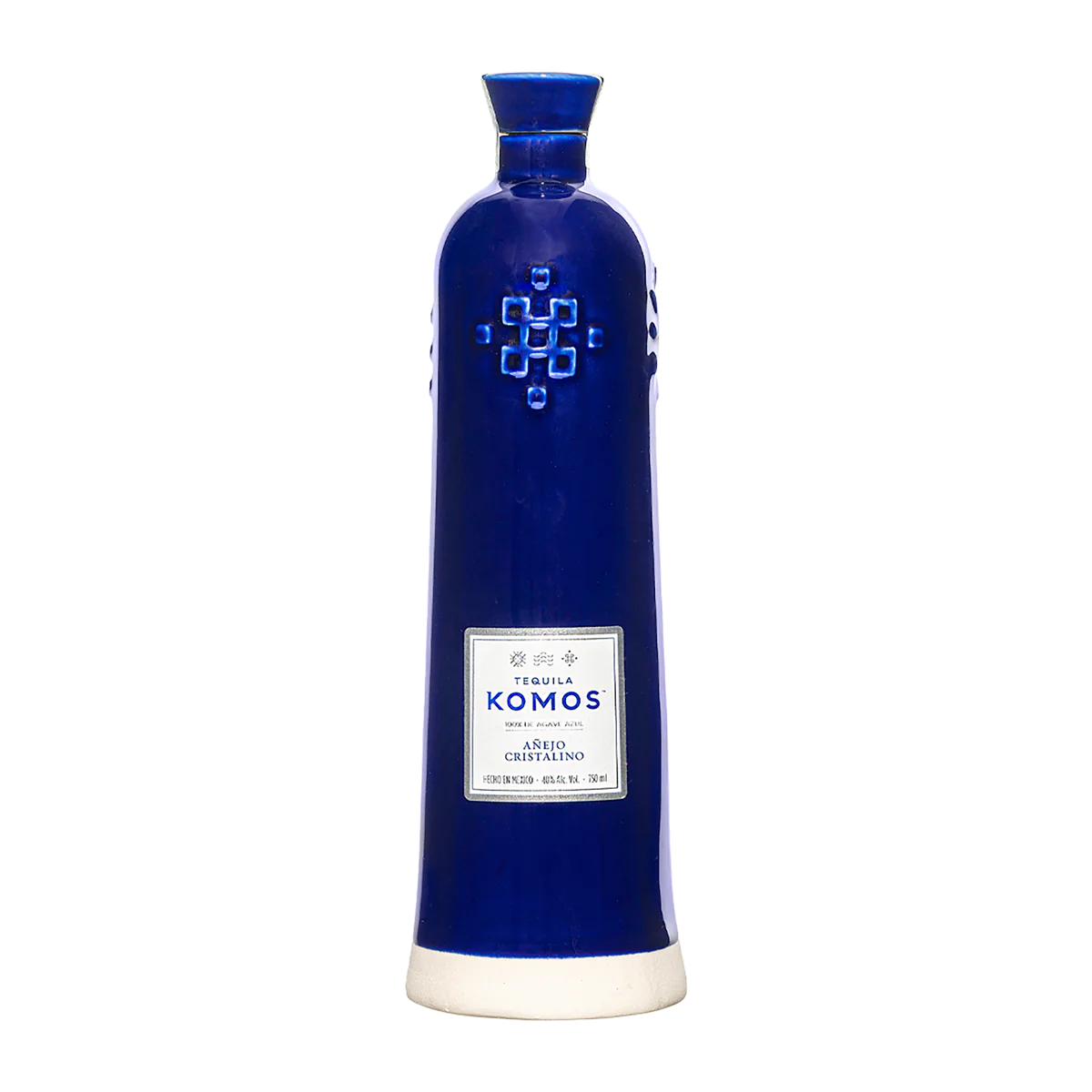
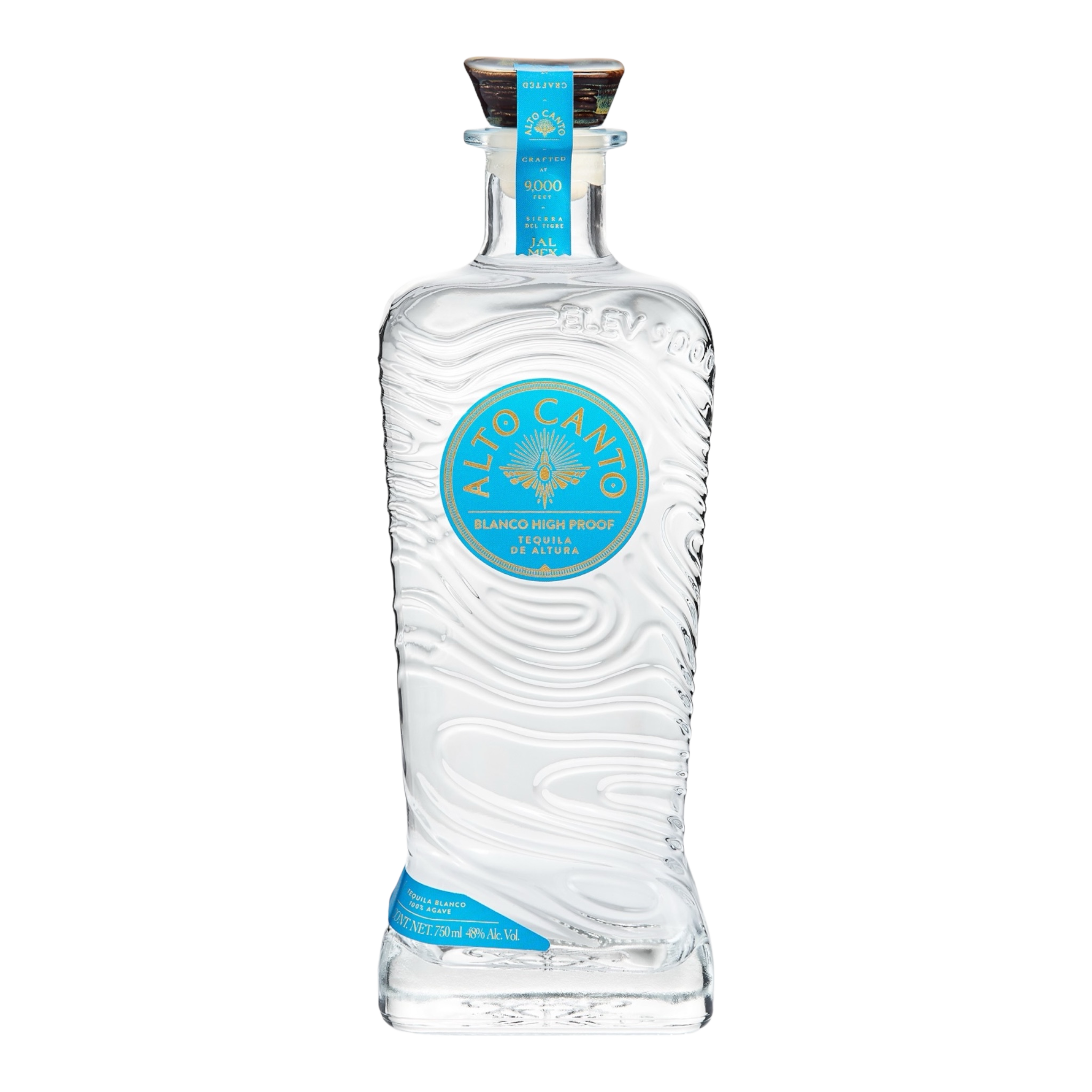
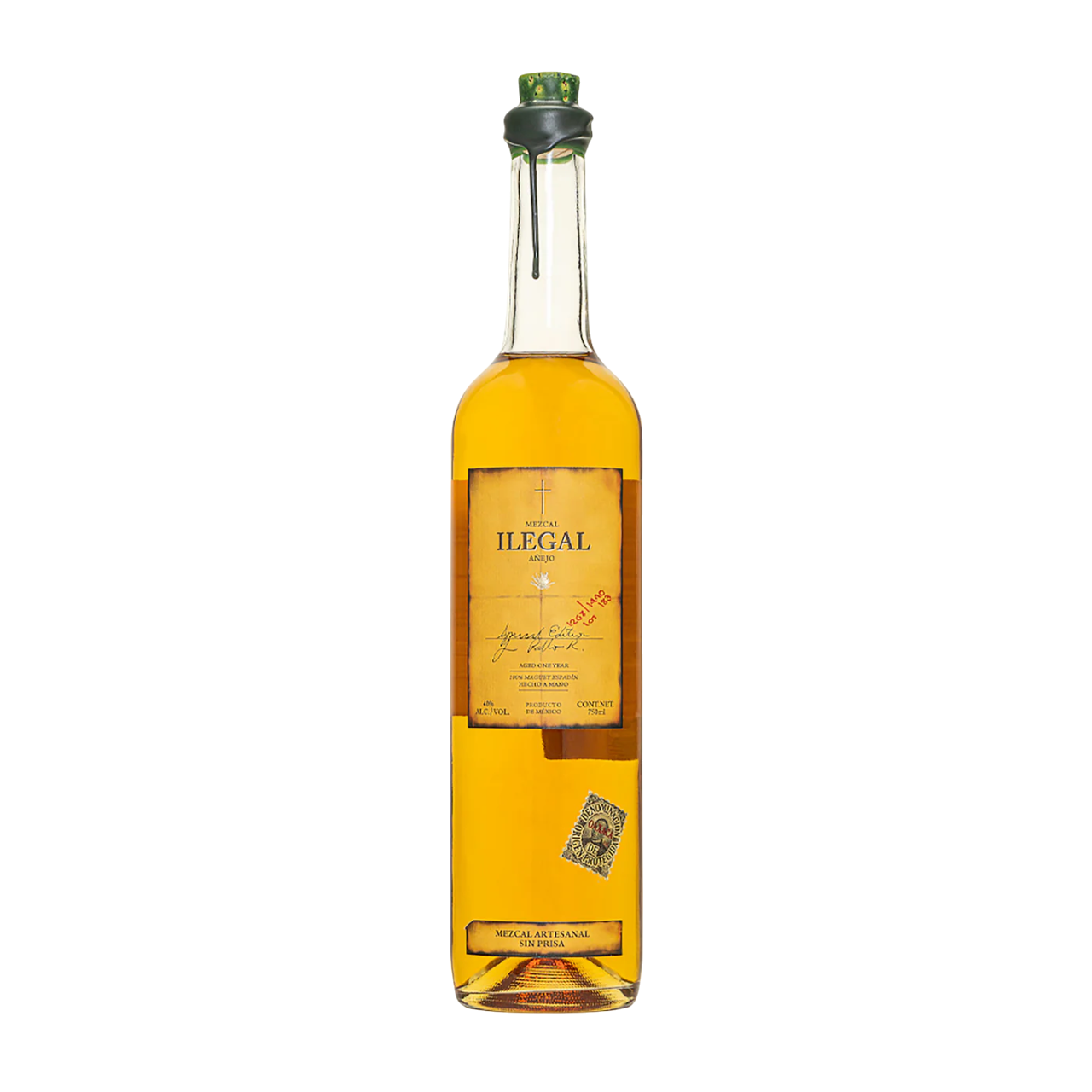
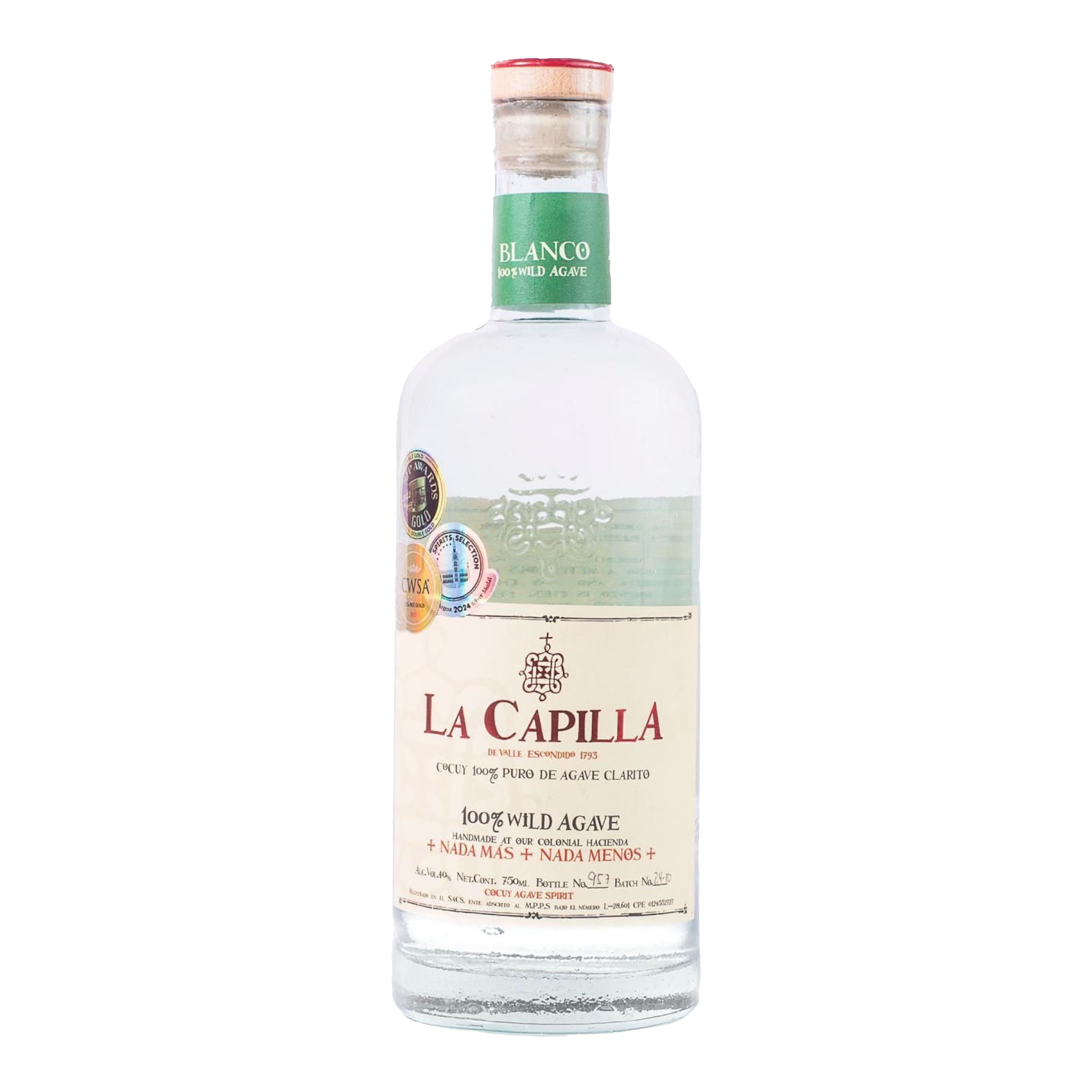





Exploring the world of reposado tequila is a journey of discovery. Each bottle tells a unique story of its origin, from the specific agave field to the barrel it rested in. Unlike mass-produced spirits that aim for perfect consistency, small-batch tequilas celebrate nuance and character. They offer a direct connection to the distiller's art, showcasing how a few months of aging can create a spectrum of flavors, from bright and citrusy to rich and spicy. If you're ready to move beyond the usual suspects and find a spirit with personality, you're in the right place. Let's find the best small batch reposado for sipping to add to your collection.
Key Takeaways
- Reposado is the ideal middle ground: It perfectly balances the bright, peppery notes of agave with the smooth, complex flavors of vanilla and caramel that come from resting in an oak barrel.
- Focus on production, not just price: A great reposado starts with 100% Blue Weber Agave. Look for details about traditional methods, like slow-cooking in brick ovens, to identify true craftsmanship over marketing hype.
- Sip it right to get the best flavor: Serve your reposado neat and at room temperature in a proper tasting glass. Chilling it or using a shot glass can mute the very aromas and flavors the distiller worked hard to create.
What Makes a Reposado Tequila Great for Sipping?
If you're looking for a tequila that's perfect for sipping, reposado offers a beautiful balance of flavor. The name itself, meaning 'rested' in Spanish, hints at what makes it special. Unlike a fresh blanco or a deeply aged añejo, a reposado spends just enough time in a barrel to gain complexity without losing the bright agave spirit at its heart. This short resting period transforms the tequila, creating a smooth, nuanced profile that’s approachable for newcomers and appreciated by seasoned drinkers. It’s this harmony of agave and oak that makes reposado a fantastic choice for enjoying neat.
How a Little Rest Creates a Lot of Flavor
The magic of reposado happens during its short but significant aging period. By law, a reposado tequila must be aged in barrels for at least two months but no more than twelve. This 'rest' is just enough time for the spirit to mellow and develop a richer character. The raw, peppery notes of the agave soften, and new layers of flavor emerge from the wood. This process adds hints of vanilla, oak, and spice, making the entire tequila collection a diverse world to explore. It’s a quick transformation that yields a more refined spirit, turning a fiery blanco into something smoother and more complex.
Why Reposado is the Sweet Spot Between Blanco and Añejo
Many tequila lovers consider reposado the ideal middle ground. While some prefer the pure, agave-forward punch of a blanco and others gravitate toward the deep notes of an añejo, reposado offers a beautiful compromise. It strikes a perfect balance, preserving the fresh flavor of the agave while introducing the complexity that comes from barrel aging. You get the best of both worlds: the bright character of a young tequila with the smooth, warm undertones of an aged one. It’s a fantastic entry point for exploring aged agave spirits, including those in the mezcal collection, which often showcases its own unique aging techniques.
Unpacking the Flavors from Barrel Aging
So, where do those delicious new flavors come from? It’s all about the interaction between the tequila and the oak barrels. As the liquid rests, the wood imparts its own character, adding notes of vanilla, caramel, and warm spices. The type of barrel used plays a huge role; many producers use American oak barrels that previously held bourbon, which contributes a signature sweetness. This careful aging process is what gives reposado its golden hue and smooth finish. For spirits that showcase unique aging, you can often find incredible examples in a rare & limited collection, where distillers experiment with different types of wood.
What to Look for in a Premium Small-Batch Reposado
When you’re searching for a reposado that’s truly special, it’s about looking past the fancy bottle and understanding what’s inside. A great small-batch reposado tells a story of its origin, from the agave fields to the barrel it rested in. It’s a balance of raw agave spirit and the subtle influence of wood. Knowing a few key details can help you distinguish a genuinely crafted tequila from a mass-produced one. It’s not about finding the most expensive bottle, but about recognizing the signs of quality and care that result in a superior sipping experience.
Why 100% Blue Weber Agave is Non-Negotiable
Let’s start with the most important rule: always choose tequila made from 100% Blue Weber Agave. This isn’t just a preference; it’s the foundation of quality. When a label says this, it means the spirit is made entirely from the sugars of the blue agave plant, with no fillers or other sugars added. Anything less is a "mixto," which legally only needs to be 51% agave. The other 49% can be cheaper sugars and additives that often lead to a harsh taste. A high-quality, 100% agave tequila offers a pure, clean expression of the plant and is the only choice for a true sipping spirit.
Spotting True Craftsmanship vs. Mass-Market Shortcuts
The term "small-batch" implies a hands-on approach, but it's important to know what that really means. True craftsmanship involves traditional production methods that prioritize flavor over volume. Look for distilleries that cook their agave in brick ovens and use a tahona wheel to crush it, releasing complex, earthy flavors. Mass-market producers often use faster, more industrial methods and may rely on artificial additives to create color and flavor. A genuinely crafted reposado gets its golden hue and notes of vanilla and caramel from the barrel, not from a bottle of coloring. You can learn more about our commitment to partnering with authentic distilleries that value true craftsmanship.
How Different Barrels Change the Taste
The magic of a reposado happens during its time in the barrel. "Reposado" means "rested," and these tequilas are aged anywhere from two months to a year. The type of barrel used has a huge impact on the final flavor. Most are aged in American oak barrels, which impart classic notes of vanilla, caramel, and coconut. Some producers use French oak for a spicier profile, or even barrels that previously held bourbon, wine, or sherry. This interaction between the tequila and the wood softens the spirit and adds layers of complexity. Many of the unique bottles in our Rare & Limited collection get their distinct character from these special aging techniques.
Common Myths About Small-Batch Tequila
There are a few myths we need to clear up. First, tequila is not made from a cactus; it’s made from the agave plant, which is a succulent. Second, a higher price tag doesn't always equal better quality. While many exceptional tequilas are expensive, price can also be driven by elaborate packaging or marketing budgets. Don’t assume a pricier bottle is superior. Instead, focus on the details: Is it 100% agave? Who is the distiller? What are the production methods? Some of the most beloved and well-made tequilas are surprisingly affordable. You can find fantastic value among our best-selling tequilas that are chosen for their quality, not their price.
6 Small-Batch Reposados You Should Be Sipping
Ready to find your next favorite bottle? We’ve curated a list of six exceptional small-batch reposados that truly stand out. Each one offers a unique story and a distinct flavor profile, showcasing the incredible range you can find within this category of aged tequila. These aren't your average, mass-produced spirits; they are the result of meticulous craftsmanship, traditional methods, and a deep respect for the agave plant. When you choose a small-batch reposado, you're choosing a spirit that has been given time and attention, allowing it to develop a personality all its own.
The tequilas on this list represent the pinnacle of what a reposado can be. They demonstrate how just a few months in a barrel can transform the bright, peppery notes of a blanco into something softer, richer, and more complex. From earthy and agave-forward to rich and spicy, these selections are perfect for sipping slowly and appreciating the subtle complexities that barrel aging brings. Whether you're a seasoned connoisseur looking to add a gem to your rare and limited collection or you're just beginning to explore the world beyond blanco, this list has something for you. Think of it as your personal guide to some of the best reposados available, each one hand-picked for its quality, character, and unforgettable taste. Let's find the perfect pour for your palate.
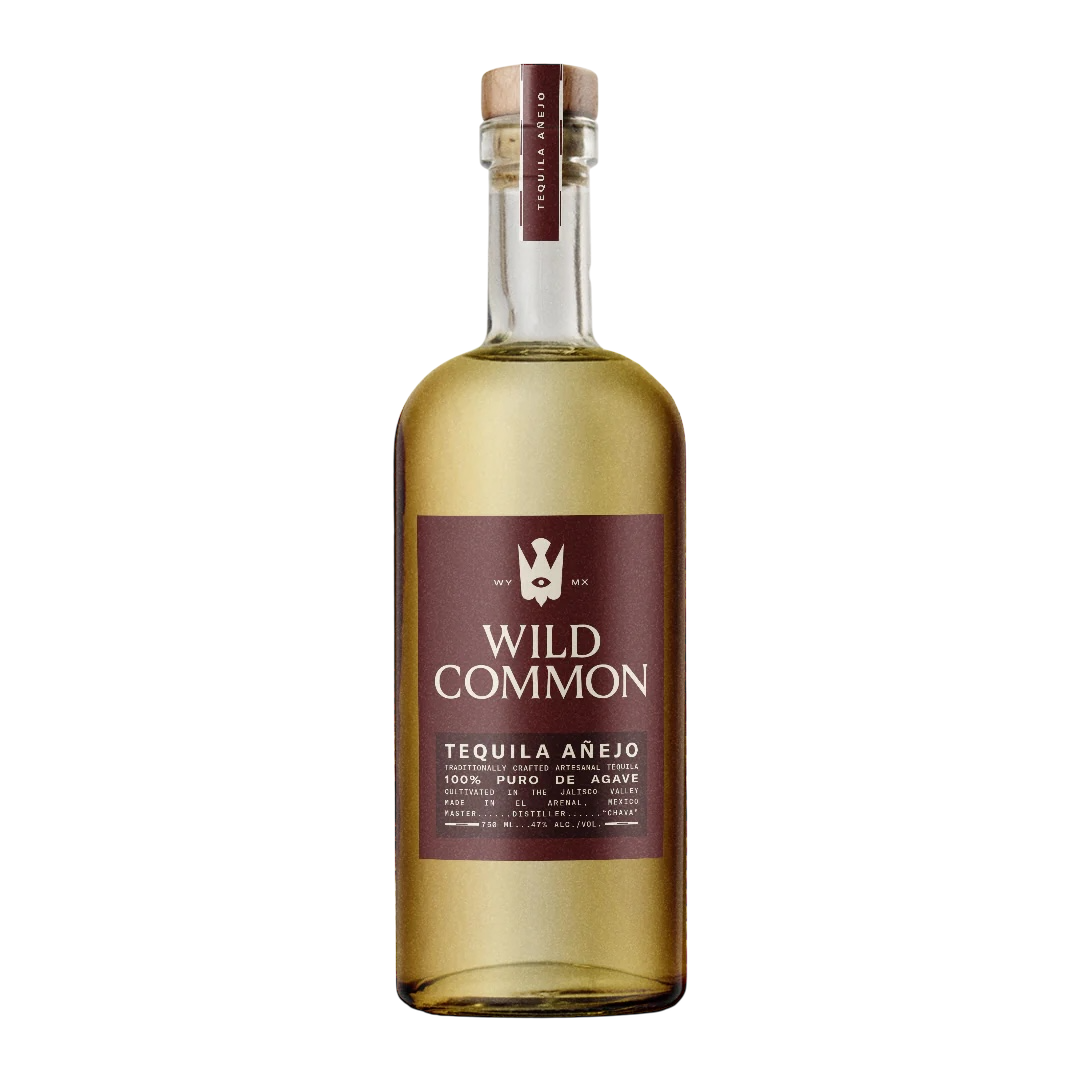
Wild Common Reposado: For Notes of Cooked Agave and Spice
If you appreciate tequila made with integrity, Wild Common is for you. This reposado is celebrated for its commitment to traditional, additive-free production, resulting in a pure and authentic expression of agave. It rests for six months in used American white oak bourbon barrels, which imparts a beautiful light straw color and layers of complexity. On the palate, you’ll find a rich foundation of cooked agave, beautifully balanced with warm notes of cinnamon, black pepper, and a subtle sweetness of vanilla and caramel. Wild Common Reposado is a fantastic sipping tequila that honors its roots while delivering a smooth, sophisticated finish.
Cazcanes No. 7 Reposado: For a Taste of Light Wood and Honey
Cazcanes is known for its innovative spirit, and the No. 7 Reposado is a perfect example of their craft. Made with natural spring water from their own estate, this tequila offers a flavor profile that is both unique and incredibly approachable. It’s aged for four to six months in American white oak, which lends it a delicate character. Expect a delightful blend of light wood, floral notes, and a touch of honey, all leading to a crisp citrus finish. Cazcanes No. 7 Reposado is a testament to how thoughtful production can create a tequila that is both complex and refreshingly light, making it a standout choice for any occasion.
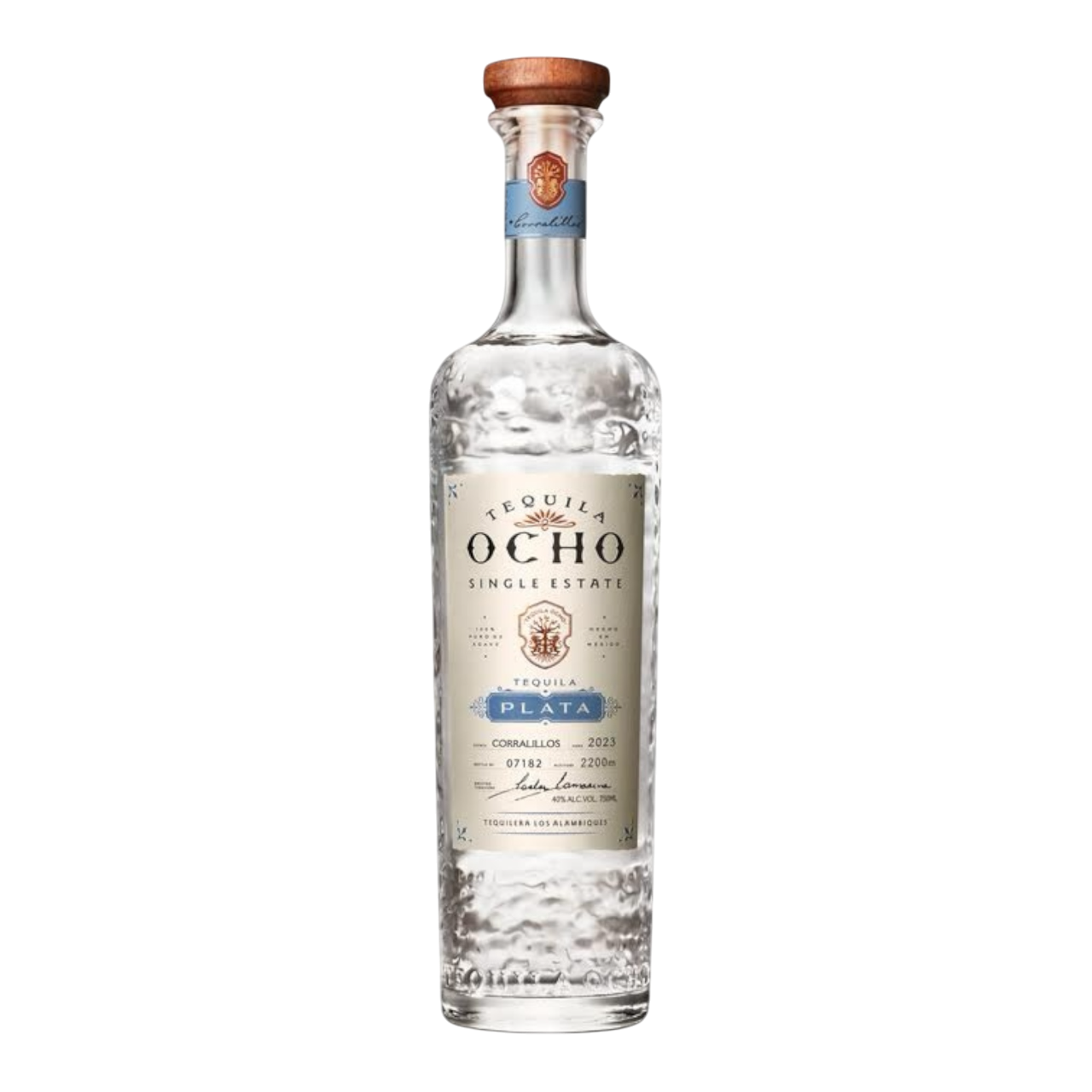
Ocho Tequila Reposado: For an Earthy, Agave-Forward Profile
For the purists who want the agave to be the star of the show, Ocho is a must-try. This brand is famous for its focus on "terroir," showcasing how the land influences the flavor of the agave. The reposado is aged for just over eight weeks, a deliberately short period that ensures the barrel notes complement, rather than overpower, the agave. The result is a beautifully earthy profile with notes of honey and bright citrus. Ocho Tequila Reposado is the perfect choice when you want to sip something that truly tastes of the plant it came from, offering a clean, honest, and deeply satisfying experience.
El Tesoro Reposado: For a Balance of Caramel and Pepper
El Tesoro has perfected the art of balance, and their reposado is a masterclass in harmony. Aged for nine to eleven months in ex-bourbon barrels, it strikes a beautiful equilibrium between the woody notes from the oak and the earthy, peppery character of its blanco counterpart. You’ll taste inviting flavors of caramel and vanilla alongside a pleasant peppery spice that keeps things interesting. It’s often described as a cozy, inviting tequila, making El Tesoro Reposado an excellent choice for sipping on a cool evening. It’s a classic, well-rounded reposado that never fails to impress with its depth and smoothness.
Volcan de Mi Tierra Reposado: For Hints of Fruit and Baking Spices
If you’re looking for a reposado with a rich and luxurious character, look no further. Volcan de Mi Tierra Reposado is aged in a blend of American and European oak barrels, a process that gives it a stunning amber color and a remarkably complex flavor profile. This is a tequila to savor, with layers of caramel, stewed fruits, warm baking spices, vanilla, and even hints of leather and chocolate. A touch of orange peel on the finish adds a bright counterpoint to the richness. Volcan de Mi Tierra Reposado offers a truly decadent sipping experience that feels both bold and refined.
Cimarron Reposado: For a Uniquely Tangy and Salty Finish
Cimarron Reposado is a fantastic and affordable option that delivers a flavor profile you won’t find anywhere else. Produced at the same distillery as Fuenteseca and ArteNOM, it’s a tequila made with serious expertise. Aged for three to six months in American white oak, it develops a unique tangy character that some compare to plum wine, along with a distinct salty or briny finish. This delightful combination makes Cimarron Reposado incredibly versatile. It’s interesting enough to sip on its own yet shines beautifully when mixed simply with a splash of soda, allowing its unique flavors to take center stage.
How to Properly Taste Reposado Tequila
Tasting a quality reposado is an experience. When you learn how to properly taste tequila, you appreciate the craftsmanship in every bottle. The time in the barrel gives reposado its signature color and complex flavors, setting it apart from a crisp Blanco or a deeply aged Añejo. The goal is to slow down and notice the subtle stories the spirit tells. This process helps you identify the unique characteristics of different brands and find your personal favorites to build a tequila collection you’re proud of. Here are a few simple steps to get the most out of every pour.
Read Tasting Notes Like an Expert
First, reposado tequila should be sipped slowly, not taken as a shot. Sipping allows you to savor the taste and find the subtleties. Pour a small amount and observe the pale straw color. Gently swirl the liquid to release the aromas and watch for the "legs" that run down the glass. Next, bring the glass to your nose and inhale softly, picking out scents like cooked agave, vanilla, or caramel. Finally, take a small sip. Let it rest on your tongue before swallowing and notice the initial taste, how it feels in your mouth, and the lingering finish.
Does Your Glassware and Temperature Really Matter?
Yes, absolutely. To properly appreciate a reposado, use a dedicated tasting glass like a tequila flute, not a shot glass. Its shape concentrates the aromas, helping you appreciate the deeper notes of the blue Weber agave. For temperature, always serve your best-selling tequilas at room temperature. Chilling or adding ice can mute the complex flavors and aromas the distiller worked so hard to create. A proper glass and the right temperature are small changes that make a huge difference in what you taste.
Simple Pairings to Bring Out the Best Flavors
Sipping tequila is an enjoyable experience with complex flavors that rival any high-end spirit. While a great reposado from our rare and limited collection is fantastic on its own, a simple pairing can highlight its tasting notes. The key is to choose flavors that complement the tequila, not overpower it. Think about the common notes in reposado: caramel, vanilla, and spice. A small piece of dark chocolate can bring out the sweetness, while a slice of orange dusted with cinnamon can match its spicy warmth. Salted almonds also create a beautiful contrast.
What's a Fair Price for Quality Small-Batch Reposado?
When you’re exploring the world of small-batch reposado, the price tag can feel like a bit of a mystery. What’s the real difference between a $40 bottle and a $140 one? While a higher price doesn’t automatically guarantee a better tequila, it often reflects the level of craftsmanship, the quality of the agave, the type of barrels used for aging, and the scale of production. Small-batch producers who use traditional methods, like cooking agave in brick ovens and fermenting naturally, simply have higher costs than mass-market brands. The result is often a more complex and authentic spirit.
But the good news is that there are incredible sipping reposados at nearly every price point. It’s less about finding the "right" price and more about understanding what you get for your money. You can find fantastic, additive-free tequilas that are perfect for exploring different flavor profiles without a huge investment. At the same time, there are premium bottles that offer a depth and complexity worth splurging on. Whether you’re looking for an affordable daily sipper or a show-stopping bottle for a special occasion, knowing what to expect can help you make a choice you’ll be happy with. Let's break down what you can find in different price ranges and where to look for those truly unique bottles.
What to Expect in Every Price Range
You don’t have to spend a fortune to enjoy a high-quality, small-batch reposado. In fact, some of the most interesting and authentic tequilas are surprisingly accessible. You can find excellent additive-free bottles for under $50 that showcase a wide range of flavors, from bright and agave-forward to those with subtle notes of oak and vanilla from the barrel. As you move into the $50 to $100+ range, you’ll start to see tequilas with more complex aging profiles, often rested in unique barrels like French oak or used bourbon casks. These spirits are perfect for when you want to savor something with a bit more depth and character. Our full tequila collection lets you filter by price to find the perfect bottle for your budget.
Where to Find Rare and Limited-Edition Bottles
For the bottles that truly stand out, you often have to look beyond your local store. Rare and limited-edition reposados are produced in such small quantities that they’re reserved for enthusiasts who know where to find them. That’s where we come in. We build direct relationships with distilleries to get access to these special releases. When you find one of these unique spirits, we recommend you sip it neat first to appreciate the full spectrum of its flavor. These are the bottles you add to your top shelf, the ones that tell a story. You can explore our curated Rare & Limited Collection to discover spirits you won’t find anywhere else.
Is Small-Batch Reposado Worth It?
The term "small-batch" gets thrown around a lot, and it’s natural to wonder if it’s just clever marketing. The short answer is: it depends. A higher price tag and a fancy label don't automatically guarantee a better sipping experience. The real value comes from understanding what separates true artisanal tequila from mass-produced bottles hiding behind a trendy term. It’s about learning to spot the difference between a marketing gimmick and genuine craftsmanship. Let's get into what you should look for.
When "Small-Batch" is Just a Marketing Term
Let's be direct: "small-batch" isn't a legally defined or regulated term. This means any brand can slap it on their label, regardless of production size. Sometimes, it’s used to justify a higher price for a product that isn't fundamentally different from its mass-market counterparts. These bottles can be "Mixtos," blends made with only the minimum required agave and filled out with other sugar-based alcohols. They often rely on artificial additives to mask these shortcuts. The key is to look past the buzzwords. A truly exceptional reposado tequila doesn't need to hide; its quality speaks for itself.
How to Tell Real Craftsmanship from Hype
So, how do you spot the real deal? True craftsmanship starts with the ingredients. Always look for "100% de Agave" on the label; this is non-negotiable for a premium sipping tequila. Quality tequila doesn’t need to be masked with additives. You should be able to taste the complex character developed in the barrel, a balance of cooked agave and subtle notes from the wood. The allure of a great reposado is its smoothness and complexity. Pay attention to the details the brand provides about its production process, like the use of traditional brick ovens or specific barrel types. Brands proud of their methods are happy to share these details.
When to Choose Small-Batch Over an Established Brand
Choosing a small-batch reposado over a household name is for the sipper who craves discovery. While established brands focus on consistency, small-batch producers often create more dynamic and unique flavor profiles. Each batch can have subtle variations, telling the story of a specific harvest or a distiller's creative touch. This is where you find hidden gems and expand your palate. It’s an opportunity to connect with the heritage of smaller distilleries. If you're looking to build a collection with character, exploring our Rare & Limited Collection is the perfect place to start your search for something special.
What Production Methods Make the Best Reposados?
The journey from agave plant to the glass in your hand is filled with decisions that shape the final spirit. For a truly exceptional reposado, every step matters. The best producers aren't just following a recipe; they're making deliberate choices about how to cook the agave, what water to use, and where to age the tequila. These details are what separate a good reposado from a great one. Understanding these methods helps you appreciate the craftsmanship behind your favorite bottles and identify the tequilas that truly stand out. It’s this commitment to process that creates the complex, sippable spirits we seek out for our collections.
When you explore our tequila collection, you'll find spirits born from these thoughtful, traditional techniques. Each bottle tells a story of its creation, from the field to the barrel. Learning to read those stories starts with understanding the key production methods that define quality.
Brick Ovens vs. Autoclaves: What's the Difference?
The first major step after harvesting is cooking the agave piñas to convert their complex carbohydrates into fermentable sugars. The two most common methods are traditional brick ovens (hornos) and modern autoclaves. Think of it as the difference between slow-roasting and pressure-cooking. Brick ovens cook the agave slowly and evenly over several days, allowing for a deep caramelization of the sugars. This traditional method often results in a more complex flavor profile with rich notes of cooked agave. Autoclaves, on the other hand, use steam pressure to cook the agave much faster. While efficient, this speed can sometimes come at the cost of developing those deeper, more nuanced flavors that connoisseurs appreciate.
Why Water Source and Fermentation Matter
You might not think about water when you sip tequila, but its source plays a huge role in the final taste. Many top-tier distilleries use natural spring water, which is prized for its purity and unique mineral content. These minerals can add subtle earthy or crisp notes to the tequila, contributing to its overall character. After the agave is cooked and crushed, this water is added to begin fermentation. The type of yeast used here is another critical choice. Some producers use proprietary yeast strains for consistency, while others allow wild, airborne yeasts to work their magic, creating a flavor profile that is truly unique to their distillery and its environment.
Beyond Oak: How Unique Barrels Create Flavor
For a tequila to be called a reposado, it must be rested, or "reposado," in oak barrels. This is where the magic really happens. The interaction between the tequila and the wood softens the spirit and imparts beautiful notes of vanilla, caramel, and spice. But not all barrels are created equal. The type of oak, such as American or French, and the barrel's previous life, perhaps aging bourbon or wine, can add incredible layers of complexity. A former bourbon barrel will lend sweeter, vanilla-forward notes, while a French oak wine cask might contribute softer, spicier characteristics. This careful barrel selection is a hallmark of a premium, small-batch reposado.
How to Build Your Reposado Collection
Building a reposado collection is a rewarding way to explore the nuances of aged tequila. It’s more than just buying bottles; it’s about curating a personal library of flavors that tell a story of agave, time, and wood. Each reposado offers a unique snapshot of a distiller's art, capturing the delicate balance between the raw, earthy character of blue weber agave and the subtle influence of the barrel. Unlike collecting blancos, which focus on the pure expression of agave, or añejos, which lean heavily into barrel notes, a reposado collection celebrates the middle ground where these two worlds meet.
As you grow your collection, you’ll start to notice the subtle differences that make each bottle special. You'll learn to identify the vanilla and caramel notes from American oak versus the spicier, fruitier notes from French oak. You’ll appreciate how a few months of resting can transform a spirit, softening its edges while adding layers of complexity. This journey of discovery is what makes collecting so compelling. With a few simple practices for tasting, selecting, and storing your bottles, you can deepen your appreciation for every pour and build a collection you’re proud to share with friends and fellow enthusiasts.
Tips for Tasting and Appreciating Your Tequila
The first rule of appreciating a quality reposado is to sip it slowly. This isn't a tequila for shots. Pour a small amount into a proper tequila glass, like a flute or a Glencairn, which helps concentrate the aromas. Before you even take a sip, give it a gentle swirl and notice the scents. When you do taste it, let the liquid rest on your palate for a moment to pick up the subtle notes of oak, vanilla, or caramel that the barrel aging imparts.
When trying a new bottle for the first time, always taste it neat. This gives you the purest expression of the distiller's craft. You can always add a drop of water or an ice cube later to see how it opens up, but starting neat establishes a baseline for what that specific tequila has to offer.
What to Buy Next for Your Collection
The reposado category offers an incredible range of flavors, making it exciting to collect. Some expressions are aged for just a couple of months and retain the bright, peppery notes of a blanco, while others rest in barrels for nearly a year, taking on deeper characteristics similar to an añejo. This diversity means there’s always something new to discover.
To expand your collection thoughtfully, try exploring reposados aged in different types of barrels. An expression rested in ex-bourbon barrels will taste very different from one aged in French oak wine casks. Pay attention to the tasting notes and don’t be afraid to try something that sounds different from what you usually prefer. Exploring the variety is the best part of building a collection, and you might find a new favorite in our selection of rare and limited bottles.
How to Properly Store and Serve Your Bottles
Proper storage is key to protecting your investment and ensuring every pour tastes exactly as the maker intended. Keep your bottles upright in a cool, dark place away from direct sunlight. Storing them upright prevents the high-proof spirit from eroding the cork over time, which can spoil the tequila. A consistent, cool temperature also prevents the liquid from expanding and contracting, which can compromise the seal.
When you’re ready to serve, aim for room temperature. This allows the full spectrum of aromas and flavors to come forward. Chilling a reposado can mute its complexity. Pour it into a stemmed glass to help you appreciate the deeper aromas from the blue weber agave and the barrel. This also keeps your hands from warming the glass, maintaining the ideal tasting temperature as you sip and enjoy.
Related Articles
- 8 Best Sipping Tequilas for the Money (2026)
- Top 10 Tequila Brands in USA: The Ultimate Guide
- Complete Guide to Reposado Tequila
- The Best Silver Tequila Brands for Any Budget
Frequently Asked Questions
What’s the main difference between reposado, blanco, and añejo tequila? Think of reposado as the perfect middle ground. It starts as a blanco but is then rested in a barrel for two to twelve months. This short aging period softens the tequila and adds layers of flavor like vanilla and caramel from the wood, without overpowering the fresh, earthy taste of the agave. Blanco is unaged and agave-forward, while añejo is aged longer, giving it a much deeper, oak-driven character.
Besides "100% Agave," what's the most important thing to look for when buying a reposado? Look for details about how the tequila was made. Brands that take the time to cook their agave in traditional brick ovens or use natural spring water are proud of it and will often mention it on their website or label. These details are great indicators of true craftsmanship and suggest the spirit was made with a focus on flavor, not just volume.
Why do some reposados taste sweet and vanilla-like while others are spicier? The flavor variation comes almost entirely from the barrel it was aged in. Most reposados rest in American oak barrels that previously held bourbon, which imparts those classic sweet notes of vanilla and caramel. If a producer uses French oak or barrels that held wine or sherry, you might get spicier, fruitier, or even nuttier flavors. The barrel’s history directly shapes the tequila’s final taste.
Does a more expensive reposado always mean it's a better tequila? Not at all. While many exceptional tequilas carry a higher price due to meticulous, small-scale production, price can also be influenced by marketing or elaborate packaging. You can find many outstanding and authentic reposados at very reasonable prices. It’s more important to focus on the production details and find a flavor profile you enjoy than to simply reach for the most expensive bottle on the shelf.
Do I really need a special glass to enjoy reposado tequila? While you can certainly enjoy it from any glass, using a proper tasting glass, like a tequila flute or a Glencairn, makes a noticeable difference. The shape of these glasses helps concentrate the aromas, allowing you to pick up on all the subtle scents of cooked agave, oak, and spice before you take a sip. It turns a simple drink into a much richer sensory experience.


