








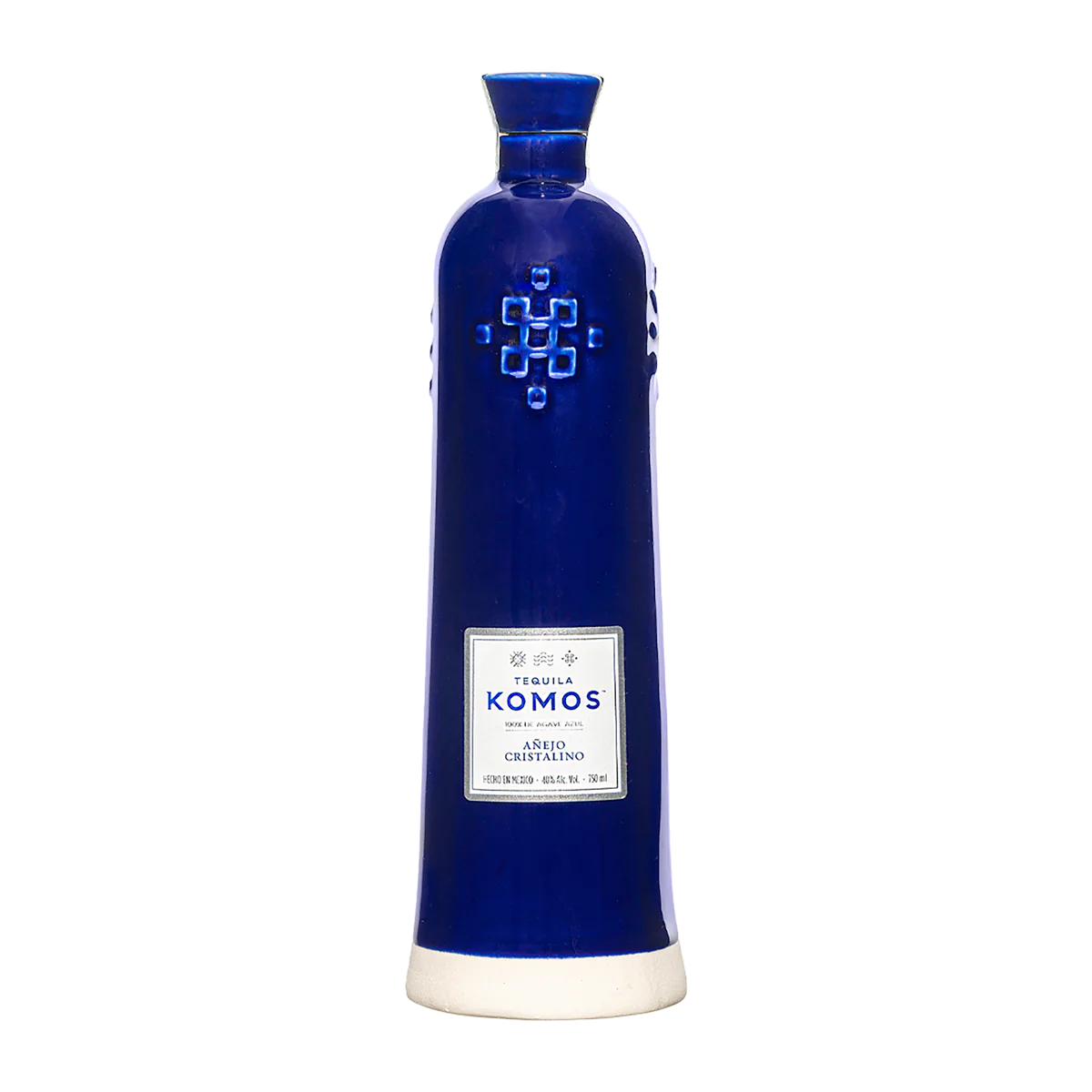
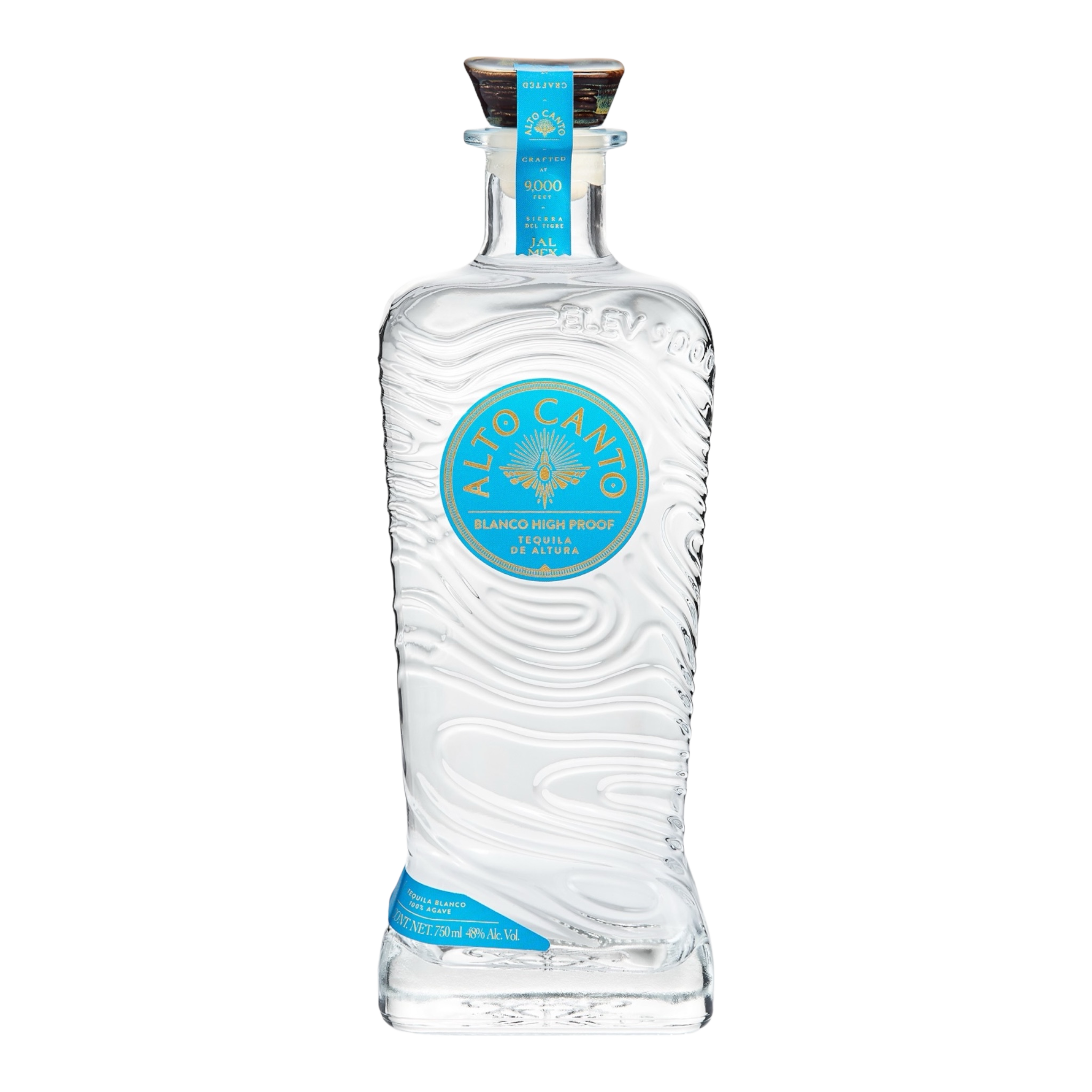
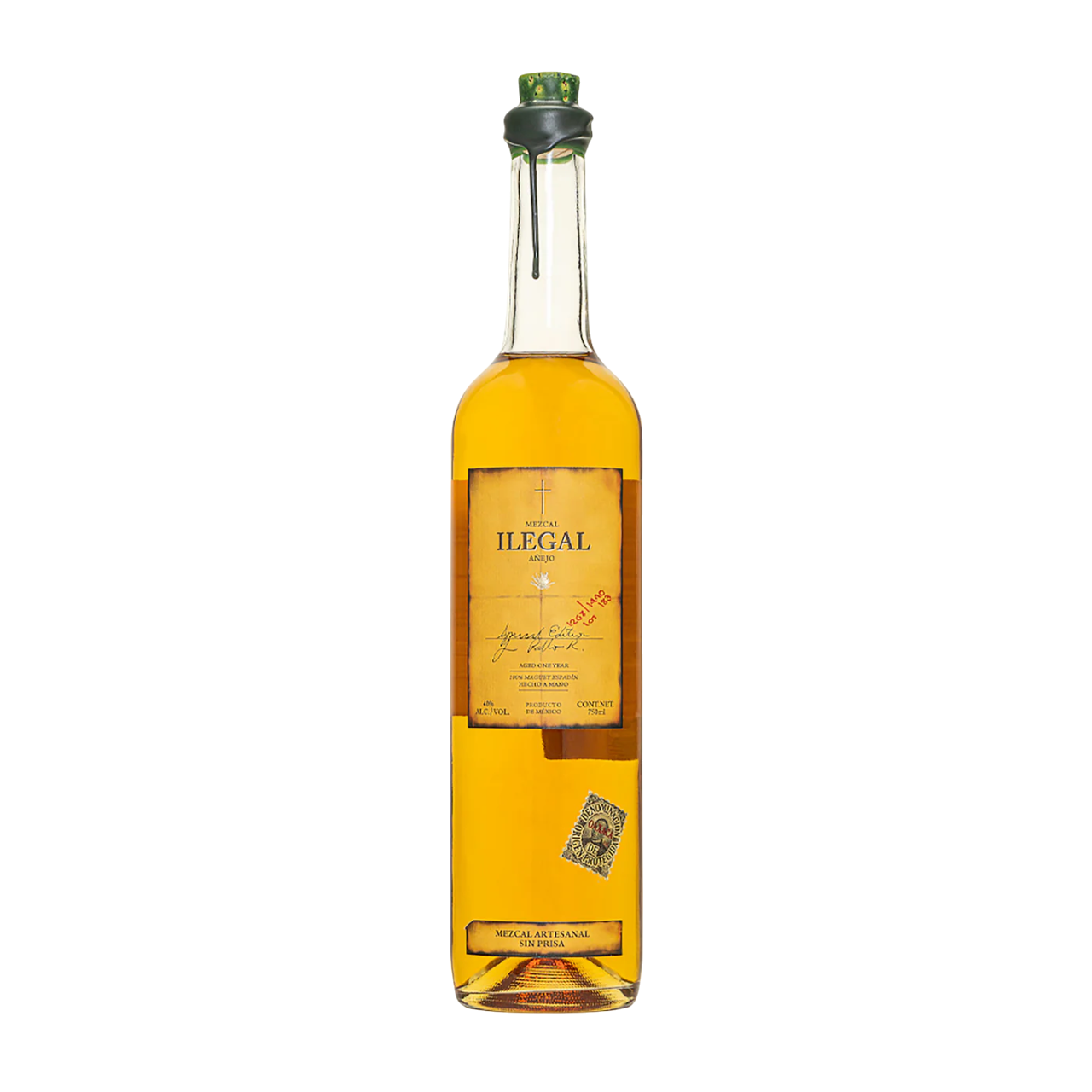
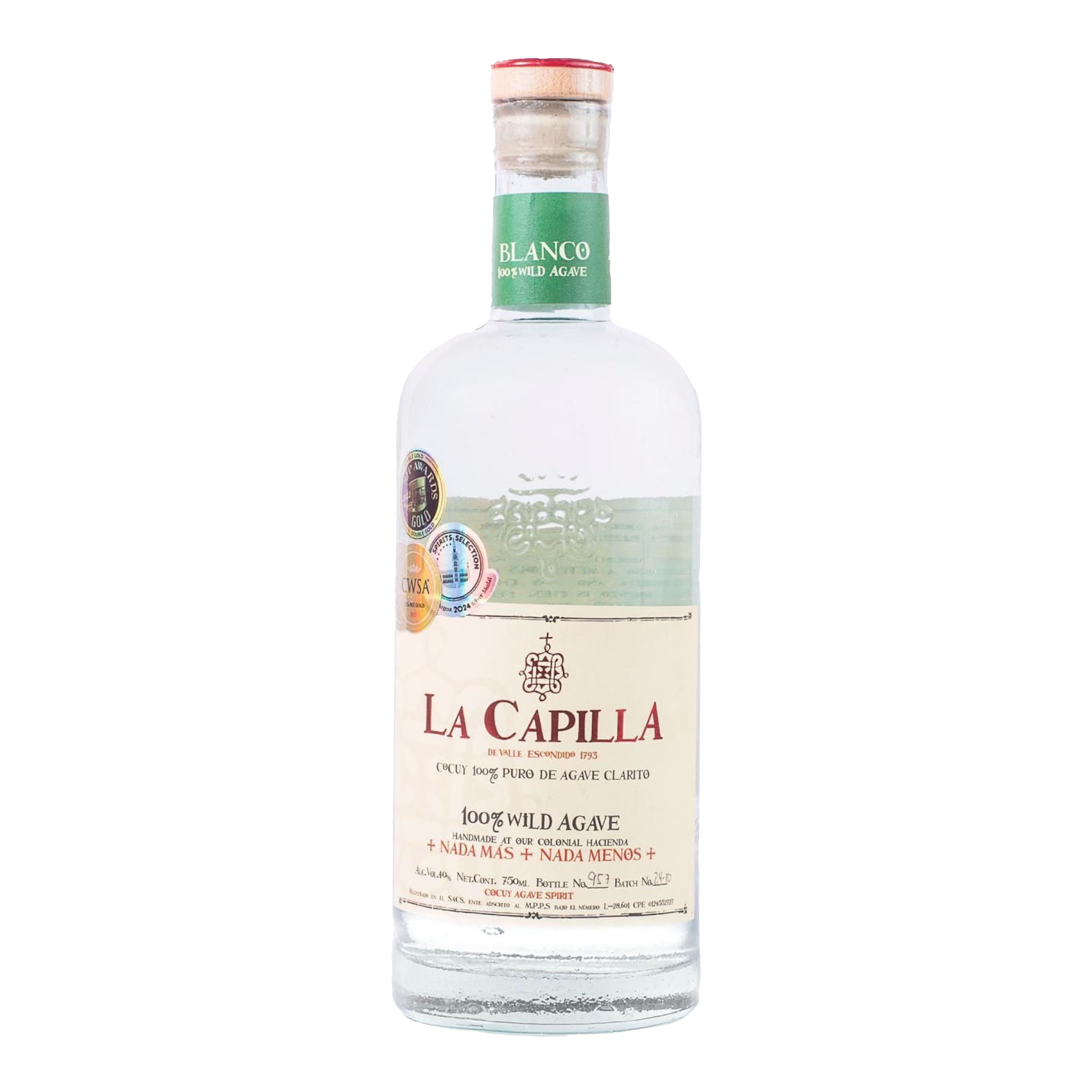



Choosing a tequila shouldn’t feel like a gamble. Yet, with so many brands using additives like glycerin for smoothness or caramel coloring for a consistent look, it’s easy to end up with something that masks the true character of the agave. Opting for an additive-free tequila is about choosing authenticity over artificial perfection. It means you’re tasting a spirit that is an honest expression of its ingredients, its terroir, and the distiller’s craft. When you find a high end tequila with no additives, you support producers who honor tradition. Here, we’ll explain the production process, what to look for on a label, and recommend brands that are committed to purity.
Key Takeaways
- Focus on Purity Over Presentation: True premium tequila is defined by what it lacks: additives. An authentic spirit contains only 100% Blue Weber agave, water, and yeast, which allows the agave's natural, complex character to be the star.
- Become a Label Detective: You can identify authentic tequila by checking for the "100% de Agave" statement, researching the distillery's NOM number to confirm its reputation, and looking for signs of traditional craftsmanship like "tahona crushed."
- Savor the Spirit, Skip the Shot Glass: To fully appreciate an additive-free tequila, serve it neat in a proper tasting glass at room temperature. This method allows the complex aromas and flavors from the agave and barrel to shine through.
What Really Makes a Tequila "Premium"?
What comes to mind when you hear “premium tequila”? A sleek, heavy bottle? A celebrity’s name on the label? While those things can certainly catch your eye, they don’t tell you much about the quality of the spirit inside. The real mark of a high-end tequila isn’t about what’s added to it, but what’s left out. True quality lies in purity and craftsmanship, and it starts with a commitment to being additive-free.
At its heart, authentic tequila is a simple, beautiful spirit made from just three things: 100% Blue Weber agave, water, and yeast. That’s it. When you choose an additive-free tequila, you’re tasting a spirit that honors this tradition. Many mass-market brands use additives like glycerin for a smoother mouthfeel, oak extract to mimic aging, or caramel coloring for a consistent look. These shortcuts can mask imperfections and create a uniform product, but they also hide the true, vibrant character of the agave.
Choosing additive-free means you’re supporting distillers who prioritize traditional, often more sustainable, tequila-making methods. It’s a vote for authenticity and a respect for the culture behind the spirit. This commitment to purity doesn’t mean the flavor is simple; in fact, it’s the opposite. Without additives, the complex, natural flavors of the agave plant can finally shine through. You’ll discover a genuine spectrum of taste, from bright citrus and earthy notes in a Blanco to the rich vanilla and spice developed from careful aging in oak barrels. It’s this honest expression that defines a truly premium tequila collection and separates the exceptional from the ordinary.
Why Go Additive-Free?
Choosing an additive-free tequila isn’t about following a trend; it’s about choosing authenticity. It means the spirit in your glass is crafted from only the essentials: agave, water, and yeast. Nothing else. No artificial sweeteners, colors, or flavorings are used to alter the final product. This commitment to purity is what allows the true, complex character of the agave to shine through, offering a genuine taste of its terroir and the distiller's craft.
Think of it this way: many mass-market producers use additives to create a perfectly consistent product bottle after bottle, or sometimes to cover up flaws from a rushed production process. An additive-free tequila, on the other hand, is an honest spirit. You get to experience the nuances that make each batch unique. For anyone who truly appreciates fine tequila, that honesty is what it's all about.
Opting for additive-free also means you're often supporting distilleries that honor traditional, time-tested methods. These practices respect the land, the agave, and the generations of expertise passed down through families, a philosophy we deeply connect with in our own curation process. And let's clear up a common myth: additive-free doesn't mean harsh. In fact, it's usually the opposite. These tequilas are often remarkably smooth and refined, offering a clean finish without the artificial sweetness or burn that can come from additives. The complexity comes from natural sources, like aging in unique barrels, not from a lab.
What Does Additive-Free Tequila Actually Taste Like?
When you strip away the artificial sweeteners, colors, and flavorings, what’s left is the pure, unadulterated spirit of the agave. Additive-free tequila isn’t about a single, uniform taste; it’s about experiencing a complex spectrum of flavors that come directly from the plant, the soil, and the barrel. It’s the difference between a store-bought tomato and one picked fresh from the garden. One is designed for consistency, the other for character.
Tasting an additive-free tequila is an exploration of its origins. You’re tasting the specific terroir where the agave grew, the unique yeast strains used in fermentation, and the careful decisions made by the master distiller. Each sip tells a story of tradition and craftsmanship. Instead of a predictable sweetness, you’ll find a dynamic profile that evolves in your glass, revealing new layers of aroma and flavor. This is tequila in its most honest and expressive form, and it's the standard for every bottle in our tequila collection.
Bright, Crisp Agave Notes
The most immediate and defining characteristic of an additive-free tequila is the taste of cooked agave. This isn't a generic sweet flavor; it's a bright, vibrant taste that’s both vegetal and slightly sweet, with a clean, crisp finish. Think of the satisfying sweetness of roasted sweet potato or squash, but with a fresh, green undertone. Because there are no artificial flavors to mask it, the pure essence of the 100% Blue Weber agave becomes the star of the show. This authentic agave-forward profile is what distillers work so hard to achieve. It’s a refreshing and genuine taste that connects you directly to the plant itself.
Rich Flavors from the Barrel
Just because a tequila is additive-free doesn’t mean it lacks complexity, especially when it’s been aged. The interaction between the spirit and the wood of the barrel introduces a whole new dimension of flavor. Master distillers often use barrels that previously held bourbon, sherry, or brandy, each lending its unique character to the tequila. This careful aging process can impart rich, warm notes of vanilla, caramel, toasted oak, and baking spices. These flavors aren't added; they are earned through time and patience. You can explore these nuanced profiles in our curated selection of Reposado tequilas, which are aged for a shorter period, offering a perfect balance of agave and oak.
Hints of Citrus and Herbs
Beyond the primary agave flavor, a great additive-free tequila often reveals more delicate, secondary notes. As you sip, you might notice subtle hints of citrus, like lime zest or grapefruit, which add a bright, zesty quality. Alongside these, you can often find herbal or floral notes, such as mint, basil, or white pepper. These nuances come from the specific characteristics of the agave and the unique fermentation process used by the distillery. These are the flavors that make tasting tequila so exciting, as each bottle offers a slightly different combination. Unaged Blanco tequilas are often the best for experiencing these pure, vibrant notes in their most direct form.
A Touch of Earth and Minerality
Finally, many additive-free tequilas possess a distinct sense of place, often described as earthiness or minerality. This quality, known as terroir, comes from the soil and climate where the agave was grown. Tequilas from the highlands of Jalisco might have a different mineral profile than those from the lowlands. You might taste notes of wet stone, clay, or a subtle salinity that adds depth and complexity to the spirit. This connection to the land is a hallmark of traditional production methods and is something we deeply value. It’s a reminder that tequila is an agricultural product, and its story begins long before it ever reaches a bottle. You can learn more about the distilleries we partner with and their commitment to tradition on our About Us page.
The Best Additive-Free Tequilas to Try Now
Ready to taste tequila in its purest form? We’ve put together a list of our favorite additive-free tequilas that truly honor the agave plant. These aren't just spirits; they're stories in a bottle, crafted by families who have dedicated generations to perfecting their process. Each one is a testament to the idea that the best ingredients and traditional methods don't need any help from artificial flavors or colors.
Choosing an additive-free tequila means you’re getting an authentic taste of the terroir, the skill of the jimador, and the vision of the master distiller. From the earthy, vegetal notes of slow-roasted agave to the complex vanilla and spice imparted by careful barrel aging, these tequilas offer a sensory experience that is both genuine and deeply satisfying. Whether you're a seasoned collector browsing for rare and limited bottles or just beginning to explore the world of premium agave spirits, these selections represent the pinnacle of quality and craftsmanship. They are the benchmark for what truly great tequila can and should be.
Our Curated Collection
When you’re searching for a top-tier tequila, the absence of additives is a non-negotiable mark of quality. It signals a commitment to tradition and a confidence in the spirit's natural character. We’ve selected six exceptional brands that embody this philosophy, each offering a distinct and memorable tasting journey. These are the bottles we personally recommend to friends and family, the ones that consistently deliver an authentic, agave-forward experience. From legendary distilleries to modern innovators, this list represents the best of the best in additive-free tequila.
Fortaleza: Honoring Tradition
If you want to taste tequila the way it was made over a century ago, start with Fortaleza. This distillery is legendary for its commitment to historical production methods, including crushing slow-cooked agave with a two-ton volcanic stone wheel called a tahona. This painstaking process extracts the purest flavors from the agave, resulting in a spirit that is incredibly rich, earthy, and complex. Every sip of Fortaleza tequila offers notes of cooked agave, citrus, and black pepper, making it a benchmark for traditional, high-quality tequila.
G4: A Master Distiller's Touch
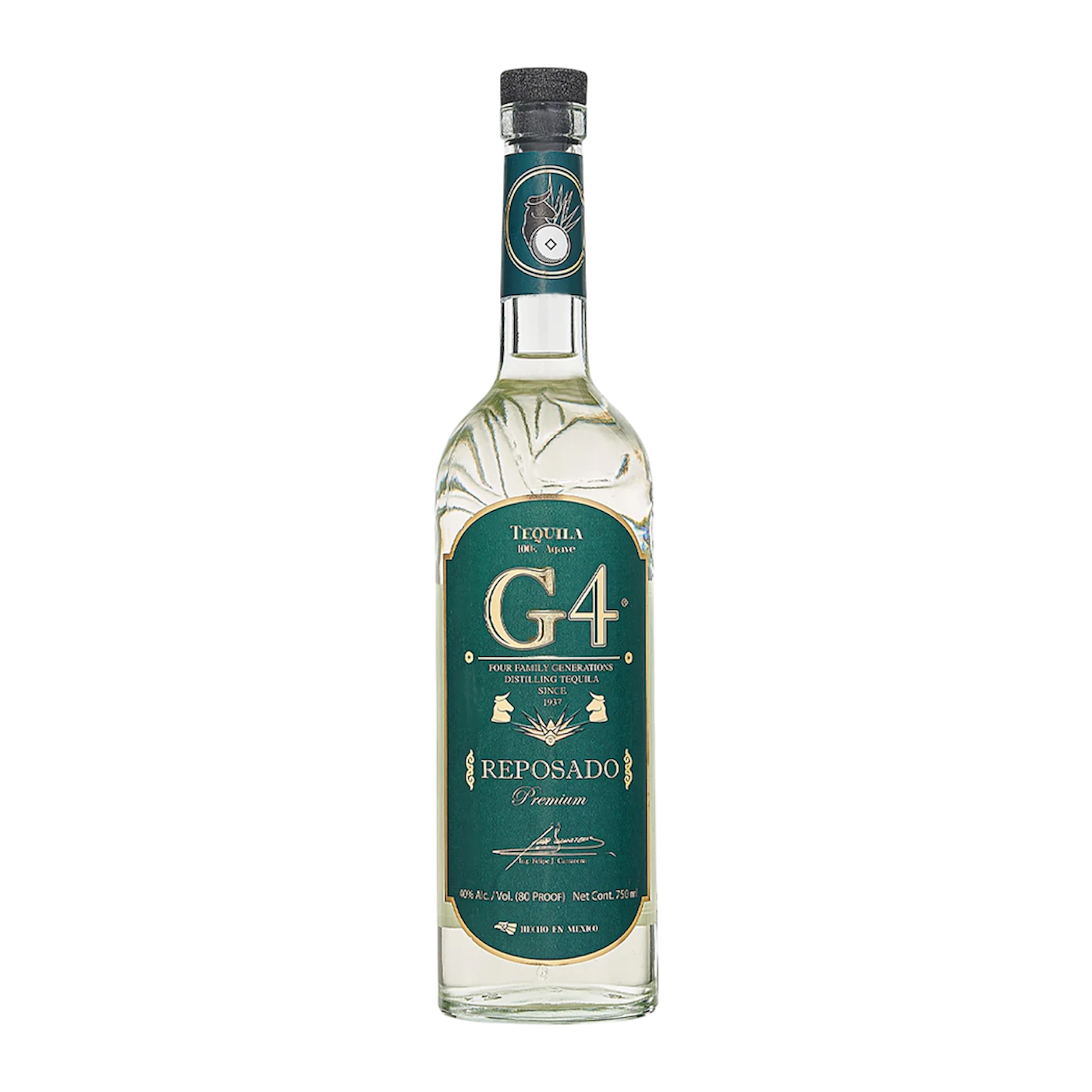
G4 is the creation of master distiller Felipe Camarena, a fourth-generation tequilero known for his innovative yet traditional approach. What makes G4 truly special is its water source: a 50/50 blend of collected rainwater and natural spring water, which gives the tequila a distinct minerality you won't find anywhere else. The result is a spirit that is exceptionally clean, crisp, and smooth. G4 tequila is celebrated for its bright, agave-forward profile with hints of pepper and citrus, a perfect example of masterful distillation.
Tequila Ocho: The Taste of Terroir
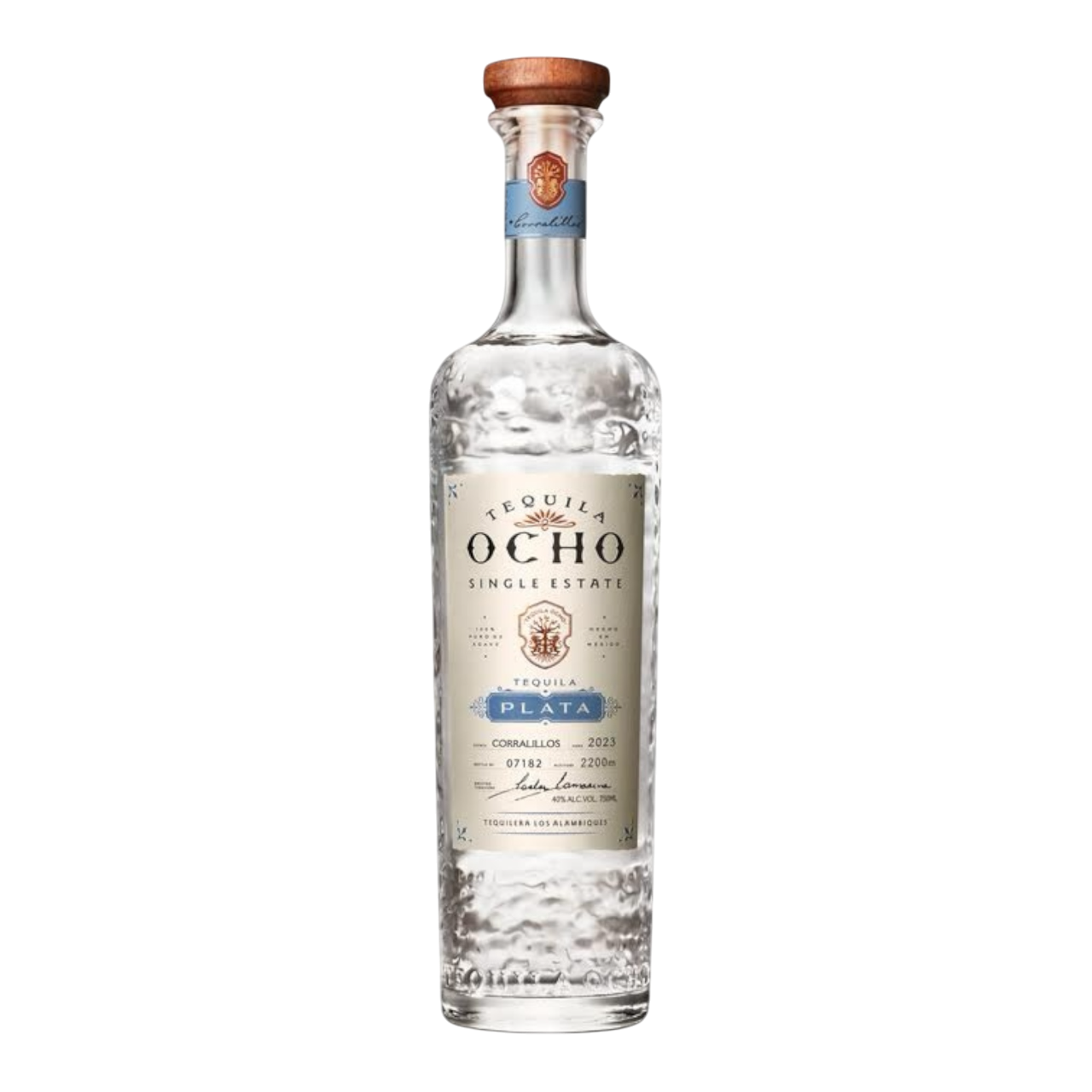
Tequila Ocho was the first brand to introduce the concept of "terroir" to the tequila world, treating agave like fine wine grapes. Each bottle is designated with a specific vintage and the name of the single estate where the agave was harvested. This means every batch is unique, offering a snapshot of a particular place and time. Tequila Ocho is beloved by connoisseurs for its complex, floral, and vegetal notes that showcase the nuanced character of the agave plant. It’s an invitation to explore how soil and climate shape the final spirit.
El Tesoro: A Legacy of Flavor
For generations, the Camarena family has been crafting El Tesoro with a deep respect for agave and tradition. They are known for using 100% estate-grown agave and letting it mature to its absolute peak before harvesting. At the La Alteña distillery, they use a tahona to crush the agave and distill the spirit to proof, which means no water is added after distillation. This preserves the rich, full flavors of the agave. El Tesoro tequila is exceptionally smooth and balanced, with a signature fruity and peppery profile.
Cascahuín: Generations of Craftsmanship
Cascahuín is a distillery that is deeply respected by those in the know. This small-batch, family-owned producer from the Tequila Valley has been making exceptional spirits for generations, staying true to classic production techniques. They are celebrated for their commitment to craftsmanship, using traditional brick ovens for cooking the agave and copper pot stills for distillation. The flavor of Cascahuín tequila is bold and authentic, often presenting rich mineral and earthy notes that perfectly represent the spirit of its origin. It’s a true taste of Tequila Valley history.
Tears of Llorona: The Ultimate Expression
For the collector seeking the absolute pinnacle of aged tequila, Tears of Llorona is in a class of its own. This is not just a tequila; it's a masterpiece from legendary master distiller Germán Gonzalez. An Extra Añejo, it is an intricate blend of tequilas aged for five years in three different types of barrels: scotch, sherry, and brandy. The result is an incredibly complex and luxurious spirit with layers of flavor that unfold with every sip. Tears of Llorona is a rare find that bridges the worlds of fine tequila and fine cognac.
How is Additive-Free Tequila Made?
Creating an additive-free tequila is a true art form, a process rooted in tradition and a deep respect for the agave plant. Unlike mass-produced spirits that often rely on shortcuts and artificial ingredients to achieve a consistent flavor profile, authentic tequila producers let the natural ingredients do all the talking. The entire process is a deliberate, hands-on practice that prioritizes quality over quantity. It’s about honoring the raw materials and the generations of knowledge passed down through families of tequileros.
From the moment the agave is harvested to the final drop that fills the bottle, every step is carefully managed to preserve the spirit’s integrity. This commitment means no fake flavors, no artificial sweeteners like glycerin, and no caramel coloring to fake an aged appearance. The result is a pure, clean spirit that offers a genuine taste of its origins. When you sip an additive-free tequila, you’re experiencing a true expression of the agave, the land it grew in, and the passion of the people who made it. It’s a difference you can not only taste but feel.
Starting with 100% Blue Weber Agave
It all begins with the heart of tequila: the agave. For a tequila to be considered additive-free, it must start with 100% Blue Weber Agave. There are no exceptions. This ensures that the base flavor of the spirit is rich, complex, and derived entirely from the plant itself. Producers who are committed to this standard select mature agave, often waiting seven years or more for the plant to be perfectly ripe with concentrated sugars. This patience is the first and most crucial step in creating a tequila that is vibrant and full of character, setting the foundation for a truly authentic tequila collection.
Slow-Cooking and Natural Fermentation
Once harvested, the agave piñas are traditionally slow-cooked in brick ovens, known as hornos. This isn't the fastest method, but it's the best. Cooking the agave slowly and at a low temperature for up to three days gently coaxes out its natural sweetness and develops deep, complex flavors. After cooking, the agave is crushed to extract its sweet juice, which is then ready for fermentation. This traditional approach stands in stark contrast to more industrial methods that can rush the process and strip the agave of its nuanced character. It’s a labor of love that pays off in the final taste.
Using Wild and Natural Yeasts
Fermentation is where the magic really happens, as yeast converts the agave sugars into alcohol. Additive-free producers often rely on wild, airborne yeasts or proprietary natural yeast strains that are unique to their distillery. This is a key part of what gives each tequila its distinct personality. Using natural yeasts allows the spirit to capture the unique characteristics of its environment, contributing to a flavor profile that is layered and complex. It’s a far cry from using generic, commercial yeasts that produce a predictable but far less interesting result. This step is essential for creating a tequila with a true sense of place.
Careful, Deliberate Distillation
The final step is distillation, where the fermented agave juice is heated to separate and concentrate the alcohol. In additive-free production, this is a careful and deliberate process. Master distillers make precise cuts, separating the "heads" and "tails" to capture only the purest part of the spirit, the "heart" or el corazón. This meticulous approach ensures the final product is clean and smooth, showcasing the true essence of the cooked agave without any need for additives to hide flaws. This level of craftsmanship is what defines the spirits in our Rare & Limited Collection, offering a pure and unadulterated taste.
How to Spot an Authentic Additive-Free Tequila
Navigating the world of tequila can feel overwhelming, especially when you’re committed to finding a spirit that’s pure and authentic. While many brands are transparent about their production, others can be a bit more mysterious. The good news is that you don’t need to be a master distiller to identify a quality, additive-free tequila. With a little know-how, you can learn to spot the real deal and ensure that what you’re sipping is nothing but the good stuff.
Think of it as becoming a tequila detective. By learning to read the clues on the bottle and understanding what they mean, you can confidently choose a tequila that aligns with your standards. It comes down to three key steps: reading the label carefully, understanding the NOM number, and looking for the hallmarks of true craftsmanship. These simple checks will help you filter out the noise and focus on the tequilas that are genuinely worth your time and attention.
Read the Label Like a Pro
The first stop in your investigation is the label itself. An authentic, additive-free tequila is made with only three core ingredients: 100% Blue Weber agave, water, and yeast. That’s it. There are no artificial sweeteners, caramel coloring, or synthetic flavorings involved. The most important phrase to look for is "100% de Agave." This is a legal requirement and your first confirmation that the spirit is made exclusively from the agave plant, not mixed with other sugars. Truly transparent brands often go a step further, proudly stating their commitment to purity right on the bottle. When you browse a curated tequila collection, you'll notice that the best bottles are clear about what's inside.
Decode the NOM Number
Every bottle of authentic tequila has a Norma Oficial Mexicana (NOM) number printed on it. This four-digit code is a unique identifier for the distillery where the tequila was produced. Why does this matter? Because a single distillery can produce dozens of different tequila brands. By looking up the NOM, you can see what other tequilas are made in the same facility. If a distillery is known for producing high-quality, respected brands, it’s a great sign. Conversely, if it’s famous for mass-market tequilas that rely on additives, you might want to be more cautious. This little number gives you a behind-the-scenes look at your tequila’s origins and is one of the best tools for verifying its pedigree.
Look for Telltale Signs of Quality
Beyond the legally required information, look for brands that are proud of their process. Choosing additive-free tequila often means supporting traditional production methods that have been passed down for generations. Brands that honor this heritage will tell you about it. Look for terms like "tahona crushed," "slow-cooked in brick ovens," or "copper pot distillation" on the label or the company’s website. This kind of transparency is a huge green flag. Distillers who invest the time and effort into these artisanal techniques are passionate about their craft and want you to know it. These details are often what separate a good tequila from a truly exceptional one, especially within a rare and limited collection.
Exploring the Flavors: Blanco, Reposado, and Añejo
One of the best parts of discovering additive-free tequila is experiencing how the spirit’s character changes with age. The time a tequila spends in an oak barrel fundamentally shapes its flavor, aroma, and color. Without additives, you get a pure expression of the agave and the wood. Understanding the three main categories, Blanco, Reposado, and Añejo, is your first step to finding the perfect bottle for any mood or occasion. Each one offers a unique window into the art of tequila making.
Blanco: The Purest Expression of Agave
If you want to taste the true heart of the agave, start with a Blanco. Also known as silver or plata, this tequila is unaged or rested for less than two months. This minimal contact with wood means the flavor is all about the plant itself. Additive-free Blanco tequilas are celebrated for their bright, crisp, and agave-forward notes. You’ll often find flavors of citrus, pepper, and fresh herbs, along with a distinct earthy quality from the soil. It’s the purest representation of the distiller’s craft.
Reposado: A Hint of Oak and Spice
Reposado, which means "rested," is the perfect middle ground. This tequila is aged in oak barrels for two months to just under a year. That time in the barrel is just enough to mellow the spirit and introduce a subtle complexity without overpowering the agave’s natural character. A great Reposado strikes a beautiful balance, weaving the bright notes of a Blanco with gentle hints of vanilla, caramel, and spice from the oak. It’s an incredibly versatile spirit, smooth enough for sipping yet bold enough to give cocktails a richer flavor. Exploring the world of authentic tequila often starts here.
Añejo: Deep, Complex, and Smooth
For those who appreciate a sophisticated sipping experience, Añejo is the answer. Meaning "aged," this tequila rests in oak barrels for one to three years. This extended aging transforms the spirit, creating a deep amber color and a remarkably smooth, rich profile. The agave notes are still present, but they are beautifully integrated with dominant flavors of caramel, vanilla, and dried fruit from the barrel. An exceptional Añejo is best enjoyed neat to savor its intricate layers. These bottles are true masterpieces, making them a cornerstone of any rare and limited collection.
How to Best Experience Your Tequila
Once you have a bottle of exceptional, additive-free tequila, the next step is to enjoy it properly. This isn’t about shots and lime wedges. It’s about creating an experience that honors the spirit's complex character and the incredible craftsmanship behind it. Taking a few extra moments to set the stage allows the tequila’s true aromas and flavors to come forward, giving you a much richer tasting experience. From the glass you choose to the food you pair it with, every detail can help you appreciate what makes these tequilas so special. Here’s how to get the most out of every single pour.
Pick the Perfect Glass
The first rule of tasting fine tequila is to put away the shot glass. To truly appreciate the nuances of an additive-free spirit, you need a glass designed for tasting. A proper tequila glass, like a Riedel, or even a whiskey Glencairn, has a wider bowl and a tapered rim. This shape allows you to swirl the liquid, releasing its delicate aromas, and then concentrates those scents toward your nose. Before you even take a sip, hold the glass up to the light. Notice the color and clarity, especially in a beautifully aged Añejo tequila. A good glass makes this entire sensory process more rewarding.
Serve It at the Right Temperature
For the best tasting experience, serve your tequila neat and at room temperature. Chilling a high-quality tequila mutes its intricate flavors and aromas, hiding the very characteristics that make it unique. While some people believe tequila needs to be cold to be smooth, that’s often a sign of a lower-quality spirit masked by additives. A well-made, additive-free tequila is naturally smooth and complex, with a pleasant warmth that doesn’t require chilling. Serving it at room temperature allows the full spectrum of agave, citrus, oak, and spice notes to express themselves, giving you an authentic taste of the spirit.
Master the Art of Tasting
Tasting tequila is a simple, three-part process: look, smell, and sip. First, observe the tequila in your glass. Give it a gentle swirl and watch the "legs" or "tears" run down the side; thicker, slower legs can indicate a fuller body. Next, bring the glass to your nose and inhale gently. What do you smell? Cooked agave, vanilla, citrus, pepper? Don’t rush this step. Finally, take a small sip and let it rest on your tongue for a moment before swallowing. Let the liquid coat your entire palate to notice all the different flavors. The best bottles from our Rare & Limited Collection reveal new layers with every sip.
Find the Perfect Food Pairing
Just like wine, tequila can be beautifully complemented by food. The right pairing can enhance the flavors of both the spirit and the dish. Lighter, unaged tequilas, like Blancos, are fantastic with fresh, bright foods. Think ceviche, grilled fish, fresh fruit, or a simple guacamole. The crisp agave notes cut through the richness and highlight the citrusy flavors. For aged Reposados and Añejos, you can move toward richer pairings. Try them with grilled meats, savory mole sauces, or even dark chocolate for dessert. Exploring different pairings is a delicious way to deepen your appreciation for our full tequila collection.
Related Articles
Frequently Asked Questions
What are the most common additives used in mass-market tequila? The four main additives allowed are glycerin for a smoother mouthfeel, oak extract to create the illusion of aging, caramel coloring for a consistent dark hue, and sugar-based syrups to add sweetness. These are often used to mask imperfections from a rushed production process or to create a uniform product, but they ultimately hide the true character of the agave.
Is there a definitive way to confirm a tequila is additive-free? While looking for "100% de Agave" on the label and researching the distillery's NOM number are great first steps, some brands go through a verification process. Independent programs and apps, like Tequila Matchmaker, have created lists of confirmed additive-free tequilas by working directly with distilleries. This can be a fantastic resource when you want extra assurance about what's in your bottle.
Does "additive-free" mean the same thing as "organic"? Not necessarily, although the two often overlap in high-quality brands. "Additive-free" refers to the production process after the agave is harvested, meaning nothing artificial is added to the spirit itself. "Organic" refers to the farming practices, specifically that the agave was grown without synthetic pesticides or fertilizers. A tequila can be one without being the other, but brands committed to purity often value both.
Why do additive-free tequilas typically cost more? The higher price reflects a deep commitment to quality and traditional methods. Producers of additive-free tequila often use fully mature agave, which can take seven years or more to grow. They also use time-consuming techniques like slow-cooking agave in brick ovens and crushing it with a tahona stone. These practices yield a much better spirit but are less efficient and more costly than industrial shortcuts.
If I'm new to additive-free tequila, which type should I try first? I always recommend starting with a great Blanco. Because it isn't aged, a Blanco offers the purest and most direct expression of the cooked agave flavor. It’s the foundation of all tequila. Once you understand and appreciate that bright, crisp taste, you can move on to a Reposado to see how just a little time in an oak barrel begins to introduce notes of vanilla and spice.


