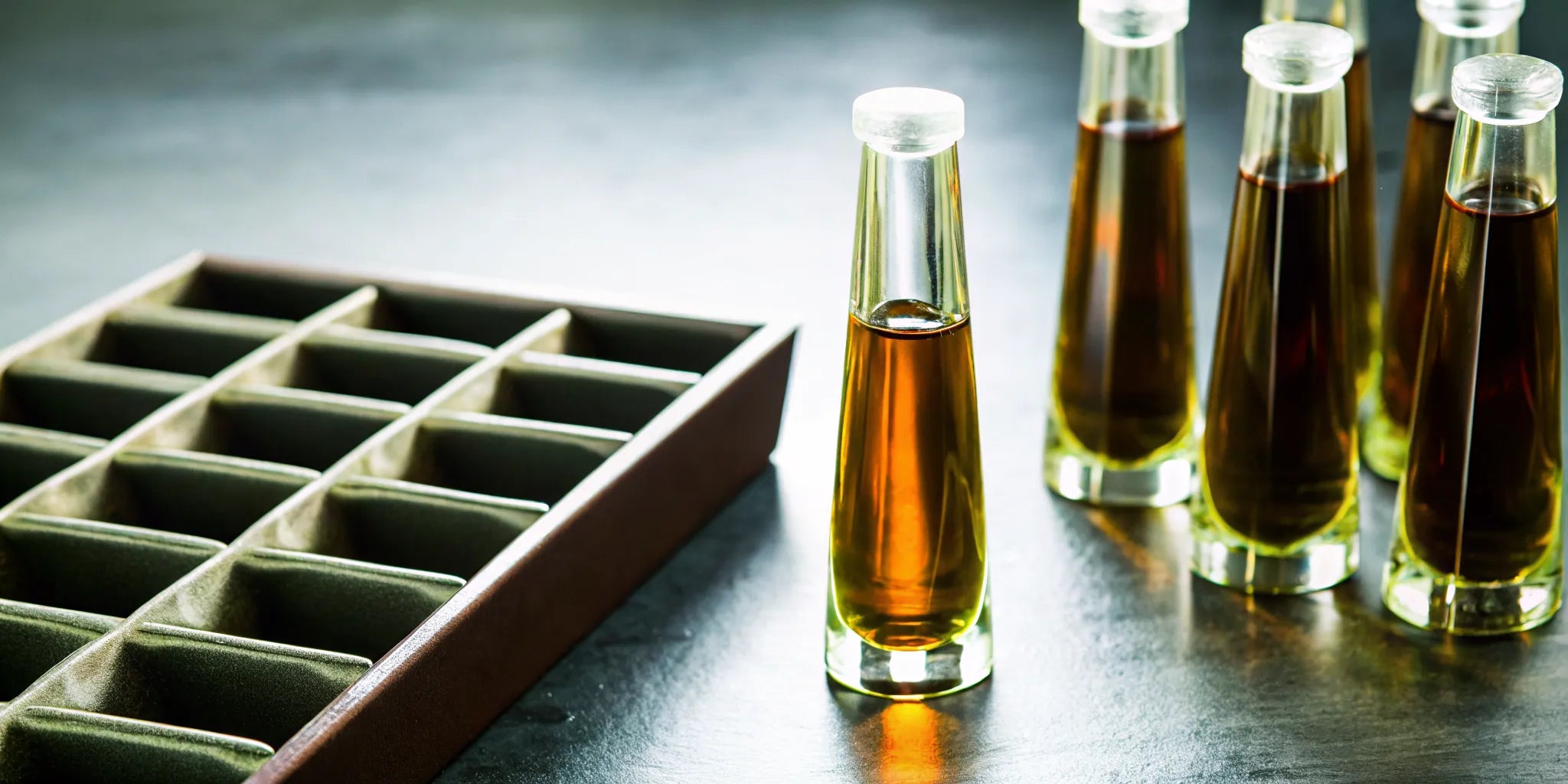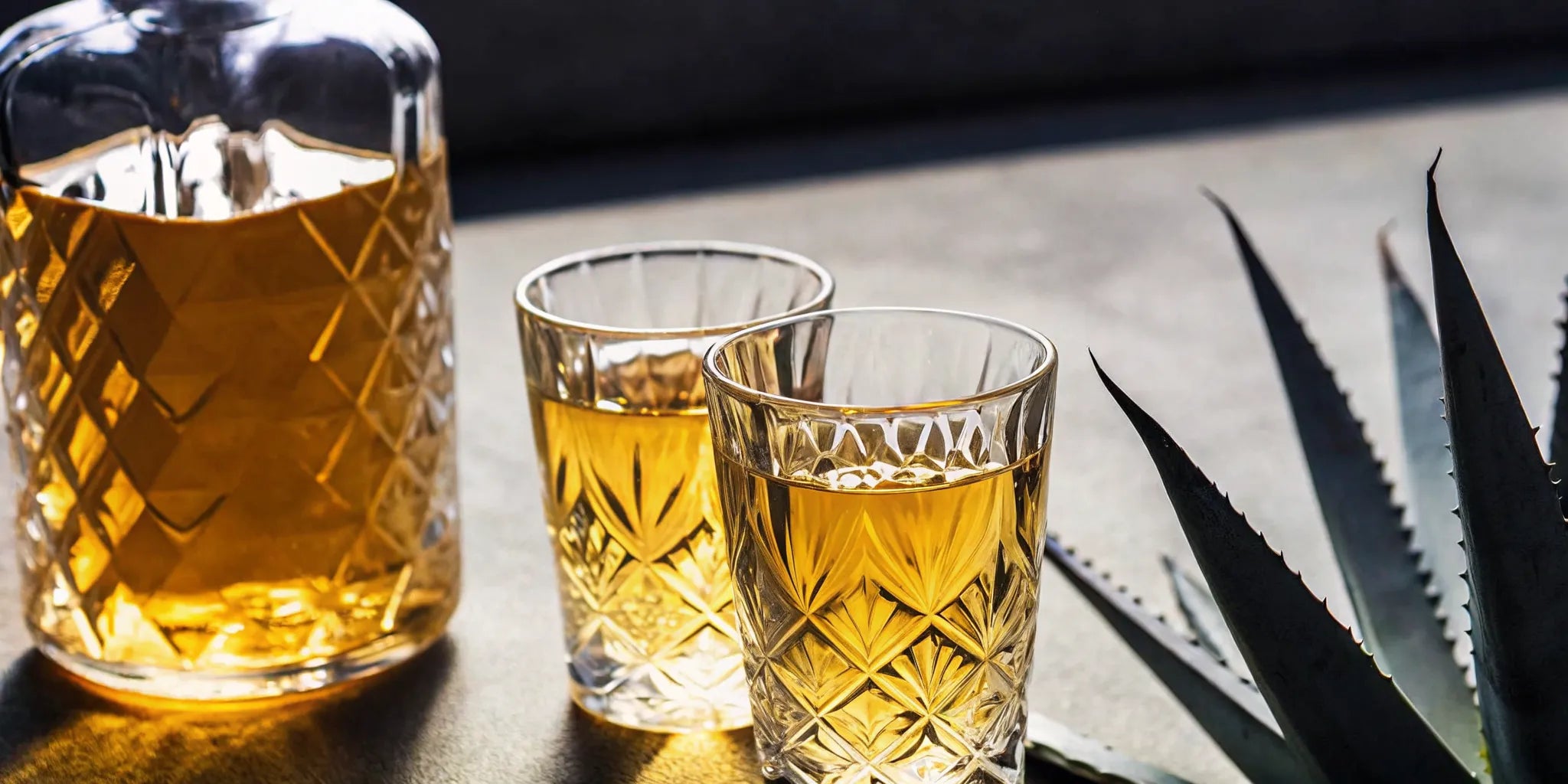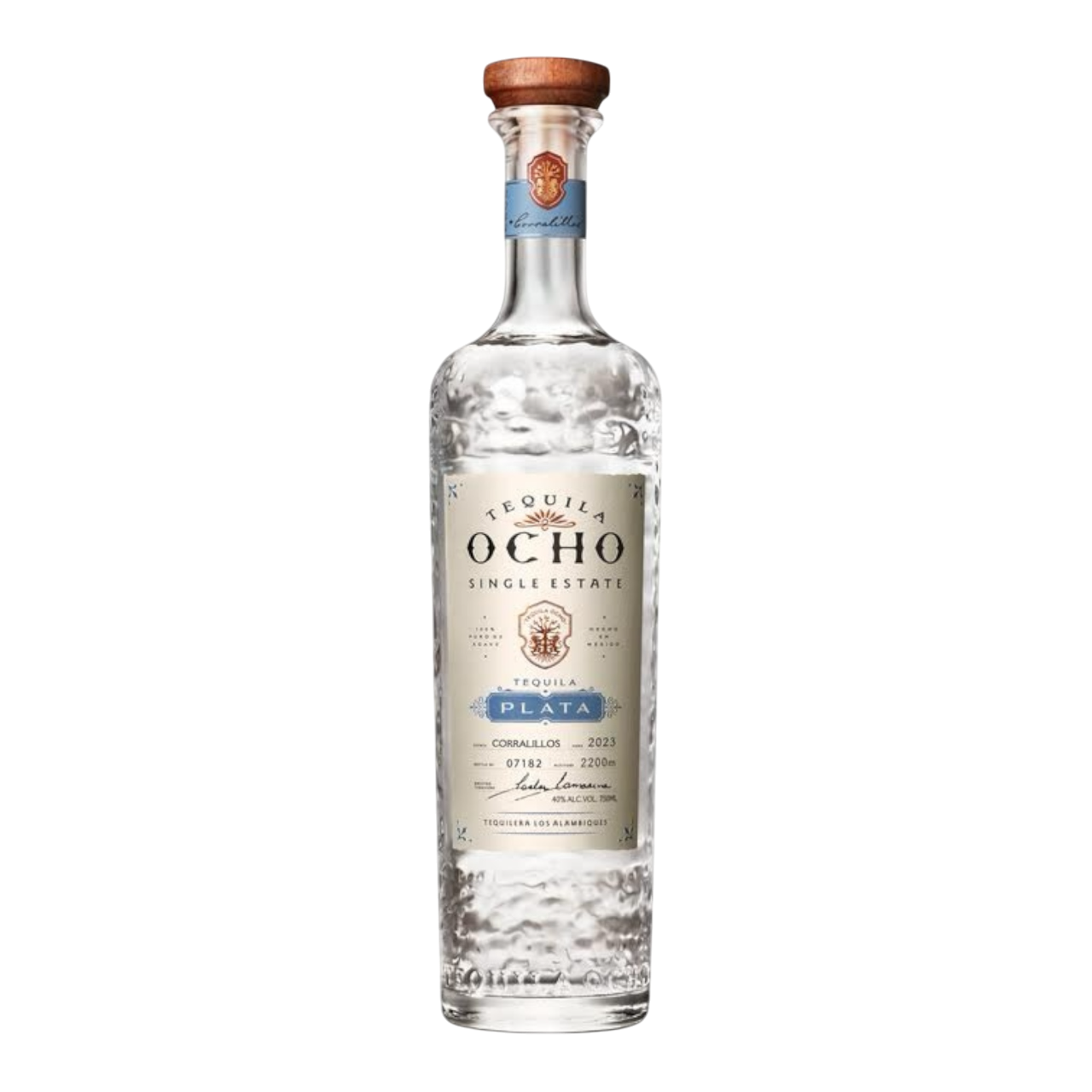
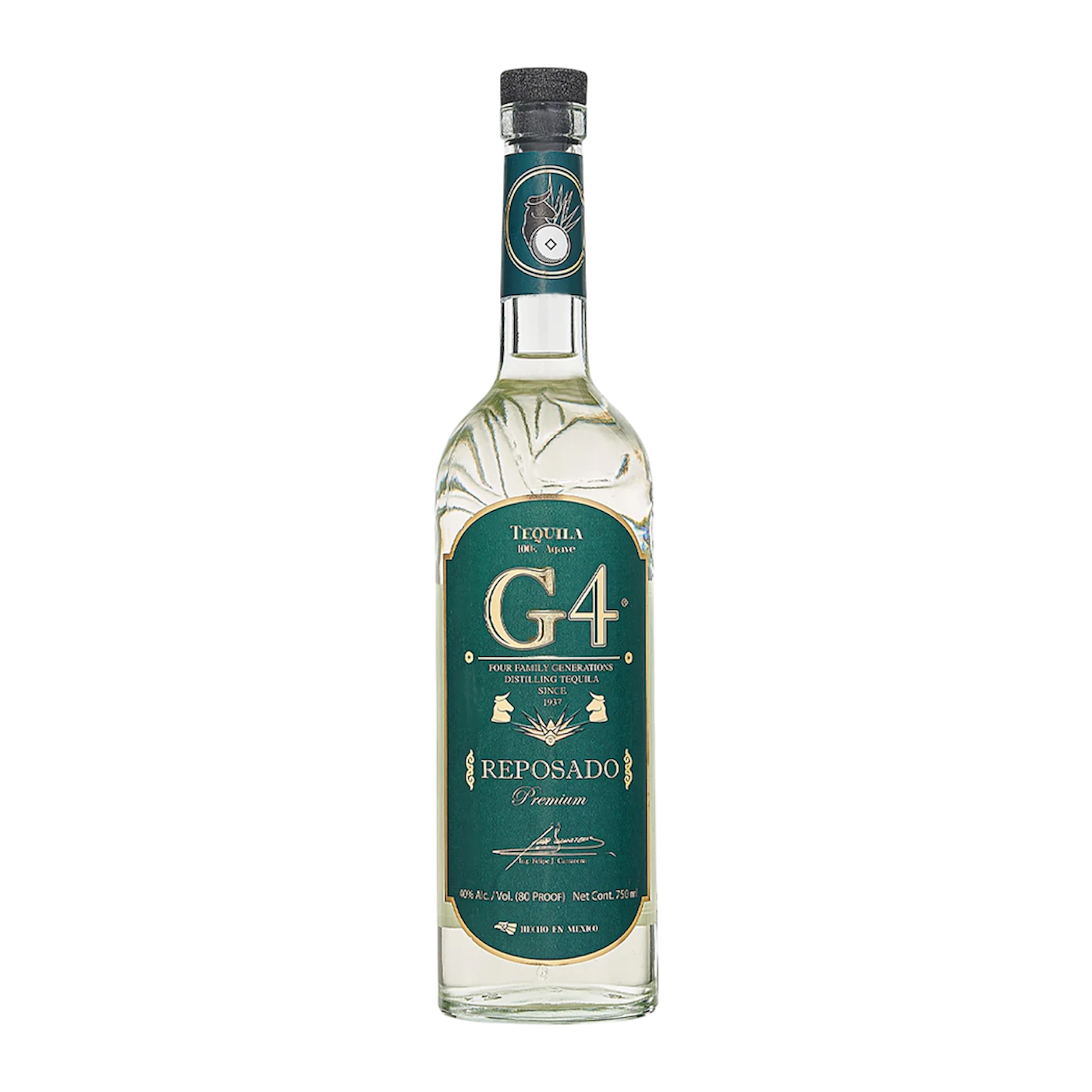




Limited edition tequila captures a distinct moment in a maker's craft, from a single harvest or unusual barrel finish to a small, numbered release. For collectors, choosing the right bottle means looking beyond rarity and judging provenance, production details, condition, and drinking value.
A special limited edition tequila is more than rare liquid in a distinctive bottle. The strongest releases pair genuine scarcity with transparent production details, trusted provenance, thoughtful aging, and a memorable sipping experience. Evaluate the maker, batch size, barrel story, bottle condition, and seller before adding one to your collection.
This guide explains how to separate a meaningful collectible from a simple marketing claim, so you can buy with confidence and build a collection with purpose.
What makes limited edition tequila meaningful?
A true limited edition tequila is more than just a rare bottle. It represents a specific moment in time at a distillery. While many brands use bright labels to catch your eye, a meaningful release relies on what is inside the glass. This usually means the liquid comes from a single harvest or a unique batch that cannot be made again.
Production limits and liquid quality
For a bottle to be a real limited edition tequila styles, it must have a finite production run. This is often due to the agave used. High-quality spirits often come from agave plants that take seven to ten years to reach full sugar levels. When a batch is made from a specific field, the flavor reflects the soil and weather of that era. This creates a profile that is impossible to copy exactly in the future.
The aging process also plays a big role. Many top bottles spend years in special wood casks. For example, some extra anejo spirits age for more than five years in barrels that once held Scotch, Sherry, or Cognac. These special aging steps give the tequila deep notes of dried fruit, oak, and spice. When a distiller picks a few unique casks for a small run, they create a product that stands out from the main line.
Provenance and clear intent
Meaningful releases come with clear facts about where and how they were made. Collectors look for details like the NOM number to find the distillery. They also check for traditional methods like using a stone tahona to crush the agave. A bottle that shares these details shows the maker's intent to honor the craft rather than just sell a fancy box.
However, being limited does not always make a bottle worth more over time. Value grows when the quality of the spirit matches the hype of the brand. People who enjoy tasting limited edition bottles often focus on the balance and finish of the drink. A release is truly meaningful when it offers a unique sipping experience that justifies its place in a high-end collection. In the US, a standard drink contains 0.6 ounces of pure alcohol, and it is vital to track your intake for safety.
How to evaluate a rare tequila bottle before buying
Buying a limited edition tequila for your collection takes more than just a quick look at the label. You need to check the bottle's history and how it was made to ensure it is worth the price. Many bottles, like the Maestro Dobel 50 1967 Extra Anejo, can cost over $1,700 because of their rarity and age.
Check the NOM and producer
Every bottle has a NOM number that shows which distillery made the spirit. You can use this to see if the producer uses old ways like stone ovens and copper pots. Collectors often like small batches that focus on craft. When you are investing in limited edition tequila, knowing the source helps you judge if the quality matches the brand's claims.
Review the age and barrel type
Rare tequilas often spend a long time in wood to develop deep flavors. Some extra anejo bottles stay in special wood for more than eight years. Look for unique finishes like casks once used for Sherry or Scotch. These choices create complex tasting notes that make the bottle more valuable to fans.
- Look at the production count. Find out how many bottles the brand made. A low number usually means the bottle will be harder to find and may grow in value over time.
- Verify the release history. Check if the bottle is part of a special series or a one-time collaboration. Anniversary runs often carry more weight with serious collectors.
- Inspect the liquid specs. Read the label for details on the agave age and harvest site. High-quality spirits often use mature agave plants that have grown for seven to nine years.
- Check the bottle condition. Look for any signs of damage to the seal or the box. For rare items, the state of the packaging can change the price by a large amount.
- Confirm seller trust. Buy from stores that have direct links to the makers. This ensures the bottle is real and has been stored in a cool, dark place.
- Study the price trends. Compare the cost to other rare tequila expressions. If the price is much lower than other shops, it might be a red flag.
- Define your goal. Decide if the bottle is for a future sale or for tasting limited edition bottles with friends. This helps you choose the right specs for your needs.
Check for official documents
High-end bottles often come with a certificate or a unique number. This proof of provenance is key when you want to show that a bottle is a true limited run. Organizations like the CDC warn that all alcohol should be used with care, so focus on the craft and history of the piece rather than just the drink itself.
How can you judge scarcity without falling for hype?
Finding a true limited edition tequila takes more than reading a shiny label. Marketing teams often use words like "rare" or "exclusive" to drive sales, but smart buyers look for hard data. To know if a bottle is truly scarce, you must check the clear signs that the distillery gives. These markers prove the bottle is a set part of a small run rather than just a regular item with a new box.
Check for bottle and batch details
The most reliable sign of scarcity is a hand-numbered bottle. When a maker marks a bottle as "12 of 500," they promise to a set limit. You should also look for batch sizes and lot numbers. Some brands, like those found in collectible tequila releases, list the exact number of barrels used for a release. A "single barrel" choice is the peak of this trend. It shows a unique taste that can never be copied once the barrel is empty.
Look for one-time releases
Distilleries often make special runs to mark an event. These include year series or artist works that will not return to the store. For instance, anniversary series and artist editions are common ways for brands to offer something unique to fans. These bottles often use extra aging in rare wood casks, such as Sherry or Scotch barrels. Once these casks are bottled and sold, the spirit is gone. This creates a hard limit on supply that helps the value for those investing in limited edition tequila over time.
Scarcity versus stock shortages
It is key to tell the difference between a rare bottle and a simple store shortage. A bottle might be hard to find at your local shop due to shipping delays. This is not the same as a limited edition tequila that has a fixed global supply. True scarcity comes from the way the spirit is made. This could be using agave from a single field or a slow aging method. Many collectors track distillery news to see if a bottle is a permanent part of a line or a one-time drop. Knowing this helps you avoid paying a high price for a bottle that will be back in stock soon.
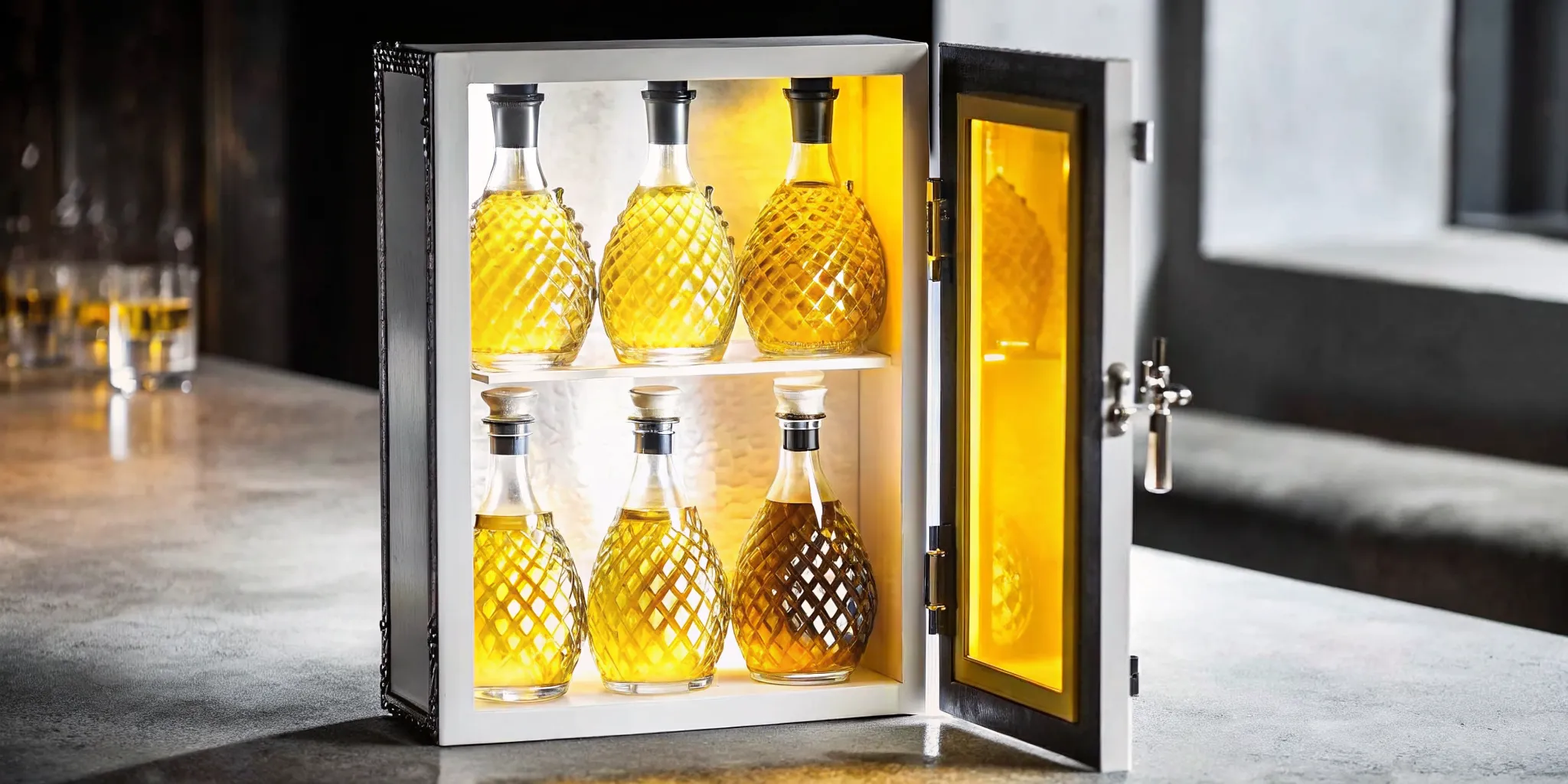
Why producer credibility and provenance matter
When you buy a limited edition tequila, you are getting more than just a bottle. You are getting a story of skill and place. Provenance tells you where the spirit came from and who made it. This proof is key for any person tasting limited edition bottles. It helps you know the bottle is real and made with care. Without this info, it is hard to judge the true value of what you have.
The role of the NOM number
Each bottle of real tequila must have a NOM number. This is a four-digit code. It shows which plant made the spirit. It is a law that helps track the source of every drop. You can use this code to see if a brand has its own distillery or shares one with others. Brands that own their own stills often have more control over the final taste. This leads to better small-batch tequila varieties. If a plant makes too many brands, the unique soul of the agave might get lost. Finding a maker with a strong track record is a smart first step.
Why distillery name counts
A distillery's name often tells you about the quality of the work. Many top makers still use old ways to make their spirits. They might cook agave in stone ovens for days to bring out deep sugars. Some use a tahona, which is a big stone wheel, to crush the plants. These slow steps show that the brand cares about the art. For example, some rare spirits age for a long time in special wood. Tears of Llorona stays in Cognac, Sherry, and Scotch casks for over five years. Other brands might age for eight years or more. These details show why investing in limited edition tequila is about the skill of the maker.
Clear facts and proof of origin
Good makers are open about how they work. They share facts about the soil, the water, and the wood they use. This openness is a sign of a brand you can trust. It also links to your safety as a drinker. Real producers follow laws to make sure their goods are pure. This is vital because too much alcohol use leads to many health risks. When a brand hides its source, it may be a red flag. Collectors look for proof of a limited run or a unique finish. This might include a signed bottle or a specific batch number. These facts help you build a collection that is both rare and real.
- Look for a unique NOM to find true craft.
- Check the type of casks used for aging.
- Verify the age of the spirit and the batch size.
Age, packaging, or drinking value: what matters most?
A true collector looks at more than just a high price tag. When you search for limited-release tequila options, you must weigh several factors. Some buyers focus on the age of the liquid, while others value the beauty of the bottle. To build a solid collection, you need to know which signals show lasting worth.
The role of age and barrel story
Age is a primary signal of value in the agave world. Extra anejo tequilas often stay in wood for a long time. For example, some premium editions age for at least eight years before they reach the glass. The type of wood used also adds to the story. Some brands use casks from Cognac, Sherry, or Scotch to create a unique profile. These details help a bottle stand out to those investing in limited edition tequila.
Packaging and presentation
In the luxury market, the bottle itself can be a work of art. Brands often use unique finishes or artistic labels to mark a special run. You may find bottles that celebrate a specific year or a famous artist. While the tequila inside is key, the physical bottle often drives the initial interest. High-end packaging acts as a visual signal of the craft and care that went into the liquid.
Comparing value signals
Not every feature carries the same weight for future worth. It is helpful to see how these signals stack up against each other. Some traits suggest a bottle will hold its value, while others are more about style. Use the table below to see what makes a bottle a strong candidate for your shelf.
| Signal | Strong Value Factor | Weak Value Factor |
|---|---|---|
| Liquid Age | Over 3 years (Extra Anejo) | Standard Blanco or Reposado |
| Batch Size | Numbered small runs | Mass-produced seasonal drops |
| Barrel Origin | Ex-spirit casks (Sherry, Scotch) | New uncharred wood |
| Artistry | Hand-painted or signed glass | Standard labels or plastic caps |
Drinking value vs. shelf value
There is a fine line between a bottle meant for sipping and one meant for a shelf. A great bottle should offer a top-tier tasting limited edition bottles experience. However, once you open a bottle, its resale value drops to zero. Many collectors buy two: one to enjoy now and one to keep for the future. This way, you can appreciate the craft without losing the asset.
Scarcity is the final piece of the puzzle. When a distillery only makes a few thousand bottles, the market stays tight. This pressure can lead to high prices for those who wait. For example, some rare editions can cost over $1,700 due to their low supply. Always check the source of your bottle to ensure it is part of a true limited run. The standard drink size rules in the U.S. help you track your use while you enjoy these rare gems.
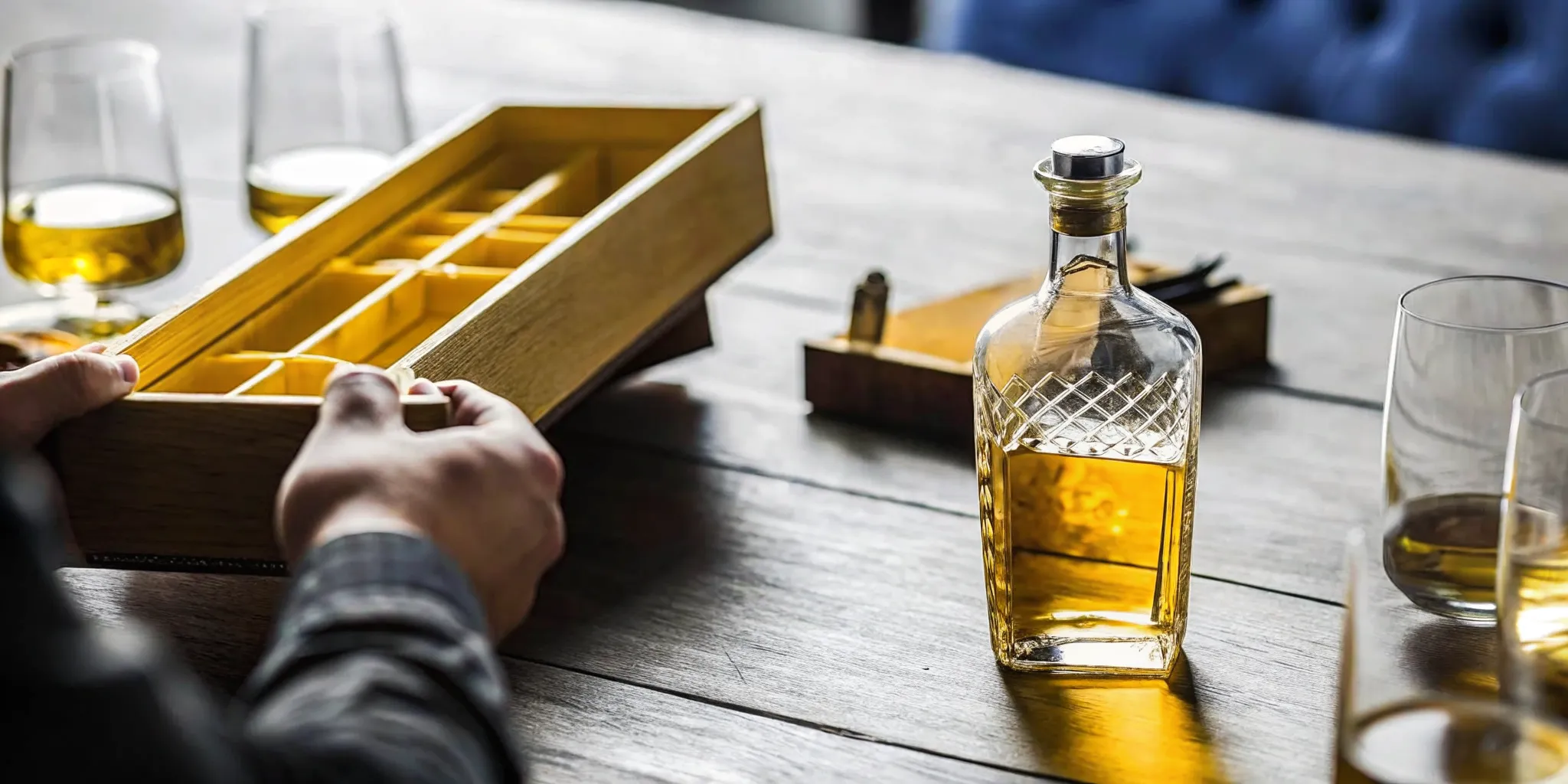
Should you drink your collectible tequila or keep it sealed?
Deciding whether to open a rare bottle is a tough choice. When you buy a limited edition tequila, you must decide if you want to taste the craft or save the value. Some bottles are made for special events. Others serve as an investment in a collection. You should think about your goals before you break the seal on a high-value spirit.
Buying for the experience
If you love the art of making tequila, opening a bottle is the best way to honor the maker. Many rare runs use a unique aging process in wood casks like Cognac or Sherry barrels. These steps create deep flavor profiles that you can only find in small batches. Tasting limited edition bottles lets you explore how wood types change the spirit over time.
Sharing a rare pour with friends can create a great memory. This may be worth more than the price tag. The joy of sipping a fine extra anejo is why many fans start. Since a standard drink in the United States has 0.6 ounces of pure alcohol, you can enjoy these in small amounts. You can find more about sizes on the CDC website.
Preserving value and rarity
Keeping a bottle sealed is the only way to keep its full worth. Collectors look for unique finishes or small runs to find the best items. For example, some extra anejo tequilas age for eight years before they go on sale. These bottles often become more scarce over time. This can drive up the price for future buyers who want a rare find.
To keep the value high, you must store your rare bottles and special editions in a cool, dark place. Light and heat can damage the liquid and the label. A bottle in top shape with a perfect seal is easier to trade or sell later. If you want to grow a collection, you should treat each bottle like a piece of fine art.
Finding a middle ground
Many experts suggest a "one to drink, one to keep" rule for top drops. This plan lets you enjoy the flavor now while you hold a bottle for later. It is a great way to balance your passion with your goals as a collector. By choosing both paths, you get the full story of the bottle without losing the chance for a future gain.
Build a limited edition tequila collection with purpose
Buying rare tequila is about more than just owning a bottle. It is a way to see the art and history of each maker. A clear plan helps you find bottles that grow in value and offer a great taste. By focusing on rare finds, you can build a set that shows your love for agave spirits. Many experts suggest investing in limited edition tequila to get the best the craft has to offer.
Define your collecting theme
One of the best ways to start is by picking a theme. This keeps your search focused and your list neat. You might choose to collect bottles from one maker or focus on certain styles. For example, many people look for collectible extra anejo releases like extra anejo. This style is often aged for at least three years, but some special bottles are aged for a minimum of eight years.
Other themes can include:
- Anniversary runs or special artist series.
- Unique barrel types, such as tequila aged in Cognac or Scotch casks.
- Bottles with limited runs, like a year-of-the-snake release.
Check the source and rarity
When you find a new bottle, you must check its past. Rarity and low supply often drive the price of limited edition tequila. Look for small makers who use old-style ways to make their spirit. These methods often result in a deep flavor that gets better over time. As these bottles become harder to find, their value often goes up.
The aging process is also a big factor in how rare a bottle is. Some top-tier tequilas spend over five years in a mix of Cognac, Sherry, and Scotch barrels. This unique process gives the spirit a flavor you cannot find anywhere else. Knowing how a bottle was made is a key step for any serious buyer.
Use trusted shops for your search
To build a high-value collection, you must buy from shops you trust. This helps make sure the bottle is real and the spirit is high quality. Many rare drops are hard to find in local stores. Using an expert online vault can give you early access to new releases and rare bottles. This is a great way to stay ahead of other buyers.
As you build your set, keep a record of where and when you bought each bottle. This helps show its history if you ever want to share it. Remember to focus on the joy of sipping rather than just the number of bottles. Since excessive alcohol use can have long-term health risks, the focus should be on savoring each glass. This careful way ensures that your collection brings you pride for a long time.
Frequently Asked Questions
What makes a tequila bottle limited edition?
A limited edition tequila is a spirit with a finite production run. Producers often create these rare releases to celebrate an anniversary or a unique collaboration. According to Maestro Dobel, these collections may feature special artist bottles or commemorative series. Collectors value these items because the brand will not produce the same batch or bottle design again. This scarcity is a primary driver of market value for rare tequila spirits.
How long are rare limited edition tequilas aged?
Most rare tequila releases are aged for long periods to create complex flavors. Brands often age Extra Anejo editions for a minimum of eight years in premium wood casks. Some producers, such as Tears of Llorona, use a mix of Cognac, Sherry, and Scotch barrels for over five years. This extended aging process in diverse wood types helps create the deep color and rich taste profile that collectors and connoisseurs expect from high-end bottles.
Are rare tequila bottles worth more if they are sealed?
Yes, rare tequila bottles generally hold more value when they remain sealed with the original packaging intact. Collectors look for specific bottle features like limited production numbers or unique finishes to judge worth. According to Caskers, some rare editions can reach high prices over one thousand dollars based on their scarcity. While the liquid inside is high quality, the rarity of the unopened bottle and its physical condition are the most vital factors for long-term collection value.
Does tequila expire if the bottle is unopened?
Unopened tequila does not expire or go bad if you store it in a cool and dark place. Unlike wine, the spirit does not continue to age or improve once it is inside the glass bottle. However, you must verify that the seal remains tight to prevent evaporation. If you buy bottles online, you must also prove you are at least 21 years old in the United States to complete the purchase and receive your delivery.
What types of barrels are used for limited edition tequila?
Producers of high-end tequila often use unique wood casks to distinguish their limited runs from standard releases. Common choices include French Oak, ex-Bourbon barrels, and fortified wine casks. Some elite brands even use a blend of Cognac, Sherry, and Scotch barrels to reach a specific flavor profile. This artisanal approach to aging adds depth to the spirit. It also gives the bottle a distinct story that appeals to collectors who want more than a standard bottle of tequila.
Are you ready to build a rare and limited tequila collection?
Waiting to buy rare bottles often means you miss out as small stocks sell very fast across the whole world and leave you with nothing left. When you delay your search, you risk losing the chance to own a piece of art that may never be made again by the maker. Prices go up as these spirits get hard to find on the open market, so it is best to start your own set of rare bottles now.
Ready to request your bottle? Shop our rare collection now to shop rare and limited tequila and find a great gift for your home bar today. You can also see our tequila guide to learn more about how to find the best bottles for your home bar and gifts.