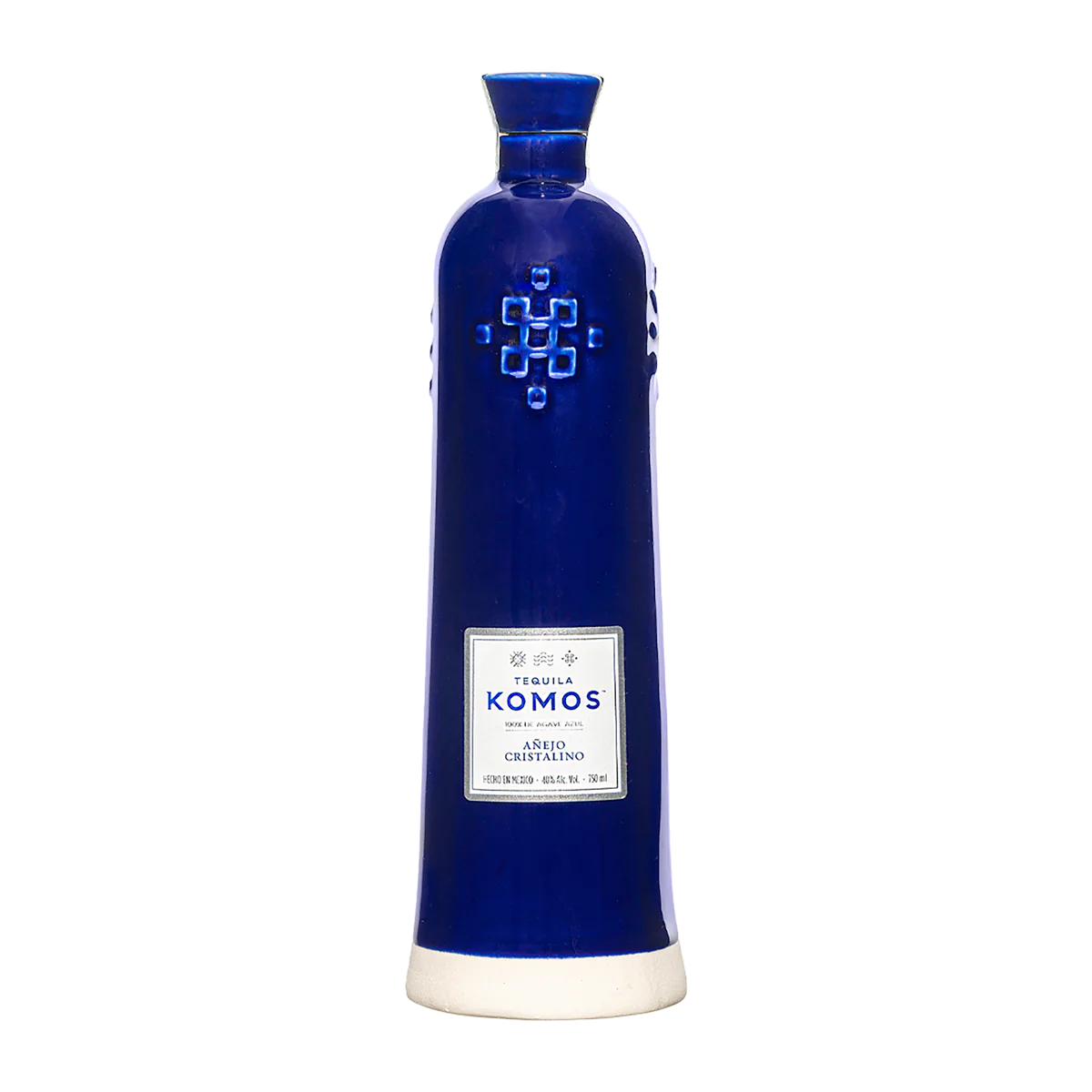
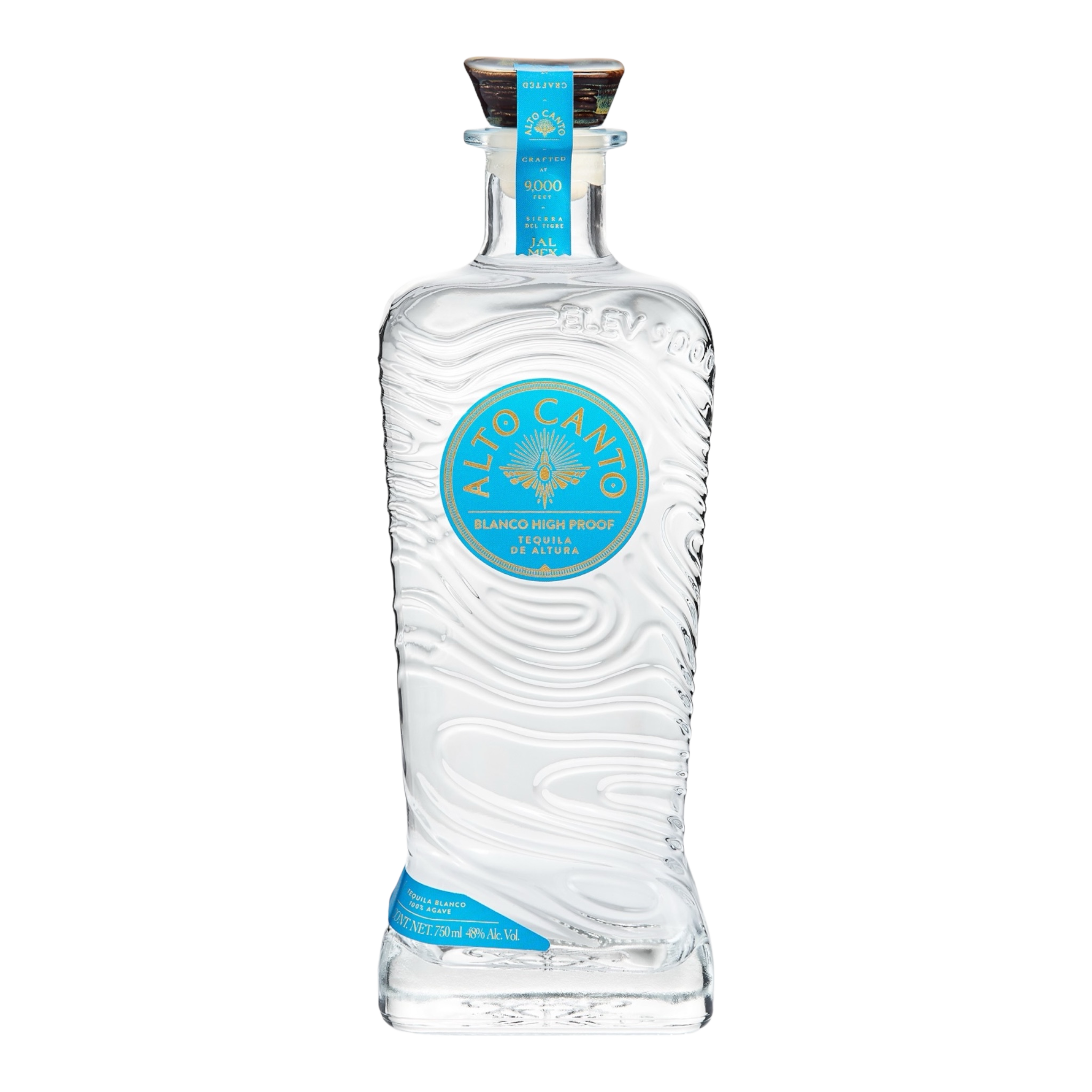
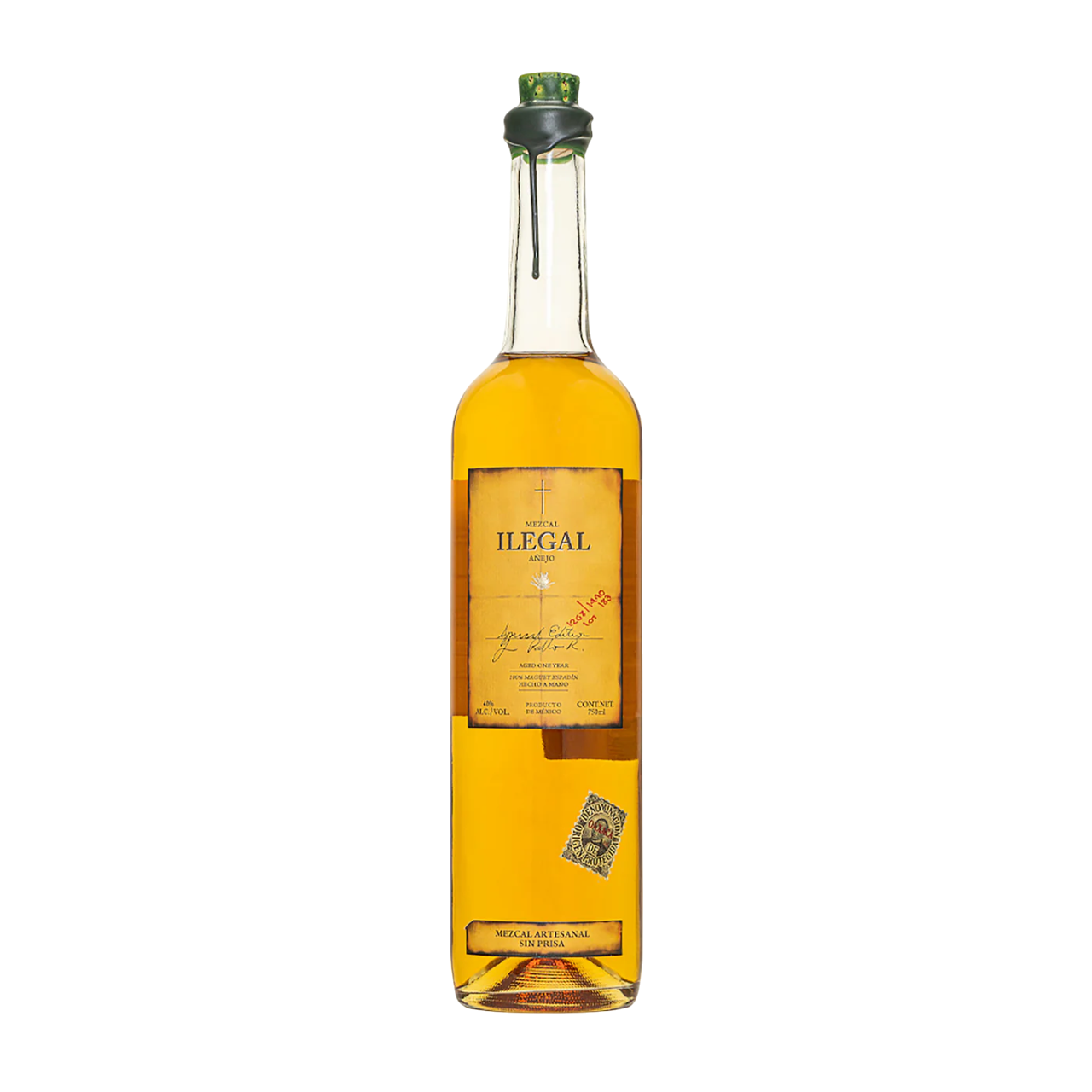
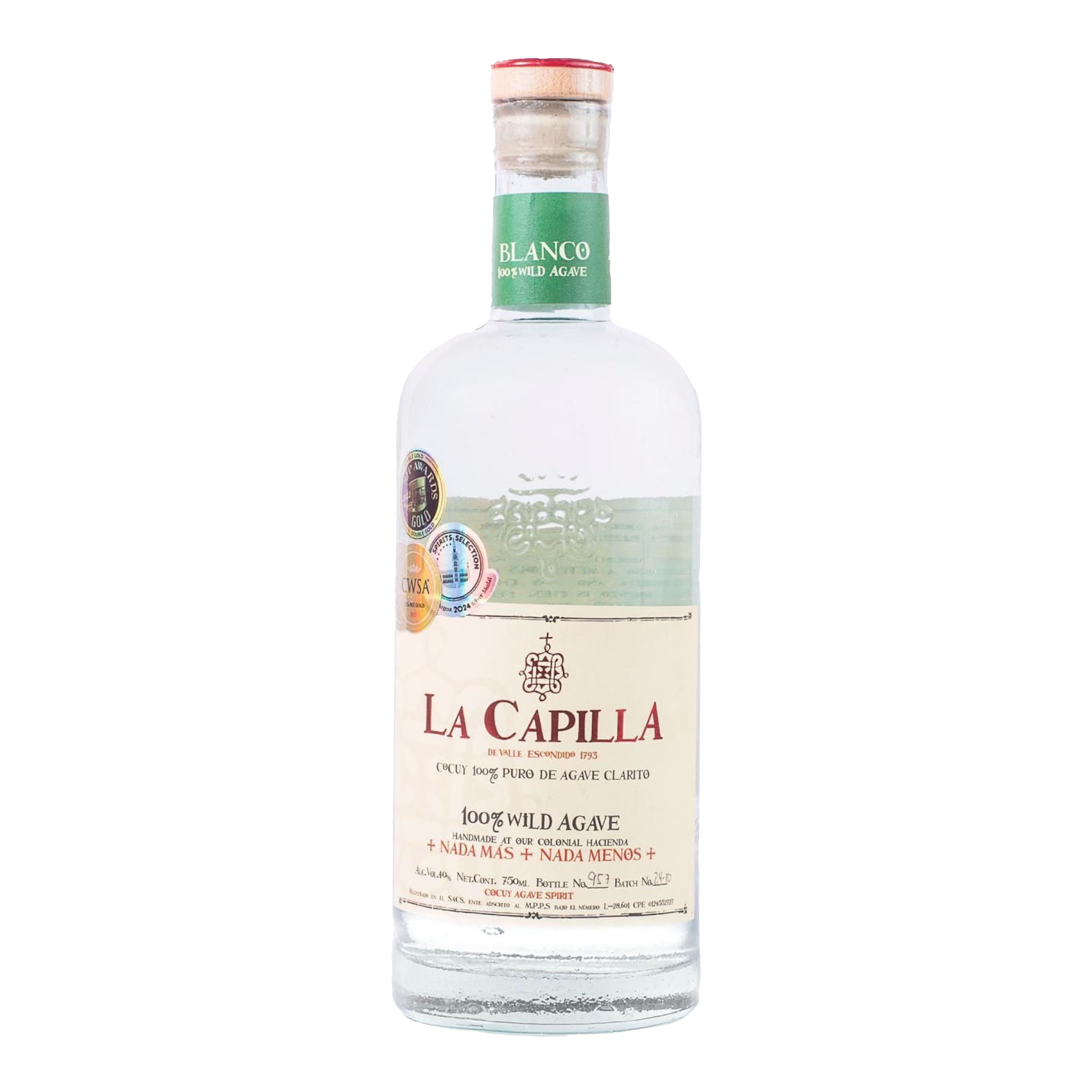

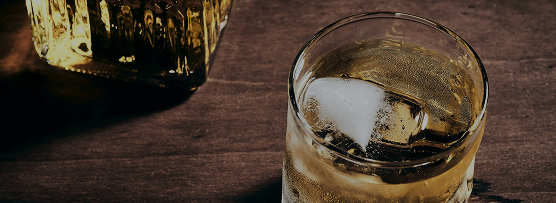



Tequila isn’t made overnight and the best bottles prove it.
Long before fermentation tanks, barrels, or bottling lines ever come into play, great tequila begins with one of the slowest-growing plants used in spirits: the blue Weber agave (Agave tequilana). This plant is the foundation of all true tequila, and its growth alone can take the better part of a decade.
The Long Road of the Blue Weber Agave
Blue Weber agave requires 6 to 10 years to fully mature, depending on altitude, climate, soil composition, and farming practices. During these years, the agave stores energy in the form of complex carbohydrates, primarily inulin, which later becomes fermentable sugar.
This slow sugar development is critical. Younger agave plants don’t have enough stored sugars, leading to thinner, harsher spirits. Mature agave, on the other hand, provides the depth, sweetness, and balance that high-quality tequila is known for.
Throughout the growing cycle, jimadores carefully maintain the plants by trimming excess growth (a process known as quiote management) and watching for signs that the agave is ready. When a flowering stalk begins to form, it’s removed so the plant continues directing energy into its core rather than reproduction.
Harvesting: Precision Over Speed
Harvesting agave is not automated—it’s done entirely by hand. Using a specialized tool called a coa, jimadores remove the sharp leaves to expose the heart of the agave, known as the piña due to its pineapple-like appearance.
Timing is everything. Harvesting too early means lower sugar content. Waiting too long can result in sugars converting into fibrous material. Experienced jimadores rely on visual cues, plant structure, and years of field knowledge to determine the perfect moment.
The quality of tequila is often decided right here, in the field.
Cooking the Agave: Transforming Time Into Flavor
Once harvested, piñas are cooked to convert inulin into fermentable sugars. Traditional producers use brick ovens (hornos) or stone-lined pits, slowly cooking the agave over many hours or even days. This gentle process develops caramelized, earthy, and vegetal flavors.
Faster industrial methods exist, but slower cooking preserves complexity and avoids bitterness. Again, time becomes a key ingredient.
Fermentation and Distillation: Letting Nature Work
After cooking, the agave is crushed to extract its juice, which is then fermented. Natural yeast, ambient conditions, and fermentation time all play a role in shaping aroma and flavor.
Distillation refines the spirit, removing impurities while preserving agave character. Many traditional distilleries use copper pot stills, which allow for greater control and expression of the raw ingredient.
Rushing this stage can strip away nuance. Careful, measured distillation keeps the agave front and center.
Aging (or Not): More Time, More Character
Not all tequila is aged, but when it is, time again makes the difference.
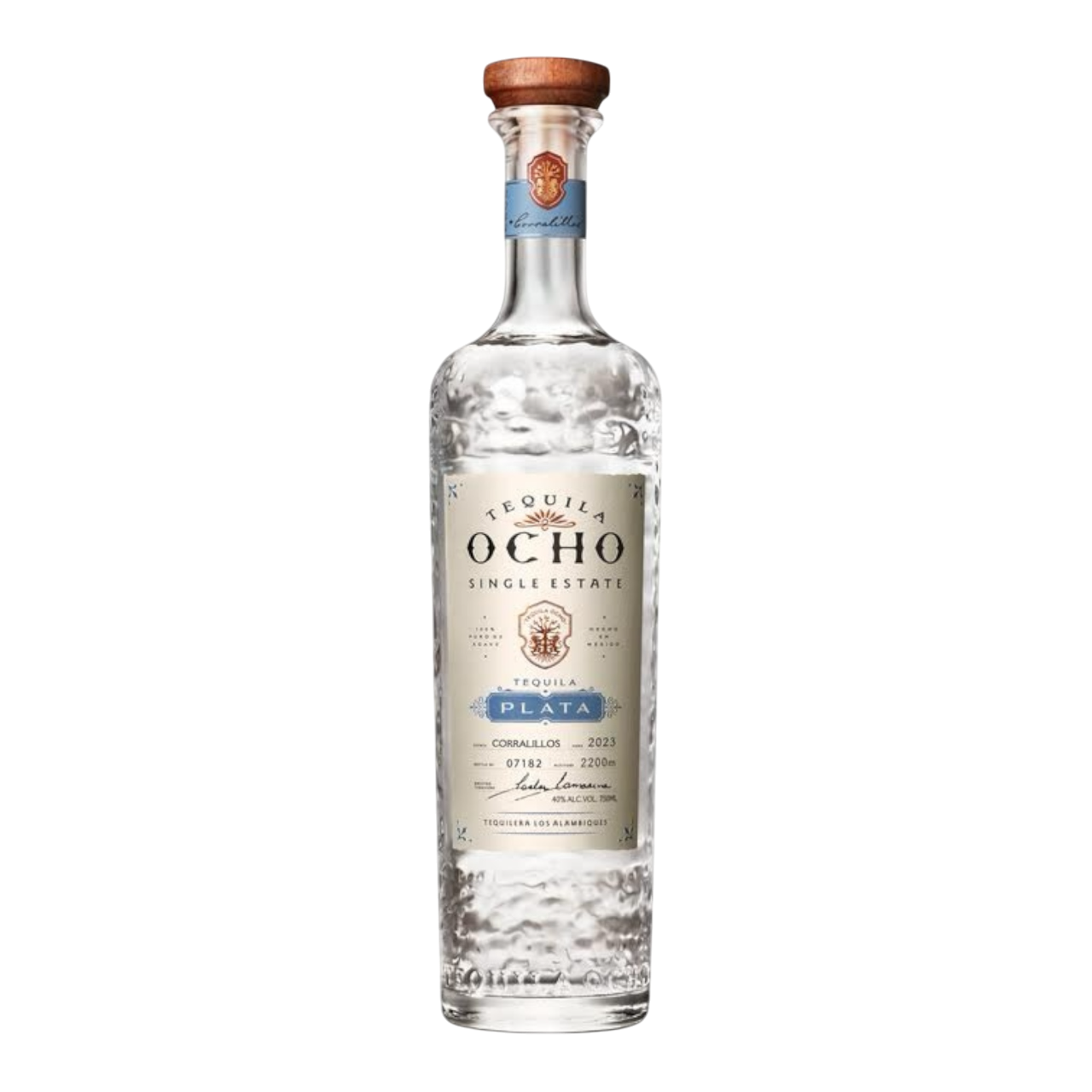
- Blanco tequilas showcase pure agave flavor and production quality.
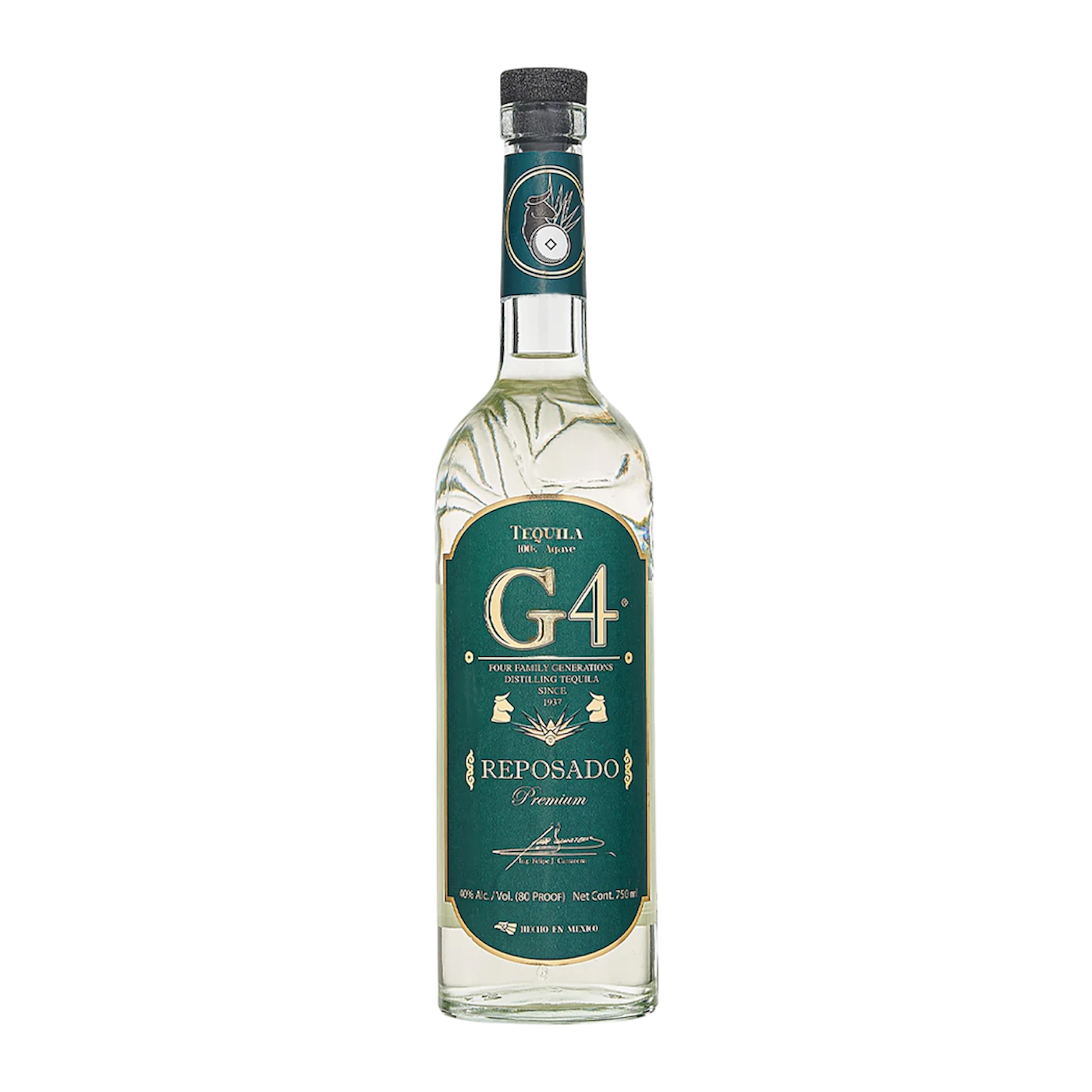
- Reposado rests in oak for at least two months, adding subtle spice and softness.
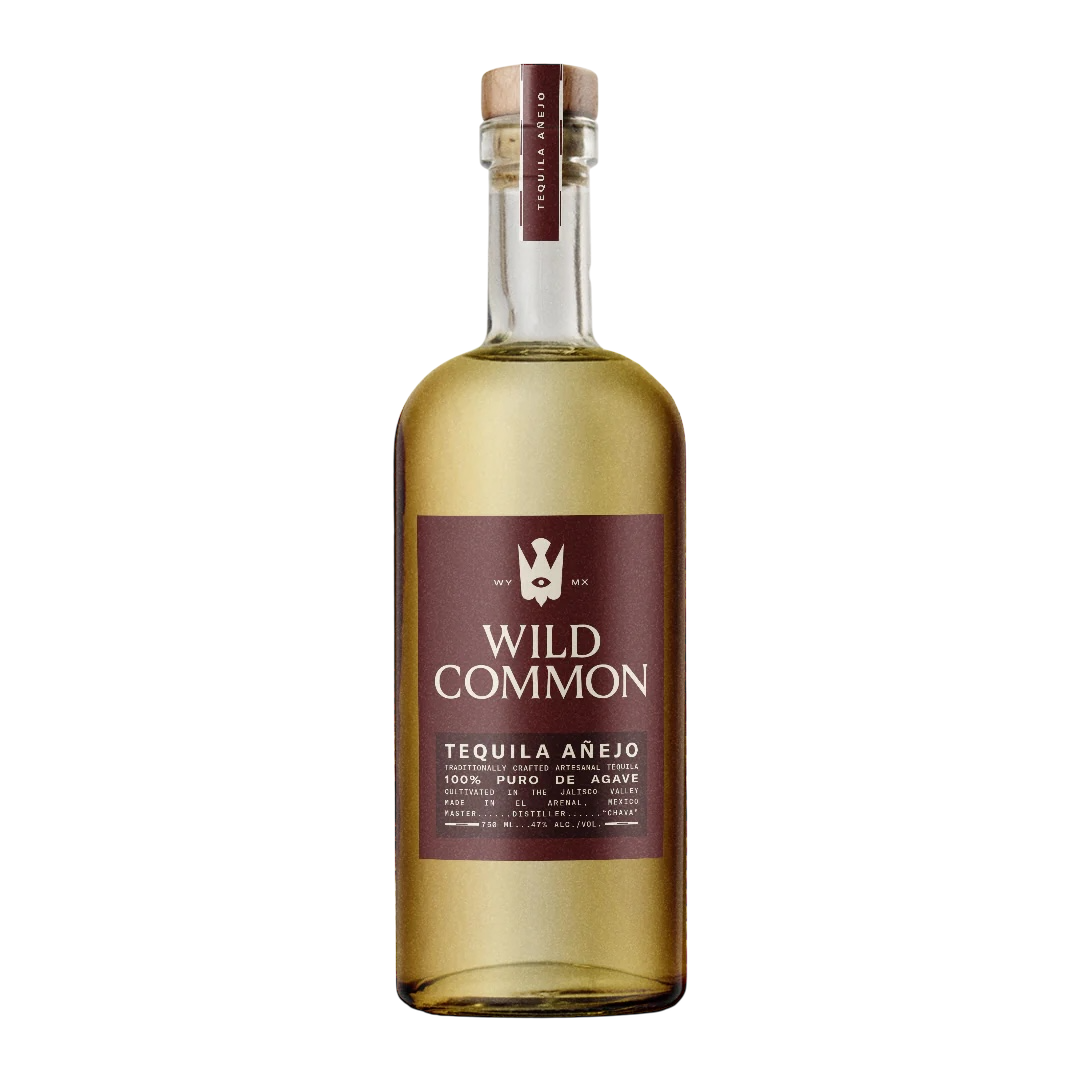
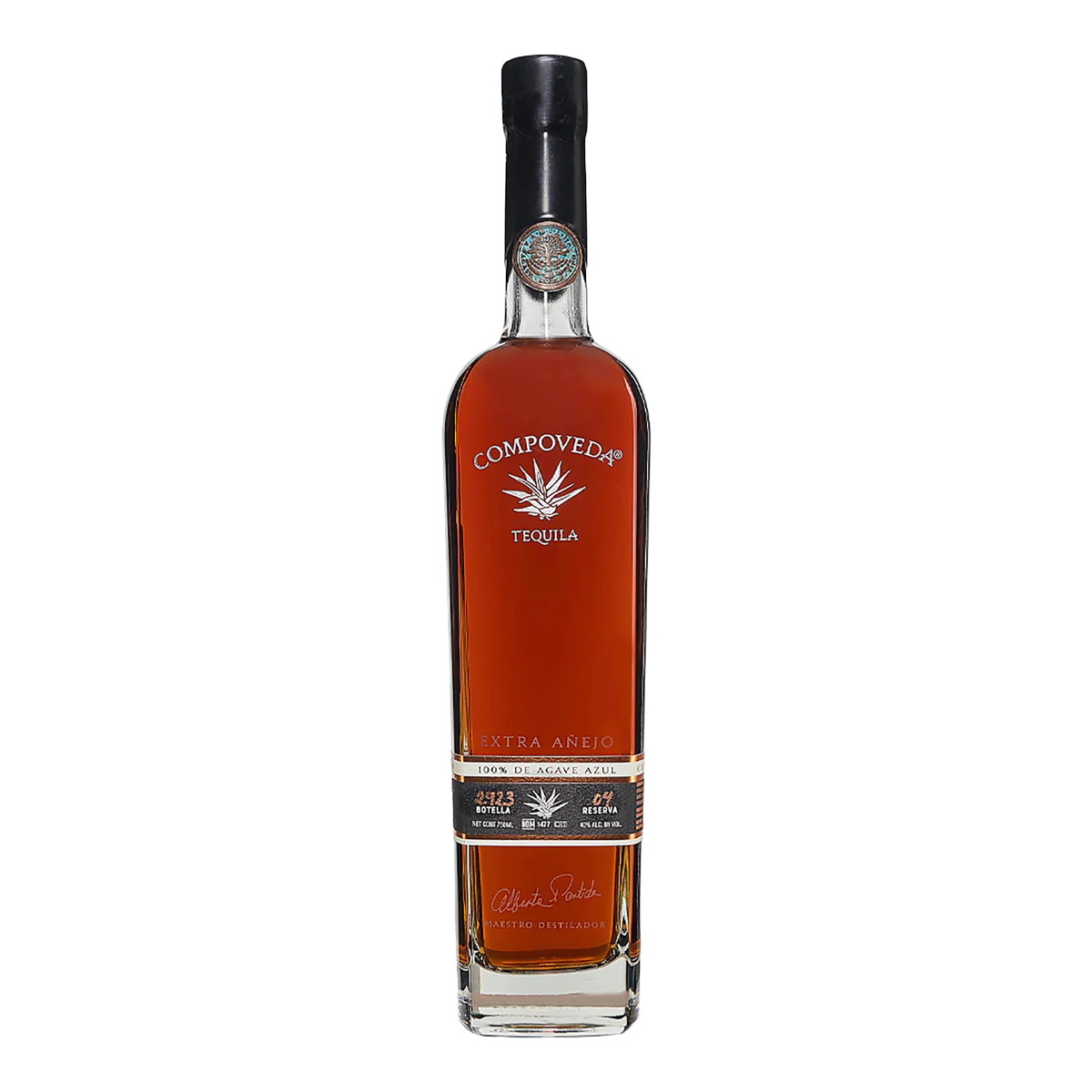
- Añejo and Extra Añejo tequilas mature for years, developing deeper notes of vanilla, caramel, dried fruit, and oak.
Each aging decision is deliberate, building on the years already invested in the agave itself.
Why Time Matters
From the moment an agave is planted to the day a bottle is opened, tequila can represent a decade or more of work. Every shortcut taken along the way leaves a mark. Every patient decision enhances the final result.
That’s why well-made tequila tastes alive. It reflects the land, the climate, the craftsmanship, and the years it took to become what it is.
Good tequila doesn’t rush and neither should the people who drink it.