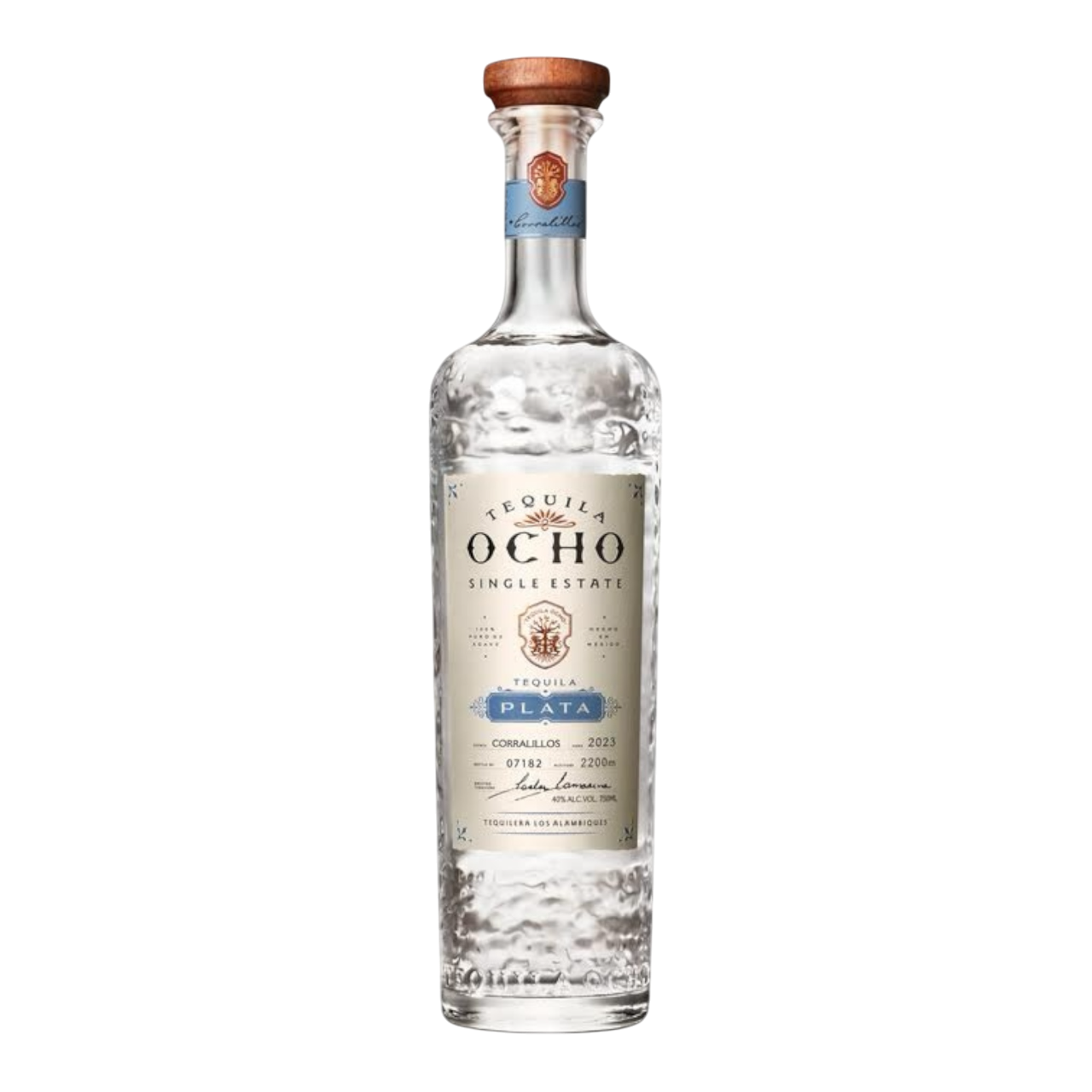
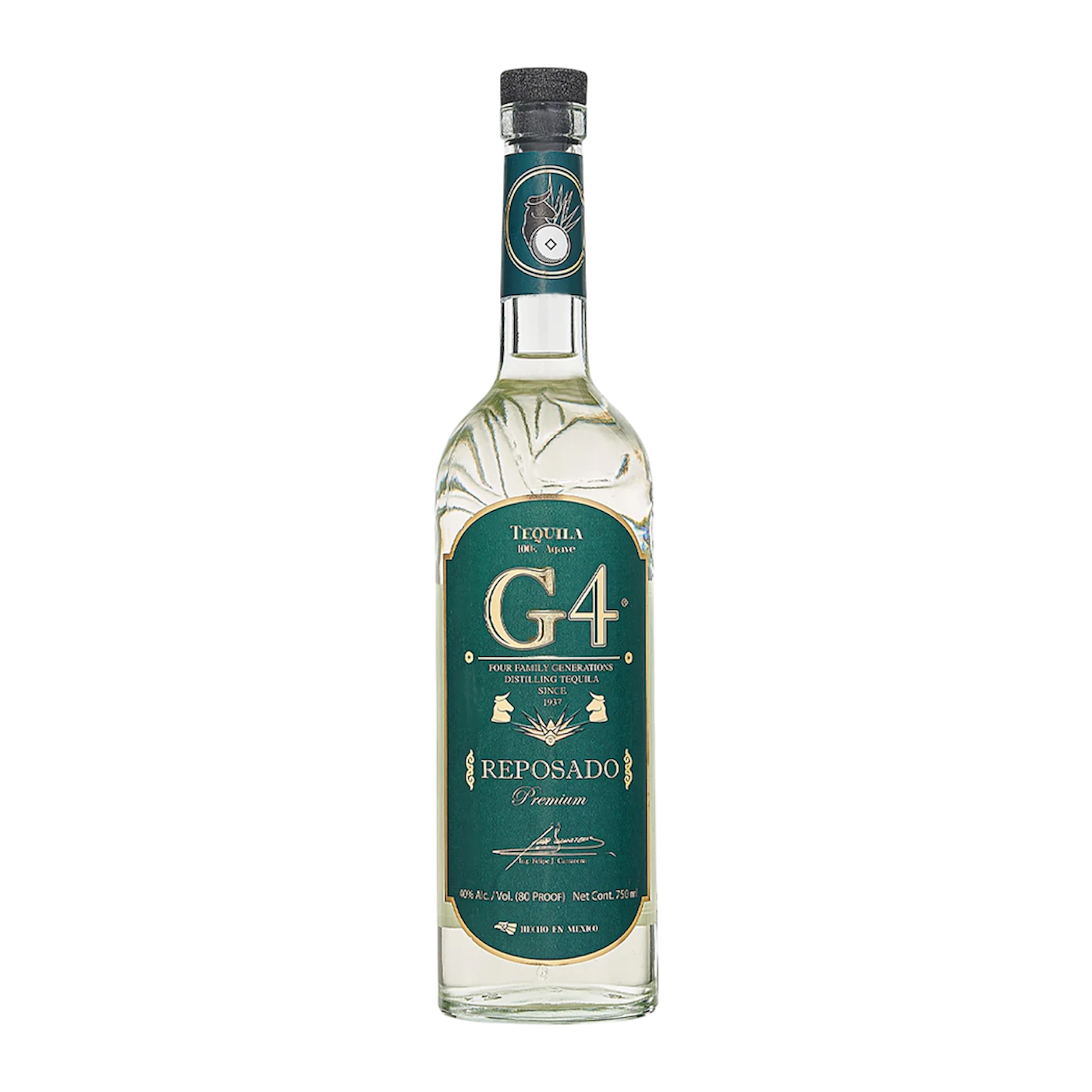
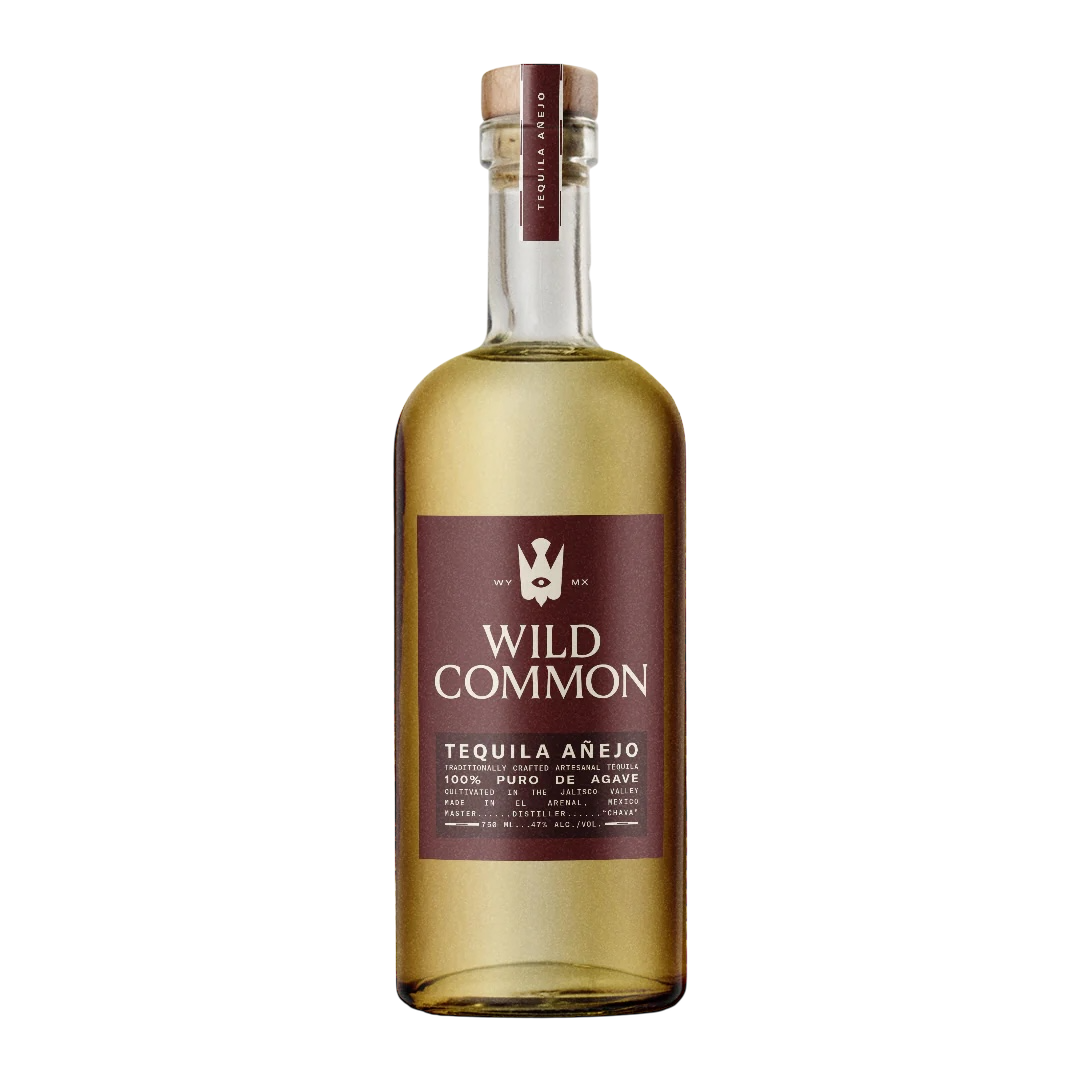
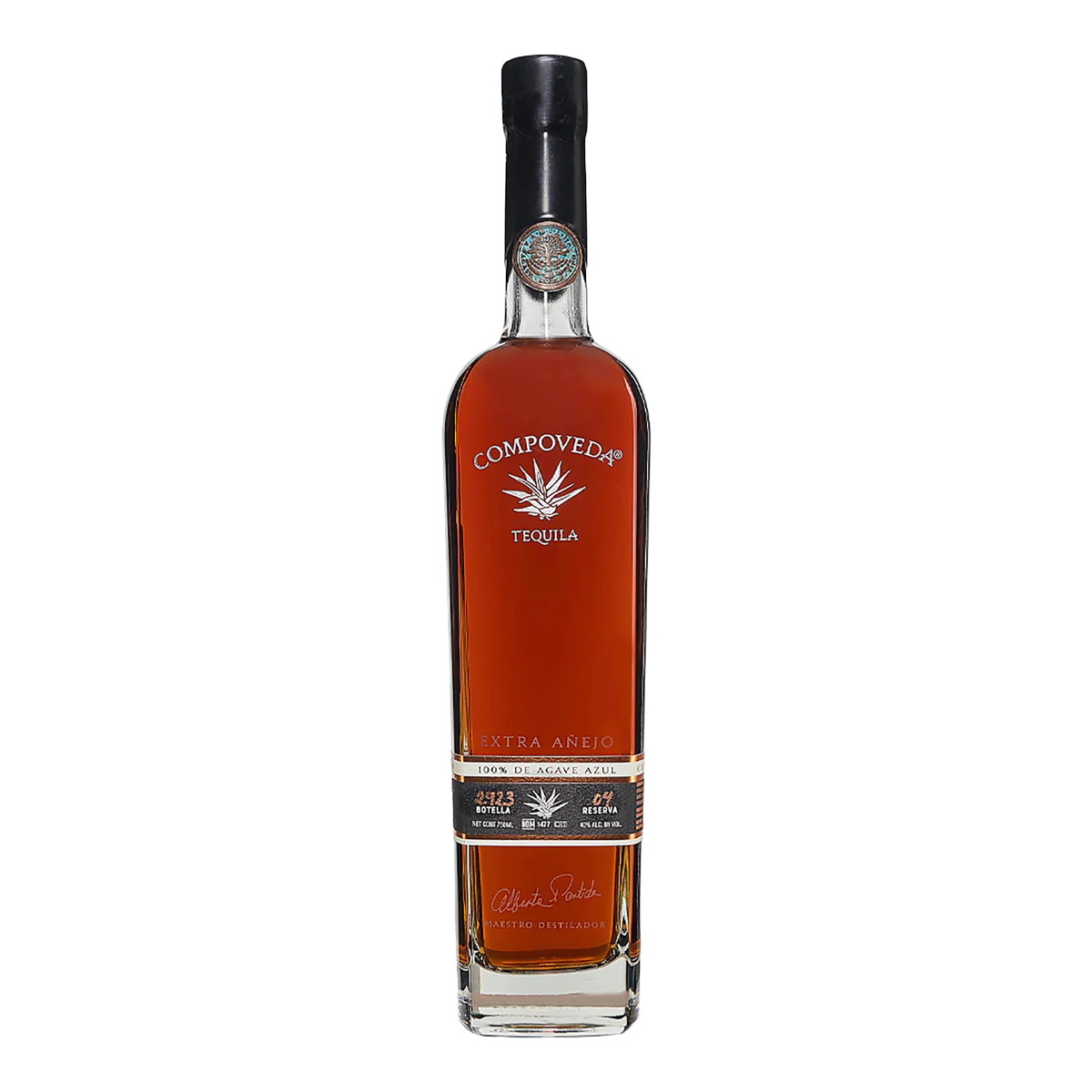





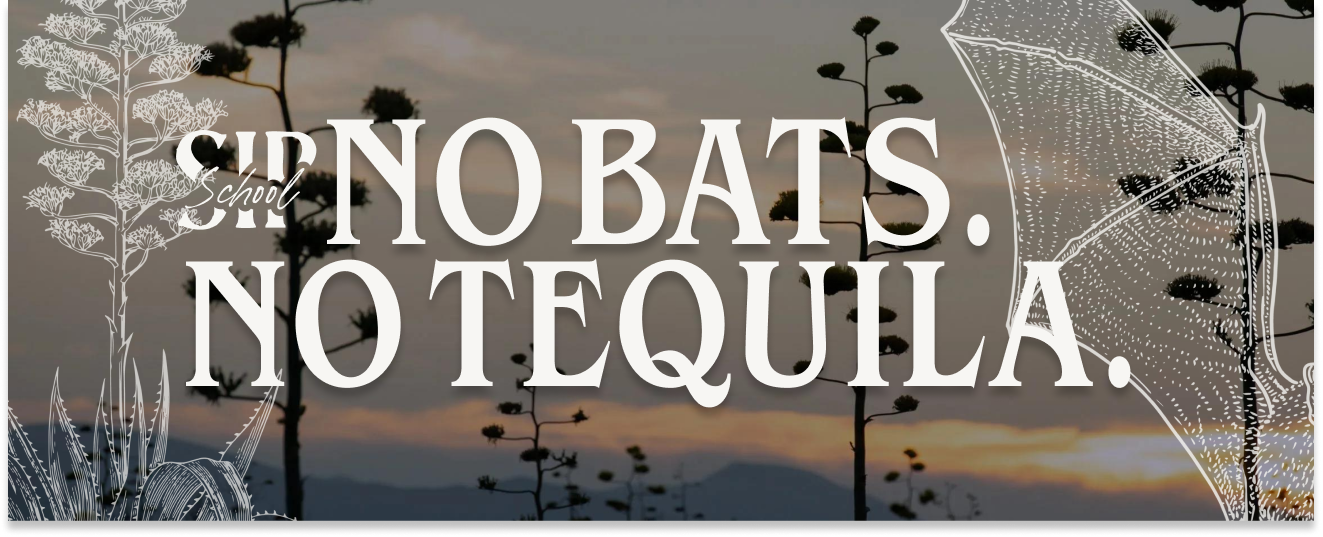
Here's something you probably didn't expect to learn today: the future of tequila depends on bats.
Not the Louisville Slugger kind. The nocturnal, cave-dwelling, slightly misunderstood kind. And before you raise an eyebrow, hear us out, because this might be the most important tequila fact you'll ever learn.
The original pollinators
The Blue Weber agave plant blooms at night. That means bees can't get to it. Birds can't get to it. The only creatures designed for the job are nocturnal nectar-feeding bats, specifically the Lesser Long-nosed Bat and the Mexican Long-tongued Bat.
This isn't a happy accident. Over millions of years, agave plants evolved to release their strongest scent and produce the most nectar after dark, specifically to attract these bats. As the bats feed on nectar deep inside the flower, their fur gets coated in pollen, which they carry to other agave plants as they travel. It's nature's most efficient delivery system, and it's been running for longer than any distillery.
If you want to geek out on the agave plant itself, we covered over 200 varieties in our Talk Agave to Me post. But for now, just know this: without bats, agave doesn't reproduce the way it's supposed to.
The clone problem
Here's where it gets serious.
In modern agave farming, most plants are grown from "pups," which are basically clones cut from the base of a parent plant. It's fast. It's efficient. And it creates a massive vulnerability: every single plant in the field has the exact same DNA.
That means if a fungus or disease affects one plant, it can take out the entire harvest. No genetic variation means no natural resistance. It's a monoculture, and monocultures are ticking time bombs.
When bats pollinate agave, the plants reproduce through seeds, and those seeds contain unique genetic combinations. Stronger plants. More resilient crops. The kind that can withstand disease, pests, and shifting climates on their own. We talked about the role of volcanic soil in growing incredible agave, but even the best terroir in the world can't save a crop that's genetically identical from top to bottom.
History already proved what happens without them
This isn't theoretical. In the 1990s, a disease called TMA (Tequila Mosaic Virus) and a devastating fungus swept through agave crops in Mexico. Because the plants were all clones, millions of agaves rotted in the fields. The damage was catastrophic for producers and for the communities that depend on the agave industry.
Reintroducing bat pollination is essentially an insurance policy. Not a nice-to-have. A need-to-have.
Enter: Bat-Friendly Tequila
Conservationists and producers recognized this connection and created the Bat-Friendly Certification program through the Tequila Interchange Project.
The concept is simple. Participating brands agree to let 5% of their agave crop flower naturally instead of harvesting it early. (Normally, agave is harvested before it blooms because flowering uses up the sugars needed for fermentation, and those sugars are what become tequila.) That small sacrifice provides food for migrating bat populations and allows them to pollinate, creating a bank of genetically diverse seeds for future planting.
The results have been remarkable. The Lesser Long-nosed Bat went from fewer than 1,000 individuals at 14 known roosts in 1988 to an estimated 200,000 bats at 75 roosts. It was officially removed from the U.S. Endangered Species List in 2018, the first bat species ever delisted due to recovery. Mexico had already removed it from their list in 2015.
Bat Conservation International called it "an exciting success story for collaborative conservation efforts." We'd call it proof that the tequila industry and conservation can work together.
What this means for your glass
Every bottle of tequila starts long before distillation. It starts in the fields, with the agave, the soil, the climate, and the pollinators that keep the whole system alive. Understanding that connection is part of what separates someone who drinks tequila from someone who truly appreciates it.
So next time you pour yourself a blanco neat or settle into a slow sip of añejo, raise your glass to the tiny, nocturnal creatures that made it all possible.
Salud to the bats. 🌵
Sources:
- Bat-Friendly Project
- U.S. Fish & Wildlife Service: Lesser Long-nosed Bat Delisting
- Bat Conservation International
- VinePair: Can Bats Save Tequila?
- National Geographic: First Bat Removed From Endangered Species List