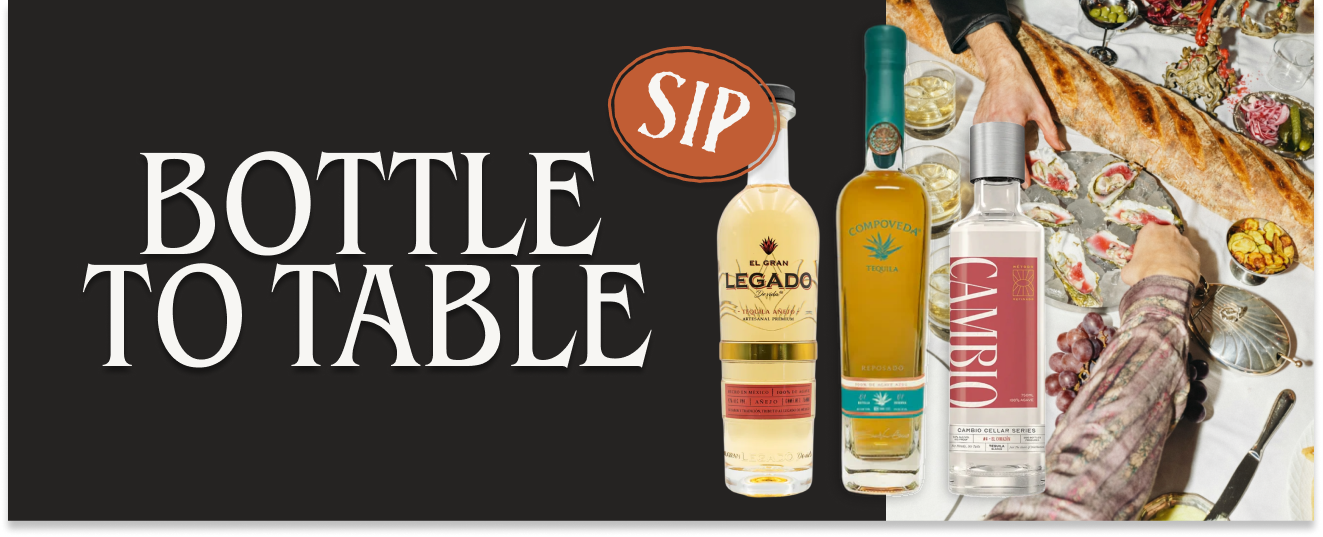



You don't need to have spent a weekend in Jalisco to talk tequila like you mean it. You need five things. Maybe six. Here they are.
Know your expressions before anything else
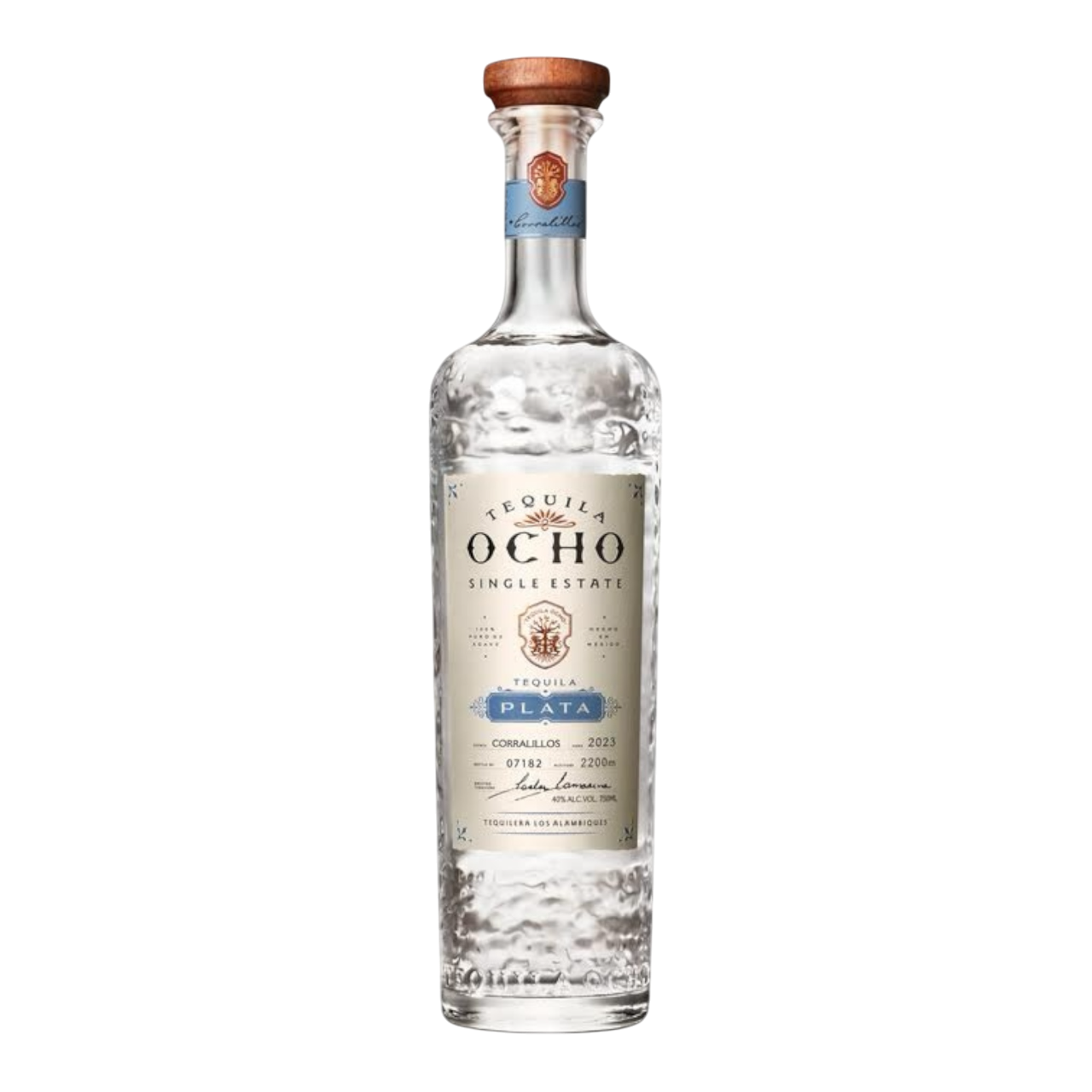
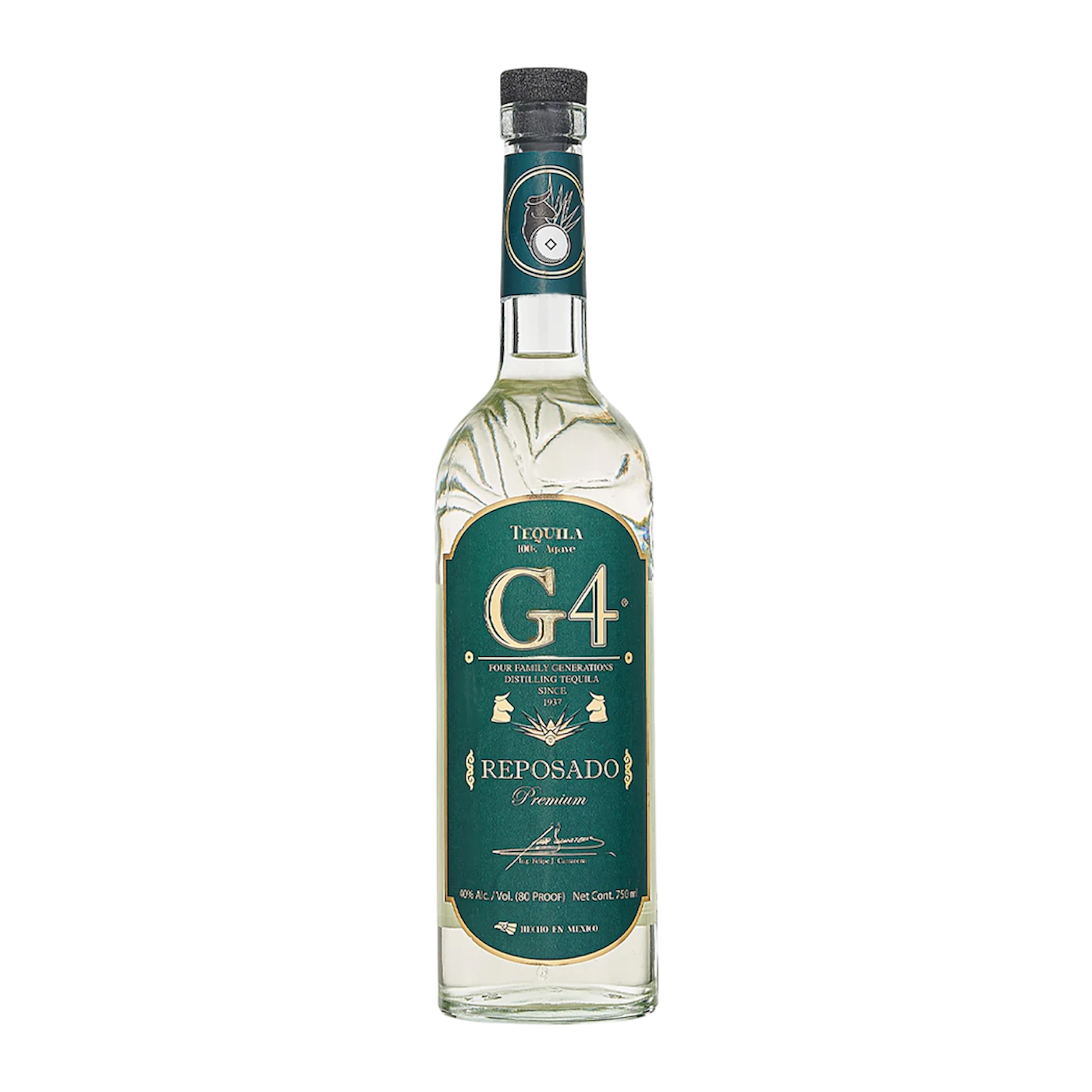
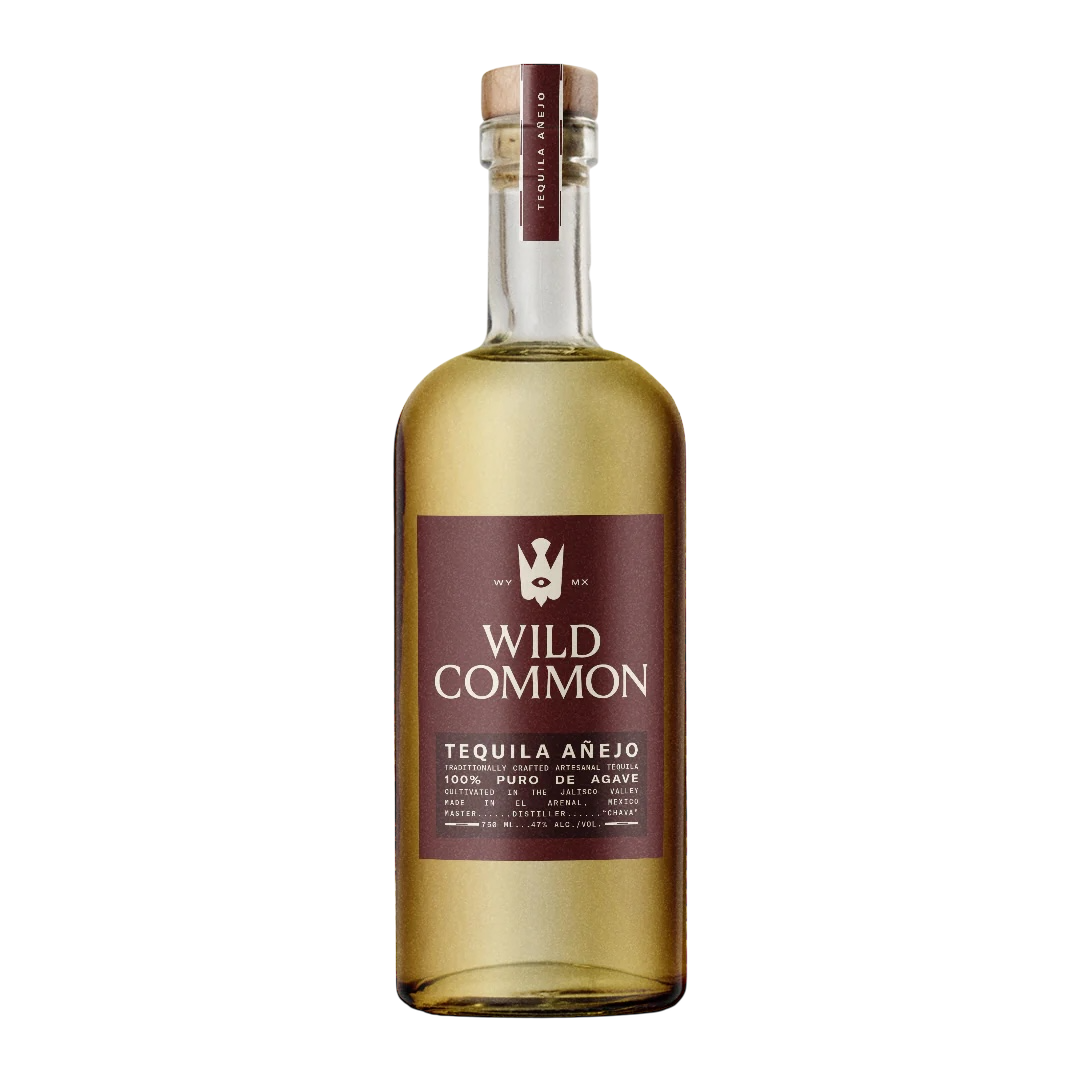
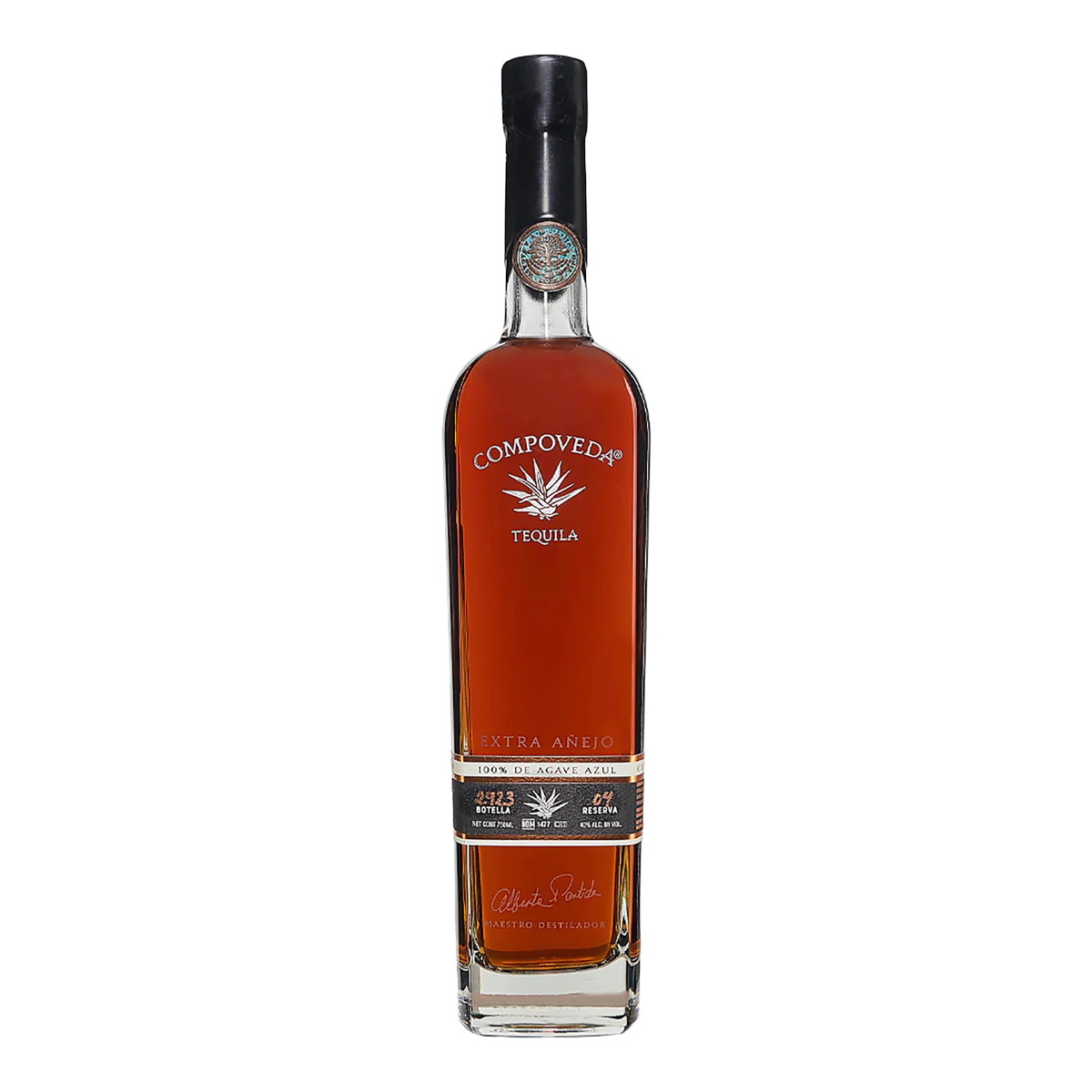
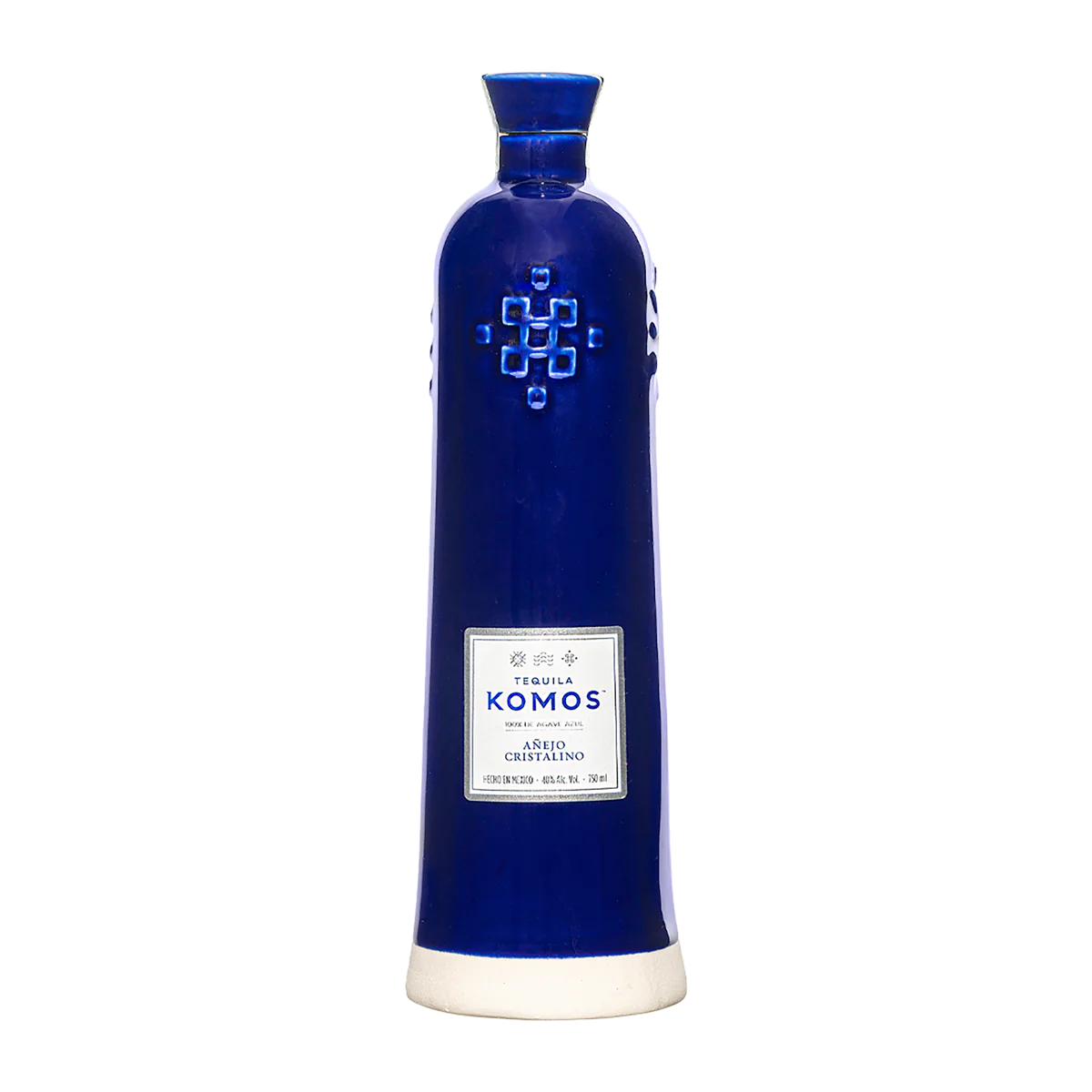
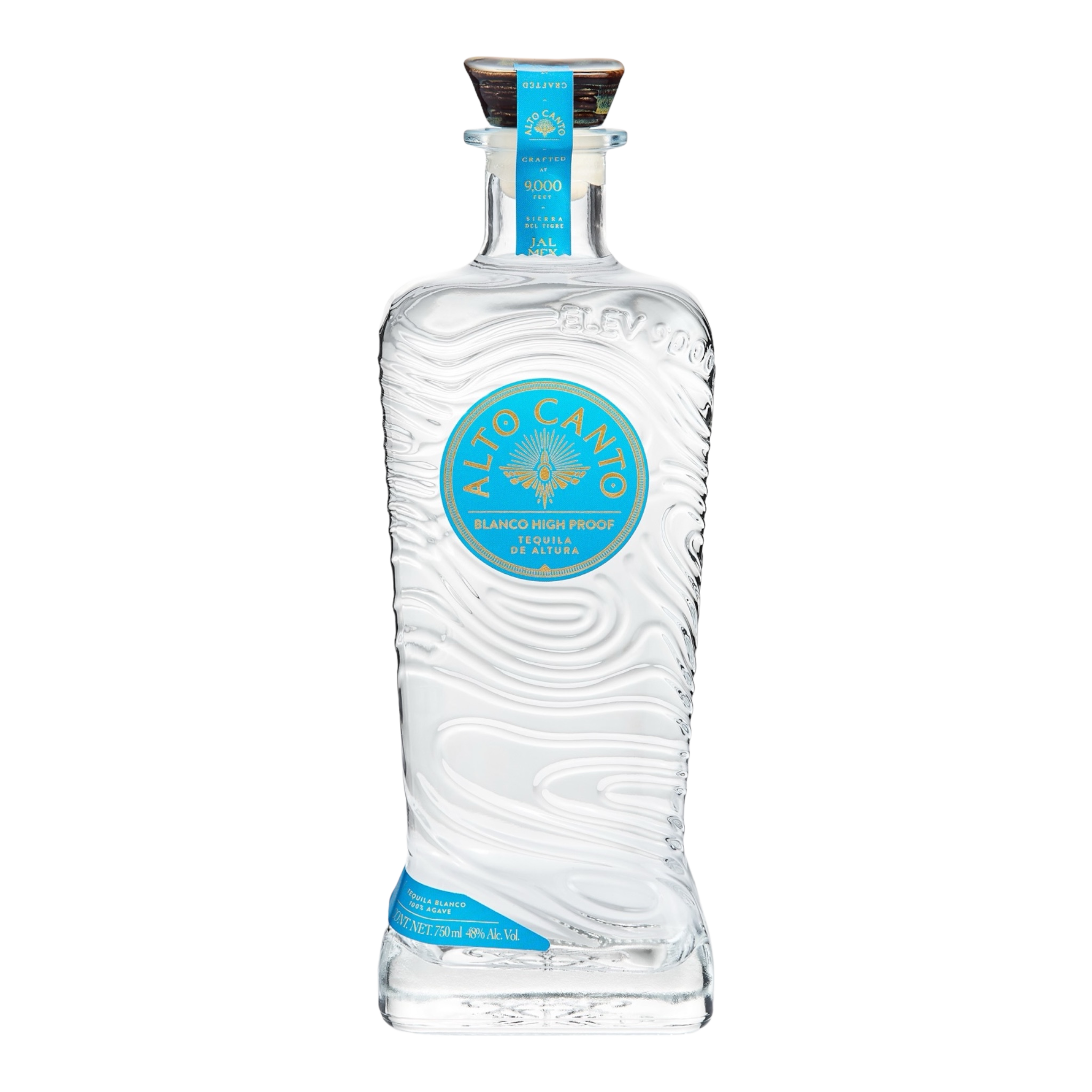
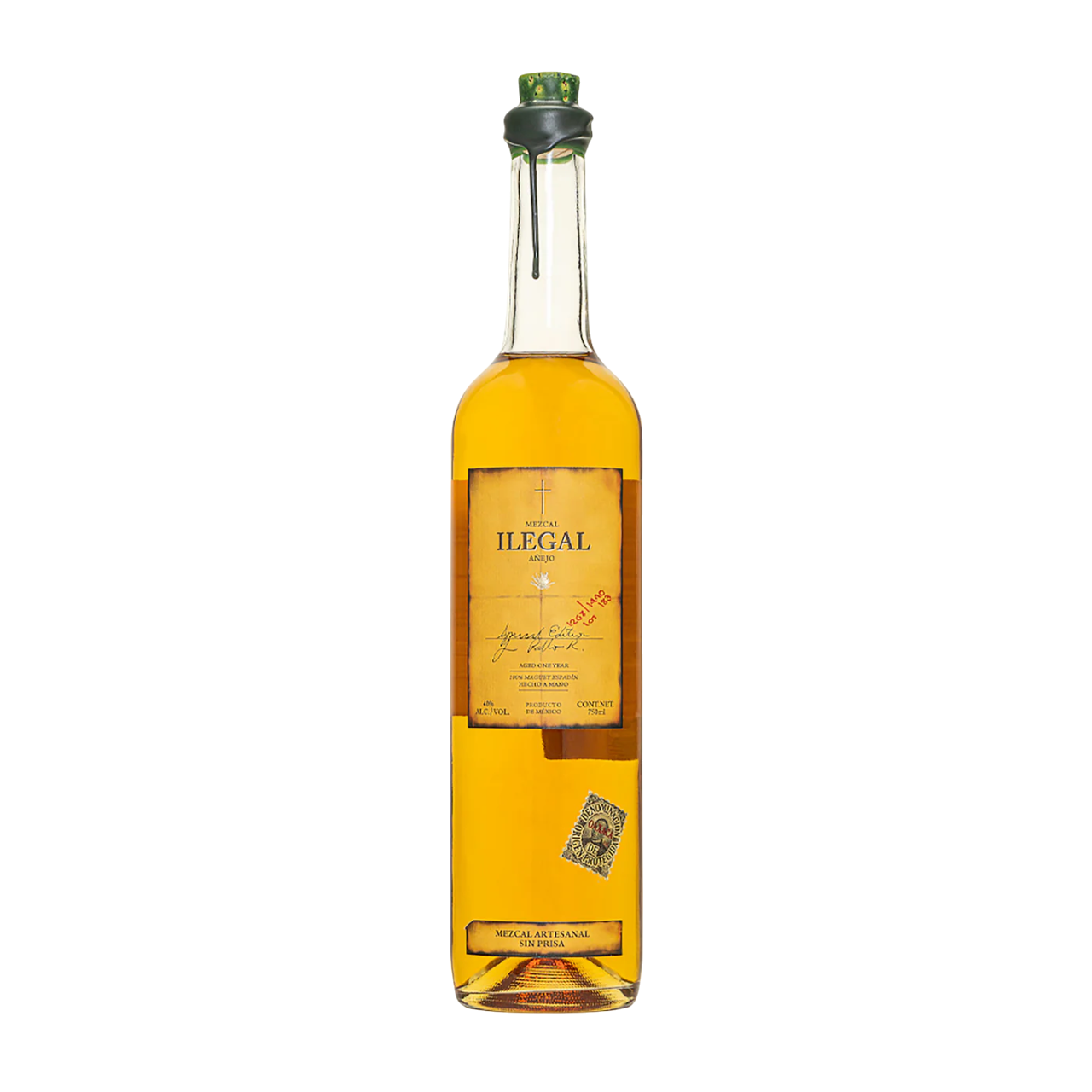
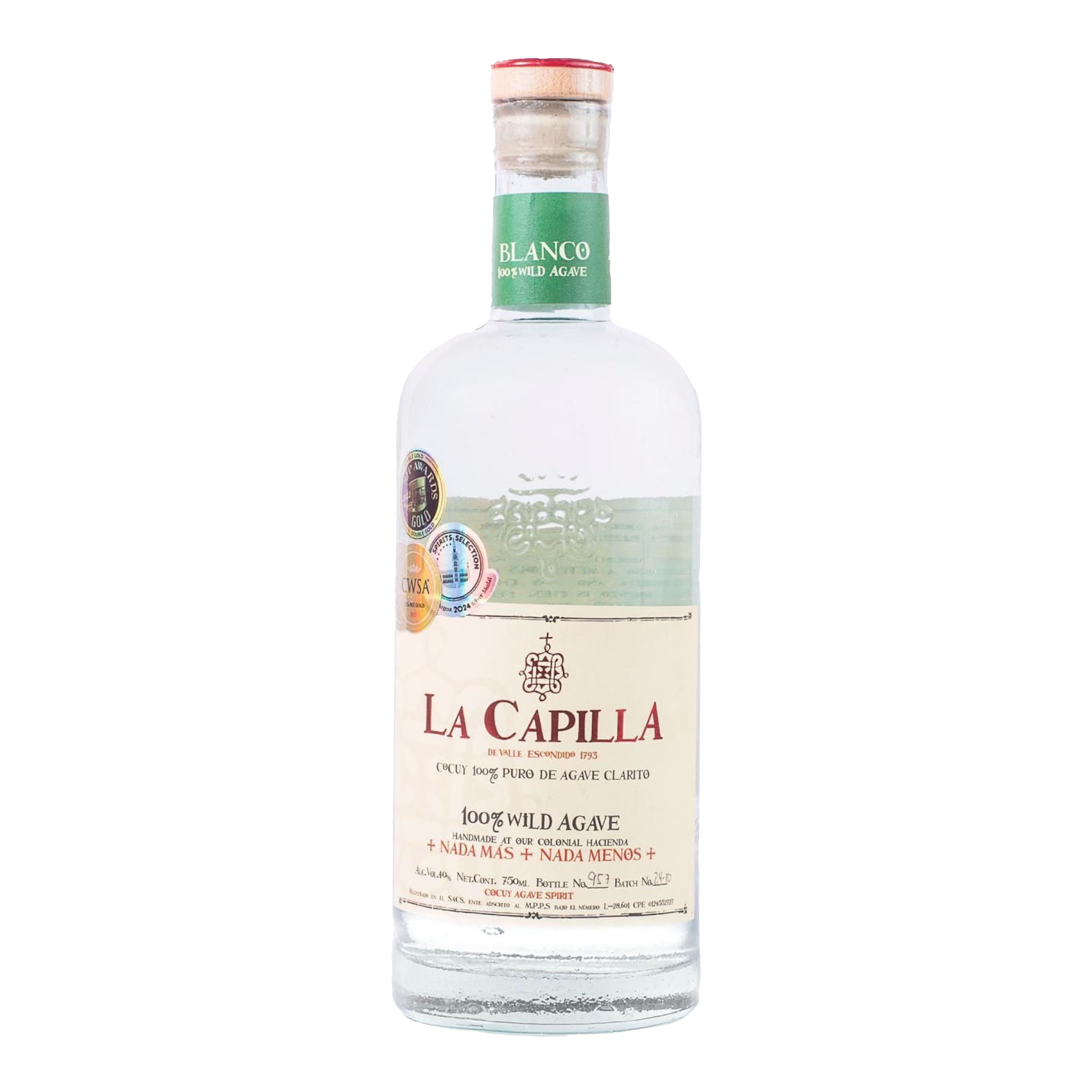
When someone asks what you want to drink and you say "tequila," the follow-up is almost always "what kind?" Know your answer. Blanco (also called silver or plata) is unaged, bottled directly after distillation or rested in stainless steel for up to sixty days. It's the purest, most direct expression of the agave plant. Reposado means "rested" in Spanish, and that's exactly what it does, resting in oak barrels for two to twelve months. The oak softens the agave's raw brightness and adds hints of vanilla, caramel, and spice. Añejo ages for one to three years and takes on significantly more complexity. And then there's extra añejo, the luxury tier, aged beyond three years, where the line between tequila and a premium aged spirit starts to blur in the best possible way.
Sip. Don't shoot.
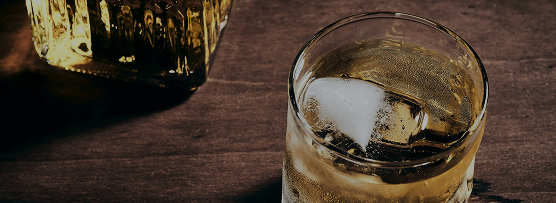
This single shift will change how you experience tequila entirely. Shooting tequila, particularly premium tequila, bypasses everything that makes it interesting. Instead: pour a small amount, nose it first (yes, actually smell it), take a small sip, and let it sit on your palate for a moment before you swallow. Neat is ideal. If you want to add something, a single large ice cube is fine. What you're doing is slowing down enough to actually taste what's in the glass. Every sip from here on out will make more sense.
Know what a piña is
The piña is the heart of the agave plant, the dense, sugar-rich core left after the long spiked leaves are cut away. It's named for its resemblance to a pineapple. Blue Weber agave takes roughly seven to ten years to mature before the piña is ready to harvest, and it's this part of the plant that gets roasted, crushed, fermented, and distilled into tequila. Being able to casually reference the piña in conversation is a reliable signal that you're paying attention. Use it wisely.
Drop "expression" into your vocabulary
This is a small word that carries a lot of weight in spirits culture. Instead of saying "what kind of tequila is this?" say "which expression?" Instead of "they make a few different ones," say "they have a few expressions." It signals familiarity with how the category works and it's accurate, because that's genuinely the right word for it.
Go beyond "smooth"
"Smooth" is the most common word people use to describe good tequila, and it's also the least useful. It tells you almost nothing. What you actually want to do is describe what you taste. Blanco expressions often show citrus, pepper, fresh herbs, and cooked agave. Reposados pick up vanilla, caramel, baking spice, and stone fruit from the barrel. Añejos lean into leather, dried fruit, chocolate, and oak. Extra añejos can taste like a fine dessert. Even if you just say "this has a really clean finish" or "I'm getting something citrusy," that's already a more interesting and accurate observation than "it's smooth."
One more: tequila can only come from Mexico
By law, tequila must be produced in specific regions of Mexico, primarily the state of Jalisco and parts of four other states. It must be made from Blue Weber agave. If someone hands you something labeled "tequila" made anywhere else, that's not tequila. This isn't trivia. It's the same principle as Champagne coming only from Champagne, France. The origin is part of what the product is.
That's it. Five rules and a bonus. Consider yourself Sip School certified.