




The Myth, the Truth, and Where It Actually Came From
If you've ever been handed a bottle of tequila and asked about the worm at the bottom, you've been handed a myth. There is no worm in tequila. There has never been a worm in tequila. Not once, not ever, not in any bottle from any distillery in Jalisco or anywhere else in Mexico.
So where did this come from? And why does almost everyone believe it?
The actual origin
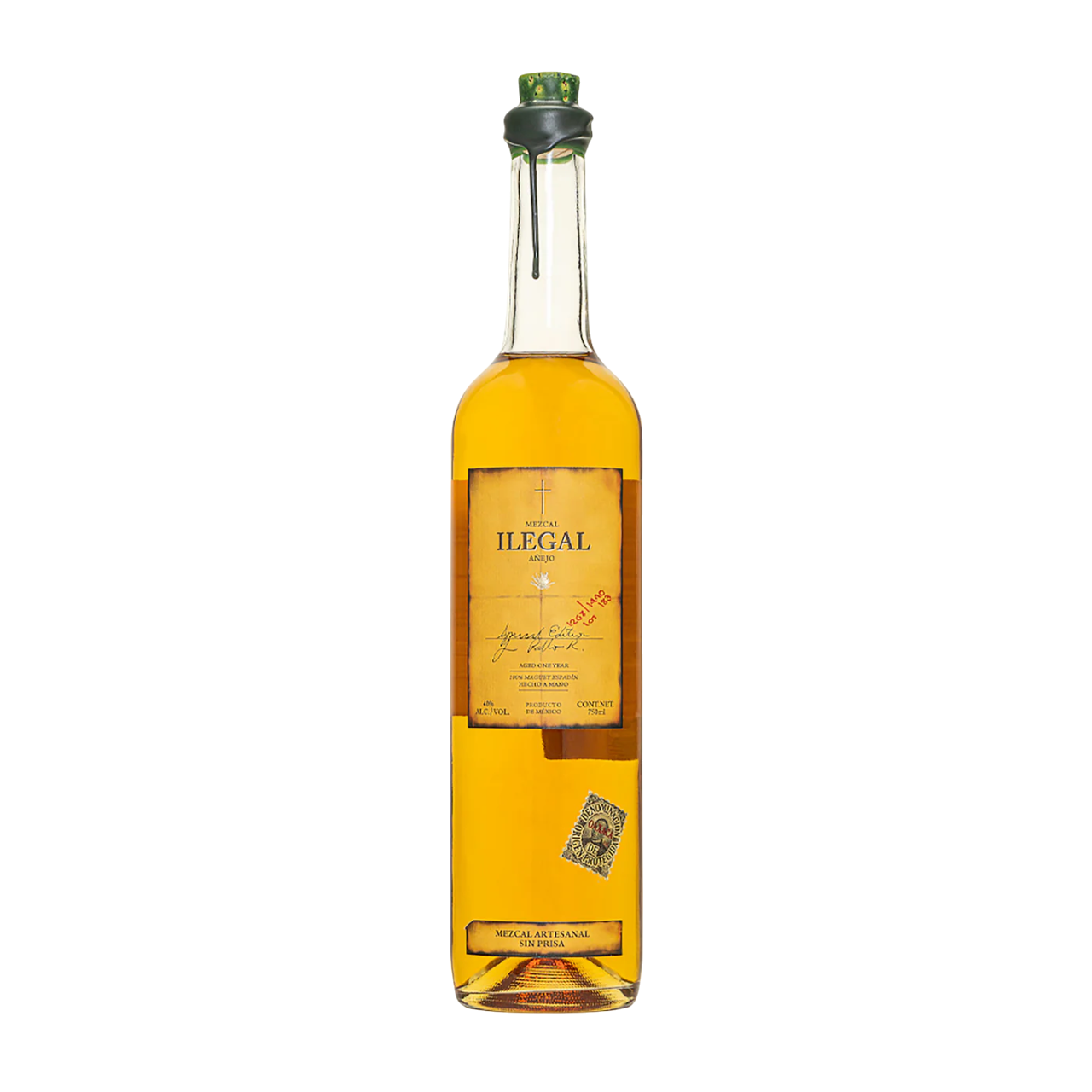
In the 1940s and 50s, a mezcal producer named Jacobo Lozano Páez started putting a larva — specifically the larvae of the Hypopta agavis moth, which lives inside the agave plant — at the bottom of his bottles. It was a marketing move. At the time, mezcal needed something to stand out on a shelf crowded with other spirits, and the worm (which is technically a caterpillar, not a worm) signaled authenticity: this spirit was made from real agave, and here's the creature that lived inside it as proof. It was dramatic. It worked. People talked about it.
Other mezcal producers copied the idea. Tourists brought the story home. And somewhere in the retelling, "worm in mezcal" became "worm in tequila" — a game of telephone played out across decades and bars worldwide.
Why tequila and mezcal are not the same thing
This is the part that clears everything up. Tequila and mezcal are both agave spirits, but they are not interchangeable. Tequila must be made specifically from Blue Weber agave, in designated regions of Mexico — primarily Jalisco, with portions of Guanajuato, Michoacán, Nayarit, and Tamaulipas. Mezcal can be made from many different agave varieties, across a broader range of regions, with different production methods.
The larva has only ever appeared in some mezcal bottles — never in tequila. The two spirits have distinct regulatory frameworks, flavor profiles, and production traditions. They share an ingredient category (agave) but not much else.
Does the worm even matter in mezcal?
Not to serious producers. The practice is considered a gimmick by most high-quality mezcal makers, and it's far less common than it used to be. You'll find it on bottom-shelf bottles marketed to tourists. You won't find it on bottles made by producers who want you to pay attention to the spirit itself.
What you should actually know
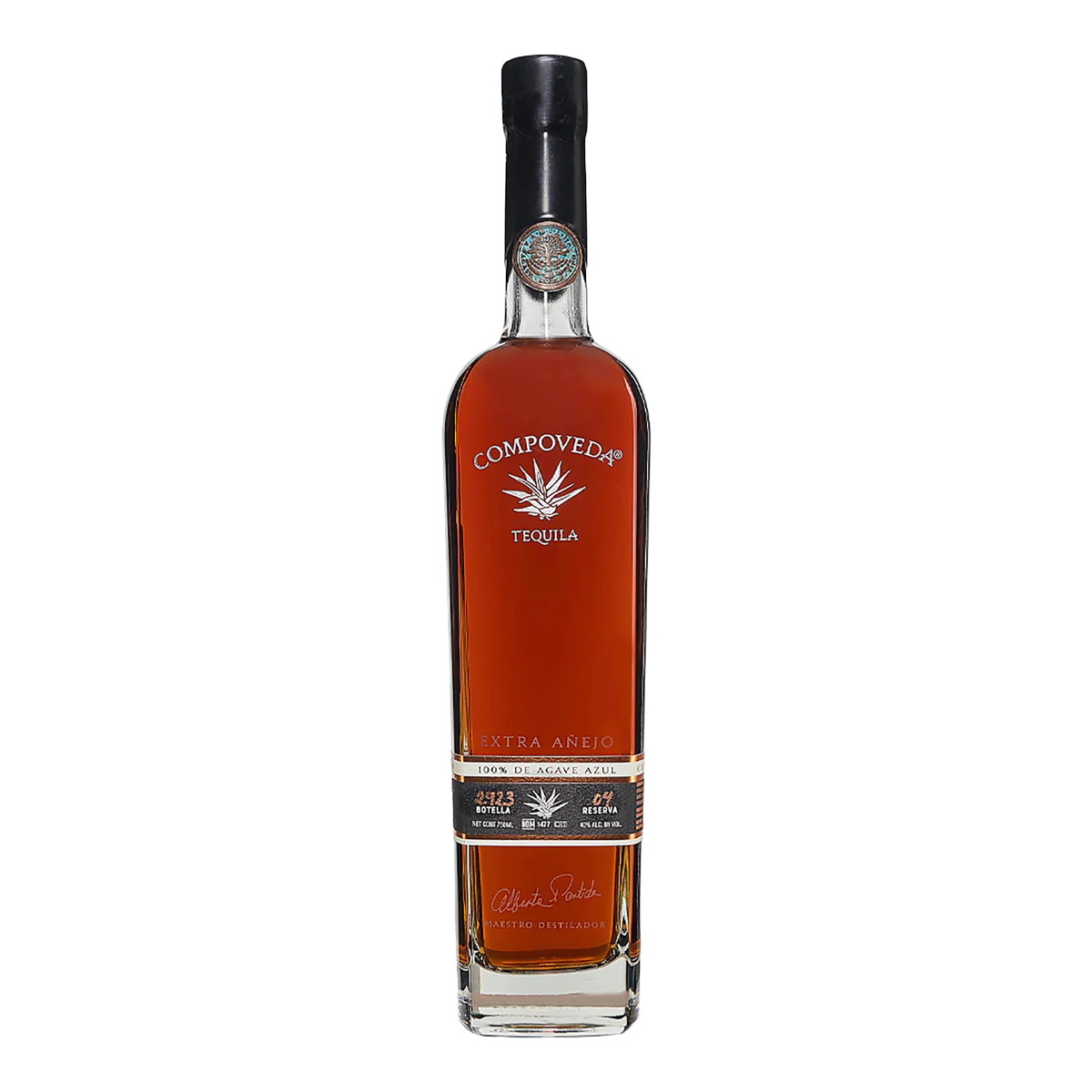
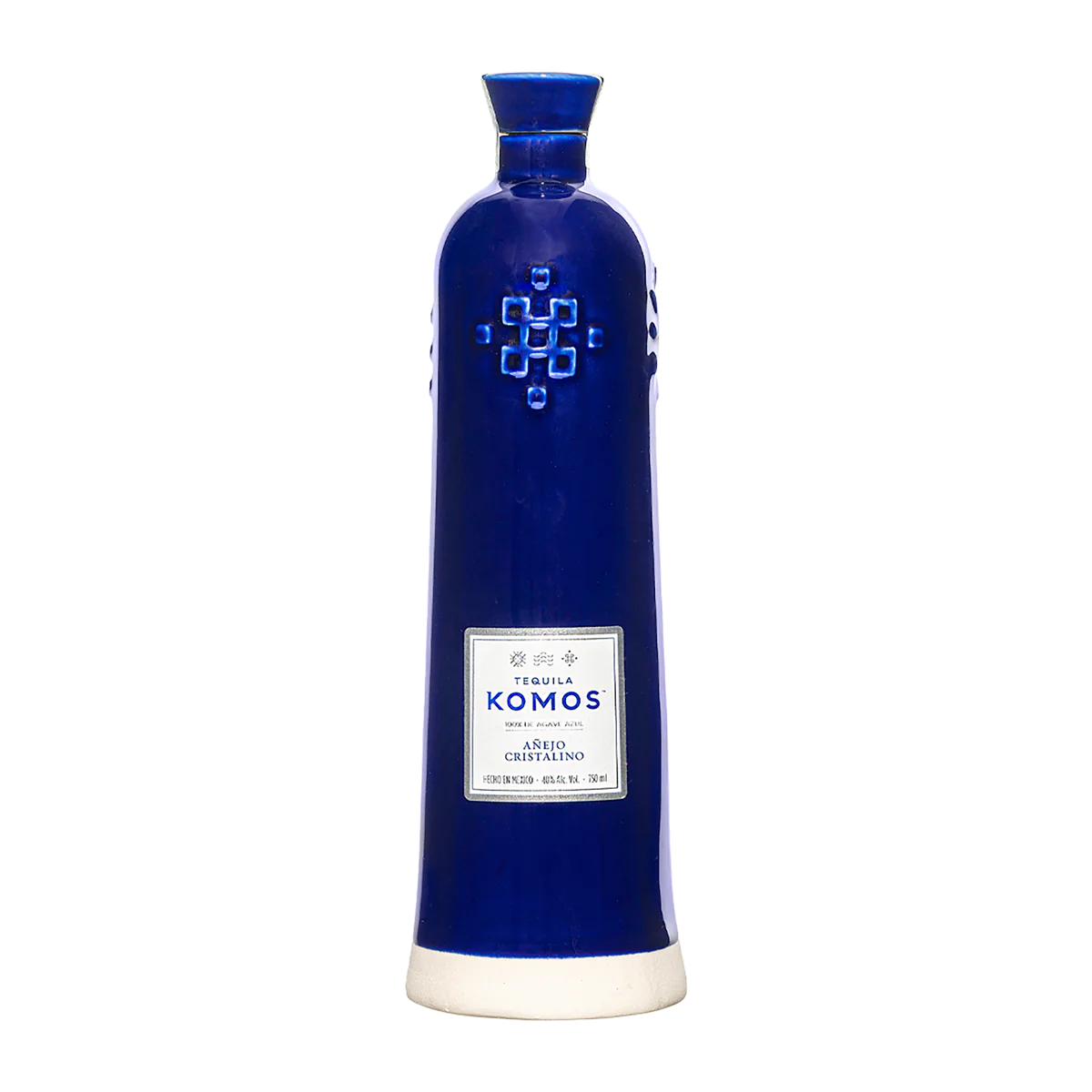
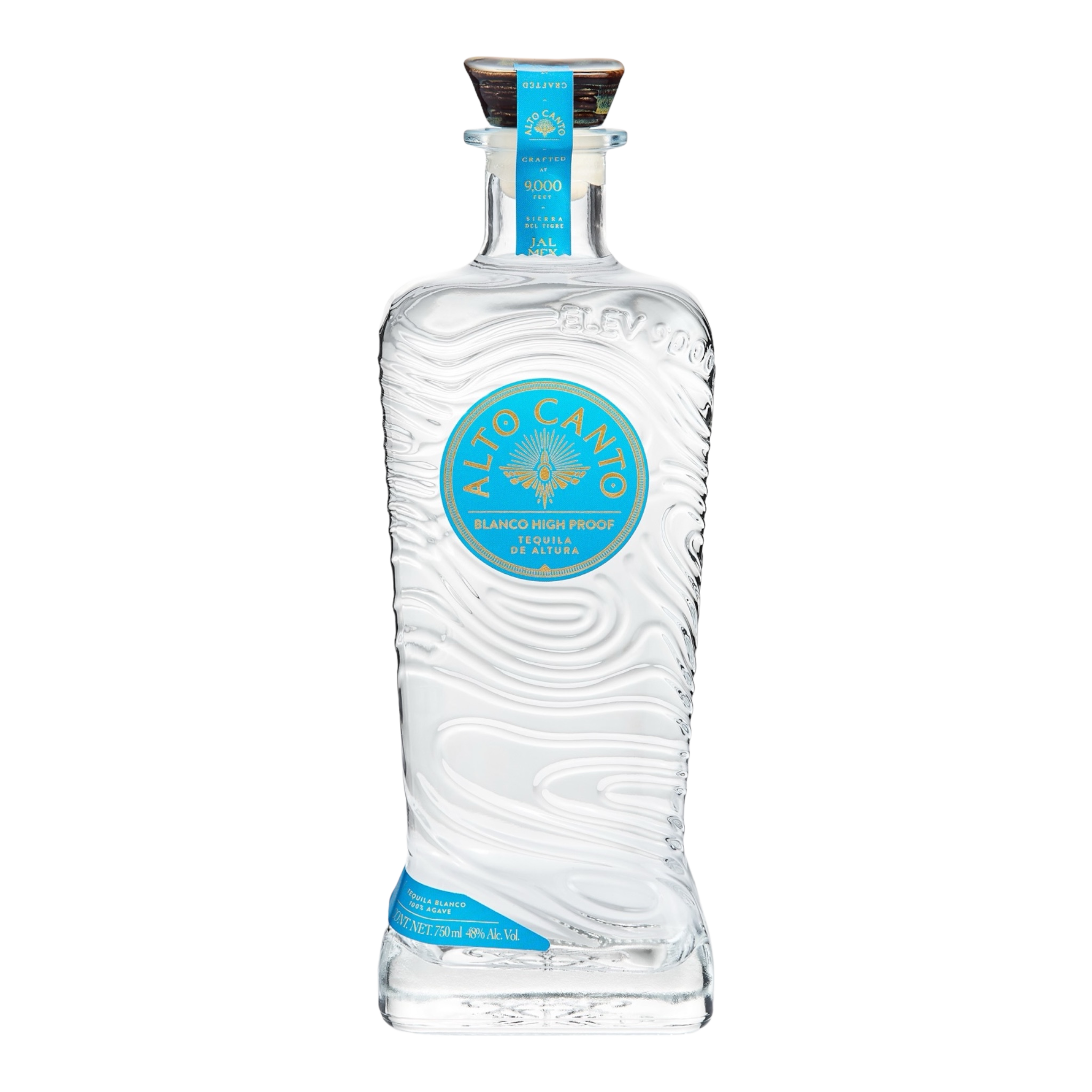
Real tequila — the kind worth sipping — has no worm, no gimmick, and no shortcuts. It's Blue Weber agave, harvested after seven to ten years of growth, cooked, fermented, and distilled into something that can range from bright and citrusy (blanco) to complex and aged (extra añejo). The story is in the spirit, not in a marketing prop from the 1950s.
Now you know. Go impress someone.