






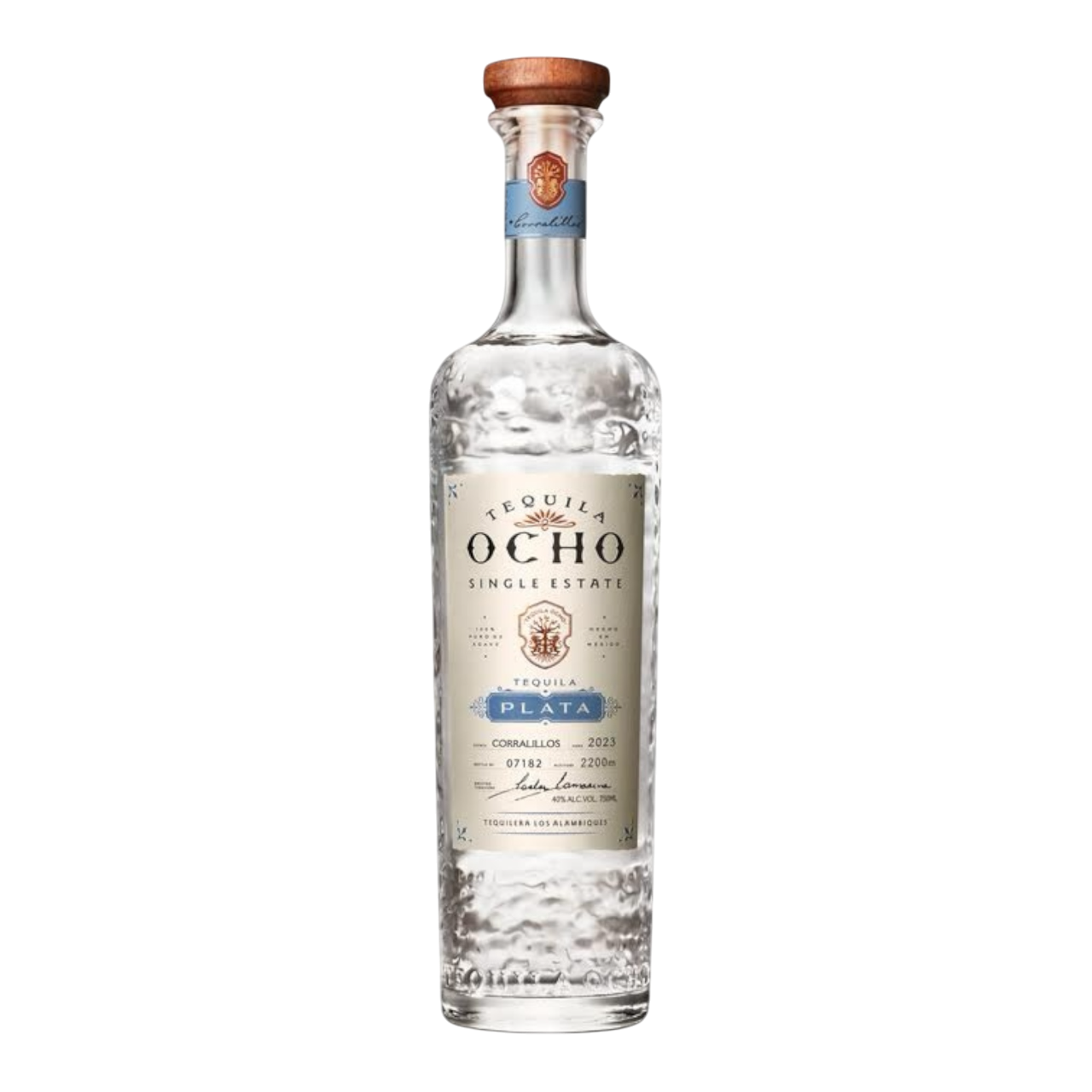
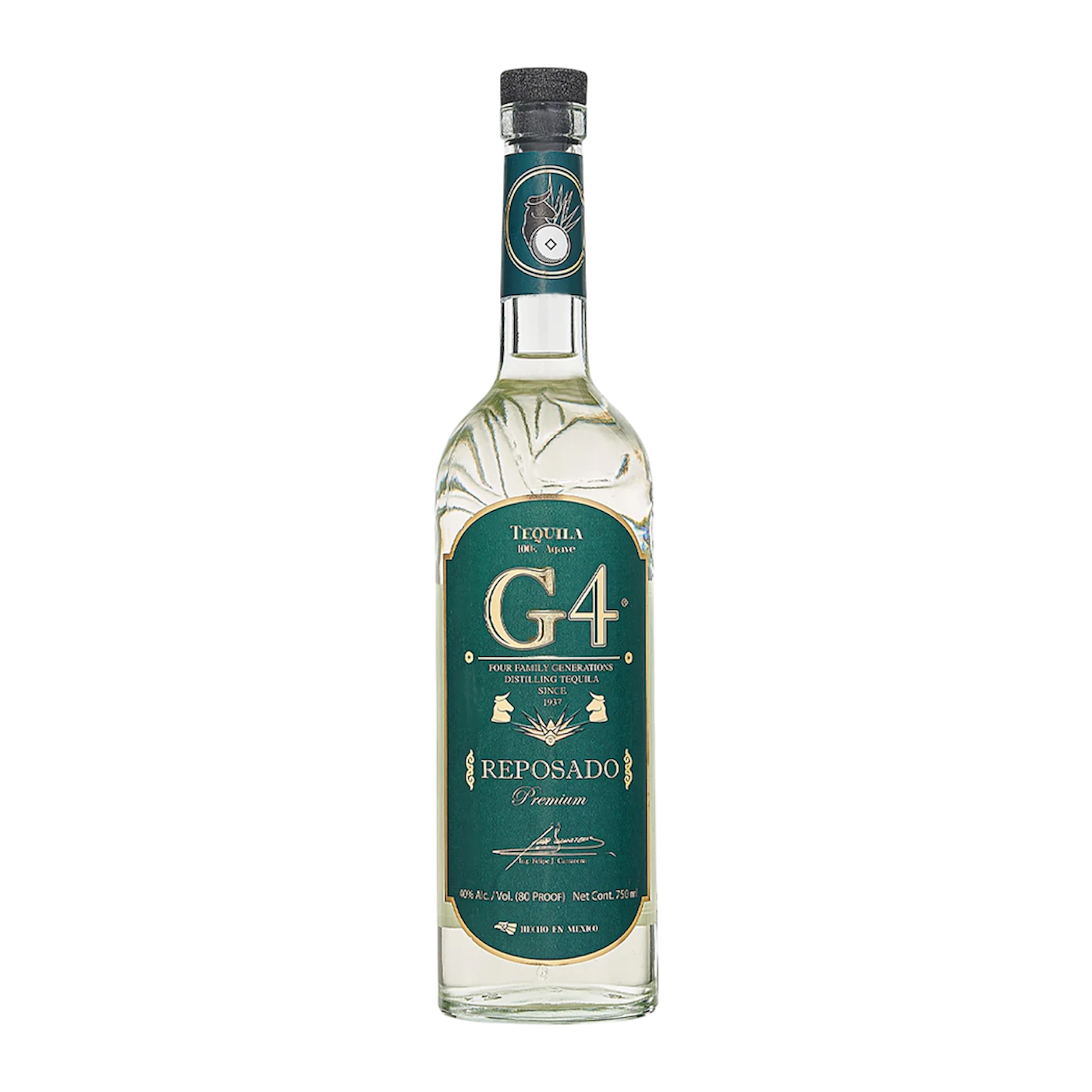

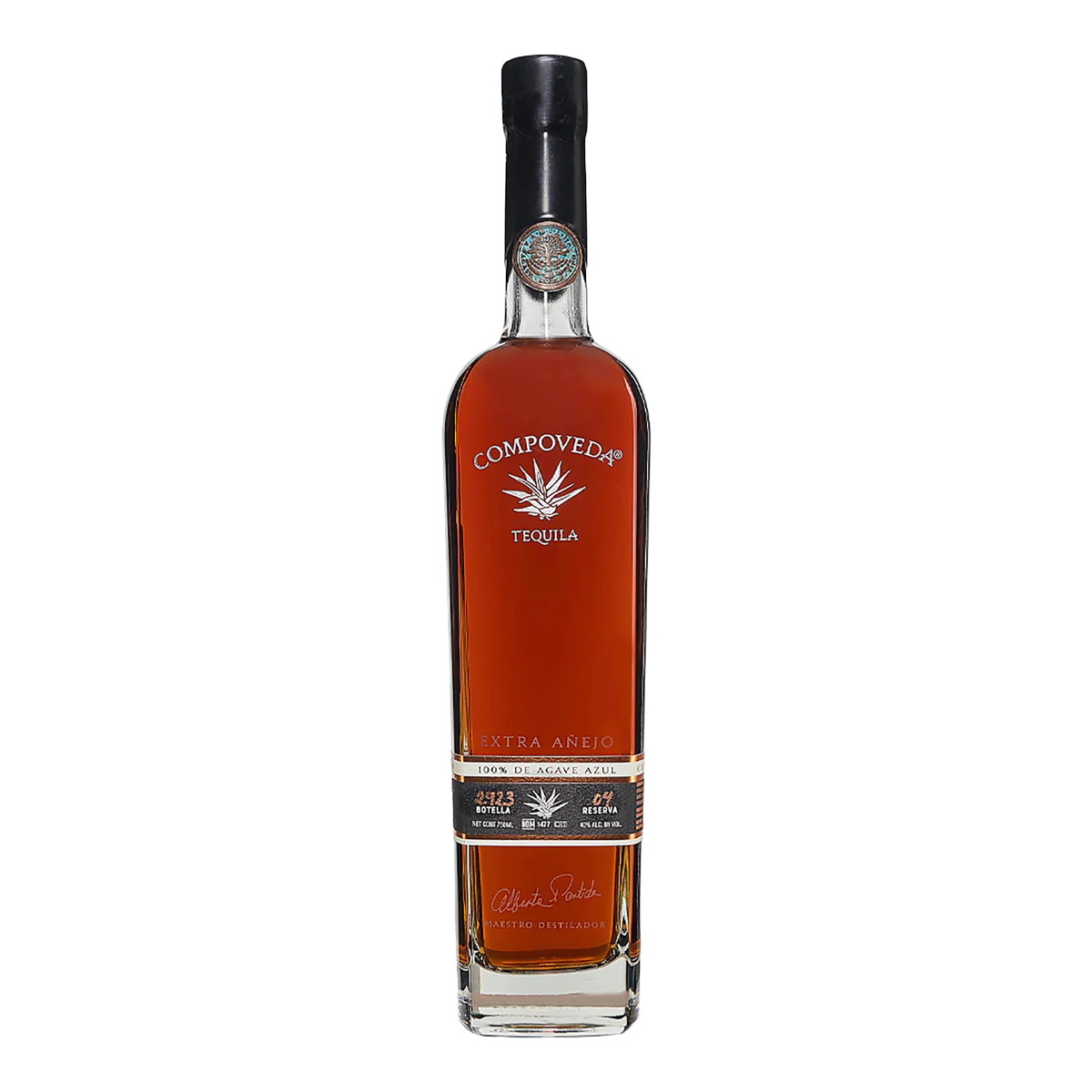
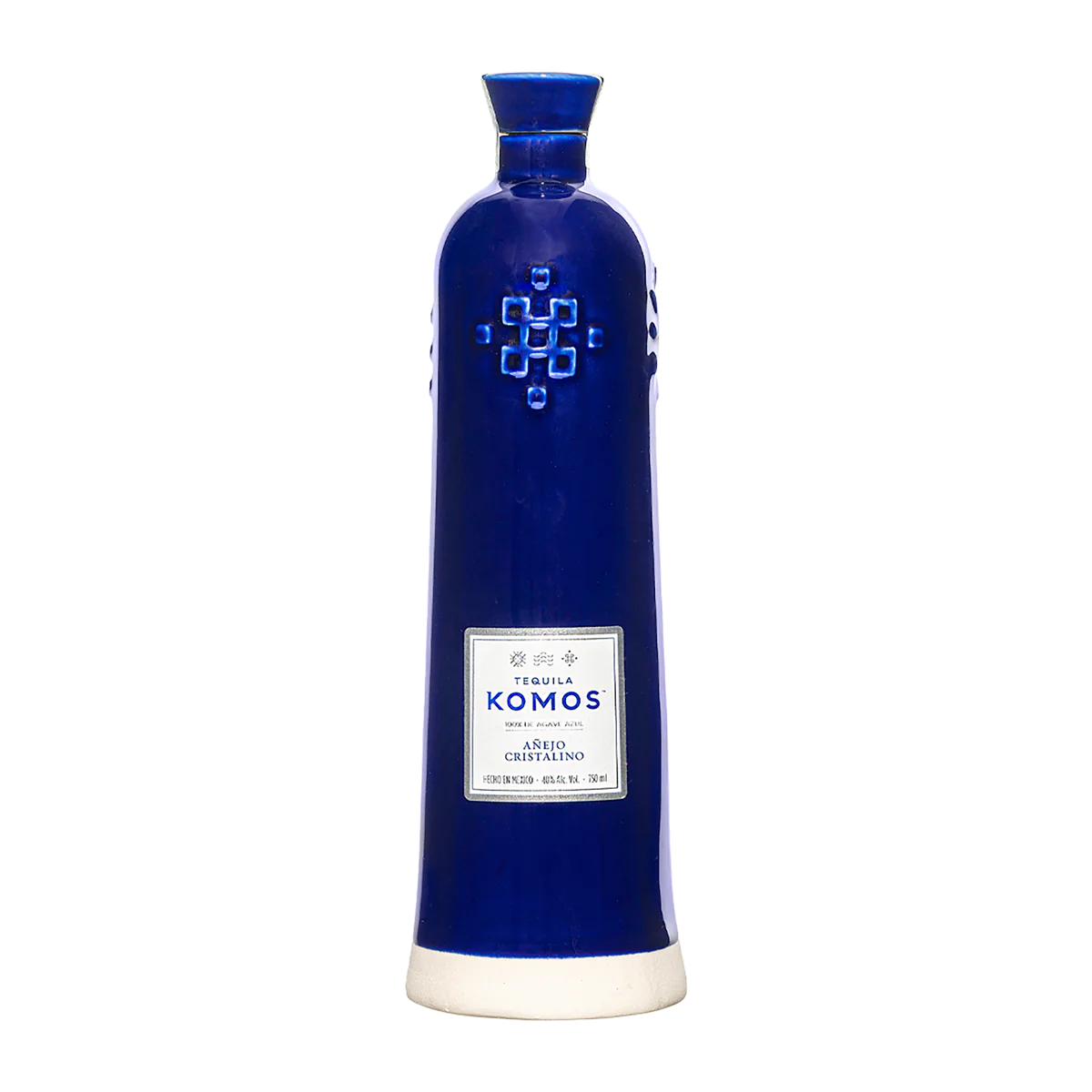
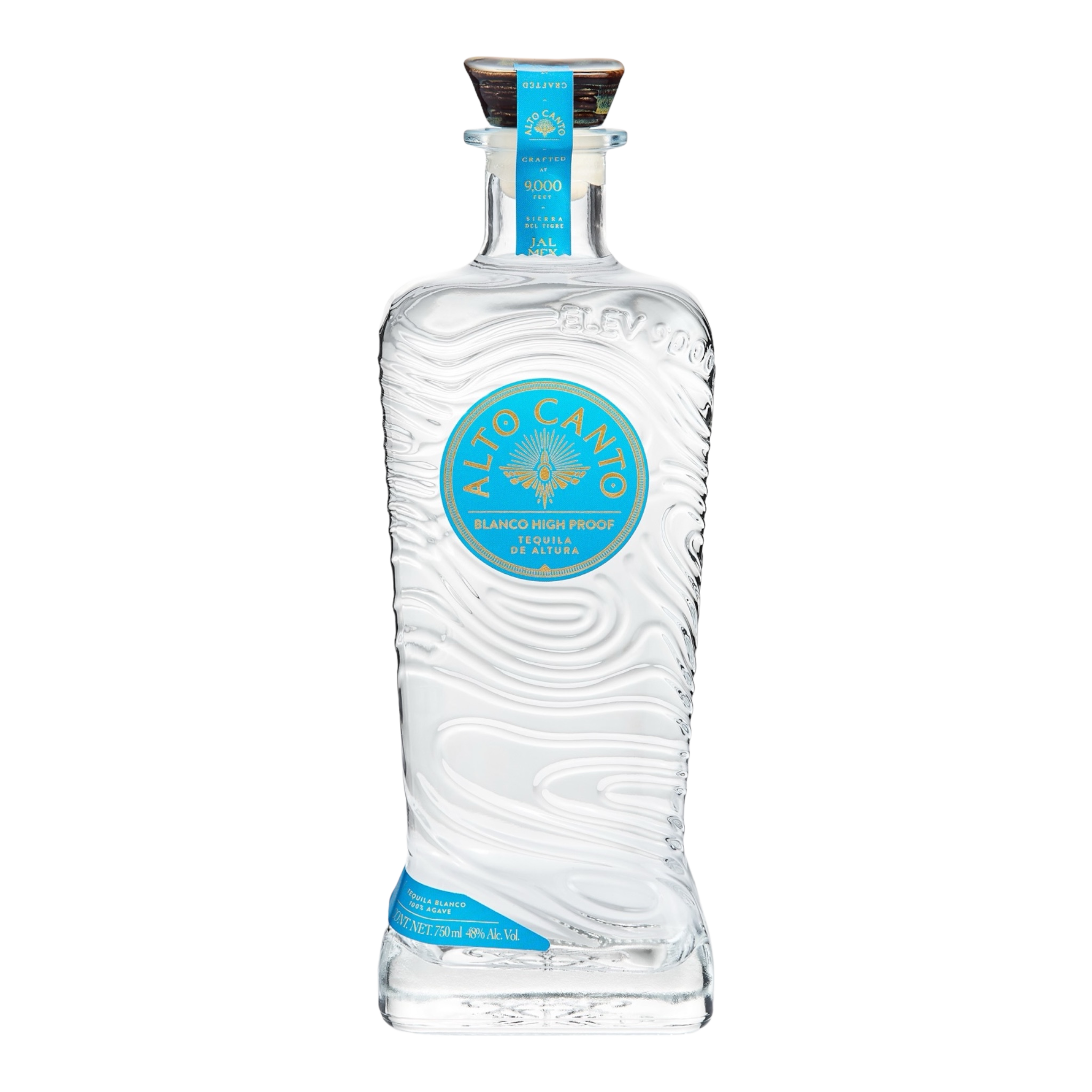
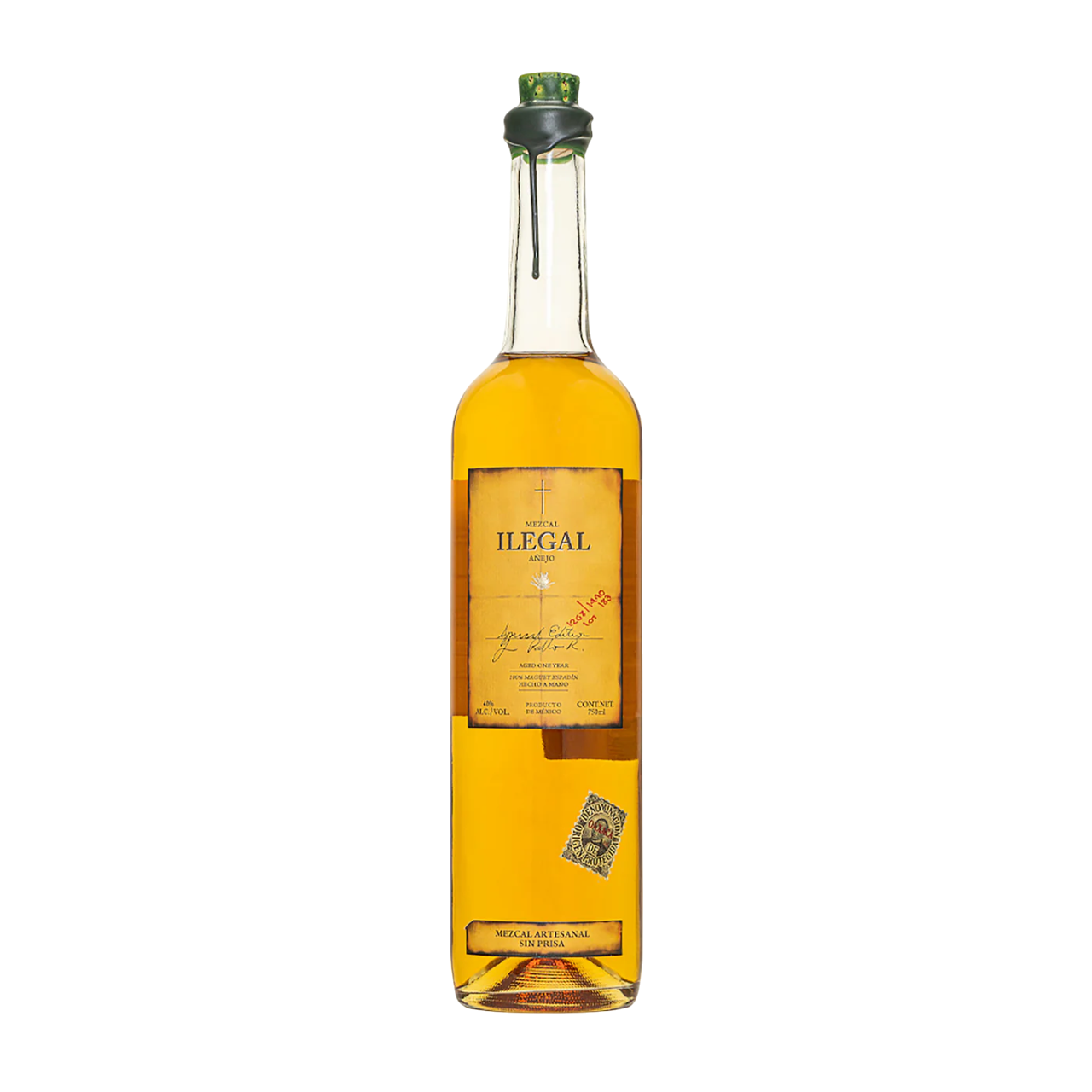
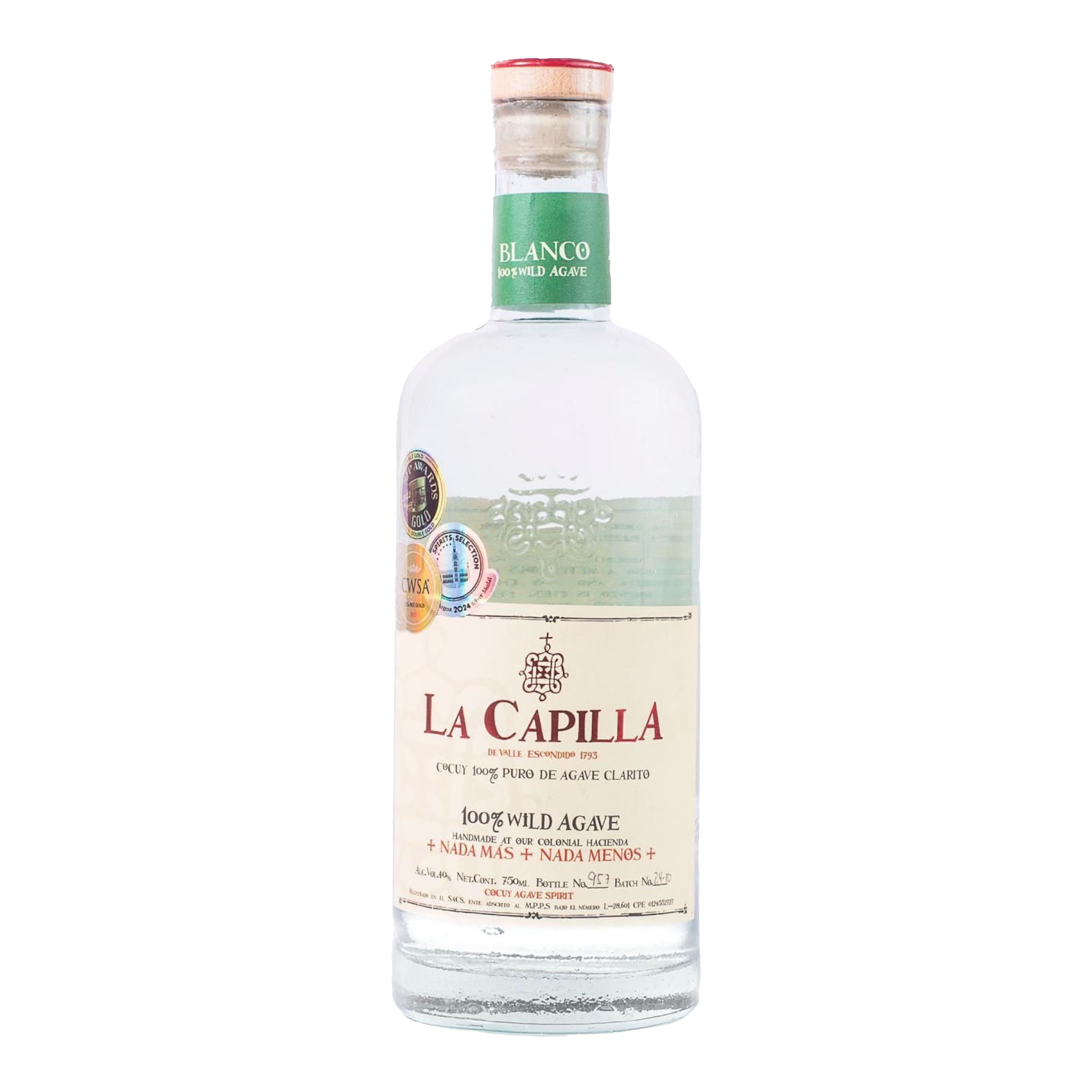





You know blanco. You know reposado. You know añejo. You could probably explain each one at a dinner party without embarrassing yourself. But there are two expressions that keep showing up on shelves, in gift guides, and on bar carts that most people quietly nod at while having absolutely no idea what they are.
Joven. Cristalino. Let's fix that.
What is joven tequila?
Joven means "young" in Spanish. But calling it "young" is a bit misleading, because a joven is actually a blend of unaged blanco tequila with a small amount of aged tequila (usually reposado). Think of it as the tequila equivalent of a playlist: a little bit of this, a little bit of that, and when done well, it all comes together.
The catch? The category also includes some less impressive bottles where the "aging" is really just caramel coloring and flavoring thrown in to make a blanco look fancier than it is. According to the Consejo Regulador del Tequila (CRT), a joven can be an "abocado" with additives, or a genuine blend of expressions.
The cheat code: look for "100% agave" on the label. If it says that, you're in good hands. If it doesn't, you're probably holding a mixto (up to 49% non-agave sugars) and the golden color is a costume, not a credential. As TasteTequila points out, some producers are doing incredible things with the joven category by blending blancos with extra añejos for genuinely complex sipping tequilas. Jose Cuervo Gold? Different story.
What is cristalino tequila?
If joven is the tequila world's misunderstood middle child, cristalino is the one who showed up to the party overdressed and made everyone else feel underdressed.
Here's how it works: you take an aged tequila (reposado, añejo, or extra añejo), then filter it through activated charcoal to strip out the color the barrel gave it. The result is a crystal-clear spirit that looks like a blanco but drinks like something that spent serious time in wood. Vanilla, caramel, oak... all still there. The amber color? Gone.
The first commercial cristalino was Don Julio 70, launched in 2012 to celebrate 70 years of the brand. Since then, the category has exploded. And as TasteTequila's deep dive explains, the filtration is genuinely an art. Too much charcoal and you strip the flavor along with the color. Too little and you get a tinted spirit that missed the point entirely.
Not everyone in the tequila world loves cristalinos. Purists argue you're removing what the barrel worked so hard to give you. But for a lot of people, it's the entry point into aged tequila, and there's nothing wrong with that.
Why should you care?
Because color lies. A clear tequila isn't always unaged. A gold tequila isn't always well-aged. And if you're picking bottles based on what they look like instead of what they actually are, you're leaving a lot of good tequila on the shelf.
Now you know the difference. Go impress someone at your next dinner party.


