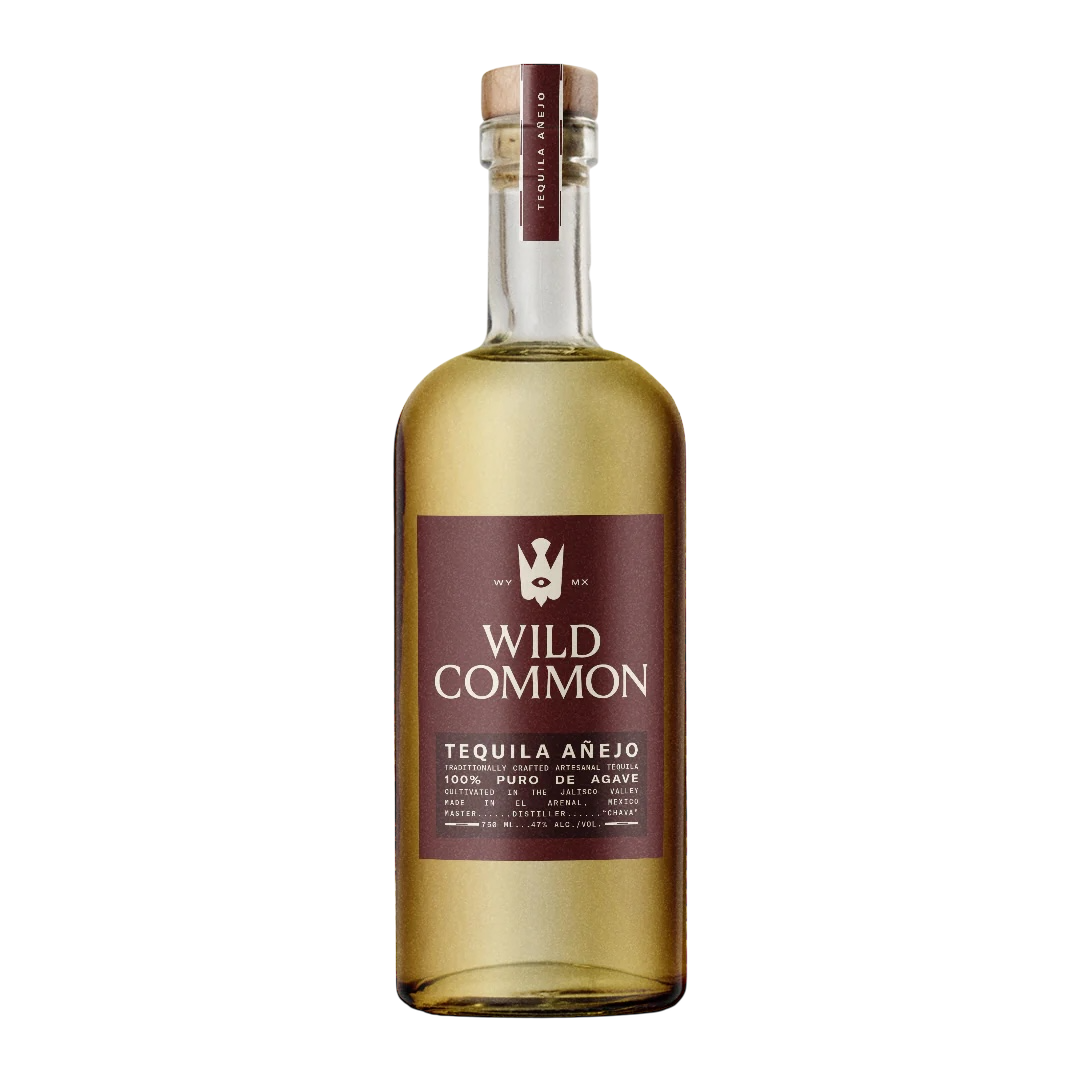
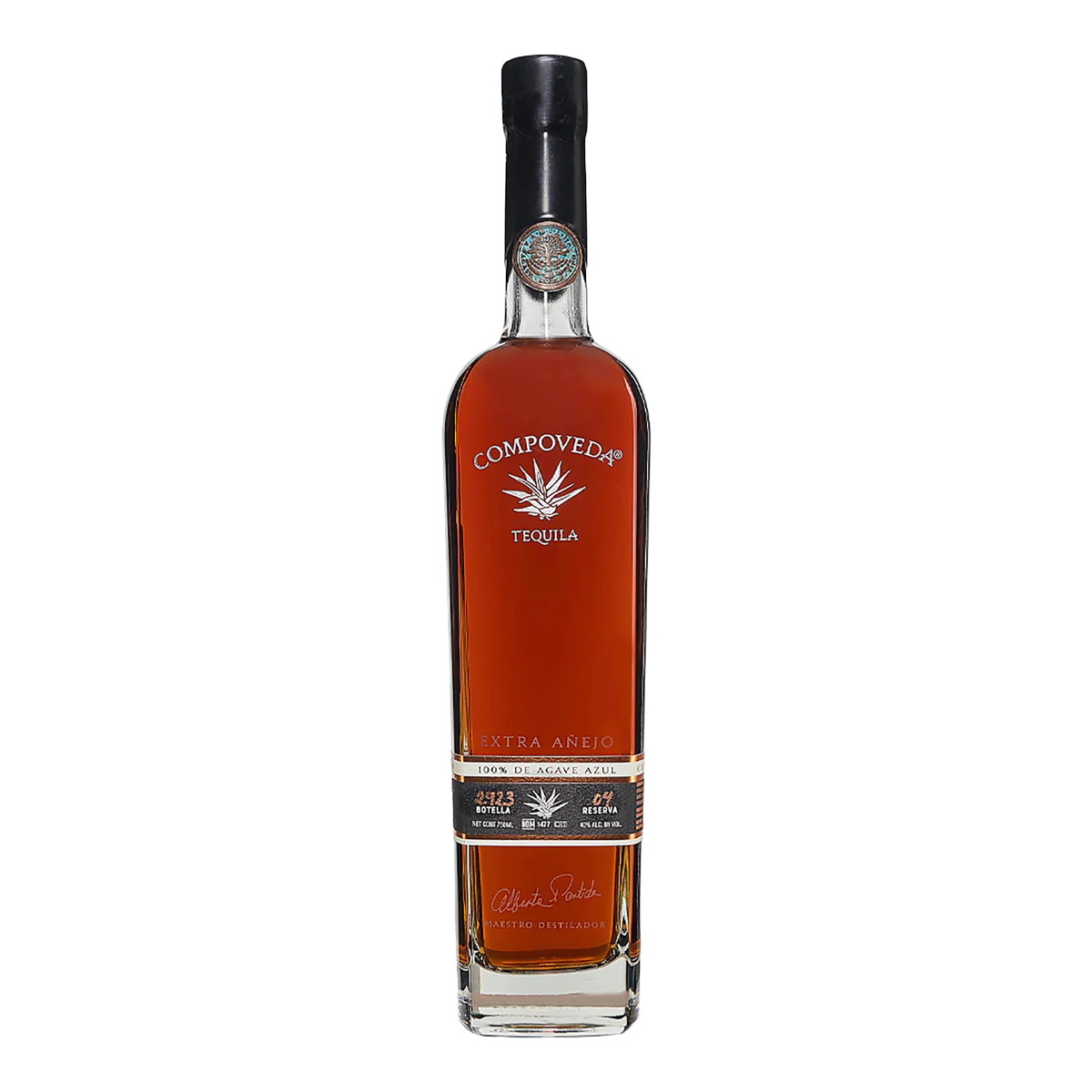
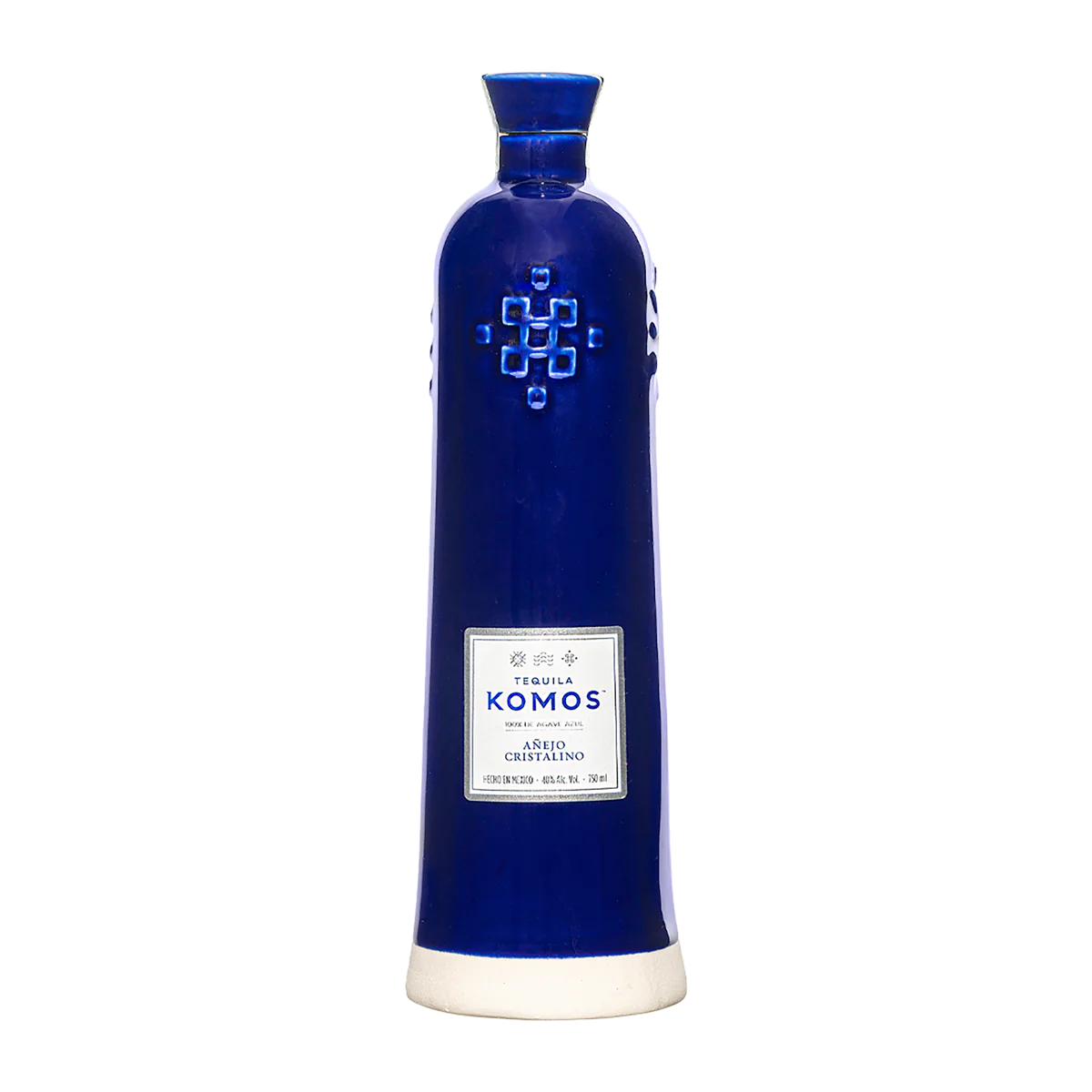
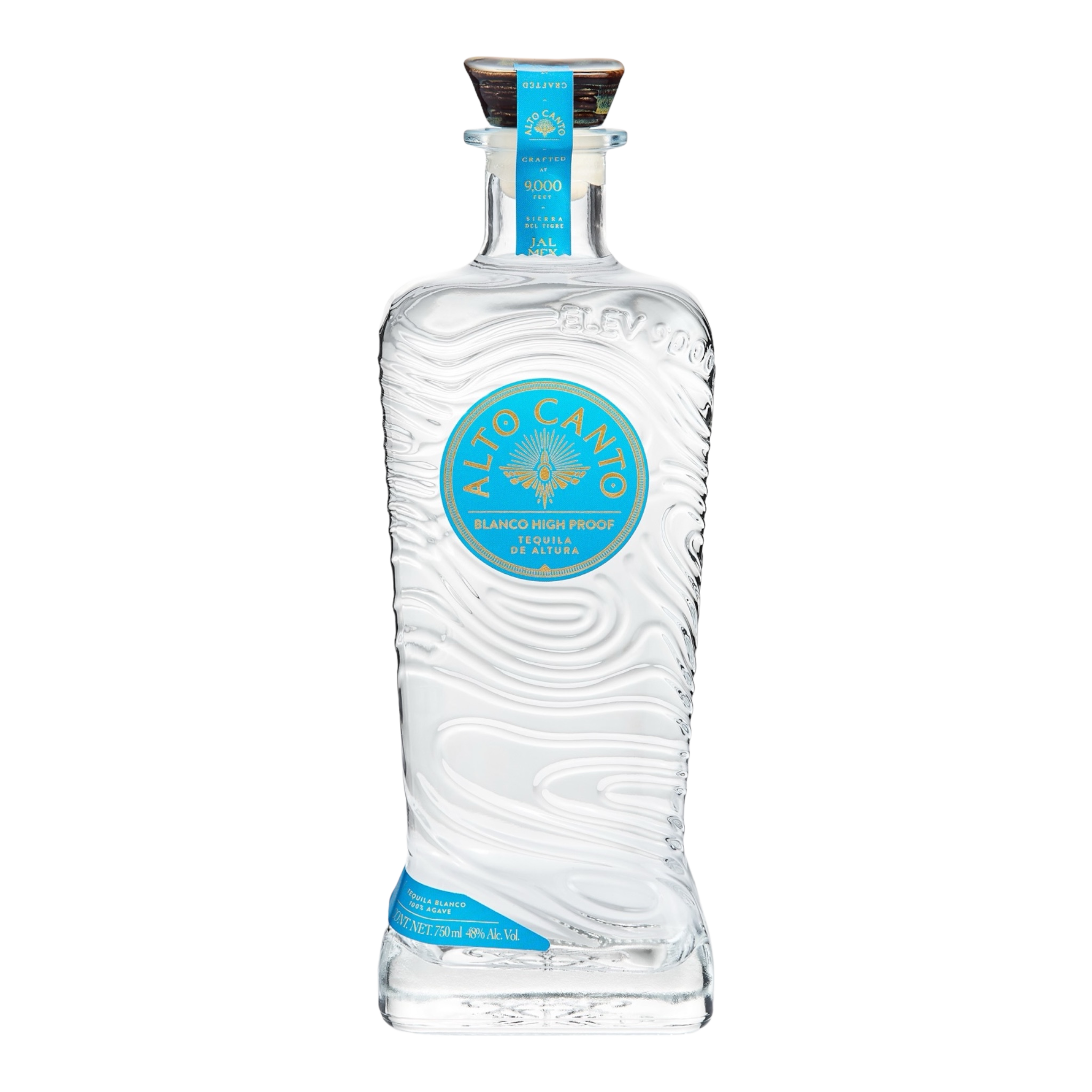




Every bottle of tequila starts with the same plant. Blue agave, grown in Jalisco, held to the same rules. So why does one blanco taste like citrus and flowers, and the next one like black pepper and damp earth?
Start with the dirt.
The short version: agave grown in the highlands (Los Altos) tends to come out sweeter, fruitier, and more floral. Agave grown in the valley, what most people call the lowlands, tends to come out earthier, spicier, and more herbal. That is the useful shorthand. It is also not the whole story, and we will get to the part most guides leave out.
Highland vs. lowland at a glance
| Highlands (Los Altos) | Valley (Lowlands) | |
|---|---|---|
| Altitude | Roughly 7,000 feet | Roughly 4,000 feet |
| Soil | Iron-rich red clay | Dark volcanic |
| Agave | Larger, higher sugar | Smaller, more fibrous |
| Climate | Cooler, wetter | Hotter, drier |
| Tends toward | Sweet, citrusy, floral | Earthy, peppery, herbal |
What the highlands do to agave
Los Altos sits high, cool, and wet, and the soil is a rust-colored clay full of iron. Agave up there grows slowly, gets big, and packs in sugar. Slow-grown, sugar-heavy agave is exactly what you want if you like a tequila that leans sweet.
In the glass, that usually reads as bright citrus, cooked agave sweetness, and a floral lift, think orange peel, a little honey, sometimes something closer to jasmine. The texture tends to be softer and rounder.
What the valley does to agave
The Tequila Valley is hotter, drier, and lower, and the ground is dark volcanic soil left behind by the Volcán de Tequila. Agave there grows faster, smaller, and more fibrous, and the spirit that comes out tends to be savory rather than sweet.
In the glass, expect black pepper, minerality, fresh herbs, and something like damp earth after rain. It is bolder, drier, and more aggressive in a way people either love immediately or grow into.
One note on the name: "lowland" is a bit of a misnomer. The Tequila Valley still sits around 4,000 feet. Nothing about it is low. Plenty of people in the industry just say "the valley," and it is the more accurate term.
The part most guides leave out
Here is the honest version: terroir is the starting point, not the verdict.
What happens after the harvest can move the flavor just as far as the soil did. A few of the levers:
- Cooking. A slow brick oven caramelizes the agave and builds sweetness. A diffuser strips it out fast and leaves the spirit thinner and more neutral.
- Milling. A tahona, the volcanic stone wheel, pulls out more of the fiber and earth. A roller mill is cleaner and faster.
- Fermentation. Wild yeast makes a wilder, fruitier, funkier spirit. A lab strain keeps every batch identical.
- Distillation and aging. Copper adds roundness. Oak adds vanilla and spice, and once a tequila has spent real time in a barrel, the terroir gets harder and harder to find.
That is why a valley tequila cooked slow in brick can taste sweeter than a highland tequila run through a diffuser. Region tells you where to start looking. It does not tell you what is in the glass.
It is also worth saying plainly: in blind tastings, sorting highland from valley is much harder than the marketing suggests. If you cannot always call it, you are in good company.
What to look for beyond the region
Once you are past highland vs. valley, these are the things actually worth checking on a label:
- The NOM number. The four-digit code tells you which distillery made it. Find a NOM you love and you have a shortcut to bottles you will probably also love.
- How it was made. Brick oven or diffuser. Tahona or roller mill. Brands that do it the slow way usually say so, and you can usually taste it.
- Additive-free. Producers can add up to 1% additives without disclosing it. It is one of the biggest reasons two tequilas from the same region taste nothing alike.
- The expression. Blanco shows you the agave and the terroir. Reposado and añejo start showing you the barrel.
So which one should you buy?
Buy the one that sounds like you. And reach for a blanco either way, at least to start. No oak, no hiding. Barrel aging covers up exactly what you are trying to taste.
If you like bright, sweet, and easy to love, go highland. It also plays beautifully in a margarita or a paloma, where it will not fight the citrus.
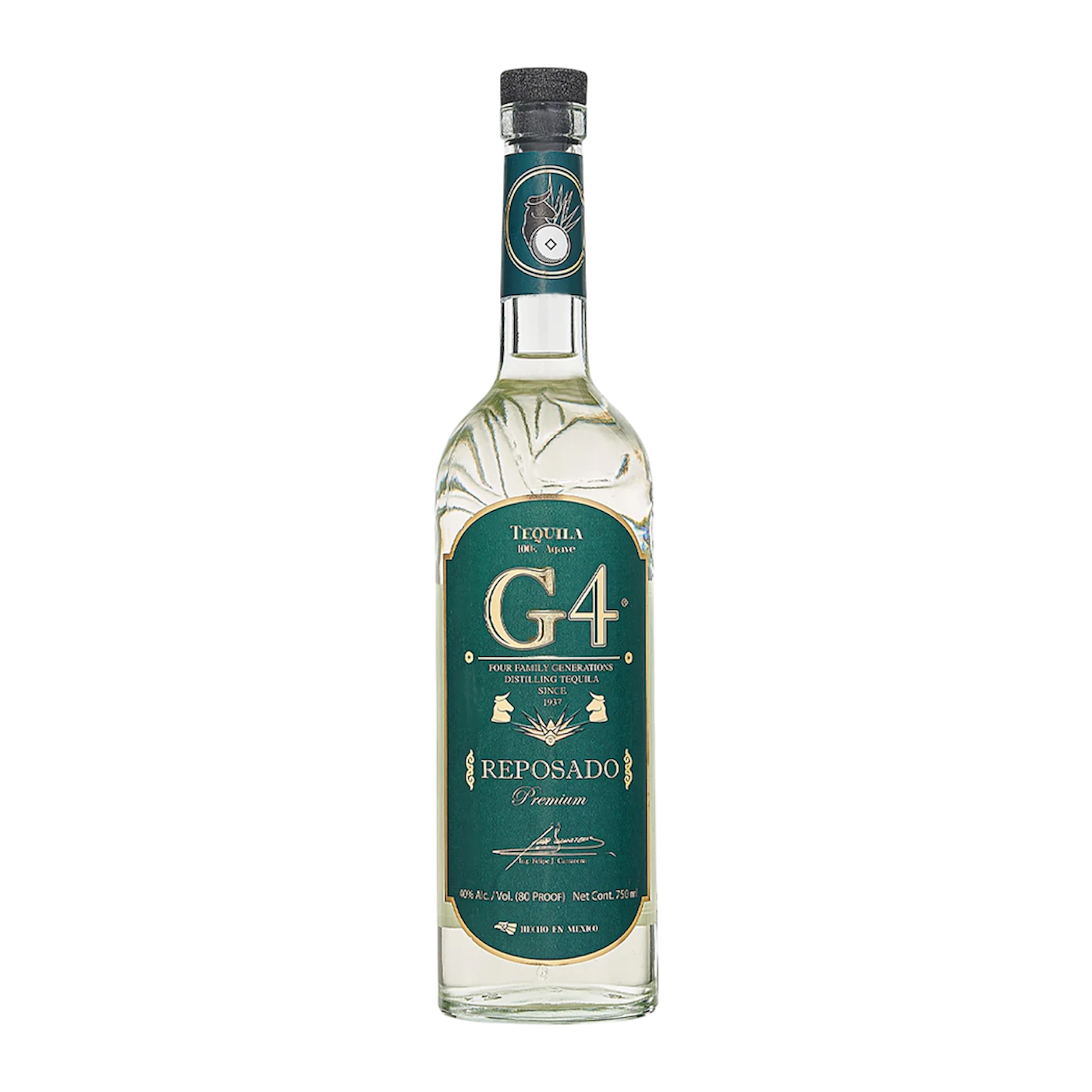
- G4 Blanco ($49.99). Jesús María, deep in Los Altos. Clean, sweet agave with a citrus edge, and one of the best value blancos we carry.
- El Tesoro Blanco ($49.99). Arandas. Textbook highland: bright, floral, and sweet without being soft.
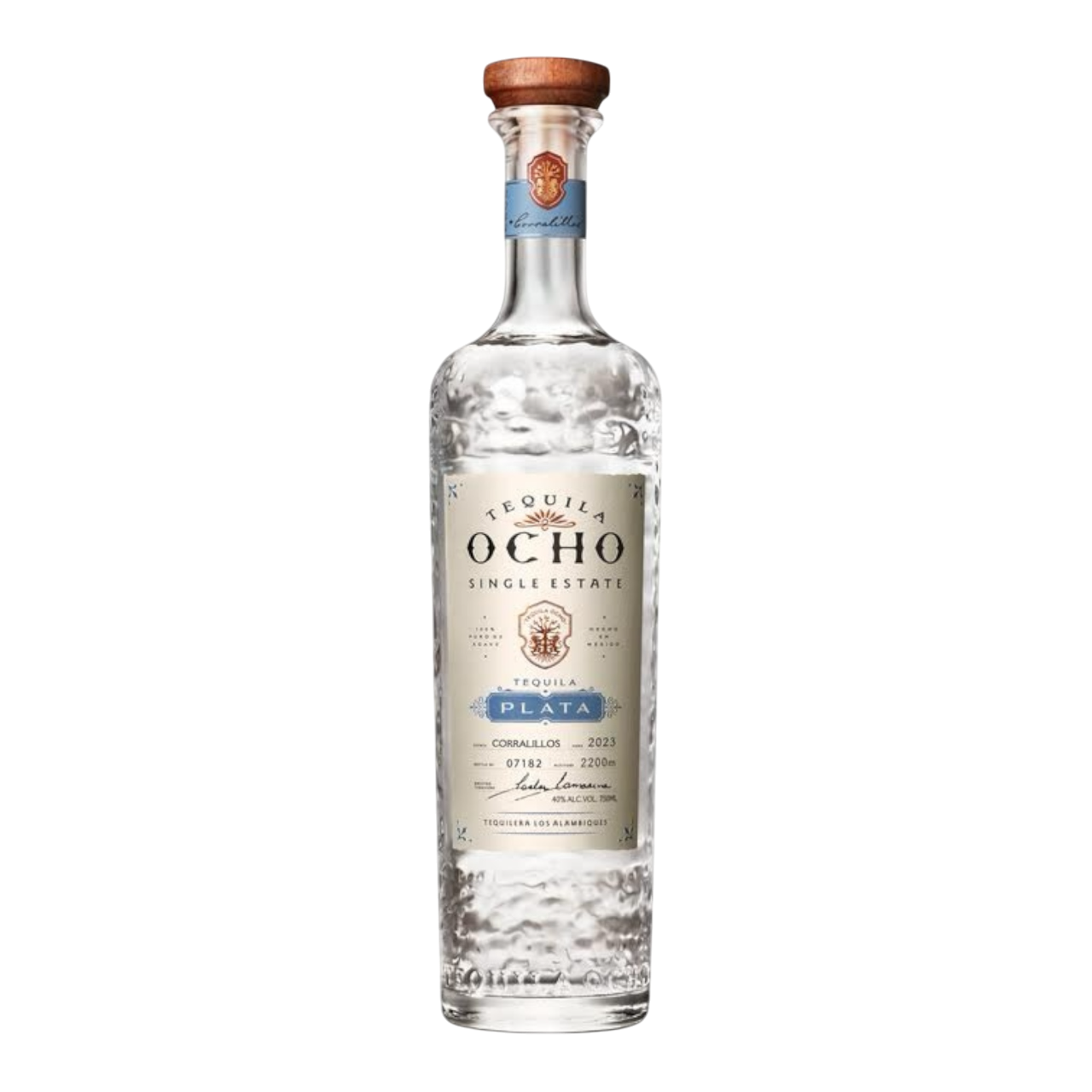
- Tequila Ocho Plata ($54.99). A single-estate bottling that changes every year, which makes it the nerd's pick for tasting terroir on purpose.
- Don Fulano Blanco ($59.99). Elegant, floral, and structured. The one to pour for someone who thinks they do not like tequila.
If you like savory, peppery, and bold, go valley. It stands up to spice, bitterness, and anything with a strong mixer, and it will not disappear in the glass.
- Cascahuin Blanco ($49.99). El Arenal, right in the valley. Peppery, herbal, and mineral. The clearest example of the style we sell.
- Arette Fuerte Artesanal 101 Proof Blanco ($79.99). Made at El Llano in the town of Tequila itself, from estate-grown valley agave. Valley character turned all the way up. Not a beginner pour, but a thrilling one.
- Cascahuin Tahona Blanco ($99.99). The same valley agave, crushed by tahona stone. Earthier and more textured, and a lesson in how much the milling matters.
If you are building a shelf, get one of each. That is the honest answer. Most people who taste both end up keeping both, for different nights.
Frequently asked questions
Why do highland and valley tequilas taste different?
The agave grows differently. Highland agave grows slowly at altitude in iron-rich red clay and stores more sugar, which tends to produce sweeter, more floral spirits. Valley agave grows in hotter, drier conditions in volcanic soil, which tends to produce earthier, more peppery spirits.
Is highland tequila always sweeter?
No. It is a tendency, not a rule. Production choices, especially how the agave is cooked and fermented, can easily override the regional signature.
Which one is better?
Neither. It is a palate question. Bright and floral, or savory and peppery. Taste both and you will know within a sip which camp you are in.
Is "lowland" even accurate?
Not really. The Tequila Valley sits around 4,000 feet, which is not low by any normal standard. "The valley" is the more accurate term, and it is what most people in the industry use.
Can you tell them apart blind?
It is harder than it sounds. Distillery choices muddy the regional lines constantly. Do not feel bad if you cannot call it every time.
Ready to taste the difference?
Stop reading about it and pour it. Pick the side that sounds like you, and let your own palate settle the argument.
Shop the tequila collection or call the Tequila Concierge at (833) 747-1110.