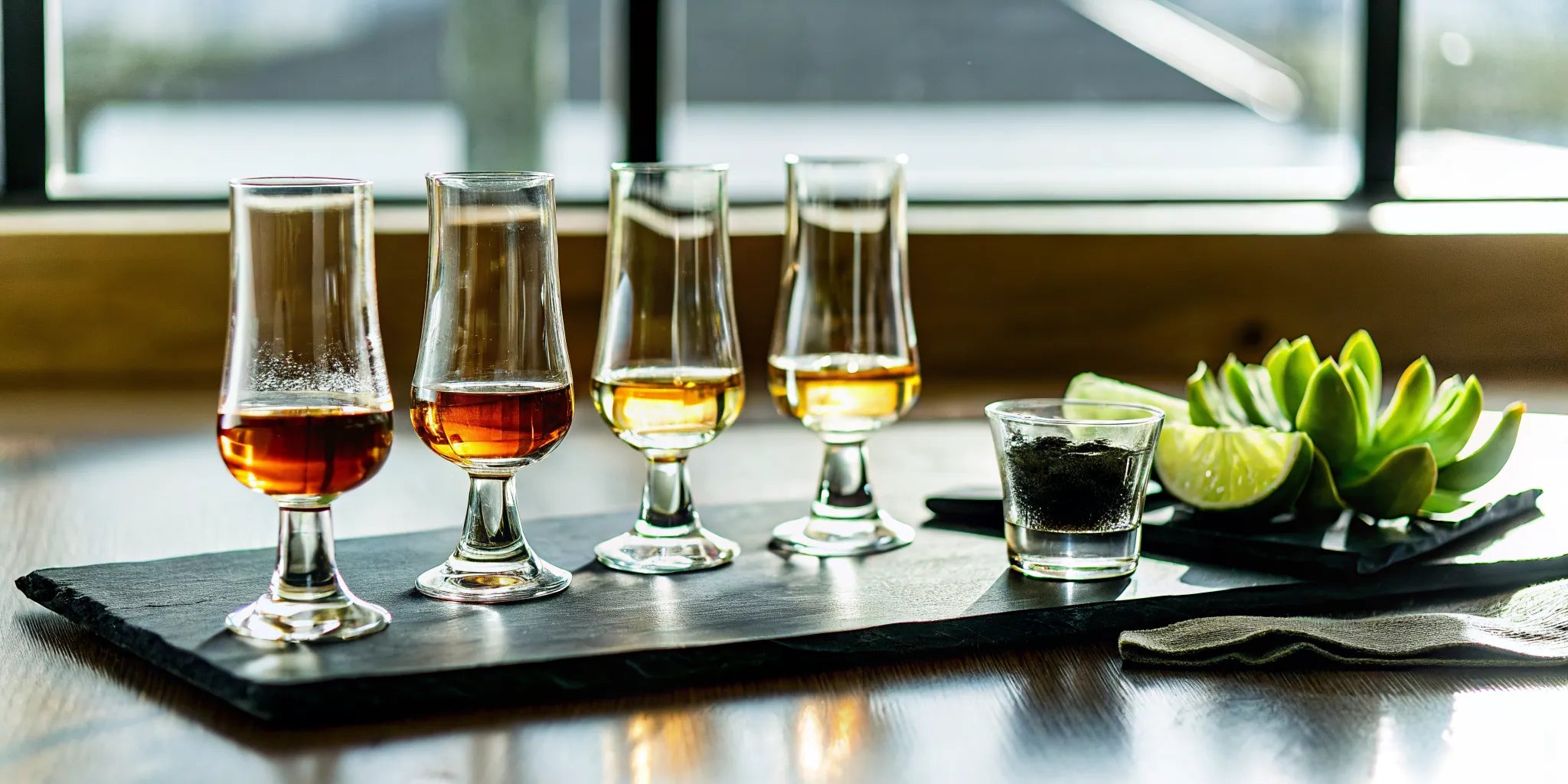



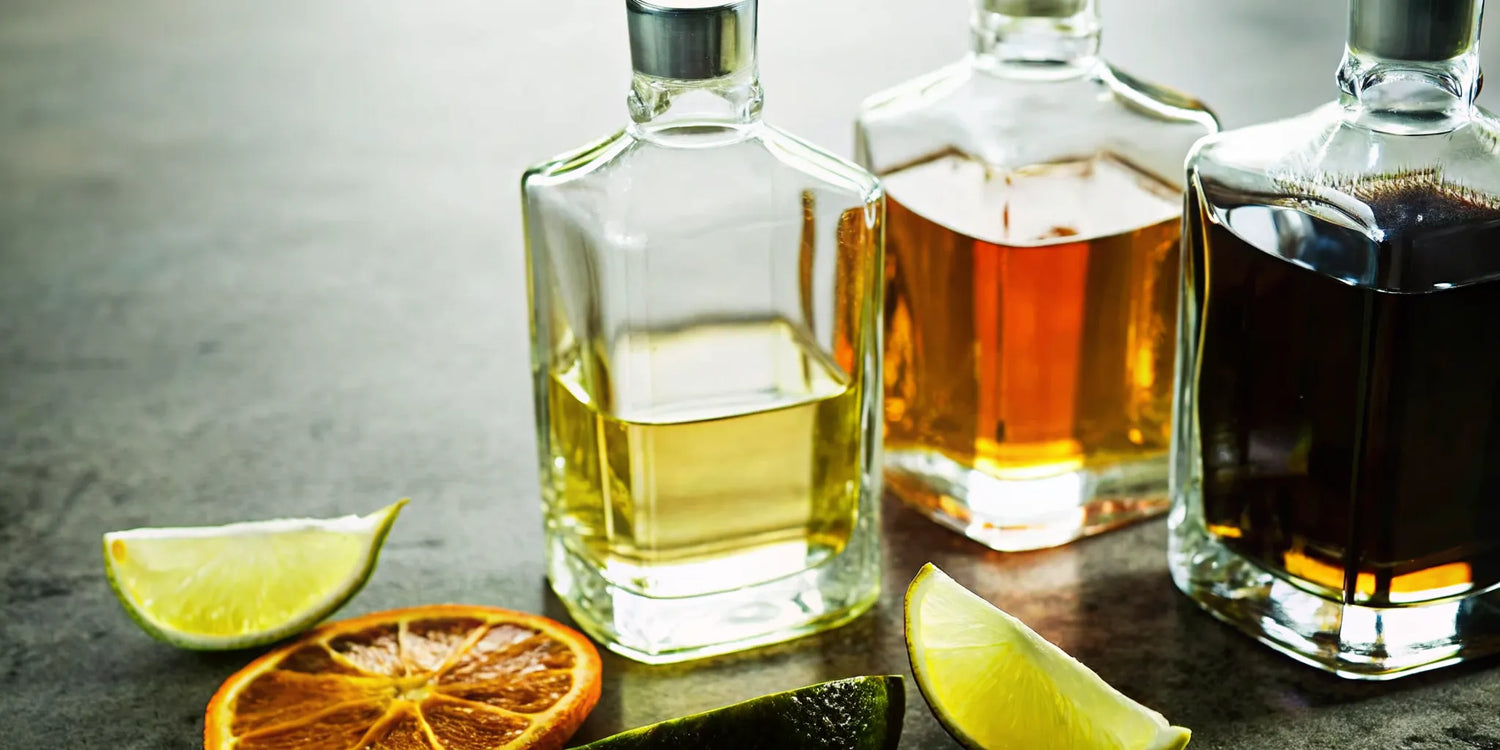
If your home bar is stocked with bourbon and single-malt scotch, you already appreciate what time and oak can do for a spirit. Now, it’s time to explore how that same magic transforms Mexico’s native spirit. Aged tequila offers the familiar warm notes of vanilla, caramel, and spice that you love, but with a unique, earthy agave foundation that sets it apart. It’s a category that bridges the gap between the familiar and the excitingly new. This guide will show you how to navigate this world, from decoding the labels to discovering how an Añejo can make a perfect Old Fashioned.
Key Takeaways
- Know the aging classifications: The time a tequila spends in an oak barrel determines its style. Reposados (2-12 months) offer a balance of agave and oak, Añejos (1-3 years) are richer and smoother, while Extra Añejos (3+ years) deliver deep complexity.
- Age isn't everything; balance is key: A high-quality aged tequila harmonizes the spirit's natural agave notes with flavors from the oak barrel. The goal is a perfect balance between the two, which is a better indicator of quality than just the age statement.
- Match the tequila to your drink: Sip complex Añejos and Extra Añejos neat to fully appreciate their nuances. Use a versatile Reposado to add a layer of warmth and character to classic cocktails like a Margarita or Paloma.
What Is Aged Tequila?
When you think of tequila, you might picture the bright, peppery spirit perfect for a margarita. But there’s a whole other side to explore: aged tequila. This is what happens when that vibrant spirit is given time to rest and mature in oak barrels. The process transforms the tequila, softening its edges and layering in deep, complex flavors of vanilla, caramel, and spice from the wood. It’s a fascinating journey from field to glass.
The world of aged tequila is governed by specific rules to ensure quality and consistency. The Consejo Regulador del Tequila (CRT) in Mexico officially recognizes three distinct aging categories: Reposado, Añejo, and Extra Añejo. Each one represents a different length of time spent in the barrel, resulting in a unique profile and experience.
Aged vs. Unaged: What's the Difference?
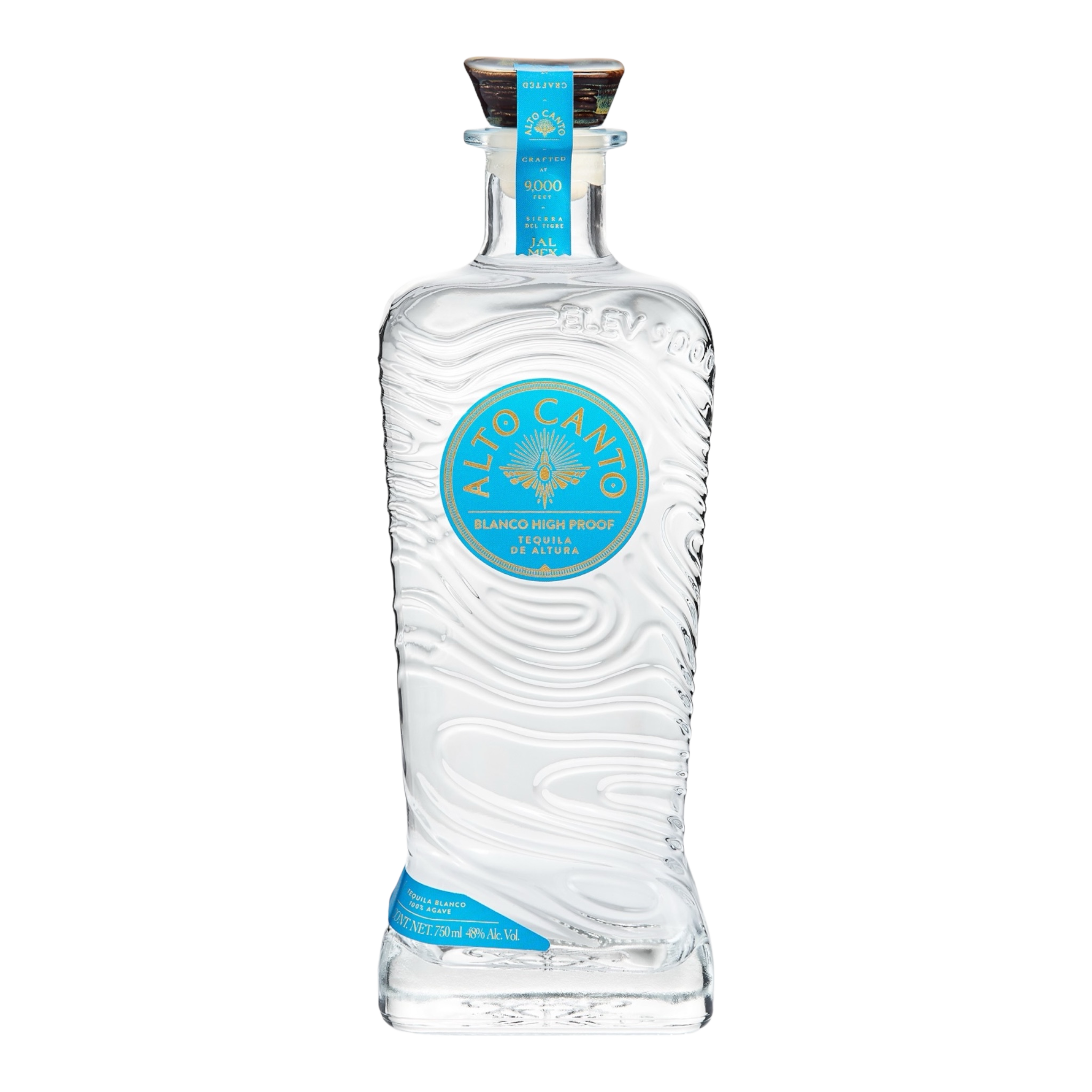
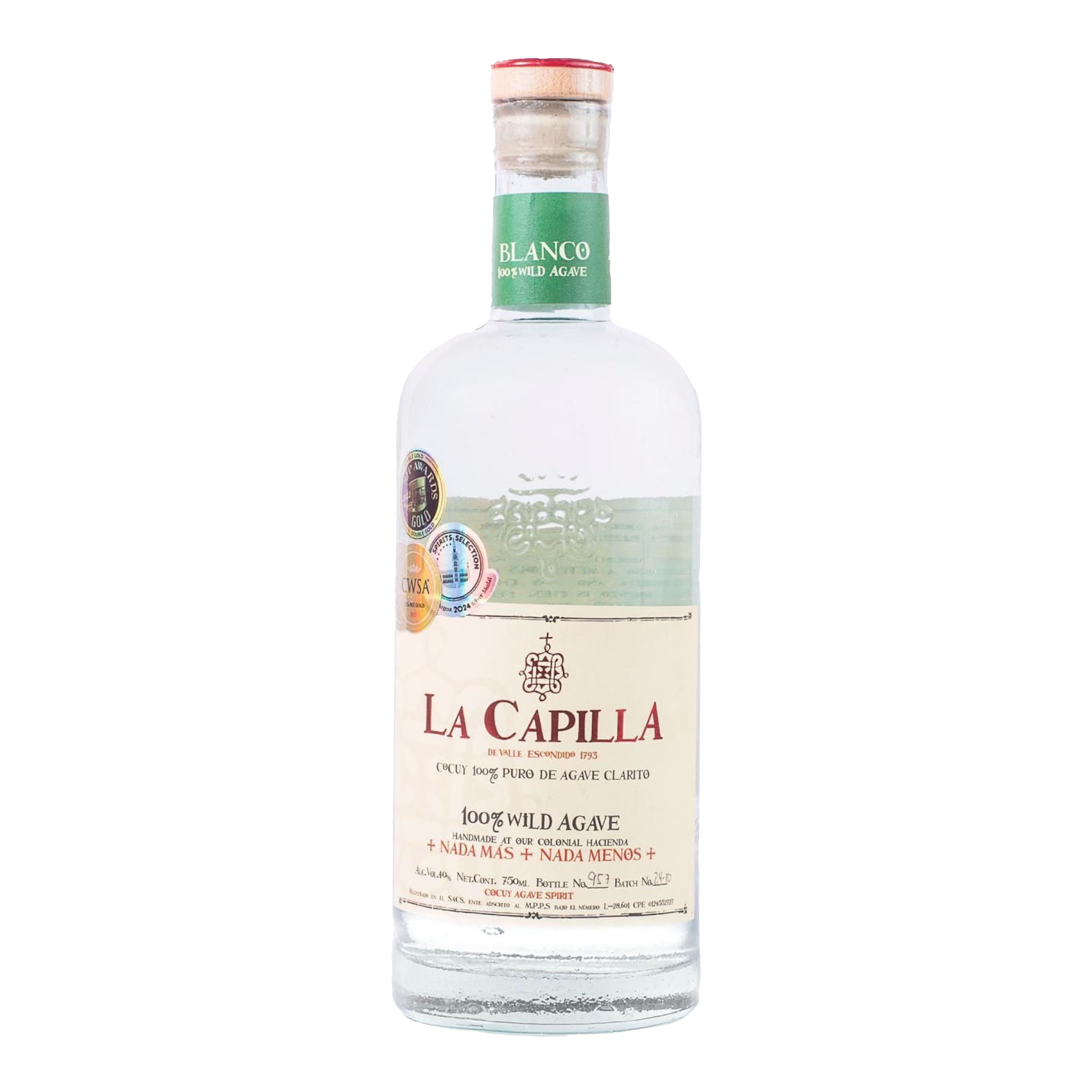
The fundamental difference between aged and unaged tequila comes down to one thing: time in an oak barrel. Unaged tequila, known as Blanco or Silver, is typically bottled shortly after distillation. This gives it a crystal-clear appearance and a flavor profile that is bright, crisp, and full of the pure, earthy notes of cooked agave. For many, Blanco is the truest expression of what tequila is all about.
Aged tequila, on the other hand, spends anywhere from a few months to several years resting in wood. This contact with the barrel imparts both color and flavor, turning the clear spirit into shades of gold and amber. It also softens the spirit, trading the sharp agave notes for smoother, richer flavors like vanilla, caramel, and toasted oak. Our tequila collection features a wide range of both styles, so you can explore the full spectrum of flavor.
How Mexico Regulates Tequila Aging
To ensure every bottle meets a high standard, Mexico’s Tequila Regulatory Council (CRT) has established strict guidelines for aging. These classifications tell you exactly how long the spirit has matured. A Reposado, or "rested," tequila spends between two and twelve months in oak barrels. This short time gives it a subtle smoothness and a hint of oak while preserving much of the agave character.
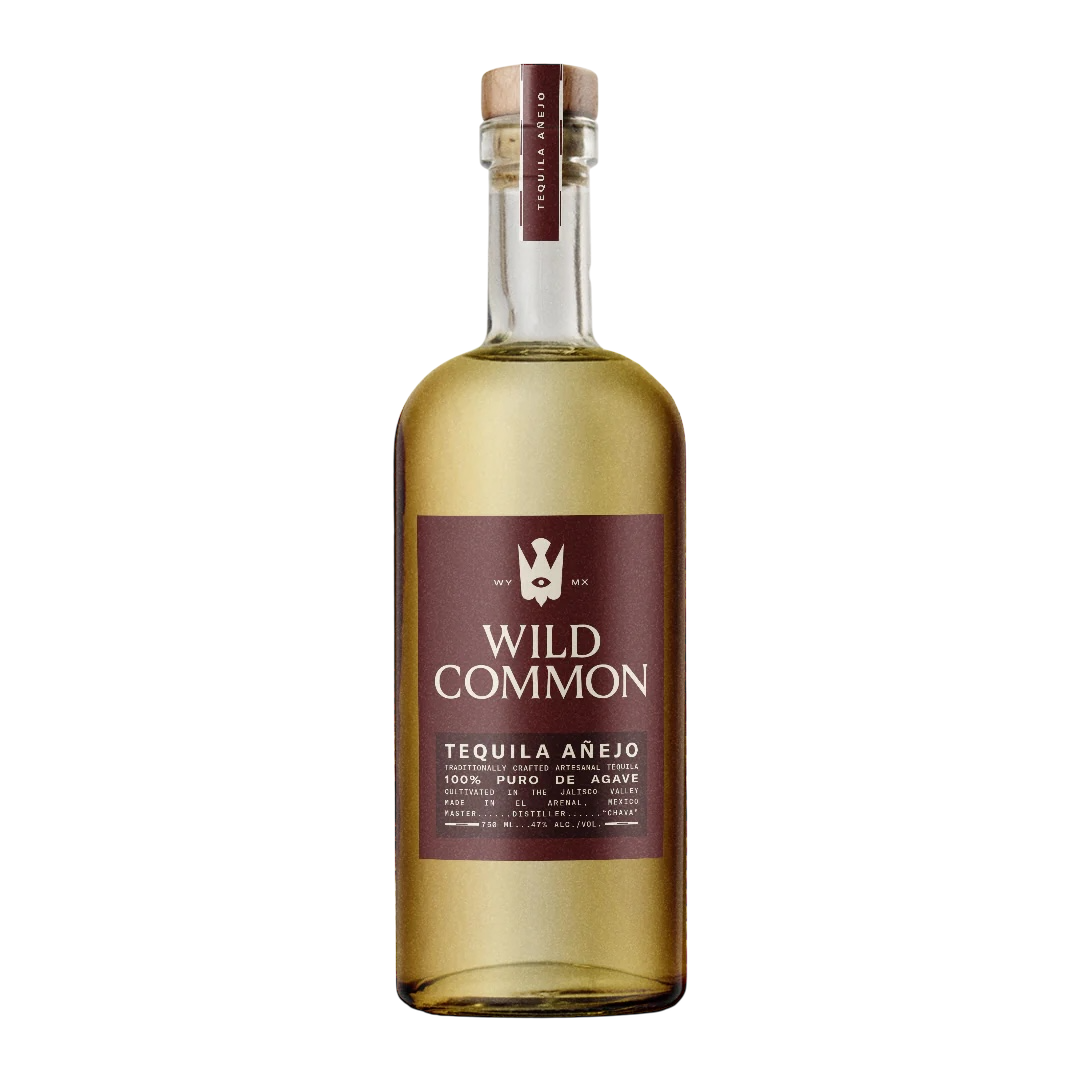
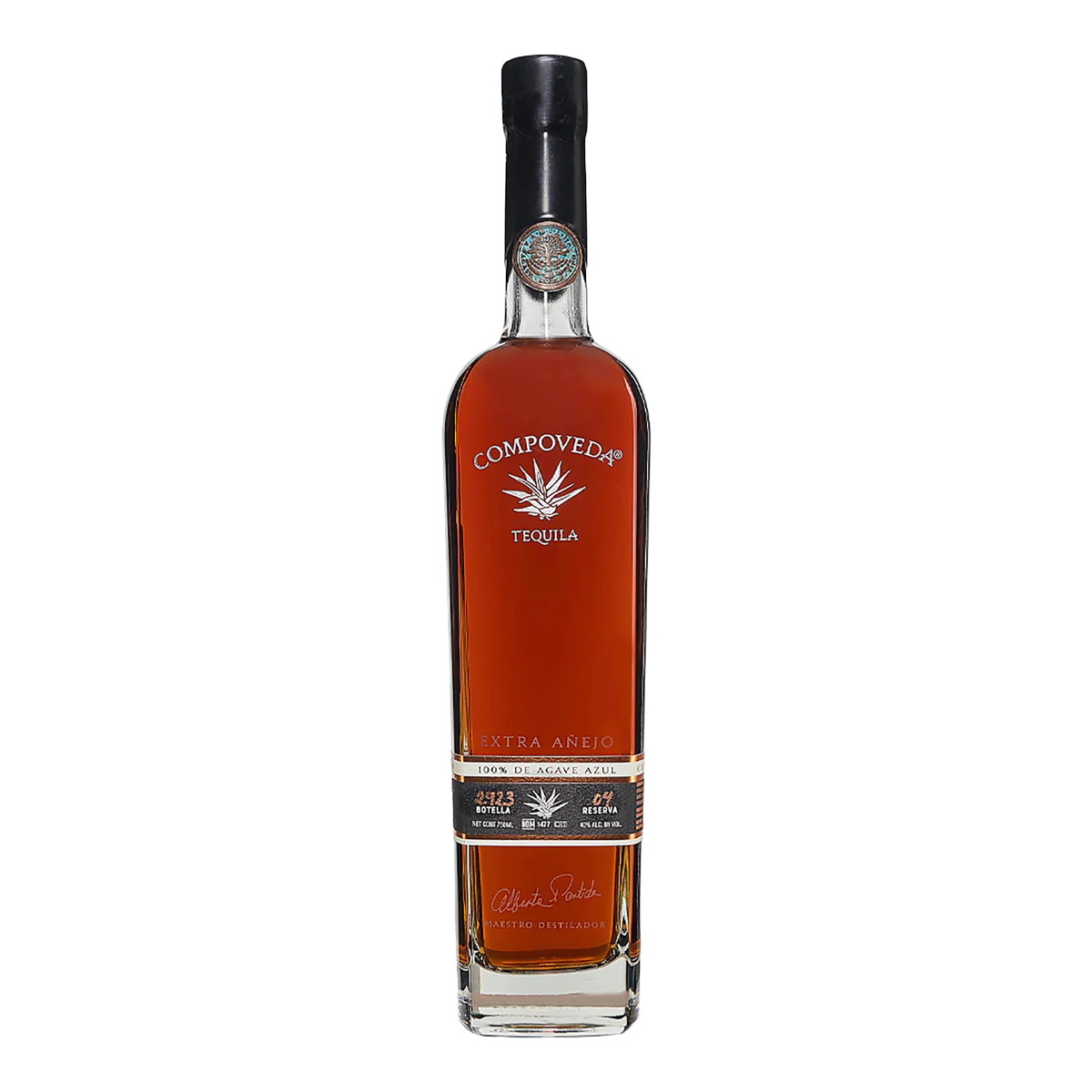
Next is Añejo, or "aged," tequila, which must remain in oak for one to three years. This extended period allows for a much richer, smoother, and more complex flavor profile to develop. For the ultimate expression of aged tequila, there is Extra Añejo. These spirits are aged for more than three years, resulting in a dark, incredibly nuanced tequila that often draws comparisons to fine cognac or bourbon. You can often find these exceptional bottles in our Rare & Limited collection.
Where Does Cristalino Fit In?
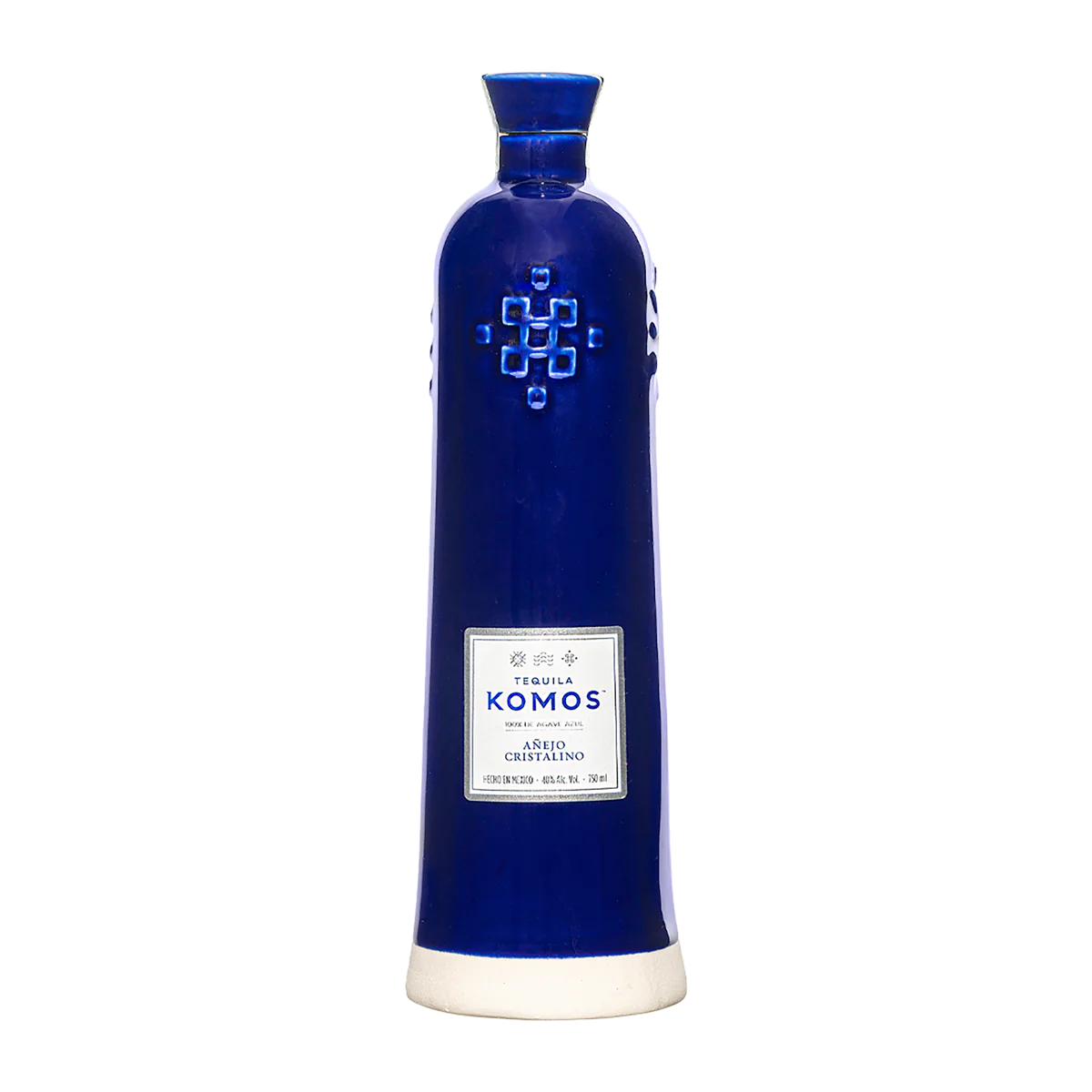
Cristalino is a relatively new and exciting style that offers the best of both worlds. It begins as an Añejo or Extra Añejo tequila, having already spent years maturing in an oak barrel to develop its rich, complex flavors. Then, it undergoes a special charcoal filtration process. This step carefully removes the color that the barrel imparted, resulting in a spirit that is perfectly clear, just like a Blanco.
The magic of a Cristalino is that while it looks like an unaged tequila, it retains the smooth character and complex tasting notes of an aged one. You get the rich vanilla and caramel flavors of an Añejo but with a crisper, cleaner finish. It’s an innovative take that has quickly become a favorite among those who appreciate both the bright notes of a Blanco and the sophisticated depth of an aged spirit.
Meet the Three Types of Aged Tequila
Once a Blanco tequila enters an oak barrel, its journey truly begins. The amount of time it spends resting inside that barrel is what separates it into three distinct, government-regulated categories. Each classification represents a unique chapter in the spirit's life, developing a different personality, color, and flavor profile along the way. Think of them as siblings: all born from the same blue weber agave, but each with their own character shaped by time and experience.
Getting to know these three types is the key to finding the aged tequila that’s perfect for your palate. From the gentle introduction of oak in a Reposado to the deep complexity of an Extra Añejo, there’s a whole world of flavor waiting to be explored. Let’s meet the family.
Reposado (2–12 Months): Agave-Forward with a Hint of Oak
Reposado, which means “rested” in Spanish, is the first step into the world of aged tequila. These spirits spend between two months and a year in oak barrels, just long enough to soften their edges and pick up subtle new flavors without losing their agave soul. A good Reposado strikes a beautiful balance, keeping the bright, peppery notes of a Blanco while weaving in hints of vanilla, caramel, and spice from the wood. It’s the perfect entry point for those curious about aged spirits, offering a smoother, more rounded experience that’s still unmistakably tequila. Explore our curated collection of Reposado tequilas to taste this delicate harmony for yourself.
Añejo (1–3 Years): Rich, Smooth, and Complex
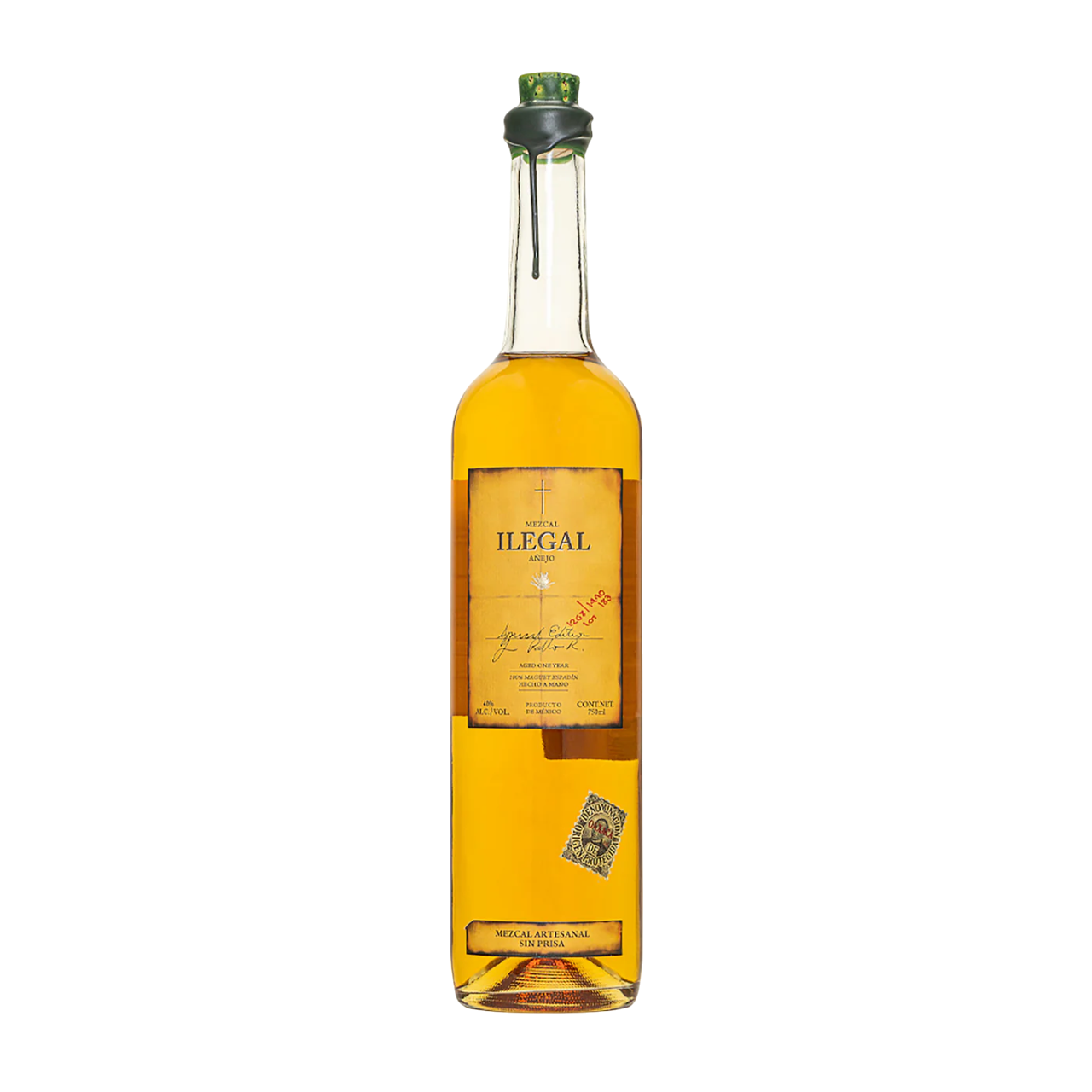
Once a tequila has aged for at least one year, it earns the title of Añejo, or “aged.” This extended time in the barrel, up to three years, allows the spirit to develop a much deeper color and a richer, more complex character. The influence of the oak is much more pronounced here, bringing forward decadent notes of toffee, dried fruit, and toasted nuts that complement the cooked agave. An Añejo is exceptionally smooth, making it an ideal sipping tequila meant to be savored neat or with a single large ice cube. Many of our favorite Añejo tequilas showcase this beautiful transformation from vibrant spirit to sophisticated sipper.
Extra Añejo (3+ Years): The Pinnacle of Aged Tequila
For the true aficionado, the Extra Añejo represents the height of the distiller’s art. Aged for three years or more, these tequilas are the most luxurious and complex of all. The extended contact with oak imparts an incredible depth of flavor, often drawing comparisons to well-aged Scotch or Cognac. You can expect to find notes of dark chocolate, leather, coffee, and rich vanilla in a spirit with a velvety, full-bodied mouthfeel. Extra Añejos are crafted for sipping slowly on special occasions and are a prized addition to any serious collection. They are a testament to the patience and skill required to create a truly world-class spirit.
How Oak Barrels Shape Tequila's Flavor
When a Blanco tequila enters an oak barrel, a fascinating transformation begins. The barrel isn't just a storage container; it's an active ingredient that fundamentally changes the spirit's character. As the tequila rests, it breathes in and out of the wood, picking up color, aroma, and flavor. This interaction softens the tequila's initial boldness and introduces a spectrum of new notes, from subtle spice to rich caramel.
The type of oak, its toast level, and what the barrel held before all play a crucial role in the final taste. This is where the art of the distiller truly shines. They select specific barrels to achieve a desired profile, carefully monitoring the aging process to ensure the agave spirit and the wood achieve a perfect harmony. The result is a more complex and layered spirit, with each category of aged tequila offering a unique sensory experience shaped by its time in the barrel.
The Impact of Barrel Type and Size
The most common barrels for aging tequila are American oak, often previously used to age bourbon. Bourbon regulations require new charred oak barrels for every batch, which creates a steady supply of high-quality used barrels for tequila producers. These barrels are prized for imparting classic notes of vanilla, caramel, and sweet spice. French oak is another option, typically lending subtler, spicier notes and a silkier texture.
Barrel size also matters. A smaller barrel means more of the liquid is in direct contact with the wood, which speeds up the aging process and intensifies the flavors imparted by the oak. This is why distillers must be so precise. They balance all these factors to guide the spirit toward its intended profile, creating the diverse world of aged tequilas we get to enjoy.
Tasting Notes by Category
Each category of aged tequila has a distinct flavor profile defined by its time in oak. A Reposado, aged for two to twelve months, strikes a beautiful balance. The bright, earthy character of the agave is still present, but it’s softened by gentle notes of vanilla and spice from the barrel. Move up to an Añejo, aged one to three years, and the wood influence becomes much more pronounced. You’ll find deeper, richer flavors of caramel, toasted oak, and butterscotch, creating a smoother, more complex spirit.
Finally, there’s Extra Añejo. After aging for over three years, these tequilas develop an incredible depth and richness that can rival a fine cognac. The agave notes recede into the background, making way for complex layers of dried fruit, chocolate, and spice. These are luxurious spirits, perfect for slow sipping, and often represent the most prized bottles in a distillery's lineup, many of which you can find in our Rare & Limited collection.
Does Longer Aging Mean Better Tequila?
It’s a common assumption that older equals better, but that’s not always the case with tequila. While aging adds complexity, it can also overpower the delicate agave flavors that make tequila unique. The true measure of quality isn't the age statement, but the balance between the spirit and the wood. A great aged tequila starts with a great Blanco that was specifically distilled with aging in mind.
Master distillers don't just pour any Blanco into a barrel and hope for the best. They craft a spirit with the right structure and character to evolve beautifully over time, ensuring it tastes exceptional after its rest. This commitment to quality craftsmanship is what separates a good aged tequila from a truly magnificent one. The goal is harmony, not just age.
How to Best Enjoy Aged Tequila
Once you’ve found the perfect bottle, the next step is figuring out the best way to drink it. While there are no wrong answers, certain methods will help you appreciate the full spectrum of flavors the distiller and the barrel intended. Aged tequilas are incredibly versatile, shining on their own and also bringing incredible depth to cocktails. It’s all about matching the tequila’s profile to the right occasion. Whether you’re a purist who prefers sipping or a cocktail enthusiast looking to experiment, we have some tips to help you get the most out of every pour. Let’s get into how you can best enjoy these beautiful spirits.
Sipping Neat or On the Rocks
For a truly exceptional aged tequila, especially an Extra Añejo, the best approach is often the simplest. Pouring it neat into a proper tasting glass allows you to experience the aroma and flavor exactly as intended. This method is all about letting the tequila be the star of the show, showcasing the craftsmanship that went into every drop. If you prefer a slight chill, a single large ice cube is the way to go. It will cool the spirit down without diluting it too quickly, which can mute the complex notes of vanilla, caramel, and spice you’ve been waiting to taste.
Aged Tequila Cocktails to Try
While sipping neat is a fantastic way to appreciate an aged tequila, don't be afraid to mix it up. Using an aged tequila can completely transform your favorite drinks, adding layers of complexity you just can't get from an unaged spirit. According to the experts at Proof, a quality Reposado is perfect for upgrading classic tequila cocktails. The key is to choose cocktails that complement the tequila's character rather than mask it. Think of spirit-forward classics where the tequila’s rich, oaky notes can really shine through and add a new dimension to a familiar favorite.
Reposado: For Margaritas and Palomas
If you want to make a truly memorable Margarita or Paloma, reach for a Reposado. Its time in the barrel, typically between two months and a year, smooths out the sharp edges of a Blanco while preserving the bright, peppery agave character. This creates a perfect balance in cocktails. The subtle notes of oak and vanilla from the Reposado add a welcome warmth and depth that stands up beautifully to the lime and citrus in these classic drinks. It’s a simple switch that makes your cocktail taste more intentional and refined, giving it a character that a Blanco just can't replicate.
Añejo: For a Tequila Old Fashioned
An Añejo tequila is a fantastic candidate for a Tequila Old Fashioned. Aged for one to three years, Añejos develop rich, warm notes of caramel, dried fruit, and spice that are very similar to those found in whiskey. When used in an Old Fashioned, the tequila’s inherent sweetness and complexity pair beautifully with bitters and a touch of sugar or agave nectar. It creates a familiar yet exciting twist on the classic cocktail, offering a smoother, more agave-forward finish. While Añejo is wonderful to sip neat, it truly shines in a spirit-forward cocktail like this one.
Extra Añejo: For a Tequila Manhattan
For a truly luxurious cocktail experience, try making a Manhattan with an Extra Añejo tequila. These tequilas are aged for over three years, resulting in deep, complex flavors of dark chocolate, leather, and toasted oak that can rival a fine whiskey or cognac. Swapping it in for rye whiskey in a Manhattan creates a sophisticated drink with incredible depth. The tequila’s rich profile complements the sweet vermouth and bitters, resulting in a smooth, elegant, and unforgettable cocktail. It’s the perfect way to celebrate a special occasion or simply treat yourself to something extraordinary.
Essential Tips: Glassware, Temperature, and Storage
To fully appreciate your aged tequila, pay attention to the details. Serve it at room temperature in a proper tasting glass, like a Glencairn or a specialized tequila glass, to concentrate its aromas. Once you open a bottle, the clock starts ticking. Oxygen will begin to interact with the spirit, and over time, it can alter the delicate flavors. To preserve its quality, it's best to enjoy your tequila within a year of opening. Always store your bottles upright in a cool, dark place, away from direct sunlight, to keep them in perfect condition for your next pour.
Aged Tequilas We Recommend
With so many incredible aged tequilas on the market, finding the right one can be a rewarding exploration. To help you get started, we’ve put together a list of some of our team’s favorites. Whether you’re looking for a versatile bottle to upgrade your cocktails or a rare spirit to savor on a special occasion, this guide will point you toward your next great discovery.
Our Favorite Reposados
Reposado tequilas are the chameleons of the agave world. They spend just enough time in the barrel to pick up hints of oak and vanilla while retaining the bright, peppery notes of the agave. This balance makes them incredibly versatile. A quality reposado is perfect for sipping neat, but it also has the character to stand out in classic cocktails like a Margarita or Paloma. For a bottle that truly shines, explore our collection of Reposado tequilas. We love how they bridge the gap between the crispness of a blanco and the richness of a longer-aged spirit, making them a fantastic starting point for anyone new to aged tequila.
Top Añejo Picks for Every Budget
Don’t assume you need to spend a fortune to enjoy a beautifully complex añejo. While there are certainly some high-end showstoppers, the category is filled with hidden gems that deliver exceptional quality and taste without a hefty price tag. These tequilas, aged one to three years, develop rich notes of caramel, chocolate, and spice that are perfect for slow sipping. When you’re ready to find a bottle that offers incredible value, we recommend browsing our full Añejo collection. You can find stunning tequilas that highlight the craftsmanship of their distillers and prove that a memorable tasting experience is accessible at any price point.
Exceptional Extra Añejos
When an occasion calls for true luxury, nothing compares to an Extra Añejo. These tequilas are aged for at least three years, resulting in a spirit with unparalleled smoothness and depth. Think of them as the tequila equivalent of a fine cognac or single-malt scotch. Each sip reveals complex layers of dried fruit, toasted nuts, vanilla, and warm spices, making for a tasting experience that should be savored. An Extra Añejo tequila is more than just a drink; it’s a statement piece and a testament to the art of patience. Pour a glass, let it breathe, and enjoy the pinnacle of aged tequila.
For the Collector: Rare & High-End Bottles
For those who seek out the unique and the exclusive, the world of aged tequila offers some truly remarkable finds. Beyond standard aging, you’ll discover innovative expressions like Cristalino, an añejo or extra añejo that has been charcoal-filtered to remove its color. The result is a spirit with the visual clarity of a blanco but the complex, woody character of an aged tequila, making it a fascinating addition to any collection. These bottles, along with other limited releases, are perfect for impressing guests or adding a crown jewel to your bar. Explore our curated Rare & Limited collection to find bottles that are as unique as they are delicious.
How to Properly Store Your Aged Tequila
You’ve invested in a beautiful bottle of aged tequila, and now it’s time to make sure every sip is as good as the first. Proper storage is key to preserving the complex flavors and aromas the distiller so carefully crafted. Whether you're saving a special bottle or enjoying one over time, a few simple practices will protect your tequila from the elements and ensure its quality remains intact. Let's go over how to care for your collection.
Preventing Oxidation After You Open a Bottle
Once you open a bottle, the clock starts ticking on oxidation. This is just a fancy way of saying that air interacts with the tequila, and over time, it can soften the spirit's delicate tasting notes. While tequila won't spoil like wine, its character will change. For the best experience, you should plan to enjoy your opened tequila within about a year to savor its peak flavor. After that, you might notice the flavors aren't quite as vibrant. To slow this process, always make sure the cork or cap is sealed tightly after each pour. This simple step is the best way to preserve the rich character of your favorite tequila collection.
Ideal Storage for Your Collection
For both opened and unopened bottles, your storage environment is everything. The golden rule is to find a cool, dark place with a stable temperature. Think of a pantry, a cabinet, or a cellar, but definitely not the top of your refrigerator or a sunny windowsill. Direct sunlight and heat are the enemies of aged spirits, as they can cause unwanted chemical reactions and evaporation, altering the flavor. Always store your bottles standing upright. This prevents the high-proof alcohol from coming into constant contact with the cork, which can cause it to degrade and crumble over time. This is especially important for any rare and limited bottles you plan to cellar for years.
Related Articles
- How Premium Tequila Is Made | Sip Tequila
- The Different Types of Tequila | Sip Tequila
- Best Sipping Tequila: Añejo or Reposado?
- 12 Best Premium Tequila Brands to Sip in 2026
Frequently Asked Questions
What’s the difference between aged tequila and other aged spirits like whiskey? The main difference comes down to the base ingredient. Whiskey is made from grains like corn, rye, or barley, while tequila is made exclusively from the blue weber agave plant. While both spirits get notes of vanilla, caramel, and spice from oak barrels, a great aged tequila always retains a bit of that unique, earthy agave character. Think of it as the spirit’s soul, which aging complements rather than completely covers up.
If I’m new to aged tequila, where should I start? A Reposado is the perfect starting point. Since it’s only "rested" in oak for a few months, it offers a beautiful introduction to the effects of barrel aging. You’ll get a smoother spirit with gentle hints of vanilla and spice, but it still has plenty of the bright, agave-forward flavor you’d recognize from a Blanco. It’s a great way to ease into the category without diving straight into the deep, oak-heavy profile of an Añejo.
So, does a longer aging time mean the tequila is better? Not necessarily. The goal of aging tequila is to create a beautiful balance between the spirit's natural agave flavor and the characteristics of the oak barrel. Sometimes, aging a tequila for too long can overpower the delicate agave notes, which is what makes tequila so unique in the first place. A well-made Reposado that achieves perfect harmony is far better than an Extra Añejo where the wood has completely taken over. Quality is about craftsmanship, not just time.
What’s the point of a Cristalino? Why make an aged tequila clear again? Cristalino is an innovative style for people who want the best of both worlds. It starts as a rich Añejo or Extra Añejo, but then it goes through a charcoal filtering process that removes the color imparted by the barrel. This gives you a spirit that looks as clean and crisp as a Blanco but retains the smooth texture and complex flavor notes of vanilla and caramel from its time in oak. It’s perfect for someone who loves the complexity of an aged spirit but prefers a lighter, crisper finish.
How long does a bottle of aged tequila stay good after I open it? While tequila doesn’t spoil in the way wine does, its flavor will change over time once it's exposed to air. This process, called oxidation, can soften the vibrant flavors of the spirit. To enjoy your tequila at its best, you should plan to finish the bottle within about a year of opening it. Always store it upright in a cool, dark place with the cap sealed tightly to keep it tasting great for as long as possible.