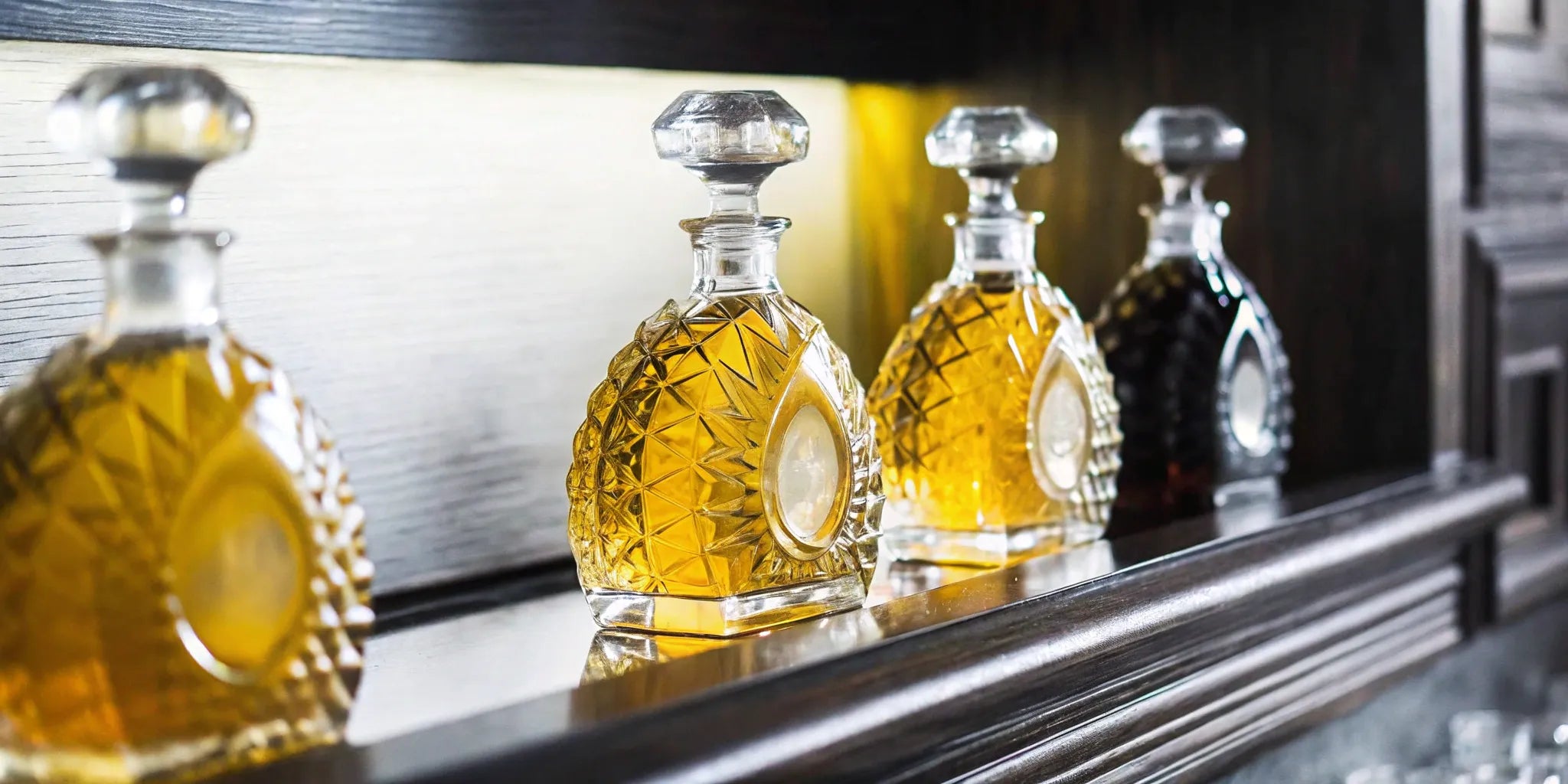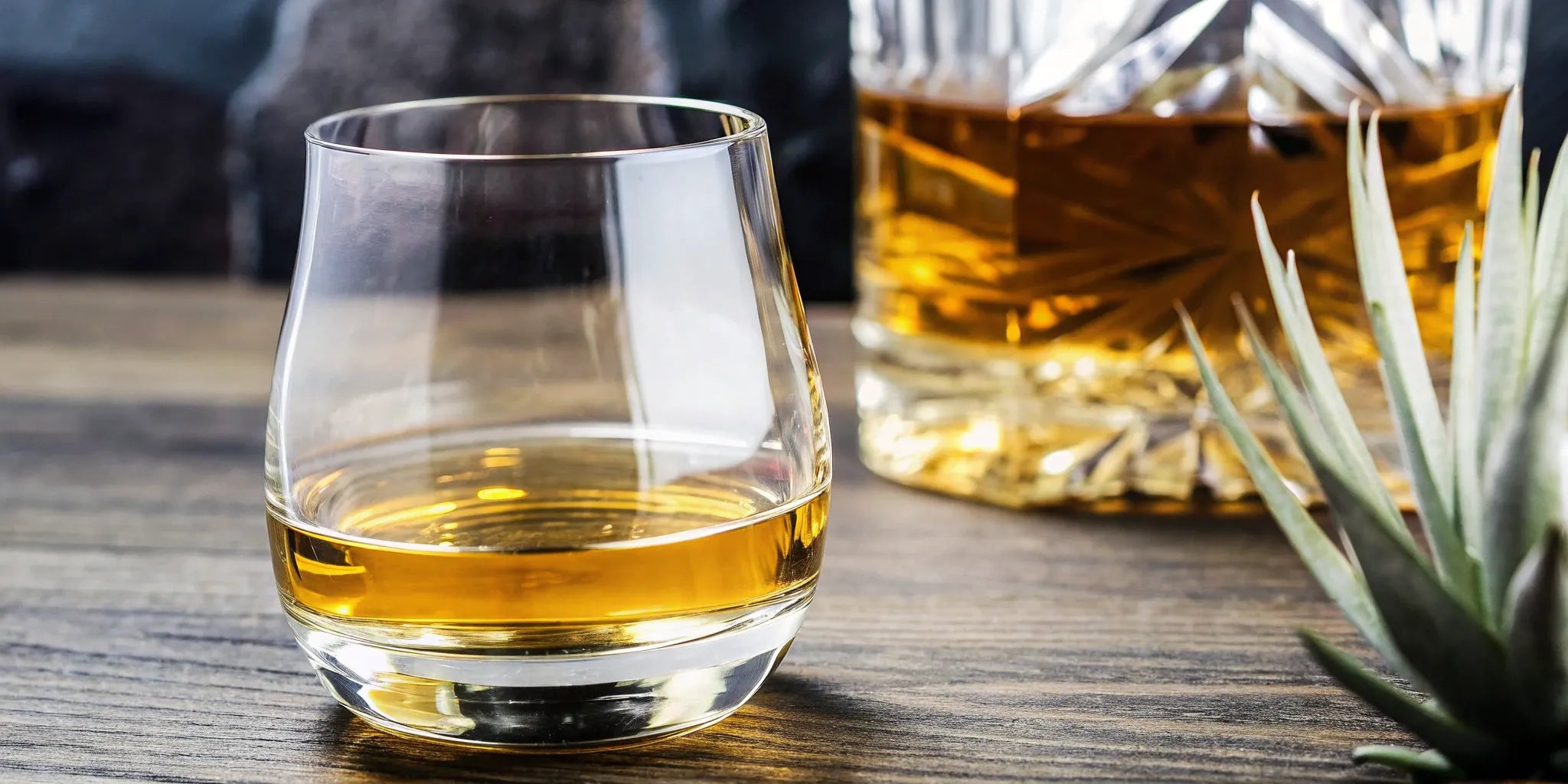



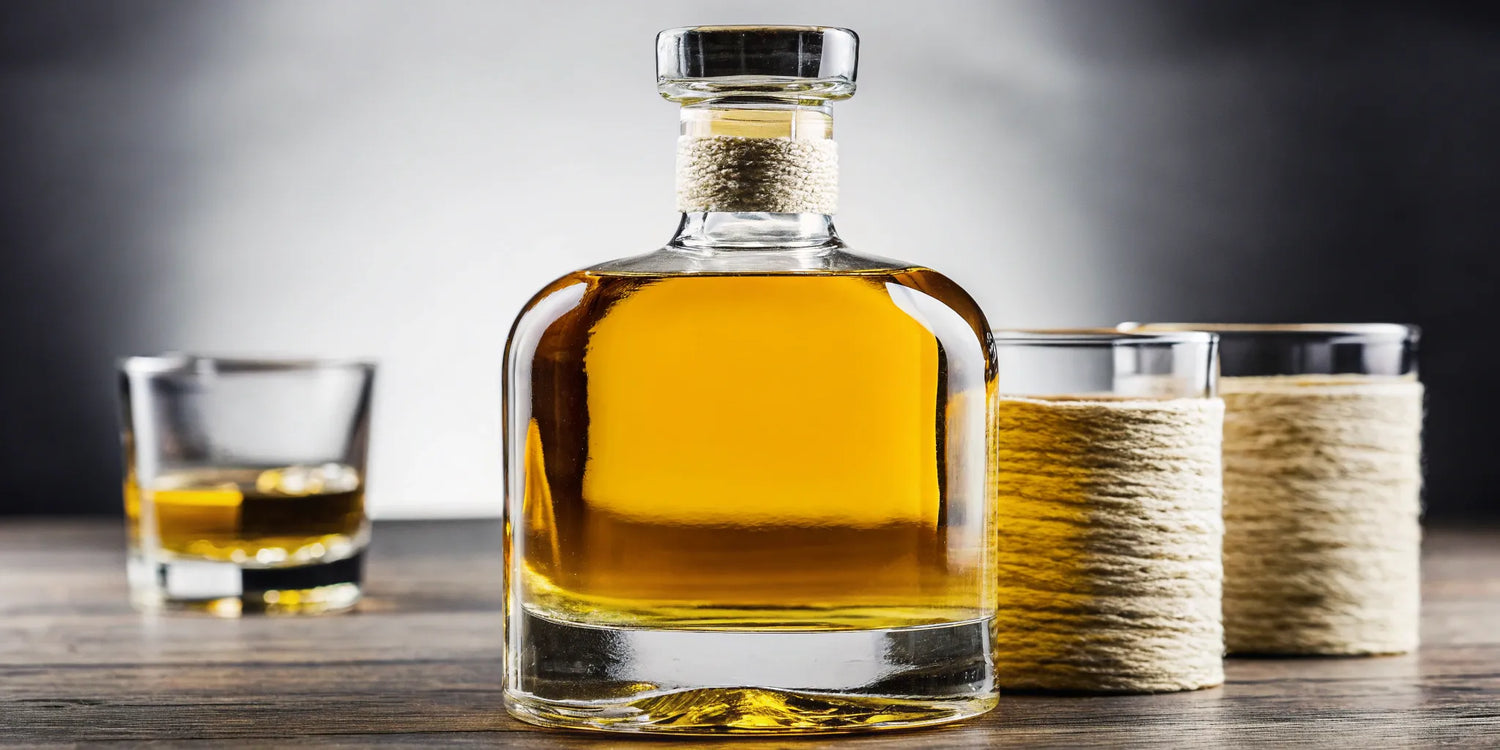
Tequila has spent years trying to shake off a reputation built on lime, salt, and regrettable nights. But for those in the know, that party-shot image couldn't be further from the truth. A well-made artisanal tequila is a spirit meant to be sipped and savored, offering a complexity that rivals the finest whiskies and cognacs. This isn't the tequila of your college days. It’s a spirit that tells a story of the land, the agave, and the generations of families who have perfected their craft. We’ll explore what makes these tequilas so special, from the traditional methods that create their flavor to the brands that are setting the standard for quality.
Key Takeaways
- Look for Craft, Not Shortcuts: The real value in artisanal tequila comes from traditional production methods. Time-intensive techniques like slow-roasting agave in brick ovens and using a tahona stone create the complex, authentic flavors that industrial shortcuts simply can't replicate.
- Become a Label Detective: The two most important details on any bottle are the "100% de Agave" statement and the four-digit NOM number. These are your non-negotiable guarantees of purity and tell you exactly which distillery crafted the spirit, giving you insight into its quality and style.
- Taste the Full Spectrum of Agave: To truly appreciate the spirit, explore the different expressions. Start with a bright Blanco to taste the pure agave, then try a smooth Reposado and a rich Añejo to experience how barrel aging adds layers of vanilla, caramel, and spice.
Artisanal vs. Mass-Produced Tequila: What's the Real Difference?
When you line up two bottles of tequila, one artisanal and one mass-produced, the difference goes far beyond the price tag. It’s a story of tradition versus technology, patience versus speed, and character versus consistency. Think of it like the difference between a hand-thrown ceramic mug and one from a factory assembly line. Both hold coffee, but one carries the unique marks of its maker and the story of its creation. Artisanal tequila is much the same—it’s a spirit that reflects the land, the agave, and the people who made it.
Mass-produced tequilas are designed for volume and uniformity. They often rely on industrial processes that strip the agave of its nuanced flavors, which are then added back in with sweeteners, coloring, and other additives. Artisanal production, on the other hand, is all about preserving the soul of the agave. It’s a slower, more deliberate process that honors traditional methods passed down through generations. From the quality of the agave to the way it’s cooked and fermented, every step is designed to create a tequila with a distinct and authentic flavor profile. When you choose an artisanal tequila, you’re not just buying a drink; you’re investing in a piece of cultural heritage.
It Starts with 100% Blue Weber Agave
The first and most important rule of quality tequila is that it must be made from 100% Blue Weber agave. This is the non-negotiable starting point for any artisanal producer. They build their entire process around showcasing the natural flavors of this specific plant, often waiting seven years or more for it to reach peak maturity. Mass-produced tequilas, especially those labeled simply as "tequila" (and not "100% de agave"), are often "mixtos." This means they only need to contain 51% agave sugars, with the other 49% coming from other sources, like cane sugar. This fundamental difference in the core ingredient is what sets the two categories worlds apart from the very beginning.
The Art of Small-Batch Production
Artisanal tequila production is a hands-on, labor-intensive craft. Instead of rushing the process, producers embrace traditional methods that extract the richest, most complex flavors from the agave. This often means slow-roasting the agave piñas in traditional brick ovens, or hornos, for up to three days. After cooking, many will use a tahona, a large volcanic stone wheel, to gently crush the agave and separate the sweet juices from the fibers. This meticulous approach stands in stark contrast to the industrial diffusers used in mass production, which can strip the agave of its character. These small-batch methods are what give many of the bottles in our Rare & Limited Collection their incredible depth and personality.
Keeping It Pure: The Additive-Free Promise
One of the biggest distinctions of artisanal tequila is the commitment to purity. Many top producers pride themselves on creating additive-free spirits, meaning nothing is added to alter the color, aroma, or taste. The final product is nothing but agave, water, and yeast. Mass-produced brands often use additives like caramel coloring, oak extract, and glycerin to create a consistent product and mask imperfections from a rushed production process. An additive-free promise is a sign that the distiller is confident in their craft. They don't need to hide anything. This dedication to authenticity is central to our mission and why we partner directly with distilleries that share this philosophy.
The Traditional Methods Behind Great Tequila
The difference between a good tequila and a great one often comes down to patience. While mass-produced spirits prioritize speed, artisanal producers honor time-tested traditions passed down for generations. These methods aren't just for nostalgia; they are deliberate choices that directly influence the aroma, flavor, and texture of the
Slow-Cooking Agave in Stone Ovens
Instead of rushing the process in high-pressure autoclaves, artisanal distilleries slow-roast their agave piñas in traditional brick or stone ovens, or hornos. This can take up to 72 hours, but the result is worth it. The slow, gentle heat caramelizes the agave's natural sugars, converting them into fermentable sweetness without the bitterness that can come from faster cooking. This crucial step gives a well-made tequila its foundational cooked agave flavor—a rich, sweet, and earthy character that can't be replicated with industrial shortcuts.
Crushing Agave the Old-Fashioned Way
After cooking, the agave is crushed to release its sweet juices. The most traditional method uses a tahona, a massive volcanic rock wheel that slowly rolls over the cooked agave fibers. This centuries-old technique is much gentler than modern mechanical shredders. It crushes the fibers instead of tearing them, extracting the juice while imparting a distinct earthy, mineral quality to the spirit. Many of the most sought-after bottles in our Rare & Limited Collection are made this way, adding a layer of complexity and a fuller mouthfeel you can taste in every sip.
Letting Nature Work: The Fermentation Process
Fermentation is where sugary agave juice becomes alcohol. Artisanal producers often use open-air wooden vats, allowing wild, airborne yeasts to start the process naturally. This creates a more complex flavor profile compared to the controlled environment of stainless steel tanks. Some distilleries even have unique traditions, like playing classical music to the fermenting mash, believing it contributes to the final character. This approach allows the local environment—the terroir—to leave its fingerprint on the spirit, resulting in a tequila that tells the story of its origin.
Four Artisanal Brands Setting the Standard
As you explore the world of artisanal tequila, you’ll notice a few names consistently mentioned with reverence. These are the producers who aren’t just making spirits; they’re preserving a legacy and pushing the entire category forward. They represent a steadfast commitment to quality over quantity, a philosophy that shines through in every single bottle. While the list of incredible distilleries is long and growing, some stand out for their unwavering dedication to craft, tradition, and the pure expression of agave. Getting to know these brands is the perfect way to understand what makes small-batch tequila so special.
These four producers are setting the standard, each with a unique story and philosophy that you can taste in every sip. From reviving centuries-old techniques to pioneering new approaches in sustainability, they represent the heart and soul of the modern tequila collection. They prove that making tequila is an art form, one that starts with respecting the agave and ends with a spirit that tells a story of its place and its people. Whether you're a seasoned collector or just beginning to build your home bar, these are the names to know. Let's get acquainted with some of the distillers who are truly leading the way.
Fortaleza: A Masterclass in Tradition
If you want to taste tequila history, open a bottle of Fortaleza. This brand is famous for its commitment to centuries-old production methods. They use a massive stone wheel, called a tahona, to crush their slow-cooked agave. This isn’t just for show; this traditional process extracts the sweet agave juices while retaining rich, earthy flavors that are often lost in modern, mechanized production. The result is a tequila with an incredibly authentic and complex character that speaks directly to its heritage. Every sip of Fortaleza tequila offers a masterclass in tradition, delivering the pure, unadulterated taste of the agave plant. It’s a true benchmark for how tequila used to be made—and how it still can be.
Mijenta: Sipping Sustainably
Mijenta is a beautiful example of a brand that balances exceptional quality with a deep sense of responsibility. This award-winning, handmade tequila comes from the highlands of Jalisco and is a true celebration of Mexican culture. What makes Mijenta special is its holistic approach; they focus on creating a sustainable operation from the ground up, using the best local ingredients and supporting the community. Their commitment to the environment and their people is just as important as the spirit itself. When you pour a glass of Mijenta, you’re not just enjoying a delicious, additive-free tequila—you’re supporting a brand that truly cares about its origins and impact.
Tequila Ocho: Exploring Agave Terroir
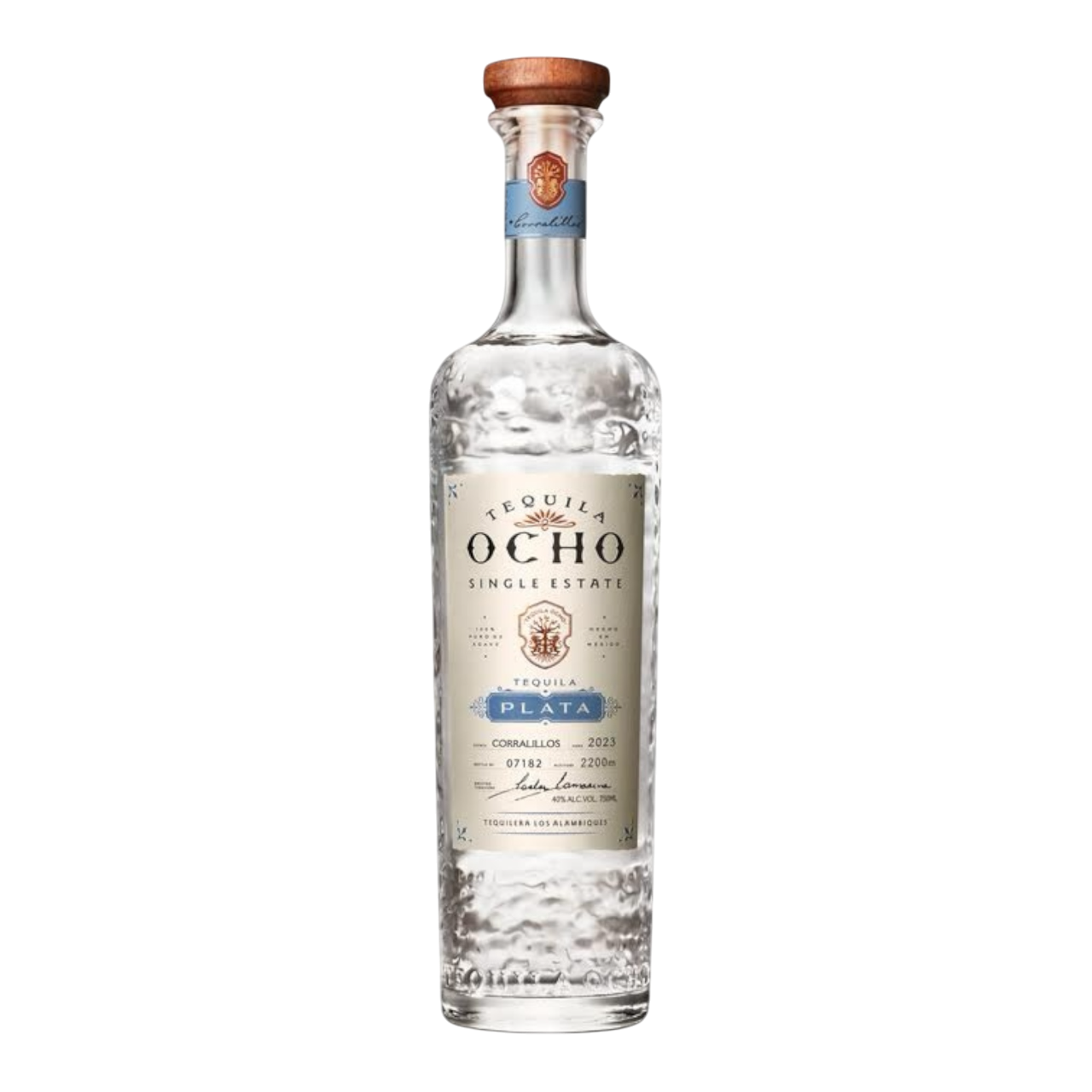
For those who appreciate the nuances of fine wine, Tequila Ocho will feel instantly familiar. This brand pioneered the concept of "terroir" in tequila, focusing on single-estate agave. This means that every batch is made with agave harvested from one specific field, at one specific time. Just like grapes, the soil, climate, and altitude of the field impart a unique character to the agave, and Ocho captures that distinctiveness in each vintage. This approach allows you to taste the subtle differences from one ranch to the next, making each bottle a snapshot of a particular place and time. Tequila Ocho invites you to explore the rich agricultural tapestry of Jalisco, one delicious estate at a time.
G4: Honoring Heritage with Innovation
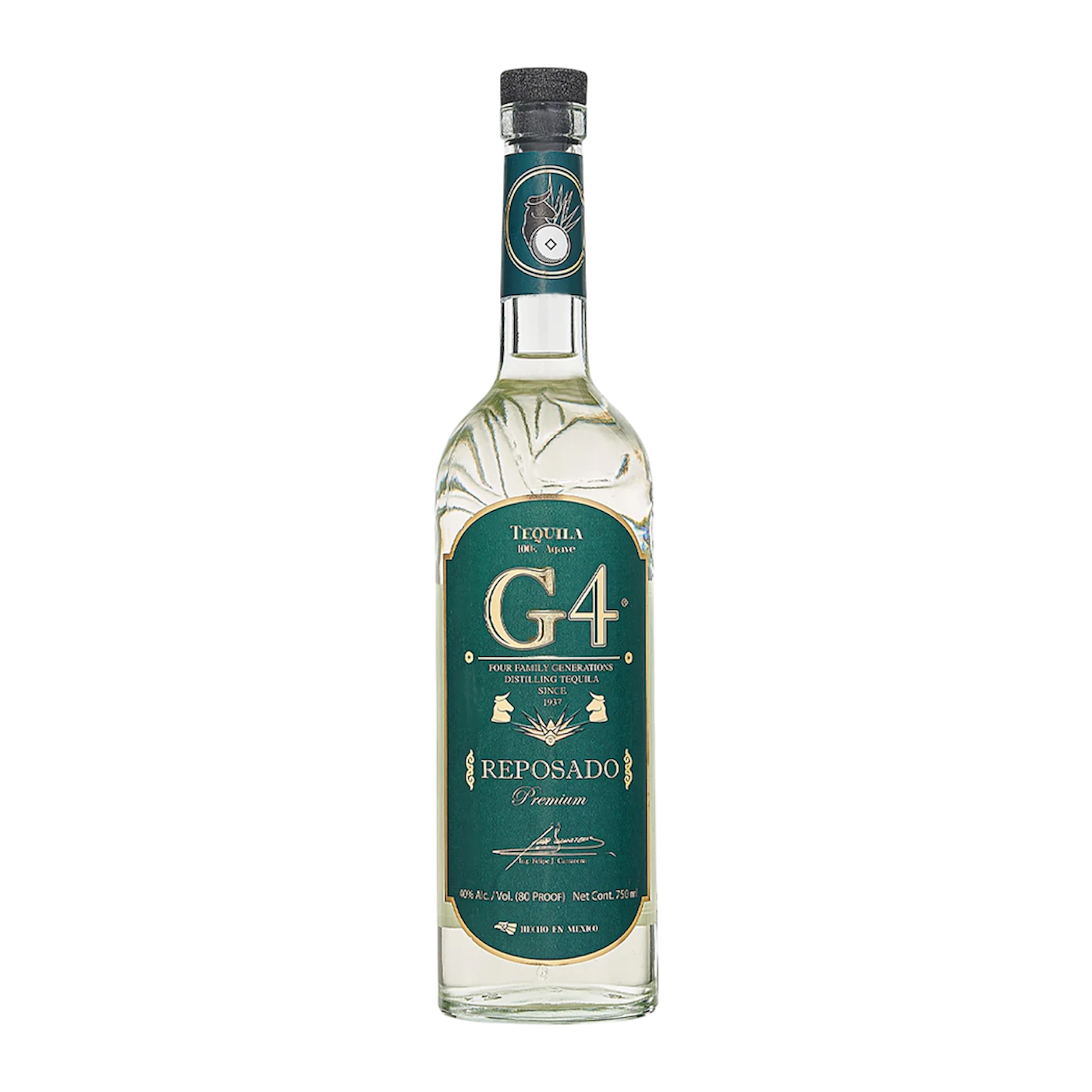
G4 is what happens when four generations of tequila-making mastery meet a passion for perfection. Crafted by the legendary Felipe Camarena, this tequila honors heritage while embracing thoughtful innovation. The "G4" stands for the four generations of his family's legacy. They use traditional stone ovens and copper pot stills, but they also incorporate modern sustainable practices, like their method of collecting rainwater for production. This blend of old and new ensures every bottle reflects the rich history of tequila making without being stuck in the past. G4 tequila is celebrated for its clean, pure profile that’s full of character—a testament to a family that respects tradition but is never afraid to improve it.
What Does Artisanal Tequila Taste Like?
One of the best parts of exploring artisanal tequila is discovering the incredible range of flavors it offers. Unlike mass-produced spirits that often taste one-dimensional, traditional tequila tells a story of its origin, from the agave fields to the barrel. The taste depends heavily on how long the tequila has been aged, if at all. This aging process, or lack thereof, creates distinct categories, each with a unique personality. Because artisanal producers don't use additives, what you taste is the pure, unadulterated spirit—a true expression of the agave, the terroir, and the distiller's craft.
Understanding these categories is the first step to finding a tequila you’ll truly love. Think of it like getting to know a new friend; each expression has its own character and quirks. From the bright, peppery notes of a young Blanco to the rich, caramel tones of a well-aged Añejo, there’s a profile for every palate and occasion. Learning the language of tequila tasting helps you appreciate the artistry in every bottle and confidently select the perfect spirit for sipping, mixing, or adding to your collection.
Blanco: Bright, Crisp, and Agave-Forward
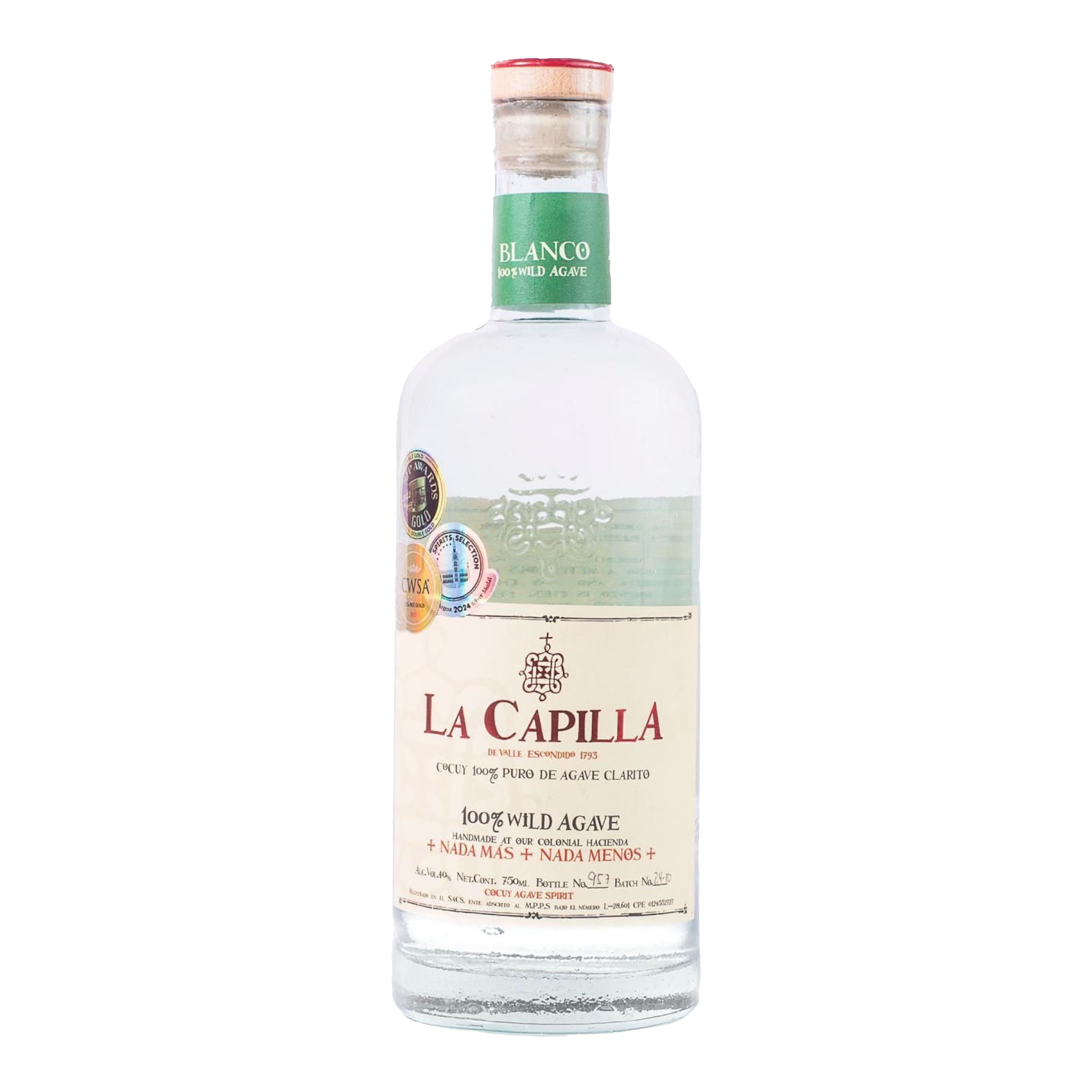
Often called silver or plata, Blanco tequila is the spirit in its purest form. It’s typically unaged or rested for less than two months, so its character comes directly from the Blue Weber agave. A great Blanco is vibrant and full of life, with a clean, crisp taste. You’ll notice strong notes of cooked agave, which can be sweet and almost vegetal, balanced by hints of citrus, black pepper, and fresh herbs. It’s the most agave-forward expression you can find, making it a fantastic way to appreciate the raw material. Many connoisseurs believe a distillery's quality can be judged by its Blanco, and it's perfect for sipping or in a premium cocktail where you want the tequila's true flavor to shine.
Reposado: Smooth, Warm, and Gently Oaked
Reposado, meaning “rested,” is where the influence of wood begins to play a role. This tequila is aged in oak barrels for anywhere from two months to a year. That time in the barrel mellows the spirit, softening the bright notes of a Blanco and adding layers of complexity and a light golden hue. The result is a smoother, warmer tequila with a beautiful balance of agave and oak. Expect to find flavors of vanilla, caramel, and toasted spices mingling with the foundational taste of roasted agave. A well-made Reposado is incredibly versatile, making it one of our best-sellers. It’s smooth enough for easy sipping yet holds its own beautifully in classic cocktails.
Añejo & Extra Añejo: Rich, Complex, and Deep
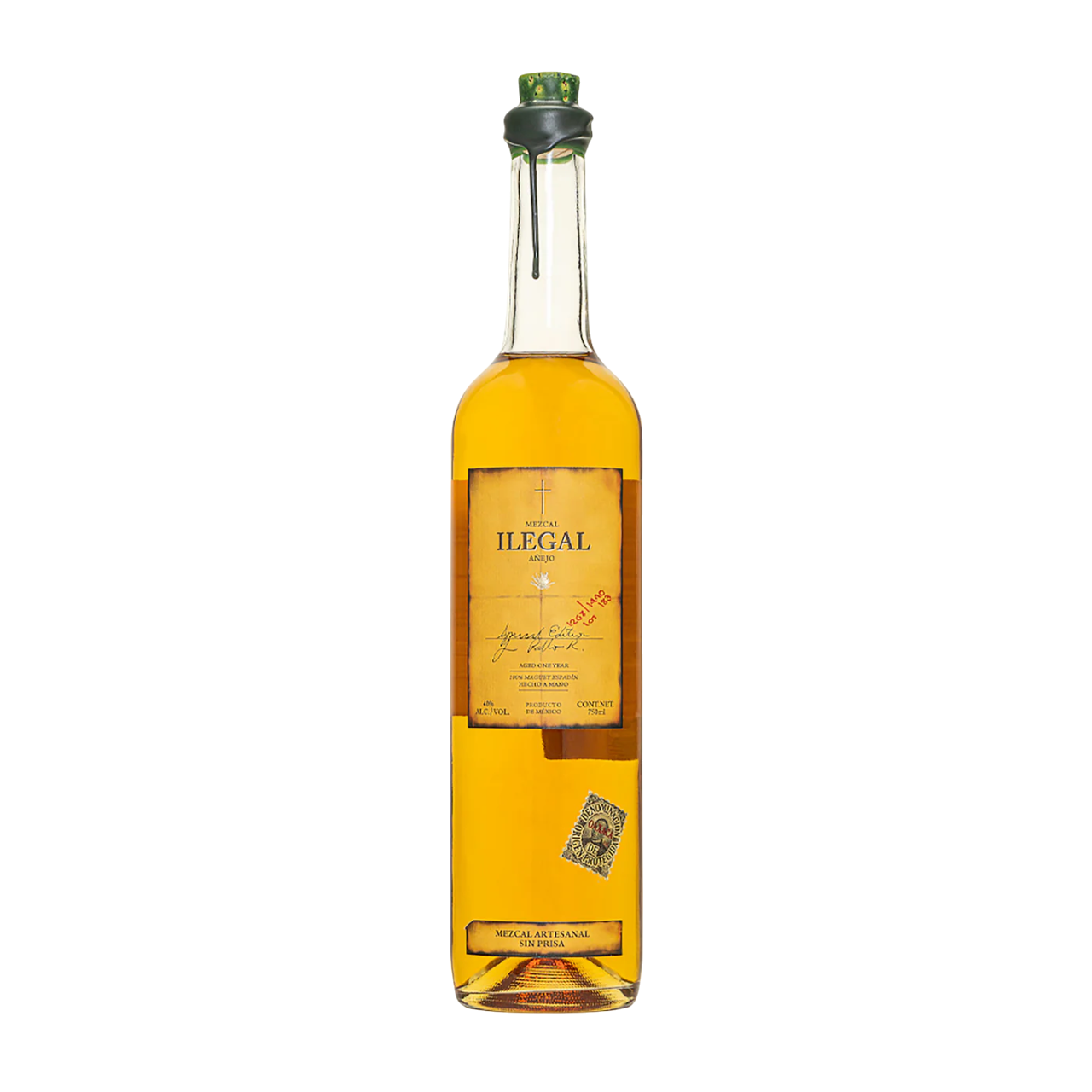
For those who appreciate a truly sophisticated sipping experience, Añejo and Extra Añejo tequilas are the pinnacle. Añejo (“aged”) rests in oak barrels for one to three years, while Extra Añejo is aged for more than three years. This extended time imparts a deep amber color and a rich, complex flavor profile that rivals fine cognacs and whiskies. The agave notes become more subtle, giving way to deep flavors of dried fruit, chocolate, toffee, leather, and rich, toasted oak. These are tequilas meant to be savored slowly, allowing their intricate aromas and flavors to unfold. You’ll often find these expressions in our Rare & Limited Collection, representing the height of the distiller’s art.
Debunking Common Tequila Myths
Tequila is a spirit rich with history and tradition, but it’s also surrounded by a surprising number of myths. From worms in bottles to its production origins, a lot of misinformation can get in the way of truly appreciating this incredible spirit. Let's clear up a few of the most common misconceptions so you can sip with confidence and share your knowledge with friends. Understanding the truth behind these stories is the first step to becoming a more informed tequila enthusiast.
The Truth About the Worm
Let’s settle this once and for all: authentic tequila never has a worm in the bottle. That little creature, actually a moth larva called a gusano, is a marketing gimmick that became popular with certain brands of mezcal decades ago. True, high-quality tequila is made from one thing: 100% Blue Weber Agave. There’s no need for any additions to prove its authenticity. So, if you see a worm, you’re likely looking at a lower-quality mezcal, not the artisanal tequila we know and love. It’s a fun bit of trivia, but it has nothing to do with the craft of making great tequila.
Does Good Tequila Prevent Hangovers?
We’ve all heard someone claim that drinking 100% agave tequila is the secret to a hangover-free morning. While there’s a kernel of truth here, it’s not quite that simple. High-quality tequilas made without additives or extra sugars are certainly cleaner and less likely to leave you with a headache compared to "mixto" tequilas. However, alcohol is still alcohol. The main factors contributing to a hangover are dehydration and the amount you consume. Mixing any spirit with sugary ingredients can also make things worse. The best advice? Stick to sipping a well-made, additive-free tequila and always remember to drink plenty of water.
Why Real Tequila Only Comes from Mexico
Just as true Champagne can only come from the Champagne region of France, real tequila can only be produced in very specific parts of Mexico. This is protected by a Denomination of Origin (DO), a geographical indication that ensures authenticity and quality. The vast majority of tequila production happens in the state of Jalisco, with a few designated municipalities in four other states also permitted to produce it. This regulation guarantees that every bottle of authentic tequila is a product of Mexico’s unique terroir, climate, and centuries-old tradition. It’s a standard we take seriously, which is why we partner directly with distilleries that honor this heritage.
How to Compare Artisanal Tequilas
With so many incredible artisanal tequilas on the market, telling them apart can feel like a delicious challenge. But once you know what to look for, you can start to pinpoint the unique characteristics that make each bottle special. It’s not just about picking a pretty label; it’s about understanding the story and craftsmanship inside. By focusing on a few key details, you can confidently choose a tequila that perfectly suits your taste and adds something truly exceptional to your collection.
Read the Tasting Notes
Think of tasting notes as a preview of the experience waiting for you in the bottle. Artisanal tequilas offer a world of flavor far beyond a simple agave taste. You’ll find nuanced profiles with notes of citrus, warm spices, vanilla, and earthy undertones that come from the specific terroir and production process. Reading the description helps you understand what to expect and whether a tequila’s profile aligns with your preferences. Are you in the mood for something bright and peppery or something rich and smooth? The tasting notes will guide you to the right choice in our tequila collection and help you appreciate the spirit’s complexity with every sip.
Understand What You're Paying For
When you see a higher price tag on an artisanal tequila, you’re not just paying for the name—you’re investing in quality and tradition. The cost reflects the time-intensive labor, the use of fully mature Blue Weber agave, and the commitment to traditional methods like slow-roasting in brick ovens. For example, an Añejo costs more than a Blanco from the same distillery because of the time and resources spent aging it in barrels. This patient process develops deep, complex flavors that simply can’t be rushed. Exploring a rare and limited collection shows how craftsmanship, age, and scarcity all contribute to a bottle's value.
Look Up the NOM Number
On the back of every legitimate bottle of tequila, you’ll find a four-digit NOM number, which stands for Norma Oficial Mexicana. This number identifies the specific distillery where the tequila was produced, guaranteeing its authenticity and adherence to strict quality standards. It’s one of the most powerful tools a tequila enthusiast has. By looking up the NOM, you can learn more about the distillery’s production practices and reputation. It also tells you which other brands are made there, giving you a better sense of the house style. This small number is a direct link to the spirit’s origin, reinforcing the commitment to authenticity that defines true artisanal tequila.
What to Look For When Buying Artisanal Tequila
When you’re ready to add a new bottle to your collection, a little knowledge goes a long way. Beyond the beautiful label, a few key details can tell you everything you need to know about the quality of the spirit inside. Understanding what to look for helps you choose a tequila that truly reflects the craft and care of its makers. It’s about learning to spot the signs of a well-made, authentic spirit that delivers on its promise of complexity and character.
From the type of agave used to the production methods at the distillery, these clues separate the truly exceptional from the merely average. Think of it as learning the language of tequila. Once you know what to look for, you can confidently select bottles that will not only impress your guests but also deepen your own appreciation for this incredible spirit. Let’s walk through the three main things to check before you buy.
How to Read the Label
The first and most important thing to look for on any bottle is the phrase "100% de Agave" or "100% Blue Agave." This is your guarantee that the spirit is made exclusively from the sugars of the blue weber agave plant, with no other sugars or fillers added. Tequilas that don't have this label are called "mixto" tequilas, and they can legally contain up to 49% other sugars. This distinction is critical for both taste and quality. A pure 100% agave tequila offers a much cleaner, more authentic flavor profile that truly expresses the character of the agave. It’s the non-negotiable starting point for any quality bottle.
Check for Sustainable Practices
As the demand for tequila grows, so does the importance of sustainable and ethical production. Brands that prioritize the health of the land and their communities often bring that same level of care to the tequila they produce. Look for information about a brand's environmental practices on their website or label. For example, some distilleries are committed to being carbon neutral or have earned a B Corp certification, which signals a high standard of social and environmental performance. Choosing a brand that invests in sustainability means you’re supporting the long-term future of agave and getting a product made with integrity from the ground up.
Learn About the Distillery
Getting to know the distillery behind the tequila can tell you a lot about its flavor. Every distillery in Mexico has a unique Norma Oficial Mexicana (NOM) number printed on the bottle, which you can look up to find out where it was made and what other brands are produced there. More importantly, look for clues about their production methods. For instance, some of the most respected producers still use the traditional Tahona method, where a giant stone wheel is used to crush the cooked agave. This labor-intensive process creates a richer and softer tequila with a distinct character you won't find in mass-produced spirits. These are often the bottles you'll find in our rare & limited collection.
Where to Buy Authentic Artisanal Tequila
Once you know what to look for, the hunt for authentic artisanal tequila becomes part of the fun. Finding a bottle that truly speaks to the craft can feel like discovering a hidden gem. The key is knowing where to look, whether you're browsing online from your couch or walking the aisles of your local shop. Both avenues can lead you to incredible spirits, as long as you approach them with a little know-how. Your growing collection of exceptional, traditionally made tequila is just a few smart shopping decisions away.
Find Curated Selections Online
Shopping online is often the best way to access a wide world of artisanal tequila that you might not find locally. The best online retailers go beyond just selling bottles; they share the stories behind the distilleries and offer detailed notes on production methods. This is where you can find a truly curated tequila collection that champions small-batch producers. At Sip Tequila, we partner directly with distilleries to bring you spirits that honor tradition. You can explore everything from crisp Blancos to complex Añejos, and even discover some rare and limited bottles you won’t see anywhere else. It’s the easiest way to connect with authentic spirits and have them delivered right to your door.
Shop Smart at Your Local Store
If you prefer to shop in person, your best bet is to find a specialty liquor store with a knowledgeable staff. While a big-box store might have a few well-known brands, a dedicated shop is more likely to carry unique, artisanal options. Use what you’ve learned about reading labels and looking up NOM numbers to guide your search. Don’t be afraid to ask questions! A passionate spirits buyer can point you toward additive-free tequilas and share details about how they were made. This is your chance to put your knowledge to the test and find a new favorite to take home that day.
What's Next for Artisanal Tequila?
The world of artisanal tequila is constantly evolving, driven by a community of drinkers who appreciate quality and craftsmanship. As more people discover the depth and complexity of these spirits, two major trends are shaping the future: a move away from shots toward thoughtful sipping and a stronger focus on sustainable and ethical production. This isn't just about what's in the bottle; it's about how it got there and how we enjoy it. These shifts point to a future where tequila is celebrated not just for its taste, but for its story and its impact.
The Shift Toward Sipping
Tequila is finally shaking off its reputation as just a party shot. More and more, drinkers are treating it with the same respect as a fine whiskey or cognac, choosing to sip and savor it. This isn't just a feeling; the market reflects it. North America is leading a global shift toward premium and artisanal tequilas, as people seek out more complex and nuanced spirits. This growing appreciation means that the rich, agave-forward flavors of a well-made Blanco or the deep, oaky notes of an Añejo are getting the attention they deserve. It’s a movement that celebrates the craft behind every bottle in our tequila collection.
A Deeper Commitment to Sustainability
As the appreciation for artisanal tequila grows, so does the demand for transparency and responsibility. Today’s discerning drinkers want to know that their favorite spirit is made with integrity. This has led to a deeper commitment to sustainability across the industry, from protecting the biodiversity of agave fields to using renewable energy at distilleries and ensuring fair wages for jimadores. The growing interest in ultra-premium handcrafted variants is directly tied to this movement. When you choose an artisanal tequila, you’re often supporting a brand that prioritizes the health of the land and its community for generations to come.
How to Build Your Artisanal Tequila Collection
Starting a tequila collection isn't about buying the most expensive bottles you can find. It's a journey of discovery and a way to connect with the stories and traditions behind each spirit. The goal is to curate a selection that reflects your personal taste and appreciation for true craftsmanship. Think of it as building a library of flavors, where each bottle offers a different perspective on the art of tequila making. Whether you're just beginning or looking to add depth to an existing lineup, the key is to start with quality, understand what you're drinking, and most importantly, enjoy the process. A great collection is one that gets opened and shared.
Where to Start: The Essential Bottles
Every great collection needs a solid foundation. For artisanal tequila, that means starting with bottles that exemplify traditional production methods. Look for tequilas made with 100% Blue Weber agave that’s been slow-cooked and crushed with a Tahona wheel. This process creates the complex, agave-forward flavors that define the category. Brands like Fortaleza, G4, and Tequila Ocho are fantastic starting points, as they are celebrated for their commitment to heritage. Another excellent choice is Mijenta Tequila, an award-winning spirit from the Jalisco highlands that not only tastes incredible but also champions Mexican culture and sustainability. These bottles aren't just drinks; they're benchmarks for quality.
How to Store and Serve It Right
Once you have a great bottle, you want to make sure you’re enjoying it properly. Storing artisanal tequila is simple: keep it upright in a cool, dark place away from direct sunlight to preserve its delicate flavors. When it comes to serving, the best way to appreciate the spirit’s complexity is to drink it neat. Pour a small amount into a proper tasting glass (like a Riedel or Glencairn) and let it sit for a moment. This allows you to experience the full spectrum of aromas—from roasted agave and citrus to warm, earthy undertones. A well-made Añejo tequila, for example, reveals layers of flavor that are lost when it's chilled or mixed. Sipping it slowly is the best way to honor the craft that went into making it.
Related Articles
- 12 Best Premium Tequila Brands to Sip in 2026
- How Premium Tequila Is Made | Sip Tequila
- 16 High Quality Tequila Brands for Any Budget
Frequently Asked Questions
Is aged tequila always better than unaged? Not at all! It really comes down to personal preference and what you're in the mood for. While aged tequilas like Añejos offer rich, complex notes of oak and caramel, a well-made Blanco is the purest expression of the agave itself. Many connoisseurs believe a distillery's true skill is best judged by its Blanco because there's nothing for imperfections to hide behind. Think of it as the difference between a crisp, unoaked Chardonnay and a rich, buttery, oaked one—neither is better, they just offer different experiences.
What does "additive-free" really mean for the tequila I'm drinking? An additive-free promise means the distiller is confident that the tequila's flavor, aroma, and color come entirely from the raw ingredients and the production process—agave, water, yeast, and wood. Mass-produced brands often use additives like glycerin for a smoother mouthfeel or caramel coloring for a consistent appearance. When you choose an additive-free tequila, you're tasting the authentic result of careful farming and traditional distillation, which often results in a cleaner, more vibrant, and more complex spirit.
You mentioned the NOM number. How can I use it to find good tequila? The NOM number is your best tool for becoming a smarter tequila shopper. You can use websites like Tequila Matchmaker to look up the four-digit number on any bottle. This will tell you which distillery made it, what other brands are produced there, and even details about their production methods, like whether they use a traditional tahona. If you find a tequila you love, you can look up its NOM to discover other tequilas from that same distillery, which will likely share a similar quality and style.
What's the main difference between artisanal tequila and mezcal? While both are agave spirits from Mexico, the key differences are in the type of agave used and how it's cooked. Tequila must be made from at least 51% Blue Weber agave, while artisanal tequila is always 100%. Mezcal can be made from over 30 different types of agave. The biggest flavor distinction comes from the cooking process. Tequila producers typically steam their agave in ovens, while mezcal producers often roast theirs in earthen pits with wood and charcoal, which gives mezcal its signature smoky flavor.
I'm new to sipping tequila. What's the best way to taste it to notice all these flavors? The best way to start is by pouring a small amount into a proper glass, like a Glencairn or a wine glass, rather than a shot glass. Let it sit for a minute to open up. First, gently swirl the glass and take in the aroma. Then, take a very small first sip and let it coat your mouth before swallowing. This acclimates your palate. On your second, slightly larger sip, you'll be able to pick up on the nuanced flavors of cooked agave, citrus, pepper, or vanilla that the blog post describes.