



The best blanco tequila for sipping does not need oak, sweetness, or a theatrical bottle to command attention. It earns its place in the glass through vivid cooked agave, a precise balance of pepper and fruit, an expressive texture, and a finish that reveals rather than conceals how it was made. For enthusiasts, a serious blanco is not merely the unaged member of a tequila portfolio. It is the clearest view of the raw material and the distiller's decisions.
Explore Sip Tequila's curated blanco and plata collection.
The best sipping blancos lead with cooked agave, show a coherent sense of place, and remain balanced at their bottling proof. Look for transparent production, a textured mid-palate, and a clean, persistent finish. The ideal bottle may be floral, mineral, peppery, or high-proof, but it should always taste unmistakably of agave.
What makes the best blanco tequila for sipping?
Because blanco tequila generally spends little or no time in oak, it offers fewer places for indifferent raw material or imprecise distillation to hide. There is no barrel-derived vanilla to soften an angular spirit and no caramel note to distract from under-ripe agave. A compelling blanco therefore depends on coherence: aroma, palate, proof, texture, and finish should feel like different expressions of the same agave-centered idea.
Quality does not mean an absence of intensity. A blanco can be assertively peppery, savory, or alcoholic and still be beautifully balanced. The relevant question is whether each element contributes to the experience. Alcohol should carry aroma and structure, not dominate the glass. Earthiness should add depth, not read as muddiness. Sweetness should recall cooked agave, not syrup.
Agave character comes first
Blue Weber agave develops flavor over years in the field. Once mature, its cooked heart can suggest roasted squash, honey, citrus pith, anise, green herbs, or damp earth. The finest sipping blancos preserve enough of that complexity to evolve as they rest in the glass. Their sweetness feels integrated with vegetal and mineral notes rather than isolated as a confectionary impression.
This is also why many enthusiasts seek tequila made without additives. Additive-free status alone does not guarantee excellence, but it gives the drinker a more direct opportunity to assess the agave, fermentation, distillation, and water. For a category prized for transparency, that directness matters.
Balance matters more than softness
"Smooth" is an incomplete way to judge a sipping blanco. Excessive softness can mute the very details that make the category compelling. A more useful standard is balance. Notice whether sweetness is countered by pepper, acidity, saline minerality, or herbal bitterness. Then consider whether the alcohol supports those flavors and whether the texture remains composed from entry through finish.
A blanco with a bright, energetic attack may be more rewarding than one that simply disappears. The best examples create tension without becoming harsh: citrus against roasted agave, floral aromatics against black pepper, or a silky entry against a dry mineral close.
A concise best-of list for different palates
There is no single flavor profile that defines the best blanco tequila for sipping. The more useful approach is to match a well-made expression to the drinker's preferred style. Use these categories as a starting point rather than a rigid ranking.
- Best for agave purists: a traditionally produced, additive-free blanco with roasted agave at the center.
- Best for mineral complexity: a savory expression with saline, stone, and earthy notes.
- Best for aromatic lift: a floral, citrus-forward blanco with a clean, precise finish.
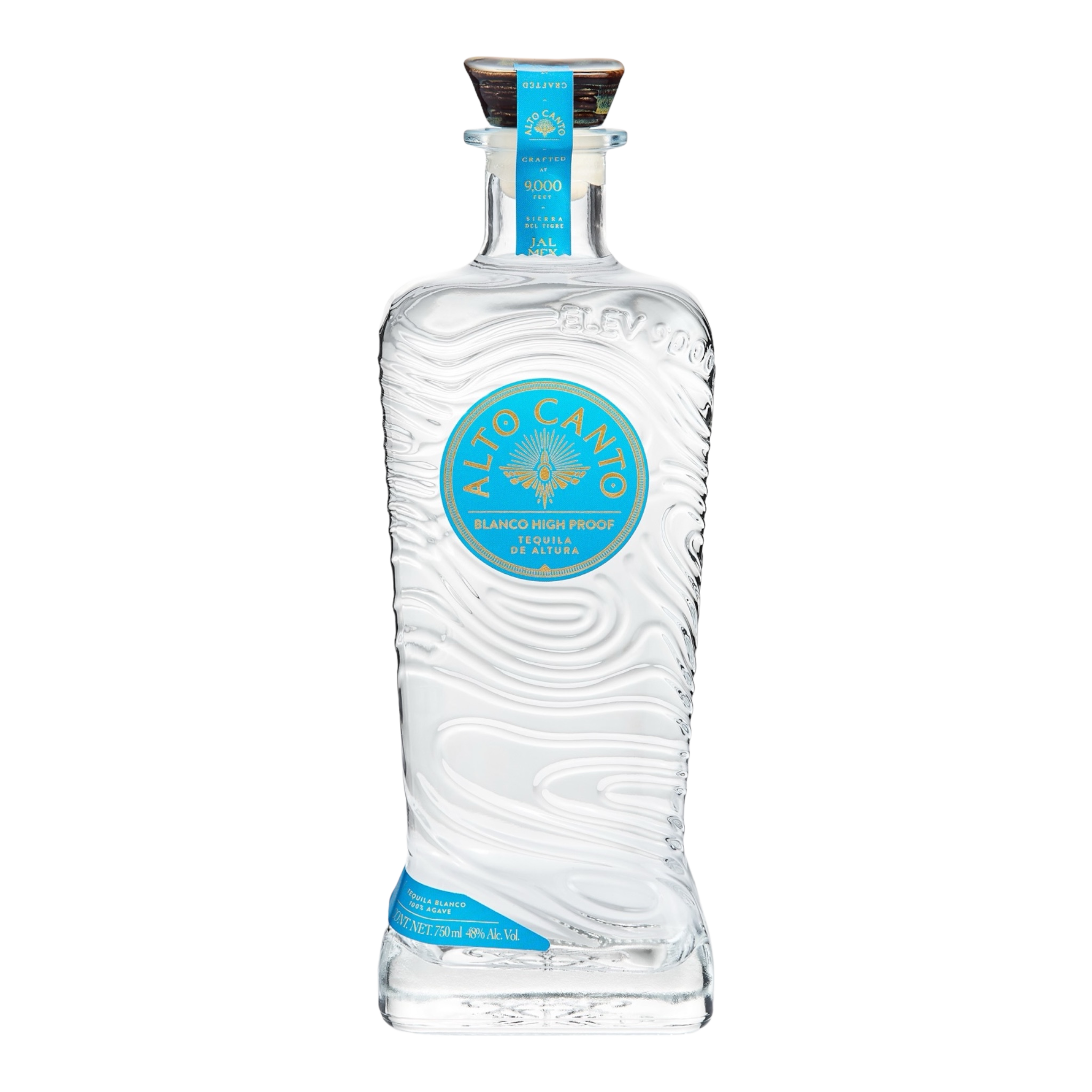
- Best for intensity: a high-proof or still-strength bottle with concentrated agave and spice.
- Best for broad appeal: a balanced 40 percent ABV blanco with generous texture and restrained heat.
For a benchmark bottle with substantial agave presence and a layered finish, consider Don Fulano Blanco. It is the kind of expression that rewards attention without demanding that the drinker chase proof for its own sake.
How terroir shapes blanco tequila
Terroir in tequila is not a simple formula, and regional shorthand should never replace tasting. Agave maturity, farming decisions, cooking, fermentation, distillation, and water can amplify or blur the influence of place. Still, geography offers a useful framework for understanding why two blancos made from the same species can present very differently.
Agave associated with the Highlands of Jalisco is often described as yielding brighter fruit, floral aromatics, and a rounded sweetness. Valley expressions are frequently characterized as earthier, more herbal, and more pepper-driven. These are tendencies, not rules. A thoughtful buyer treats them as clues while looking for production detail and tasting notes that support the intended style.
Soil, elevation, and maturity
Elevation affects temperature, growing conditions, and the pace at which agave develops. Soil composition influences drainage and plant stress. Most importantly, a mature agave contains the developed sugars and flavor precursors needed for depth. Harvesting decisions can therefore matter as much as the regional name on a product page.
When tasting, ask whether the spirit expresses more than generic sweetness and pepper. Does it suggest ripe citrus, green olive, wet stone, fennel, roasted root vegetables, or fresh herbs? Specificity is one of the pleasures of blanco tequila. A bottle that becomes more detailed over several minutes is usually more interesting than one that makes a single loud first impression.
Water adds another geographic and technical variable. It may enter during fermentation and again when a distiller reduces the spirit to bottling proof. Its mineral composition can influence fermentation behavior, texture, and the perception of dryness. Yet mineral flavor should not be attributed to water alone. Agave source, fermentation, still design, and proof all interact, so claims about a single cause deserve healthy skepticism.
Vintage variation is relevant as well. Agave is an agricultural crop, not a standardized neutral input. Rainfall, temperature, field age, and harvest timing can change the raw material available to a distillery. Producers committed to a consistent house style must respond through blending and distillation decisions, while more expressive bottlings may allow subtle differences to remain visible. For enthusiasts, that agricultural variability is part of blanco tequila's appeal.
Production methods that change the glass
Production terminology is valuable when it helps predict flavor, but no single method should be treated as an automatic seal of quality. Brick ovens, tahona crushing, open fermentation, copper pot distillation, and deep-well water can all contribute character. Their success depends on how intelligently they are used together.
The cooking stage converts agave carbohydrates into fermentable sugars and develops aromatic depth. Slow oven cooking is often associated with rounded roasted notes, while more aggressive industrial extraction can produce a leaner profile. Extraction then determines how juice and fiber move into fermentation. Roller mills tend to provide control and consistency; tahona crushing may contribute a distinctive texture or savory quality, especially when fermentation includes agave fiber.
Fermentation creates aromatic complexity
Fermentation is where a significant portion of tequila's aroma is formed. Yeast selection, vessel material, temperature, duration, and the presence or absence of agave fiber all affect the resulting compounds. Longer or more ambient fermentations may yield expressive fruit, lactic, herbal, or earthy notes, but they also require careful management. Cleaner, controlled fermentations can be elegant rather than neutral when the producer preserves the agave's identity.
Distillation then concentrates and edits that fermented character. Copper can help remove unwanted sulfur compounds, while still shape, proof, and the distiller's cuts influence weight and precision. Generous cuts may retain more rustic complexity; narrow cuts can emphasize polish. Neither philosophy is inherently superior. The best result is one in which the chosen style remains articulate.
Shop Sip Tequila's best-selling bottles selected for discerning drinkers.
Comparing styles at a glance
The following table focuses on sensory and buying distinctions rather than treating one style as universally better. Proof and production choices can shift any bottle outside these broad patterns.
| Style | Typical character | What to assess | Best suited to |
|---|---|---|---|
| Classic 40 percent ABV | Balanced agave, citrus, and pepper. | Integration and finish length. | Versatile neat sipping. |
| High-proof blanco | Concentrated aroma, texture, and spice. | Alcohol balance and dilution response. | Experienced palates. |
| Floral or fruit-forward | Blossom, ripe citrus, and light herbs. | Aromatic clarity and freshness. | Elegant, lifted profiles. |
| Mineral or savory | Stone, saline, olive, and earth. | Depth without muddiness. | Complex, contemplative sipping. |
| Rustic traditional | Roasted agave, fiber, pepper, and herbs. | Character without roughness. | Production-focused enthusiasts. |
Is high-proof blanco better for sipping?
High proof can reveal exceptional concentration, but it is not a synonym for quality. Less dilution before bottling often preserves aromatic intensity, viscosity, and a long finish. It can also expose flaws. An imprecise distillate at higher proof may feel hot, disjointed, or bitter, while an excellent one can remain remarkably composed.
Evaluate high-proof tequila in stages. Nose it patiently, take a very small first sip, and allow your palate to adjust. Then add a few drops of room-temperature water. A well-structured spirit often opens into additional fruit, herbs, or minerality rather than collapsing into heat. This makes proof an interactive part of the tasting experience.
For drinkers interested in a more concentrated profile, explore the character of 771 Blanco Tequila. For a contrasting expression, discover Tepozan Blanco Tequila and consider how aroma, texture, and finish differ.
How to evaluate texture and finish
Aroma may create the first impression, but texture and finish often distinguish a memorable sipping blanco from a merely pleasant one. Texture can range from lean and crystalline to rounded, oily, or creamy. No texture is automatically ideal. What matters is whether it suits the flavor profile and carries it cleanly across the palate.
Pay attention to the transition from entry to mid-palate. Does the spirit broaden into cooked agave and spice, or does it become thin after an aromatic opening? Does alcohol emerge suddenly, or remain woven into the structure? A quality blanco maintains definition even as its flavors expand.
The finish should be judged for both length and character. Persistence alone is not enough if the remaining impression is only heat or sweetness. Look for a clean evolution: perhaps roasted agave gives way to white pepper, citrus oil, herbs, or mineral dryness. The most compelling finishes invite another measured sip because they leave an unresolved detail worth revisiting.
How to select a bottle for your palate
Begin with flavors you already value in other spirits, wine, coffee, or food. Drinkers who favor aromatic white wine may appreciate floral and citrus-led blancos. Fans of mezcal, savory gin, or mineral wine may prefer earthy, herbal, or saline expressions. Those drawn to cask-strength whiskey may enjoy the density and evolving heat of a high-proof blanco.
Next, read beyond generic descriptors. Words such as "smooth" and "premium" say little about the actual drinking experience. More useful product notes identify agave source, cooking and extraction methods, fermentation approach, still type, bottling proof, and specific sensory details. Browse a focused selection of blanco and plata tequila and compare these details before choosing.
Finally, decide whether you want a reference point or a distinctive outlier. A balanced, classic blanco is useful for calibrating the palate and sharing with guests. A mineral, rustic, or high-proof expression can offer a more singular experience. A thoughtful home bar benefits from both.
Price can indicate scarcity, small-scale production, packaging, or distribution costs, but it does not reliably predict how much pleasure a bottle will provide. Compare bottles within a realistic budget and prioritize information that speaks to the liquid. A clearly described, well-balanced blanco is often a more intelligent purchase than an expensive bottle whose principal distinction is presentation.
How to sip blanco tequila with attention
Use a small tulip-shaped spirits glass rather than a shot glass. The narrower opening concentrates aroma while leaving enough room for air. Serve the tequila near room temperature; excessive chilling suppresses both aroma and texture. Pour a modest measure and let it rest briefly before nosing from a slight distance.
Take a small first sip to prepare the palate. On the next sip, observe the sequence rather than searching for a checklist of flavors. Note the opening aroma, the shape of the mid-palate, the role of alcohol, and the finish. Revisiting the glass after several minutes often reveals more than rapid side-by-side tasting.
- Pour a modest measure into a tulip-shaped glass.
- Let the blanco rest briefly, then nose from a slight distance.
- Take a small first sip to prepare your palate.
- On the next sip, assess agave character, texture, balance, and finish.
- Add a few drops of room-temperature water when evaluating high-proof tequila.
For a practical foundation, read Sip Tequila's guide to sipping tequila with intention. Water and neutral crackers can reset the palate between bottles, but avoid strongly flavored accompaniments until after the evaluation. The goal is not ceremony for its own sake. It is to give a carefully made spirit enough attention to show its structure.
Frequently asked questions
What is the best blanco tequila for sipping?
The best choice is an agave-forward blanco with balanced proof, transparent production, purposeful texture, and a clean finish. The ideal profile depends on whether you prefer floral, mineral, peppery, or high-proof styles.
Should blanco tequila be chilled before sipping?
Serve blanco tequila near room temperature or only slightly cool. Heavy chilling suppresses aroma and texture, making a complex spirit harder to evaluate.
Is additive-free tequila always better?
Additive-free production does not guarantee quality, but it allows the character of agave, fermentation, distillation, and water to remain more transparent in the glass.
What glass is best for sipping blanco tequila?
A small tulip-shaped spirits glass is ideal because it concentrates aroma and supports measured sipping. A wine glass with a modest bowl also works well.
How can I soften a high-proof blanco?
Let the pour rest, take small sips, and add a few drops of room-temperature water. A measured dilution can reveal additional fruit, herbs, and mineral notes.
The best blanco tequila for sipping is ultimately the bottle that rewards attention from the first aroma through the final trace of agave and spice. Choose for production transparency and sensory balance, then let your own palate decide which expression deserves a permanent place on the shelf.
Find your next sipping blanco in Sip Tequila's expertly curated collection.