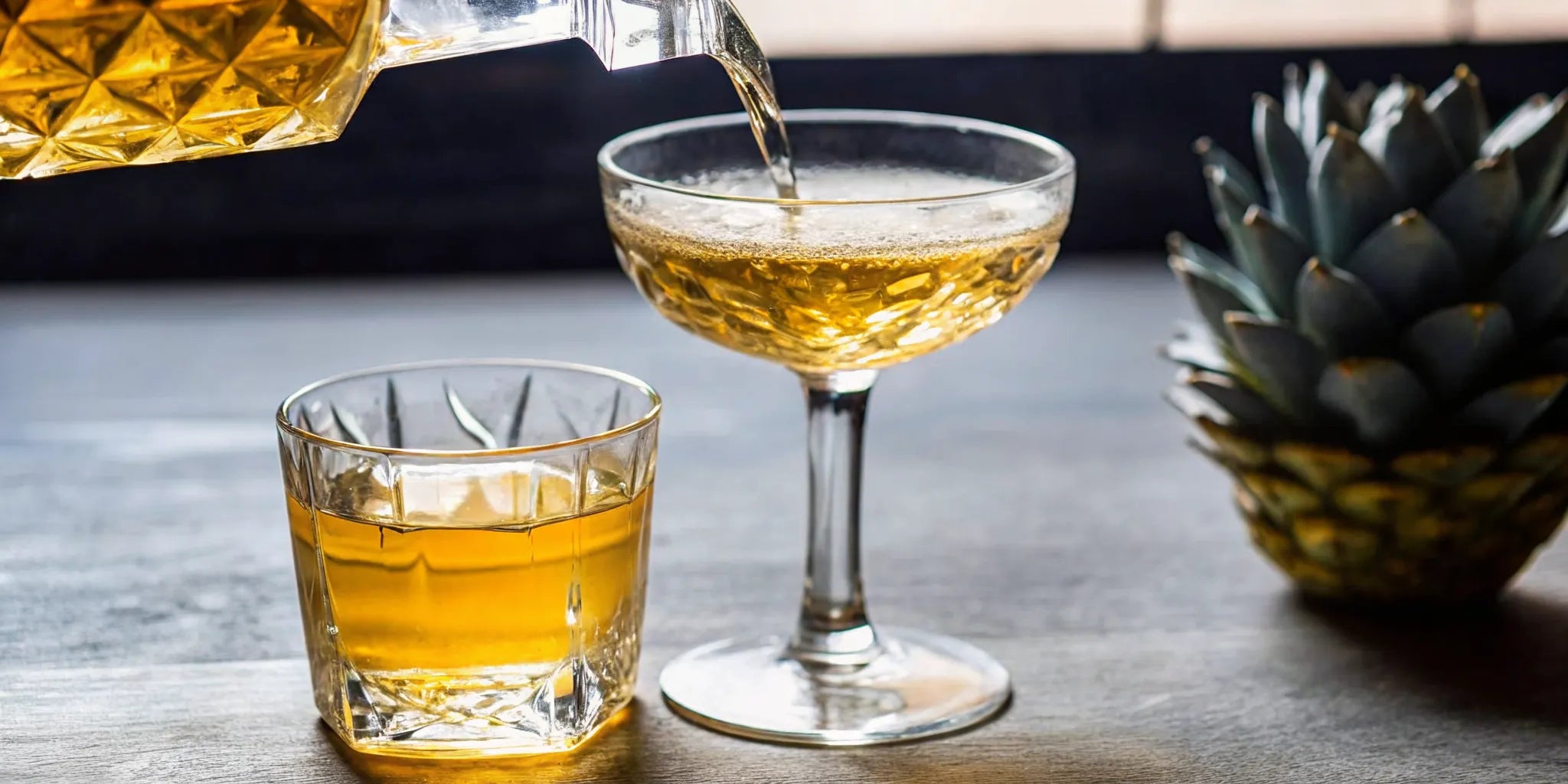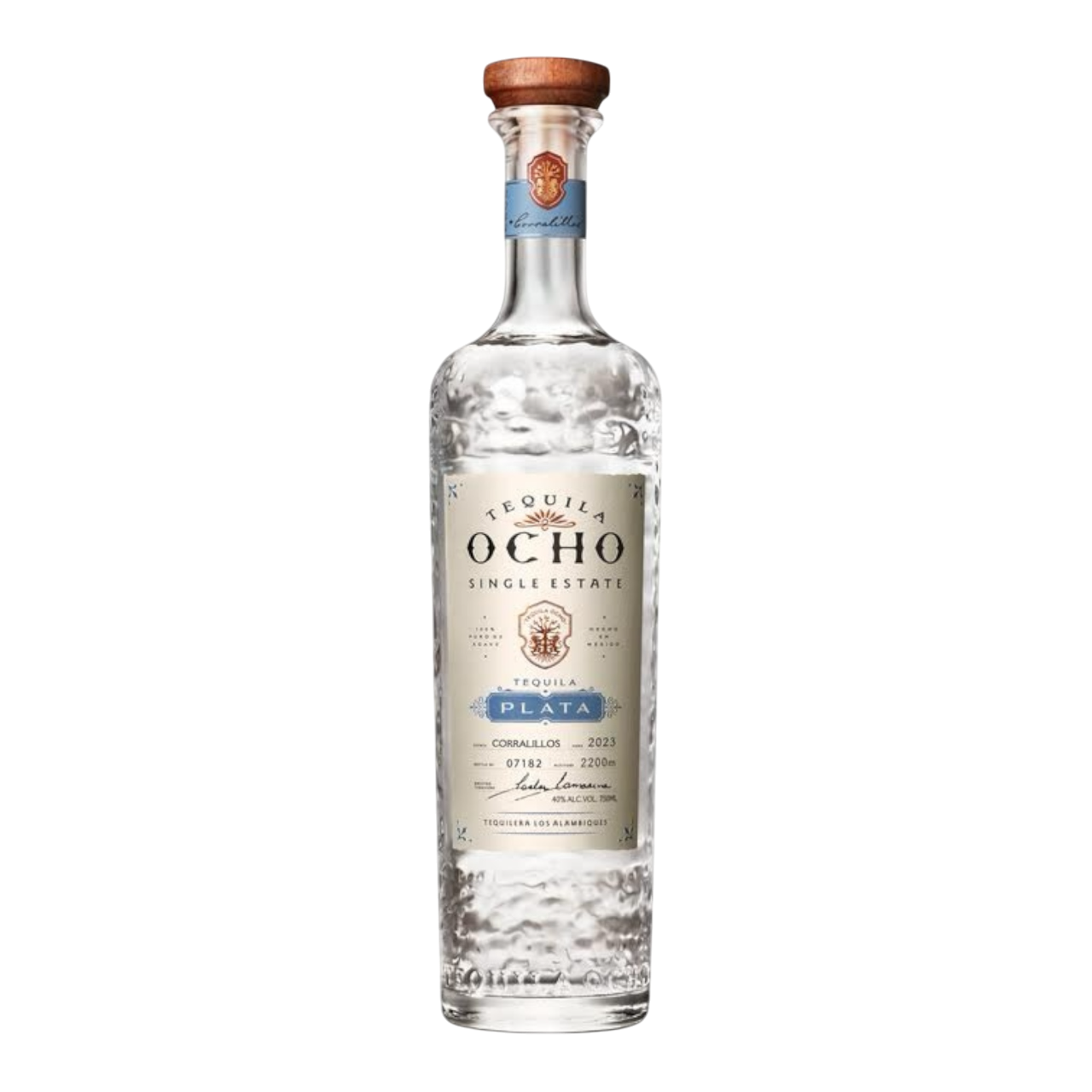
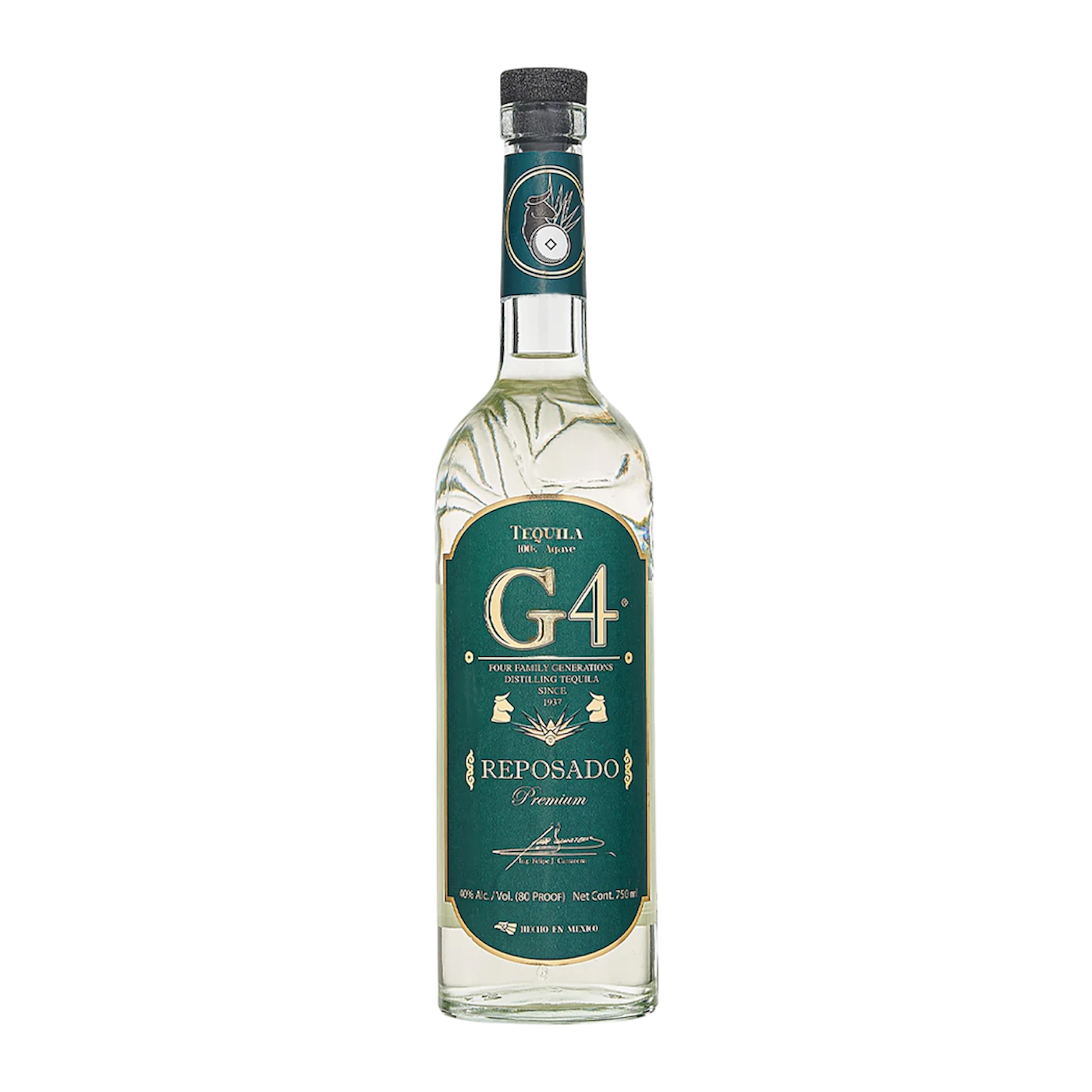
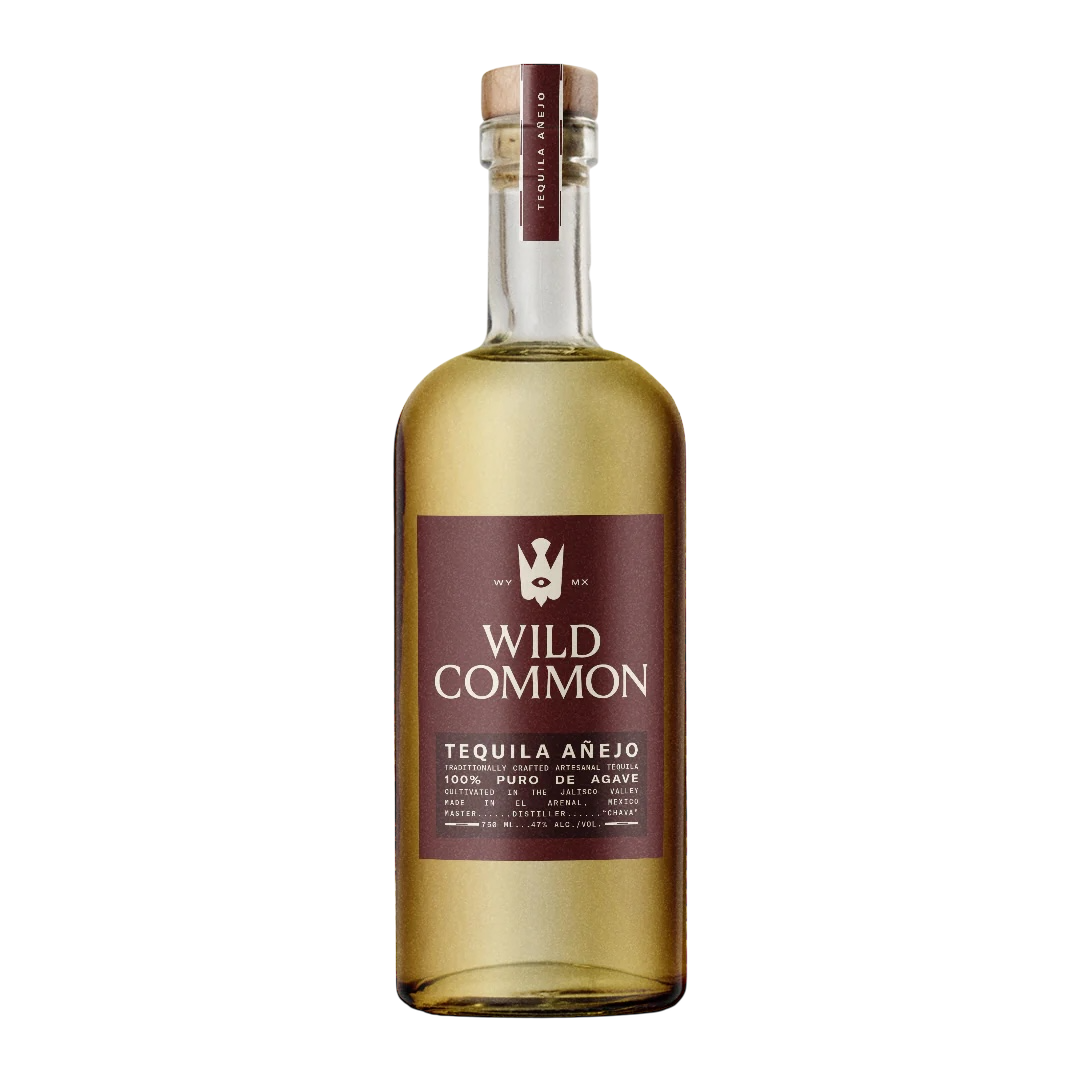
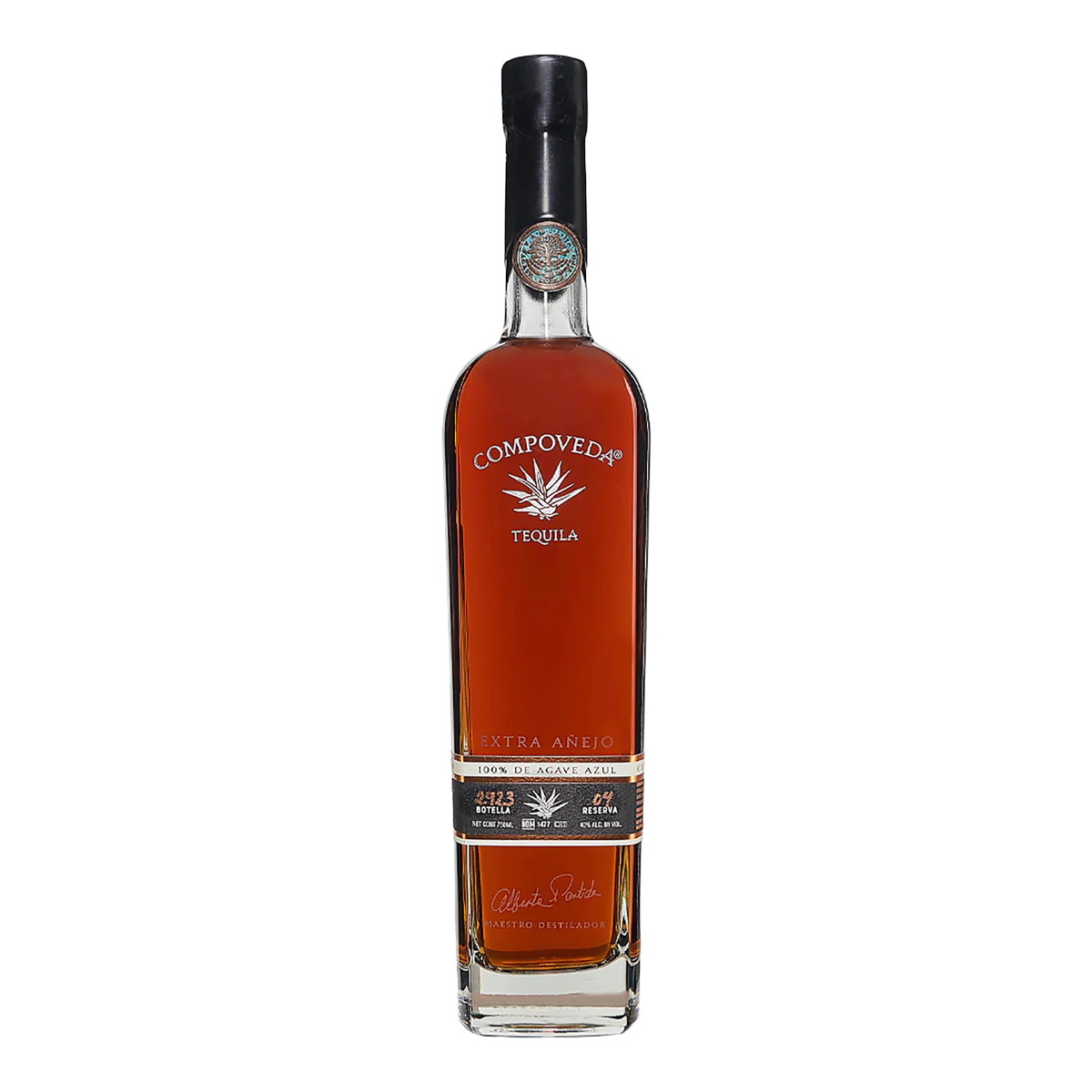
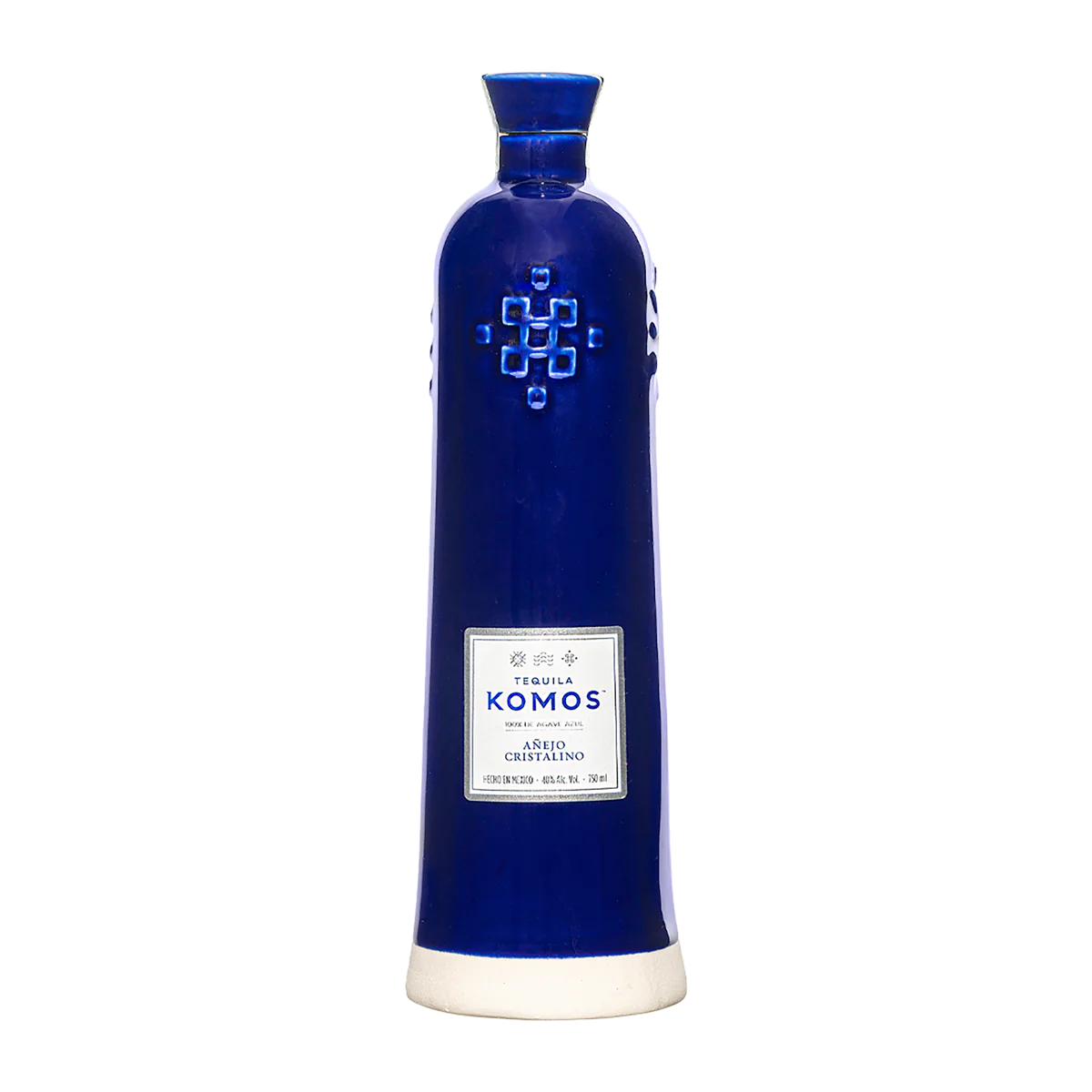
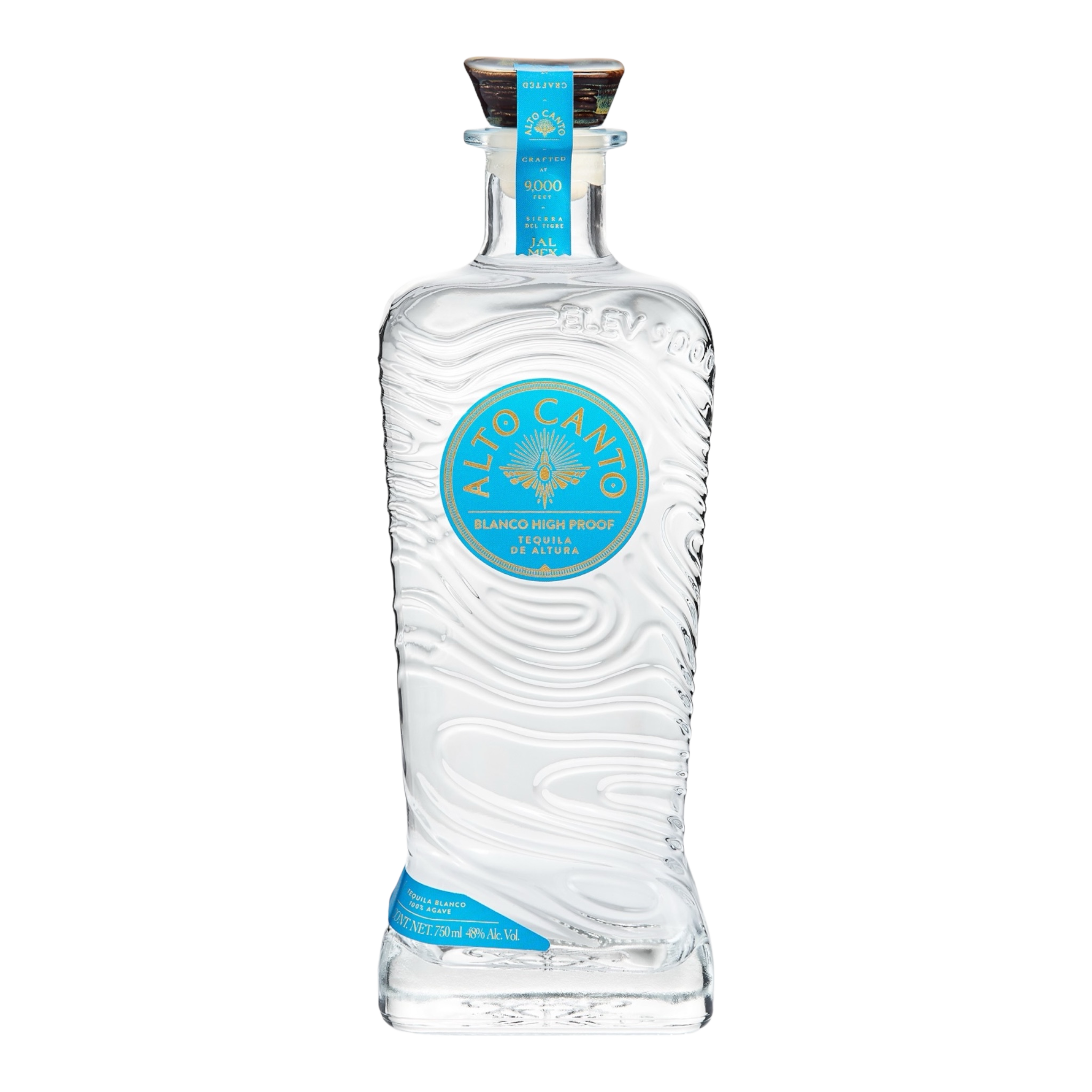





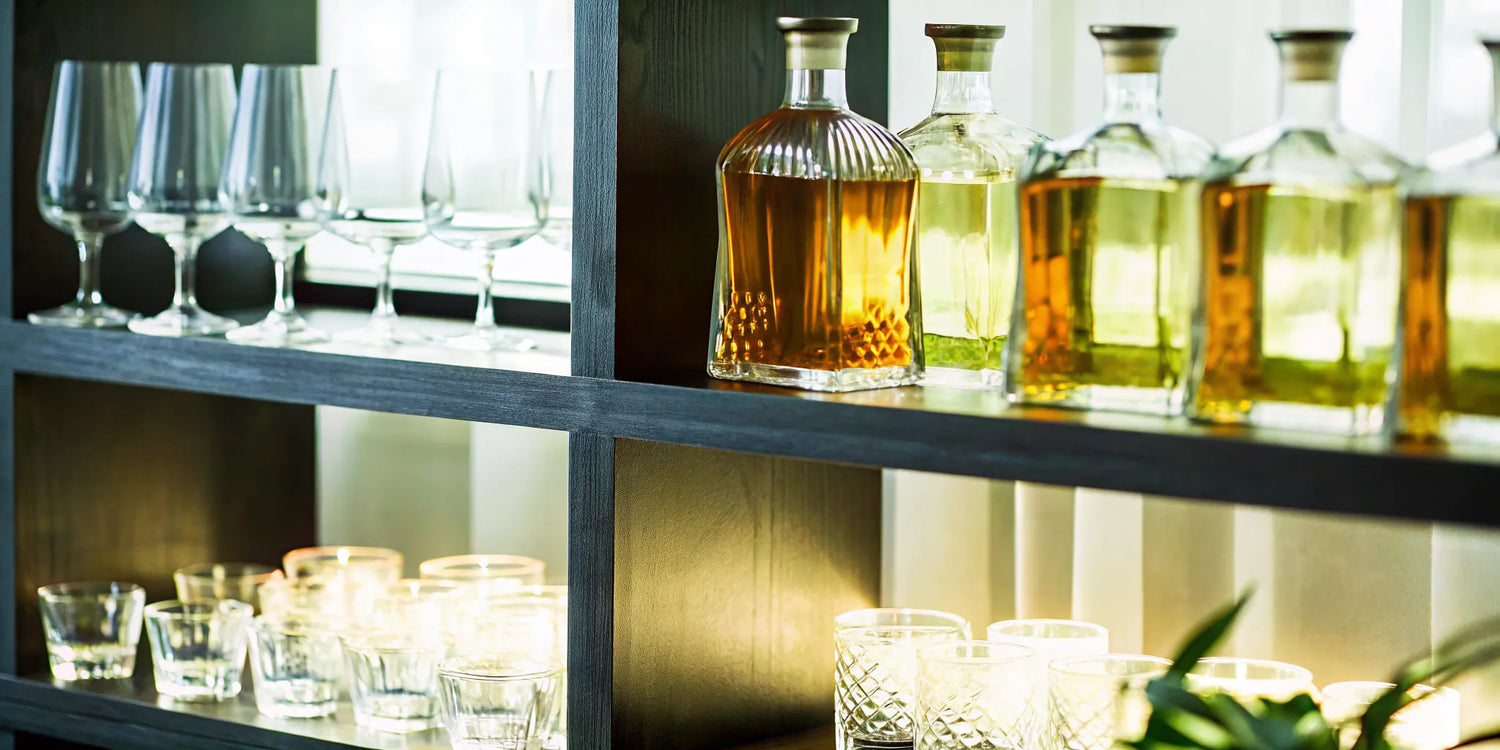
A home tequila collection is more than a shelf of bottles; it is a map of the Jalisco highlands. Every bottle tells a story of volcanic soil and slow-cooked agave.
Shop Sip Tequila's curated tequila collection to choose a bottle that earns its place on your shelf.
Building a premium tequila collection starts with choosing high-quality bottles that show the best of agave spirits. A well-rounded set should include bottles from the three main age types: blanco, reposado, and anejo. Blanco tequilas are unaged and offer the purest taste of the blue agave plant. Reposado styles rest in oak for two to twelve months to pick up smooth notes of honey and vanilla. Anejo tequilas age for one to three years to gain deep flavors of fruit and nuts. A balanced tequila collection allows you to explore these tastes while sharing the story of Mexican craft. You do not need dozens of bottles for a great bar. Focus on brands that use old methods to ensure every pour is special.
Building a home bar requires a thoughtful plan. Choose bottles that offer variety without crowding your shelf. Start with a balanced tequila collection that covers the basics before you hunt for rare gems.
Start with a balanced tequila collection
Building a tequila collection does not have to be hard or cost too much at once. The best way to start is by picking a few bottles that show off the many ways agave can taste. A good home bar should have a mix of light, fresh spirits and rich, aged ones. This allows you to make great drinks for friends or sit back and sip a glass on your own. By picking many styles and prices, you can learn what you like best without spending a lot of money right away.
Focus on the three core types
A well-rounded tequila collection should include three main types: blanco, reposado, and añejo. Blanco tequila is unaged and bottled right after it is made. It has the pure, bright taste of the blue agave plant. Since it takes six to eight years for agave to grow, this spirit captures years of work in every drop. Experts at UC Davis note that it takes about eleven pounds of agave to make one bottle of tequila. The aged types add deeper flavors to your shelf. Reposado tequila stays in wood barrels for two to twelve months. This gives it a soft gold color and hints of wood. Añejo tequila is aged for one to three years. This longer time in the barrel makes the spirit dark and gives it tastes like vanilla or spice. Having all three types means you are ready for any mood or guest.
Set a budget for your first bottles
You do not need to buy the most costly bottles to have a great set of spirits. Many high-quality brands offer great value. Start with one solid blanco for mixing and one reposado for sipping. As you learn more, you can add rarer bottles or extra añejo styles to your shelf. Members of the Sip Tequila club often find that a monthly plan is a smart way to grow their home bar. It helps you find new brands at a fair price each month. It is also wise to keep an eye on how much you spend on each bottle. You can find many great options for under fifty dollars. These bottles are perfect for cocktails like margaritas. For your sipping bottles, you may want to spend a bit more. These premium spirits are made with care and often use classic methods like roasting agave hearts in brick ovens.
Choose spirits for every use case
Think about how you plan to use your spirits when you buy them. A bright blanco is the best choice for a fresh drink with lime and salt. It has a sharp, clean taste that stands up well to other flavors. If you want a spirit to enjoy neat, a reposado or añejo is often a better fit. These aged tequilas are smoother and have more complex notes that come from the wood. A balanced home bar also leaves room for finding new things. You might want to add a high-proof blanco to see how a stronger spirit changes a drink. Or you could look for a brand with no additives to taste tequila in its most natural form. No matter what you choose, store your bottles in a cool, dark place. This helps keep the flavor fresh for a long time. By following these steps, you will have a set of bottles that you can be proud to show off to anyone who visits.
Which tequila expressions belong on your shelf?
Building a tequila collection is a trip of learning. It starts with a goal to find tastes you love. Every bottle tells a story of time and skill. The agave plants used to make this drink take 6 to 8 years to grow [F001]. It takes about 11 pounds of agave to make just one bottle [F002]. This long wait and hard work make each pour special. A good home bar should offer a range of styles. This helps you suit any mood or guest. It also lets you share the craft with friends.
Blanco for pure agave taste
Blanco is a key part of any tequila collection. It is often called silver or plata. These spirits are unaged [F005]. They go from the still into the bottle with very little rest. This path keeps the true taste of the blue agave plant [F003]. You will find notes of lime, pepper, and fresh earth. Some makers let it rest for a few weeks in steel tanks. This softens the edges but keeps the bright flavor.
Since it is clear and crisp, blanco is great for many drinks. It is the best pick for a fresh margarita. But do not think of it only as a mixer. Many fans like to sip a fine Blanco Tequila on its own. It is the best way to see the skill of the maker. When you taste it neat, you can sense the soil and the weather of the fields. It is the purest form of the spirit.
Reposado and anejo for depth
If you like rich and woodsy notes, look to aged tequilas. Reposado means rested. This style spends 2 to 12 months in oak barrels [F005]. The wood gives it a light gold hue. It also adds hints of sweet spice and honey. It is a bridge between the bright blanco and the dark anejo. Many find it is the most helpful choice for key expressions for your tequila collection. It works well in a cocktail but shines when sipped slow.
Añejo takes the aging even further. It rests in small oak barrels for 1 to 3 years [F005]. This time turns the spirit dark and complex. You might taste caramel or dark fruit. It is best to sip this style neat in a glass. For those who want the most depth, there is Extra Añejo. This stays in the wood for over 3 years. These rare bottles are the prize of a top Extra Añejo Tequila Collection. They offer a taste that is closer to a fine scotch or cognac.
Modern styles for your bar
Your shelf can also hold new styles like cristalino. This starts as an aged spirit like an anejo. The maker then filters it to remove the color. The result is a drink that is clear but has a soft feel. It gives you the oak notes you love with the look of a blanco. It is a great way to start a talk at your next party.
A well-rounded bar also needs variety. You might add a high-proof bottle or one with no additives. These choices show you care about how your drink is made. Once you buy your bottles, you must keep them safe. Store your bottles in a cool, dark place away from sun [F006]. This helps keep the taste from changing over time [F007]. The table below shows how the main styles differ.
| Expression | Aging Period | Flavor Profile | Best Use |
|---|---|---|---|
| Blanco | Unaged | Agave, Lime, Pepper | Cocktails, Tasting |
| Reposado | 2-12 Months | Vanilla, Honey, Oak | Sipping, Mixers |
| Añejo | 1-3 Years | Caramel, Spice, Wood | Neat Sipping |
| Extra Añejo | 3+ Years | Dark Fruit, Cocoa | Luxury Sipping |
| Cristalino | Aged & Filtered | Smooth, Silk, Oak | Neat, Modern Drinks |
Collect for flavor, place, and production style
A smart starting a premium tequila collection means looking at more than just a label. You should learn about the plants, the land, and the ways people make this spirit. Each choice a maker makes will change how the final drink tastes in your glass.
Region and agave
Tequila must come from blue agave plants to be authentic. These plants are special because they take 6 to 8 years to mature before harvest, as noted by UC Davis. Where that plant grows matters just as much as how long it stays in the dirt. High land agave often tastes of fruit and flowers, while low land agave can be earthy and spicy.
The cost of making a bottle is also high due to the plant size. It takes about 11 pounds of agave to make one bottle of tequila. Since the average blue agave plant weighs about 110 pounds, each plant only gives enough for ten bottles. When you buy for your key expressions for your tequila collection, think about the years of growth in every sip.
The production style
How a maker treats the agave heart changes the flavor. Most makers roast the hearts in large ovens to turn starch into sugar. After they roast the hearts, they distill the liquid to make the spirit. Some use old stone pits while others use fast steam tools. These paths lead to very different results for your tasting notes for your tequila collection.
You may also want to look for the NOM on each bottle. This is a four digit code that tells you which distillery made the tequila. Some large plants make many brands at once, while small ones might only make one or two. Tracking the NOM helps you find gems from makers you already like. It is a great way to grow your knowledge as you build your bar.
Tasting for differences
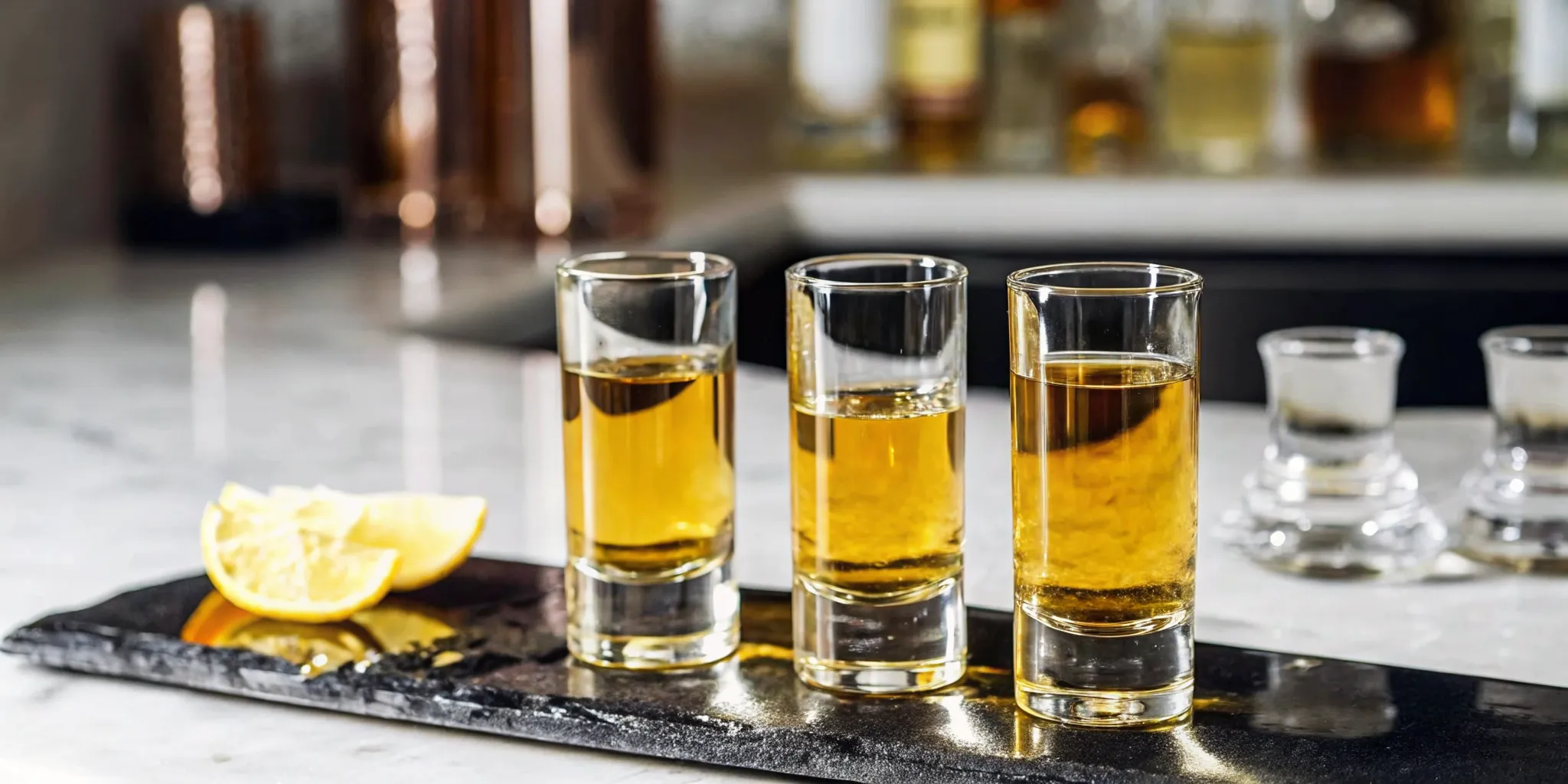
To really know your bottles, you should taste them side by side. Try to find tequilas from different areas or those made in different ways. Look for notes of cooked agave, citrus, or black pepper. A good collection shows the wide range of what blue agave can do. Do not worry about which is best, just focus on what you enjoy the most.
Should your tequila collection include mezcal?
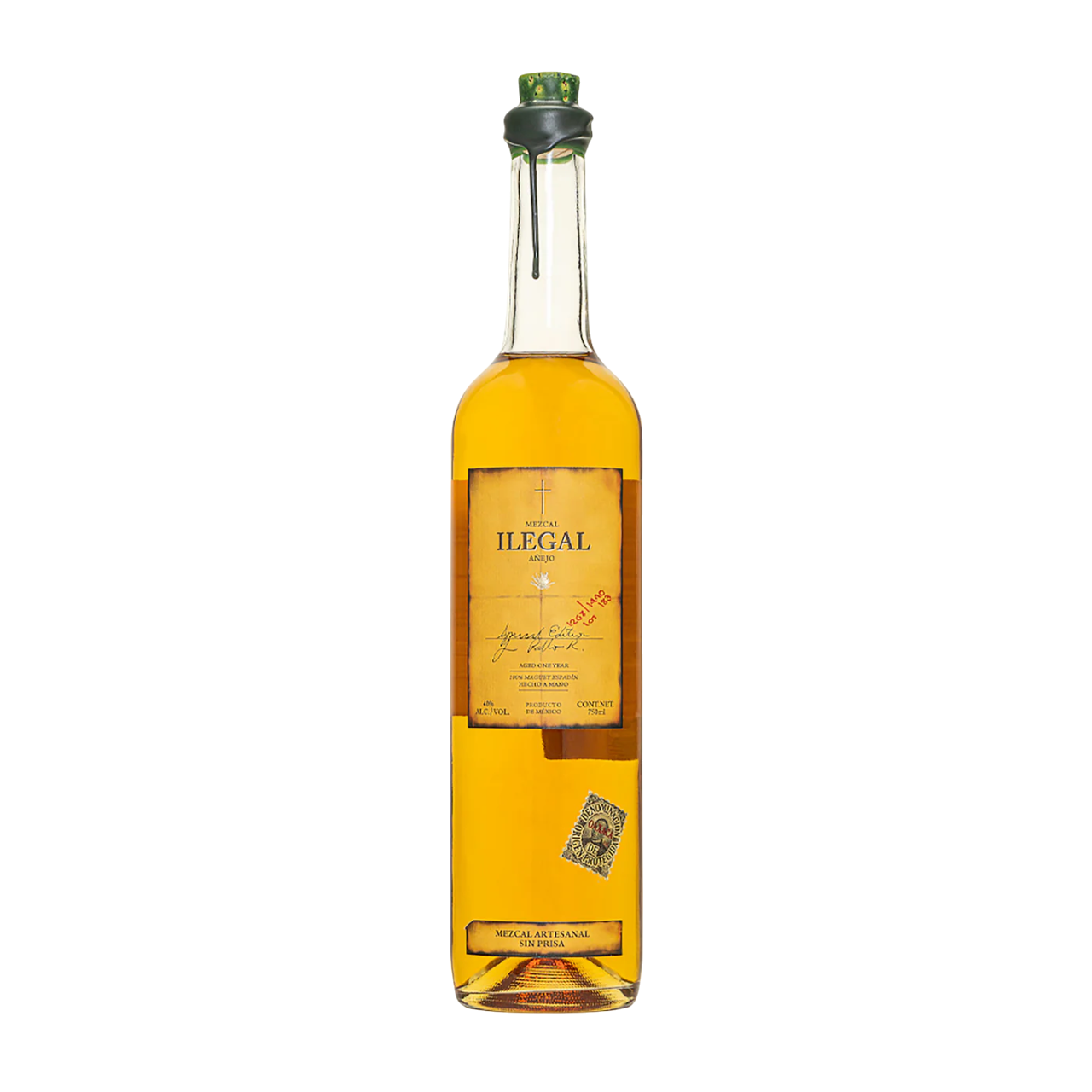
A thoughtful premium agave spirits collection often grows to include mezcal and other regional spirits. Mezcal is the most natural partner for tequila. Both come from the agave plant but offer very different paths for your palate. Tequila must use only blue agave. Mezcal makers can use many different agave types. This variety gives mezcal a wide range of flavors that can add new life to your home bar.
How mezcal differs from tequila
The main difference between these two spirits starts in the ground. Tequila is made from blue agave while mezcal can be produced with any agave varietal. This means mezcal can taste like fruit, earth, or green herbs. Most mezcal also has a smoky note. This comes from roasting the agave hearts in pits. Tequila makers usually use brick ovens. These methods keep the agave flavor bright and clean without the smoke.
Choosing your first mezcal
When you start growing your tequila collection with mezcal, look for the word "Espadin" on the label. Espadin is the most common agave used for mezcal. It is often balanced and easy to enjoy. If you like the crisp taste of blanco tequila, you will likely enjoy an unaged mezcal. It shows the raw spirit of the plant. For those who prefer aged bottles, look for mezcals that spend time in oak. These will have soft edges and notes of wood or spice.
Why variety matters for collectors
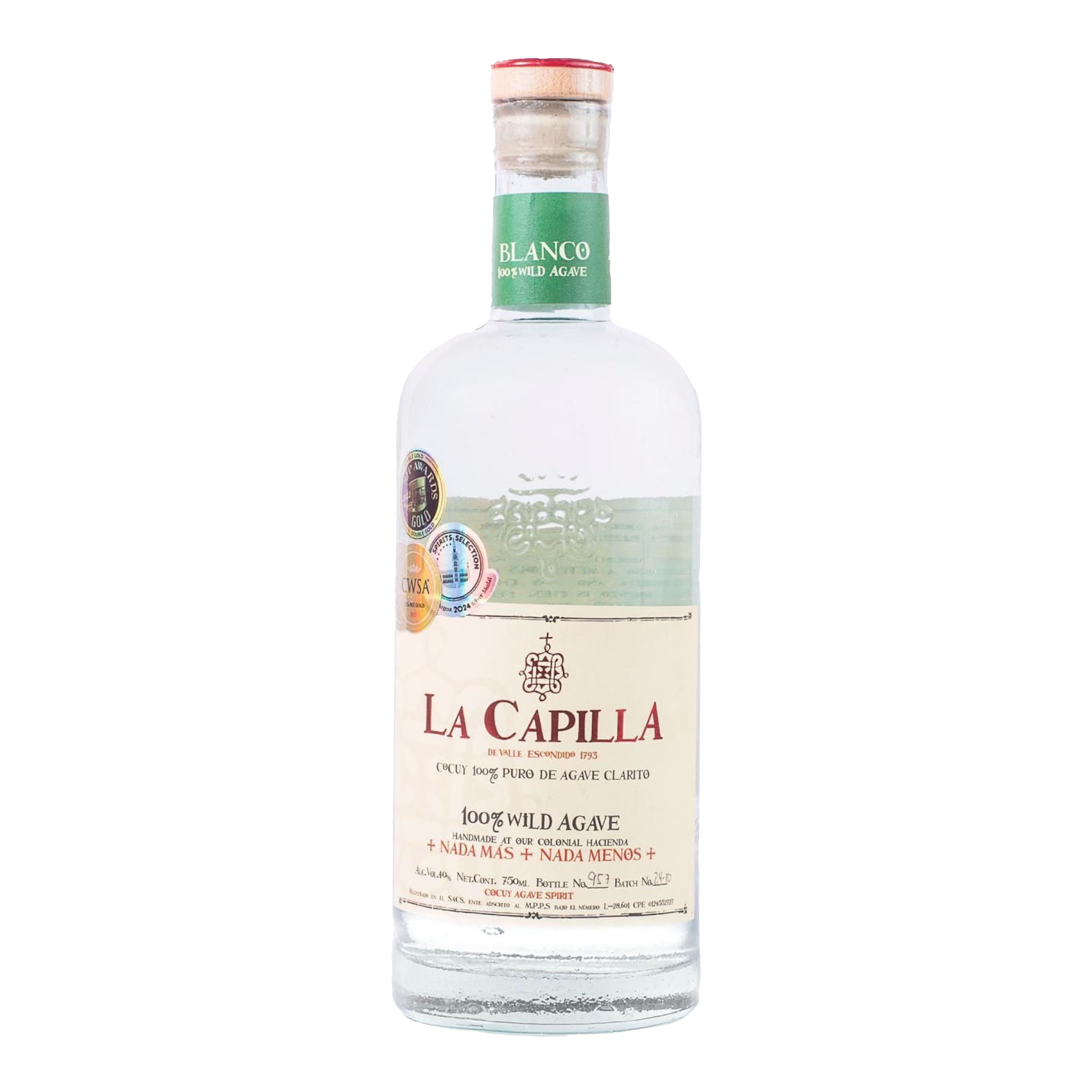
Adding mezcal to your shelf makes you a better host and taster. It lets you compare how different plants and regions change a spirit. You can find mezcals made from wild agave that take decades to grow. This rarity makes them a prize for any fan. A mix of both spirits shows a full view of Mexican craft. It ensures you always have the right bottle for a neat pour or a new drink.
How do you choose rare and limited releases?
Finding rare bottles is a highlight for many people building a tequila collection. These releases often come in small batches or show off unique aging paths. To choose well, you must look at the craft and the story of the bottle. Rare spirits often use old ways of cooking agave that take more time but yield deep flavor.
Check the roots and story
The first step in choosing a rare bottle is to check its roots. Look for details on how the distillery made the spirit. Some brands use stone ovens to roast agave, a process that can take days. This slow work often results in a better taste that is hard to find in mass products. Agave plants take 6 to 8 years to mature, and rare editions often use the best of these plants.
You should also look for a clear history of the bottle. This means knowing who made it and where it came from. A good rare tequila collection features items with a clear line of proof. Bottles with unique batch numbers or signed labels often have more value to a collector. These marks show that the bottle is part of a special run.
Decide to drink or display
When you get a limited bottle, you must decide its use. Will you open it to enjoy with friends or keep it on a shelf? Some bottles have hand-made art or glass that looks great on display. But the true spirit of agave is meant to be tasted. If you plan to drink it, look for expressions like extra anejo that offer complex notes from long years in oak.
For those who want to keep the bottle closed, storage is key. You should keep your bottles in a cool spot away from the sun. Light and heat can hurt the spirit over time, even if the seal is tight. If you do open a rare bottle, keep in mind that the taste can slowly change. It is best to share these special pours within a few months to get the full profile.
Join a community for access
Rare releases can be hard to find in local stores. Many of the most sought-after bottles go to fans and members first. Joining a club can give you a better chance to buy these limited items. For example, members of Sip Tequila often get first pick of bottles in the SIP Vault. This access helps you grow your collection without the stress of a long search.
A good buying plan focuses on quality over speed. It is better to have three or four great bottles than ten that are easy to find. Talk to other fans to learn which brands are truly special. This shared knowledge will help you pick bottles that bring real joy to your home bar. Focus on what you like to taste and the stories that move you.
How should you store and organize your bottles?
Keeping a fine agave spirit at its peak takes more than just a shelf. You must think about how light and heat affect the liquid inside each bottle. If you treat your tequila collection with care, the flavors will stay bright and clean for a long time. Here is a routine to help you manage your home bar like a pro.
Protect your bottles from the elements
Heat and light are the main enemies of a premium tequila collection. Strong sunlight can break down the complex oils that give tequila its unique taste. To prevent this, you should store bottles in a cool, dark place away from any windows. A steady temperature is also key because big shifts in heat can cause the spirit to expand and contract, which may hurt the seal of the cork.
Keep the liquid safe and upright
Unlike wine, you should always keep your tequila bottles standing upright. High-proof alcohol can eat away at a natural cork if it stays in contact for too long. This can lead to leaks or bits of cork falling into your drink. If you have an open bottle, make sure the cap or cork is tight to slow down air from getting in. While spirits have a long life, the flavor can change over time once air reaches the liquid.
How to organize your home bar
- Store bottles upright: This protects the cork and prevents leaks as you build your tequila collection.
- Pick a dark spot: Use a cabinet or a room with no direct sun to keep the spirit stable and fresh.
- Group by age: Arrange your bottles from Blanco to Extra Añejo to make it easy to find what you want to sip.
- Track your stock: Keep a simple list of when you opened each bottle to help you enjoy them at their best.
- Check the seals: Every few months, give your caps a quick twist to ensure they stay airtight and secure.
- Wipe the glass: Keep your bottles clean so you can clearly see the labels and the rich color of the aged tequila.
Why stability matters for flavor
Keeping your bottles in one place helps maintain the quality of the spirit. Moving bottles around too much can introduce air if the seal is not perfect. By following these simple steps, you ensure that every pour from your tequila collection tastes just as the maker intended. A well-kept bar is not just about looks; it is about respecting the years of growth and craft that went into every drop.
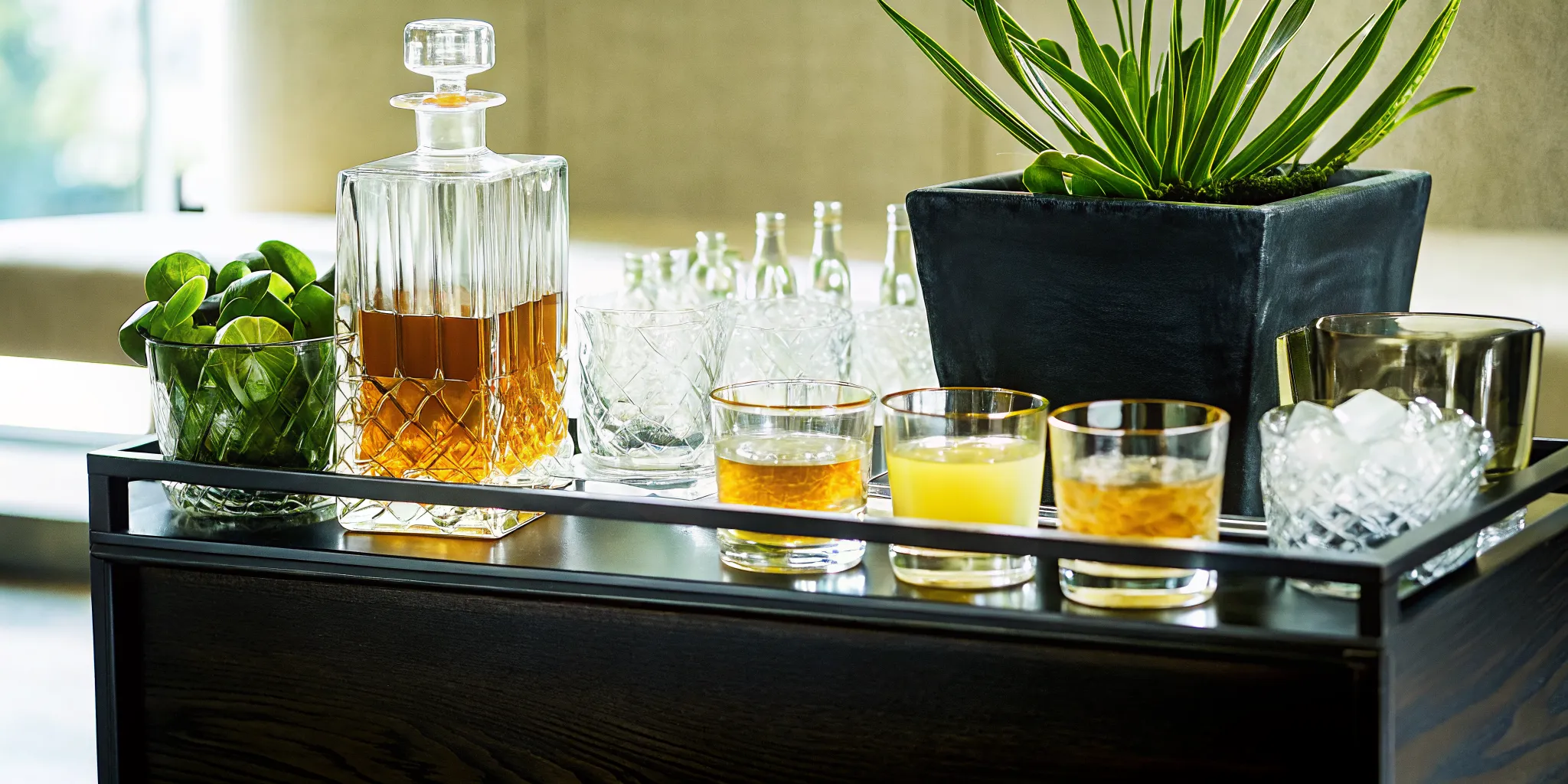
Explore rare and limited tequila releases when you are ready to add a distinctive bottle to your collection.
Build your collection with intention over time
Creating a great tequila collection is a slow and good process. You do not need to buy every bottle at once to enjoy the craft. Instead, focus on finding top-shelf spirits that match your taste as you go.
A smart plan helps you build a bar that you will be proud to share with friends. When you build a premium home bar, aim for depth rather than just a high bottle count.
Set a steady buying plan
A good bar grows as you learn more about agave. Start by setting a monthly budget that feels right for you. You can find great bottles in three main tiers: base craft, mid-range bottles, and rare finds.
This mix keeps your bar ready for both casual sips and special nights. Many people find that a box set is the best way to try new things without spending too much.
Think about how often you host or drink at home. If you enjoy a daily glass, you will need a few trusted Blanco and Reposado bottles. If you mostly sip on weekends, you might want to save up for one top-shelf Extra Añejo.
Members often get the first look at rare bottles in the SIP Vault. This access lets you find spirits that are hard to find in local stores.
Rotate through aging stages
A well-rounded bar should have bottles from each aging stage. You should keep a mix of Blanco, Reposado, and Añejo types to cover all flavor tastes. Each type of spirit offers a unique look at how agave changes in the barrel.
Since agave takes 6 to 8 years to mature, the base spirit is already deep before it even touches wood. Blanco is not aged and shows the bright, sharp notes of the plant.
Reposado rests for 2 to 12 months to add light oak and sweet tones. Añejo ages for 1 to 3 years, which brings out rich caramel and spice.
Keeping one of each helps you track tasting notes for your tequila collection as you move from light to dark spirits. This range makes sure you always have the right pour for any mood or meal.
Avoid the hype trap
It is easy to get caught up in flashy labels or big names. But the best spirits often come from small, family-run brands that value craft over ads. Look for bottles that are additive-free and show where the agave was grown.
Knowing the NOM or the oven type used in cooking can tell you more than a price tag ever will. Focus on the liquid in the glass rather than the trend of the week.
Check the source of each bottle to make sure it fits your rules. Great tequila is made by roasting agave hearts and distilling the essence to create a clean spirit.
Once you find a maker you like, stick with them while also trying new brands from the same area. This method helps you learn the subtle shifts in soil and weather. Always keep your bottles in a cool, dark spot to protect the flavor from sun and heat.
Frequently Asked Questions
How should you store a tequila collection at home?
Sip Tequila experts say you should keep your bottles in a cool and dark spot. Avoid direct sunlight because heat and light can harm the drink. Make sure the bottles stand upright so the liquid does not touch the cork or cap. This helps the taste stay fresh for a long time. Based on Sip Tequila tips, you do not need to chill your bottles in a fridge to keep them safe.
Does tequila go bad once opened?
Tequila has a long shelf life, but the taste can change over time. Once you open a bottle, air gets inside and reacts with the liquid. This process can slowly dull the bright notes of the agave. Most experts suggest finishing an open bottle within one to two years for the best flavor. Always seal the cap tight after each pour to keep the air out. This will help your fine spirits last much longer.
What is considered a top shelf tequila?
A top shelf spirit is usually made with one hundred percent blue agave. These bottles often come from brands that do not use extra things like syrup or dyes. The way they are made is slow and uses old ways like stone ovens to cook the agave hearts. High quality brands also use clean water and pure yeast. These bottles offer a smooth and rich taste that cheaper options cannot match.
How can you find rare bottles for your tequila collection?
Many people join a group or club to find rare bottles. These clubs often give members first pick of limited runs and special bottles. For example, some rare items are only found in The SIP Vault for members to buy. You can also look for bottles with a clear NOM number to find small batches. This helps you build a unique set of bottles that most stores do not carry.
Build a tequila collection worth sharing
A memorable home bar grows through thoughtful choices, not pressure or bottle count. Begin with the core expressions, taste across regions and production styles, then add rare releases that genuinely interest you.
Browse Sip Tequila's premium tequila selection and choose the next bottle for your collection with confidence.