

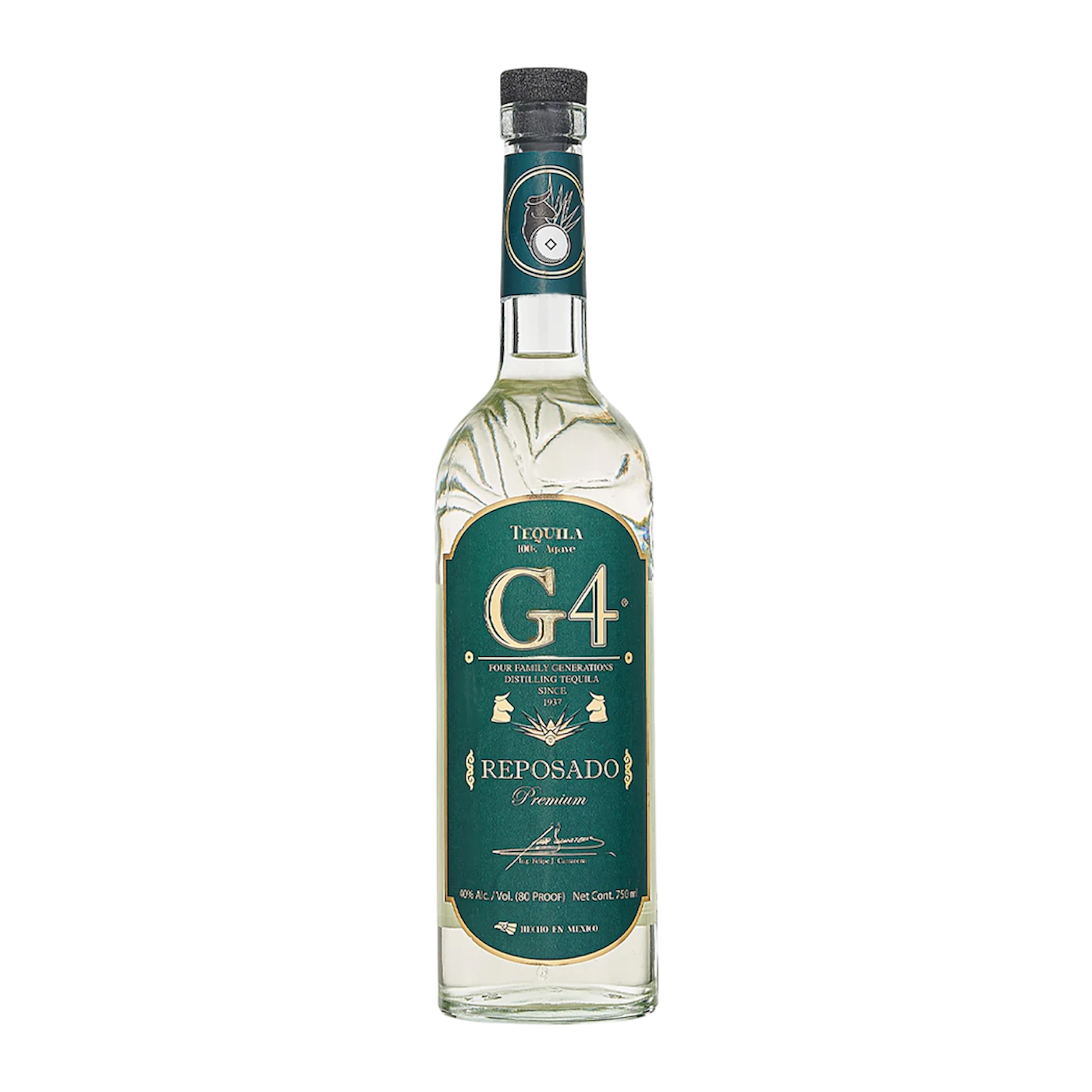
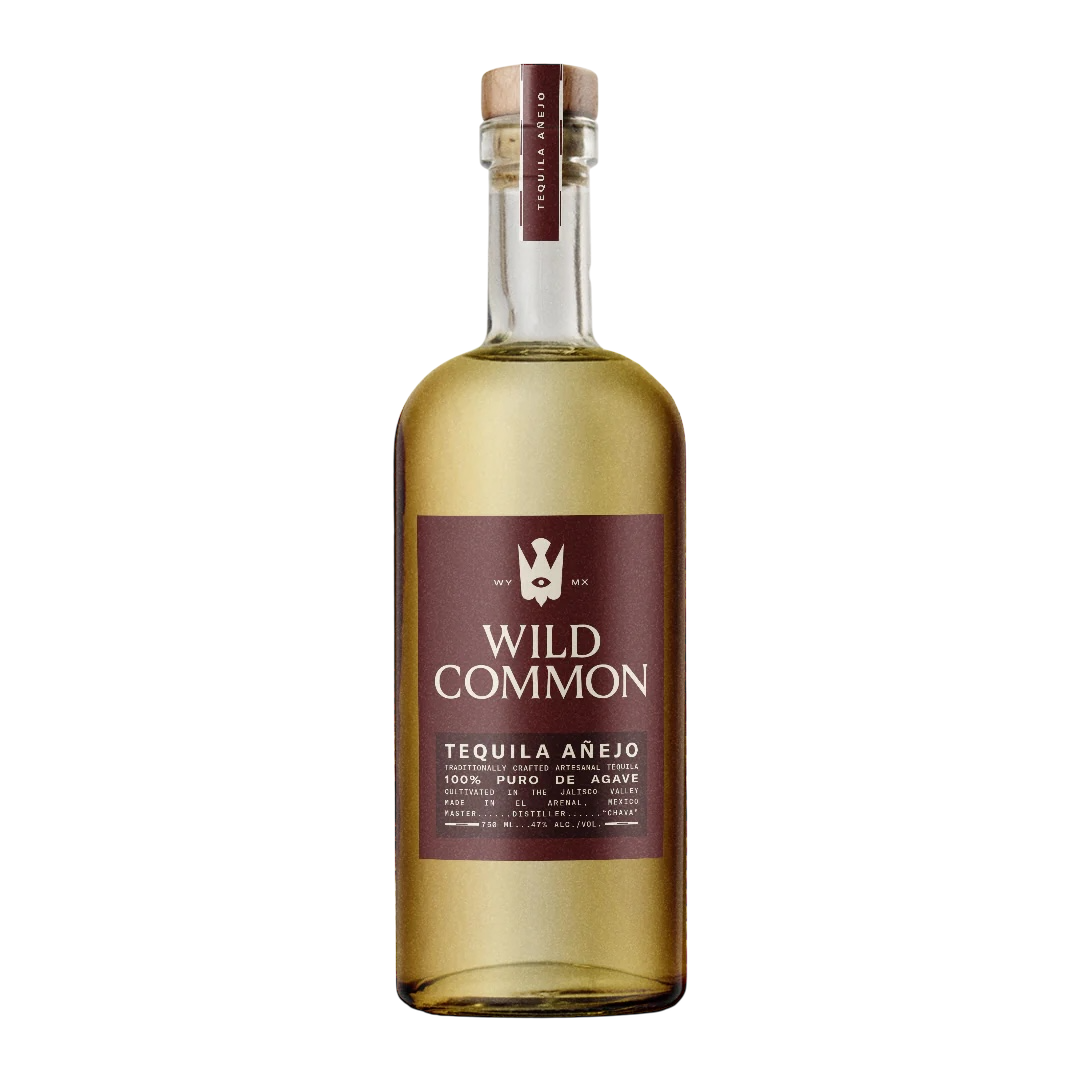
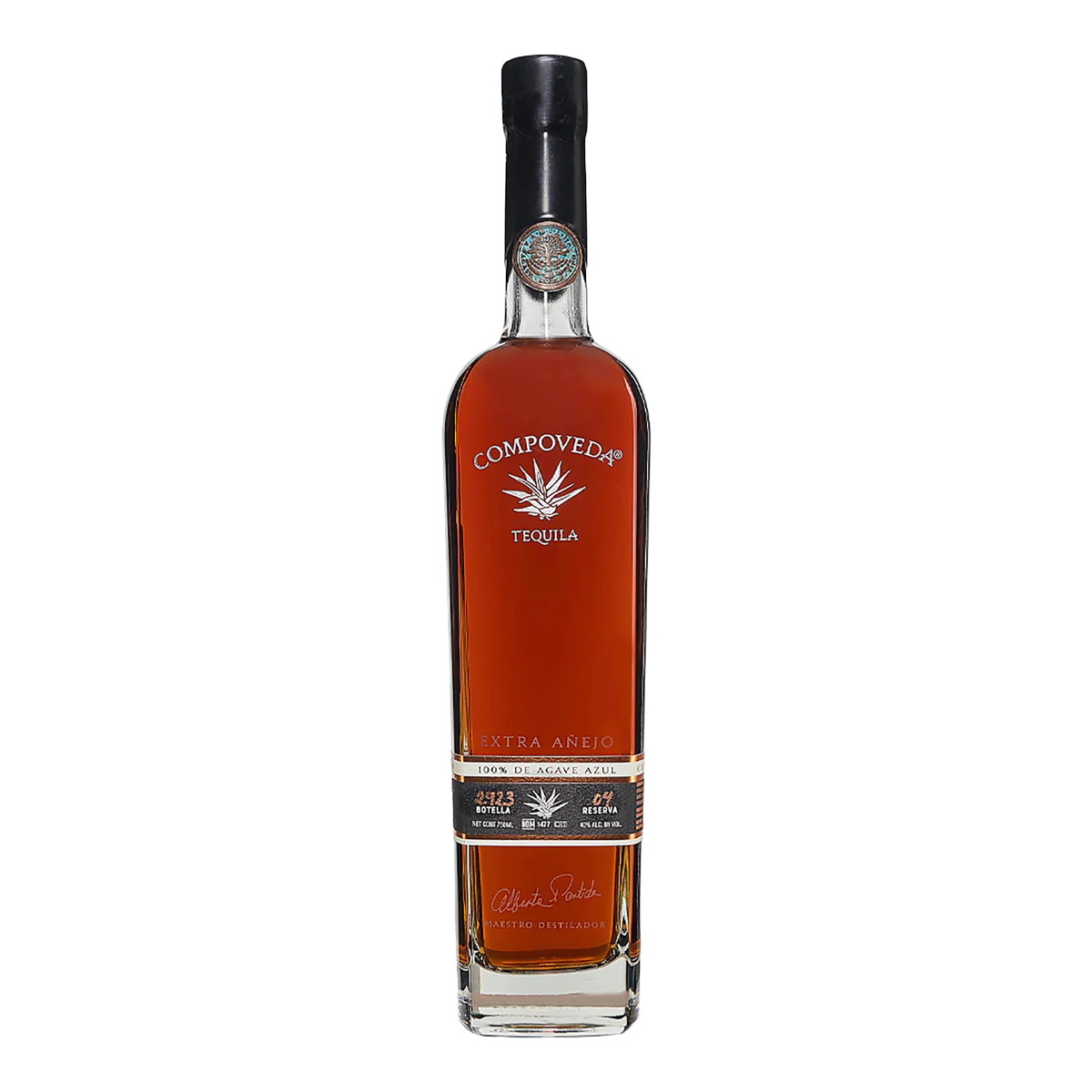
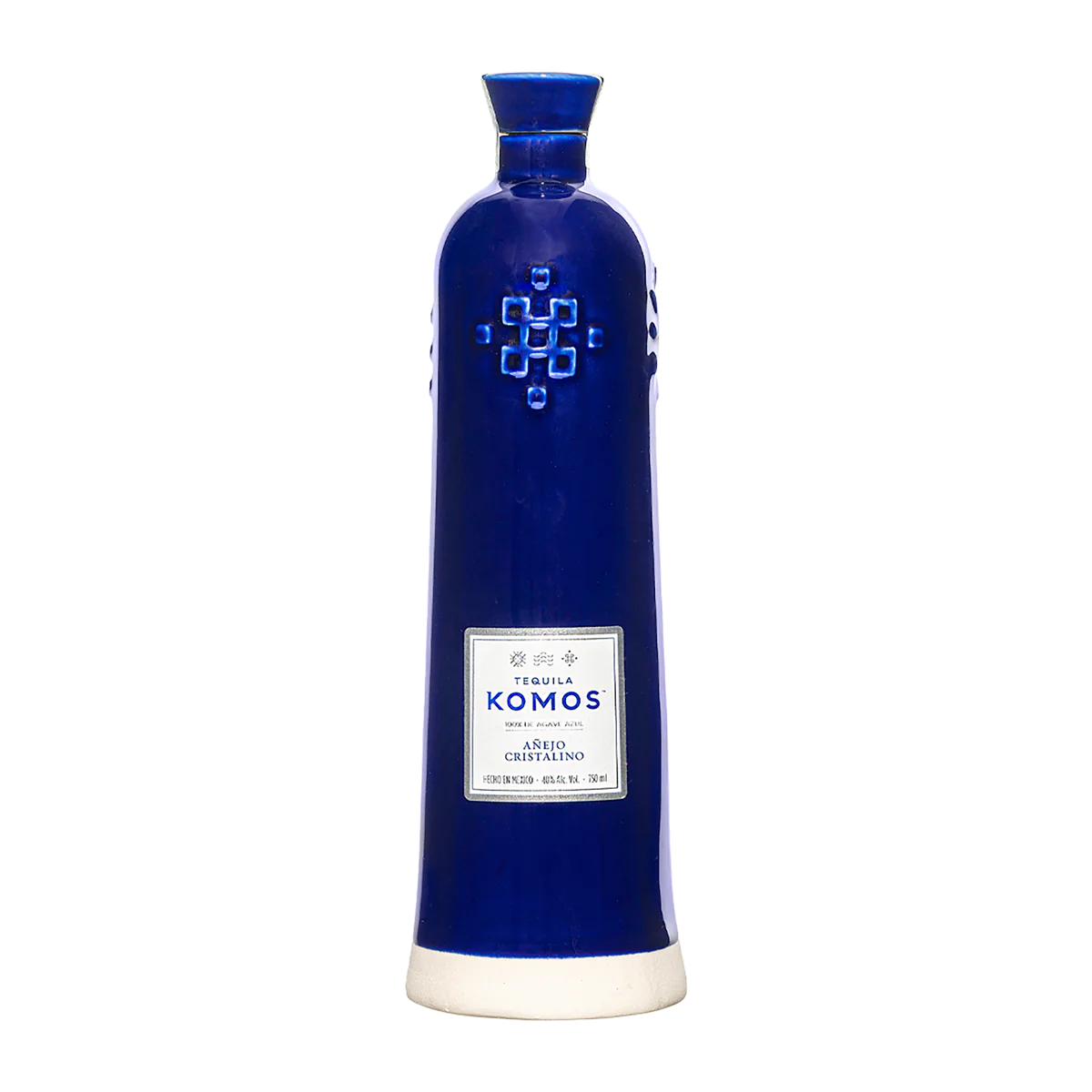
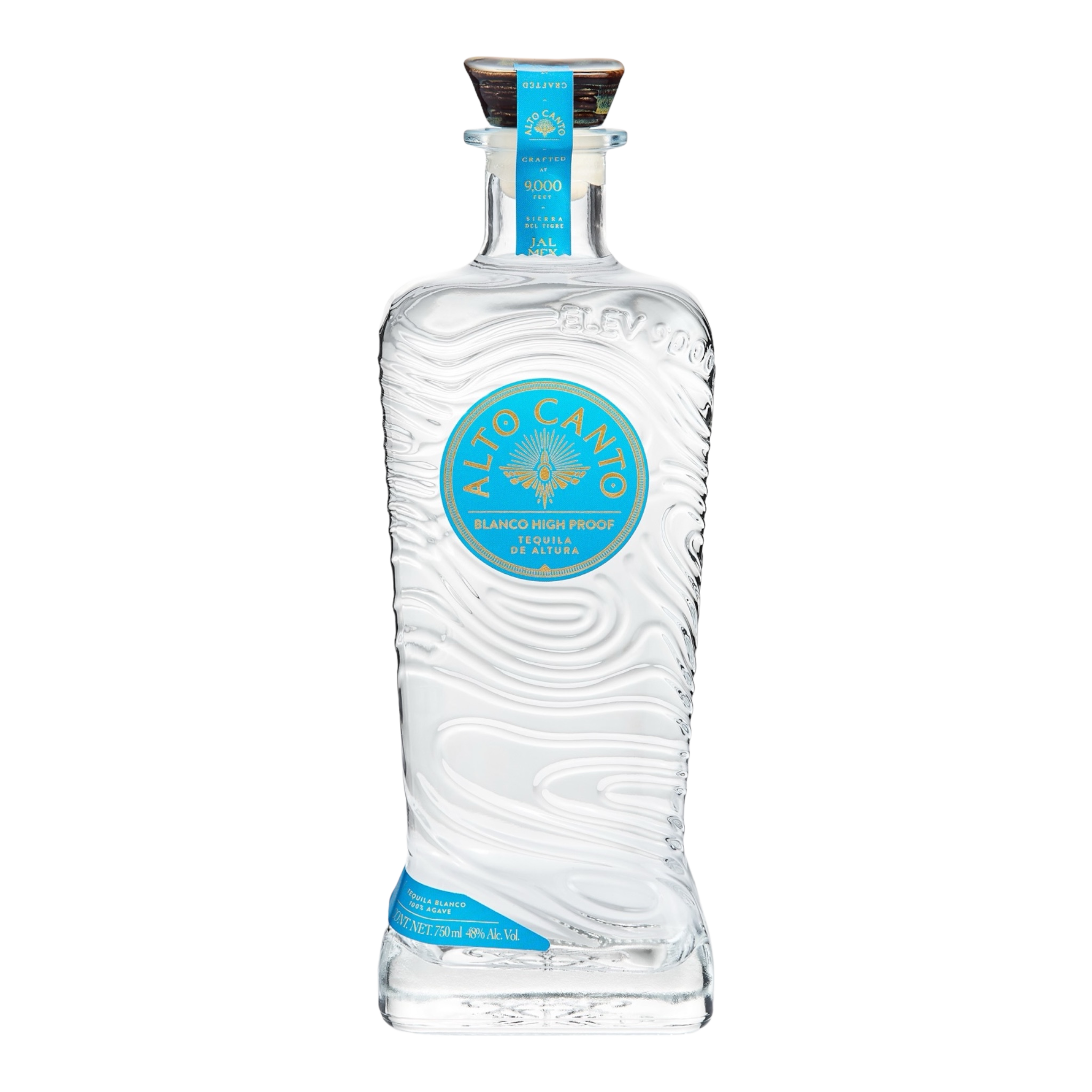
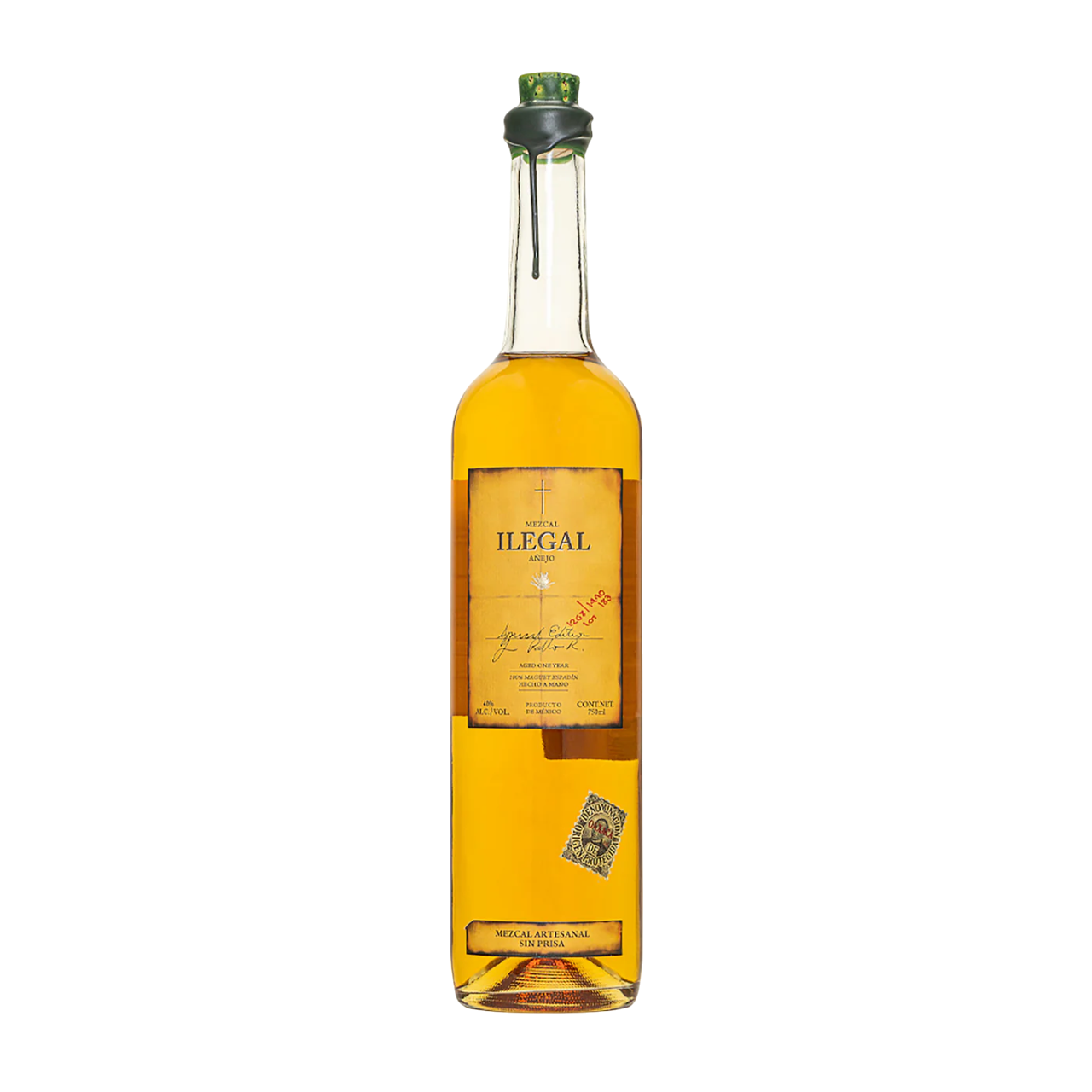
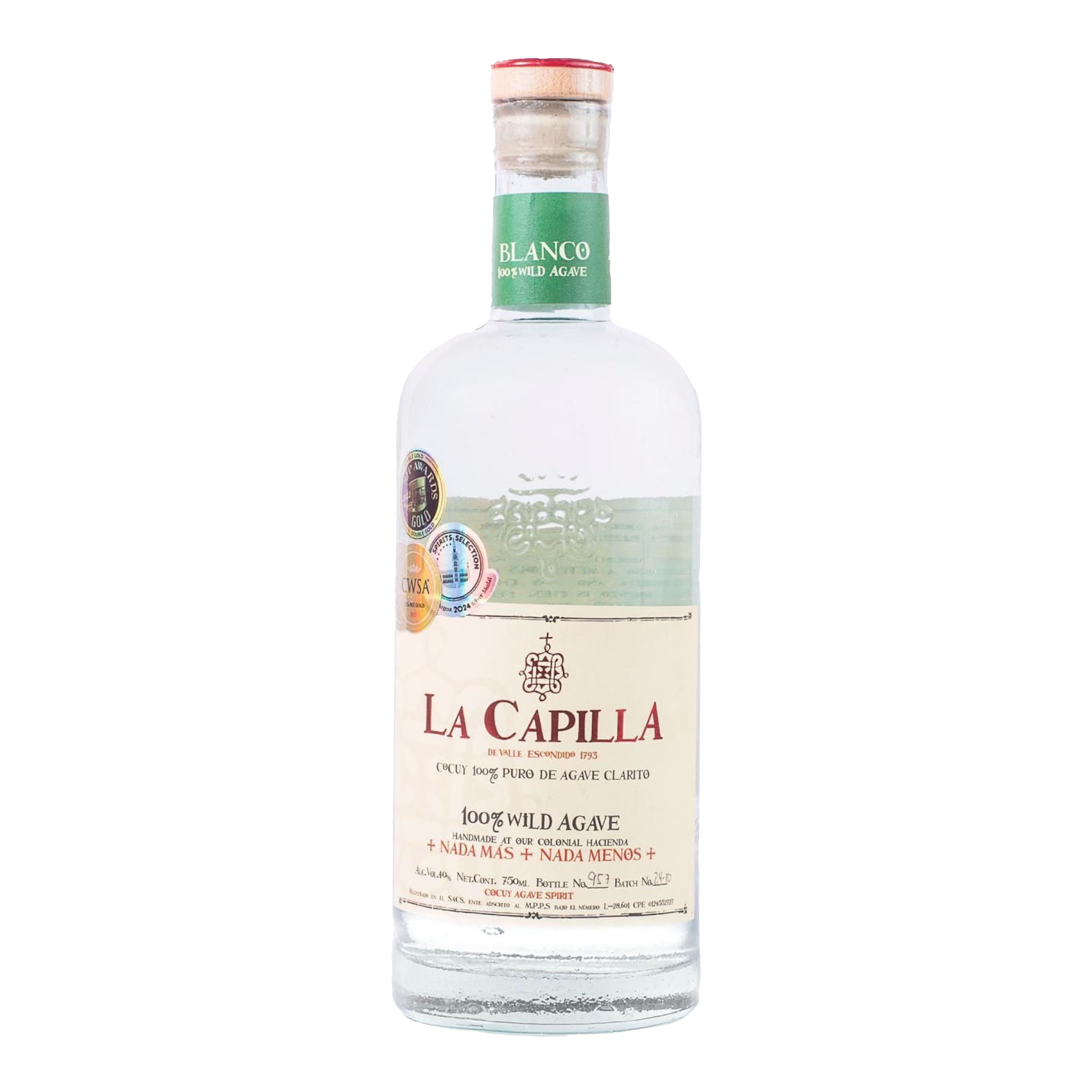




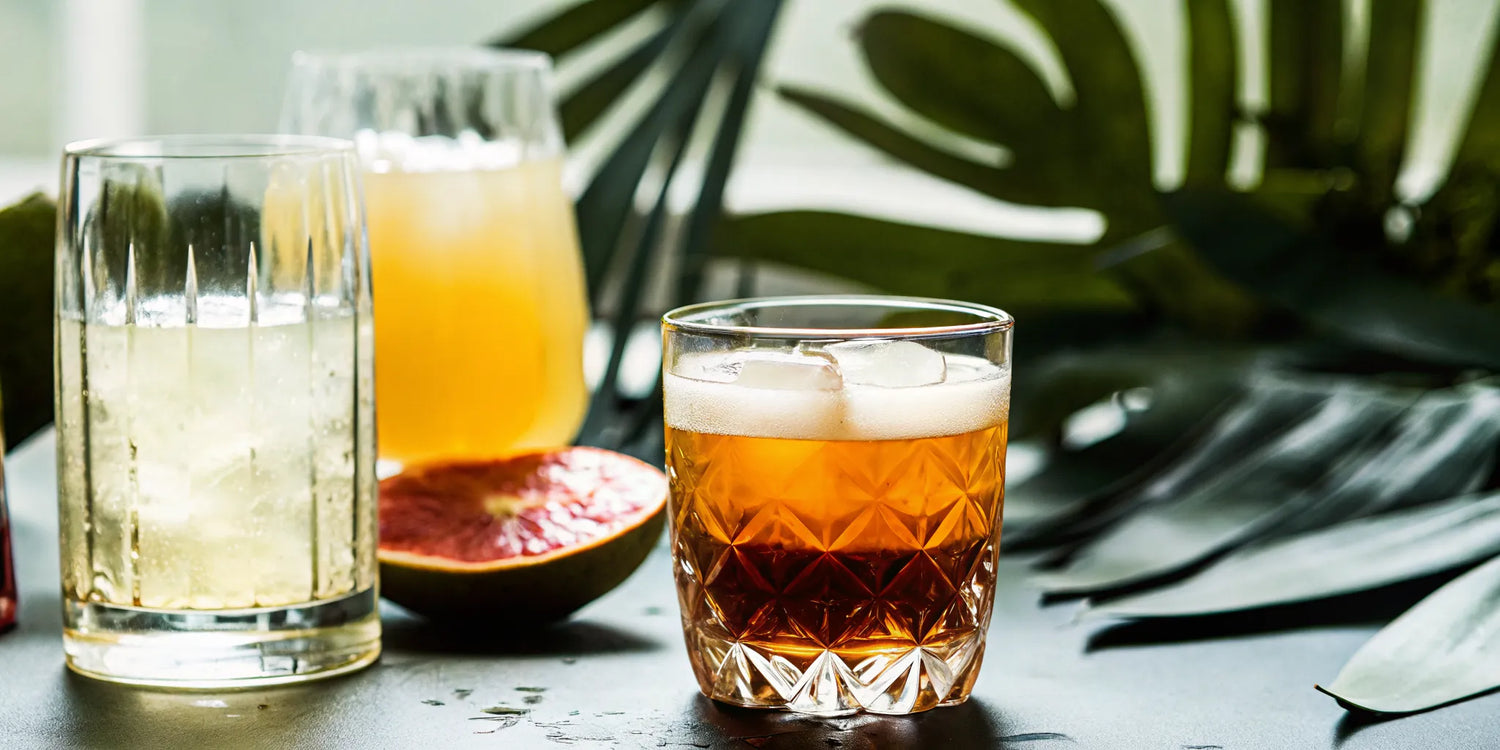
You’ve explored the core expressions of your favorite distilleries and can tell the difference between a Highland and Lowland Blanco with a single sip. So, what’s next? The answer lies in the exciting world of rare and limited-edition tequilas. These are the single-barrel bottlings, the anniversary releases, and the small-batch experiments that offer a unique snapshot of a distiller’s art. Many of the most respected tequila brands reserve their most exceptional agave for these special releases, creating spirits with unparalleled depth and character. If you’re ready to move beyond the familiar, this is your guide to discovering and acquiring those truly unforgettable bottles.
Key Takeaways
- Prioritize production over packaging: Always check for a "100% de Agave" label to ensure you're getting an authentic spirit without additives. The best tequilas often come from distilleries that are transparent about their traditional methods, like using brick ovens, which create a more genuine flavor.
- Choose the right age for the right moment: Use a crisp, unaged Blanco for vibrant cocktails. A balanced Reposado works beautifully for both sipping and mixing. Save the rich, complex Añejo and Extra Añejo expressions for sipping neat to fully appreciate their deep, oak-influenced character.
- Understand terroir to find your flavor: A tequila's origin story is in its taste. Agave from the Highlands (Los Altos) typically yields sweeter, fruitier spirits, while agave from the Lowlands (El Valle) produces earthier, more peppery notes. Knowing this difference helps you choose a bottle that perfectly matches your palate.
What to Look for in a Great Tequila
Walking down the tequila aisle can feel overwhelming, but finding a bottle you’ll love is easier than you think. It all comes down to understanding a few key details that separate the truly exceptional spirits from the rest. Once you know how to read the label and what goes on behind the scenes, you can confidently pick a winner every time.
The three most important factors to consider are the agave content, the region where the agave was grown, and the methods used to produce the tequila. Let’s break down what each of these means for the spirit in your glass.
100% Agave vs. Mixto: Why It Matters
This is the first and most important rule of buying tequila: always look for the words “100% de Agave” or “100% Blue Weber Agave” on the label. This certification guarantees that the spirit is made entirely from the fermented sugars of the blue agave plant, with no other additives or fillers. This is the mark of an authentic, high-quality tequila.
If the label doesn't specify 100% agave, you're looking at a "mixto." In a mixto, distillers are only required to use 51% agave sugars. The other 49% can come from other sources, most commonly cane sugar. This often results in a harsher flavor and a less pleasant experience. For a true taste of what this spirit can be, every bottle in our tequila collection is made from 100% agave.
Highland vs. Lowland: How Geography Shapes Flavor
Just like with wine, a tequila’s flavor is heavily influenced by its terroir, or the environment where the agave is grown. In Jalisco, the heartland of tequila production, there are two primary growing regions: the Highlands (Los Altos) and the Lowlands (El Valle). Each region gives the final spirit a distinct personality.
Highland tequilas come from agaves grown in the mountains' rich, red clay soil. This environment produces larger agave plants that are higher in sugar, leading to tequilas that are typically sweeter, fruitier, and more floral. On the other hand, Lowland tequilas are made from agaves grown in the volcanic soil near the town of Tequila. These spirits tend to be earthier, with more robust mineral, pepper, and herbal notes. Neither is better than the other; it’s all about your personal preference.
Production Methods: Separating the Good from the Great
How a tequila is made is just as important as what it’s made from. The journey from the blue weber agave plant (which is actually a relative of asparagus, not a cactus) to the bottle involves several steps, and the methods used can dramatically affect the final quality. Traditional, craft-oriented processes are slower but preserve the rich, complex flavors of the agave.
Look for brands that are transparent about their process. Many of the finest distilleries still cook their agave in traditional brick ovens and crush it with a large stone wheel called a tahona. These time-honored techniques create a depth of flavor that more industrial methods can’t replicate. When you find a brand that proudly shares its story and its commitment to craftsmanship, you’ve likely found a great tequila. We partner directly with distilleries that honor these traditions, which you can learn more about on our About Us page.
The 4 Main Types of Tequila (And When to Pour Them)
Walking down the tequila aisle can feel a bit overwhelming with all the different labels. But here’s the secret: the main difference between bottles comes down to one thing, aging. Tequila is categorized into four primary types based on how long it has rested in an oak barrel. This aging process, or the lack of it, is what gives each tequila its unique color, aroma, and flavor profile.
Understanding these categories is the key to picking the right bottle for the right moment. Are you mixing up a batch of spicy margaritas for friends, or are you looking for a complex spirit to sip slowly by the fire? Each type has its own personality and purpose. Once you know the basics of Blanco, Reposado, Añejo, and Extra Añejo, you’ll be able to confidently select a tequila you’re guaranteed to love. Let’s break down what makes each one special and when you should be pouring it.
Blanco: The Purest Expression of Agave
Blanco, also known as silver or white tequila, is the spirit in its purest form. It’s typically unaged and bottled shortly after distillation, though some are rested in stainless steel tanks for up to two months. This lack of barrel aging means the flavor of the blue weber agave shines through completely. Expect bright, crisp notes of cooked agave, along with hints of citrus, black pepper, and herbs. Because its flavor is so vibrant and forward, a great Blanco is the foundation for classic cocktails like a Paloma or Margarita. It’s also my favorite way to taste the true character of a distillery’s craft, making it a fantastic sipping tequila for purists.
Reposado: A Perfect Balance of Agave and Oak
Reposado, which means "rested" in Spanish, is where the barrel starts to influence the spirit. This tequila is aged in oak barrels for anywhere from two months to just under a year. That time in the barrel mellows the spirit, giving it a beautiful pale gold color and a smoother texture than a Blanco. You’ll still find the bright agave notes, but they’re now balanced with warmer flavors of vanilla, caramel, and light spice from the oak. This perfect balance makes Reposado incredibly versatile. It’s smooth enough to sip neat but also adds a wonderful depth to cocktails. Many of the best-sellers are Reposados for this very reason; they truly offer the best of both worlds.
Añejo: Rich, Complex, and Made for Sipping
Añejo, or "aged" tequila, rests in oak barrels for one to three years. This extended aging period transforms the spirit, giving it a rich amber color and a full, complex body. The agave notes take a step back, allowing deeper flavors from the barrel to come forward. Think rich caramel, buttery toffee, dried fruit, and hints of chocolate and cinnamon. An Añejo is exceptionally smooth and is best enjoyed as a sipping tequila. Pour it into a proper tasting glass, let it breathe for a moment, and savor it neat. Its complexity is similar to that of a fine Scotch or Cognac, making it a perfect after-dinner drink.
Extra Añejo: The Ultimate Collector's Item
Extra Añejo, or "ultra-aged," is the most luxurious category. These tequilas are aged for a minimum of three years in oak barrels, resulting in a spirit that is dark, rich, and incredibly nuanced. The flavor profile is dominated by the wood, with deep notes of toasted oak, dark chocolate, leather, and vanilla. The very best Extra Añejos still manage to retain a whisper of their agave soul, reminding you of their origin. These bottles are true works of art, designed for special occasions and the serious enthusiast. An Extra Añejo is the crown jewel of any collection and a must-have for anyone looking to explore the rare and limited side of agave spirits.
The Best Blanco Tequilas for Any Budget
Blanco, or silver, tequila is the purest expression of the agave plant. Bottled with little to no aging, it’s a spirit that captures the raw, vibrant character of its terroir. Think of it as the most honest snapshot of the agave it came from. While it’s the essential backbone of a perfect margarita or Paloma, a truly well-made Blanco is also a fantastic spirit to sip neat. You get to taste the bright citrus, the earthy minerality, and the sweet, cooked agave notes without any influence from an oak barrel.
The great news is that you don't have to spend a fortune to find a bottle you'll love. Quality exists at every price point, from reliable daily sippers to complex bottles you’ll want to save for special occasions. The key is knowing what to look for. A "100% de Agave" label is non-negotiable, but beyond that, the differences in production and region create a huge spectrum of flavors. Let's walk through some of the best options out there, whether you're stocking your bar cart for cocktail night or searching for a standout bottle to impress a fellow enthusiast.
Best Value Blancos (Under $30)
Finding a high-quality tequila for under $30 is easier than you might think. The key is to look for brands that prioritize 100% blue Weber agave and traditional production, even at a larger scale. These tequilas are workhorses; they’re perfect for mixing into Palomas or spicy margaritas, but many are smooth enough to enjoy on their own. Brands like Olmeca Altos and Cimarron are fantastic examples of tequilas that deliver bright, peppery, and citrusy agave notes without a high price tag. Exploring the world of Blanco tequilas is a great way to find your go-to bottle for any occasion.
Best Mid-Range Blancos ($30–$60)
This price range is where things get really interesting for tequila lovers. Here, you’ll find distilleries that often use more artisanal methods, like crushing agave with a traditional stone tahona wheel or fermenting in small batches. The result is a tequila with more complexity and a distinct personality. These bottles are exceptional for sipping, allowing you to taste the nuances between highland and lowland agave. Brands like Siete Leguas and the highly sought-after Fortaleza Blanco are benchmarks in this category, offering rich, cooked agave flavors with notes of olive, earth, and citrus that represent the heart of Tequila Valley.
Top-Shelf Blancos ($60+)
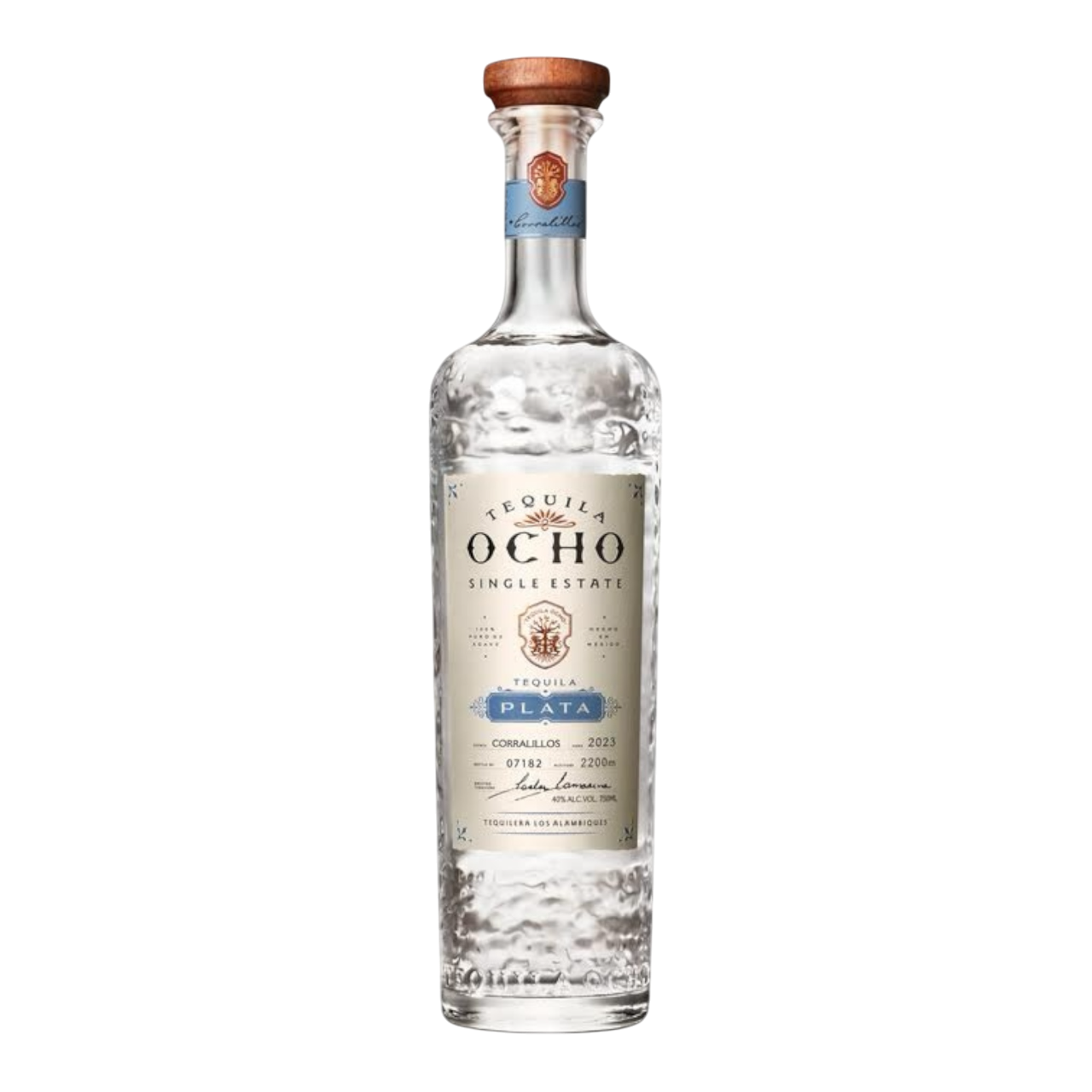
For the true connoisseur, top-shelf Blancos represent the pinnacle of agave spirits. These tequilas are all about celebrating craftsmanship, terroir, and the art of distillation. You’ll often find single-estate or vintage-specific releases, where the agave is harvested from one specific field, creating a unique flavor profile for that year. Brands like El Tesoro de Don Felipe and Ocho are celebrated for this field-to-bottle approach. These are sipping tequilas, meant to be savored slowly to appreciate their intricate layers of flavor. Many of these exceptional bottles can be found in our Rare & Limited collection, offering a truly special tasting experience.
The Best Reposado Tequilas for Any Budget
Reposado, which means "rested" in Spanish, is a tequila that’s aged in oak barrels for anywhere from two months to just under a year. This short time in the barrel gives it a beautiful light golden color and mellows the sharp, vegetal notes of a blanco. What you get is a wonderfully balanced spirit with the bright character of agave complemented by gentle notes of vanilla, caramel, and spice from the oak. It’s a fantastic and versatile expression of tequila that’s smooth enough for sipping yet holds its own in a cocktail. Exploring the world of reposado tequilas is a great way to appreciate the art of aging.
Best Value Reposados (Under $30)
Finding a great tequila doesn't mean you have to empty your wallet. The best value reposados deliver authentic flavor and quality craftsmanship at a price that’s perfect for stocking your home bar. A great example is Cimarron Reposado, a workhorse tequila from Jalisco that is beloved by bartenders for its clean agave taste and subtle oak influence. It’s made using traditional methods and is free of additives, making it an honest and delicious choice. Another solid option is Arette Reposado, which offers a smooth, slightly peppery profile that works beautifully in a classic Margarita or Paloma.
Best Mid-Range Reposados ($30–$60)
This price range is the sweet spot where you’ll find exceptional tequilas that showcase incredible complexity and character. These are the bottles you’ll be proud to share with friends. Siete Leguas Reposado is a must-try, famous for its rich, earthy flavors derived from a dual-distillation process using both a traditional stone tahona and a modern roller mill. Another standout is El Tesoro Reposado, which is celebrated for its bright, peppery agave notes balanced by a mellow, woody finish. These tequilas represent a significant step up in craftsmanship and are perfect for slow sipping.
Top-Shelf Reposados ($60+)
When you’re ready to treat yourself to something truly special, the top-shelf reposados deliver an unforgettable experience. These tequilas are made with meticulous attention to detail, from the harvest of the agave to the final bottling. Fortaleza Reposado is a benchmark for quality, made by a family with a deep history in tequila production. It’s known for its rich, buttery mouthfeel and complex flavors of cooked agave, citrus, and vanilla. For those who appreciate terroir, the single-estate bottlings from Tequila Ocho offer a unique taste of place, with each vintage reflecting the specific field where the agave was grown. These are true sipping tequilas for the discerning collector.
The Best Añejo & Extra Añejo Tequilas for Any Budget
Añejo tequilas are the sophisticated, older siblings in the tequila family. Aged in oak barrels for one to three years, they develop deep, complex flavors of vanilla, caramel, and spice that are perfect for sipping. Extra Añejos take it a step further, resting for more than three years to become exceptionally smooth and rich, often compared to fine cognacs or whiskies. While these aged expressions are often seen as a luxury, there are fantastic bottles available across every price point. Whether you’re looking for an affordable sipper or a bottle for a special occasion, you can find an incredible Añejo tequila to suit your taste.
Best Value Añejos (Under $30)
Finding a quality Añejo for under $30 can feel like a treasure hunt, but there are definitely gems to be found. These bottles prove that you don’t need to spend a lot to enjoy the rich character of an aged tequila. A great example is Pueblo Viejo Añejo, which is known for its remarkable smoothness and balanced notes of caramel, chocolate, and light oak. It’s an excellent entry point into the world of aged tequilas and works just as well in a high-end cocktail as it does sipped neat. These value-driven Añejos are perfect for experimenting with classic cocktails or for when you want a reliable, everyday sipper that delivers on flavor without the hefty price tag.
Best Mid-Range Añejos ($30–$60)
This is the sweet spot where craftsmanship and value beautifully intersect. In the $30 to $60 range, you’ll find tequilas from distilleries that are deeply committed to traditional production methods. Brands like Siete Leguas and El Tesoro offer Añejos with incredible depth and character. The Siete Leguas Añejo is a classic, beloved for its rich agave-forward profile balanced with notes of butterscotch and spice from its 24 months in American oak. El Tesoro’s Añejo is another standout, praised for its bright, peppery agave notes that shine through the layers of oak, citrus, and caramel. These bottles are ideal for the enthusiast looking to explore more complex flavor profiles.
Top-Shelf Añejos & Extra Añejos ($60+)
When you’re ready to treat yourself to something truly exceptional, the top-shelf category is where you’ll find the pinnacle of the distiller’s art. These are sipping tequilas, meant to be savored slowly. For a truly luxurious experience, Don Julio 1942 is an iconic choice, celebrated for its velvety smoothness and decadent notes of caramel, vanilla, and toasted oak. For collectors and connoisseurs, exploring the world of Extra Añejos from brands like Ocho or Partida reveals even greater complexity. These spirits spend years developing their character, resulting in a drinking experience that is second to none. Many of these bottles are produced in small batches, making them part of our rare and limited collection.
Are Celebrity Tequilas Actually Good?
Let’s be honest, when a celebrity slaps their name on a bottle of tequila, it’s easy to be skeptical. We’ve seen it time and time again: a famous face enters the spirits world, and we’re left wondering if the tequila is genuinely good or just a well-marketed product. The explosion of celebrity-backed brands has made it harder to distinguish true quality from simple hype. But is it fair to dismiss them all?
The truth is, a celebrity endorsement doesn't automatically mean a bad tequila. Some of these brands have surprised even the most discerning palates. According to Tasting Table, some celebrity-backed tequilas are "genuinely good quality," proving that fame and flavor can sometimes go hand-in-hand. The key is to look past the famous name on the label and focus on what’s actually inside the bottle: the production methods, the distillery partnership, and, of course, the taste. A great tequila tells a story of its origin and craftsmanship, regardless of who is backing it.
Celebrity vs. Craft: How Do They Compare?
When you put a celebrity tequila next to a traditional craft brand, the biggest question is always about authenticity and quality. Many celebrity brands smartly partner with established, respected distilleries in Mexico, which means they can lean on generations of expertise. This collaboration ensures a certain level of craftsmanship from the start. The best of these brands follow the same principles as top-shelf producers, creating smooth, complex spirits that appeal to seasoned drinkers. As The Liquor Bros notes, high-end tequilas like Añejo and Extra Añejo are prized for being "smooth and complex," a quality that some celebrity tequilas successfully achieve.
The Celebrity Brands Worth Your Money
So, which celebrity tequilas actually live up to the hype? Casamigos, co-founded by George Clooney, is a name that often comes up for good reason. It has earned its spot on many top shelves, with Tasting Table praising its "exquisite aroma, sweet, complex, crisp, and very smooth with no alcohol burn." It’s a brand that has managed to win over both casual drinkers and enthusiasts. Another brand that has achieved a similar luxury status is Clase Azul. While not celebrity-founded, it's celebrated for its exceptional taste and iconic, handcrafted bottles, making it a true collector's item and a benchmark for quality in the premium tequila space.
How to Find a Tequila You'll Love
Finding your go-to tequila is a personal journey, but it doesn't have to be complicated. With a little insight into what makes a great bottle, you can confidently pick a tequila that perfectly suits your palate and your plans. It really comes down to three simple things: understanding your flavor preferences, deciding if you're sipping or mixing, and knowing what to look for on the label. Let's walk through each one.
Find Your Flavor Profile
The foundation of any good tequila is the taste of agave, which can be either green and vegetal or sweet and cooked. From there, a whole world of flavor opens up. You might find notes that are fruity, citrusy, earthy, herbal, or even peppery. A great way to start is by thinking about other flavors you enjoy. Do you love the smoky character of a good mezcal? You might enjoy an earthy Lowland tequila. If you prefer bright, floral notes in a gin, a Highland tequila with its fruity and floral profile could be your match. Exploring our tequila collection with these profiles in mind will help you narrow down the options.
Sipping vs. Mixing: Choose the Right Bottle
How you plan to enjoy your tequila makes all the difference. While you can use any 100% agave tequila in a cocktail, some are better suited for it than others. A crisp, unaged Blanco is the classic choice for margaritas and Palomas, bringing a bright agave punch. That said, a high-quality Blanco is also fantastic for sipping. As you move into aged expressions like Reposado and Añejo, you’ll find notes of vanilla, caramel, and oak that are often best appreciated on their own. You don't need to pour a top-shelf Añejo into a mixer; save that for a glass. Our list of best-sellers is a great place to find versatile bottles loved for both sipping and mixing.
Artisanal vs. Commercial: Why Craft Is Worth It
If you only remember one thing, let it be this: always look for "100% de Agave" on the label. This guarantees your tequila is made entirely from the agave plant. Anything else is a "mixto," which can contain up to 49% other sugars and additives. This not only impacts the flavor, often making it harsh and overly sweet, but it’s also the culprit behind many tequila horror stories. Choosing an artisanal, 100% agave tequila means you’re tasting the spirit as it was meant to be, reflecting the craft of the distiller and the unique character of the land. These are the bottles that tell a story, offering a truly authentic experience worth savoring, like those in our rare and limited collection.
Where to Find Rare and Limited Edition Tequilas
Finding a truly special bottle of tequila is a rewarding experience. It’s about more than just what’s inside; it’s about the story, the craftsmanship, and the thrill of discovering something unique. Whether you're looking to impress guests or add a crown jewel to your personal bar, the hunt is part of the fun. But where do you even begin to look for these elusive spirits?
Your search can start at specialty liquor stores with dedicated staff who are passionate about agave. Building a relationship with the owner or buyer can give you a heads-up on new arrivals. However, for the widest selection, online is often your best bet. Online retailers and dedicated shops like ours often have access to bottlings you won't find on local shelves. We work directly with distilleries to secure unique batches, which is why we have a curated Rare & Limited collection specifically for these hard-to-find tequilas.
If you’re up for an adventure, consider going straight to the source. Planning a trip to Jalisco to visit distilleries can be an incredible experience, and many producers offer exclusive bottles that are only sold on-site. Tequila festivals are another great way to connect with brands and sample limited editions before you buy. For the most serious collectors, the rise of tequila collecting has made auction houses a legitimate avenue for acquiring vintage and exceptionally rare bottles. No matter which path you choose, patience and persistence are key to finding that perfect pour.
Related Articles
- The Top 10 Tequilas You Must Try in 2026
- 16 High Quality Tequila Brands for Any Budget
- Artisanal Tequila 101: Your Ultimate Guide
- 8 Best Sipping Tequilas for the Money (2026)
Frequently Asked Questions
Is the "100% de Agave" label really that important? Yes, it's the single most important detail on the bottle. This label guarantees the tequila was made only from the sugars of the blue weber agave plant. If you don't see it, you're looking at a "mixto," which can contain up to 49% other sugars and additives. This is what often leads to a harsh taste and an unpleasant experience. For a true, clean taste of tequila, always choose 100% de Agave.
I'm new to good tequila. Which type should I try first? I always recommend starting with a well-made Blanco. Because it isn't aged in wood, a Blanco gives you the purest taste of the agave itself, with its bright, citrusy, and peppery notes. It’s the truest expression of the distiller's craft. From there, you can explore a Reposado to see how a little time in a barrel introduces notes of vanilla and caramel, which will help you understand the foundation of aged tequilas.
Does a higher price tag always mean better tequila? Not necessarily. While a high price can indicate rarity, extended aging, or a famous brand, it isn't the only measure of quality. There are many fantastic, traditionally made tequilas in the $30 to $60 range that are just as good, if not better, than some pricier bottles. The key is to look for signs of craftsmanship, like "100% de Agave" and transparency about production methods, rather than just focusing on the price.
Can I use an aged tequila like an Añejo for cocktails? You certainly can, but you might not want to. Añejo and Extra Añejo tequilas are aged for years to develop complex flavors of caramel, chocolate, and spice, which are best appreciated when sipped neat. Using them in a cocktail can mask these delicate notes. For mixing, a vibrant Blanco or a balanced Reposado will give your drink the perfect agave backbone without wasting the nuances of a beautifully aged spirit.
Why are some tequilas so much smoother than others? Smoothness comes from a combination of quality ingredients and careful craftsmanship. Tequilas made from 100% agave are naturally smoother than mixtos, which contain other sugars. The aging process also plays a huge role; resting in oak barrels mellows the spirit, which is why Reposados and Añejos are often described as smoother than Blancos. Finally, traditional production methods, like cooking agave in brick ovens, tend to create a richer, rounder, and more pleasant spirit.