











Short answer: choose Cimarron tequila by starting with the expression that matches how you will drink it. Cimarron Blanco is the clearest place to experience bright agave, while an aged expression may suit a collector who wants more oak, warmth, and rounded flavor. The right bottle is less about chasing a prestige label and more about matching the spirit's profile to your shelf, your glass, and the occasions when you plan to open it.
Explore the Cimarron collection at Sip Tequila
If you are building a thoughtful collection, Cimarron is useful because it gives you a practical comparison point. You can taste an unaged style against a barrel-rested one, see how production choices affect the glass, and keep a versatile bottle available for cocktails without treating it as disposable. This guide covers what to look for, what the expressions can offer, and how to make a confident choice when inventory and availability change.
What is Cimarron tequila?
Cimarron is a tequila brand best known among agave-spirit drinkers for approachable expressions that can work both in a tasting glass and in cocktails. For the Cimarron Blanco currently listed by Sip Tequila, the product details identify a 100% blue agave tequila from the highlands of Jalisco, bottled at 40% ABV in a 750 mL format. The listing also describes it as additive-free and presents a flavor profile built around fresh agave, citrus, herbal notes, cooked agave, green pepper, light sweetness, and minerality.
- Blanco: the unaged or minimally rested style, focused on fresh agave and a direct distillate character.
- Reposado: a barrel-rested style with more visible oak influence and a softer, warmer profile.
- Añejo: a longer-aged style when available, generally chosen for deeper oak and dessert-like notes.
Those categories are not just marketing language. The Consejo Regulador del Tequila identifies Blanco, Reposado, Añejo, and Extra Añejo as distinct tequila classes, with aging requirements helping separate the styles. Its overview also explains that tequila must use the blue agave variety and follow Mexico's tequila standard. Read the CRT's overview of tequila production and classifications when you want the regulatory context behind the labels.
One important distinction: a brand-level guide should not be confused with a guarantee that every expression is always in stock. Sip Tequila's Cimarron collection is the best place to check the current lineup, while a product page provides the most specific details for a particular bottle.
How should you choose a Cimarron expression?
The simplest way to choose is to decide what role the bottle will play before you compare tasting notes. A collection needs balance. It may include a bright blanco for agave-focused pours, an expressive reposado for slower sipping, and a higher-aged bottle for occasions when oak and texture are the point. If you are buying only one bottle, versatility usually matters more than age.
- Choose Blanco for clarity and flexibility. It is the natural starting point if you want to understand the agave character or need a bottle that can move easily from neat pours to Margaritas and Palomas.
- Choose Reposado for a softer, rounder pour. Resting in oak can add a warmer color and influence aroma and texture, making the style appealing to drinkers who want agave with more barrel character.
- Choose Añejo for an age-led tasting. If the expression is available, consider it when you specifically want a longer-aged profile and plan to drink it neat or with minimal dilution.
- Check the current bottle details. Confirm the expression, volume, ABV, tasting notes, and availability on the live product page before making a purchase decision.
This approach keeps the decision grounded. Age is one useful signal, but it is not a substitute for tasting balance. A well-chosen blanco can be more valuable to a working home bar than an older bottle that never gets opened, while an aged expression can be the right addition when it fills a gap in your tasting lineup.
Cimarron Blanco vs. Reposado: which belongs in your collection?
Blanco and reposado answer different collection needs. Blanco shows the spirit's fresh side with less wood influence, while reposado adds the character that develops during barrel rest. Neither is automatically better. The better choice depends on whether you want to study agave, build cocktails, or slow down with a richer pour.
| What to compare | Cimarron Blanco | Cimarron Reposado |
|---|---|---|
| Primary impression | Bright, direct, agave-led | Rounder, warmer, more oak-influenced |
| Best collection role | Versatile everyday bottle and reference pour | Sipping bottle and contrast to blanco |
| Good serving options | Neat, on the rocks, Margarita, Paloma | Neat, on the rocks, spirit-forward cocktails |
| What to evaluate | Agave, citrus, herbs, minerality, finish | Balance between agave, oak, spice, warmth, and texture |
For a first purchase, Blanco is often the more flexible choice. It can show you what you like about the brand before you invest in a second expression. For a collector who already owns several blancos, Reposado can add useful contrast without jumping directly into a heavily aged style.
Use the live catalog rather than an old listicle to confirm which expression is available. Sip Tequila's Cimarron Blanco product page currently describes the bottle as 100% blue agave, additive-free, 40% ABV, and 750 mL, but availability can change. Treat those product-page details as the reference for the specific bottle you are considering.
Compare current Cimarron expressions at Sip Tequila
What does Cimarron Blanco taste like?
The Cimarron Blanco listing at Sip Tequila describes a fresh, agave-forward profile rather than a heavily sweet or oak-led one. The nose is presented with fresh agave, citrus zest, and subtle herbal notes. On the palate, the listed notes move toward bright cooked agave, green pepper, light sweetness, and minerality. The finish is described as clean with gentle warmth.
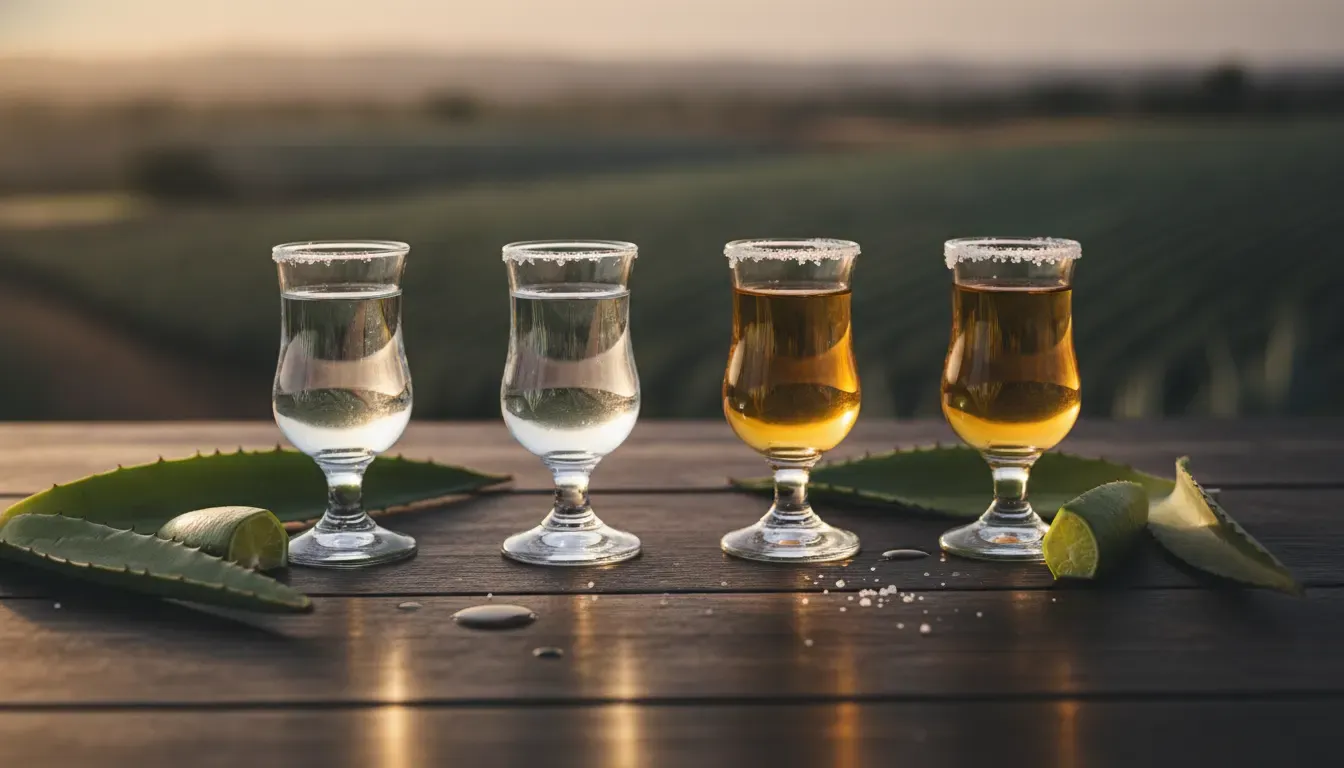
- On the nose: look for fresh plant character, citrus lift, and restrained herbs.
- On the palate: pay attention to cooked agave, pepper, earth, sweetness, and mineral texture.
- On the finish: notice how quickly the warmth fades and whether the agave character stays present.
Tasting notes are a map, not a test. Your glass, serving temperature, and palate will affect what you notice. Pour a small amount, let it rest for a minute, and smell before tasting. Then take a sip neat before adding a few drops of water or ice. If the bottle feels bright and clean, try it in a simple cocktail to see whether it keeps its character alongside citrus or grapefruit.
That flexibility is part of the appeal for a collection. A bottle that works neat but also performs in a classic cocktail earns more opportunities to be opened. If you are comparing it with other blancos, use the same glass and serving temperature so you are evaluating the spirit rather than the setup.
Is Cimarron tequila better for sipping or cocktails?
Cimarron Blanco can make sense for both. The product listing specifically positions it as enjoyable neat, on the rocks, or as the base of cocktails such as a Margarita or Paloma. Its described agave, citrus, herbal, and mineral notes give you enough character for a tasting pour, while its clean profile should remain useful when mixed.
For sipping, keep the serve simple. A narrow tasting glass can help concentrate aroma, and a small pour lets you evaluate the finish without committing to a full drink. For cocktails, start with recipes that leave the tequila visible instead of burying it under multiple sweet ingredients.
- Margarita: a useful test of how the blanco balances fresh lime and orange notes.
- Paloma: a way to see whether the agave and mineral character holds up beside grapefruit and carbonation.
- Ranch Water: a restrained highball that keeps the tequila's texture and finish easy to notice.
- Neat or on the rocks: the clearest way to compare it with another expression or brand.
Collectors sometimes treat cocktail bottles as separate from serious bottles. That divide is not necessary. A versatile tequila can be a smart collection choice when it has enough personality for a neat pour and enough structure for a mixed drink. The key is to buy it for the role you will actually give it.
How to evaluate Cimarron tequila as a collector
A collection is not simply a shelf of expensive bottles. It is a record of preferences, places, production styles, and memories. When evaluating Cimarron, ask whether the bottle adds a useful point of comparison or merely repeats something you already own.
1. Look for a clear role
Can you name the reason the bottle belongs on your shelf? It might be your reliable blanco, your accessible highland reference, or the bottle you pour when friends want a well-made cocktail. A clear role makes the purchase easier to justify and the collection easier to use.
2. Compare expression, not just label
Two bottles from one brand can create very different experiences. Compare blanco and reposado by aroma, texture, finish, and serving use. If your shelf already has several oak-forward tequilas, a blanco may add more range than another aged bottle.
3. Read the product details carefully
Look for the expression, ABV, bottle size, producer information when supplied, and any stated production or tasting details. A responsible buying decision separates confirmed product information from broad assumptions about a brand.
4. Consider whether you will open it
A collection should be enjoyed. If you want a bottle for regular pours or cocktails, choose a style that fits that habit. If the bottle is meant for a focused tasting, plan the occasion and compare it with a similar expression.
5. Track availability without overreacting
Sold-out status or state restrictions can change the timing of a purchase, but they do not automatically make a bottle rare or collectible. Check the live Cimarron collection and sign up for a product notification when the site offers one. Avoid assigning scarcity value to a bottle based only on a temporary inventory message.
For broader context, you can compare this kind of brand-specific purchase with Sip Tequila's guide to sipping tequila and its overview of 100% agave tequila brands. Those pages serve broader education purposes; this guide stays focused on deciding whether Cimarron fills a useful place in your collection.
What should you serve with Cimarron tequila?
Pair the serve to the expression. Blanco's fresh agave, citrus, pepper, and mineral notes can work with bright foods and salty snacks. Reposado's warmer profile may be more comfortable beside grilled flavors, roasted vegetables, or dishes with gentle spice. The goal is not to create a complicated tasting menu. It is to choose food that lets the tequila remain legible.
- With Blanco: ceviche, citrus-marinated seafood, guacamole, fresh salsa, grilled vegetables, and salty snacks.
- With Reposado: grilled chicken, roasted corn, tacos with mild spice, caramelized vegetables, and toasted nuts.
- For a comparison flight: use neutral foods such as crackers, cucumber, and mild cheese between pours.
Serve food at room temperature when possible and keep intense sauces to the side. Strong sweetness or heat can make every tequila taste flatter or hotter than it is. A simple setup gives you a better chance of noticing the differences between expressions.
Browse Sip Tequila's current tequila selection for your next comparison
Frequently asked questions about Cimarron tequila
Is Cimarron tequila 100% agave?
The Cimarron Blanco product listing at Sip Tequila identifies that specific bottle as made from 100% blue agave. Always check the live listing for the exact expression you are buying, because product facts should be evaluated bottle by bottle rather than assumed from a brand name alone.
Is Cimarron Blanco good for sipping?
It can be. Sip Tequila describes the Blanco with fresh agave, citrus, herbal, cooked-agave, pepper, sweetness, and mineral notes, and lists neat or on-the-rocks serving among its uses. Taste it neat first so you can decide how much dilution you prefer.
Is Cimarron good for Margaritas?
The Cimarron Blanco listing specifically presents it as a fit for Margaritas and Palomas. Its bright, clean profile makes it a practical style to test in a classic recipe, especially when you want the tequila to remain noticeable next to citrus.
Should I buy Blanco or Reposado first?
Choose Blanco first if you want the most flexible bottle or a clear view of fresh agave character. Choose Reposado first if you already know you prefer barrel influence, a warmer texture, and a slower sipping style. The best answer depends on the role missing from your collection.
Where can I check which Cimarron bottles are available?
Check the live Cimarron collection at Sip Tequila, then open the individual product page for the expression, size, ABV, tasting notes, and current availability. Inventory and shipping eligibility can change, so use the live page rather than an older search snippet.
Find the Cimarron bottle that fits your collection at Sip Tequila.


