











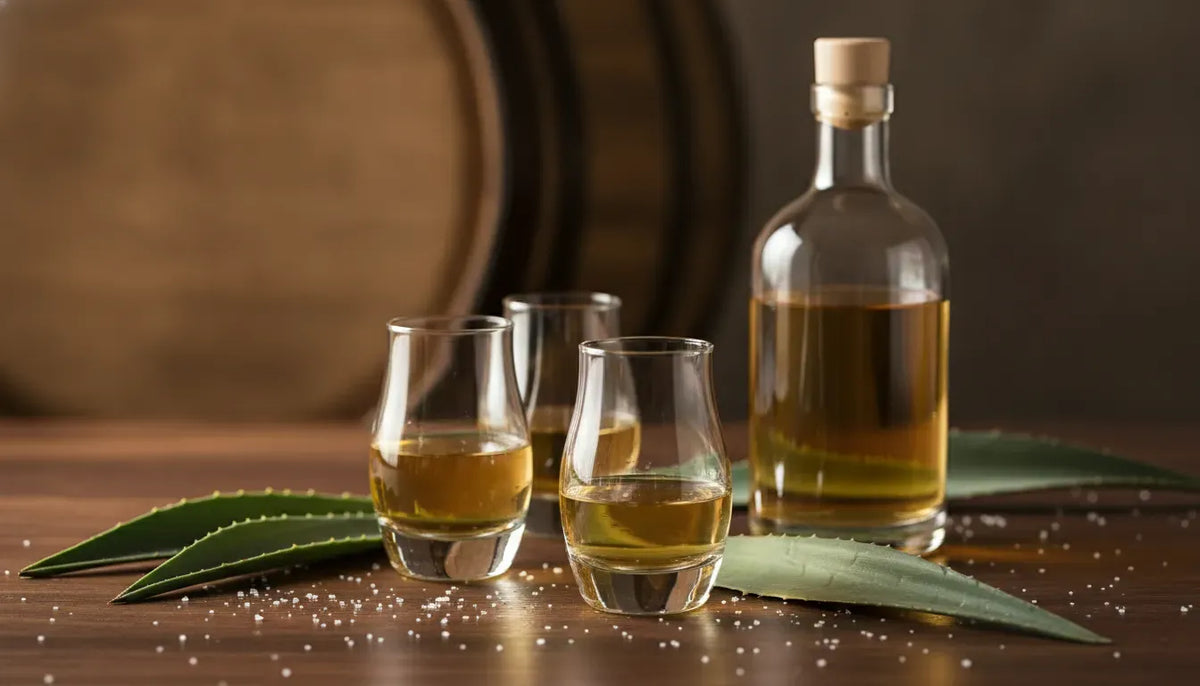
Cincoro tequila is a premium line built around a practical buying question: do you want bright agave and citrus, a softer oak influence, or a deeper barrel-led pour? The core range moves from unaged Blanco through Reposado, Anejo, and Extra Anejo. Sip Tequila's current catalog also lists specialty bottles and a family collection. The best bottle is the one whose age and flavor profile match how you plan to drink it.
Shop the current Cincoro tequila selection at Sip Tequila.
Quick answer: Choose Cincoro Blanco for fresh agave, citrus, grapefruit, and a faint jalapeno note. Choose Reposado for vanilla, caramel, honey, and oak. Choose Anejo for toasted oak, cooked agave, maple, butterscotch, and dark chocolate. Choose Extra Anejo for a longer finish with toasted oak, dried fruit, roasted nuts, dark chocolate, and coffee. Cincoro describes its tequila as 100% Blue Weber agave from Jalisco, with slow cooking and distillation and Tennessee whiskey barrel aging for its mature expressions.
What is Cincoro tequila?
Cincoro is a tequila brand whose core expressions are made from 100% Blue Weber agave selected from the highland and lowland regions of Jalisco, Mexico. The brand describes slow steam cooking and slow distillation, followed by barrel aging for the mature expressions. Those details give shoppers two useful ways to evaluate the line. Start with the agave and production identity. Then consider how much oak influence you want in the glass.
- Agave: Cincoro identifies its tequila as 100% Blue Weber agave.
- Region: The brand combines agave from Jalisco highlands and lowlands.
- Production: Slow cooking and slow distillation are part of the stated approach.
- Aging: Mature expressions use Tennessee whiskey barrels, which shape the vanilla, oak, spice, chocolate, and dried fruit notes described by the brand.
These details add context, but they do not replace tasting the bottle. Longer aging can bring more oak and dessert-like notes. An unaged tequila can show more cooked agave and fresh citrus. For a neutral reference on tequila categories, the Consejo Regulador del Tequila explains tequila standards, including the distinctions between blanco, reposado, anejo, and extra anejo.
How do the Cincoro expressions compare?
The core Cincoro range is easiest to understand as a progression in age and flavor weight. The table below uses the current expression information published by Cincoro and turns it into a practical shopping guide.
| Expression | Published aging | Flavor direction | Best starting point for |
|---|---|---|---|
| Blanco | Unaged | Fresh agave, citrus, grapefruit, vanilla, and faint jalapeno | Agave-forward sipping, Margaritas, and Palomas |
| Reposado | 8 to 10 months | Cooked agave, vanilla, caramel, honey, pepper, oak, and baking spice | A bridge between bright tequila and barrel-aged richness |
| Anejo | More than 20 months | Toasted oak, maple, cooked agave, butterscotch, dark chocolate, and dried fruit | Slow sipping and whiskey drinkers exploring tequila |
| Extra Anejo | 40 to 44 months | Toasted oak, orange, coffee, savory herbs, roasted nuts, and dark dried fruit | Collectors and long, oak-driven finishes |
The aging numbers above describe Cincoro's specific expressions. They are not a promise that every bottle in a category tastes the same. Barrel history, blending, proof, agave, and production choices all affect the final profile.

Which Cincoro tequila is best for sipping?
For sipping, start with the flavor family you already enjoy. People who prefer a clear agave character usually have the easiest entry with Blanco. If you like vanilla and gentle oak but still want cooked agave in the center, Reposado is a natural next step. Anejo and Extra Anejo suit a slower pour when the barrel should play a leading role.
- Choose Blanco for citrus, fresh agave, grapefruit, and a light peppery lift.
- Choose Reposado for vanilla, caramel, honey, and oak without the deepest aged profile.
- Choose Anejo for toasted oak, maple, baking spice, butterscotch, and dark chocolate.
- Choose Extra Anejo for roasted nuts, dried fruit, coffee, savory herbs, and a long finish.
Serve the tequila in a small tasting glass at a cool room temperature. Taste it neat first. Then add a few drops of water or one large ice cube if you want to see how the aroma and texture change. Chilling can soften alcohol heat, but it can also mute delicate agave and citrus notes.
For a first comparison, pour Blanco, Reposado, and Anejo in that order. The progression makes it easier to notice how barrel time changes the spirit. Sip Tequila's Cincoro Family Collection is another option for exploring multiple core expressions together, subject to current catalog availability.
What does Cincoro Blanco taste like?
Cincoro Blanco is the unaged expression, so its profile is centered on agave rather than barrel character. The brand's tasting notes describe fresh agave, citrus, grapefruit, and fresh jalapeno. The finish brings cooked agave and faint spice. There is also a hint of vanilla in the aroma.
That makes Blanco the most flexible expression in the range. Drink it neat when you want to focus on the spirit. Serve it over ice when you prefer a softer texture. Use it in a cocktail when you want citrus and agave to remain recognizable.
- Neat: Best for evaluating fresh agave and citrus.
- On the rocks: A simple option for a slower, cooler pour.
- Margarita: A natural pairing for the citrus-forward profile.
- Paloma: Grapefruit notes can reinforce the drink's bright character.
Blanco is also the best reference point for comparing the family. It shows the agave before barrel aging adds vanilla, oak, chocolate, dried fruit, and baking spice.
Is Cincoro Reposado a good middle ground?
Yes. Reposado is the line's middle-ground choice in both age and flavor. Cincoro describes it as aged for 8 to 10 months in Tennessee whiskey barrels. That is enough time for oak to contribute vanilla, caramel, dried fruit, honey, and baking spice while cooked agave remains part of the profile.
- Flavor direction: Cooked agave, vanilla, caramel, honey, pepper, white chocolate, oak, and spice.
- Occasion: Dinner, a relaxed evening pour, or a tasting with people who enjoy blanco and aged tequila.
- Serving: Neat or over ice, with enough structure for a spirit-forward cocktail.
Choose Reposado when you want more warmth than Blanco but do not want the full concentration of Anejo or Extra Anejo. If you usually drink bourbon or another barrel-aged spirit, the oak may feel familiar. If you usually drink blanco tequila, Reposado is a clear way to explore aging.
When should you choose Cincoro Anejo?
Cincoro Anejo is for the buyer who wants a richer tequila with a clear barrel signature. The brand describes more than 20 months in Tennessee whiskey barrels, with notes of toasted oak, maple, cooked agave, butterscotch, dark chocolate, dried fruit, and baking spices.
The extra time does not make Anejo automatically better than Blanco or Reposado. It makes it different. Anejo is a strong choice for a slow pour, a premium spirits shelf, or a whiskey drinker exploring tequila. Its deeper notes are easiest to appreciate neat or over one large cube.
- Pick Anejo for oak, maple, chocolate, and baking spice.
- Serve it neat first so you can follow the changing finish.
- Use a large ice cube for slower dilution and a softer texture.
- Pair it with grilled foods, dark chocolate, or toasted nuts.

Is Cincoro Extra Anejo worth considering?
Extra Anejo is the most mature core Cincoro expression and the most oak-driven option in this guide. Cincoro describes 40 to 44 months in hand-selected Tennessee whiskey barrels. Its published notes move toward toasted oak, cooked agave, orange, coffee, savory herbs, roasted nuts, dark dried fruits, dark chocolate, and an exceptionally long finish.
- Best for: A slow tasting, a special bottle, or a collector who enjoys mature oak.
- Expect: More barrel influence, dried fruit, roasted notes, coffee, and chocolate than younger expressions.
- Serve: Neat or over a small amount of ice, depending on your preferred texture.
- Compare with: Anejo, if you want to see whether more age adds the flavors you value.
Extra Anejo is worth considering when your priority is depth and a long finish rather than bright versatility. Give it time in the glass and take small sips. If your preference is fresh agave or citrus, Blanco may be more satisfying even if Extra Anejo is older.
What other Cincoro bottles may buyers see?
The current Sip Tequila collection also lists Cincoro Gold and Cincoro Anejo Cristalino alongside the core expressions. It lists a Cincoro Family Collection as well. Availability can change, so check the live product page before making a purchase decision.
- Cincoro Gold for the current catalog listing and product details.
- Cincoro Anejo Cristalino for the current specialty listing.
- Cincoro Family Collection for a multi-expression format when available.
Do not assume that a color, special presentation, or product name tells you everything about how a tequila was made. Read the individual product description for the current expression details, size, stock status, and serving guidance. The collection helps you compare the range. The product page is the better source for the exact bottle in your cart.
How should you taste Cincoro tequila?
A short tasting can tell you more than a bottle description alone. Use the same glass, pour size, and order for each expression so the comparison stays fair.
- Start with the aroma. Look for fresh agave, citrus, fruit, vanilla, oak, spice, or roasted notes before taking a sip.
- Take a small first sip. Let the tequila move across your palate. Notice sweetness, spice, texture, and the point where oak appears.
- Follow the finish. A Blanco may finish with citrus and light spice. An aged pour may move through oak, dried fruit, chocolate, or baking spice.
- Add water only after the neat pour. A few drops can open aromas. Too much can flatten the comparison.
For a family tasting, pour Blanco first, then Reposado, Añejo, and Extra Añejo. This order moves from the lightest profile to the most mature. It also helps you see that age is a style choice, not a simple quality ladder. Some drinkers prefer the direct agave character of Blanco. Others want the warmth and length of an older expression.
What should you check before buying Cincoro tequila?
Use the live product page as the final source for your purchase decision. Search snippets and collection cards can lag behind inventory or omit details that matter to your bottle choice.
- Expression: Confirm whether the bottle is Blanco, Reposado, Añejo, Extra Añejo, Gold, or Añejo Cristalino.
- Format: Check the bottle size and whether the listing is a single bottle or a family collection.
- Availability: Review the current stock status before planning a tasting or gift.
- Profile: Read the expression-specific description instead of applying the tasting notes of one bottle to the whole brand.
- Use: Decide whether the bottle is for sipping, cocktails, a guided tasting, or a collection shelf.
This final check protects against a common buying mistake: choosing a bottle because the brand name is familiar, then discovering that its flavor profile does not match the occasion. Cincoro offers a wide enough range for different preferences. The useful move is to match the expression to the person and the pour.
How should you choose a Cincoro bottle?
A confident Cincoro purchase starts with the drinking plan, not the most expensive-looking bottle. Ask four questions before you add one to your cart.
- Do you want agave or oak? Choose Blanco for fresh agave and citrus. Move toward Extra Anejo for mature oak and dried fruit.
- Will you sip it or mix it? Blanco and Reposado offer the most cocktail flexibility. Anejo and Extra Anejo suit a slow pour, though personal taste always wins.
- Are you buying one bottle or comparing the family? A single expression keeps the decision simple. A family collection can make a useful guided tasting when available.
- What does the live product page say? Confirm the exact expression, size, stock status, and current offer before ordering. Do not rely on an old search snippet.
These questions separate preference from prestige. A younger expression may be better for a citrus-loving Margarita drinker. A collector may value the slower finish of an older pour. There is no universal winner across the range.
Compare the current Cincoro bottles before you choose your expression.
Frequently asked questions about Cincoro tequila
Is Cincoro tequila made from 100% agave?
Cincoro's official product information describes its tequila as made from 100% Blue Weber agave selected from the highland and lowland regions of Jalisco, Mexico.
Which Cincoro expression is best for beginners?
Blanco is usually the clearest starting point because it shows fresh agave and citrus without barrel aging. Reposado is a good alternative if you already enjoy vanilla and gentle oak.
Which Cincoro tequila is the smoothest?
Smoothness is subjective and depends on how you serve the tequila. Reposado, Anejo, and Extra Anejo have more barrel influence. Blanco offers a brighter agave profile. Taste neat first, then try one large cube.
How old is Cincoro Extra Anejo?
Cincoro's current expression information describes Extra Anejo as aged for 40 to 44 months in Tennessee whiskey barrels. That aging contributes toasted oak, dried fruit, roasted nut, coffee, and chocolate notes.
Where can I buy Cincoro tequila?
Sip Tequila's live Cincoro collection and linked product pages show the current selection and availability. Check the individual product page for the exact bottle, size, and current purchase details.
Browse Sip Tequila's Cincoro collection and choose by expression, flavor, and occasion.


