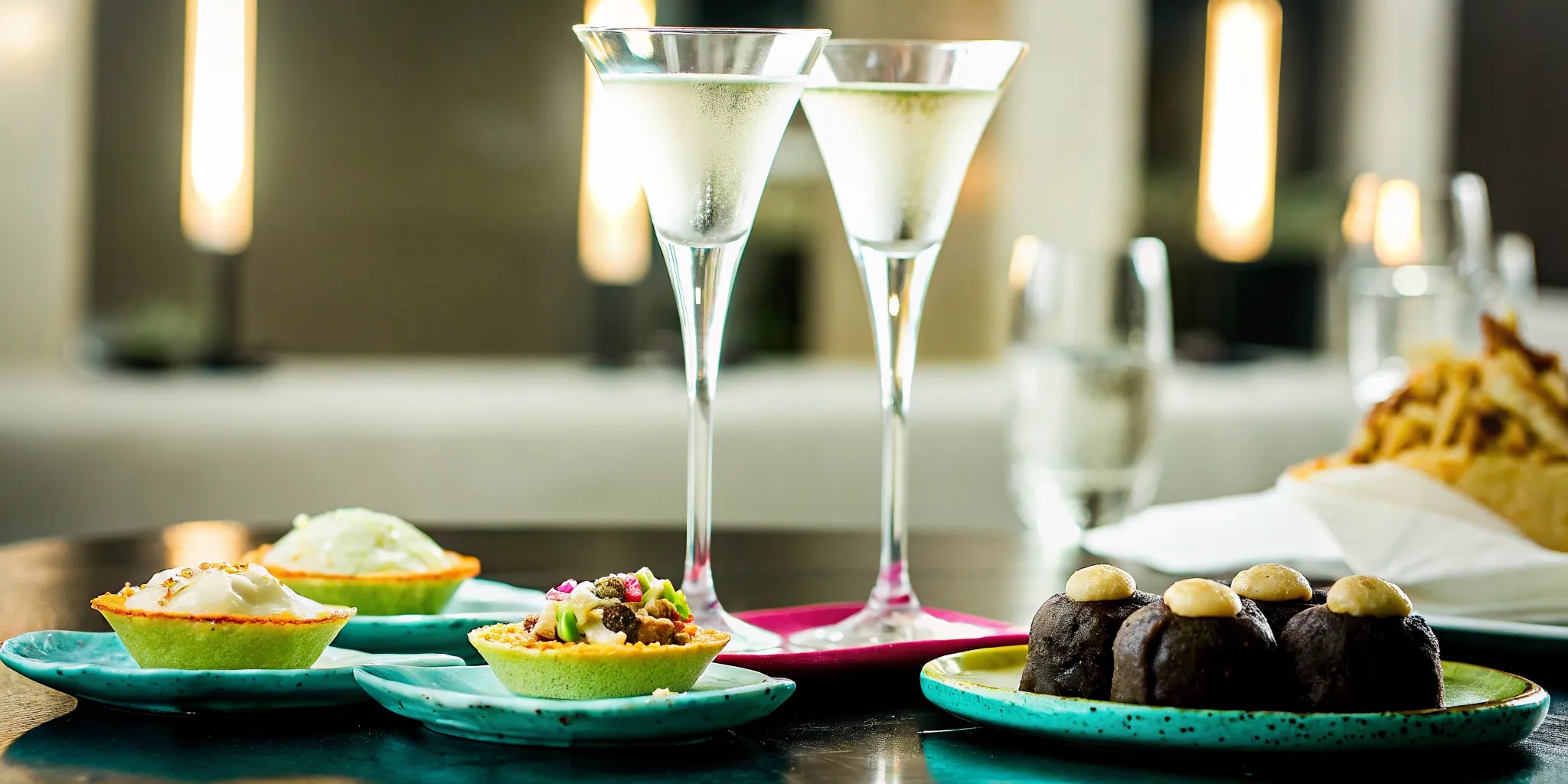





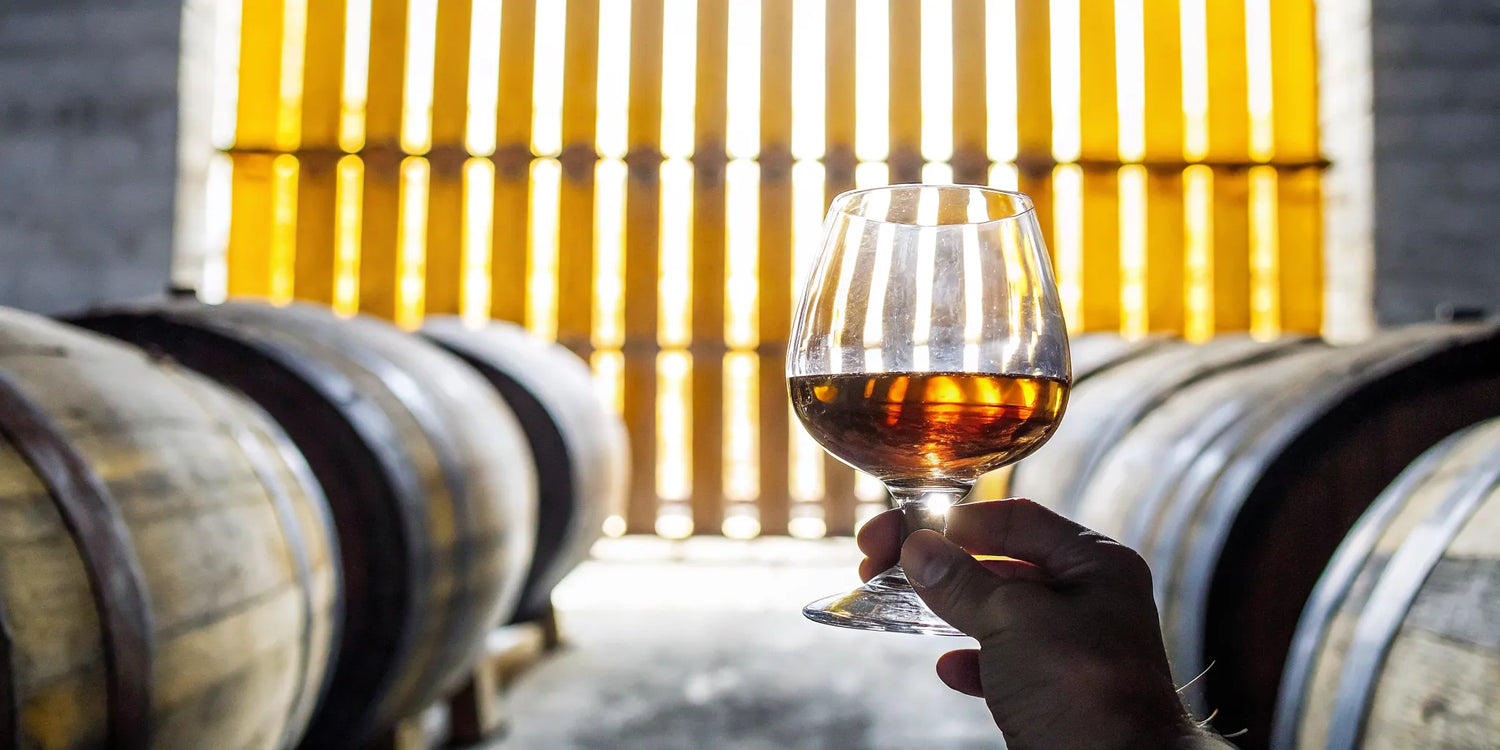
Some tequilas are made for cocktails. The most mature expressions are made for patience, conversation, and a place of honor in your collection. With prices commonly starting around $79 to $100 and climbing well beyond $250 for rare bottles. This is a category where barrel time, craftsmanship, and provenance matter as much as the pour itself.
Extra anejo tequila is a 100% blue agave spirit aged for at least three years in oak barrels. That extended maturation gives it a deeper, more layered profile, making it best approached as a sipping spirit rather than a mixer.
Whether you are building a serious collection or exploring aged agave spirits for the first time, understanding the category makes it easier to choose a bottle with character. Start with the official definition, then look at how time and oak shape what ends up in your glass.
What Is Extra Anejo Tequila?
Extra anejo tequila is the most mature of tequila's recognized age categories. Under NOM-006-SCFI-2012, the spirit must spend at least three years aging in oak barrels with a maximum capacity of 600 liters. The designation was formalized by the Consejo Regulador del Tequila (CRT) in 2006, giving producers an official category for ultra-aged expressions.
The official definition
Age alone does not tell the whole story. Extra anejo must be made from 100% blue agave, specifically Agave tequilana Weber blue variety, rather than a mixto blend that combines agave sugars with other sources. It also must meet the barrel and aging requirements set by the tequila standard. The CRT oversees tequila certification, and a bottle's NOM number provides an important way to verify the producer and its authorized distillery.
Those rules establish a minimum, not a flavor guarantee. One extra anejo may rest in ex-bourbon barrels, while another may use cognac, sherry, or new American oak. The wood, the distillery's production choices, and the time in barrel all shape the finished spirit. Longer maturation generally brings more oak and spice alongside softer, more developed agave character, a transformation that can place the category in conversation with aged whiskey and cognac. Learn more about the extra anejo classification and aging rules.
How the age categories compare
- Blanco: Unaged or rested for up to about two months, preserving the clearest expression of cooked agave.
- Reposado: Aged from two months to one year, adding an early layer of oak influence while keeping the agave forward.
- Anejo: Aged from one to three years, with a rounder texture and more developed barrel character.
- Extra anejo: Aged for at least three years in qualifying oak barrels, creating the deepest and most mature category.
In practical terms, the extra anejo label tells you that the tequila has crossed a regulated aging threshold. It does not mean every bottle tastes the same, or that older automatically means better. Instead, it gives you a useful starting point for understanding why these tequilas tend to be approached as sipping spirits. Often served neat in a tasting glass so their layered aromas and flavors can take center stage.
How Extra Anejo Is Aged: Barrels, Time, and the Angel's Share
Once tequila enters an oak barrel, time starts reshaping more than its color. The spirit slowly extracts compounds from the wood while oxygen and evaporation soften its profile. That is why the same agave distillate can taste dramatically different after several years of maturation.
Barrel choice sets the flavor direction
Ex-bourbon American oak is the most common home for extra anejo tequila. These barrels can bring familiar notes of vanilla, toasted wood, caramel, and coconut-like richness. El Tesoro, for example, ages its extra anejo in American oak ex-bourbon barrels for four to five years. A process the producer associates with chocolate and coffee flavors (El Tesoro's production notes).
French oak tends to push the profile in a more refined, cognac-style direction, with layered spice and a tighter wood influence. Used sherry casks can add extra dried-fruit and nutty complexity. These aren't interchangeable finishing choices. The barrel determines which compounds the tequila encounters, including tannins for structure, vanillin for vanilla-like sweetness, and lactones for soft, creamy, coconut-leaning notes. Longer oak contact extracts more of all three, which can smooth the spirit while muting some of agave's brighter character (research on extra anejo maturation).
What is the angel's share?
While tequila rests, a portion of the liquid slowly evaporates through the barrel. Producers call this loss the angel's share. In warmer climates, evaporation can reach 15% to 20% per year. The remaining tequila becomes more concentrated, but the economics change too: less liquid is left to bottle after years of storage. That evaporative loss is one reason a mature expression costs more than a reposado or anejo.
Why older is not always better
Extra anejo must spend at least three years in oak, but more time does not automatically mean a better tequila. Some producers avoid going beyond four years because heavy wood can overwhelm the cooked-agave foundation that makes tequila distinctive. The best aging plan balances time, barrel size, climate, and the desired spirit profile. Look for harmony between oak and agave, not simply the biggest age statement on the label.
Extra Anejo Flavor Profile: What to Expect in Every Sip
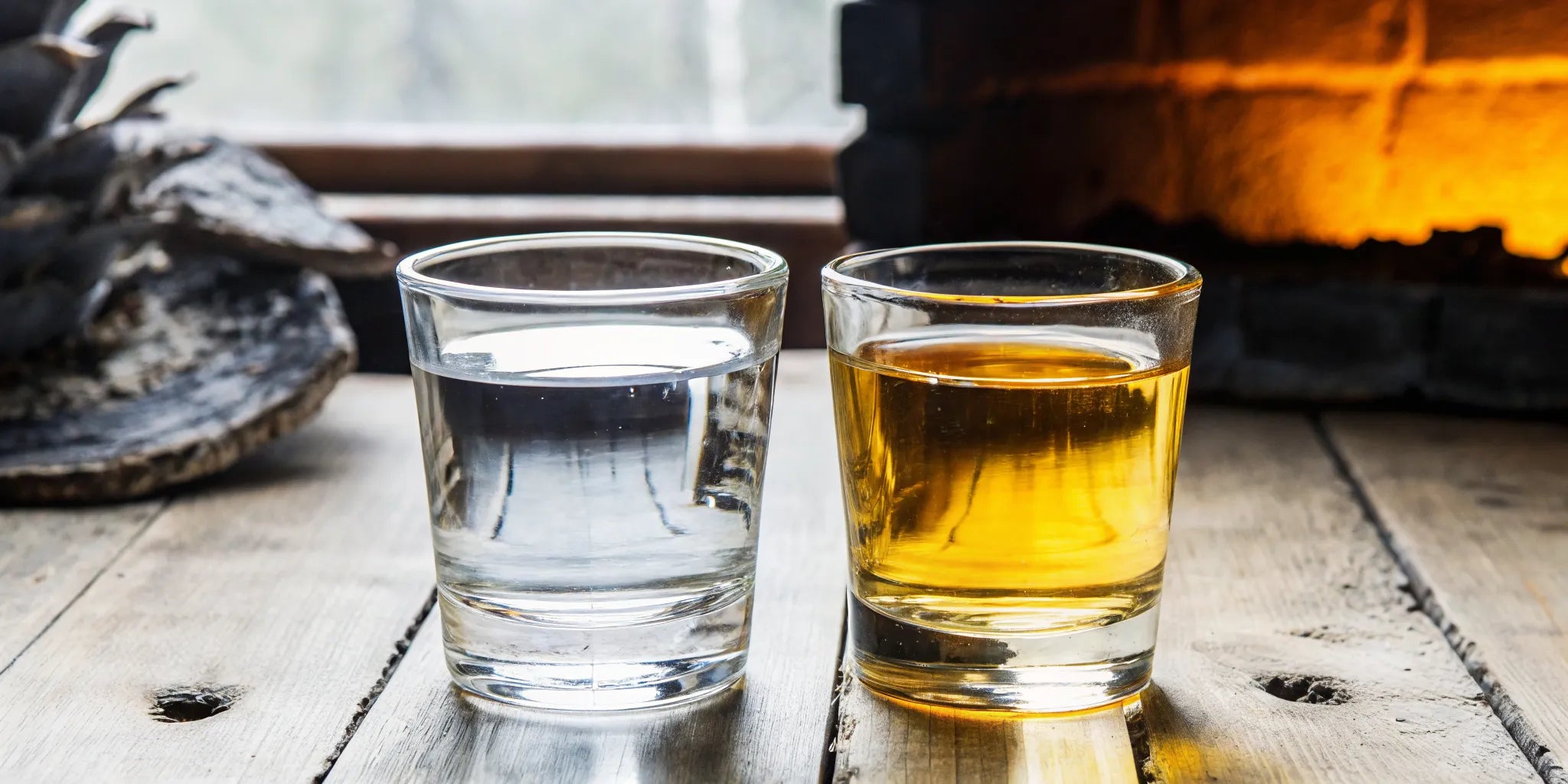
Extra anejo tequila is less about a sharp agave punch and more about layered maturation. After years in oak, the spirit often pours a dark amber or copper color and feels smooth, almost creamy, across the palate. The finish is long and refined, with spice and oak lingering well after the glass is empty. That profile is why extra anejo is often compared with fine whiskey, cognac, or aged rum rather than treated like a base for a cocktail. Extended oak aging softens the agave character while adding depth.
The core tasting notes
Every bottle has its own balance of agave, barrel, and proof, but the following notes commonly appear as the spirit opens up:
- Dark chocolate and espresso: Roasted, bittersweet flavors add depth without making the tequila taste heavy.
- Toasted oak and vanilla: Oak brings gentle tannin, while vanillin contributes a rounded, dessert-like aroma.
- Caramel: A soft brown-sugar sweetness can connect the wood and cooked agave notes.
- Dried fruit: Look for fig, raisin, and sometimes a dark fruit richness that develops toward the middle of the sip.
- Cinnamon and clove: These warm spices often emerge on the palate and return in the finish.
- Tobacco and spice: A dry, savory edge keeps the sweetness in check and gives the spirit structure.
Why extra aging changes the spirit
Time in oak does more than darken the liquid. As the tequila rests, it extracts tannins, vanillin, and lactones from the barrel. Those compounds help create the vanilla, toasted wood, coconut-like richness, and softer texture associated with mature spirits. The result is a more whiskey- or cognac-like complexity, with the cooked-agave foundation still present underneath. Longer aging generally produces a smoother, mellower taste with more pronounced wood and spice overtones, although the best bottles keep the barrel from overwhelming the agave.
A simple tasting ritual
Serve extra anejo neat, at room temperature, in a tulip glass or Glencairn glass. These shapes concentrate aromas better than a wide rocks glass. Start by studying the color, then swirl gently and smell from a short distance. Take a small first sip to set your palate. On the second sip, look for sweetness, oak, fruit, and spice in sequence. Let the finish fade before taking another taste. This is an after-dinner sipping spirit, so there is no need to rush it or bury its character under mixers.
For the clearest read on a bottle, taste it neat first. If you later add a few drops of water, do so sparingly and compare the aroma and finish before deciding which version you prefer.
Extra Anejo vs Anejo vs Reposado vs Whiskey: What's the Difference?
The easiest way to understand these bottles is to track what time does to the spirit. Longer barrel aging generally brings more color, oak, vanilla, and dried-fruit character, while blanco keeps the agave front and center.
| Spirit | Aging time | Typical color | What to expect |
|---|---|---|---|
| Blanco | 0 to 2 months | Clear | Bright, fresh agave with pepper, citrus, and herbal notes |
| Reposado | 2 to 12 months | Light gold | A balance of cooked agave and gentle oak, often with vanilla or baking spice |
| Anejo | 1 to 3 years | Amber | Oak-forward, rounded, and richer, with caramel, spice, and a softer agave profile |
| Extra anejo | 3 years or more | Dark amber to copper | Complex and layered, with deep oak, vanilla, dried fruit, chocolate, and lingering agave |
| Whiskey | Varies by style and producer | Gold to deep amber | Grain, charred oak, caramel, spice, and fruit, with wide variation by category |
Why bourbon drinkers often enjoy extra anejo
If your usual pour is bourbon, extra anejo tequila makes a natural next step. Both spirits can show pronounced barrel influence, familiar proof ranges, and a tasting ritual built around a slow, neat pour. Notes of vanilla, toasted oak, caramel, dried fruit, and baking spice can feel recognizable without making the two spirits interchangeable.
The important difference is what sits beneath the oak. In a well-made extra anejo, cooked blue agave remains present rather than disappearing under the barrel character. That combination gives the spirit its own identity: whiskey-like richness with tequila's earthy, peppery, and lightly vegetal core. Higher-proof expressions, often in the 40% to 55% ABV range, can also carry barrel flavor while retaining structure.
How much does the aging difference matter?
Choose reposado when you want an easy middle ground, anejo when you prefer a more oak-led sipping tequila. And extra anejo when you want the deepest, most developed profile. Aging is not automatically a quality ranking, so your preference matters. For a practical look at what the added time can mean at checkout, see Sip Tequila's guide to extra anejo tequila prices.
Top Extra Anejo Bottles Worth Collecting
The best extra anejo tequila bottles give you more than age on a label. They show how barrel choice, time, and production style shape a spirit that can stand beside whiskey or cognac. The bottles below cover approachable entry points, collector rarities, and a few genuinely unusual formats.
El Tesoro Extra Anejo
El Tesoro is a strong starting point for drinkers who want a deeply matured profile without losing tequila's identity. The blend rests for four to five years in American oak ex-bourbon barrels, developing rich chocolate and coffee notes. It also carries a notable credential: El Tesoro was named International Spirits Challenge Tequila Distillery of the Year in 2021. Pour it neat and let it open for a few minutes. See El Tesoro Extra Anejo for current availability and details.
Tears of Llorona
Tears of Llorona is an easy recommendation for someone who already enjoys bourbon, Scotch, or aged rum. Its wood-forward character and layered, contemplative style make it a natural crossover bottle for whiskey drinkers who are curious about agave spirits. It is the sort of pour that rewards a slow pace rather than a crowded cocktail.
Fuenteseca Reserva 7 Year Extra Anejo Cosecha 2014
For collectors, Fuenteseca Reserva 7 Year Cosecha 2014 is the rarity play. It was aged for seven years, well beyond the category's three-year minimum, and is described as an exceptional, rare tequila. Longer maturation does not automatically make a bottle better, but it does make the interaction between agave, oak, and evaporation more pronounced. This is a bottle to seek when provenance and scarcity matter as much as the tasting experience.
Don Pilar Extra Anejo
Don Pilar offers a more clearly defined oak profile. It is aged for 36 months in new American white oak barrels, giving it a useful point of comparison with extra anejos matured in previously used bourbon casks. Choose it when you want to explore how fresh oak influences the spirit's texture, spice, and vanilla-like character.
Adictivo Black Extra Anejo
Adictivo Black is the practical novelty in this group. It is available in a 1.75-liter half-gallon format, making it an unusual option for entertaining, gifting, or building a larger home bar pour. Check the bottle size carefully before ordering, since the format is substantially larger than a standard 750-milliliter bottle.
Price is part of the collecting decision. Entry-level extra anejos typically begin around $79 to $100 or more, while ultra-premium and rare expressions can reach $250 to $400 or higher. That spread reflects aging time, evaporation, limited releases, and presentation, not simply a promise that the most expensive bottle will suit your palate. Browse Sip Tequila's extra anejo collection, then compare tasting profiles with its guide to top-rated extra anejo tequilas before choosing your next bottle.
Frequently Asked Questions
What is an extra anejo tequila?
Extra anejo is tequila aged for at least three years in oak barrels, making it the most mature tequila category. It must be made from 100% blue agave. The extended barrel time typically brings notes of vanilla, caramel, toasted oak, dried fruit, and dark chocolate.
What is the best extra anejo tequila?
There is no single best bottle for every palate. El Tesoro Extra Anejo suits drinkers who enjoy ex-bourbon influence and rich dessert notes, while Fuenteseca Reserva 7 Year is a stronger choice for collectors seeking rarity. For a broader comparison, focus on barrel type, stated age, tasting notes, and producer transparency.
Is extra anejo tequila worth the price?
It can be, especially if you enjoy sipping whiskey, cognac, or aged rum and want a tequila with a long, layered finish. Extra anejo bottles often begin around $79 to $100 and can reach $250 to $400 or more. So the value depends on how much you appreciate the aging and the specific bottle.
Is extra anejo or reposado tequila better?
Neither is universally better. Choose reposado for a fresher agave profile with lighter oak influence, or extra anejo for deeper barrel character, a creamier texture, and a slower after-dinner pour. Your preferred balance between agave brightness and oak-driven richness is the deciding factor.
How should you serve extra anejo tequila?
Serve it neat in a small tasting glass at room temperature, then take slow sips as the flavors open up. A few drops of water can soften a high-proof expression without masking its character. It also works well as an after-dinner sipping spirit rather than as the base of a mixed drink.
Ready to Shop Extra Anejo Tequilas?
Extra anejo rewards a slower pour and a thoughtful choice. When you are ready to explore aged expressions for sipping, gifting, or building your collection, shop Extra Anejo Tequilas from Sip Tequila. Compare distinctive bottles and find an expression that fits your palate. If you would rather speak with someone first, call (877) 288-7351 for assistance.