


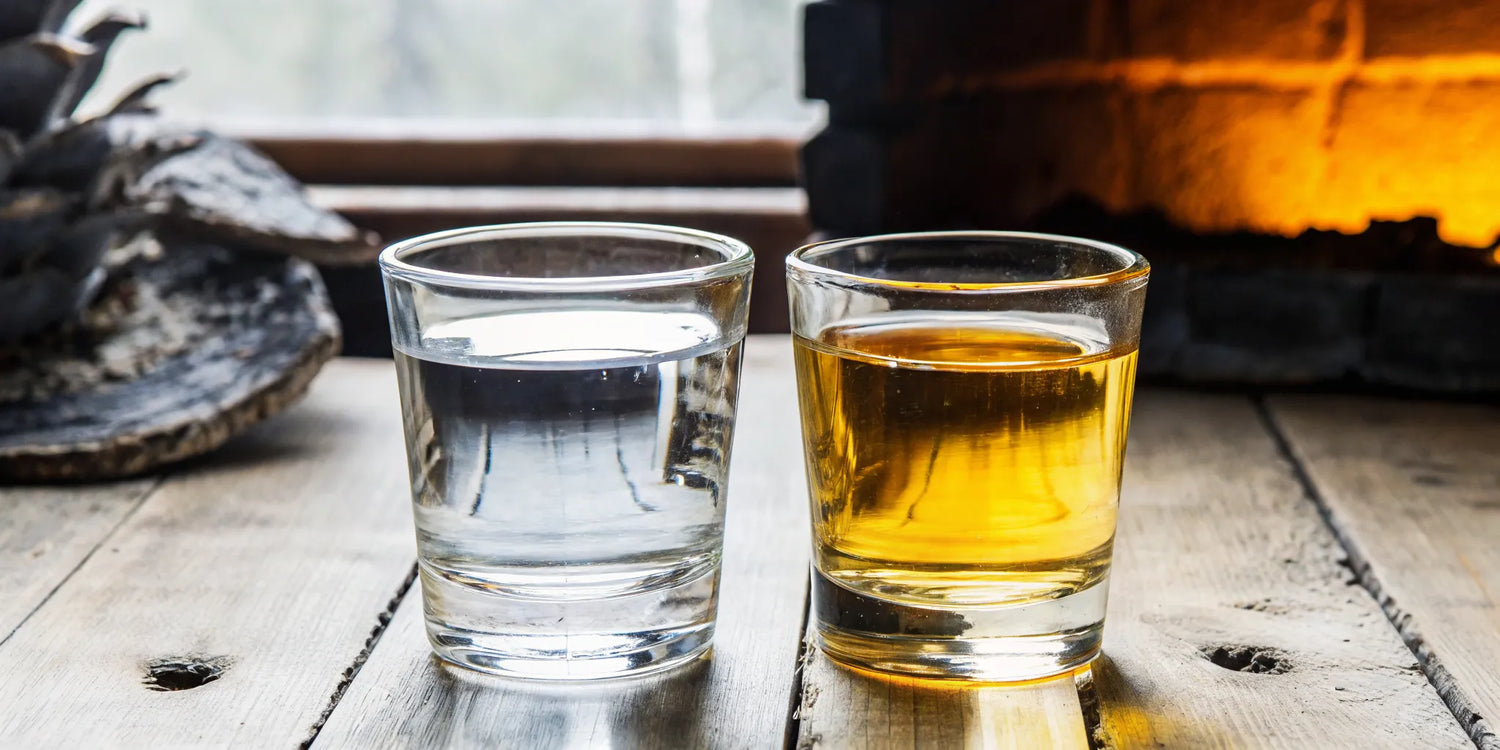
Tequila and mezcal share an agave foundation, but the bottle in your glass reflects far more than a simple difference in flavor. The species of agave, where it was grown, how its heart was cooked, and the rules governing production all shape the final spirit. That is why two bottles from Mexico can feel entirely distinct while belonging to the same broader family.
The clearest way to understand tequila vs mezcal is to compare four essentials: agave, production method, regional designation, and taste. Tequila must use Weber Blue Agave and is produced in designated regions under relatively standardized methods. Mezcal can use more than 30 agave species and often gains its earthy, smoky character from roasting in earthen pits. Both are protected by Denominations of Origin in Mexico, but their permitted materials and methods differ.
Start with the spirit whose identity is most tightly defined, then follow how those rules influence its aroma, texture, and place in the wider world of agave spirits.
What Is Tequila?
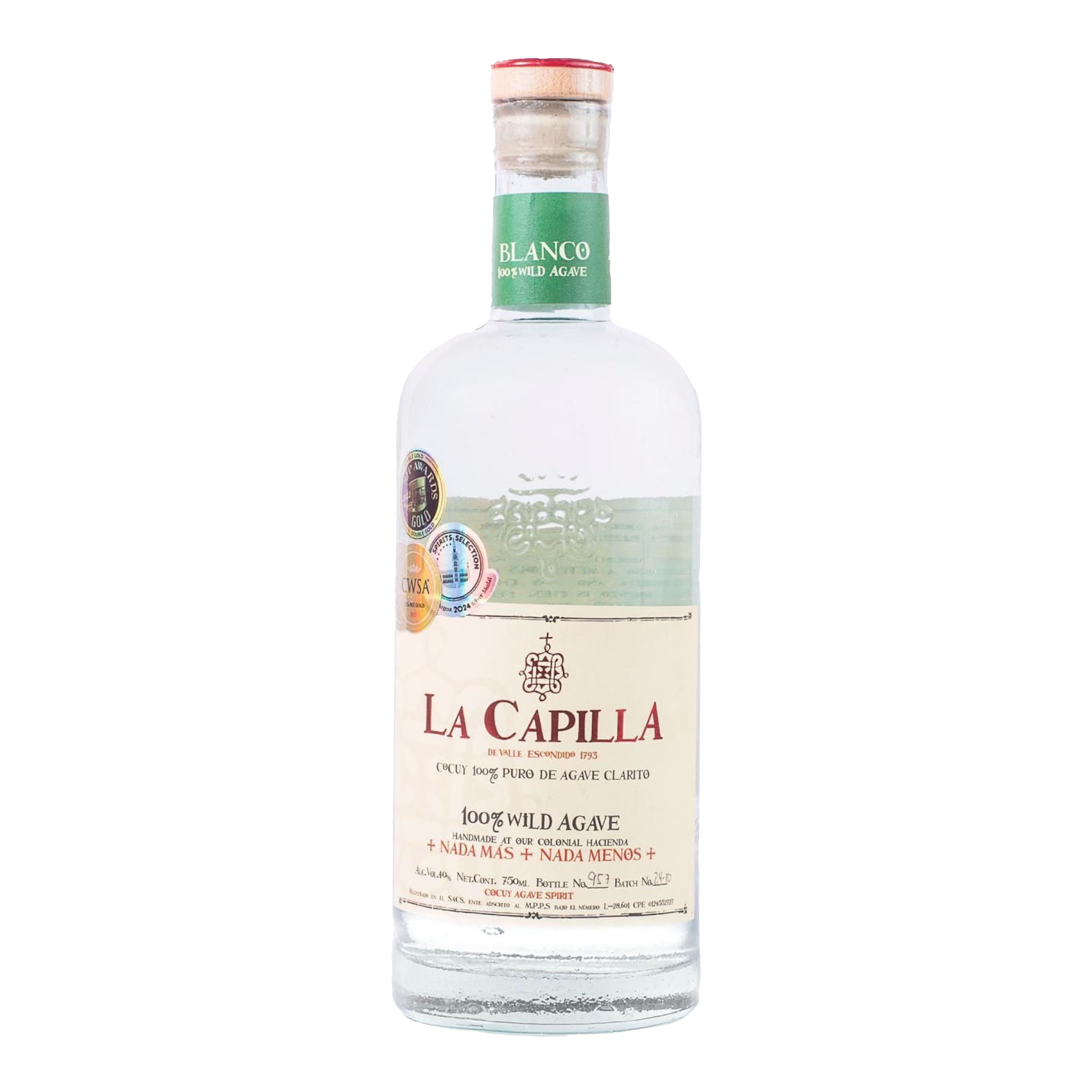
Tequila is a distilled agave spirit made exclusively from Weber Blue Agave (Agave tequilana) in designated regions of Mexico. Its protected Denomination of Origin sets requirements for both the raw material and where production can take place. Jalisco is the primary production state, although the designation also includes specified municipalities in other Mexican states. In other words, tequila is a specific category within the broader world of agave spirits. For a useful way to see how these categories relate, explore this guide to the agave spirits hierarchy.
Once mature agave plants are harvested, producers remove the leaves and work with the heart, or piña. The piñas are cooked to convert their stored carbohydrates into fermentable sugars. Tequila producers typically steam them in autoclaves or cook them in stone ovens. Autoclaves provide a standardized, repeatable process, helping producers achieve consistent flavor from batch to batch. After cooking, the agave is crushed, fermented, and distilled before being bottled or matured in oak.
Tequila's five aging categories
The time tequila spends resting after distillation shapes its color, aroma, texture, and oak character. The five recognized categories are:
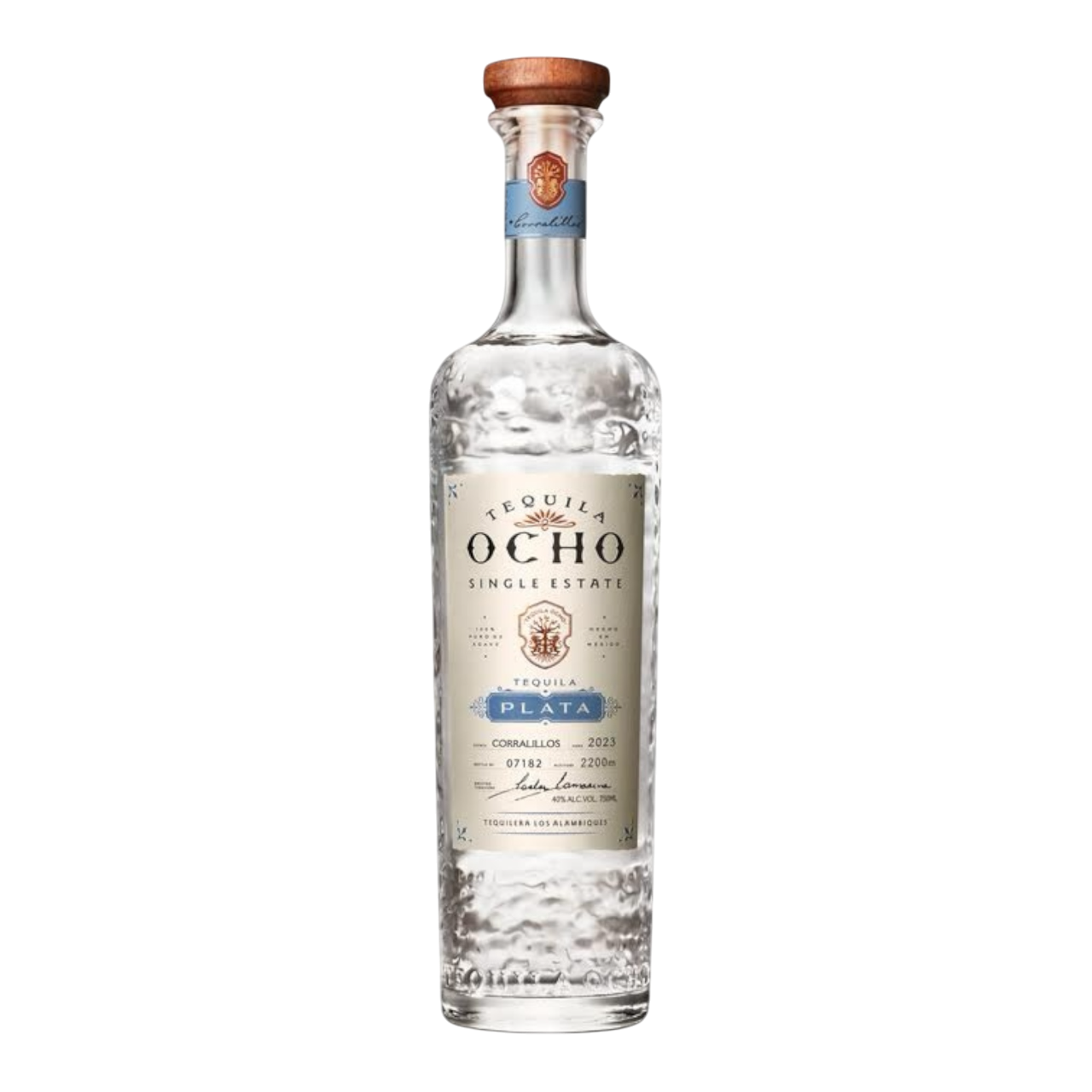
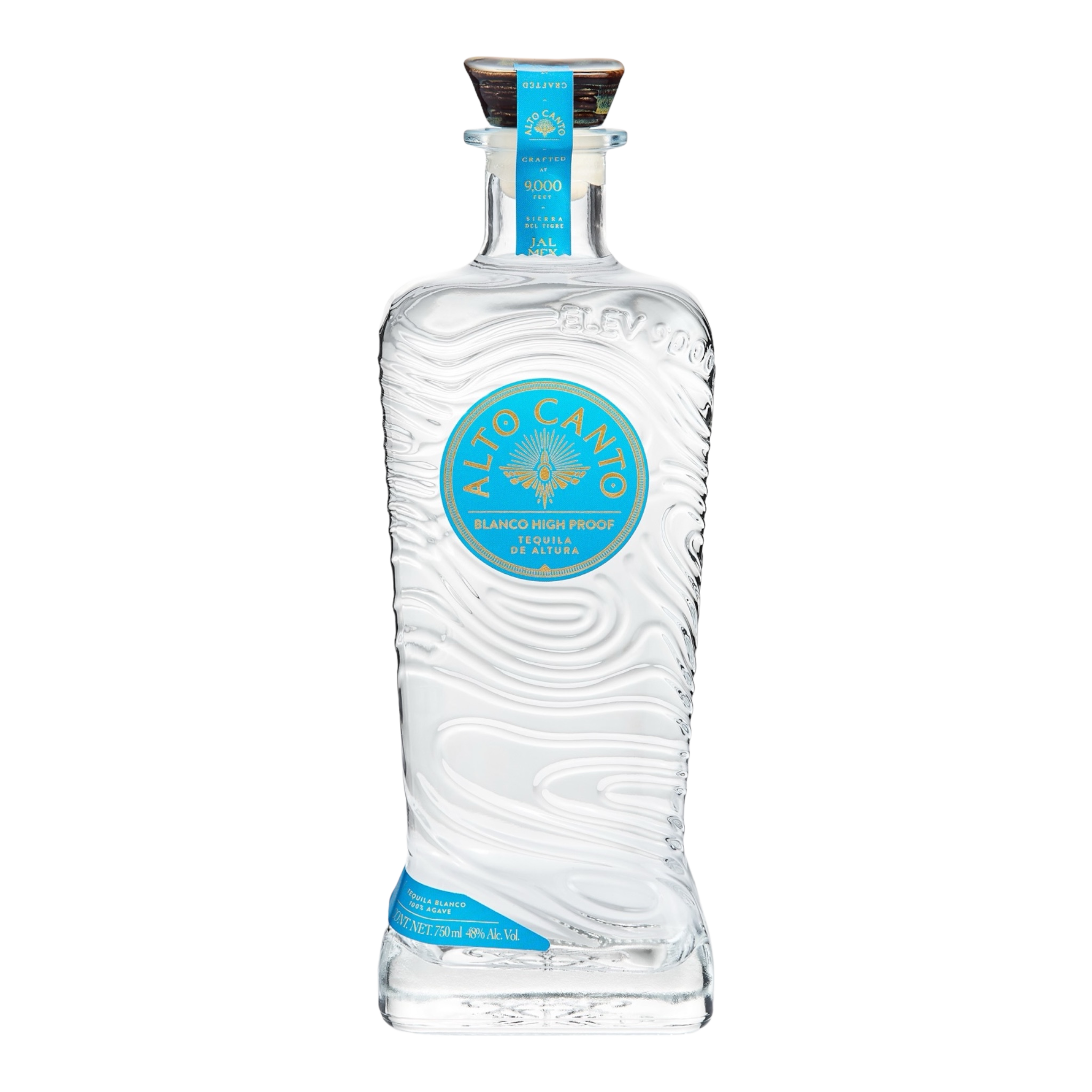
- Blanco: Unaged tequila, or tequila rested for no more than two months. It usually shows the clearest expression of cooked agave.
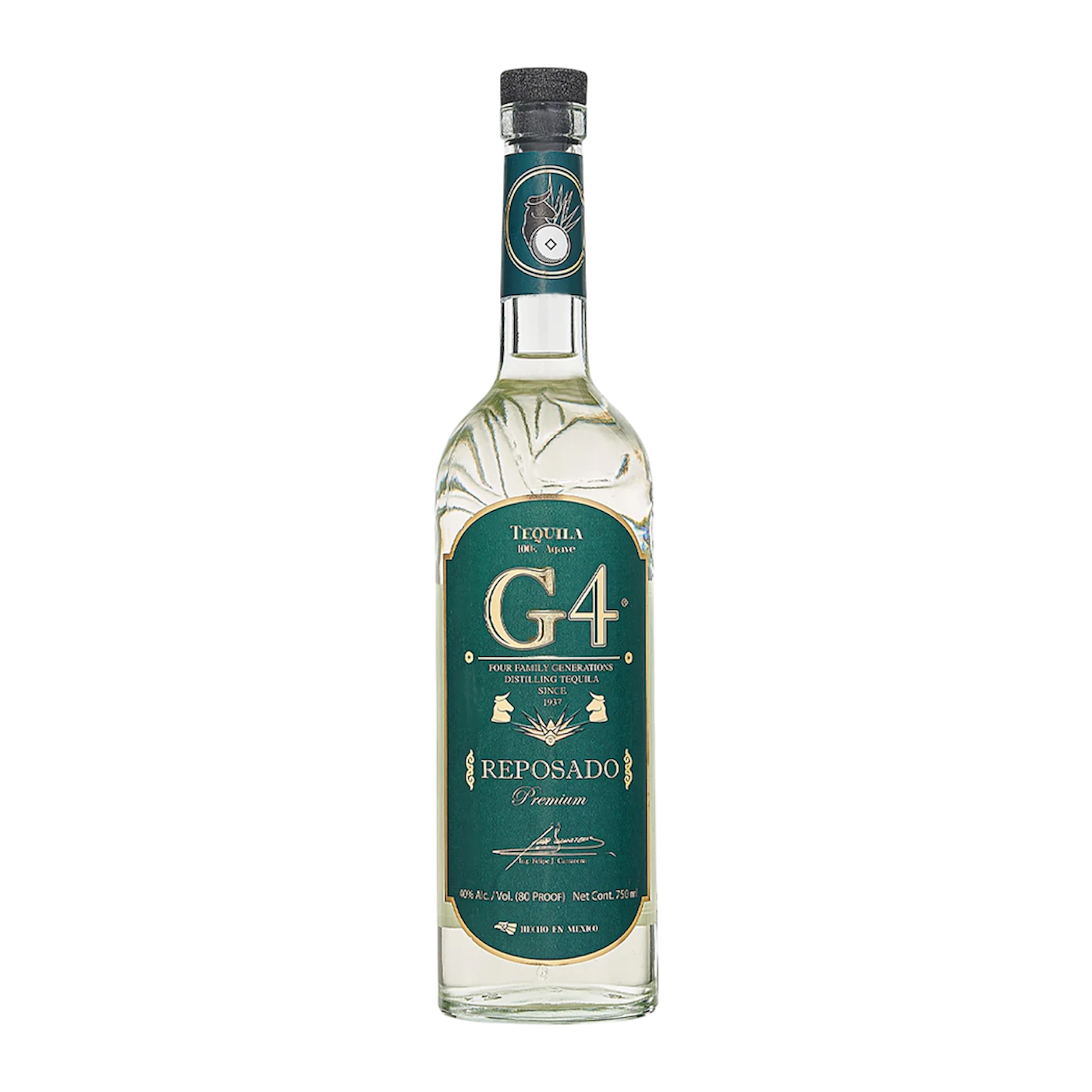
- Reposado: Tequila aged for two months to one year, often balancing fresh agave notes with gentle oak.
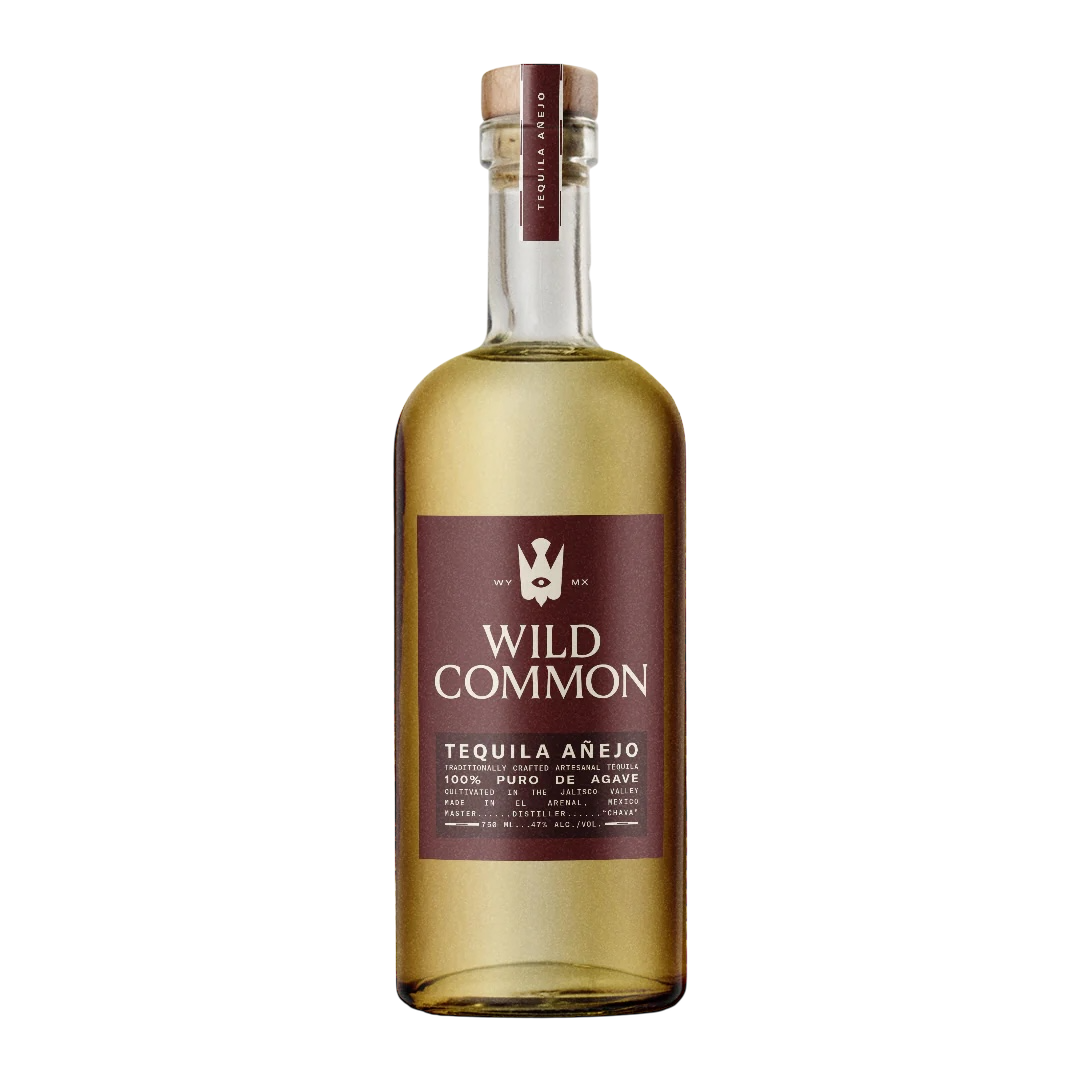
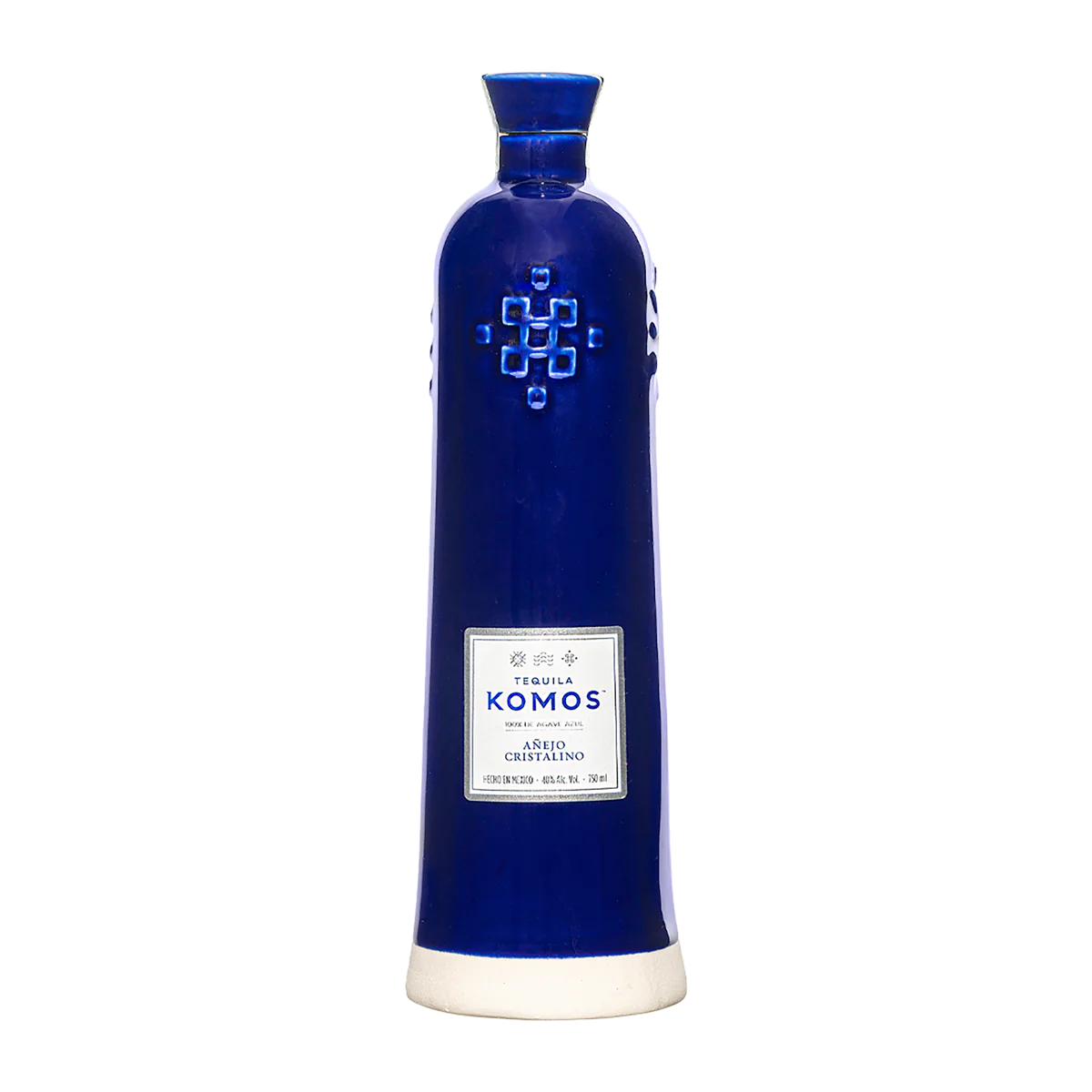
- Anejo: Tequila aged for one to three years, with a rounder texture and deeper barrel influence.
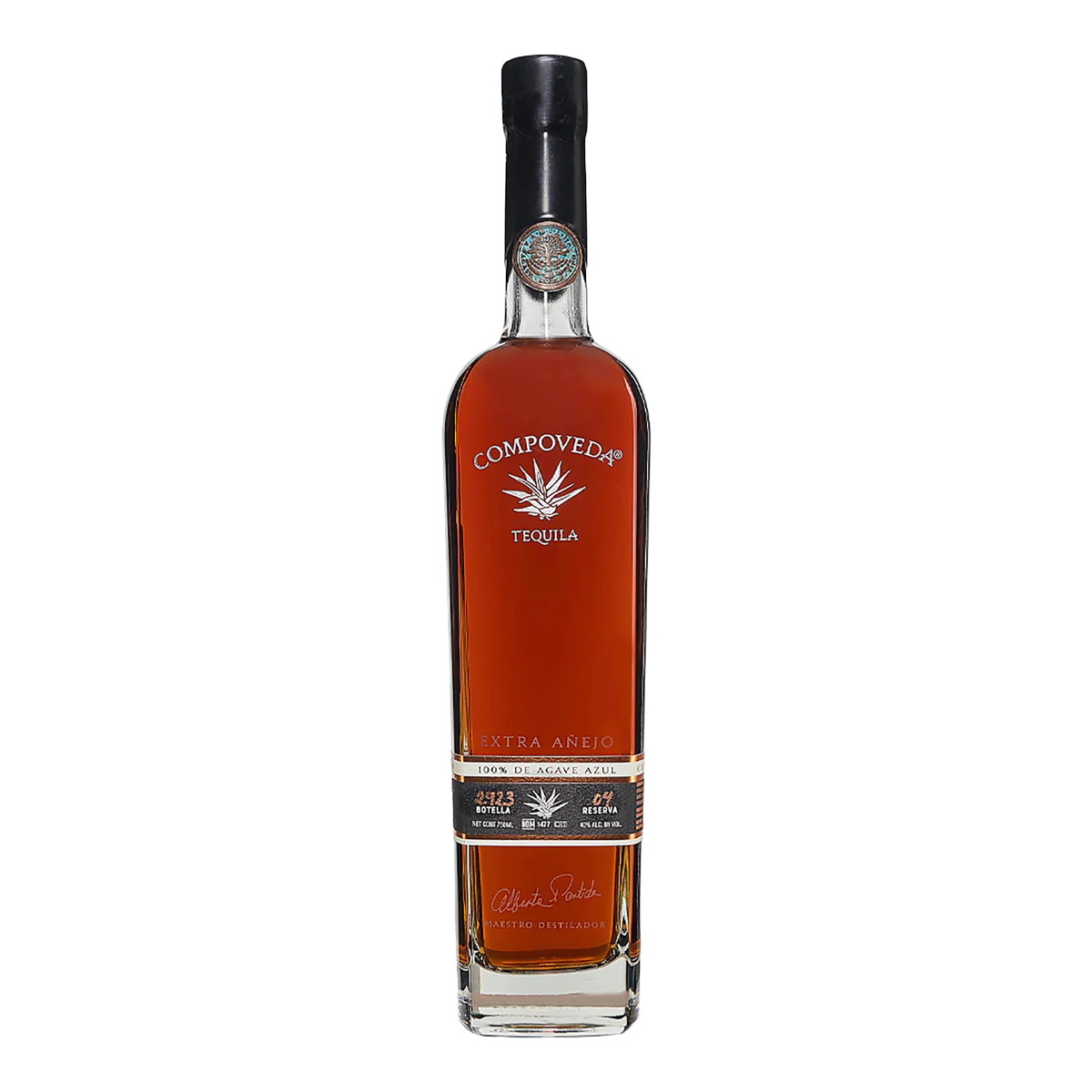
- Extra anejo: Tequila aged for more than three years, typically offering the most developed oak and dessert-like notes.
- Joven: A blend, commonly combining blanco tequila with aged tequila to create a specific profile.
These categories give you a practical starting point when choosing a bottle, but production details and individual producer decisions still matter. Browse the premium tequila collection to compare expressions across styles.
What Is Mezcal?
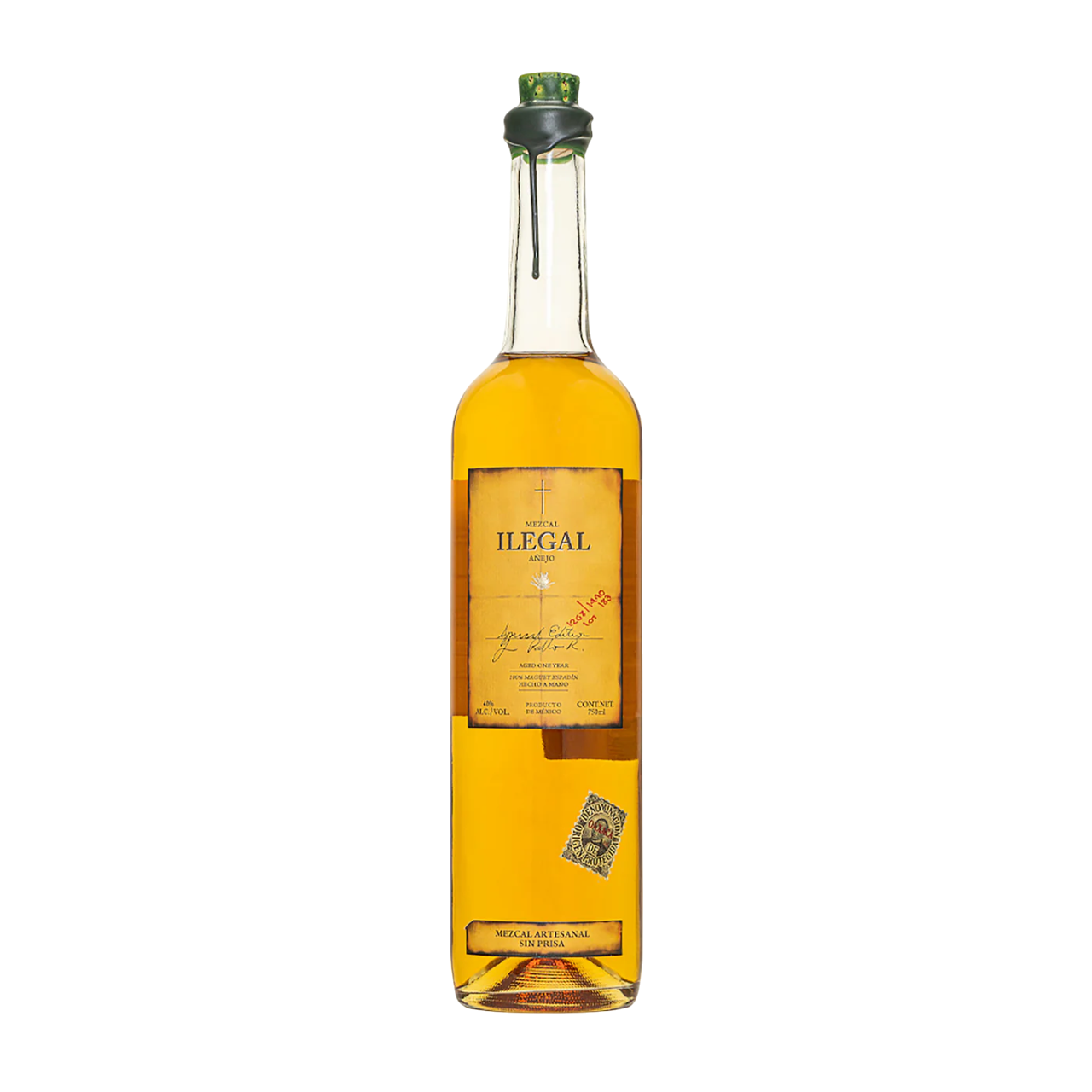
Mezcal is a category of agave spirit made in designated regions of Mexico, but its identity is broader than tequila's. While tequila must use Weber Blue Agave, mezcal can be produced from more than 30 agave species. Each species can bring its own balance of fruit, herbs, flowers, earth, or mineral character. Which helps explain why mezcal offers such a wide range of aromas and flavors.
More agave species, more ways to express place
Both spirits are protected by a Denomination of Origin, so mezcal is not simply a label for any spirit made from agave. Its production is regulated within designated areas that include Oaxaca and several other Mexican states, including Durango, Guanajuato, and Guerrero. The geography matters because agave species, local conditions, and producer traditions vary from one region to another.
That diversity extends to the production method. Mezcal makers may use different agaves and more varied, often artisanal techniques. The result is not one fixed flavor profile, but a family of spirits with distinct regional and producer expression. If you want a closer look at the craft, read more about how mezcal is made.
Why does mezcal taste smoky?
Many mezcals get their signature smoky character from the way the agave hearts, or piñas, are cooked. Producers traditionally roast them in earthen pits lined with stone. The heat softens the agave and helps convert its stored carbohydrates into fermentable sugars, while smoke from the fire becomes part of the spirit's sensory profile. Not every mezcal tastes equally smoky, but pit roasting is a major reason mezcal can taste more earthy and layered than many tequilas.
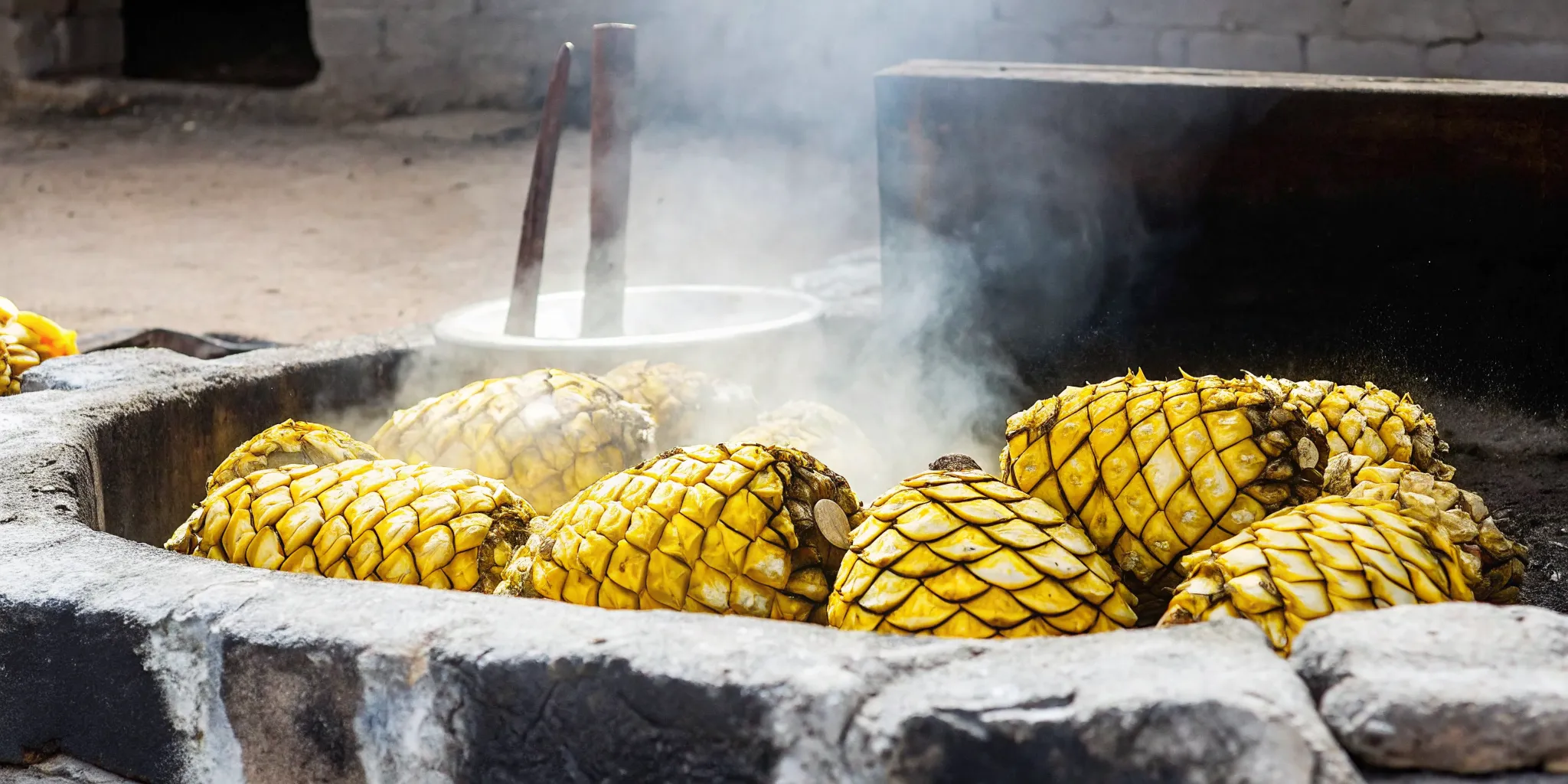
After cooking, the agave is crushed, fermented, and distilled. Details can differ by region and producer, which is one reason bottles can show such distinct personalities. For a curated way to explore those differences, browse Sip Tequila's mezcal collection.
Does mezcal really have a worm?
The gusano sometimes found in a mezcal bottle is not a traditional requirement or an essential part of production. The agave redworm moth caterpillar began appearing in bottles during the 1940s and 1950s as a marketing gimmick aimed at attracting tourists. It does not define mezcal, and quality mezcal does not need a worm to demonstrate authenticity or character.
5 Key Differences Between Tequila and Mezcal
Tequila and mezcal share an agave foundation, but their rules and production choices create notably different spirits. This side-by-side comparison makes the main distinctions easier to see.
| Difference | Tequila | Mezcal |
|---|---|---|
| Agave species | Made exclusively from Weber Blue Agave, or Agave tequilana. That is one permitted agave species. | Can be made from more than 30 agave species, creating a much broader range of aromas and flavors. |
| Production method | Agave is typically steamed in industrial autoclaves or ovens. This standardized approach supports a consistent flavor profile. | Agave is often roasted in earthen pits. Smoke from the cooking process can contribute a distinctive smoky character. |
| Region | Produced in designated areas of Mexico, primarily Jalisco, under a protected Denomination of Origin. | Produced in designated areas across several Mexican states, including Oaxaca, with more geographically varied regional styles. |
| Taste profile | Often bright and vegetal, with citrus and pepper notes that can show clearly in cocktails or neat pours. | Often earthy and smoky, with complex, varied profiles shaped by the agave species, region, and production method. |
| Aging | Uses five familiar categories: blanco, joven, reposado, anejo, and extra anejo. | Uses the same broad aging categories, but the greater variation in agave and production can produce wider expressions within them. |
The aging labels alone do not tell the whole story. Both spirits can be categorized from unaged or lightly aged styles through longer oak maturation, but they start with dramatically different raw materials and production character. A reposado tequila and a reposado mezcal may share a category name while tasting completely different in the glass.
Tequila vs Mezcal: Which Should You Choose?
The right bottle depends less on which spirit is "better" and more on the flavor and format you want. Tequila is usually the natural choice when you want a bright, clean agave profile or a crisp cocktail. Mezcal makes more sense when you enjoy earthy complexity, a smoky finish, or a spirit that rewards slow sipping.
Choose tequila for brightness and classic cocktails
Tequila's clean, focused profile works especially well when other ingredients need room to show through. A blanco tequila can bring fresh agave character to a margarita, while its citrus-friendly profile fits naturally in a paloma. It also gives a tequila sunrise a clear, lively base rather than turning the drink toward heavier roasted flavors.
Tequila is a strong starting point if you prefer flavors that feel bright, vegetal, peppery, or lightly citrusy. Its production is tightly regulated, and modern steaming methods help create a consistent spirit from bottle to bottle. That predictability is useful when you are learning your preferences, building a home bar, or choosing a bottle for a familiar cocktail.
Choose mezcal for smoke and slow sipping
Mezcal is the better fit for drinkers who want more variation from one bottle to the next. Producers can work with many agave species and a broader range of production methods, so the category can show pronounced differences in aroma and texture. Many mezcals develop their signature smoky character from roasting agave in earthen pits, although the intensity of smoke varies by producer and style.
Try mezcal neat when you want to explore the spirit on its own. It is also a compelling choice for cocktails built around deeper flavors, including a mezcal Negroni or an Oaxaca Old Fashioned. For more guidance on selecting a bottle, explore Sip Tequila's best mezcal for sipping recommendations.
You do not have to choose only one
Tequila and mezcal each bring a different expression of Mexico's agave-spirit tradition, and both support regional culture and economies. A well-rounded collection can include tequila for bright, refreshing drinks and mezcal for reflective pours or smoky cocktails. If you are deciding where to begin, this guide to what to buy first offers deeper buying advice without treating the choice as permanent.
Think of the occasion, then match the bottle: tequila for clarity and lift, mezcal for depth and discovery. Keeping both nearby gives you more ways to enjoy agave spirits as your palate develops.
Can You Substitute Tequila and Mezcal in Cocktails?
Yes, tequila and mezcal can often be substituted for one another, but the cocktail will not taste the same. Tequila usually brings a clean, bright agave character, while mezcal can add earthy depth and smoke. That difference comes partly from production: mezcal is often roasted in earthen pits, whereas tequila is typically steamed in industrial ovens or autoclaves. The production method helps explain why a simple spirit swap can change the entire balance of a drink.
Use the substitution as a way to adjust the drink, not as a perfect one-to-one replica. If you want a more pronounced smoky note, start with mezcal. If you prefer a lighter, crisper profile, tequila is usually the better choice. When in doubt, make the original recipe with half an ounce less spirit, taste it, and add more until the agave character feels integrated.
Margaritas
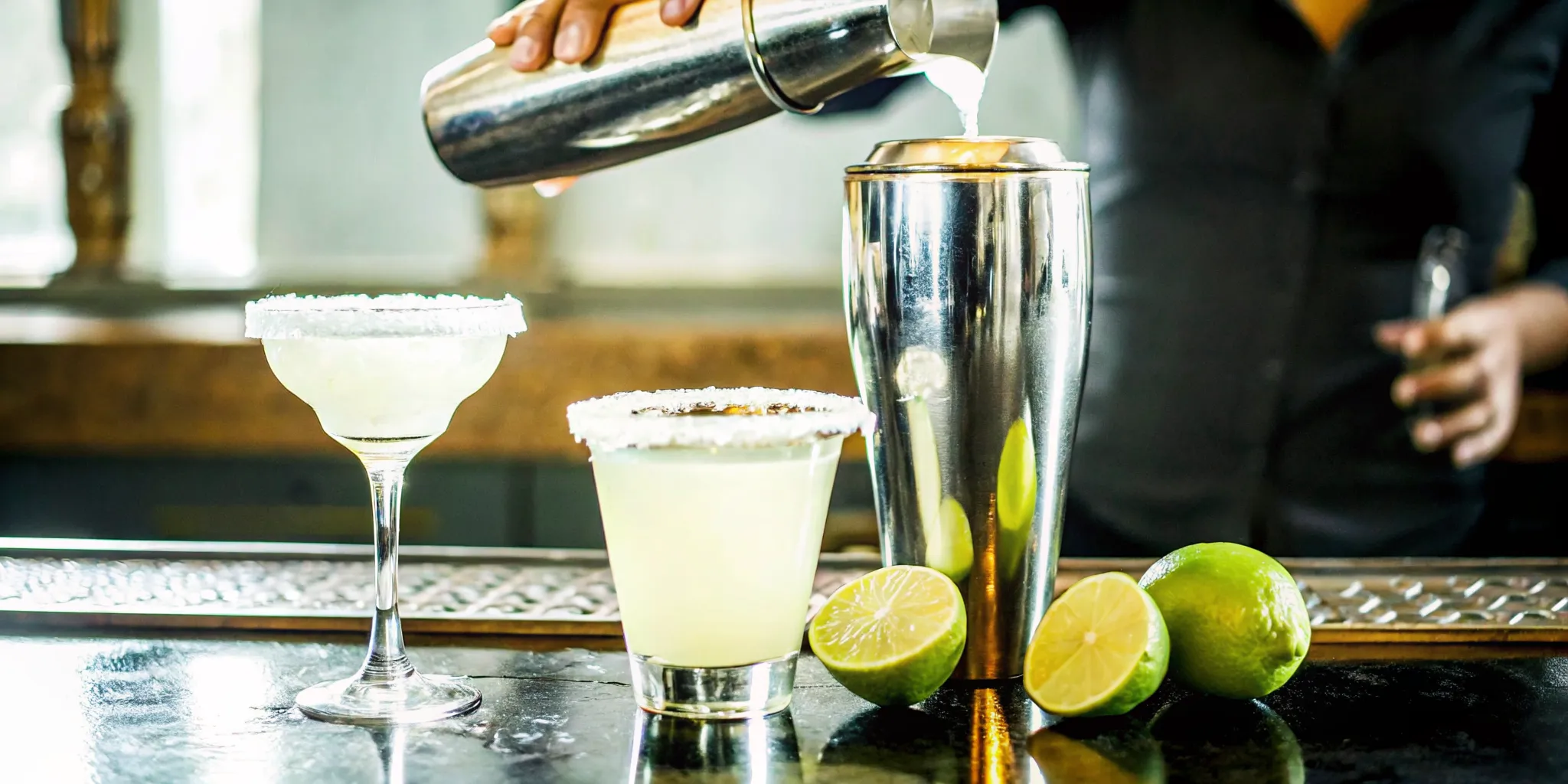
Margaritas work well with either spirit. Replacing tequila with mezcal creates a smoky variation with extra savory and earthy character. Mezcal can be especially effective when paired with fresh lime and a modest amount of orange liqueur, since the citrus keeps the smoke from dominating. Tequila delivers the more familiar bright, focused profile.
Palomas
Tequila is generally the preferred choice for a Paloma. Its clean agave flavor supports grapefruit, lime, and sparkling water without competing with the drink's refreshing character. Mezcal can work if you want a deeper, smokier Paloma, but use a softer expression and taste as you go. Too much smoke can overwhelm the grapefruit.
Negronis and Mules
Mezcal is a compelling choice in a Negroni, where its smoke and earthy complexity can stand up to bitter and herbal ingredients. Tequila creates a lighter, brighter variation. For a Mule, both spirits work well: tequila keeps the drink crisp, while mezcal adds a warm, smoky layer beneath the ginger beer and lime.
A 50/50 split is often the best compromise. Sometimes called a Mezcalita or Oaxacan Margarita, this blend gives you tequila's brightness with mezcal's depth. Explore the premium tequila collection and mezcal collection to find bottles suited to your preferred cocktail style.
Frequently Asked Questions
Is mezcal better than tequila?
Neither is inherently better. Tequila offers a more defined production style and often delivers bright, crisp, vegetal, or citrus-led flavors. Mezcal can be more varied because producers work with a broader range of agave species and techniques. Choose based on the profile you enjoy, then compare bottles within each category rather than treating one spirit as universally superior.
Why do some people not like mezcal?
Many drinkers encounter mezcal's earthy or smoky character before they are ready for it. That flavor often develops when agave is roasted in an earthen pit, although intensity varies by producer, agave, and process. If a heavily smoky bottle feels overwhelming. Try a lighter expression or serve it slowly at room temperature so its fruit, herbal, and mineral notes have time to emerge.
Do Mexicans drink tequila or mezcal?
Both spirits are part of Mexico's regional culture and economy. Tequila is strongly associated with Jalisco and other designated production areas, while mezcal is made across several designated states, including Oaxaca. The better choice depends on the occasion and personal palate, not on a single national preference.
Is mezcal just cheap tequila?
No. Tequila and mezcal are distinct spirits with different regulatory requirements, agave options, production regions, and methods. Tequila must use Weber Blue Agave, while mezcal can be made from more than 30 agave species. In that sense, tequila is a specific type within the broader family of agave spirits, not an interchangeable name for mezcal.
Does mezcal always have a worm?
No. A worm is not required for mezcal production and is not a traditional defining ingredient. The practice of adding an agave redworm caterpillar became a mid-20th-century marketing gimmick aimed at attracting tourists, rather than a standard step in making the spirit. Focus on the agave, region, and production details when evaluating a bottle.
Ready to Explore Tequila and Mezcal?
Now that you know how production methods, agave varieties, regions, and flavor profiles shape each spirit, you can choose with more confidence. Compare both styles at your own pace and find the bottles that fit your palate, whether you prefer bright and versatile tequila or earthy, layered mezcal. Explore premium tequila and mezcal collections at Sip Tequila to continue your agave spirit journey.