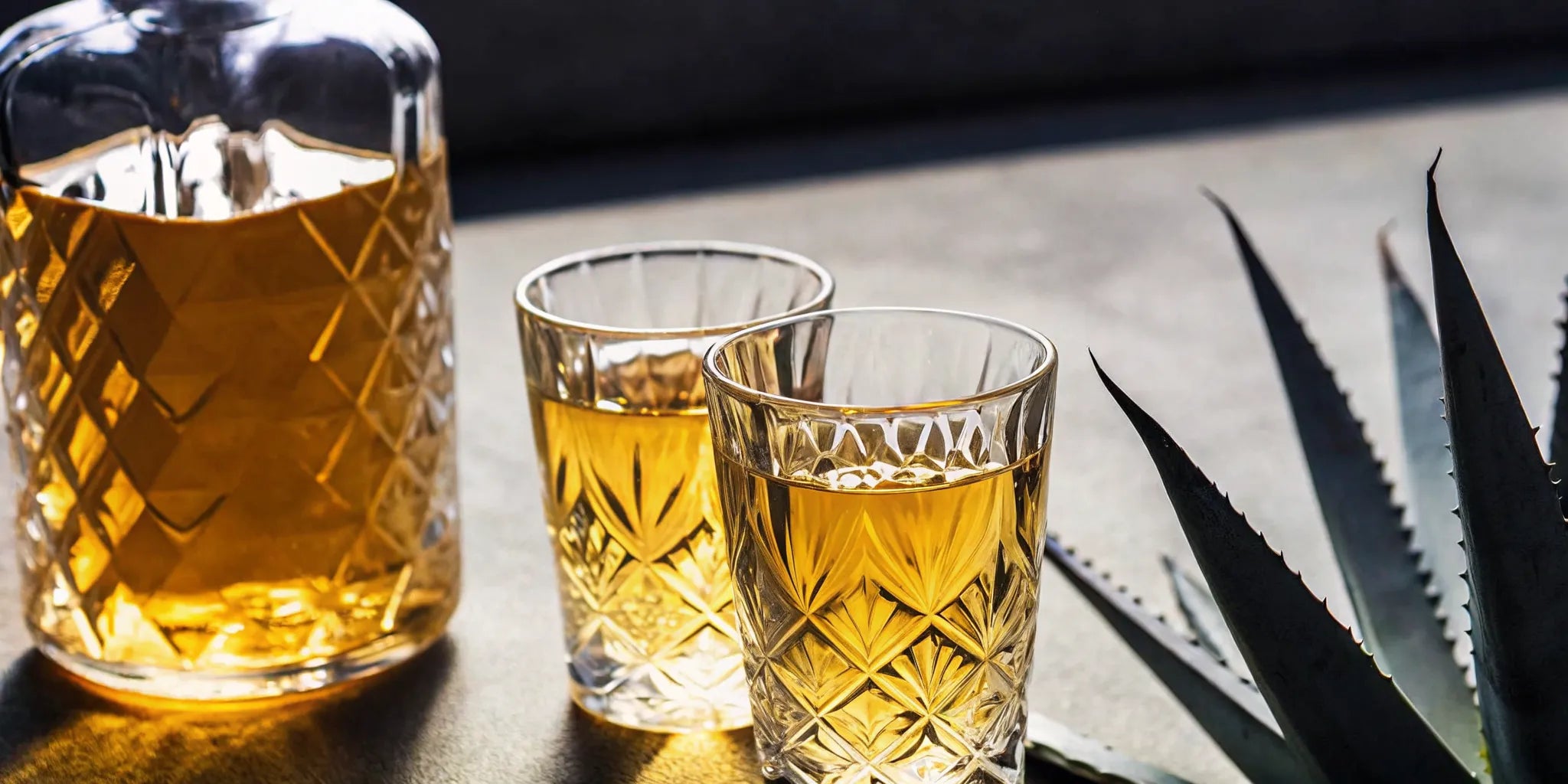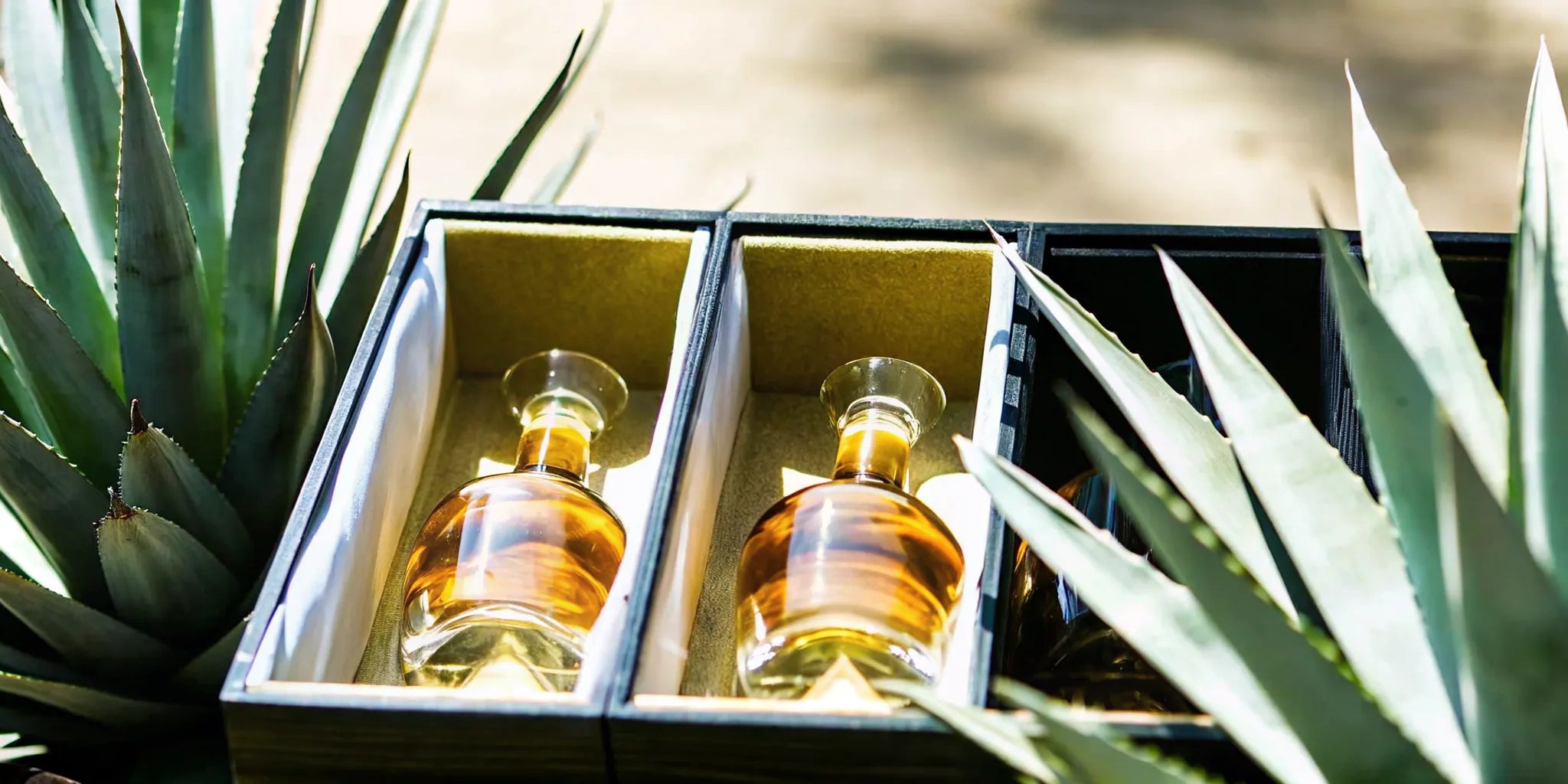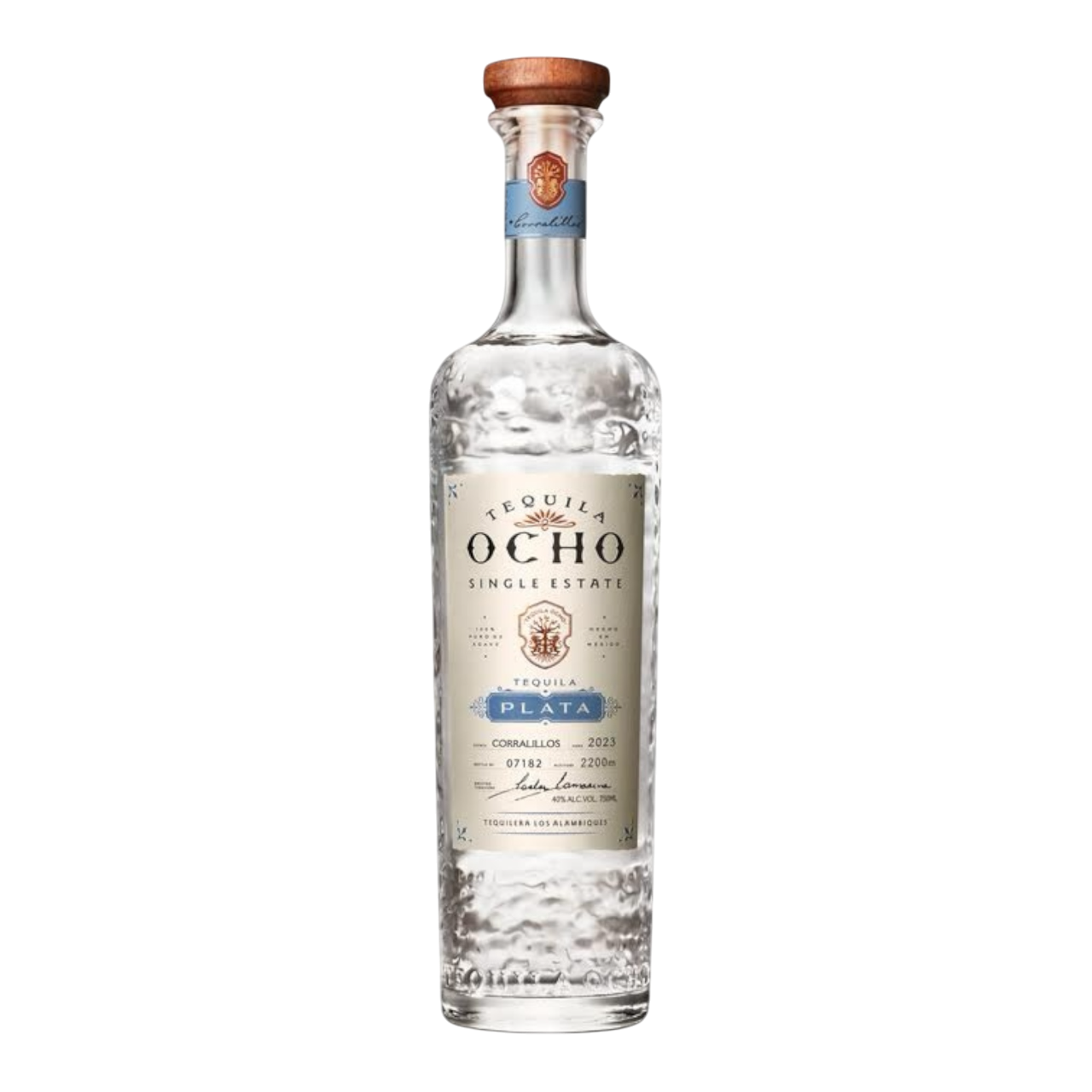
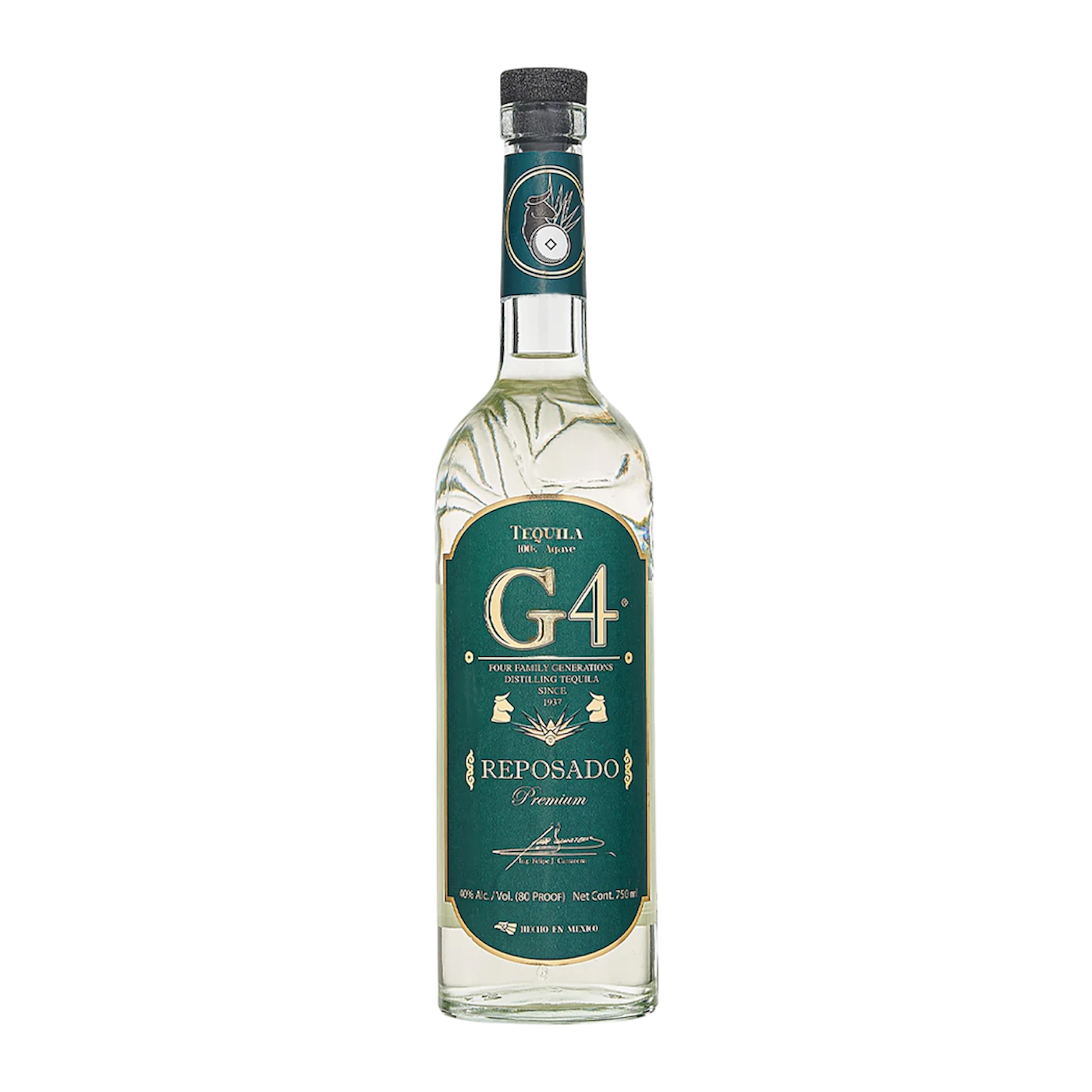
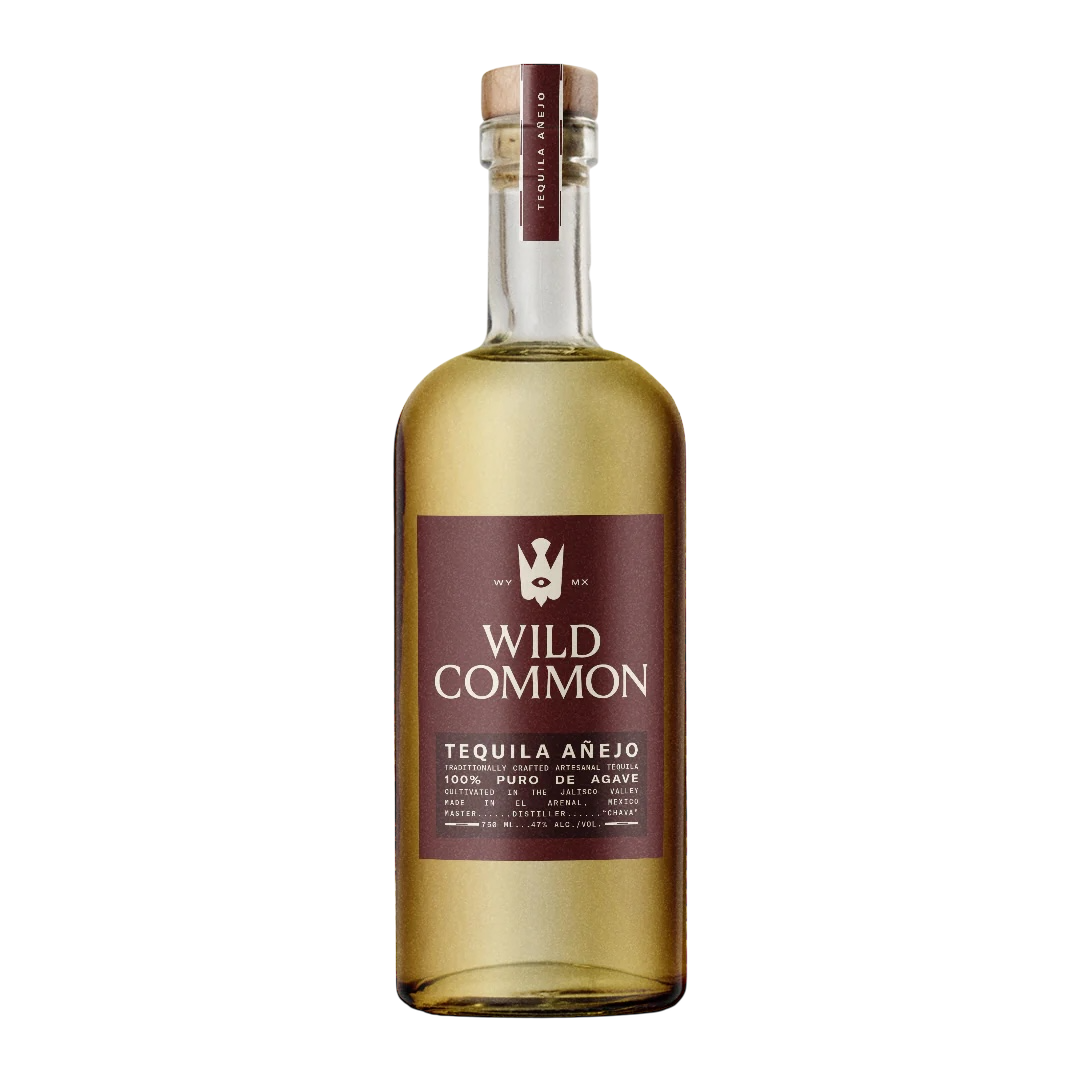
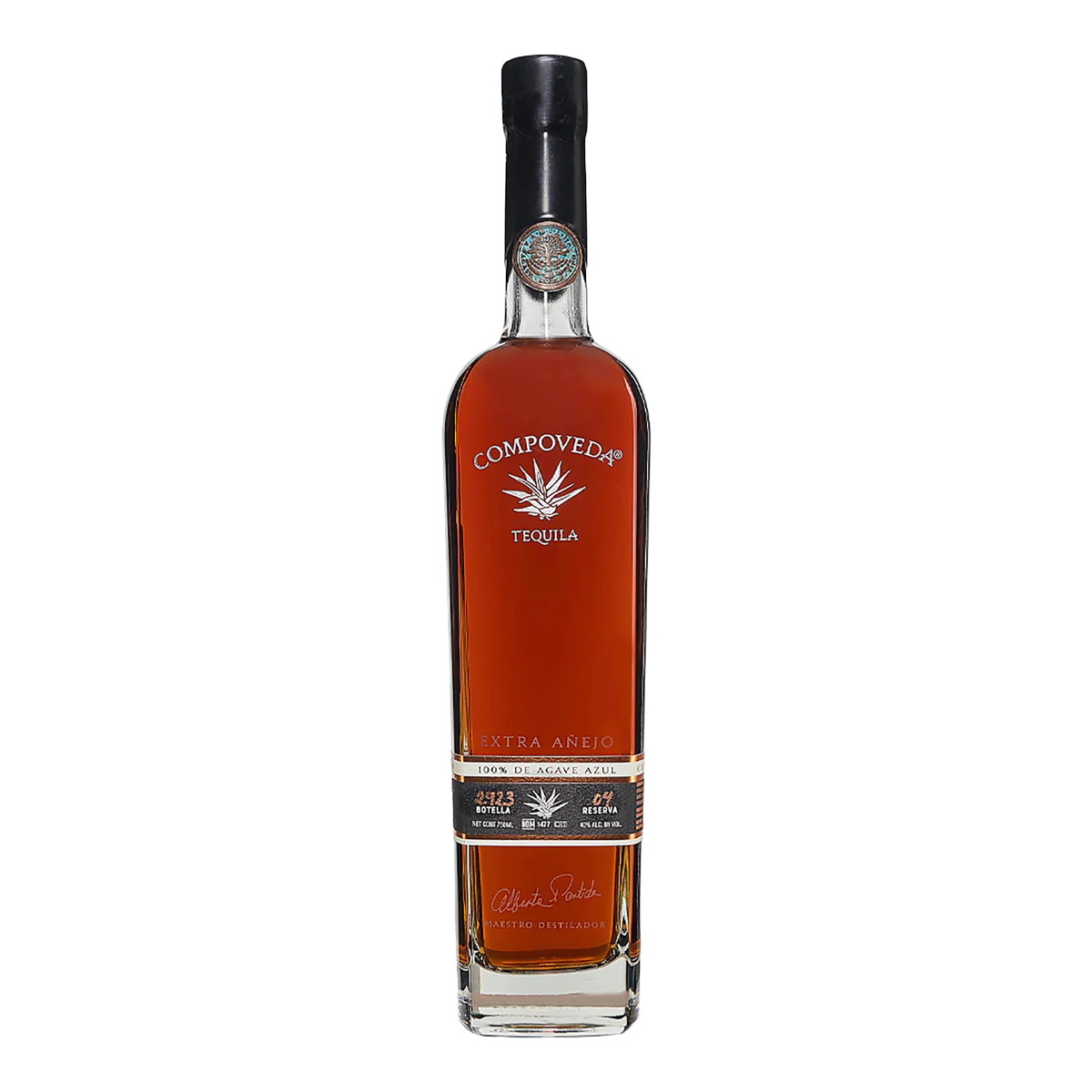
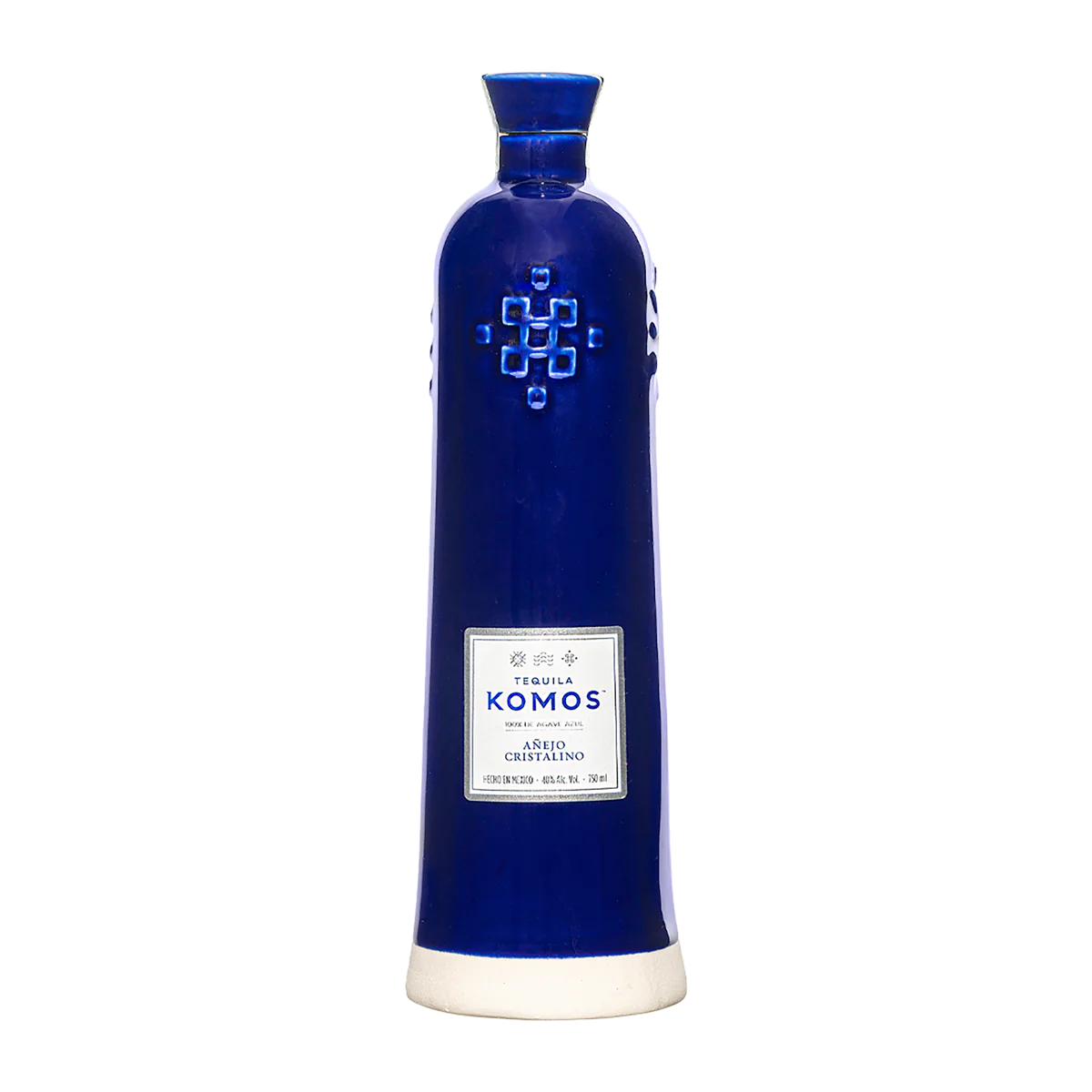
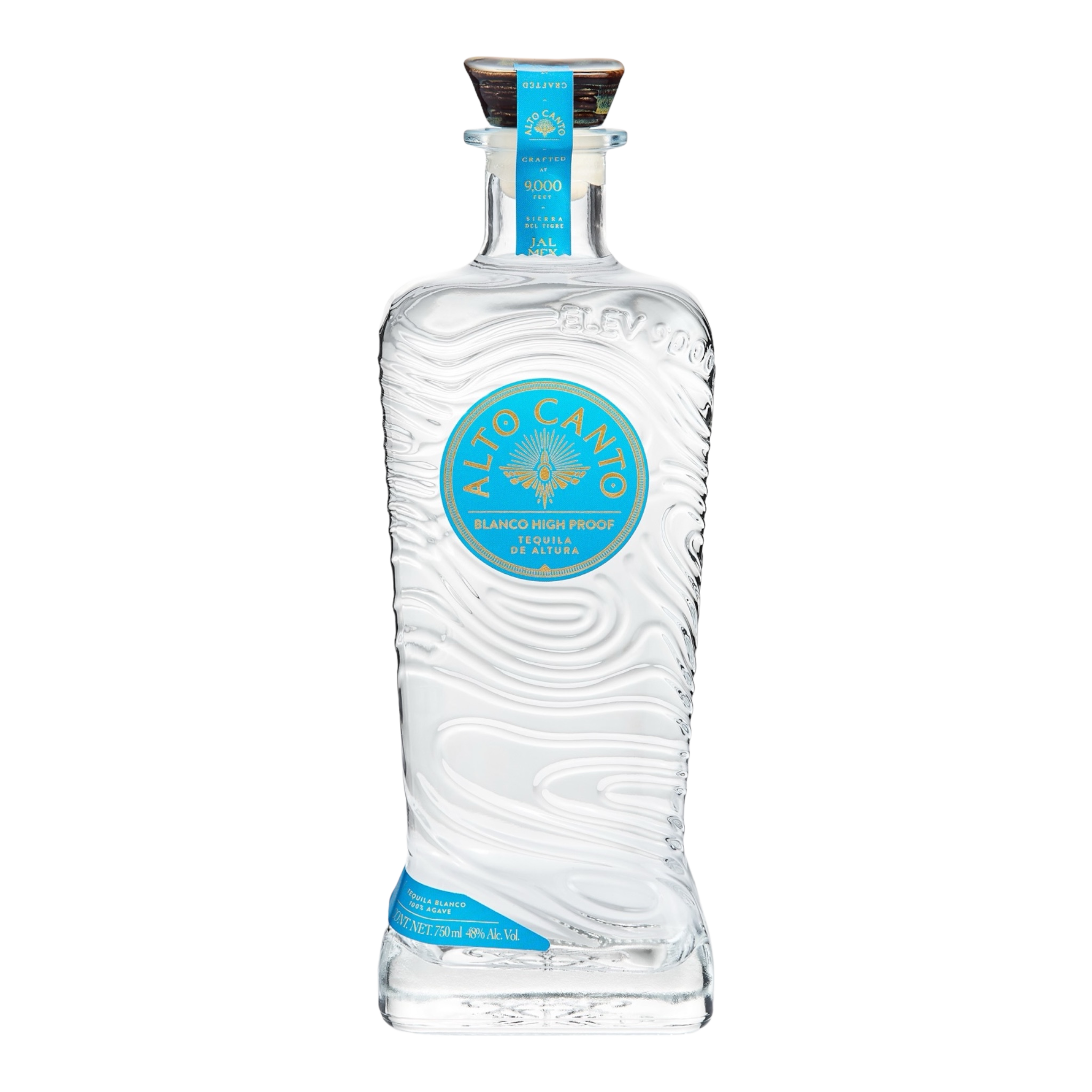



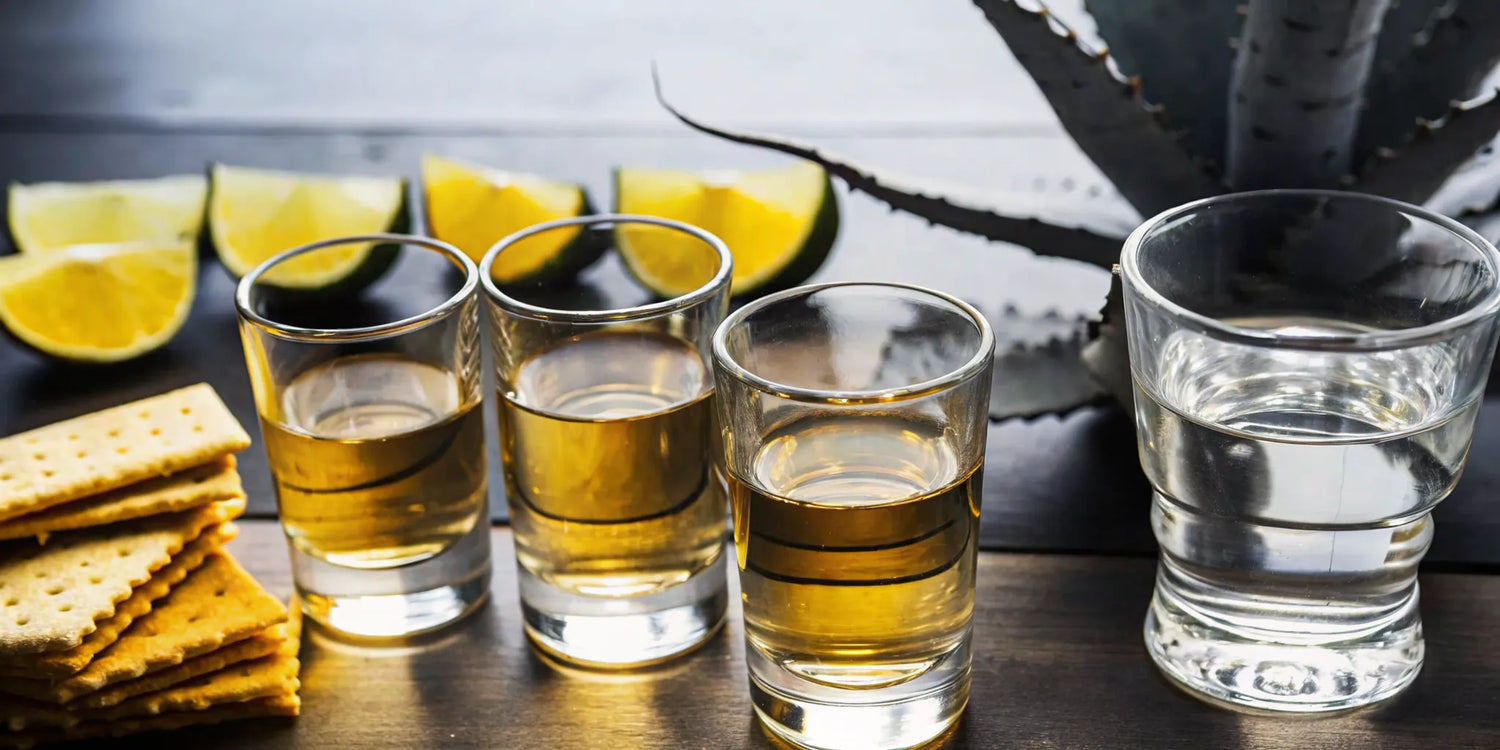
A tequila flight turns three to five small pours into a side-by-side lesson in agave, aging, and personal taste. With the right sequence and a simple tasting setup, you can discover the styles you enjoy before choosing your next full bottle.
Shop Sip Tequila's curated tequila flights to start your tasting.
A tequila flight is a tasting event that uses a set of three to five pours to show the unique traits of premium agave spirits. These home setups help guests compare crisp blanco bottles with the deep oak flavors of aged spirits to learn about the craft through direct tasting. According to experts, tequila flights are a core tool for fans who want to understand how things like soil and aging time change every single sip. This organized style of sipping turns a simple drink into a rich journey through Mexican history while helping you find the specific bottles you love. You can build a great experience at home by choosing expressions that share a common theme like a single brand or a specific region of Mexico.
What makes a great tequila flight?
A tequila flight is a small group of drinks served together. It lets you try many types of agave spirits at one time. This setup is great for learning about the drink at home. You can compare how new bottles taste side by side. Most people use a tequila flight to find their best brand. It is a good way to test a style without buying a full bottle first.
Picking your tasting theme
To start, you need a theme for your flight. A vertical flight is a top choice. This theme uses one brand but shows how it changes as it ages. You would taste their Blanco, Reposado, and Anejo in a row. This helps you see how wood and time change the spirit. You can also try a horizontal flight. This theme compares the same style of drink from other brands. You might pick three Blanco tequilas from other parts of Mexico to find small shifts in flavor. Some people even pick a theme based on where the plants grow. Agave from the Highlands does not taste the same as plants from the Lowlands. A flight that compares these two areas is a great way to taste the soil of Mexico.
The order of things
The order you drink in is key. You should move from light to dark spirits. Start with unaged Blanco tequilas. These have crisp, bright notes of cooked agave. Next, move to a Reposado. Finally, finish with an Anejo or Extra Anejo. This sequencing your tequila flight protects your tongue. Bold, oaky flavors can stay in your mouth. If you drink a heavy Anejo first, you might not taste the light notes of a Blanco later.
The science of aging
Tequila changes as it sits in oak barrels. Small shifts in oxygen help add new flavors to the spirit. This is part of the aging process. Science shows that as tequila ages, it gains new congeneric compounds. A study on tequila maturation shows how isotopes change over time. These changes turn a clear spirit into a rich, gold liquid. It adds notes of vanilla, caramel, and spice that were not there before.
Here are the main aging levels you will see:
- Blanco: Aged for zero to two months.
- Reposado: Aged from two months up to one year.
- Anejo: Aged from one to three years.
- Extra Anejo: Aged for more than three years.
Savoring the tasting
Use a good tequila tasting technique to get the most out of your flight. Take small sips. Let the spirit coat your tongue. Look for smells like citrus, earth, or smoke. A great flight is not just about drinking. It is about learning and fun. Hosting a flight at home is a smart way to become an expert on agave spirits.
How should you choose 3 to 5 tequilas?
Choose three to five tequilas around one clear theme, such as a single producer across aging levels or several blancos from different producers. Three pours make differences easy to track, while five provide more range without overwhelming the palate. Keep the lineup focused so every glass helps answer the same tasting question.
Pick a single producer
One way to build your flight is to look at one brand. This is a vertical flight. You might pick a blanco, a reposado, and an anejo from the same maker. This helps you see how wood and time change the spirit. According to scientific research on tequila, oxygen levels change as the spirit stays in oak. Tasting one brand shows how these changes affect the final taste.
Compare the same expression
You can also pick one type of tequila from different makers. This is a horizontal flight. You could choose three different blanco tequilas to compare. This lets you taste how different soil or water affects the agave. It is a fun way to find which maker's style you like best. Use a consistent tequila tasting technique to note the small shifts in each pour.
Sort by age and body
When you set up your pours, the order matters. You want to go from light to heavy. Start with silver tequilas that have bright agave notes. Then move to aged bottles like reposado and anejo. This order keeps your palate sharp. If you start with a heavy, sweet extra anejo, you might miss the light notes in a blanco later. Proper sequencing your tequila flight keeps every sip clear and bold.
| Flight Theme | Focus Area | Recommended Order |
|---|---|---|
| Vertical (One Brand) | Impact of aging | Blanco, Reposado, Anejo |
| Horizontal (One Style) | Producer craft | Light to bold profile |
| Regional Theme | Soil and climate | Lowland to Highland |
| Curated Mix | Flavor discovery | Crisp to rich or sweet |
Keep your sips small so you can enjoy the full range. High-quality tequilas are for savoring. By choosing a clear theme, you turn a drink into a learning session. Whether you pick one brand or many, a curated flight helps you find your new favorite bottle.
What order should a tequila flight follow?
Sequence a tequila flight from the lightest, most delicate expression to the richest and most intense. For a classic vertical flight, pour blanco first, then reposado, anejo, and extra anejo. Move any unusually high-proof expression later so its alcohol intensity does not overpower the glasses that follow.
Move from Blanco to Extra Añejo
The standard way to set up a tequila flight is by age. Start with a Blanco, which is clear and unaged. These spirits offer bright notes of agave and citrus. Next, move to a Reposado. This type is aged for two months to one year in oak barrels. The wood adds soft hints of vanilla and spice.
After the Reposado, pour an Añejo. This version stays in wood for one to three years. The final step is the Extra Añejo, which ages for more than three years. Science shows that tequila maturation adds new compounds through oxidation as time in the barrel grows. These compounds bring out deep flavors like chocolate, leather, and oak.
Consider alcohol content and flavor
While age is the main rule, you should also look at the proof. Some Blanco tequilas are bottled at a high proof. If a Blanco is 110 proof, it might be stronger than a 80 proof Añejo. In this case, you may want to move the high-proof sip later in the line. This prevents the heat from the alcohol from dulling your tongue too early. You can use a proper tequila tasting technique to manage these bolder sips.
Label sips and take notes
Order matters most when you can track what you taste. Use small cards or a marked board to label each glass. It is helpful to write down the brand, the type, and the age of the liquid. If you are sequencing your tequila flight for friends, explain why you chose this path. This education helps everyone savor the shift from raw agave to rich, woody notes.
Set up the table for a focused tasting
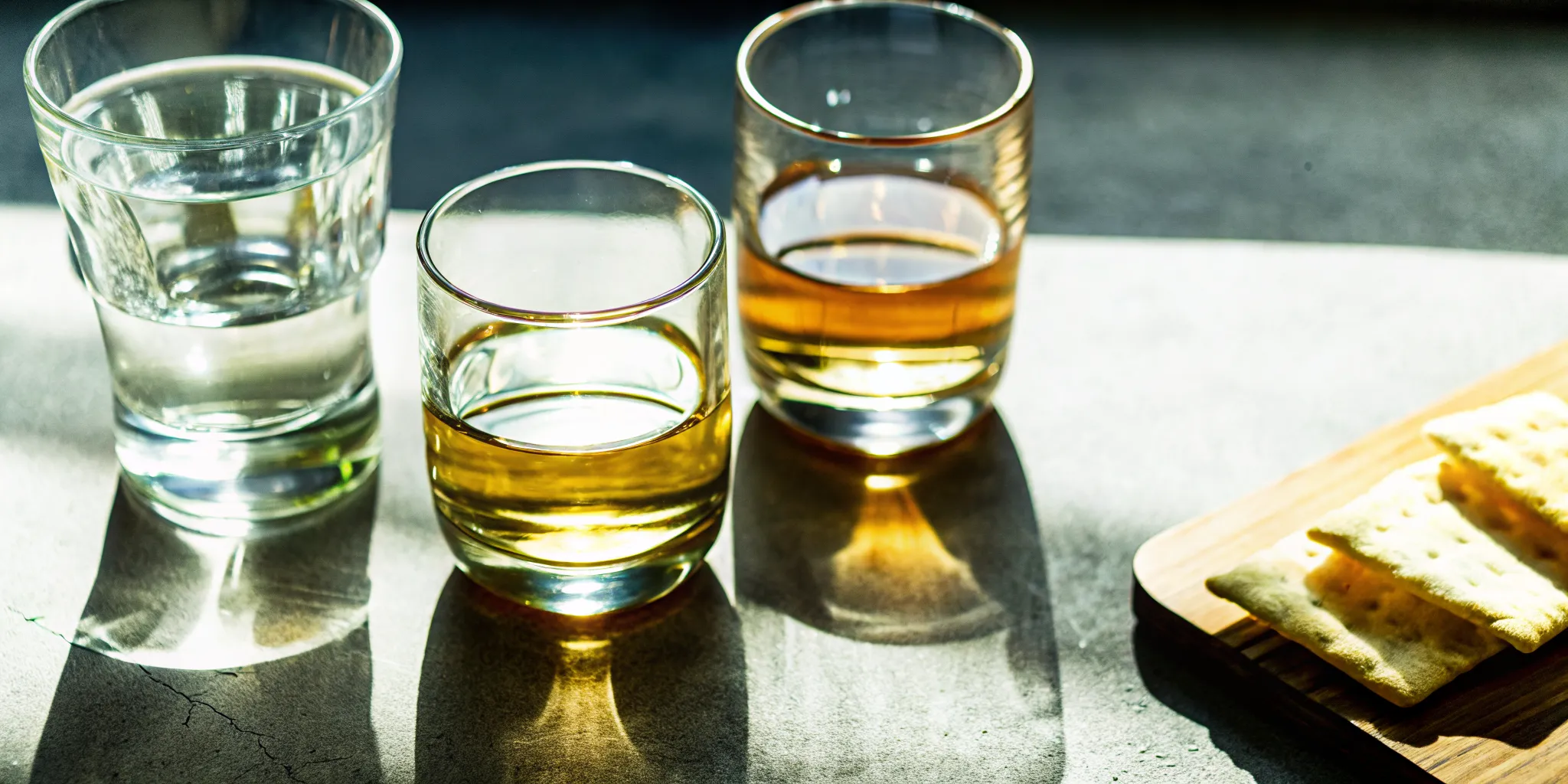
A great tequila flight starts with a clean and quiet space. You should find a spot with plenty of light and no strong smells. A simple white table cloth or plain mats can help you see the color of the spirit clearly. This setup lets you focus on the small details of each pour without any distractions.
Choose the right tasting glasses
The glass you use changes how you smell and taste the agave. A narrow glass with a flared top helps catch the scents while letting the alcohol fumes drift away. Many experts use a special glass or a small wine glass for a tequila tasting technique that shows the plant's natural notes. If you do not have these, a small flute or even a neat glass will work well for your flight.
Prepare the pour and palate cleansers
Each pour in your tequila flight should be about half an ounce to one ounce. This size is enough to taste the drink without drinking too much at once. Keep the spirits at room temperature to make sure you get the full range of flavors. Cold air can hide the small compounds found in aged spirits, which experts find are key to the maturation process of the drink.
Add water and simple snacks
Always keep a glass of room temperature water nearby to rinse your mouth between sips. Plain crackers or white bread can help clear your palate if you are tasting a few brands. Avoid spicy foods or strong citrus until after the tasting is done. These items can dull your senses and make it hard to find the soft notes in a light blanco or the rich wood tones in a dark tequila.
Explore tasting kits designed for guided sipping at home.
How to taste each tequila in the flight
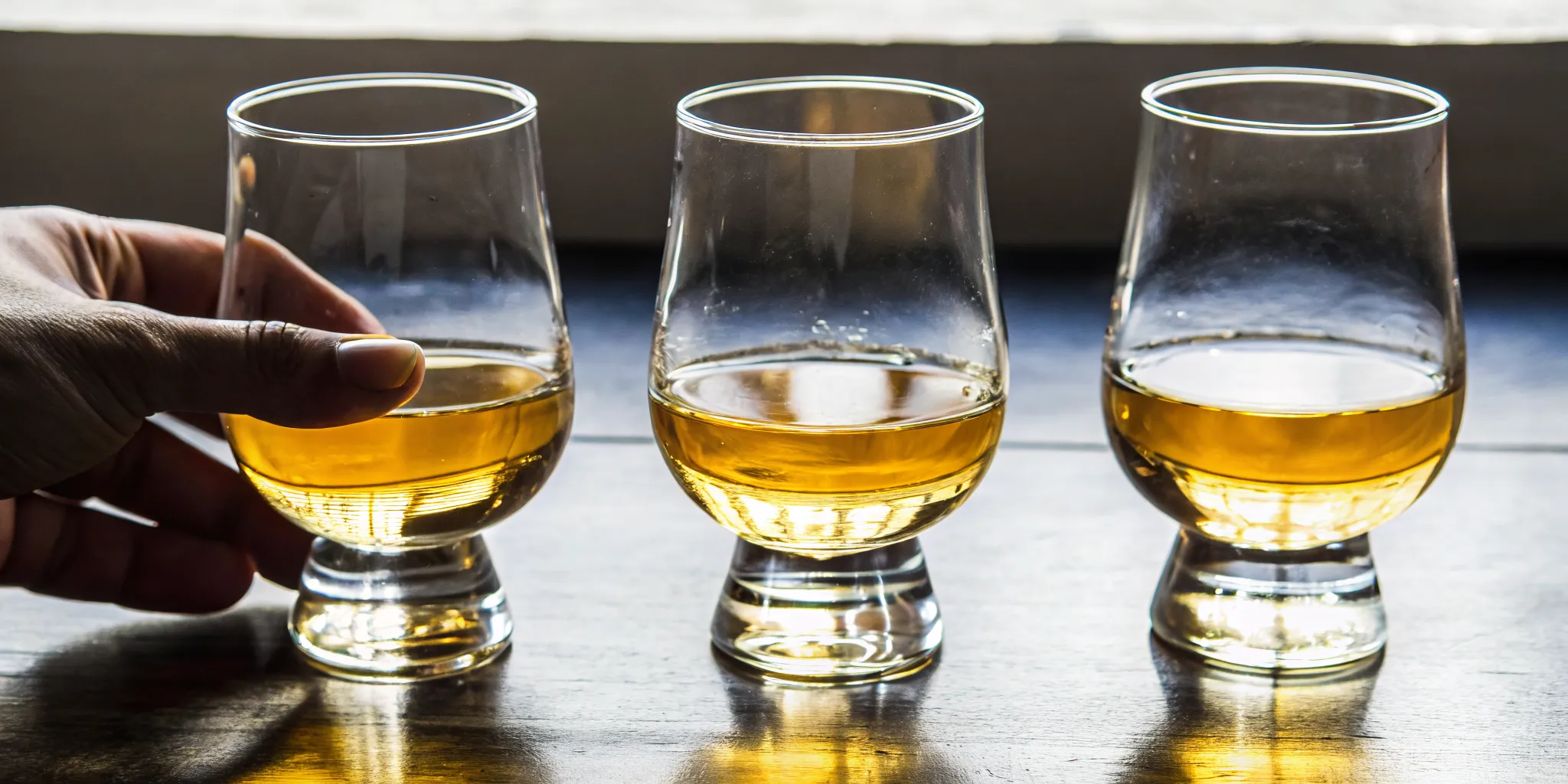
When you sit down with a tequila flight, you are doing more than just drinking. You are looking at the craft of the maker and the heart of the agave plant. A flight gives you the chance to compare other types of the spirit side by side. To get the most from this, you must use a slow and steady path. Each glass holds a unique story of soil, steam, and wood. By using a clear set of steps, you can find the small notes that make each bottle special.
Plan your order
Before you take your first sip, look at how you set up your flight. Most experts give advice on sequencing your tequila flight from the light spirits to the dark ones. This means you start with a blanco and end with an extra anejo. This order keeps the heavy wood flavors from hiding the fresh notes of the young agave. This method helps you track how the spirit changes as it sits in a barrel. It also helps your tongue stay sharp as the proof or richness grows with each glass.
Use all your senses
Tasting is a full event for your senses. You do not just use your mouth; you use your eyes and nose too. Hold your glass up to a white piece of paper or a bright light. Look at the color and the way the liquid clings to the side of the glass. These "legs" or "tears" can tell you about the body of the spirit. Next, bring the glass to your nose. Do not stick your nose deep into the glass, as the high alcohol can dull your sense of smell. Instead, tilt the glass and sniff gently from the top rim to find the fruit, earth, and spice notes.
- Take a small first sip to coat your tongue and get your mouth ready for the alcohol. Do not try to find deep flavors yet; just let your mouth wake up to the heat and feel of the drink.
- Take a second sip and let it roll across all parts of your tongue to find the sweet, salty, and bitter notes. You may taste cooked agave, lime, or black pepper in a blanco tequila.
- Breathe out through your nose after you swallow to find the aromas that come from the back of your throat. This step often shows the hidden spice or floral notes that the first sniff might miss.
- Wait a few moments to see how the finish feels and how long the flavor lasts on your tongue. A high-quality spirit will have a clean finish that stays with you without feeling too sharp or sticky.
- Write down what you find in a tasting journal to help you compare the different glasses in the flight. Note the things you liked or found odd, as this helps you learn your own taste.
- Rinse your mouth with water between each glass to clear away any old flavors. This keeps your taste buds fresh so the next tequila can shine on its own.
As you move through the glasses, keep in mind that aging changes the spirit on a deep level. Scientific studies on tequila show that chemical reactions add compounds that create the final character of the drink. You can find more on the chemistry of tequila aging in trusted research. These changes are what give aged tequilas their dark gold color and notes of vanilla or sweet wood.
Using a proper tequila tasting technique ensures that you treat the spirit with the respect it deserves. Drink slowly and stay full of water between sips. Pacing yourself is key to enjoying the many layers of a full tequila flight. When you sip and savor, you turn a simple drink into a deep look into Mexican culture and craft.
Turn the flight into a memorable tasting
A great tequila flight is more than just a set of glasses. It is a chance to slow down and explore the craft of the spirit. To host a tasting your friends will talk about, focus on the flow of the night. You do not need to be an expert to lead the talk. Just keep it simple and help people share what they find in each glass.
Guide the sensory talk
Start with a few simple cues to get the group talking. Ask people what they see, smell, and taste. Does the tequila look thin or oily in the glass? Does it smell like fresh herbs or sweet wood? Use a basic tequila tasting technique by taking a small sip and letting it sit on your tongue. This helps you find the texture and finish of each glass. Avoid big words that might make guests feel left out.
As you move through the glasses, note the changes. Each spirit has its own soul. For example, some may have notes of vanilla and citrus. Others have more oak and spice. By comparing them side by side, your guests will start to see the traits that make each brand unique. This slow path helps everyone learn the spirit at their own pace.
Use scorecards and blind pours
Hand out simple scorecards to help guests keep track of their picks. A card with a few spots for notes and a star rating is enough. This gives people a way to remember what they liked without the pressure of being right. You can also try a blind pour to make the night more fun. Hide the bottle labels and let the group guess which is which. It is a great way to test your taste without any bias from a brand name.
The science of the craft can also add depth to your talk. During the tequila maturation process, oxygen reactions add compounds that shape the final taste. Sharing small facts like this helps your friends understand why the older spirits taste so different from the young ones. It turns a simple drink into a lesson on how heat and time change the agave juice.
Avoid common host mistakes
The most common mistake is to rush the flight. Give each pour at least ten minutes of time. This lets the guests talk and let the spirit breathe. Another trap is to use too many strong snacks. Salt and lime can hide the real flavor of the agave. Stick to plain foods like crackers or bread to keep the taste buds clean. If you choose your tequila expressions well, the spirits should be the main event.
Frequently Asked Questions
Why is a drink called a flight?
A flight is a group of drinks served together so you can compare their unique flavors. The term likely comes from the word flight meaning a group of things that move together. In this case, it refers to a group of spirits that share a common theme or brand. You can sample different styles side by side to learn how the aging process changes them. This method helps you find your favorite agave flavors without buying full bottles of every spirit.
How long is reposado tequila aged in oak?
According to Mexico's official tequila standard, reposado tequila is aged for at least two months but less than one year. This time in oak barrels allows the spirit to take on a light gold color and smooth flavor. It sits in the middle between unaged silver and the longer-aged anejo class of agave spirits. This stage creates a balanced profile that is a great starting point for many home tasting sets. Learning these aging times helps you set up a flight that moves logically through each expression.
How does aging change the chemical character of tequila?
Aging changes tequila through chemical shifts that add new flavor parts to the clear agave liquid. Research published by the National Library of Medicine shows that oxygen levels also increase as the spirit ages. These shifts help experts find the age and prove the truth of the spirit in the bottle. Over time, these changes create the rich, woody notes found in older drinks like extra anejo. Understanding this science makes your home tasting more expert and deepens your love for the craft.
What glassware is best for a tequila flight?
A narrow, stemmed tasting glass is ideal because it concentrates aromas while keeping your hand from warming the pour. A small wine glass or flute also works well. Use the same glass shape for every expression so each tequila gets a fair comparison.
What is the best palate cleanser for tequila tasting?
Room-temperature water is the most important palate cleanser. Plain crackers or neutral bread can help between richer pours. Avoid spicy, salty, sweet, or strongly flavored foods until the structured tasting is complete.
Can you include mezcal in a tequila flight?
You can include mezcal in a flight if you want to explore different types of agave spirits. Sip Tequila offers a wide range of both artisanal tequilas and mezcals for fast home delivery. Mezcal often has a smoky flavor that gives a sharp contrast to the sweet notes of tequila. Adding it to your flight allows for a better study of how people cook and distill agave. This variety helps you build a more complex tasting that will impress your guests and teach you more.
Ready to host your own tequila tasting?
Choose a theme, arrange your glasses from lightest to richest, and invite guests to compare what they notice. A curated lineup makes it easy to explore new expressions in smaller pours while keeping the tasting focused and enjoyable.
Ready to host your tasting? Shop tequila flight sets and choose a curated lineup for your table.