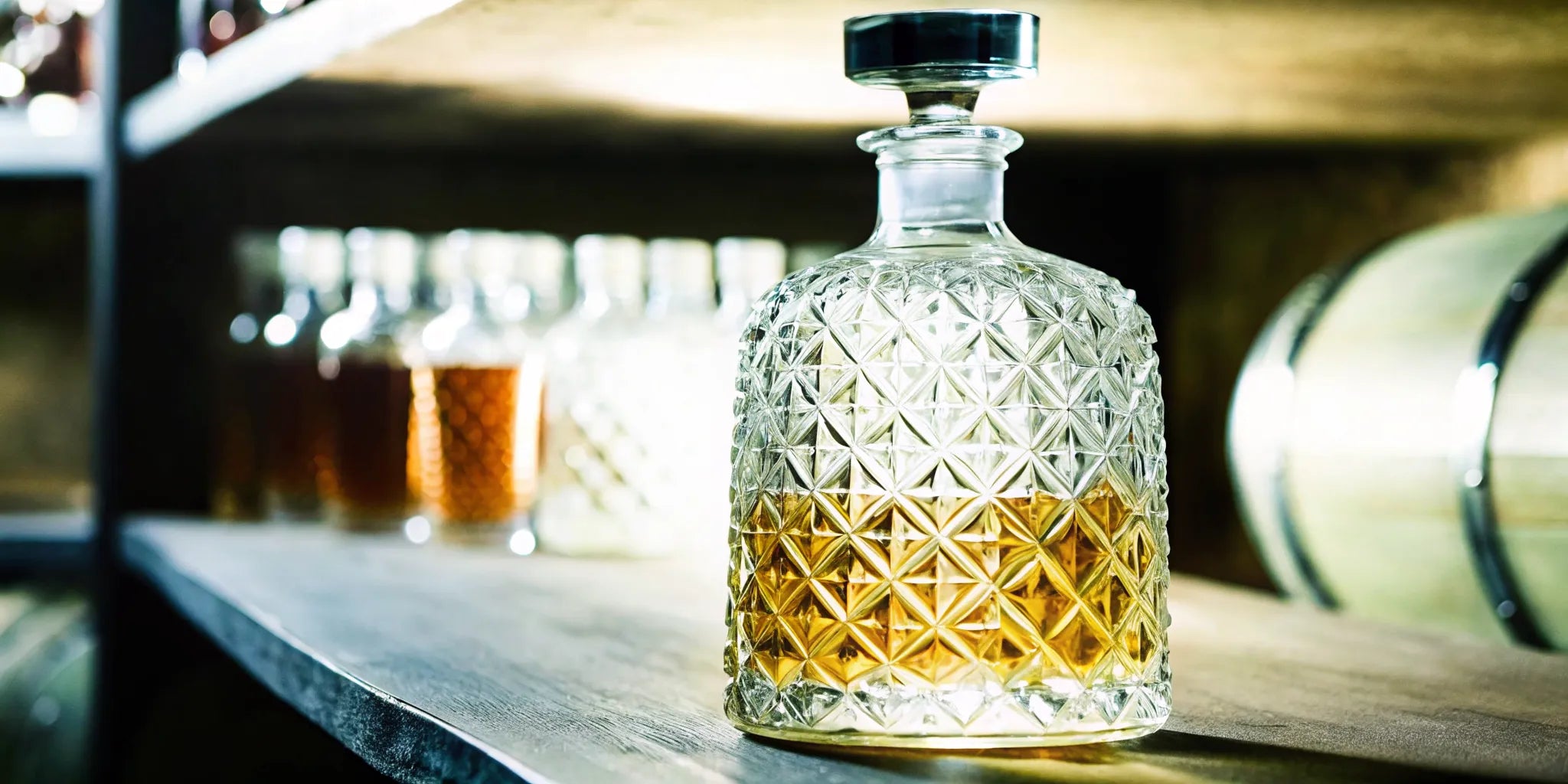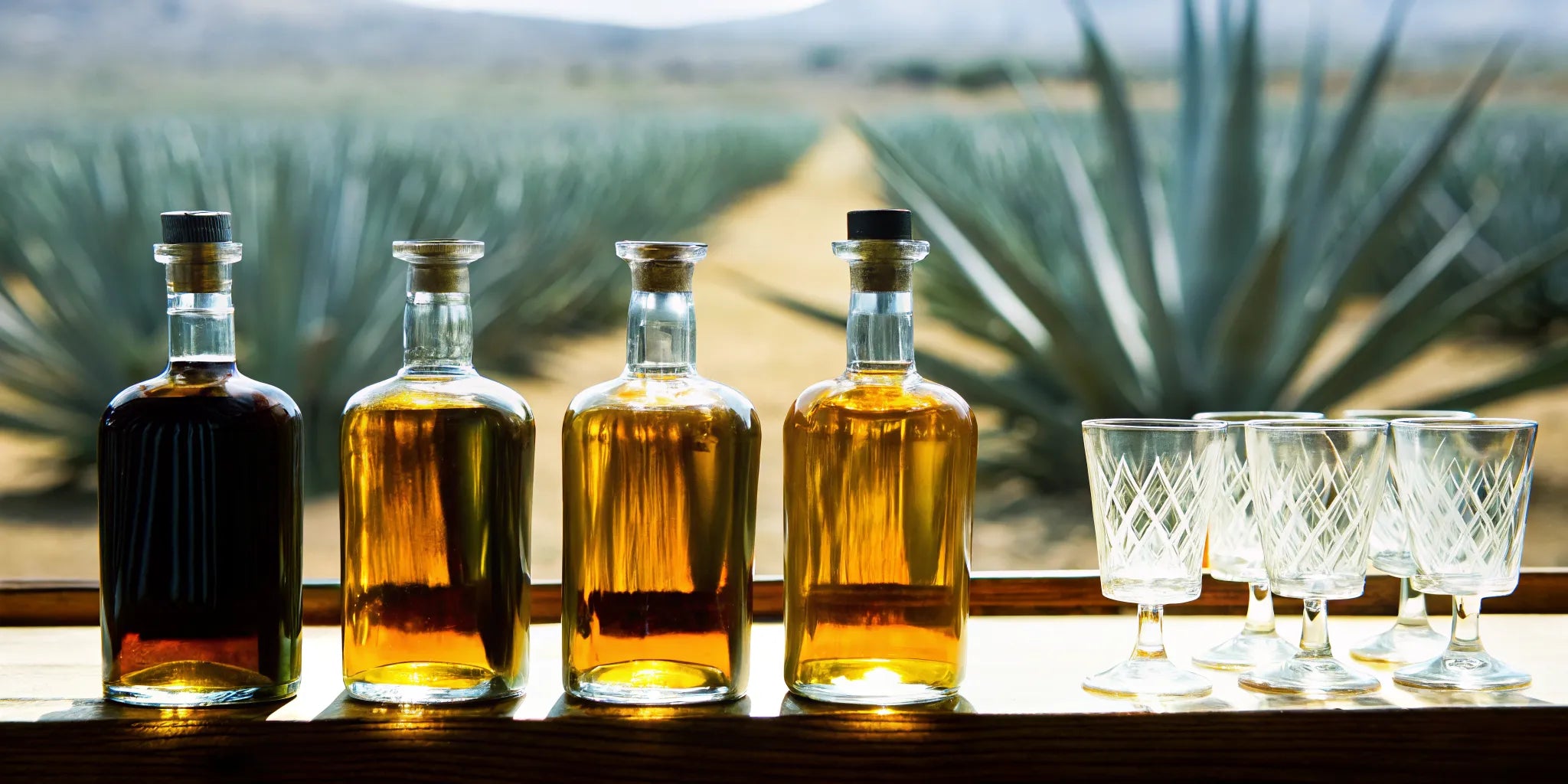
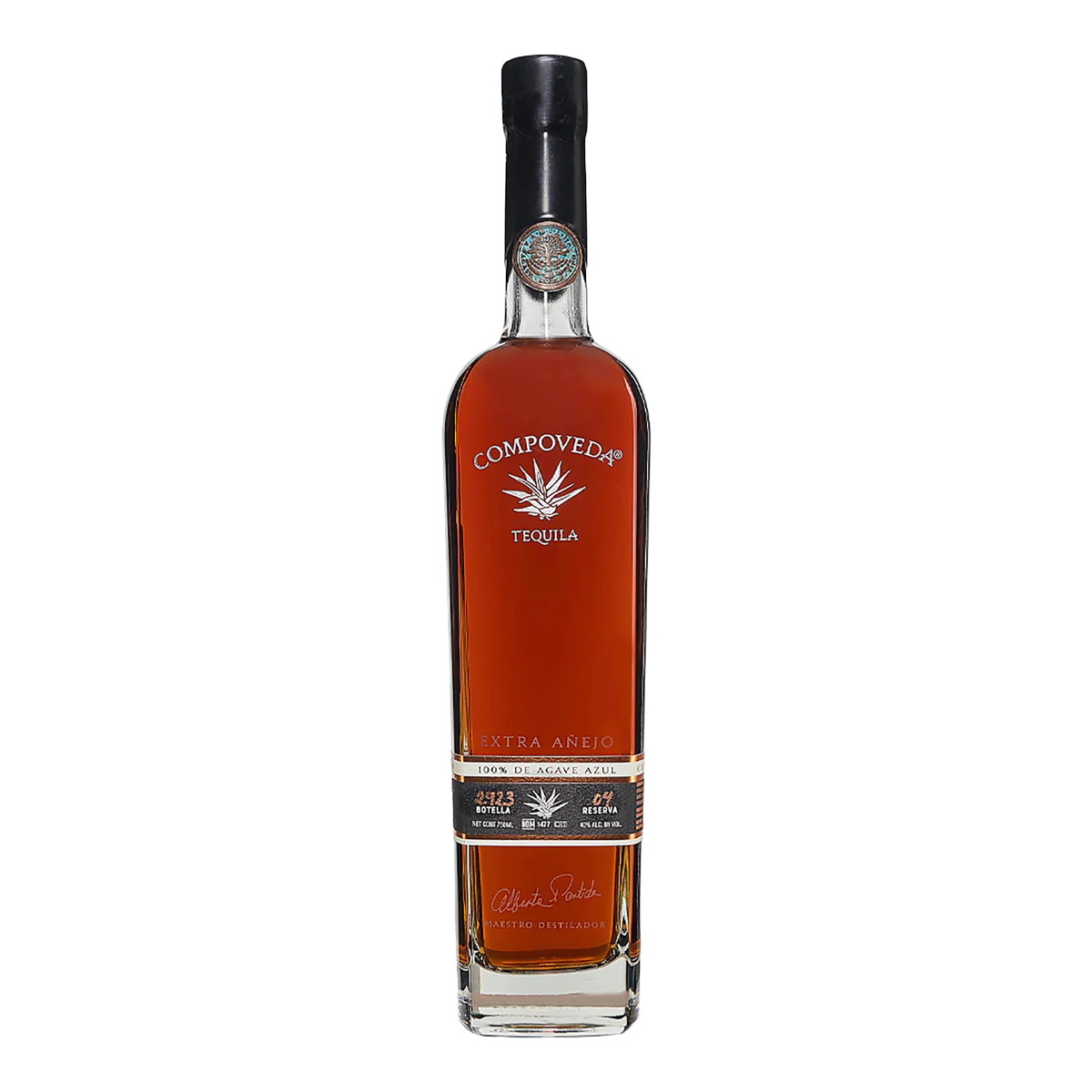
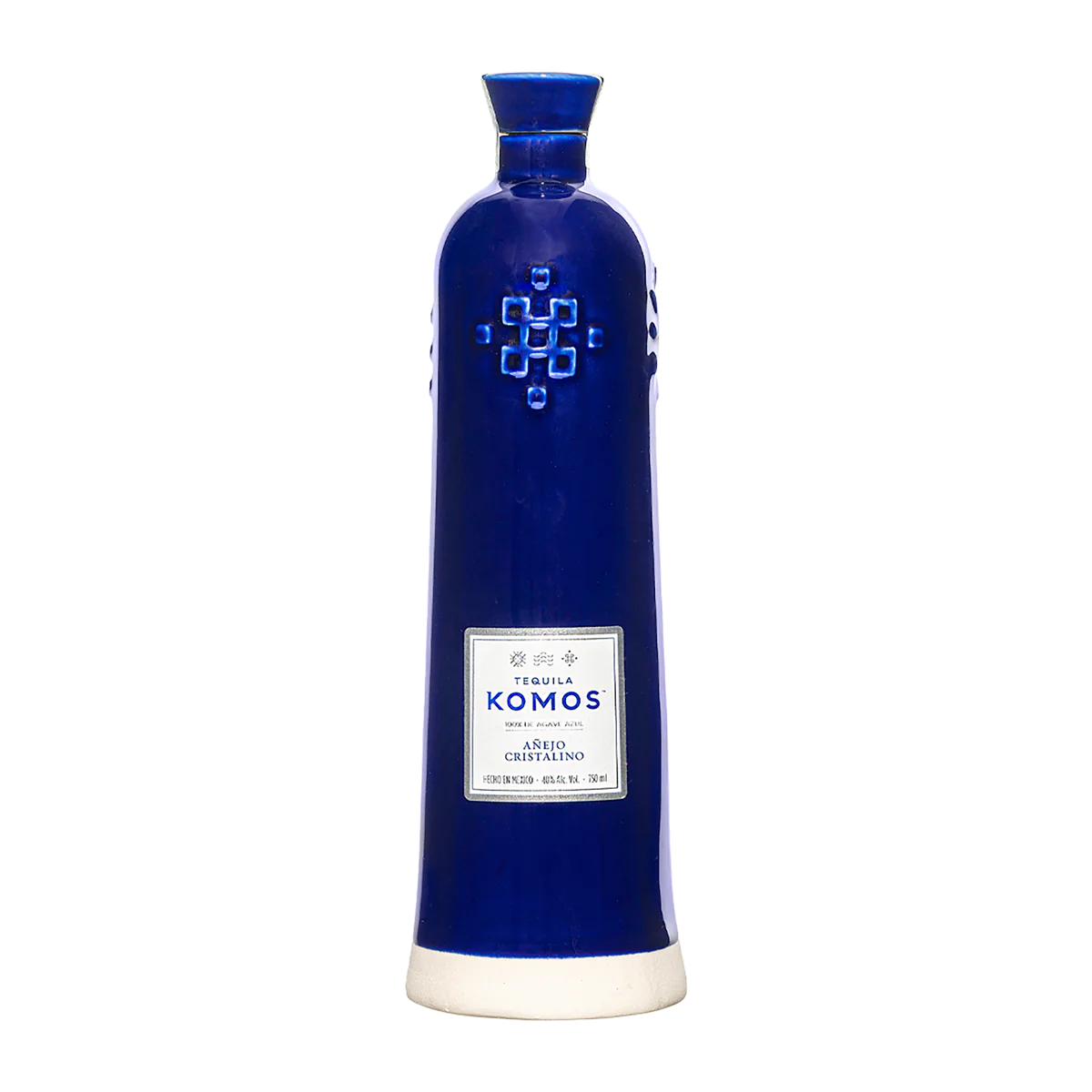
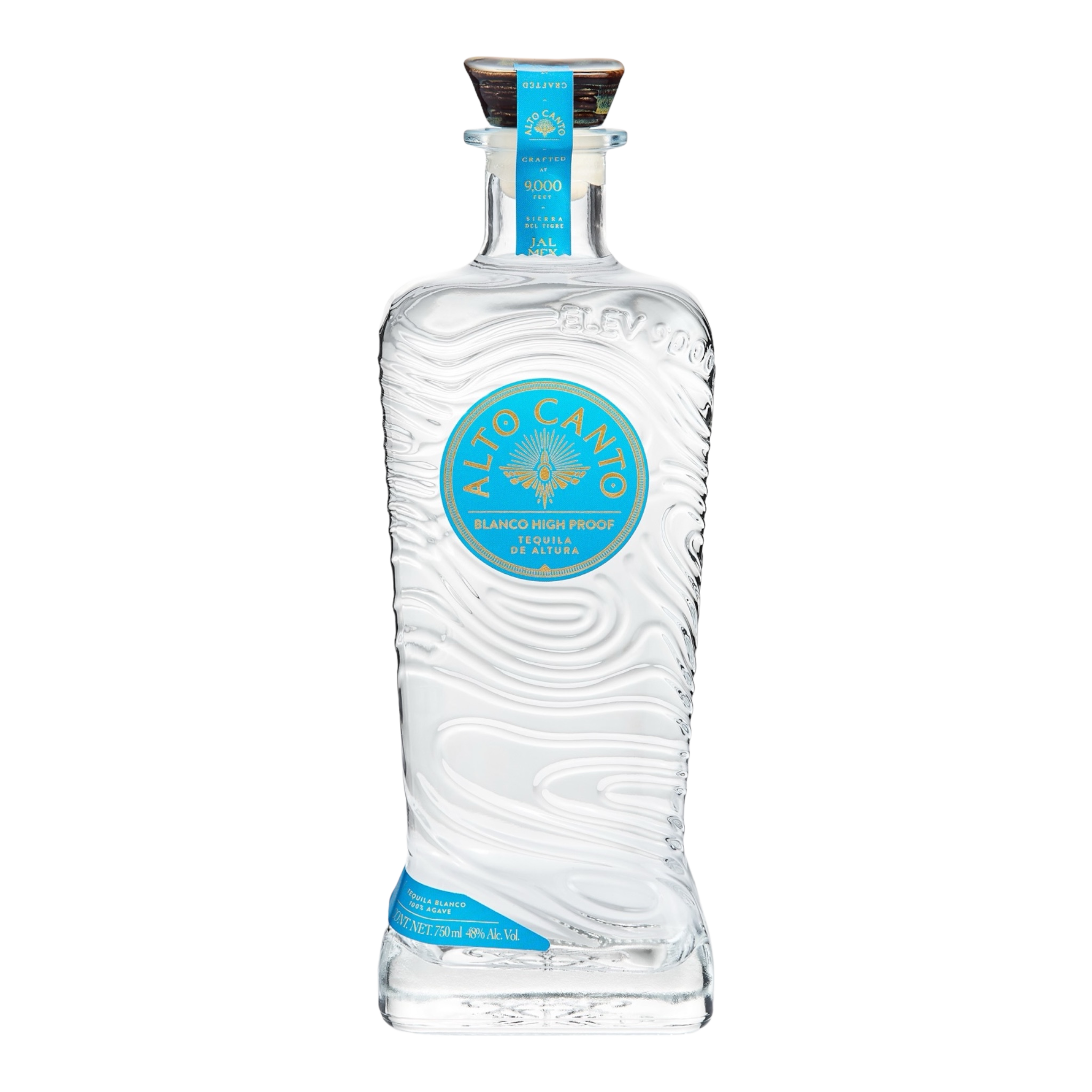



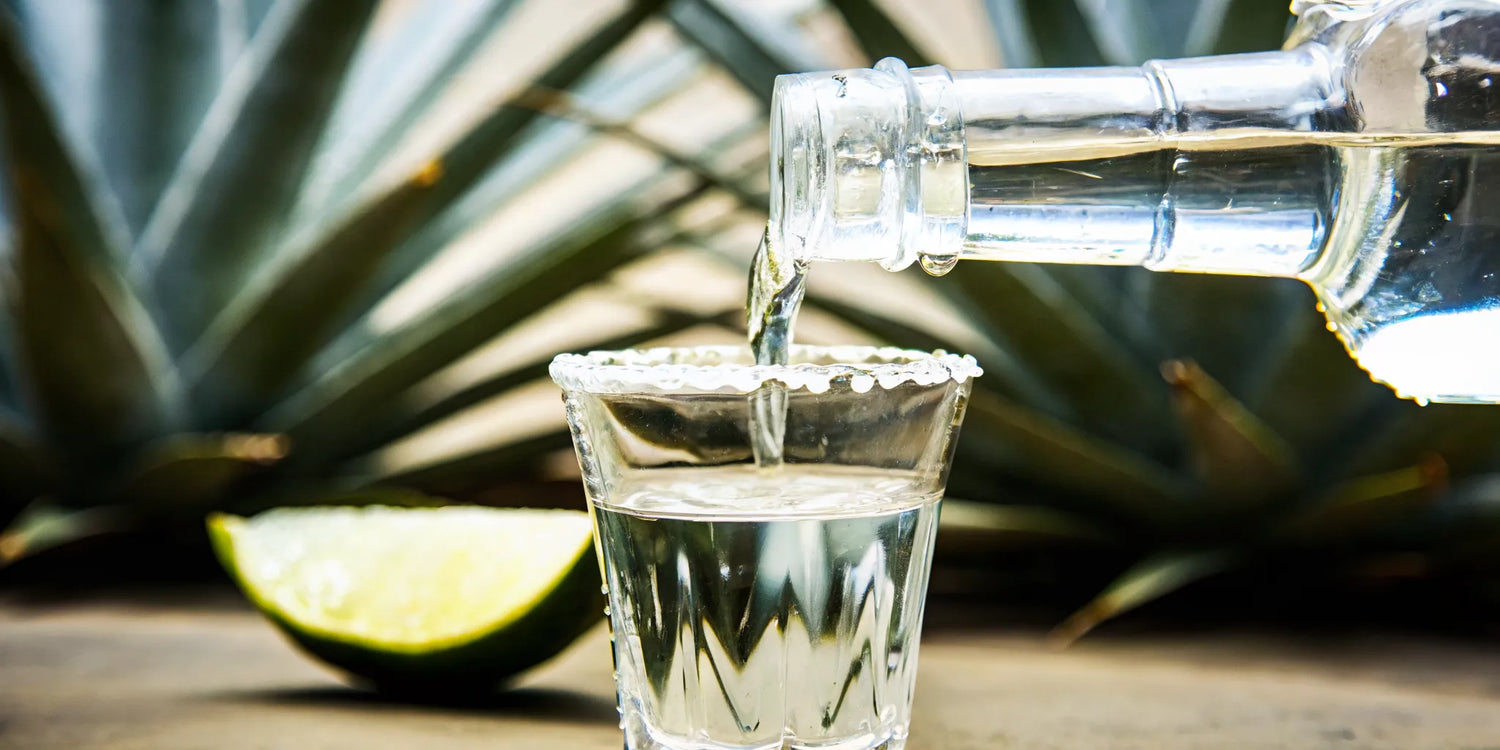
Walk into any liquor store and you will see shelves lined with tequila bottles stamped with the words "100% de Agave." Most drinkers assume that label guarantees purity. It does not. Mexican law allows producers to add up to one percent of certain ingredients to their tequila without ever telling you. Caramel coloring darkens the liquid. Glycerin thickens the mouthfeel. Oak extract mimics years of barrel aging. Sugar-based syrups add sweetness. None of it needs to appear on the label.
That legal loophole has sparked a movement. Drinkers, bartenders, and independent watchdogs are pushing back against what they call hidden additives in their spirits. The result is a growing demand for additive-free tequila that contains nothing but agave, yeast, and water. This article breaks down what additives are actually used, why the regulatory system lets them slide. And how you can be sure the bottle in your hand is as pure as it claims.
What Are Tequila Additives, Exactly?
The official Mexican standard that governs tequila production, NOM-006-SCFI-2012, defines a process called "mellowing" that permits the addition of specific ingredients. When a tequila undergoes this process, its label may still say "100% de Agave," even though the contents are technically something less than pure.
Here are the four additives the CRT permits under the mellowing rule:
- Caramel coloring. The most common additive in the category. Distillers add it to make young tequilas appear darker and more aged. A reposado that spent two months in a barrel can look like it sat for a year. This coloring does nothing for flavor, but it sells bottles to shoppers who equate dark liquid with quality.
- Glycerin (glycerol). A sugar alcohol that adds viscosity and sweetness to the spirit. It gives a tequila an artificially smooth mouthfeel that masks harsh distillation. If a tequila feels unusually thick on the tongue, glycerin might be the reason.
- Oak extract. Also called encino oak extract. Distillers add it to impart vanilla, caramel, and woody flavors without actually aging the spirit in barrels. This lets a producer sell an "aged" profile in a fraction of the time.
- Sugar-based syrups. Added for sweetness and body. When additives push the tequila's reducing sugar content above 75 grams per liter, the spirit technically violates the standard for 100% agave labeling, but enforcement varies.
A tequila that uses these additives is called "abocado" or mellowed. The term itself translates from Spanish as "smooth" or "seasoned," but in practice it means the distiller has exercised the legal right. The distiller adjusts the spirit's profile after distillation rather than relying on raw agave quality and barrel aging alone.
How Common Are Additives?
The honest answer is that no one knows for sure. The CRT does not publish a public list of which brands use additives and which do not. The lack of transparency is precisely what has fueled the additive-free movement. Industry experts estimate that a significant portion of mass-market and celebrity-backed tequilas use some form of mellowing agent. Especially caramel coloring and glycerin, to create a consistently sweet and smooth profile that appeals to a broad audience.
The honest answer is that no one knows for sure. The CRT does not publish a public list of which brands use additives and which do not. The lack of transparency is precisely what has fueled the additive-free movement. Industry experts estimate that a significant portion of mass-market and celebrity-backed tequilas use some form of mellowing agent. Especially caramel coloring and glycerin, to create a consistently sweet and smooth profile that appeals to a broad audience.
The Legal Gray Area: What NOM-006 Really Says
To understand why your "100% Agave" bottle might not be pure, you need to look at the actual regulation. NOM-006-SCFI-2012 has governed tequila production since 2012. The CRT, or Consejo Regulador del Tequila, enforces it. Here is what the rule actually permits.
The one percent rule. Section 6.1.1.1 of the standard limits additives to a maximum of one percent of the total tequila weight before bottling. That number might sound small, but it is enough to meaningfully alter the flavor, color, and texture of the finished spirit. The producer must keep internal records of the raw materials used, but those records are not public.
No label disclosure requirement. This is the critical gap. Nothing in NOM-006 requires a brand to state on its label that additives were used. A bottle can legally contain caramel coloring and glycerin while displaying a large "100% de Agave" stamp on the front. The consumer has no way to know from the packaging alone.
- Key takeaway: "100% de Agave" means the tequila is made from blue Weber agave rather than mixed with other sugars. It does not mean the liquid is free of post-distillation additives.
- Key takeaway: The one percent limit applies to mellowing agents added after distillation. These are separate from fermentation-stage sugars, which are governed by different rules.
- Key takeaway: The CRT alone has the authority to inspect and certify compliance. No third party can compel a distillery to open its books.
Why Connoisseurs Prefer Additive-Free Tequila
The shift toward additive-free tequila is not a marketing gimmick. It is a response to a real problem: additives mask quality. When a distiller can rely on glycerin for mouthfeel and oak extract for flavor, they have less incentive to use high-quality agave, proper fermentation, and careful aging. The result is a category where many bottles taste alike, despite very different production realities.
"Once consumers learn that, they are definitely keen on only drinking additive-free tequilas," says David Tyda. Co-owner of Barcoa Agaveria in Phoenix, Arizona. "We are on the upswing when it comes to interest."
Several factors drive this preference.
- Authentic agave flavor. An additive-free tequila expresses the true character of the agave plant and the terroir it grew in. You taste the minerality, the earthiness, and the specific cooking and fermentation methods, not artificial vanilla or caramel.
- Fewer hangovers. Added sugars force your body to process alcohol and sugar simultaneously, which can intensify hangover symptoms. A clean, additive-free spirit is easier on the system.
- Traditional craftsmanship. Most additive-free producers use traditional methods like stone ovens, tahona crushing, and open-air fermentation. These techniques require more skill and labor, and the results speak for themselves.
- Transparency you can trust. A brand that opens its distillery to independent inspection has nothing to hide. That confidence matters to today's informed drinkers.
The numbers support the trend. Tequila surpassed American whiskey in U.S. popularity in 2023 and has held that lead through 2025, according to the Distilled Spirits Council. As more drinkers enter the category, more of them are asking what is really in their bottle.
How Can You Verify a Tequila Is Truly Additive-Free?
Because labels are not required to disclose additives, you need alternative tools to verify what you are buying. Here is a step-by-step approach that works.
- Check the NOM number. Every bottle of 100 percent agave tequila has a four-digit NOM on the back label. This number identifies the distillery where the tequila was produced. Some distilleries have a reputation for additive-free production across all the brands they make. NOM 1123 (Cascahuín) and NOM 1474 (El Pandillo) are examples. For a deeper guide, read our article on what a NOM number actually tells you.
- Use the Tequila Matchmaker database. The Tequila Matchmaker app and website maintain a crowdsourced database of additive-free brands. Their Additive-Free Alliance program conducts in-person distillery inspections, lab tests, and sensory evaluations to verify that no additives are used.
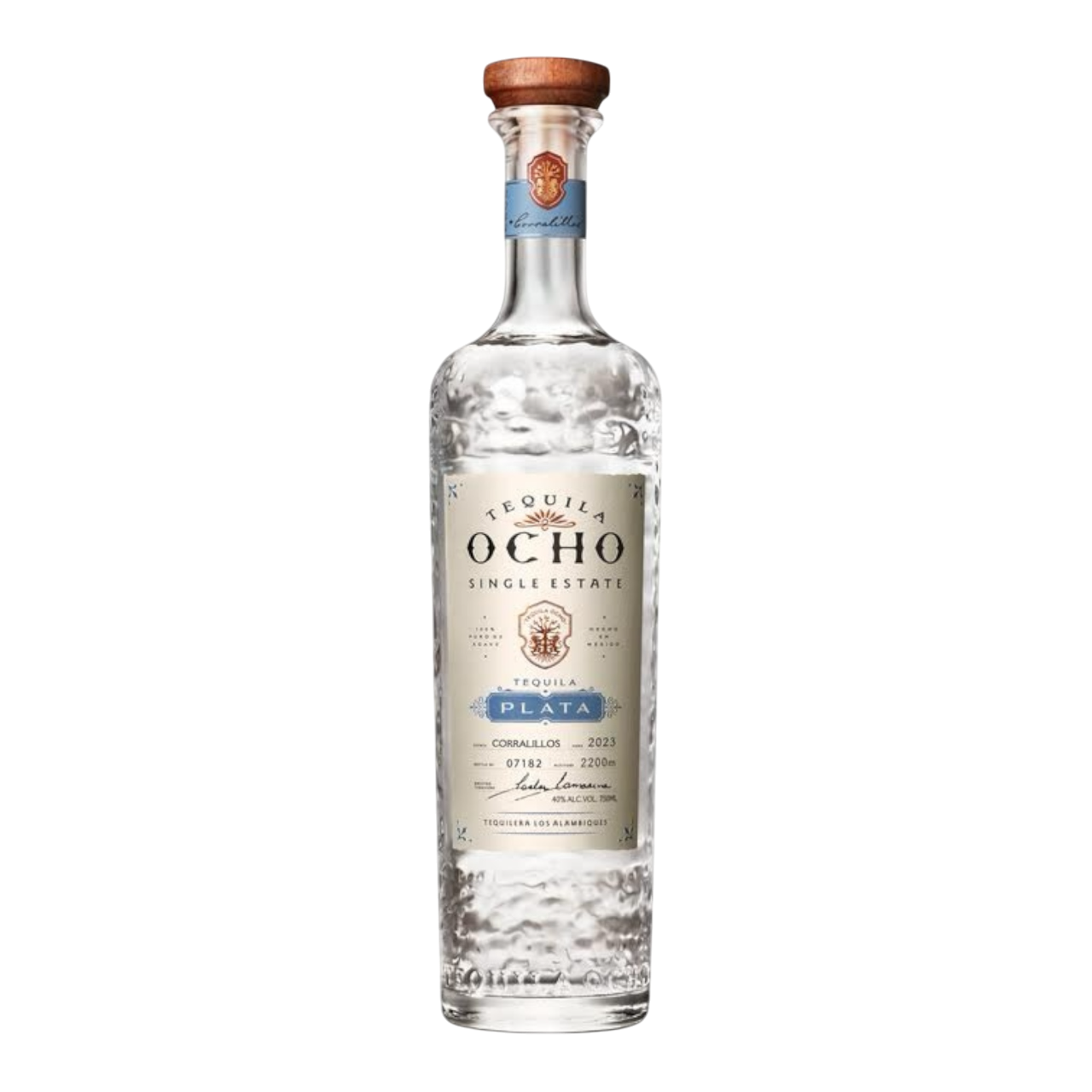
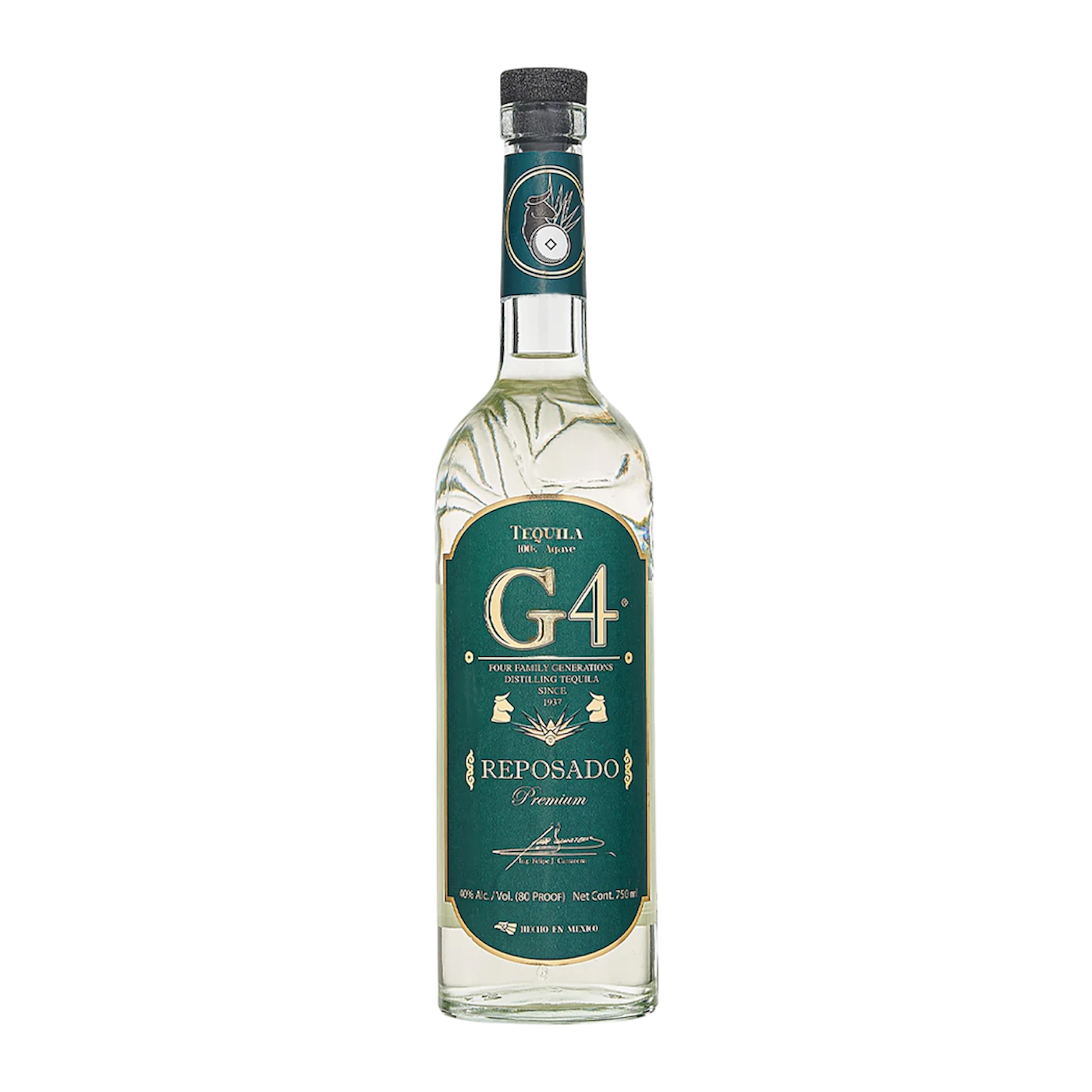
- Look for the AFA seal. Over 100 tequilas have earned approval through the Additive-Free Alliance program. Brands like Fortaleza, G4, Tequila Ocho, Siete Leguas, El Tesoro, and Volans are widely recognized as additive-free. For more detail, check our guide to reading NOM labels.
- Trust your palate. Artificial vanilla or caramel sweetness that overpowers the agave is a red flag. A clean additive-free tequila should taste like cooked agave, with secondary notes from barrel aging (if applicable) rather than syrupy or candied flavors.
- Shop curated collections. The easiest path is to buy from a retailer that vets its inventory. Sip Tequila's additive-free collection features only bottles that meet strict purity standards. Every bottle in that collection contains nothing but agave, yeast, and water.
The CRT vs. Additive-Free Alliance: Inside the Legal Battle
The push for transparency has created a direct conflict between the tequila industry's official regulator and the independent watchdogs who advocate for cleaner spirits. In March 2025, the CRT filed a federal lawsuit against the Additive Free Alliance and its parent company S2F Online in the U.S. District Court for the Middle District of Florida.
| Aspect | CRT Position | Additive Free Alliance Position |
|---|---|---|
| Legitimacy | The CRT is the sole certifying body for tequila under Mexican law. The AFA has no license to use the tequila trademark for certification. | The AFA does not claim to be a certifier. Its website explicitly states "this is not a certification." It conducts independent verification through inspections and lab tests. |
| Scientific basis | There is "no scientific way" to certify a tequila as additive-free because mellowing agents can naturally occur during production. | On-site inspections of distilleries, review of purchase records, access to CRT lab reports, and sensory evaluations provide sufficient evidence to determine whether additives were added. |
| Consumer impact | The term "additive free" misleads and confuses consumers. PROFECO, Mexico's consumer protection agency, issued a joint statement in August 2024 supporting this view. | Consumers deserve to know what is in their spirits. The CRT's refusal to mandate label disclosure creates the confusion, not the groups trying to fill the information gap. |
| History | The CRT launched its own additive-free certification program in 2023 in partnership with Patrón, directly competing with the AFA program. | The AFA was founded in 2020 by Tequila Matchmaker founders Scarlet and Grover Sanschagrin. It relaunched as an independent 501(c)(3) non-profit in August 2024. |
Industry experts are watching the case closely. "Frankly, additive-free is being thrown around a lot right now." Ivy Mix, author of Spirits of Latin America. Notes it "can be tricky to see who is actually playing ball and who is doing smoke and mirrors." Mix is co-owner of the Brooklyn cocktail bars Leyenda and Whoopsie Daisy.
The outcome of this lawsuit could reshape how tequila is labeled and marketed for a generation. If the CRT prevails, independent additive-free claims could be restricted or eliminated from the U.S. market. If the AFA prevails, the pressure on brands to open their distilleries to inspection will intensify. For consumers, the lesson is to stay informed and buy from sources you trust.
Common Myths About Additive-Free Tequila
As the additive-free conversation grows, so do the misconceptions. Here are the most persistent myths, debunked.
Myth: 100% de Agave means no additives. This is the most widespread misunderstanding in the category. As covered above, the NOM allows up to one percent additives without disclosure. The "100% de Agave" label refers to the source of the alcohol, not the absence of post-distillation ingredients.
Myth: Additive-free tequila is always high quality. Not necessarily. "One thing people often forget is that just because something is additive-free doesn't mean it is good quality," says Shad Kvetko. Co-owner of Las Almas Rotas in Dallas. Additive-free production is a baseline, not a guarantee of excellence. Quality depends on the agave, the production methods, and the skill of the distiller.
Myth: All aged tequila gets its color from the barrel. While barrel aging does impart color, many inexpensive reposados and añejos supplement that color with caramel coloring to create a more uniform appearance. Real barrel-aged color varies from batch to batch. Uniform, deeply amber tequilas at a low price point are a warning sign.
Myth: Additives are only in cheap tequila. Celebrity-backed and premium-priced brands can use additives too. Price and marketing are not reliable indicators of purity. The only way to know is through independent verification or direct distillery knowledge.
For a full list of verified additive-free bottles, download our complete additive-free tequila list.
Frequently Asked Questions
What tequilas are additive-free?
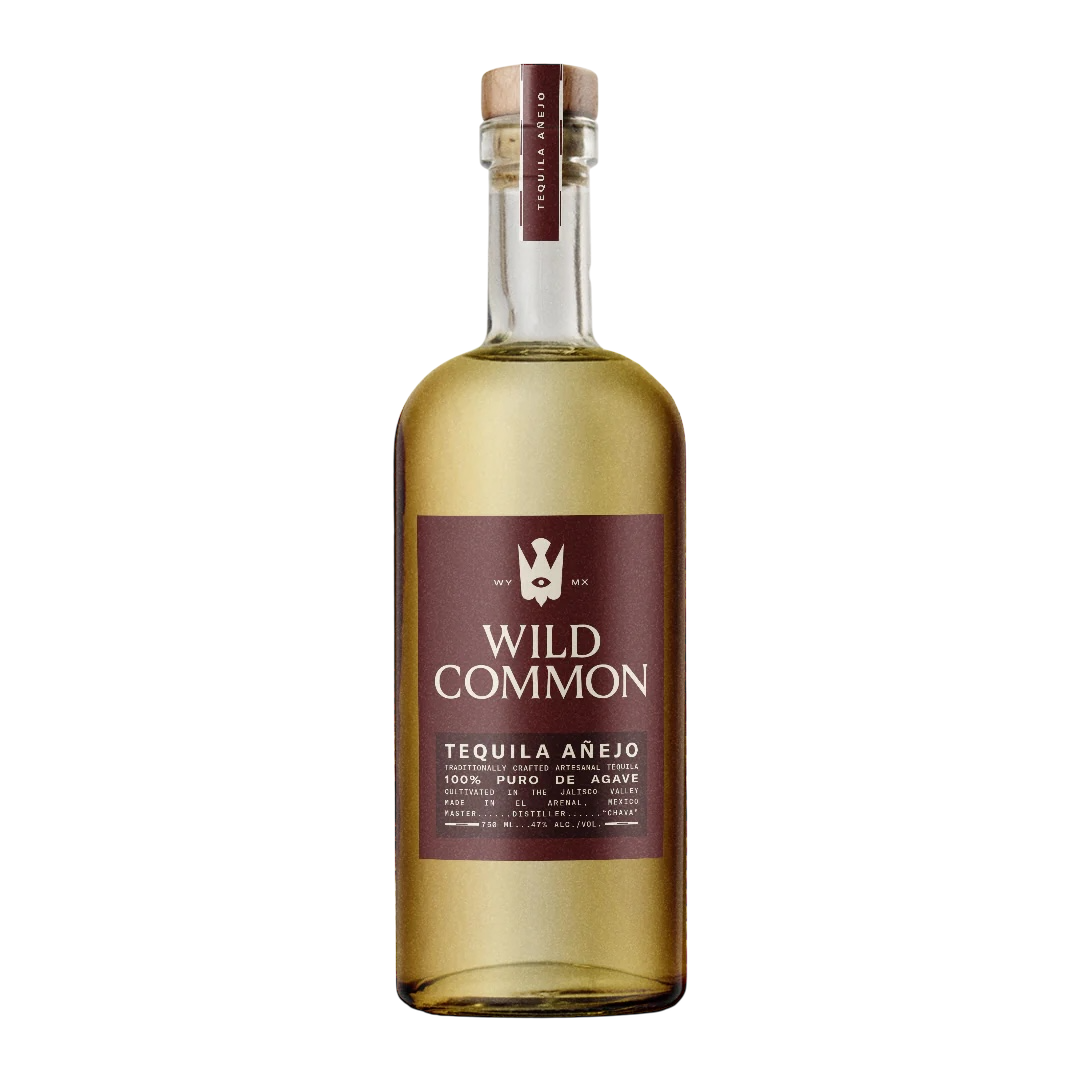
Popular additive-free brands include Fortaleza, Tequila Ocho, G4, El Tesoro, Siete Leguas, Cascahuín, Wild Common, Volans, and LALO. The Tequila Matchmaker Additive-Free Alliance has inspected and approved over 100 tequilas through in-person distillery visits.
What is the cleanest and healthiest tequila?
The cleanest tequilas are additive-free blancos made from 100% blue Weber agave with no added sweeteners, glycerin, caramel coloring, or oak extract. Brands like Fortaleza Blanco, Tequila Ocho Plata, and G4 Blanco use traditional production methods and skip all additives.
Is additive-free tequila better for you?
Additive-free tequila avoids added sugars and artificial compounds that can contribute to more severe hangovers. Many drinkers find that clean additive-free spirits are easier on the body and produce fewer next-day effects.
Is Don Julio additive-free?
Don Julio is not certified by the Additive-Free Alliance and has not participated in their independent verification program. While Don Julio is a premium 100% agave tequila, the lack of third-party inspection means there is no public confirmation about whether additives are used.
What does the CRT vs AFA lawsuit mean for consumers?
The CRT's lawsuit against the Additive Free Alliance, filed in March 2025, could determine whether independent additive-free certifications are legally allowed in the U.S. market. Until the case is resolved, consumers should rely on verified sources like the Tequila Matchmaker database and curated retailer collections to find truly additive-free bottles.
Ready to Taste the Difference?
The additive-free tequila movement is about one thing: knowing exactly what is in your glass. Whether you are new to the category or a seasoned enthusiast. Choosing verified additive-free bottles is the best way to experience tequila the way it was meant to be enjoyed. Shop Sip Tequila's additive-free collection to explore vetted bottles from the world's best distilleries. Every bottle in our collection is selected for purity, quality, and transparency. If you have questions about a specific brand, call us at (877) 288-7351 or reach out to our tequila experts.