







Tequila for Whiskey Drinkers: The Aged Expressions You Need to Try
If you love whiskey, you already have the palate for aged tequila. You just haven't made the connection yet.
This isn't a case against whiskey. It's a case for what happens when someone who genuinely appreciates depth, oak, and slow complexity picks up a well-aged añejo or extra añejo for the first time. It tends to change how they think about both spirits.
What whiskey and aged tequila have in common
Both are barrel-aged spirits. A reposado rests in oak for two to twelve months, picking up the same vanilla, caramel, and wood notes that you'd recognize from a good bourbon. An añejo ages for one to three years, developing leather, dried fruit, and toasted oak characteristics. Extra añejo, aged beyond three years, enters territory that serious whiskey drinkers tend to find immediately familiar.
Both categories also reward patience, both in production and in how you drink them. Rushing through an extra añejo would be the same kind of mistake as pouring a fifteen-year scotch into a shot glass. These are spirits designed to be sat with.
For bourbon lovers
If what you love about bourbon is the sweetness, the oak, and that warming vanilla-and-caramel character, a barrel-aged añejo is going to speak your language immediately. The agave adds a layer that bourbon doesn't have, a vegetal brightness underneath all the oak, which actually makes the flavor more complex, not less.
Our pick: El Tesoro Extra Añejo. Rich vanilla, caramel, and toasted oak with the agave backbone that makes it unmistakably tequila. Try it neat in a rocks glass. Nose it the way you'd nose a good pour of bourbon. You'll understand within the first sip.
For scotch lovers
If what draws you to scotch is the smokiness and that leathery, complex finish, look for extra añejos with notes of char and spice. Some expressions develop significant earthiness and leather from extended barrel aging, the kind of profile that scotch drinkers tend to recognize and appreciate immediately.
The smoke in tequila comes from the roasting of the agave piña rather than peat, so it reads differently on the palate, but the effect on the overall profile is comparable: complexity, depth, and something that requires your full attention.
Our pick: Fuenteseca. Their vintage extra añejos are aged for years and develop the kind of leather, tobacco, and dried fruit complexity that scotch drinkers live for.
For the "I drink it slowly and savor it" crowd
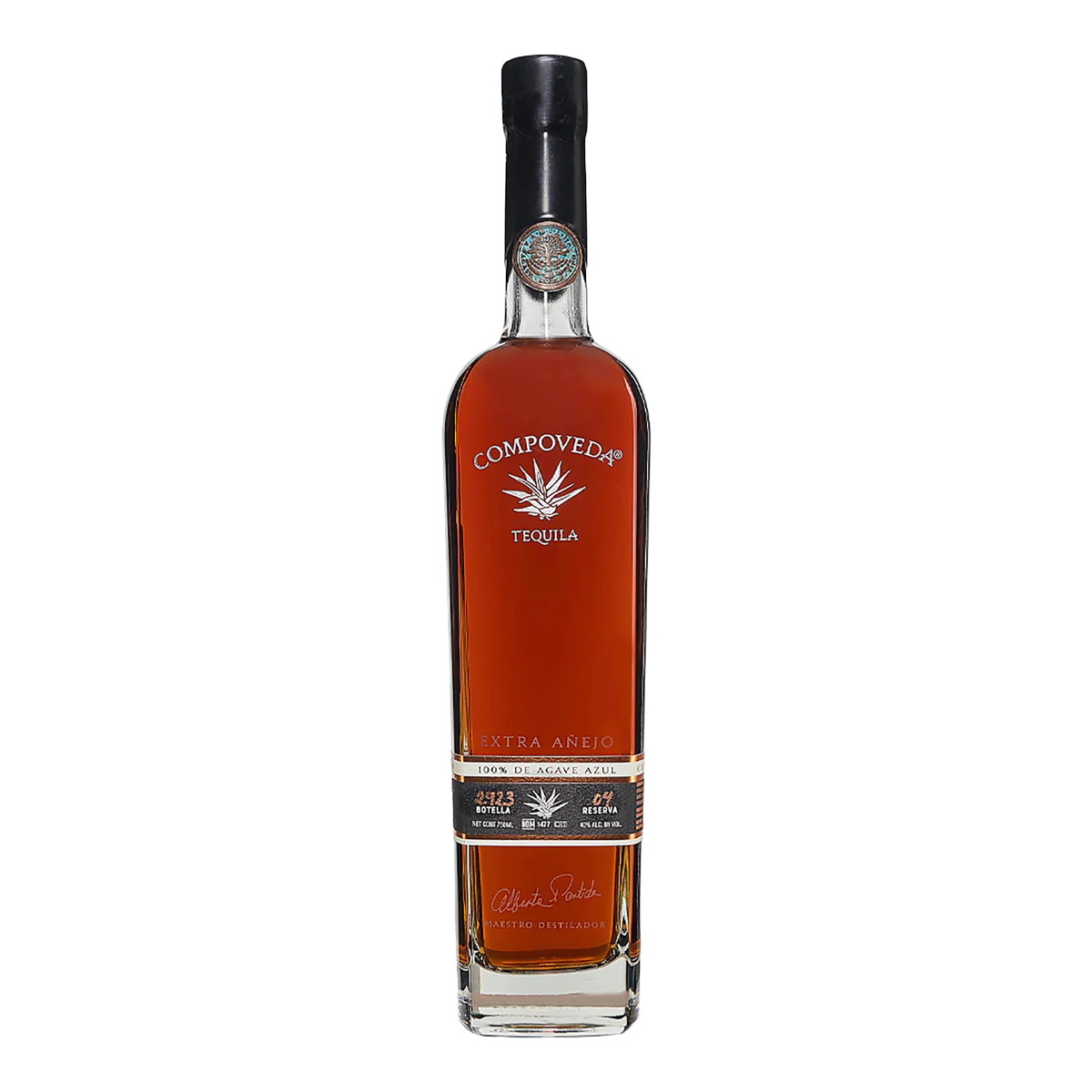
Extra añejo is for you. Aged beyond three years, it operates at the highest tier of tequila production. Flavor profiles in this category can include dark chocolate, dried stone fruit, tobacco, leather, vanilla, and long, warm finishes. If you've ever thought "I wish tequila tasted more like a fine spirit," this is the expression that was made to answer that.
Our pick: Compoveda Extra Añejo. Aged in French and American oak red wine barrels from Napa Valley. This one converts whiskey drinkers on the first pour.
How to approach it
Serve it neat or with a single large ice cube. Resist the lime. Nose it first. Take small sips and let the finish develop. Treat it exactly the way you'd treat the spirits you already love, because that's what it deserves.
Whiskey Day only comes once a year. But aged tequila is available right now.
Salud.
EXPLORE AÑEJO | EXPLORE EXTRA AÑEJO