






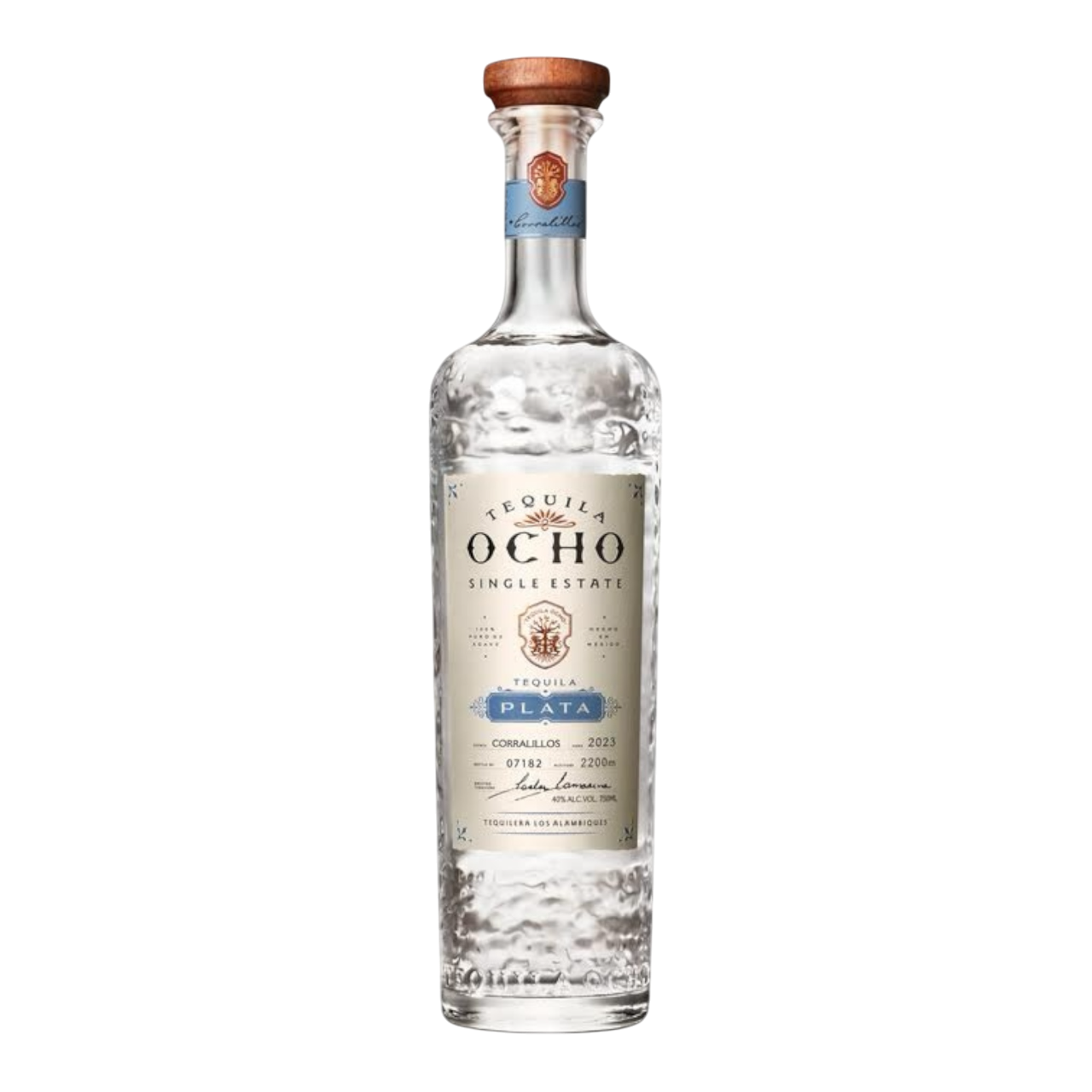
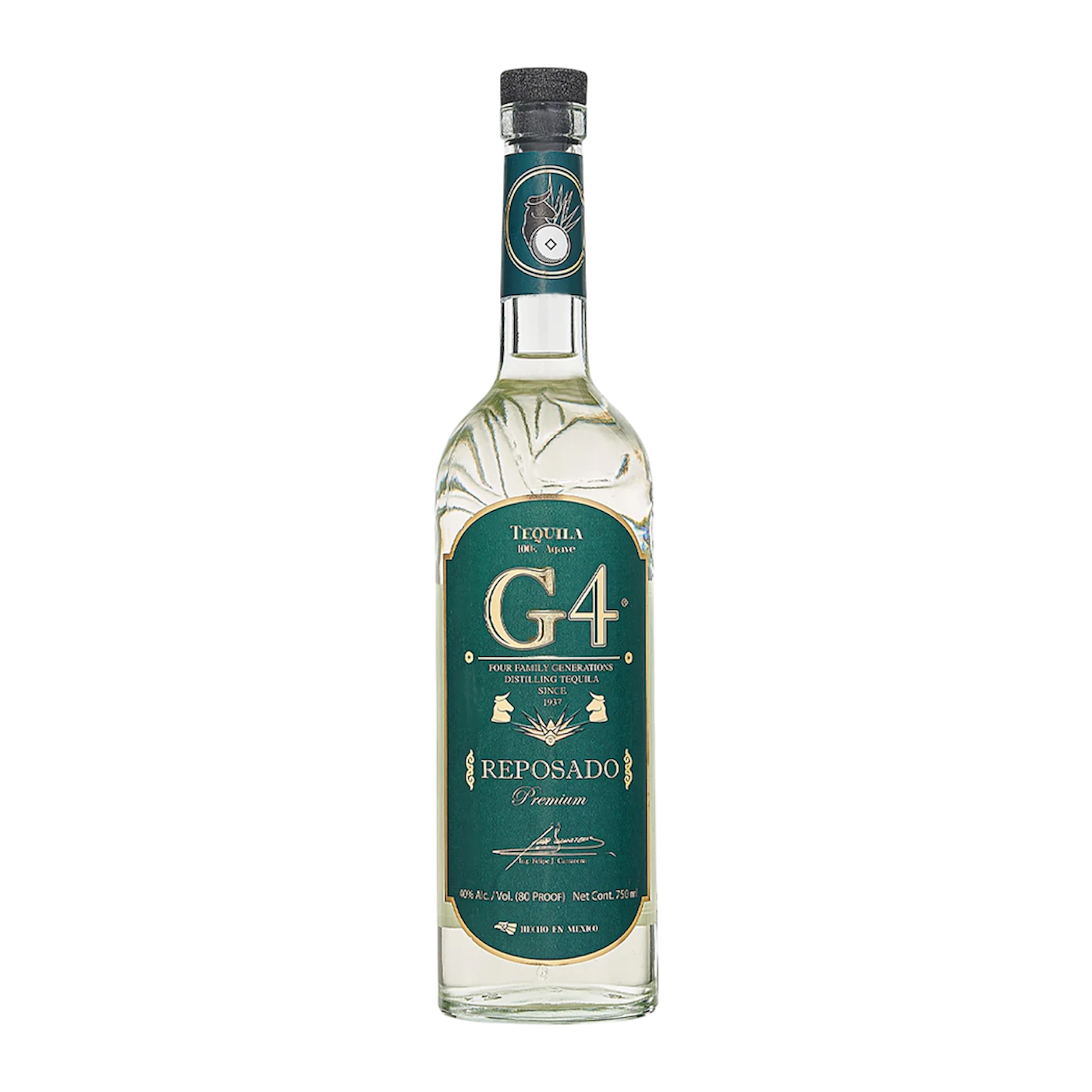
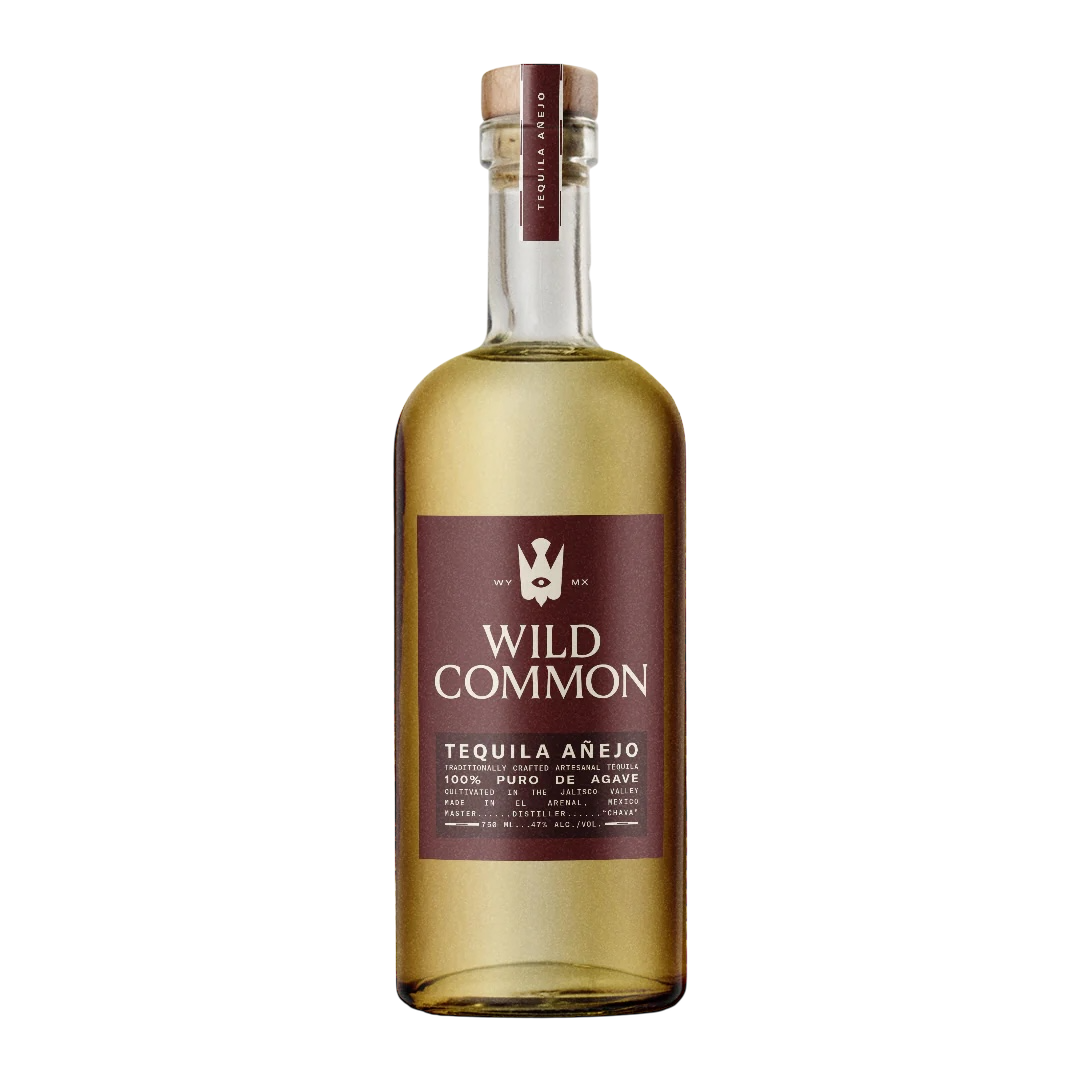
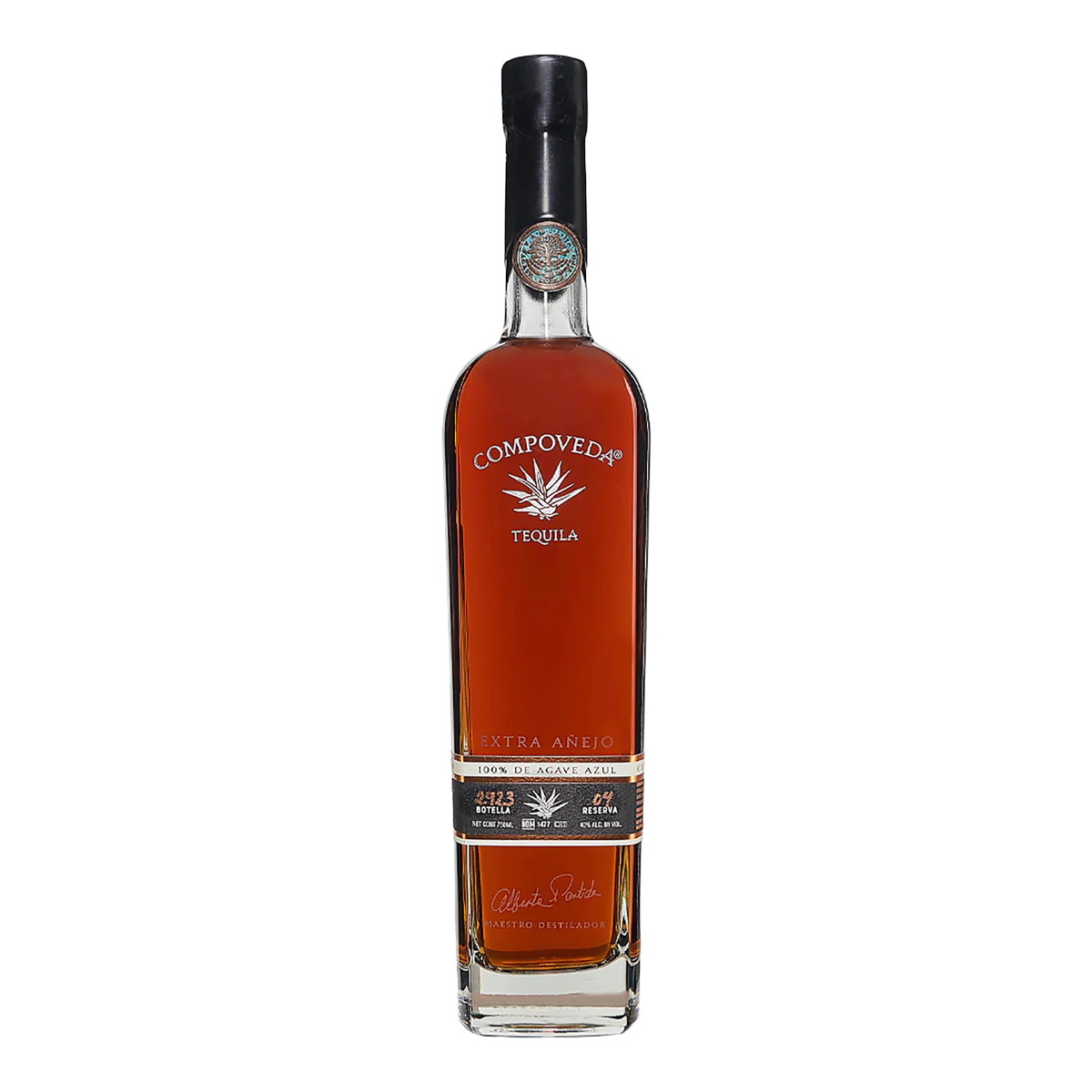






Right now, somewhere in the highlands of Jalisco, a farmer is planting a blue agave pina that won't be ready to harvest until 2033. Maybe 2034. That's not a problem with the supply chain. That's the process.
Blue Weber agave, the plant behind every bottle of tequila we carry, takes 7 to 10 years to reach maturity before it can be harvested. That means every decision a farmer makes today is a bet on the next decade. It also means the relationship between the people who grow agave and the land they grow it on is fundamentally different from almost any other crop we consume.
That relationship is what makes agave one of the most quietly impressive plants in agriculture.
It Grows Where Almost Nothing Else Can
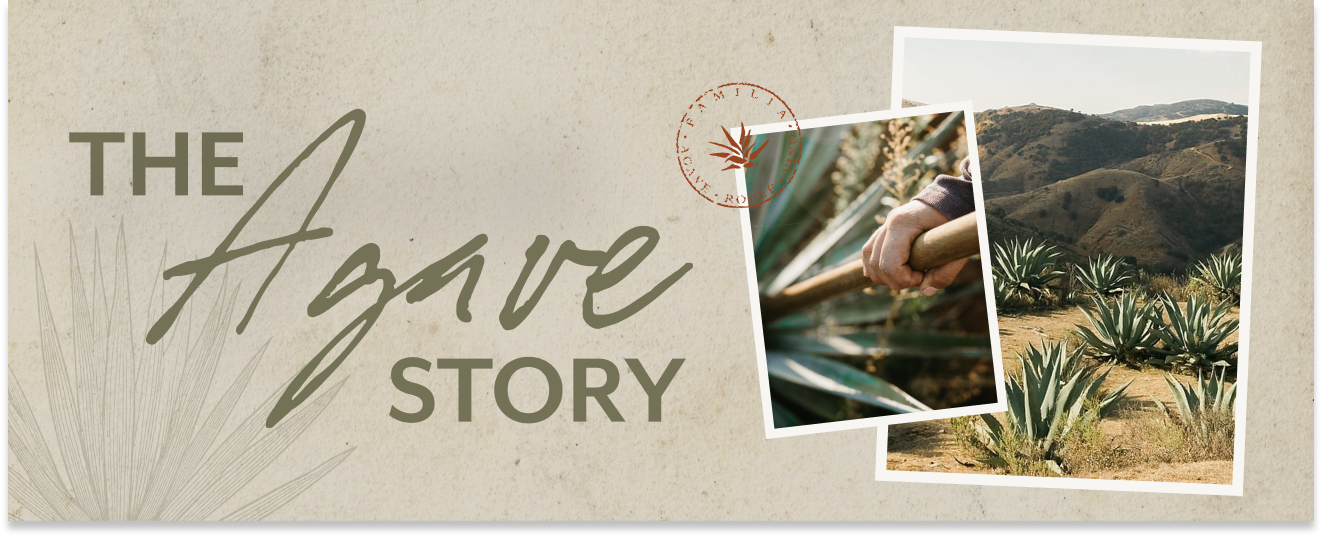
Agave thrives in rocky, volcanic soil at elevations where most crops would fail. The highlands of Jalisco, the lowland valleys near the town of Tequila, the arid hills of Oaxaca. These aren't gentle farming environments. They're harsh, dry, and hot.
But agave doesn't just survive in these conditions. It's built for them. As a CAM (crassulacean acid metabolism) plant, agave opens its stomata at night instead of during the day. That means it absorbs CO2 when temperatures are cooler and humidity is higher, losing far less water through evaporation than conventional crops. Researchers estimate CAM plants require between a fifth and a third of the water that standard crops need.
In practical terms: most agave is grown on rainfall alone. No irrigation systems. No reservoirs. Just time and rain.
It Pulls Carbon Out of the Air
Agave doesn't just grow slowly. It sequesters carbon as it matures. Agave-based agroforestry systems can store roughly 50 tons of CO2 per hectare over a 10-year cycle, and when paired with nitrogen-fixing companion trees, that number can climb significantly higher.
Jose Cuervo, the largest tequila producer in the world, is actively working to certify carbon credits for its agave plantations, recognizing the plant's potential as a legitimate tool for carbon offset. Meanwhile, UNEP (United Nations Environment Programme) has highlighted sustainable agave farming in Oaxaca as a model for reviving degraded dry forest ecosystems.
This isn't a marketing story. It's measurable science.
Nothing Goes to Waste
Once the pina (the heart of the agave plant) is harvested and sent to the distillery, you might assume the rest of the plant is discarded. It's not.
The leaves (pencas) are increasingly being used as animal feed, compost, and even construction material. The fibrous bagazo left over after the pina is crushed can be composted, turned into biofuel, or used to make paper and textiles. Some distilleries are experimenting with closed-loop systems where the vinasse (liquid waste from distillation) is treated and returned to the fields as fertilizer.
The hierarchy of agave from plant to bottle is one of the most efficient farm-to-glass supply chains in the spirits world.
The Long Game
What makes agave farming feel different from other agriculture is the timeline. A corn farmer plants in spring and harvests in fall. A jimador (agave harvester) plants today and waits the better part of a decade. That patience isn't just romantic. It creates a fundamentally different incentive structure. When your harvest is a decade away, you take care of the soil. You think about what you're planting next to it. You protect the ecosystem because your livelihood depends on it being healthy when you finally come back.
The best producers we work with understand this. They're selecting agave varieties for long-term soil health, rotating planting cycles, and maintaining biodiversity in and around their fields. It's not a sustainability initiative bolted on after the fact. It's how agave has been farmed for centuries.
Why It Matters in Your Glass
The next time you pour a blanco, a reposado, or an extra anejo, consider this: the agave in that bottle was planted when you were probably living in a different house, working a different job, maybe in a different city. The farmer who planted it trusted that someone, years down the road, would appreciate what they grew.
That's the agave story. Slow by design. Sustainable by nature. Worth knowing about.
Happy Earth Day.
Shop the full tequila collection on Sip.


