




Best Additive Free Blanco Tequila: 5 Expert Picks Reviewed
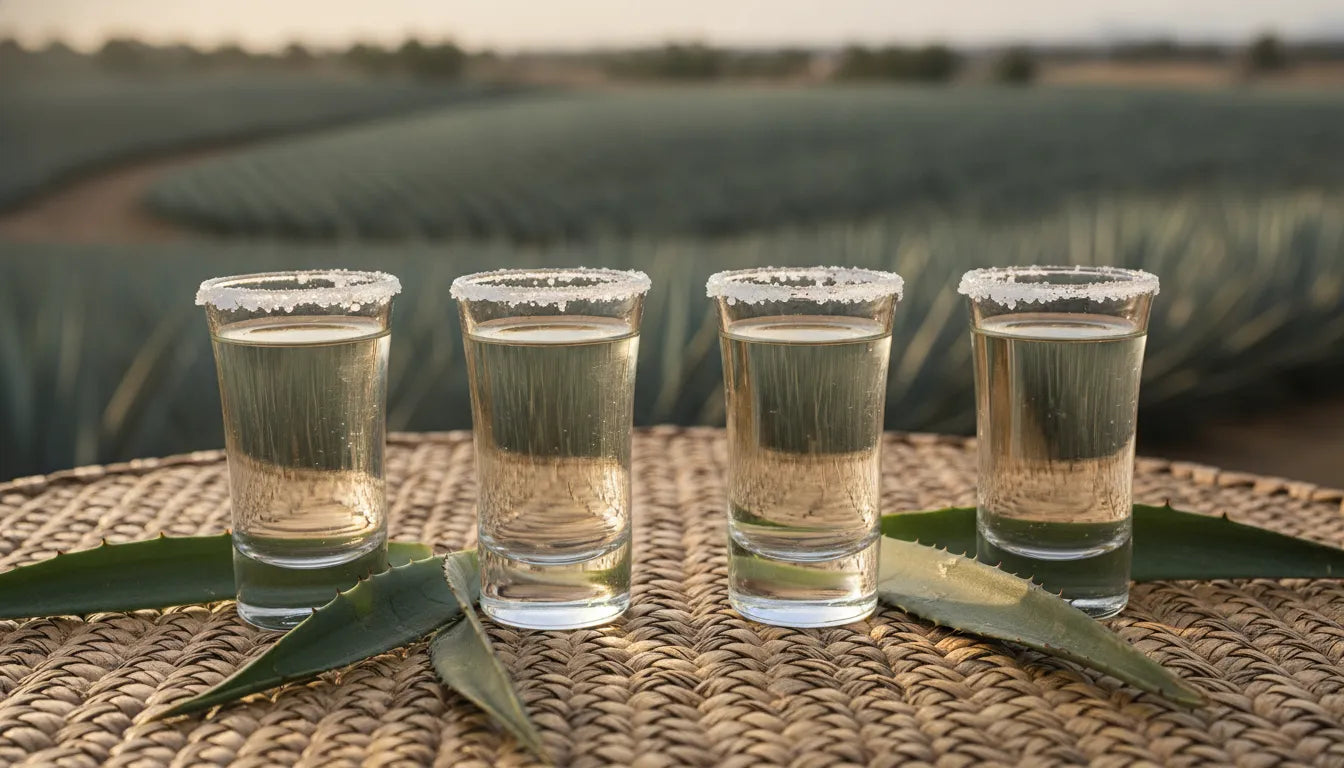
Finding the best additive free blanco tequila is less about choosing one universal winner and more about matching a transparent production story to your palate. Blanco tequila has little or no barrel influence, so cooked agave, citrus, pepper, earth, and mineral notes can come through clearly. That makes it a useful style for comparing bottles.
Shop Sip Tequila's additive-free collection
In this guide, we compare five respected additive-free blancos by flavor, sipping style, cocktail use, and approximate market price. We also explain what additive-free means, how to read a NOM number, and what to check before ordering. Prices and availability change, so use the live product page as the final source for any purchase decision.
What Does Additive-Free Mean in Blanco Tequila?
Additive-free blanco tequila is made without added coloring, flavoring, or sweeteners after distillation. Blanco is generally unaged or minimally rested, so its profile shows the influence of agave, fermentation, water, and distillation more directly. The term describes a production and disclosure choice, not a health claim or a guarantee that every drinker will prefer the taste.
Additive-free describes what is not added to the finished spirit. Producers and enthusiasts commonly use the term when discussing the absence of coloring, flavoring, sweeteners, glycerin, or oak extract added after distillation. These ingredients can change a tequila's color, texture, aroma, or perceived sweetness. Their presence is not automatically a safety judgment. The useful question is whether the producer clearly explains the finished spirit and its process.
The U.S. Alcohol and Tobacco Tax and Trade Bureau provides the federal framework for tequila imported into the United States. Mexico's NOM-006-SCFI standard establishes specifications for tequila production, categories, aging, and bottling. Those standards govern tequila as a regulated product, while additive-free is a separate descriptor used to communicate a producer's approach. Read the TTB tequila agreement and the NOM-006-SCFI standard for the regulatory context.
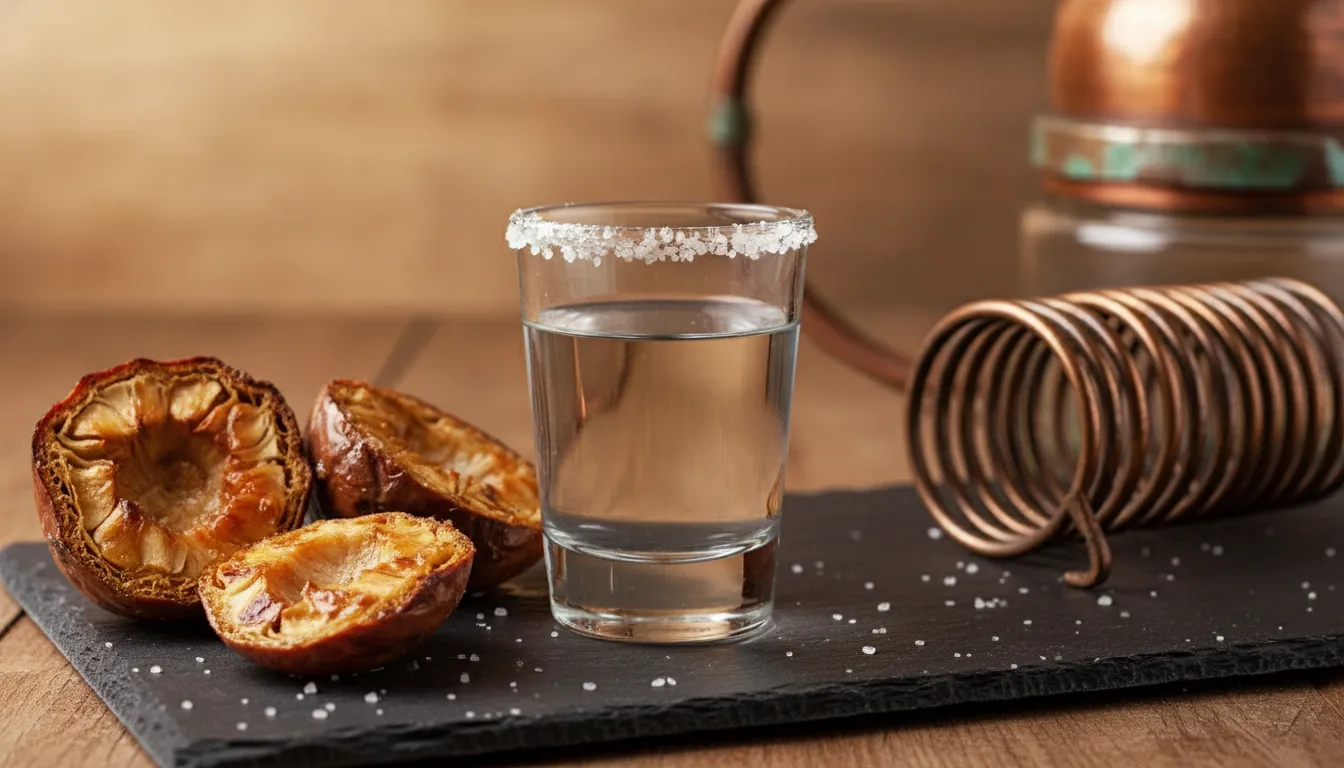
Blanco is a helpful style for this comparison because extended barrel aging is not shaping the profile with oak, vanilla, or baking spice. A clear pour can make differences in cooking, fermentation, distillation, water, and dilution easier to notice. You may find cooked agave in one bottle, bright citrus in another, or pepper and minerals in a third.
That clarity does not mean every blanco is additive-free. A bottle can be 100% agave and still require a separate producer disclosure about additives. Conversely, a producer may share a detailed process statement without using the exact phrase on the front label. Treat the term as one part of your research rather than a substitute for provenance, transparency, and tasting.
- Additive-free: No coloring, flavoring, or sweeteners added after distillation, based on the producer's stated practice.
- Blanco: A clear tequila style with minimal barrel influence, making agave and distillation character easier to assess.
- 100% agave: A statement about the sugar source, not automatic proof that no post-distillation additions were used.
- Why it matters: Additives can change the finished profile, while an additive-free approach lets production character remain more visible.
How Do You Choose the Best Additive Free Blanco Tequila?
Choose the best additive free blanco tequila by weighing production transparency, traceable distillery information, flavor profile, intended use, and current price. Look for a clear producer disclosure, confirm the NOM number. Then decide whether you want a detailed sipper, a cocktail workhorse, or a balanced bottle that can do both.
Start with transparency rather than packaging. A producer that explains where its agave comes from, how the pinas are cooked, how fermentation is handled, and what still is used gives you useful context. No single method is universally best. Specific information simply makes it easier to understand why two additive-free blancos can taste very different.
Use the NOM number for traceability
The four-digit NOM number identifies the distillery of origin. It is not a tasting score and it is not an additive-free certificate. It is a concrete production detail that you can compare with the producer's site, bottle information, and other sources. Sip Tequila's NOM label guide offers a practical starting point for that research.
Separate production claims from tasting notes
A tasting note can describe cooked agave, citrus, pepper, herbs, minerals, or earth. It cannot prove what was or was not added after distillation. Likewise, a soft texture or noticeable sweetness is a reason to investigate, not automatic evidence of additives. Look for a written producer disclosure and then use your palate to decide whether the style suits you.
Research on tequila authenticity has examined isotopic characterization as one tool for investigating the composition of 100% agave tequila. That type of research is useful context, but it is not a home tasting test. The practical buying habit is simpler: favor clear documentation, traceable production information, and retailers that make the product story easy to follow. A peer-reviewed study on tequila authenticity provides additional background.
- Confirm that the bottle is labeled blanco or plata and 100% agave.
- Look for a separate additive-free statement or detailed producer disclosure.
- Record the NOM number and compare it with the producer's stated distillery.
- Choose a flavor profile that matches your drinking occasion rather than chasing a universal winner.
Best Additive-Free Blanco Tequilas for Pure Agave Flavor
The five picks below cover different preferences. G4 offers mineral detail, while Fortaleza has a robust traditional profile. LALO brings approachable brightness. Tequila Ocho shows agave and terroir character, and Tapatio offers value and versatility. The tasting notes are editorial descriptors, and the price bands are approximate market context, not guaranteed current prices.
Blanco tequila puts the raw material and distillery style in the foreground. The selections below are useful starting points for comparing intensity, texture, finish, and flexibility. Availability can change quickly, especially for sought-after releases. Check each current product listing before relying on a price or assuming a bottle is in stock.
| Tequila | Profile | Best for | Approximate price band |
|---|---|---|---|
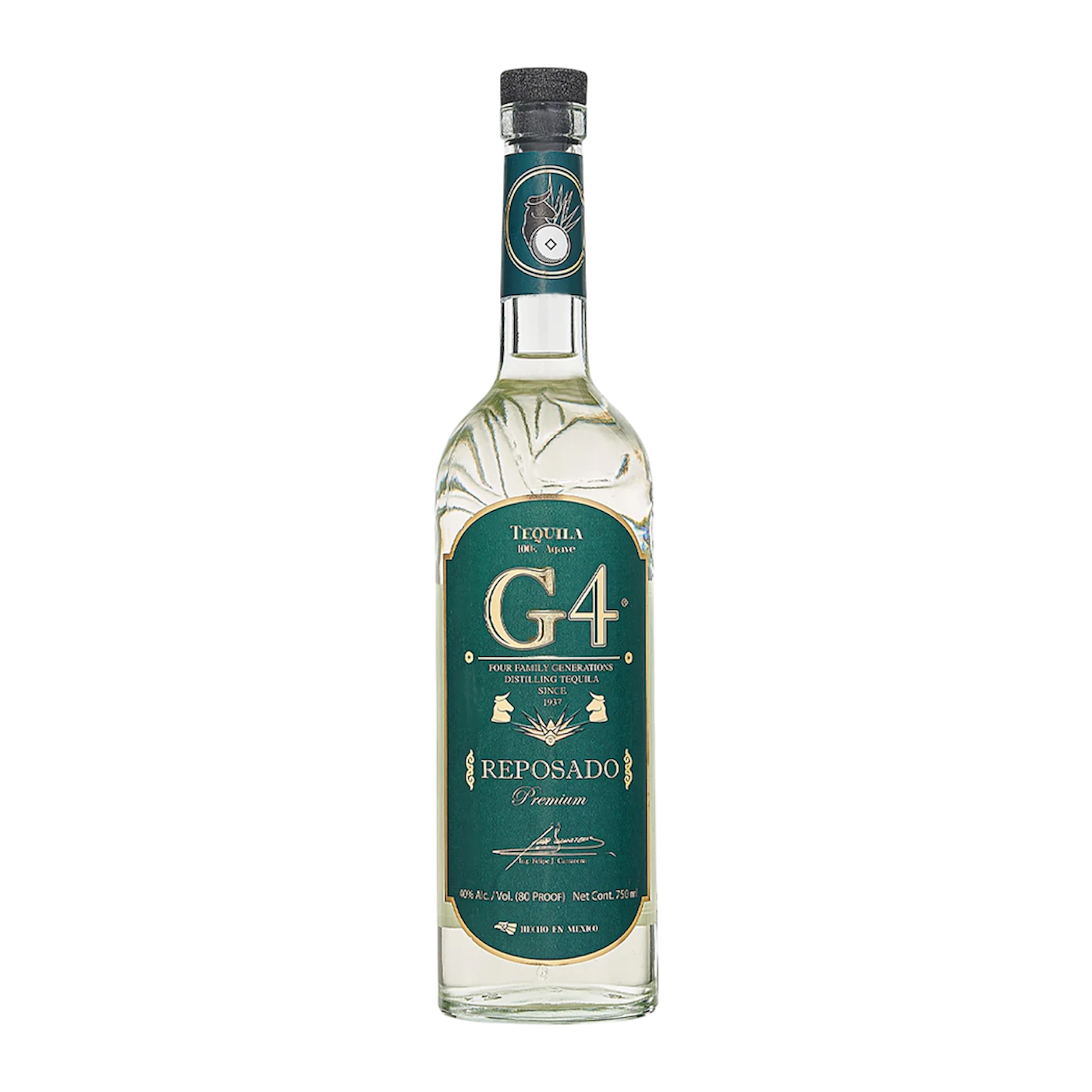
| G4 Blanco | Bright cooked agave with citrus, pepper, mineral lift, and a clean savory finish. | Sippers who want polished detail with a distinct mineral edge. | $50-$55 |
| Fortaleza Blanco | Expressive agave, roasted notes, fresh earth, and a peppery finish with plenty of character. | Traditionalists who enjoy a robust pour neat or in a spirit-forward cocktail. | $55-$65 |
| LALO Blanco | Fresh agave with soft citrus, herbal brightness, and an approachable pepper note. | Newer enthusiasts and cocktail drinkers seeking clarity without a heavy profile. | $40-$45 |
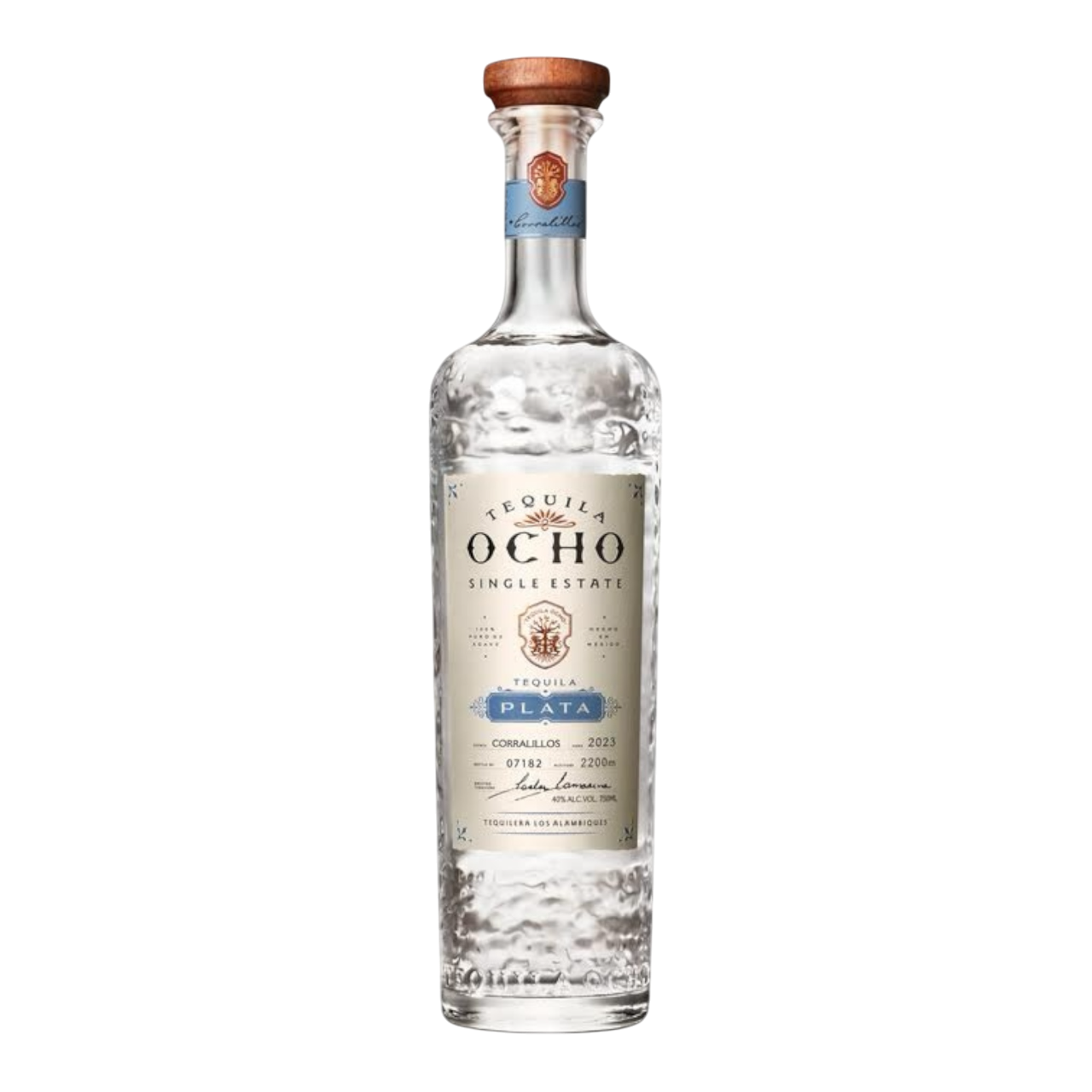
| Tequila Ocho Plata | Agave-forward and lively, with citrus, green herbal tones, earth, and a long finish. | Drinkers who enjoy vintage and terroir variation or slow tasting. | $45-$50 |
| Tapatio Blanco | Classic cooked agave with pepper, citrus, and balanced earthiness. | Value-minded buyers seeking a traditional and versatile bottle. | $35-$40 |
G4 Blanco: mineral detail and a focused finish
G4 is a strong choice when you want a blanco that feels precise and layered. Expect cooked agave, citrus, pepper, and a mineral quality that stays present through the finish. It works well as a neat pour because the profile gives you details to revisit, but its brightness can also bring structure to a simple cocktail.
Fortaleza Blanco: a bold traditional profile
Fortaleza suits drinkers who enjoy a more expressive, tactile style. Roasted agave, earth, and pepper make it a bottle with obvious character. It can reward a slow neat pour, especially if you like a finish that stays lively. Its intensity also helps it remain present in a spirit-forward cocktail where a lighter blanco might disappear.
LALO Blanco: approachable brightness
LALO is a useful entry point for someone who wants clean agave flavor without a dense or challenging profile. Soft citrus, fresh agave, herbs, and moderate pepper create a flexible pour. It is approachable neat and practical in a Margarita, Paloma, or Ranch Water. Choose it when you want clarity and ease rather than maximum weight.
Tequila Ocho Plata: agave and terroir character
Tequila Ocho Plata is a good fit for drinkers who enjoy variation from vintage and agave source. Its lively profile can show citrus, green herbal notes, earth, and an energetic finish. It invites comparison across releases because the bottle can express place and season in a way that makes tasting more exploratory.
Tapatio Blanco: value and versatility
Tapatio Blanco is a practical choice when you want traditional cooked agave, pepper, citrus, and earth without moving into a higher price band. It can be sipped, used in a cocktail, or opened for a group that has different preferences. For shoppers building a first additive-free selection, its versatility makes it an easy benchmark.
Across these bottles, flavor descriptors are sensory impressions rather than laboratory findings. Academic work on agave and tequila composition shows why cultivation and processing can influence the final spirit. Read the published research on agave flavor compounds for additional context, then trust your own palate when choosing a bottle.
Browse Sip Tequila's blanco and plata collection
Which Blanco Tequila Is Best for Sipping vs Cocktails?
For sipping, choose a blanco with layered agave, a persistent finish, and enough texture to reward slow tasting. For cocktails, choose clean agave, bright citrus or pepper, and enough structure to stand beside lime, bitters, or vermouth. If you want one bottle for both, prioritize balance and a clear finish.
The best bottle depends on what you want it to do. A sipping blanco should remain interesting without a mixer. A cocktail blanco should provide recognizable agave character without overpowering fresh ingredients. Additive-free production does not decide the result by itself, but it can make the distinctions between distilleries easier to notice.
When sipping is the priority
Look for layers that develop from aroma to finish: cooked agave, citrus, white pepper, herbs, minerals, or earth. A few drops of water can open the aroma, but start with a small neat pour so you understand the bottle's baseline. Use a narrow tasting glass if you have one, and give the spirit a few minutes before making a final judgment.
- Choose sipping-first when: you want to study production differences or drink the tequila neat.
- Prioritize: a persistent finish, balanced texture, and agave character that is easy to identify.
- Compare: two small pours side by side rather than judging one bottle from memory.
When cocktails are the priority
A cocktail workhorse needs brightness, moderate body, and enough finish to stay present beside lime, grapefruit, bitters, or vermouth. A complex bottle is not automatically the best mixing choice. Taste it neat first, then test it in the cocktail you actually make. A balanced blanco can serve more occasions than a bottle chosen only for intensity.
- Pick cocktail-first when: you mix often or want one bottle for Margaritas, Palomas, and Ranch Water.
- Prioritize: clear agave, fresh citrus or pepper, and a finish that complements the recipe.
- Use it thoughtfully: adjust the recipe after tasting the tequila, rather than covering a mismatch with extra sweetness.
Start your comparison with the curated additive-free collection, then decide whether your preferred bottle belongs in the neat-pour shelf, the cocktail shelf, or both.
How Much Should You Pay for Additive-Free Blanco Tequila?
A practical comparison range for a good additive-free blanco is about $35 to $65 per bottle, although retailer, location, bottle size, scarcity, and release can move the price. The price does not prove that a tequila is additive-free or guarantee that it matches your palate. Compare transparency and flavor alongside cost.
The five comparison bands run from roughly $35 for Tapatio Blanco to about $65 for Fortaleza Blanco. LALO, Tequila Ocho Plata, and G4 sit between those examples. These are approximate market ranges from the article's research, not current Sip Tequila prices. Use the live product page before using any number in a purchase decision.
What drives the price?
Agave quality, maturation time, cooking method, extraction, fermentation, still type, labor, bottle design, distribution, and scarcity can all influence cost. Slower or more labor-intensive production may raise the price, but a higher price is not proof of better taste. Some of the difference reflects demand, allocation, or packaging rather than a flavor improvement you will notice.
The New Mexico State University report on additive-free tequila notes that higher pricing can reflect high-quality raw materials and slower artisanal methods. Read the NMSU report on additive-free tequila for that context. Then compare what the bottle offers against the way you plan to drink it.
- Under $45: a useful range for approachable, versatile bottles and first comparisons.
- $45-$55: a range where distinctive agave, mineral, or terroir character may become more prominent.
- $55-$65 and above: a range often influenced by demand, scarcity, production style, or a sought-after distillery.
Shop the current additive-free selection
How Can You Verify a Bottle Before You Buy?
Verify a bottle by confirming the blanco category, checking the 100% agave statement. Recording the NOM number, reading the producer's additive disclosure, and comparing the product page with current availability. These steps help separate a documented production claim from a vague marketing phrase without treating tasting impressions as laboratory proof.
- Confirm the category. Look for blanco or plata and 100% agave language. Blanco has little barrel influence, while 100% agave describes the sugar source. The two terms are related quality signals, but they do not mean the same thing.
- Find the NOM number. Use the four-digit code to identify the distillery of origin. Compare it with the producer's stated information. A NOM number supports traceability, but it is not an additive-free certificate or a flavor rating.
- Read the producer's disclosure. Look for plain-language information about coloring, flavoring, sweeteners, glycerin, or oak extract. A clear statement about the finished spirit is more useful than packaging built around vague words such as smooth or premium.
- Check the source of the claim. Retailer databases and collection pages can help you discover bottles. They should complement, not replace, the producer's own disclosure and production information.
- Compare the liquid with your preferences. Fresh agave, citrus, earth, pepper, and herbs can all appear in a blanco. A very sweet or thick texture is not automatic proof of additives. It is simply a reason to investigate and taste carefully.
Use the NOM label guide when you want a deeper walkthrough. Keep notes on aroma, palate, texture, and finish. Over time, that record will help you identify the profiles you actually enjoy rather than relying on a single ranking.
Frequently Asked Questions
What is additive-free blanco tequila?
It is blanco tequila made without added coloring, flavoring, or sweeteners after distillation, according to the producer's stated practice. Blanco is generally unaged or minimally rested, so its profile reflects agave, fermentation, water, and distillation more directly.
Is 100% agave tequila automatically additive-free?
No. 100% agave identifies the sugar source, while additive-free describes what is added to the finished spirit. A bottle can meet one description without meeting the other. Check the producer's disclosure and process information.
Which additive-free blanco tequila is best for sipping?
That depends on the profile you enjoy. G4 or Tequila Ocho may suit drinkers who want detail and a lively finish. Fortaleza fits a richer, more robust preference, while LALO and Tapatio offer approachable options. Taste a small pour before choosing a full bottle.
How much does a good additive-free blanco tequila cost?
The comparison ranges in this guide run from roughly $35 to $65, but prices vary by retailer, location, availability, and bottle size. A higher price can reflect agave, production, scarcity, or packaging. It does not guarantee that the bottle will suit your palate.
How can I check whether a tequila is additive-free?
Start with the producer's written disclosure, then use the NOM number to research the distillery and production details. A retailer collection can make discovery easier, but transparent sourcing and a clear explanation of the finished spirit are the strongest buying signals.
There is no single bottle that wins for every drinker. The best additive free blanco tequila for you is the one that combines a credible production story with flavors you want to revisit. Compare a few styles, taste slowly, and let your own preferences guide the final choice.
Explore Sip Tequila's additive-free collection