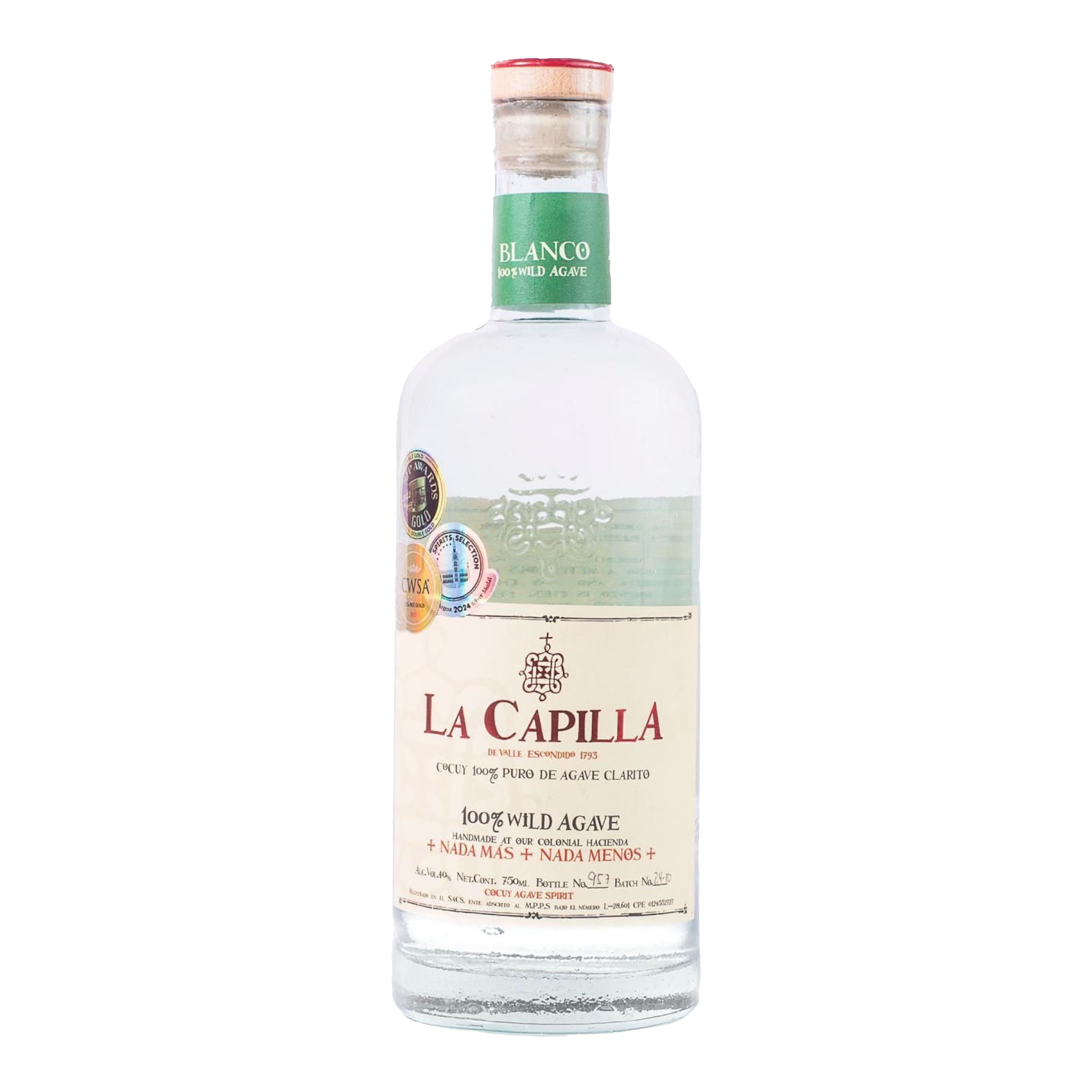





A premium tequila earns its place on your shelf through more than an impressive bottle. The useful questions are simpler: what expression is it, how was it made, what can you taste, and does the experience justify the price?
Explore Sip Tequila's curated tequila collection
Tequila Comisario ultra premium is a market position built around elevated presentation and a luxury-minded sipping experience, not a separate legal tequila category. To decide whether it is worth the premium, compare the specific expression, production information, flavor profile, bottle size, and current price. Your preferred way to drink tequila matters as much as the label.
Comisario gives drinkers more than one path through the category, with Blanco, Reposado, and Anejo expressions referenced in current retailer materials. Blanco can keep the agave character in focus, while barrel-matured styles can bring softer texture and oak influence. This guide separates verifiable tequila standards from marketing language so you can evaluate the brand with a clear palate and a sensible budget.
What Does Tequila Comisario Ultra Premium Mean?
When a bottle is described as ultra-premium, treat that phrase as market positioning. It is not a regulated class with one required aging period, price, distillation method, or tasting score. The phrase can communicate that a brand is aiming at a higher-end audience, but it cannot replace the details that let you compare one tequila with another.
Tequila has a regulated foundation regardless of where it sits on a retailer's shelf. Mexico's NOM-006-SCFI-2012 establishes important specifications for tequila, including the authorized agave species and category requirements. The standard also distinguishes styles such as reposado and anejo by minimum maturation periods. Ultra-premium is the positioning layer. The NOM is part of the regulatory layer.
That distinction makes the shopping decision more useful. First identify the expression on the label. Then check the origin, producer information, category, volume, and NOM number. Finally, ask whether the bottle's flavor direction matches the way you plan to drink it. A polished presentation may be part of the value, but it is only one part.
A premium purchase should also be transparent about what is known and what is not. Do not assume a higher price proves longer aging, additive-free production, a specific cooking method, or a particular still. If a detail is not stated by an authoritative source or on the product information, describe it as unverified rather than filling the gap with a confident guess.
- Ultra-premium describes positioning, not a separate legal tequila class.
- NOM-006-SCFI-2012 provides a regulatory baseline for tequila production and categories.
- The expression, label details, flavor, and intended use should shape your comparison.
How Does the Production Story Shape the Spirit?
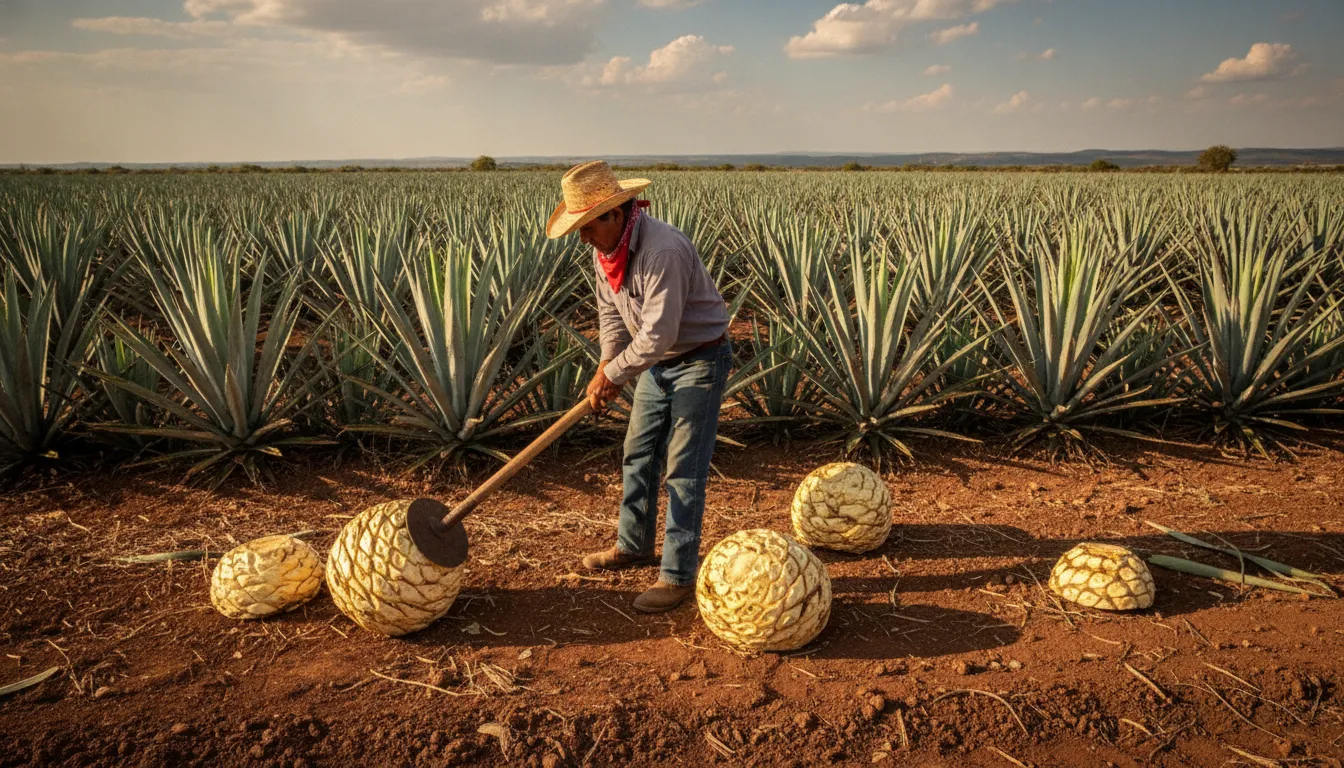
Tequila's character develops through a chain of decisions. Agave cultivation and harvest set the raw material. Cooking changes the plant's sugars and creates aromas. Fermentation builds compounds that affect the spirit's character. Distillation concentrates those flavors. Resting or aging can add texture and oak-derived notes. The final bottle reflects the relationship among all of those stages.
The general sequence is useful when assessing Comisario, but it should not be confused with a verified claim about an individual batch. Unless the producer publishes a specific method, a responsible buyer should avoid attributing a particular oven, fermentation vessel, still, or barrel program to the brand.
- Agave selection and jima: Blue Weber agave is cultivated and harvested. Under the tequila standard, the plant species matters because tequila must use Agave tequilana Weber azul.
- Cooking: The harvested pina is cooked to make its sugars available. Cooking can contribute cooked-agave, caramelized, earthy, or vegetal impressions.
- Fermentation: Yeast converts available sugars into alcohol and creates aroma compounds. Fermentation choices can influence fruit, spice, herb, and fermentation notes.
- Distillation: Distillation separates and concentrates the spirit. Cuts and equipment can affect texture, intensity, and the balance between bright agave and heavier notes.
- Maturation or resting: Blanco is generally presented without extended oak maturation. Reposado and anejo rely more visibly on time in oak, although the category and the brand's stated details still need to be checked.
Mexico's denomination-of-origin framework limits where tequila may be produced. The Mexican government's denomination-of-origin guidance provides useful context for understanding why origin and producer information belong in a serious evaluation.
The practical lesson is not that the longest production story wins. It is that production details give you a basis for comparison. If you enjoy fresh agave, you may value a clear and lively blanco. If you prefer vanilla, toasted wood, and a rounder texture, a reposado or anejo may make more sense. Those are palate decisions, not automatic quality rankings.
Production takeaway: use the brand's published information to understand Comisario, then use the regulatory framework to check whether the bottle's basic identity is clear. Do not let a dramatic origin story stand in for the expression, label, and liquid in front of you.
Which Tequila Comisario Expressions Should You Try?
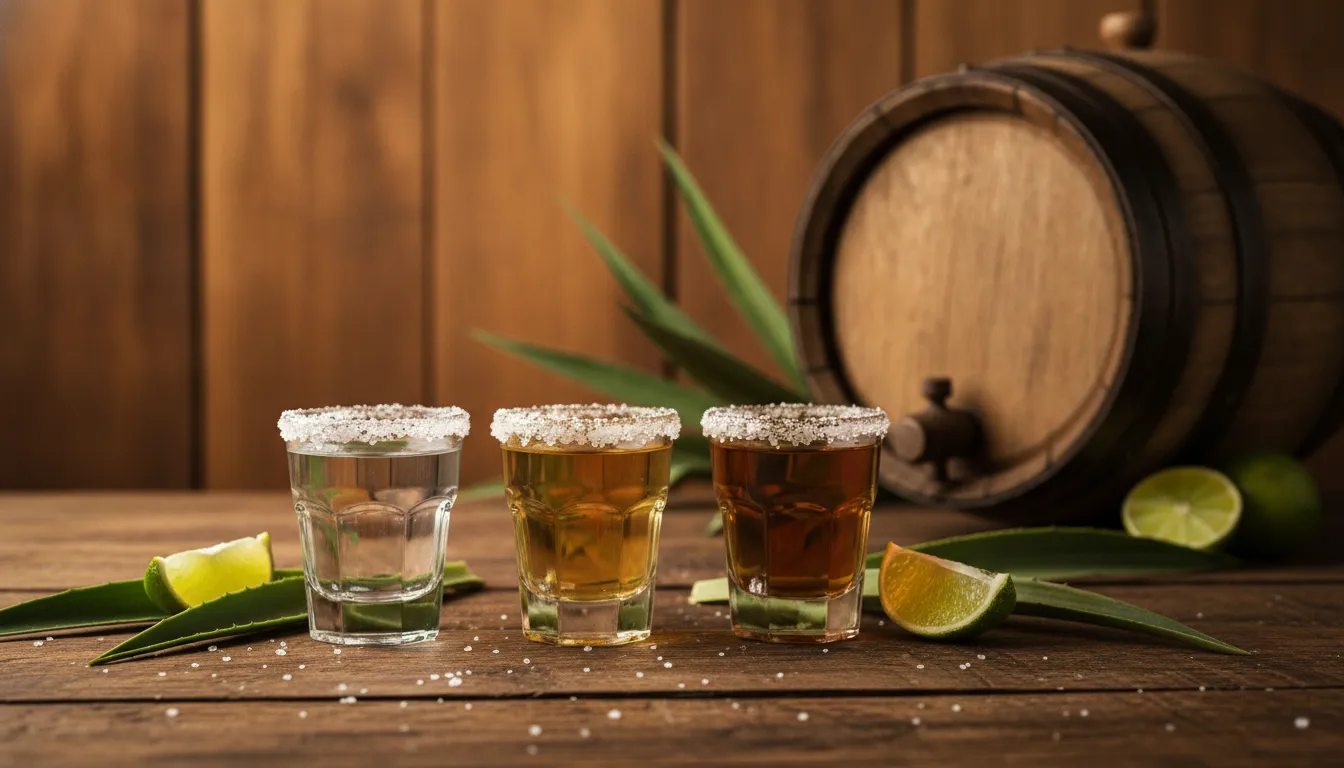
The best first bottle depends on the drinker, not just the brand. Comisario's Blanco, Reposado, and Anejo expressions offer different relationships between agave and oak. Comparing them by style helps you choose with more confidence than treating the lineup as one uniform flavor.
| Expression | What to expect | Best fit | What to compare |
|---|---|---|---|
| Blanco | Bright agave character, freshness, and a clear view of the base spirit | First-time buyers, agave-forward sippers, and cocktails | Clarity of flavor, texture, finish, and current bottle price |
| Reposado | Agave balanced with a softer texture and some oak influence | Drinkers who want a bridge between blanco and aged spirits | Maturation statement, oak balance, sweetness, and finish |
| Anejo | More pronounced maturation character, with oak and warmth shaping the pour | Slow sipping and drinkers who enjoy aged-spirit character | Age category, barrel influence, texture, and price per ounce |
How to choose your first bottle
Start with the way you usually enjoy spirits. If you reach for crisp, vegetal, peppery, or mineral notes, Blanco is the logical baseline. It makes the agave easier to assess and leaves less oak between you and the spirit. If you routinely enjoy bourbon, aged rum, or brandy, Reposado or Anejo may feel more familiar because maturation adds warmth and wood-driven notes.
Serving plans matter, too. A blanco can work neatly, over ice, or in a cocktail where a fresh agave profile is helpful. A reposado can move between cocktails and sipping. An anejo is often best approached slowly, especially if its price encourages you to focus on the finish rather than use it as a large-format mixer.
For a wider look at slow-sipping styles, compare the guidance in Sip Tequila's tequila sipping guide. For aged-bottle context, this extra anejo guide can help you distinguish category expectations from brand positioning.
- Choose Blanco when you want the clearest look at agave character.
- Choose Reposado when you want agave with a softer, more rounded profile.
- Choose Anejo when oak and slow sipping are central to the occasion.
What Does Tequila Comisario Taste Like?
Tasting notes are useful starting points, not universal facts. Retailer descriptions for Comisario Blanco reference agave, pear or apple, roasted pepper, and herbal impressions. Those notes can help you know what to look for, but temperature, glassware, food, serving size, and your own sensory memory all change what you notice.
Tequila's aroma is not a single flavor. Research on Mexican agave spirits has examined volatile constituents that contribute to sensory properties. The agave-spirit sensory chemistry study gives useful scientific context for why two clear spirits can suggest fruit, herbs, pepper, cooked agave, or earth without those ingredients being added.
A simple tasting checklist
- Look: note clarity and color. A blanco should generally be clear, while oak-matured expressions may show deeper color.
- Smell: take a gentle sniff before swirling. Look first for broad impressions such as cooked agave, fruit, pepper, herbs, or wood.
- Taste: take a small sip and let the spirit move across your palate. Notice sweetness, heat, texture, and the length of the finish.
- Compare: if possible, taste two expressions side by side in the same glasses and at the same temperature.
A useful tasting note says what you experienced and when you experienced it. For example, you might notice cooked agave at the start, fruit in the middle, and pepper or oak in the finish. That is more helpful than simply calling a bottle smooth. Smoothness is subjective, while a sequence of sensory observations gives you something to compare later.
- Blanco is the clearest place to assess agave-led character.
- Reposado and Anejo can show more oak influence, but aging does not guarantee a preference.
- Retailer notes are reference points, not promises for every palate.
- Your own response to the finish is one of the strongest value signals.
Is Tequila Comisario Worth the Premium Price?
There is no universal yes or no. Comisario may be worth more to a drinker who values its specific expression, presentation, flavor, and occasion. Another drinker may prefer a less expensive bottle with a profile that better matches their palate. The word ultra-premium cannot make that decision on its own.
Start by comparing like with like. A Blanco should be compared with other Blanco bottles. A 750 ml bottle should be compared with another 750 ml bottle. Check whether the listed price reflects a current offer, a different size, shipping, or a gift presentation. Price snapshots change, so use the live product page rather than treating an old figure as a permanent benchmark.
What are you paying for?
A higher price can reflect several things: agave supply, production costs, maturation time, packaging, limited availability, retailer terms, or brand positioning. Those factors do not carry the same value for every buyer. If you care most about bright agave flavor, elaborate packaging may matter less than a clean, expressive Blanco. If the bottle is a gift, presentation may reasonably carry more weight.
Ask four questions before buying:
- Does the expression fit the way you plan to drink it?
- Can you identify the category, producer details, volume, and regulatory information?
- Does the current price make sense compared with similar expressions?
- Will you appreciate the flavor and finish after the excitement of opening the bottle fades?
Choose Comisario when the answer is yes across those questions. Compare alternatives when the price is driven mainly by language you cannot connect to the liquid. A luxury purchase does not need to be objectively best. It needs to be a good match for the person drinking it, the occasion, and the budget.
Compare premium tequila expressions at Sip Tequila
How Can You Buy and Evaluate a Bottle With Confidence?
Buying premium tequila online is easier when you turn the decision into a short checklist. Begin with the exact expression and bottle size. Then inspect the product information, compare the price with similar bottles, and consider how the spirit will be served. The goal is not to remove all uncertainty. It is to make sure the uncertainty is not coming from a missing basic detail.
A quick buying checklist
- Confirm the expression: Blanco, Reposado, and Anejo are not interchangeable. Their expected relationship between agave and oak is different.
- Read the product details: look for producer information, origin, category, volume, and any stated production details.
- Check the NOM information: use the NOM as one part of an authenticity and category check, not as a tasting score.
- Compare the unit value: account for bottle size, shipping terms, and any current promotion before deciding that one price is lower.
- Match the occasion: choose a different bottle for a neat pour, a cocktail, a gift, or a group tasting.
- Plan the first pour: use a clean glass, moderate serving, and a few quiet minutes so the finish can inform your next decision.
Sip Tequila's NOM number guide can help you understand one of the label details that often confuses newer buyers. The Tequila 101 library offers additional education when you want to compare categories before ordering.
Ultimately, the best evaluation combines regulation, product information, sensory experience, and personal value. Comisario's ultra-premium positioning may be appealing, but the bottle earns repeat-buy consideration when its expression delivers an experience you genuinely want again.
Frequently Asked Questions
What makes Tequila Comisario an ultra-premium tequila?
Ultra-premium is a market-positioning term, not a separate legal tequila category. Evaluate Comisario by its expression, production information, labeling, flavor, presentation, and current price. The term can signal a luxury target, but it does not independently prove a specific aging period, distillation method, additive policy, score, or quality level.
What expressions of Tequila Comisario are available?
Current retailer materials reference Blanco, Reposado, and Anejo expressions. Blanco generally emphasizes the base spirit, Reposado adds a softer profile with oak influence, and Anejo offers a more mature style. Availability can change, so confirm the exact expression, bottle size, and live product details before buying.
What does Tequila Comisario Blanco taste like?
Retailer tasting notes for Comisario Blanco reference agave, pear or apple, roasted pepper, and herbal impressions. Treat those descriptions as a starting point rather than a guarantee. Your glassware, temperature, food pairing, and palate can change the balance of fruit, spice, herbs, sweetness, and heat.
Is Tequila Comisario worth the premium price?
It can be worth the premium when the chosen expression matches your palate, occasion, and budget. Compare the same style and bottle size with alternatives, then consider flavor and finish alongside presentation. A higher price is not automatically better value if the qualities you care about are not in the glass.
How can I buy Tequila Comisario with confidence?
Confirm the expression, volume, origin, producer details, category, NOM information, current price, shipping terms, and intended use. Read tasting notes as guidance, not certainty. If a production claim is not supported by the product information or an authoritative source, do not treat it as a verified reason to pay more.