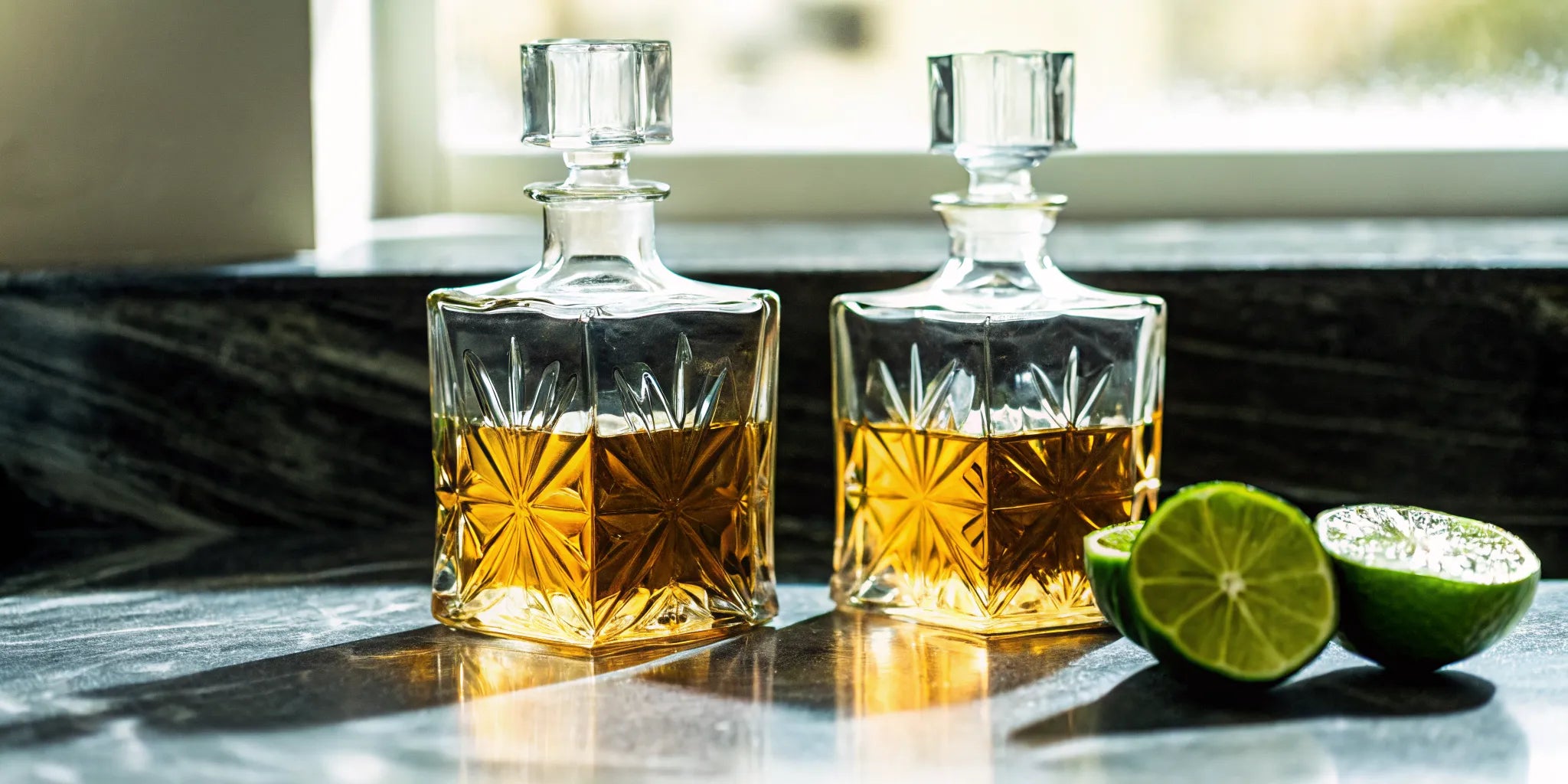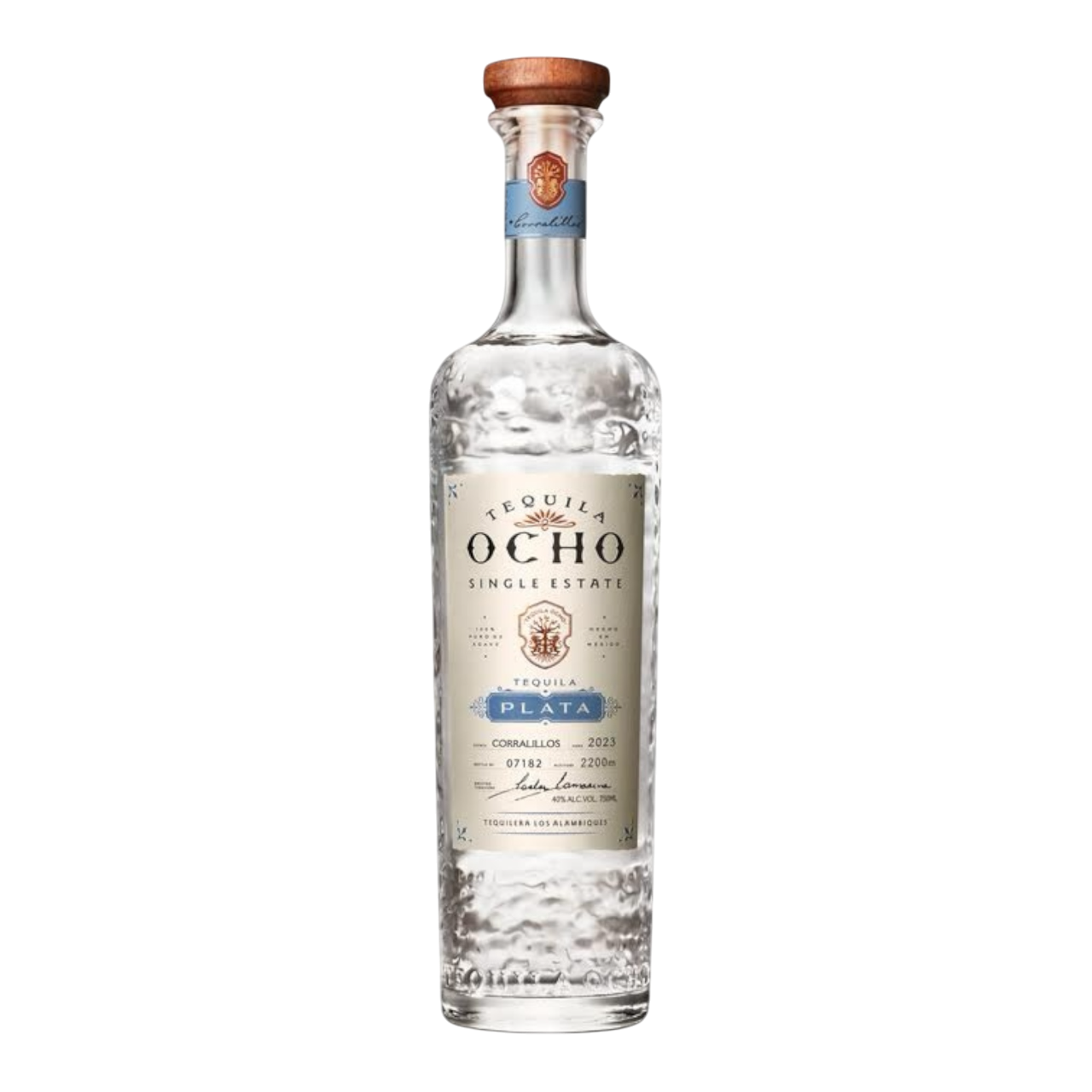
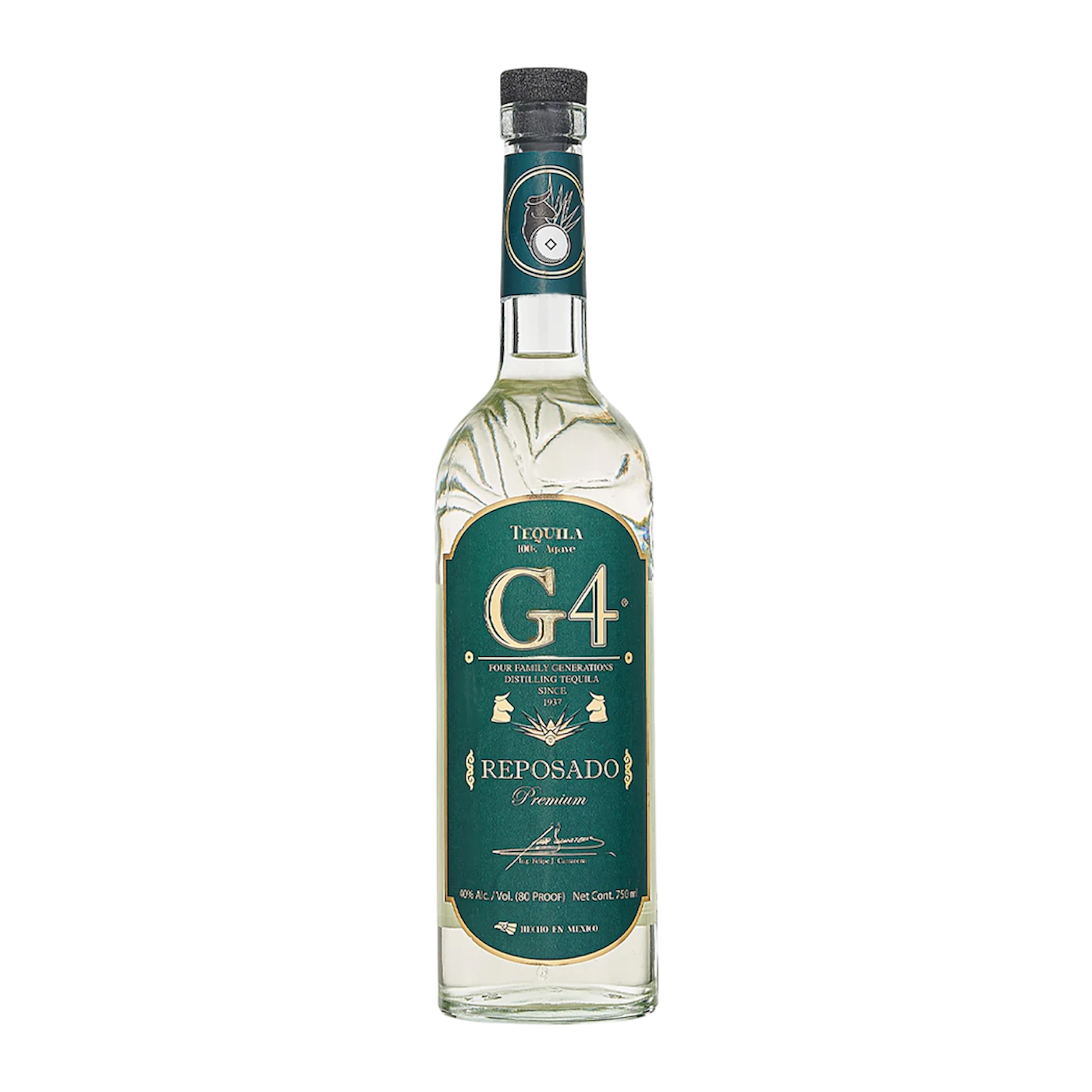
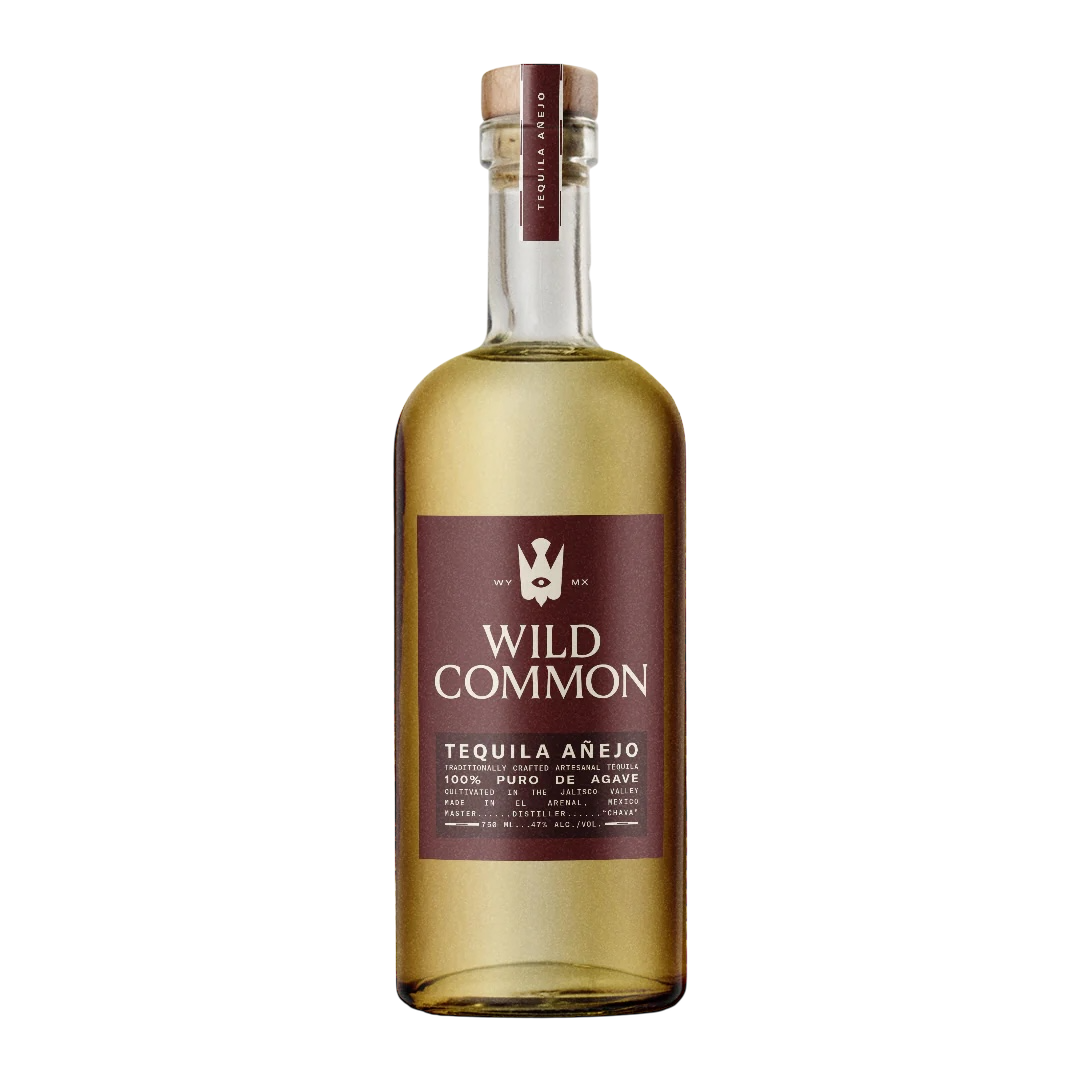
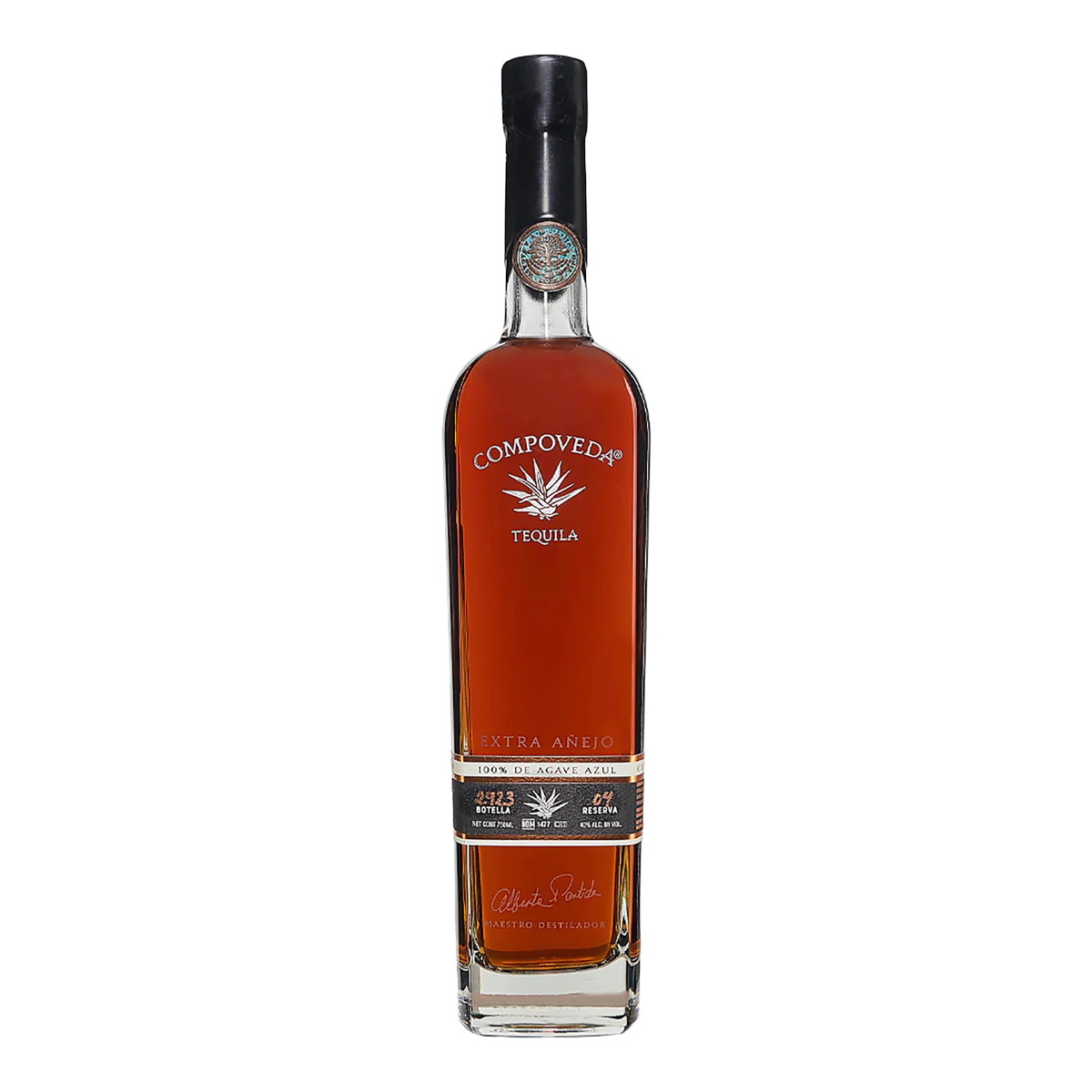
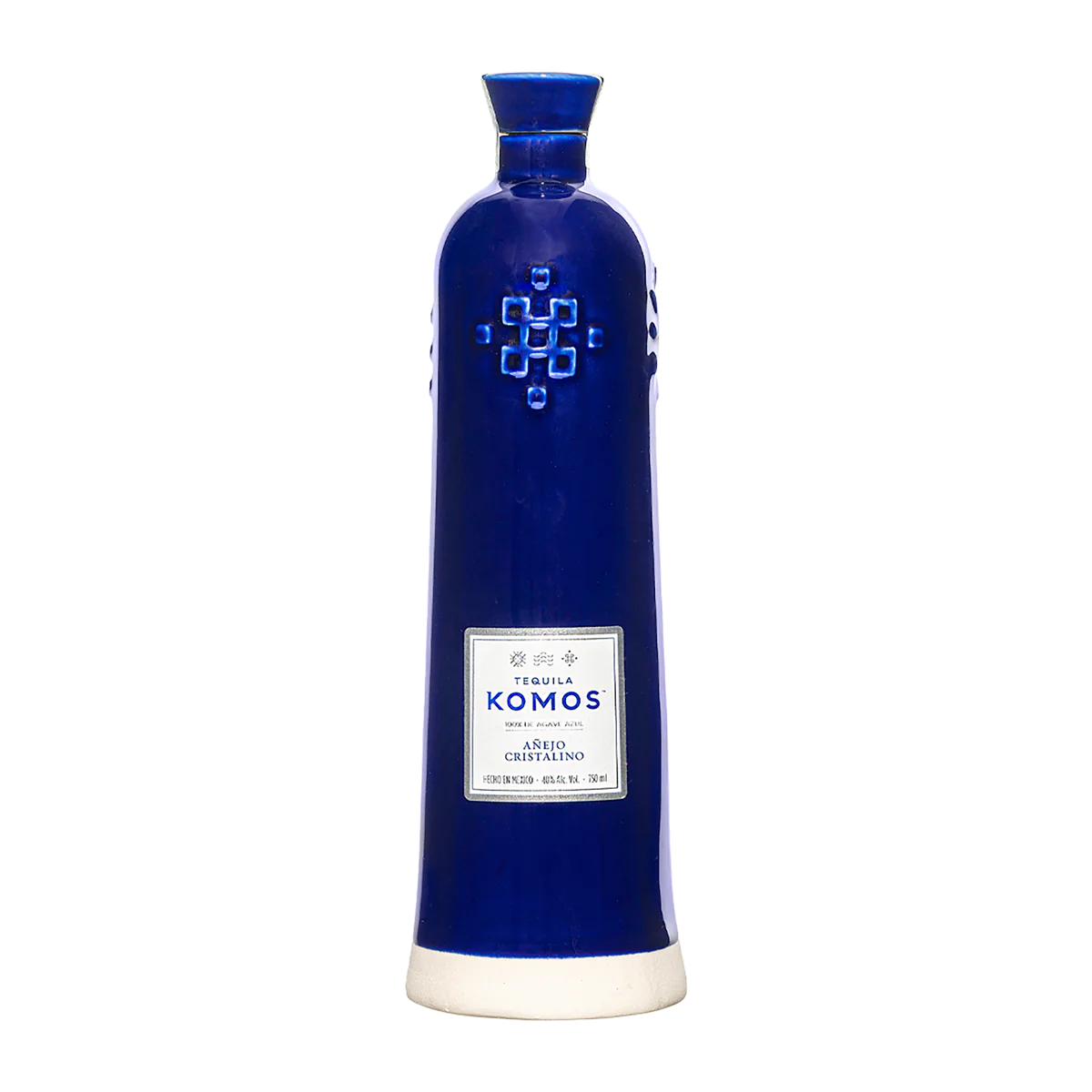
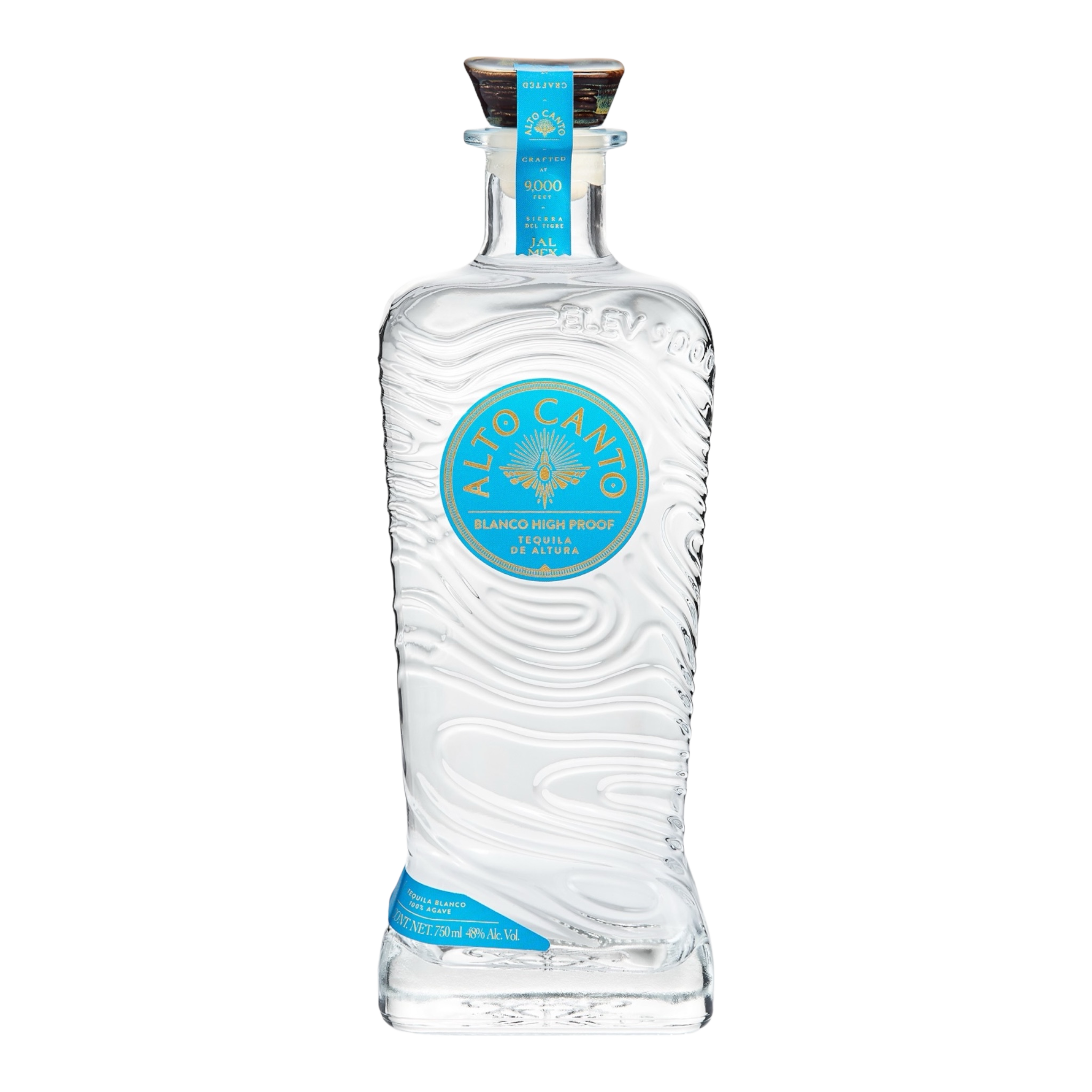





Clear color can hide too much; the best cristalino bottles keep their aged tequila character intact. Smoothness matters, but cooked agave, oak, and spice should still show up in every sip.
Shop Sip Tequila's curated cristalino collection to compare smooth sipping bottles before you choose.
The best cristalino tequila balances a silky texture with an aged base that still tastes like tequila. Look for cooked agave, oak, vanilla, caramel, or spice, then compare the base age, finish, and serving purpose before choosing a bottle.
Choosing the right bottle comes down to knowing which details signal flavor, value, and purpose before the cork comes out. In Best cristalino tequila: what to look for before you buy, we sort those details into a practical checklist. The path begins with the buying details that separate a polished cristalino from a flat one.
Best cristalino tequila: what to look for before you buy
The best cristalino tequila does more than look clear and taste smooth. It starts with an aged tequila, then uses filtration to remove the barrel-given color. A worthy bottle keeps enough cooked agave, oak, and spice to show where it came from.
This buying guide focuses on what is inside the glass, not just which label is popular. Use it to compare bottles in the cristalino tequila collection by base, flavor, texture, and purpose.
Start with the aged base
First, check whether the cristalino began as a reposado, anejo, extra anejo, or a blend. The base shapes the final pour before filtration enters the picture. A reposado base may feel bright and fresh, while longer aging often brings deeper oak and dried fruit notes.
Age alone does not make one bottle better. Look for a balance between barrel character and the natural taste of cooked agave. Vanilla, caramel, honey, and spice can add depth, but they should not make the tequila taste flat or anonymous.
Judge the filtration by what remains
Activated charcoal filtration is often used to strip away the color gained during barrel aging. Careful filtration can also soften rough edges and create a polished texture. Yet too much filtration may pull away aroma and flavor along with the color.
A good cristalino should still smell and taste like tequila. Look for clear agave notes, then notice how oak, fruit, or spice develops. Smoothness matters, but it should support flavor rather than replace it. Sip slowly and watch for a clean finish with some lasting character.
Choose for the way you will drink it
For neat sipping, seek a layered bottle with enough body and a finish that invites another taste. Gift buyers may care more about a polished bottle and an easy, smooth profile. For cocktails, choose a cristalino whose agave and barrel notes will remain clear beside other ingredients.
Price and packaging can help narrow the field, but neither proves quality. Compare the aged base, tasting notes, and intended use before choosing. If you want names to explore after setting those standards, the guide to cristalino tequila brands offers a useful next step.
The key question is simple: did filtration refine the tequila without erasing it? That lens turns a crowded shelf into a more useful shortlist. It also helps newer drinkers and collectors choose with the same clear set of standards.
How cristalino tequila gets its smooth, clear profile
Cristalino starts with aged tequila, not an unaged blanco. A producer rests reposado, anejo, or extra anejo tequila in barrels before filtering it clear. That choice creates its main appeal: aged character with a bright, polished look.
Barrel character comes first
Time in a barrel gives tequila its color and adds layers to its flavor. Depending on the spirit and aging style, those layers may include vanilla, caramel, oak, honey, dried fruit, or spice. Cooked agave should still have a place in the glass.
The starting tequila matters because filtration cannot add depth that was never there. Reposado-based cristalino may taste lighter and fresher. Anejo and extra anejo versions can offer richer barrel notes and a longer finish. Sip Tequila's tequila education guides explain the aged styles in more detail.
This order of steps sets cristalino apart from blanco tequila. Both may look clear in the glass, but cristalino has already spent time in a barrel. Its clarity comes later, after the spirit has gained color and flavor.
How filtration removes the color
After aging, producers commonly use activated charcoal filtration to pull out the amber color left by the barrel. The finished tequila becomes clear, yet it can keep part of its aged aroma and flavor. The exact process differs by producer, so two clear cristalinos may taste quite different.
Filtration can also soften sharper edges, which helps explain cristalino's reputation as an easy sipper. Clear does not mean flavorless or unaged. A well-made bottle should still show its base tequila and barrel influence, even when its look resembles blanco.
The balance between smoothness and flavor
More filtration is not always better. If a tequila is filtered too heavily, it may lose aroma, agave character, and the barrel notes that made it interesting. Smooth texture alone does not make a bottle the best cristalino tequila for every drinker.
When comparing bottles, look for tasting notes that name both agave and barrel flavors. This points to a more balanced profile than vague claims about smoothness alone. A reposado base may suit fresh cocktails, while an extra anejo base may fit slow sipping.
The clearest clue is your own taste. Choose lighter styles for crispness, or richer styles when you want oak, caramel, and spice. You can shop cristalino tequila by bottle and compare the aged styles behind each clear pour.
Which cristalino bottle fits your sipping style?
The best cristalino tequila is not one fixed bottle for every shelf. Your ideal pick depends on how you plan to pour it and which flavors hold your attention. Start with the occasion, then use the aged base and tasting cues to narrow the field.
Start with your preferred flavors
Cristalino begins as aged tequila, then filtration removes its barrel-given color. It can still carry notes such as cooked agave, vanilla, caramel, oak, fruit, honey, or spice. A clear pour may look light, but its flavor can lean bright, rich, or oak-led.
If you are new to the style, seek a balanced profile with clear agave and gentle barrel notes. Oak lovers can move toward an anejo or extra anejo base. These longer-aged styles are the logical place to seek deeper wood, spice, and dessert-like cues.
A practical match by shopper type
Use this table as a starting point, not a strict ranking. Bottle notes and producer details matter more than a flashy label. The broader cristalino tequila collection lets you compare options once you know your lane.
| Shopper type. | Flavor cues to seek. | Best use. | Smart buying move. |
|---|---|---|---|
| Beginner. | Cooked agave, vanilla, gentle oak. | Easy neat pours. | Choose balance over age alone. |
| Collector. | Distinct barrel notes, fruit, spice. | Side-by-side tasting. | Check the aged base and process. |
| Gift buyer. | Broad, polished flavor profile. | Celebrations and milestones. | Match the bottle to the recipient. |
| Cocktail host. | Agave, citrus-friendly spice, light oak. | Clear, polished cocktails. | Pick flavor that holds up in a mix. |
| Oak lover. | Oak, caramel, vanilla, baking spice. | Slow sipping. | Start with anejo or extra anejo. |
Collectors should look past clarity and ask what remains after filtration. Strong choices still show agave character alongside the barrel notes. For a more focused premium search, Maestro Dobel 50 Cristalino Extra Anejo offers an extra anejo starting point.
Match the bottle to the moment
A gift buyer may value a polished bottle and an approachable profile. A collector may care more about the aged base, filtration choices, and how the spirit changes in the glass. Cocktail hosts need enough agave and spice to stay present beside citrus or other mixers.
For oak-forward sipping, begin with anejo and extra anejo options, then compare their listed tasting notes. If the goal is a premium gift, Cincoro Anejo Cristalino is one relevant bottle to consider. Avoid treating price or age as proof that every drinker will prefer it.
Whichever lane fits, read the producer notes before buying. Look for the aged base, named flavor cues, and a serving style that matches your plans. That simple check is more useful than chasing a universal winner.
Is cristalino tequila good for sipping neat?
Yes, cristalino tequila is often a strong choice for sipping neat. Its smooth texture can welcome newer drinkers, while careful filtration leaves enough oak, cooked agave, and spice to interest seasoned fans. The best cristalino tequila should taste polished, not blank.
What makes a good neat pour?
Start with a small pour at cool room temperature. A narrow tequila glass or small wine glass helps gather the aromas, unlike a wide shot glass. Take a first sip, then let the spirit rest for a few minutes before tasting again.
Look past smoothness as you sip. A rewarding bottle should still show cooked agave beneath notes such as vanilla, caramel, dried fruit, or oak. The federal agave spirits standard also makes tequila's agave identity central, so a clean finish should not erase its source.
Neat, rocks, or cocktail?
Neat is the best starting point because it shows the bottle without dilution. Add one large cube when the alcohol feels sharp or the sweeter barrel notes seem heavy. As the ice melts, it can open the aroma and soften the finish.
- Choose neat to compare aroma, agave character, oak, and finish.
- Choose rocks for a cooler, slower pour with gentle dilution.
- Choose a premium cocktail when you want aged flavor with a crisp, clear look.
- Choose a tulip glass when you want the aroma to open before the first sip.
- Choose a shared tasting when comparing reposado, anejo, and extra anejo cristalino styles side by side.
A simple cocktail can suit a cristalino with a bold profile. Keep the recipe restrained, since strong syrups or heavy mixers can cover the traits that make the bottle worth pouring. Browse the cristalino tequila collection to compare styles built for neat pours and polished drinks.
Serving details that preserve flavor
Avoid serving cristalino ice-cold at first. Deep chilling can mute aromas and make every bottle seem smoother than it truly is. If you prefer a colder sip, taste it neat before adding a cube or chilling the glass.
Clean glassware matters too. Soap scent, freezer odor, or leftover citrus can hide subtle agave and oak notes. For more ways to taste and compare a new bottle, Sip Tequila's tequila education guides offer useful starting points.
The final test is balance. Smoothness should make cristalino easy to sip, but the pour should still reveal where it came from. If the finish offers only sweetness and no cooked agave, pepper, oak, or spice, try another style.
How to choose the best cristalino tequila online
The best cristalino tequila is the bottle that fits how you plan to enjoy it. Clear color alone tells you little about flavor, age, or value.
Start with the occasion, then compare the details behind each bottle. This approach keeps a striking package or familiar name from making the whole choice.
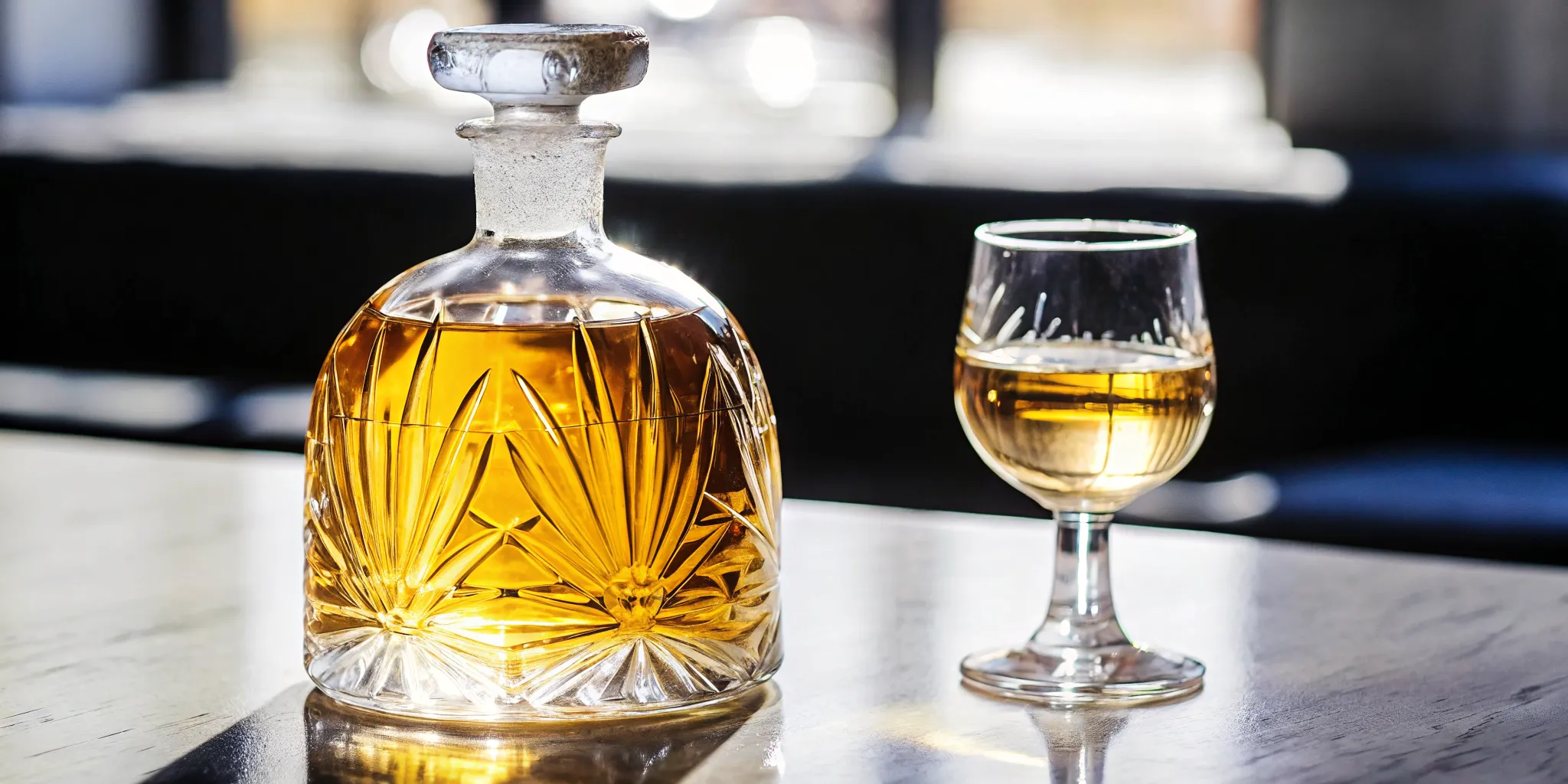
A six-step bottle check
Choose the occasion. For neat pours, look for tasting notes that sound balanced and layered. For cocktails, seek enough agave, oak, or spice to stay present after mixing.
Check the tequila used before filtration. Cristalino starts as aged tequila, often reposado, anejo, or extra anejo. That base gives a better clue to its depth than its clear look does.
Read the flavor notes. Look for clear signs such as cooked agave, vanilla, caramel, oak, fruit, or spice. A useful description should tell you more than simply calling the pour smooth.
Do not shop by color alone. Filtration removes the shade gained during aging, but a good bottle should keep distinct aroma and flavor. Clear does not mean young, plain, or light.
Compare value across similar bottles. Judge an anejo cristalino against other anejo-based options, not every clear tequila on the shelf. Consider the base age, flavor detail, bottle size, and intended use.
Use expert help when the choice is close. Browse the cristalino tequila collection, then contact Sip Tequila's Tequila Concierge. Ask for guidance based on your taste, gift, or budget.
Age and flavor cues
The age style can help set expectations before you buy. A reposado-based cristalino may lean brighter. An anejo or extra anejo may show more oak and richer notes.
Still, age is only one clue. Filtration can soften or strip flavor, so favor product pages with clear tasting notes and serving ideas. Sip Tequila's tequila education guides can also help you compare age styles and terms.
Think about flavors you already enjoy. Fans of bright agave may prefer a lighter profile. Drinkers who enjoy barrel notes can seek vanilla, caramel, oak, dried fruit, or spice.
Value beyond the price tag
Value depends on the job you have for the bottle. A polished gift may call for striking presentation. A weekend sipper should earn its place through aroma and balance.
For cocktails, consider how often you will pour it and whether its flavor will stand up to mixers. A higher price makes sense only when the bottle offers traits you value.
When comparing premium options, note what makes each expression distinct. For example, Maestro Dobel 50 Cristalino Extra Anejo gives shoppers a clear reference point for an extra anejo option.
Premium cristalino bottles worth shortlisting
Premium does not mean choosing the most ornate bottle. The best cristalino tequila for your bar should fit your taste, occasion, and preferred serve. Start with three useful shortlist categories: layered sippers, polished crowd-pleasers, and statement gifts.
A layered sipper
If depth matters most, begin with a cristalino made from extra anejo tequila. This category suits slow pours after dinner, when you have time to notice oak, cooked agave, dried fruit, and spice. Filtering removes the aged color, but a strong bottle should still offer clear aroma and flavor.
Consider Maestro Dobel 50 Cristalino Extra Anejo when you want the extra anejo base to guide the choice. Place it on the shortlist if the recipient already enjoys aged tequila or often drinks spirits neat. Do not treat smoothness as the only test; look for a pour with character after the first sip.
A polished anejo crowd-pleaser
Anejo cristalino can be a useful middle path for a premium shared bottle. It offers a clear presentation while keeping some barrel-led notes, which may include vanilla, caramel, oak, honey, or cooked agave. That mix works well for guests who prefer a rounded sip but still want tequila character.
Cincoro Anejo Cristalino is a fitting example for this part of the shortlist. Compare it with an extra anejo option based on the drinker, not just the price. Choose anejo cristalino for a polished, easy-to-share pour. Choose extra anejo when layered aged notes are the main draw.
The right bottle for the occasion
Premium shopping gets easier once you define the bottle's job. Are you buying for quiet sipping, a dinner table, a home bar, or a gift? Collectors may care about the aging base and bottle story. A host may value a versatile profile that welcomes both newer drinkers and seasoned tequila fans.
- For slow sipping: favor a bottle that keeps clear agave, oak, fruit, or spice notes after filtration.
- For sharing: seek an approachable profile with enough flavor to remain interesting across several pours.
- For gifting: match the bottle's style and aging base to the recipient's usual preferences.
- For cocktails: choose enough barrel character to stay present in a refined margarita or stirred drink.
- For collecting: compare aging base, producer details, bottle story, and availability before paying a premium.
Before buying, read the product details and avoid assuming that every premium claim means the same thing. No bottle should be called additive-free unless that claim has been verified. Compare aging base, flavor cues, intended serve, and price. A focused shortlist makes the final choice far simpler.
When should you choose cristalino over blanco, reposado, or anejo?
The best cristalino tequila is not always the oldest or most expensive bottle. It is the one that fits the drinker and the moment. Choose cristalino when you want a clear pour with softer barrel notes. Blanco has a brighter edge, while anejo often has more weight.
A softer, polished pour
Cristalino begins as an aged tequila, then filtration removes its barrel-given color. The result often keeps notes such as vanilla, caramel, oak, or cooked agave. It can suit someone who finds blanco too sharp but does not want a dark, oak-led sip.
For neat sipping, look for a cristalino that still shows agave beneath its smooth finish. A neutral taste may signal that filtration stripped away too much character. The broader tequila education guides can help you compare production terms before choosing a bottle.
Serve a small neat pour first, at room temperature, to judge its aroma and finish. Then add ice if the drinker prefers a cooler, softer sip.
The right style for the occasion
Blanco makes sense when fresh agave, pepper, citrus, and a lively finish matter most. It is also a natural pick for bright cocktails. Reposado adds a gentler barrel touch, while anejo brings richer oak, spice, and dried-fruit notes.
Cristalino sits between those experiences. Pick it for a clear cocktail that needs some aged flavor. Serve it neat when guests prefer a softer profile. Its clear look and premium presentation also make it a thoughtful gift for someone who enjoys aged tequila.
Style names help narrow the choice, but they do not promise one set flavor. The U.S. standard defines tequila as an agave spirit made in Mexico under Mexican law. It does not define cristalino as a separate tequila class. The federal agave spirits standard gives useful label context.
A quick decision guide
- Choose blanco for vivid agave flavor and crisp, citrus-led drinks.
- Choose reposado for balanced agave and light oak.
- Choose anejo for a darker, richer, barrel-forward sip.
- Choose extra anejo for deeper oak, spice, and after-dinner richness.
- Choose cristalino for clear presentation, soft aged notes, and an easy sipping style.
If the bottle is a gift, consider what the recipient already drinks. Blanco fans may miss its bold agave edge, while anejo fans may want more oak. For an approachable middle path, shop cristalino tequila by base age, flavor notes, and bottle style.
Frequently Asked Questions
Is cristalino tequila good for sipping?
Yes, cristalino tequila often suits sipping because filtration can soften sharper oak and tannin notes while preserving some aged character. Expect a clear spirit with flavors such as cooked agave, vanilla, caramel, honey, or light spice. Serve it neat first, then add a small ice cube if you prefer a cooler, gentler sip.
What is the best cristalino tequila for beginners?
A beginner-friendly cristalino should balance a smooth texture with recognizable agave and barrel flavors. Start with a reposado or anejo-based bottle that lists clear tasting notes rather than choosing by price alone. Vanilla, caramel, and cooked agave profiles are often approachable. Compare options in the cristalino tequila collection before deciding.
How do you choose the best cristalino tequila?
Choose cristalino tequila by matching its base age, flavor profile, and intended use to your preferences. Reposado-based bottles may taste lighter, while anejo and extra anejo expressions often bring deeper oak, spice, or dried fruit notes. Look for a bottle that still shows agave character after filtration. For sipping, prioritize detailed tasting notes and a balanced finish.
Is cristalino tequila the same as anejo?
No, cristalino and anejo describe different parts of tequila production. Anejo refers to tequila aged in oak for one to three years. Cristalino is an aged tequila, often reposado, anejo, or extra anejo, that is filtered to remove its color. Therefore, an anejo cristalino began as anejo tequila, but not every cristalino is an anejo.
Ready to choose a cristalino worth savoring?
Waiting too long can turn a thoughtful purchase into a rushed choice for your next gift, dinner, or quiet pour. Starting now gives you time to compare prices, aging styles, and tasting notes before your preferred bottle or special occasion sets the deadline. Choosing early also helps you find a smooth, polished sipper that fits your palate and the moment you have planned.
Ready to shop the cristalino tequila collection? Call 833-747-1110 to talk to the Tequila Concierge before you shop. A quick call can help you narrow the options, understand the differences, and choose a bottle with confidence instead of guessing at the last minute. You can then shop with a clear plan.