

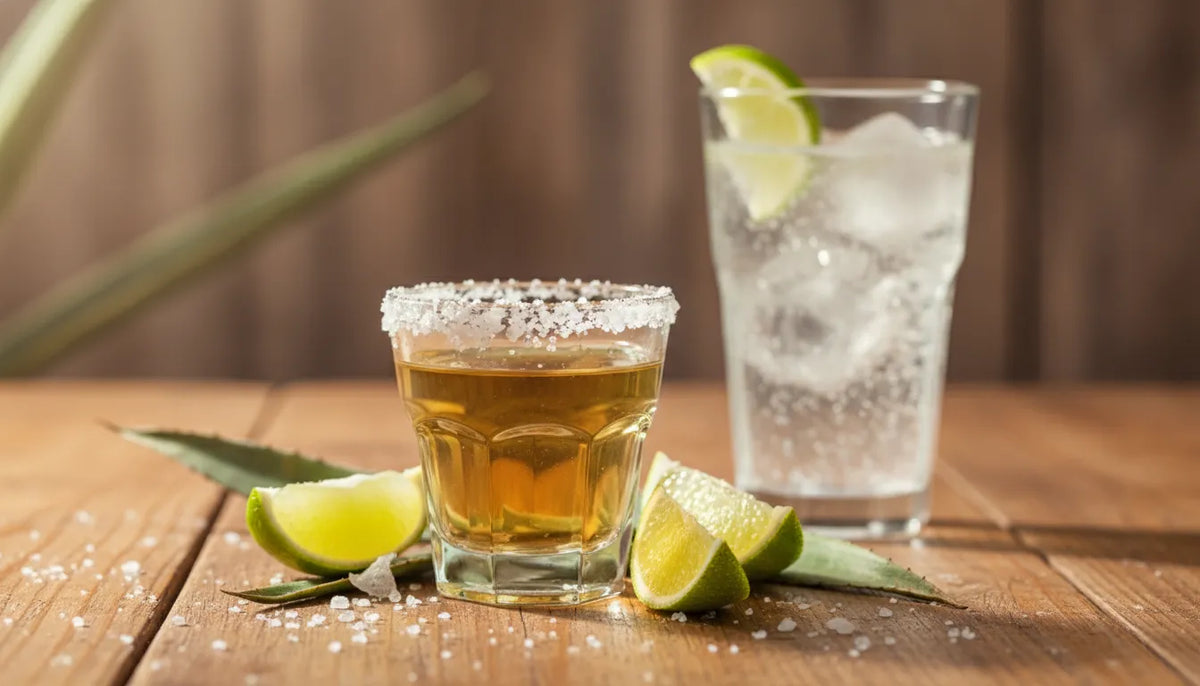
The number in your glass depends first on the pour, then on what you add to it. For plain 80-proof tequila, a 1-ounce serving is listed at 64 calories, while a standard 1.5-ounce shot is about 96 to 97 calories. That makes measuring the pour more useful than judging a drink by its name or glassware.
In practical terms, calories in tequila come primarily from its alcohol: plain 80-proof tequila has about 0 grams of carbohydrates per ounce, while mixers, syrups, juices, and liqueurs can raise the total. Serving size and ABV still matter, so these figures are estimates tied to specific assumptions. Sources: WebMD and the CDC.
Before comparing cocktails or choosing a simpler serve, it helps to establish a consistent baseline. Here is what the calorie count looks like as the pour moves from a measured ounce to a larger serving.
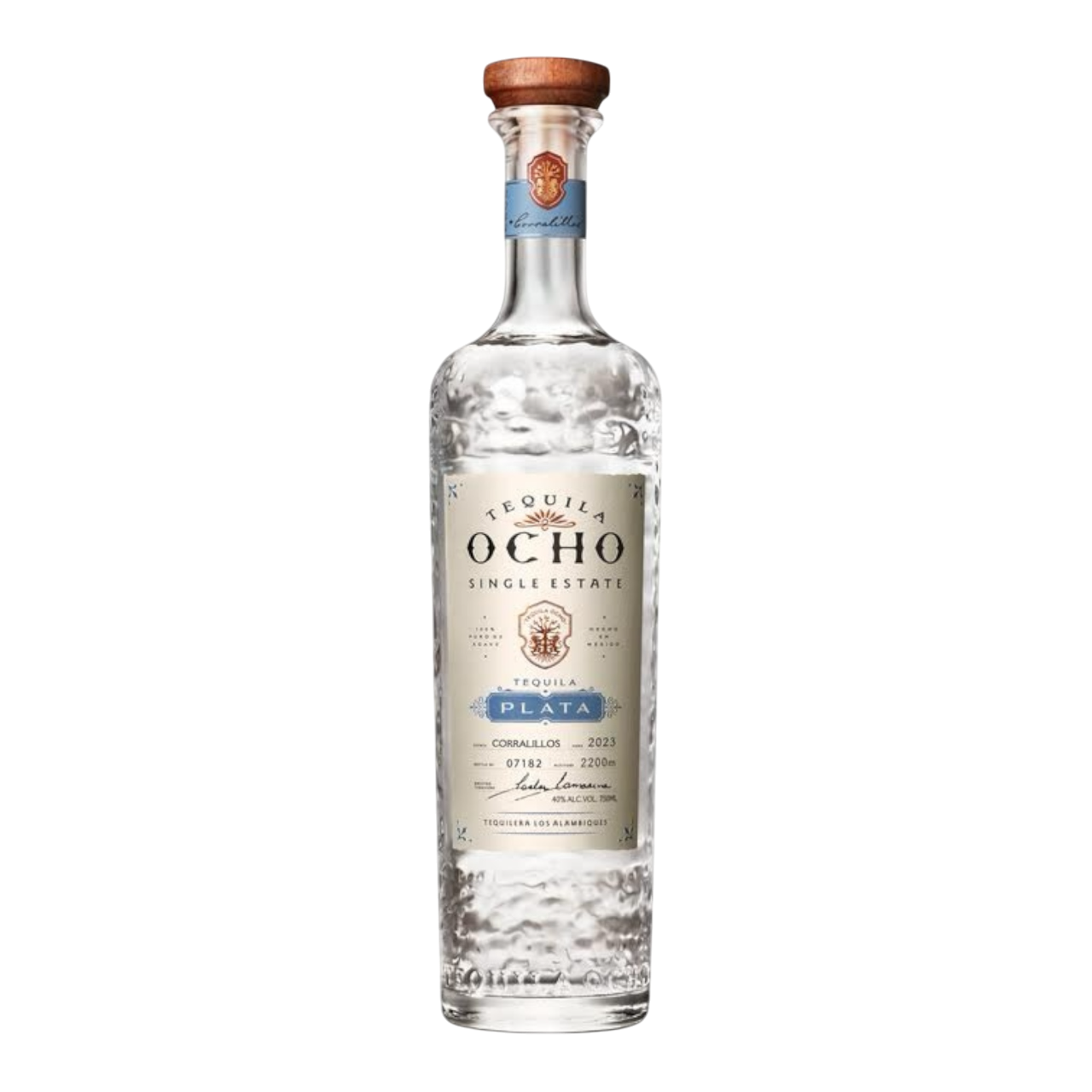
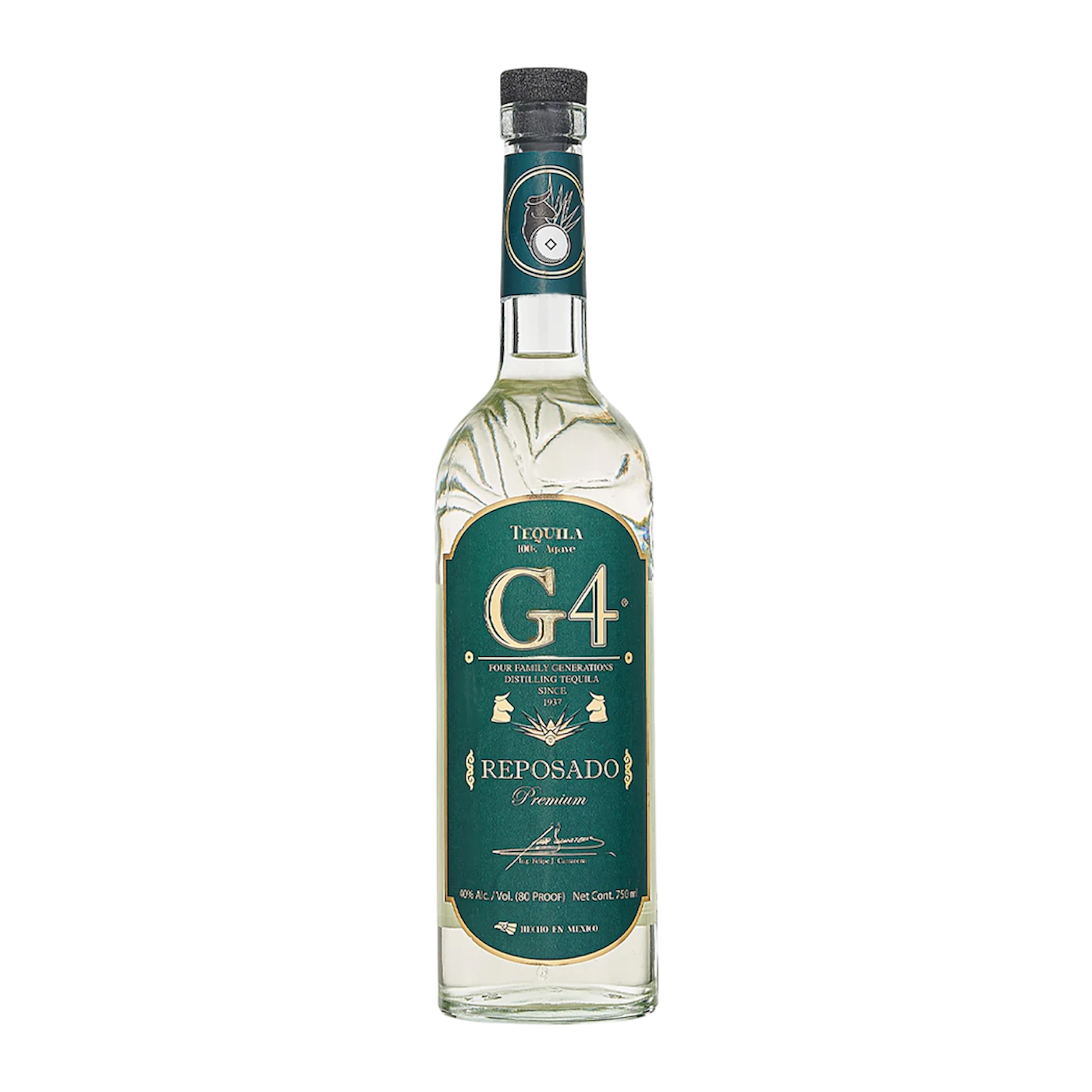
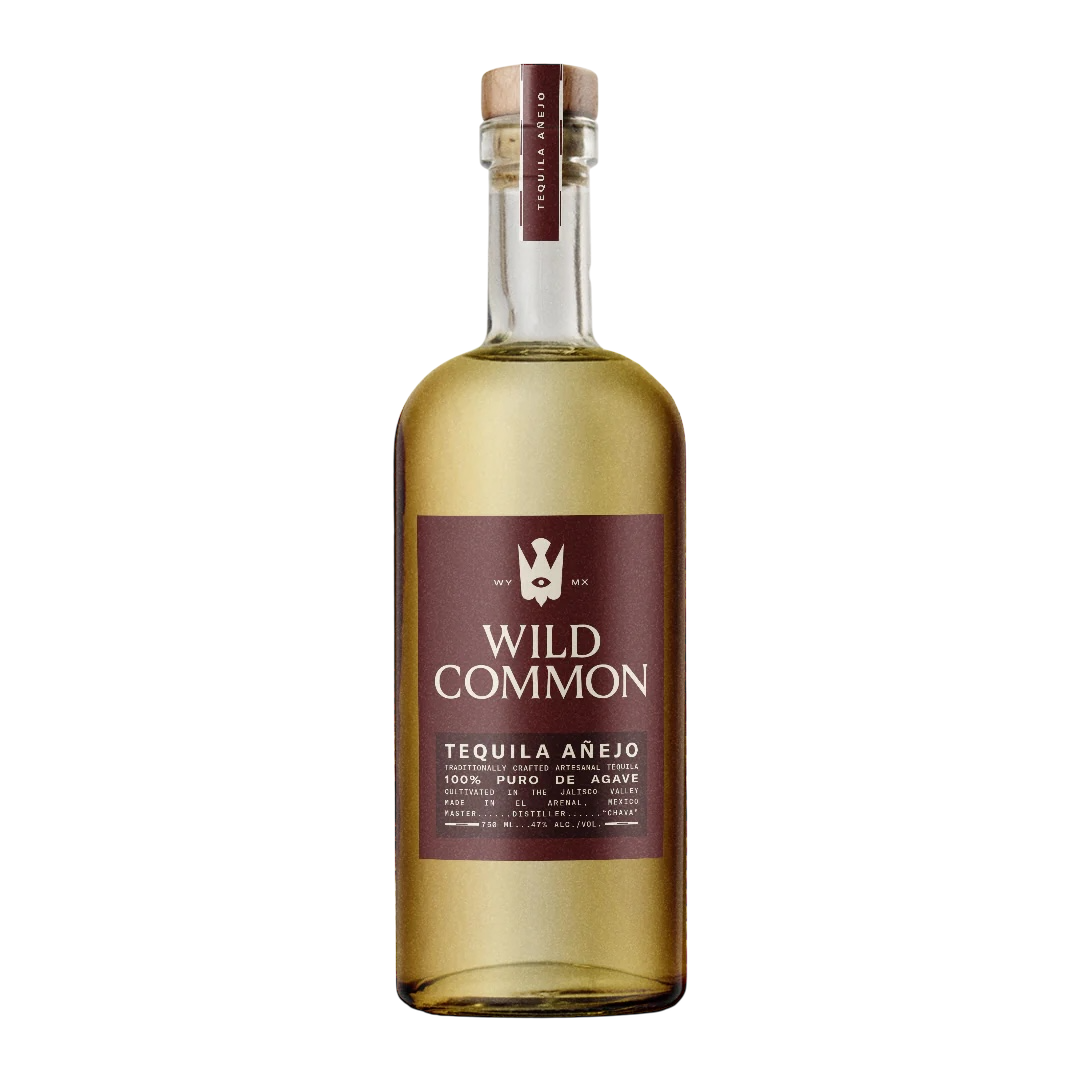
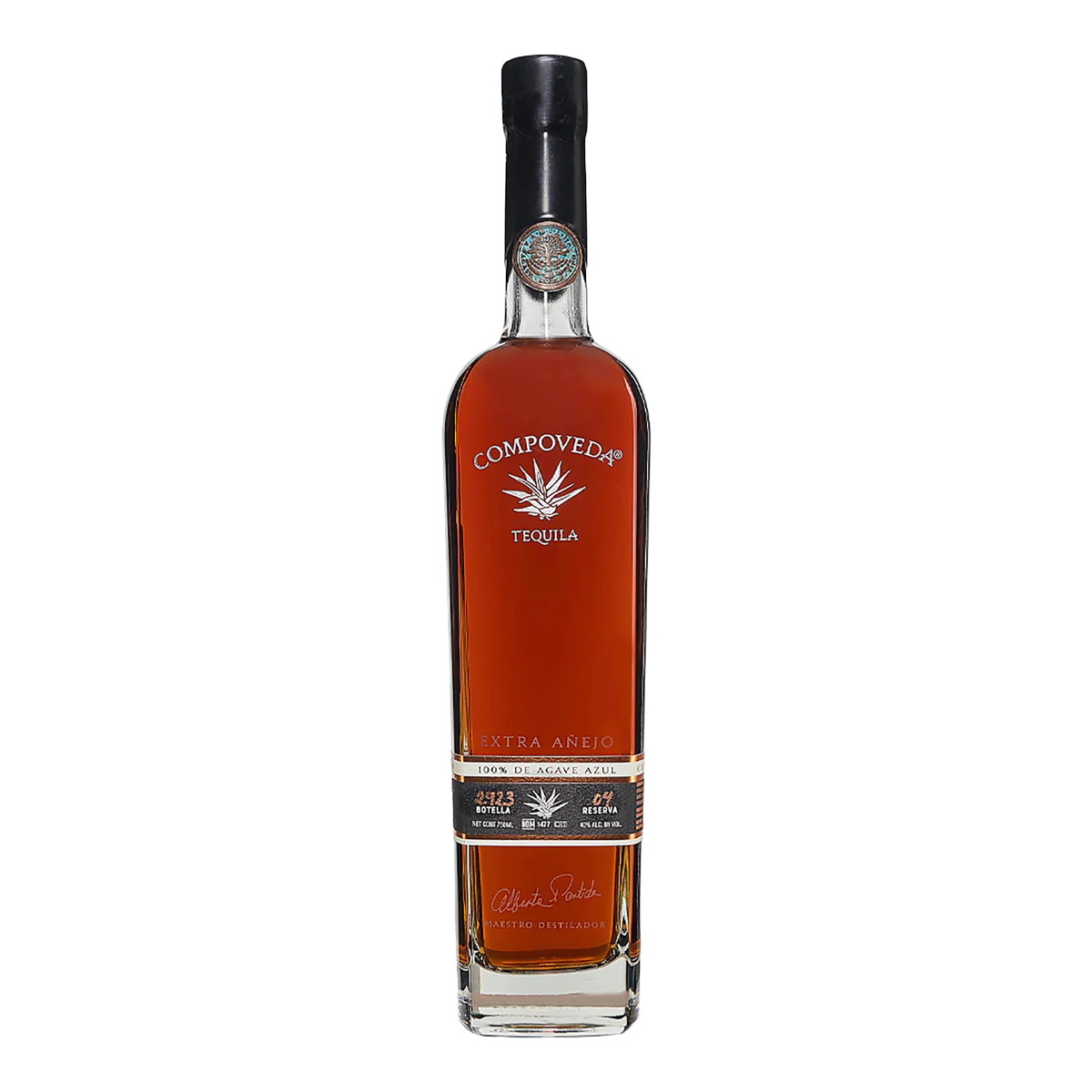
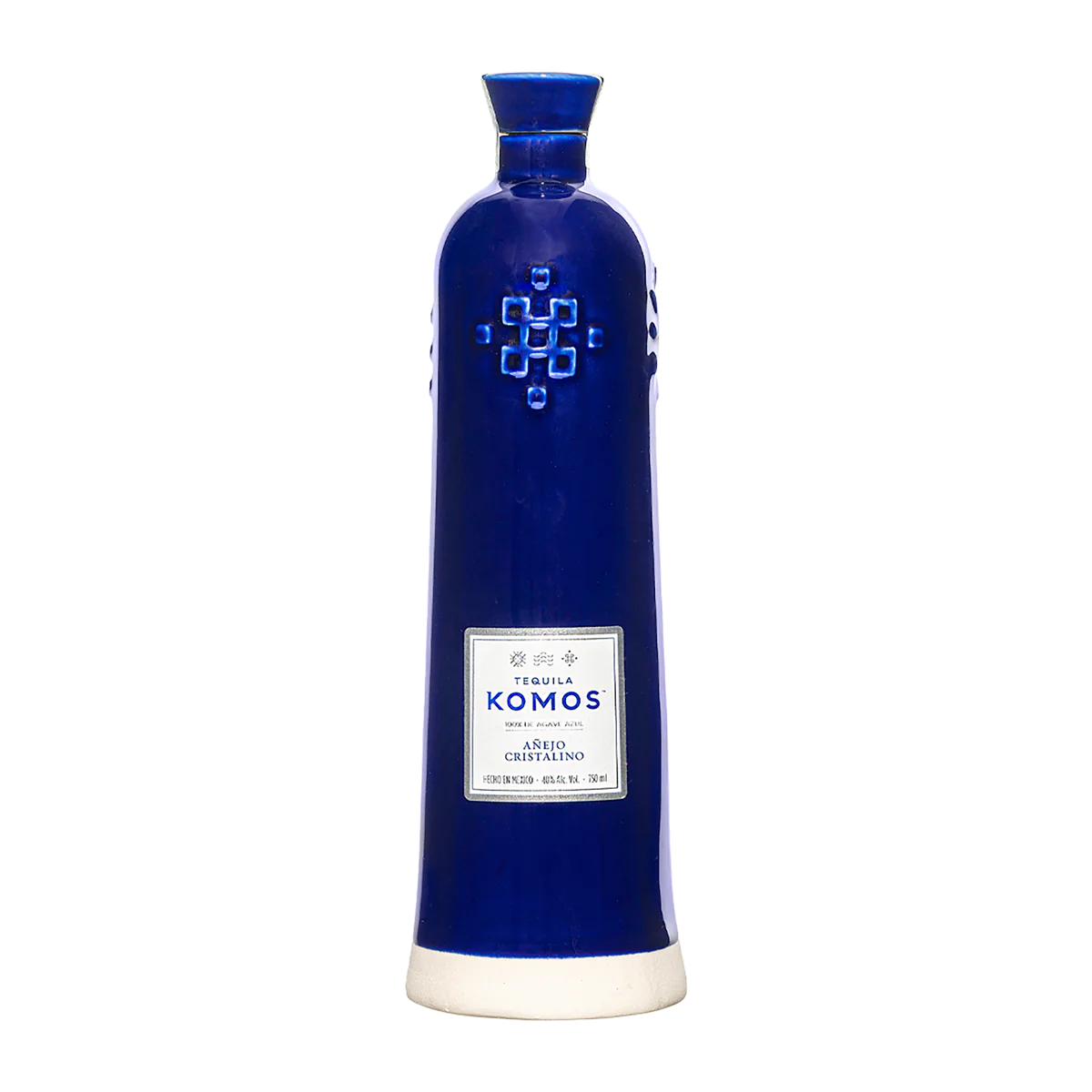
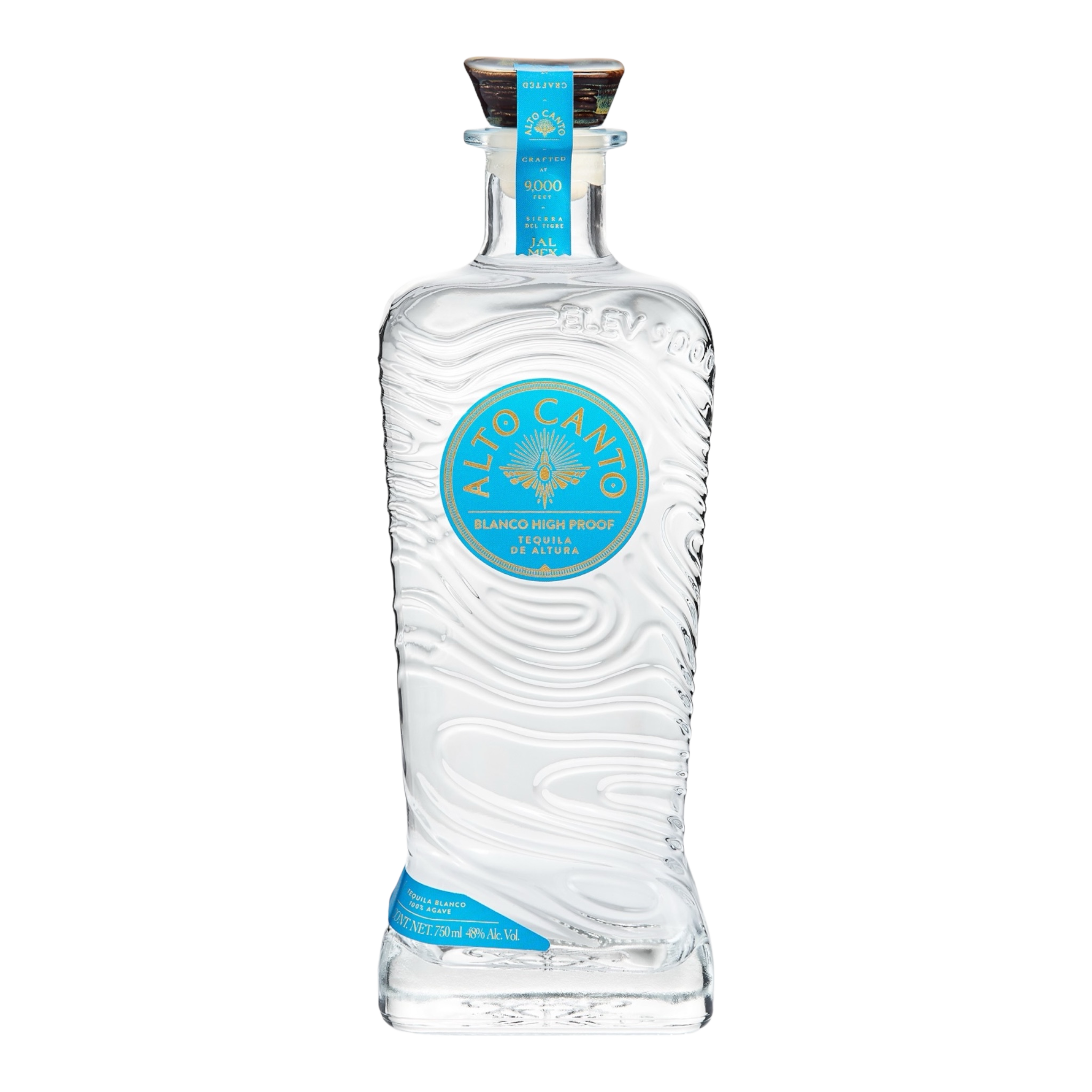
Explore tequila bottles by flavor and serving style
How Many Calories in Tequila Are in Each Pour?
For plain 80-proof tequila, the calorie count rises with the amount poured. The estimates below assume tequila served by itself, without lime, salt, syrup, juice, soda, or other mixers. They also assume a standard 40% ABV spirit. A 1.5-ounce pour is the serving size the CDC uses when describing one standard drink of 80-proof liquor. The CDC explains standard drink sizes in more detail.
| Pour size | Approximate calories | Serving assumption |
|---|---|---|
| 1 oz | About 64 calories | Plain, 80-proof tequila |
| 1.5 oz | About 96 to 97 calories | Plain, 80-proof tequila; standard shot |
| 2 oz | About 128 calories | Plain, 80-proof tequila |
| 3 oz | About 192 calories | Plain, 80-proof tequila |
The 1-ounce estimate comes from WebMD's nutrition listing for 80-proof tequila. The 1.5-ounce, 2-ounce, and 3-ounce figures are published estimates from a tequila nutrition guide. Since pours vary and labels do not always provide a complete calorie panel, treat these as useful approximations rather than laboratory measurements. See WebMD's tequila nutrition reference and the tequila calorie guide used for the larger-pour estimates.
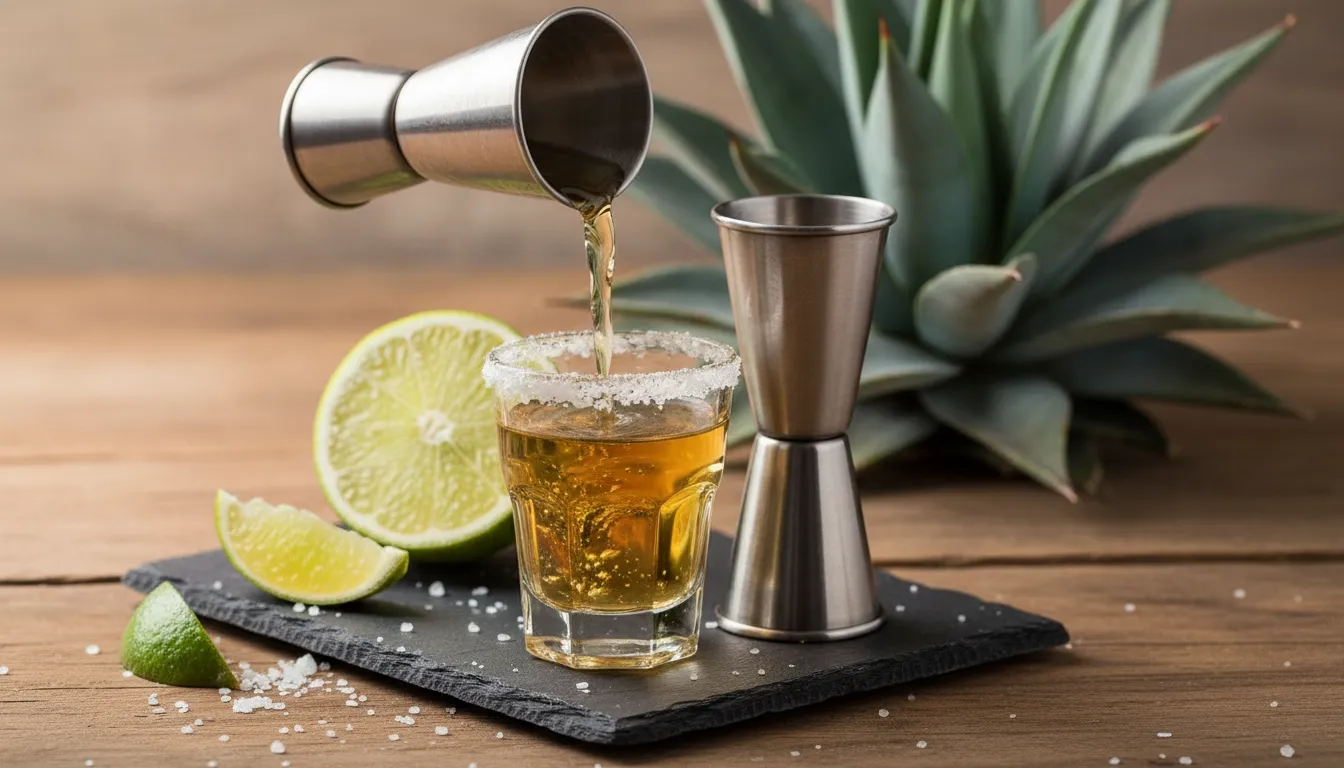
- A 1.5-ounce pour is roughly 96 to 97 calories before any mixer is added.
- Doubling a 1-ounce pour to 2 ounces approximately doubles the tequila calories.
- A cocktail's final total can be higher because mixers, liqueurs, syrups, and juices add their own calories.
Does Tequila Have Carbs or Sugar?
Plain, unflavored 80-proof tequila is listed at zero grams of carbohydrates per fluid ounce. A standard 1.5-ounce serving is also listed at zero grams of sugar and zero grams of carbohydrates. Those figures describe the spirit itself, not every drink made with tequila. The calories in tequila come primarily from its alcohol content, so zero sugar does not mean zero calories.
For the one-ounce serving, WebMD lists 80-proof tequila at 0 grams of carbohydrates. For a 1.5-ounce shot, a tequila nutrition listing reports 0 grams of sugar and 0 grams of carbohydrates. Because that second source is a spirits guide rather than a universal label for every bottle. Use these numbers as a reference for plain 80-proof tequila and check the specific product when a nutrition label is available.
Plain tequila versus sweetened products
Tequila is not the same thing as a tequila-flavored or tequila-based beverage. Flavored tequilas, tequila liqueurs, ready-to-drink cocktails, and other sweetened products may contain added sugar or carbohydrates. The same is true of what goes into the glass after the pour: syrups, fruit juices, sweet-and-sour mixes, soda, and liqueurs can change the drink's nutritional profile. As Sip Tequila's tequila education guides emphasize, separate the nutrition of plain tequila from the calories and sugar contributed by mixers and additions.
That distinction matters when comparing a neat pour with a cocktail. A neat serving has a short ingredient list, while a mixed drink may include several sources of sweetness. Even two cocktails with the same tequila can differ substantially based on the recipe, portion, and brand of mixer.
A quick way to read the numbers
- Plain 80-proof tequila: 0 grams of carbohydrates per fluid ounce, according to WebMD.
- A 1.5-ounce plain serving: listed at 0 grams of sugar and 0 grams of carbohydrates by a tequila nutrition guide.
- Flavored or sweetened products: do not automatically share the plain-spirit profile. Check the bottle or producer information.
- Tequila cocktails: count the tequila and every mixer, syrup, juice, or liqueur in the recipe.
So, does tequila have carbs or sugar? Plain 80-proof tequila is commonly listed with neither, but the finished drink depends on what you pour with it. That is the useful number to carry forward when choosing a serving.
How Does ABV Change Calories in Tequila?
ABV, or alcohol by volume, tells you how much of a spirit is pure alcohol. Proof is another way to express the same idea in the United States: 80 proof means 40% ABV. Because alcohol contributes calories, a higher-ABV tequila generally contains more calories in the same-size pour than a lower-ABV tequila.
The CDC explains that 1.5 ounces of 80-proof liquor equals one U.S. standard drink, which contains 0.6 fluid ounces, or 14 grams, of pure alcohol. That is a serving reference, not a guarantee that every tequila pour is the same. A generous restaurant pour, a double, or a higher-proof bottling changes the calculation. For more detail on measuring tequila strength, see this guide to tequila alcohol content and ABV.
Why higher proof usually means more calories
Alcohol provides about 7 calories per gram. If two tequilas are poured at the same volume, the one with more ABV contains more pure alcohol, so it will generally provide more alcohol-derived calories. An 80-proof pour is commonly estimated at about 96 to 97 calories for 1.5 ounces. A 100-proof tequila contains more alcohol per ounce and therefore more calories in an equal pour. The exact figure can vary by product and serving size, so treat general estimates as a guide rather than a nutrition label for every bottle.
The NIAAA notes that alcoholic beverages supply calories but few nutrients. That calorie contribution comes primarily from the alcohol itself in plain tequila. Mixers, syrups, juices, liqueurs, and sweetened or flavored products can add calories beyond what the ABV explains.
Does aging determine tequila calories?
No. Blanco, reposado, anejo, and extra anejo describe tequila categories connected mainly to aging and flavor development. Aging category does not automatically set the calorie count. A blanco and an anejo with the same ABV and the same pour size will generally have a similar alcohol-calorie contribution. Check the bottle's ABV, measure the pour, and account for anything added to the glass instead of assuming the category tells you the answer.
- ABV measures alcohol by volume; proof is twice the ABV in the familiar U.S. scale.
- Higher ABV means more alcohol, and usually more calories, in the same pour.
- Aging category alone does not determine calories in tequila.
- Mixers and sweetened products can change the total substantially.
What Changes the Calorie Count in a Tequila Cocktail?
The plain spirit is often only the starting point. In a tequila cocktail, the mixer, sweetener, and total volume can contribute as much or more to the final calorie count than the tequila itself. Club soda and fresh lime add very little compared with syrup, juice, or a liqueur such as triple sec. A larger glass can also contain a larger pour, more sweetened mix, or both.
The examples below are estimates, not universal lab values. Recipes vary by bartender, brand, ice, glass size, and whether the drink is made from fresh ingredients or a prepared mix. For context, a 1.5-ounce pour of 80-proof tequila is commonly listed at about 96 to 97 calories. The additions determine how far the finished drink moves from that baseline.
| Drink | Typical build | Approximate calories | What drives the variation |
|---|---|---|---|
| Tequila soda | Tequila, club soda, fresh lime | About 100 | Tequila pour size and any sweetened soda or extra garnish |
| Classic margarita | Tequila, lime juice, triple sec, optional syrup | About 200 to 300 or more | Triple sec, syrup, juice volume, and the size of the pour |
| Frozen margarita | Tequila, citrus mix or juice, sweetener, ice | Often 500 or more | Large servings and a higher-sugar frozen mix |
These cocktail estimates are published comparisons, so treat them as useful reference points rather than promises for every recipe. The tequila soda estimate uses club soda and fresh lime. Club soda contributes little flavor beyond lift and dilution, while lime provides acidity without the concentrated sweetness of a syrup. A classic margarita can be quite different: triple sec is a sweet orange liqueur, and some recipes add simple syrup or a commercial sour mix. Those ingredients can raise the total quickly.
Frozen drinks deserve particular attention because "frozen" describes texture, not a fixed recipe. A large restaurant serving may contain more tequila, juice, syrup, or premade mix than a smaller home pour. Ice changes volume and texture, but it does not erase the calories in the ingredients blended with it.
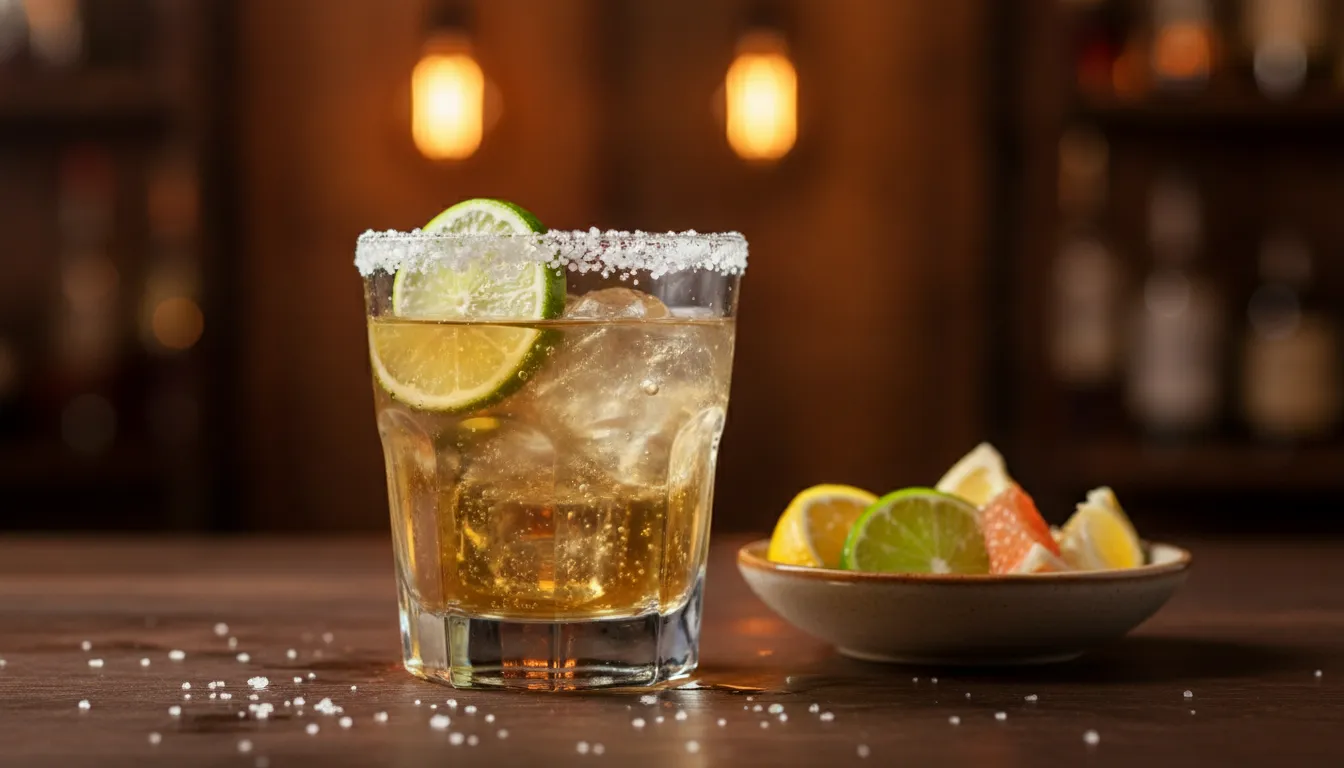
For a closer look at spirit-to-mixer ratios, browse these tequila cocktail recipes. If a margarita is your preference, Sip Tequila's guide to tequilas for margaritas can help you choose the base by flavor, not just by the mixer.
Quick takeaways
- Start with the tequila pour, then account for every sweetened addition.
- Club soda and fresh lime create a lighter-tasting build than syrup-heavy mixes, but the spirit still supplies calories.
- Check serving size before comparing a homemade cocktail with a restaurant or frozen version.
What Are Practical Lower-Calorie Ways to Serve Tequila?
There is no need to treat tequila as a health product to make a more informed serving choice. If you are comparing the calories in tequila, start with the amount poured, then look closely at what goes into the glass. Plain 80-proof tequila is listed at about 64 calories per fluid ounce, while a 1.5-ounce serving is about 96 to 97 calories. The following approach keeps the math clearer without making promises about weight or wellness.
- Measure the tequila before you mix it. A jigger is more reliable than a free-poured shot. In the United States, 1.5 ounces of 80-proof liquor counts as one standard drink, and 80 proof means 40% alcohol by volume, according to the CDC's standard drink guidance. A smaller, measured pour can also help you understand exactly how much you are drinking. If your bottle has a different ABV, check its label rather than assuming the same calorie count.
- Choose unsweetened mixers when you want a lighter-tasting build. Club soda, sparkling water, and fresh lime can add dilution and acidity without the sugar or syrup found in many mixers. A tequila soda with lime is sometimes estimated at around 100 calories, but the final number depends on the pour. Brand, and any additions, so treat that figure as a rough example rather than a universal value. Salt, citrus zest, herbs, and bitters can add character without turning the drink into a sweet cocktail.
- Account for every liqueur, syrup, and juice. The tequila is only one ingredient. Agave syrup, orange liqueur, sweet-and-sour mix, fruit juice, and flavored soda can change a drink's calorie total substantially. Read the recipe and measure those ingredients too. For cocktail inspiration, explore classic tequila cocktail recipes, then adjust the build deliberately instead of adding sweetener by habit.
- Savor a smaller serving. Sip a measured pour slowly, serve it over ice, or lengthen it with sparkling water. This is a portion and pacing choice, not a claim that tequila is healthy or that it guarantees weight loss. Alcohol provides calories but few nutrients, and drinking less is not the same as eliminating risk. Follow local legal drinking-age rules, avoid alcohol if you are pregnant or if it conflicts with medication or medical guidance, and never drive after drinking.
Quick takeaway:
- Measure the pour instead of guessing.
- Use unsweetened mixers when they suit the drink.
- Count syrups, juices, liqueurs, and flavored additions.
- Choose a serving size and pace that support responsible drinking.
Does Tequila Have Fewer Calories Than Other Drinks?
There is no universal winner when comparing tequila with beer, wine, vodka, or a mixed drink. The useful comparison is made with the same pour size and a similar alcohol by volume (ABV), while keeping the recipe separate from the spirit itself. At 80 proof, one fluid ounce of tequila contains 64 calories, and a 1.5-ounce pour contains about 96 to 97 calories. Those figures describe plain tequila, not the soda, juice, syrup, or liqueur added to a cocktail.
Beer and wine bring calories from their broader beverage composition, including carbohydrates and residual sugars that vary by style. A cocktail can add another layer through sweetened mixers. That is why comparing a shot of tequila with an entire pint of beer. A large wine pour, or a margarita without defining the serving creates a misleading result. The alcohol amount matters too: the CDC identifies 1.5 ounces of 80-proof liquor as one standard drink. While different products can contain different amounts of alcohol within the same category. See the differences between tequila and vodka for a closer look at those spirits beyond calorie numbers.
Plain spirits versus finished drinks
Plain tequila and plain vodka are close comparisons when both are served at the same proof and in the same amount. Neither comparison should be turned into a health claim or a promise about weight. The practical distinction usually comes from the serving and the recipe. A neat 1.5-ounce pour is a different drink from a tall cocktail made with several ounces of sweetened mixer, even if both begin with the same spirit.
For beer and wine, use the label and actual pour as your guide because alcohol strength and serving conventions vary. For cocktails, count the full recipe, not only the tequila. A margarita with triple sec, syrup, or juice will not have the same calorie profile as tequila with sparkling water and lime. NIAAA groups tequila and vodka among 80-proof distilled spirits for calorie tracking, but that grouping does not make every product or serving identical.
- Compare like with like: match ounces and ABV before comparing spirits.
- Separate spirit from recipe: mixers, syrups, juices, and liqueurs can change the drink substantially.
- Read the label: proof, serving size, and product formulation matter more than the spirit's name alone.
The simplest answer is that calories in tequila depend chiefly on how much you pour and what you add. Treat the number as a serving reference, not a ranking of drinks.
Explore tequila bottles for your preferred serving style
Frequently Asked Questions
How many calories are in a 2 oz pour of tequila?
A 2 oz pour of standard 80-proof tequila contains about 128 calories, based on an estimate of 64 calories per fluid ounce. The total can vary with proof and the product itself, so treat this as a serving guide rather than a universal label value. Source: WebMD.
Does tequila have carbohydrates or sugar?
Plain 80-proof tequila is listed at 0 grams of carbohydrates per ounce. A standard 1.5 oz serving is listed at 0 grams of sugar and carbohydrates. Flavored tequilas, liqueurs, and sweetened products can differ, so check the product information. Sources: WebMD and Leony Sol Roar.
Is tequila the lowest-calorie alcoholic drink?
There is no reliable universal ranking without comparing the same pour size, alcohol strength, and recipe. NIAAA groups tequila with other 80-proof distilled spirits in its calorie calculator, while mixers and serving size can change the total substantially. Compare the complete drink, not just the base spirit. Source: NIAAA.
What is a lower-calorie way to mix tequila?
Use a measured pour with club soda and fresh lime rather than syrup, juice-heavy mixers, or liqueurs. A tequila soda is often estimated at around 100 calories. But the final amount depends on the pour and recipe, so regard that number as an estimate, not a lab value. Source: Whiteout Tequila.
Does a higher-proof tequila contain more calories per ounce?
Generally, yes: a higher-proof pour contains more alcohol per ounce than standard 80-proof tequila, and alcohol provides about 7 calories per gram. Check the bottle's ABV and measure the pour. In the United States, 1.5 oz of 80-proof liquor equals one standard drink. Sources: CDC and Leony Sol Roar.
Explore Sip Tequila's collection and choose a bottle by flavor and serving style
Ready to explore tequila by flavor and serving style?
Once you understand how pour size and mixers shape a drink, choosing a bottle becomes a more personal decision. Explore Sip Tequila's collection to compare bottles by flavor profile and find an option that fits how you plan to serve it. Explore the tequila collection and choose your next bottle.