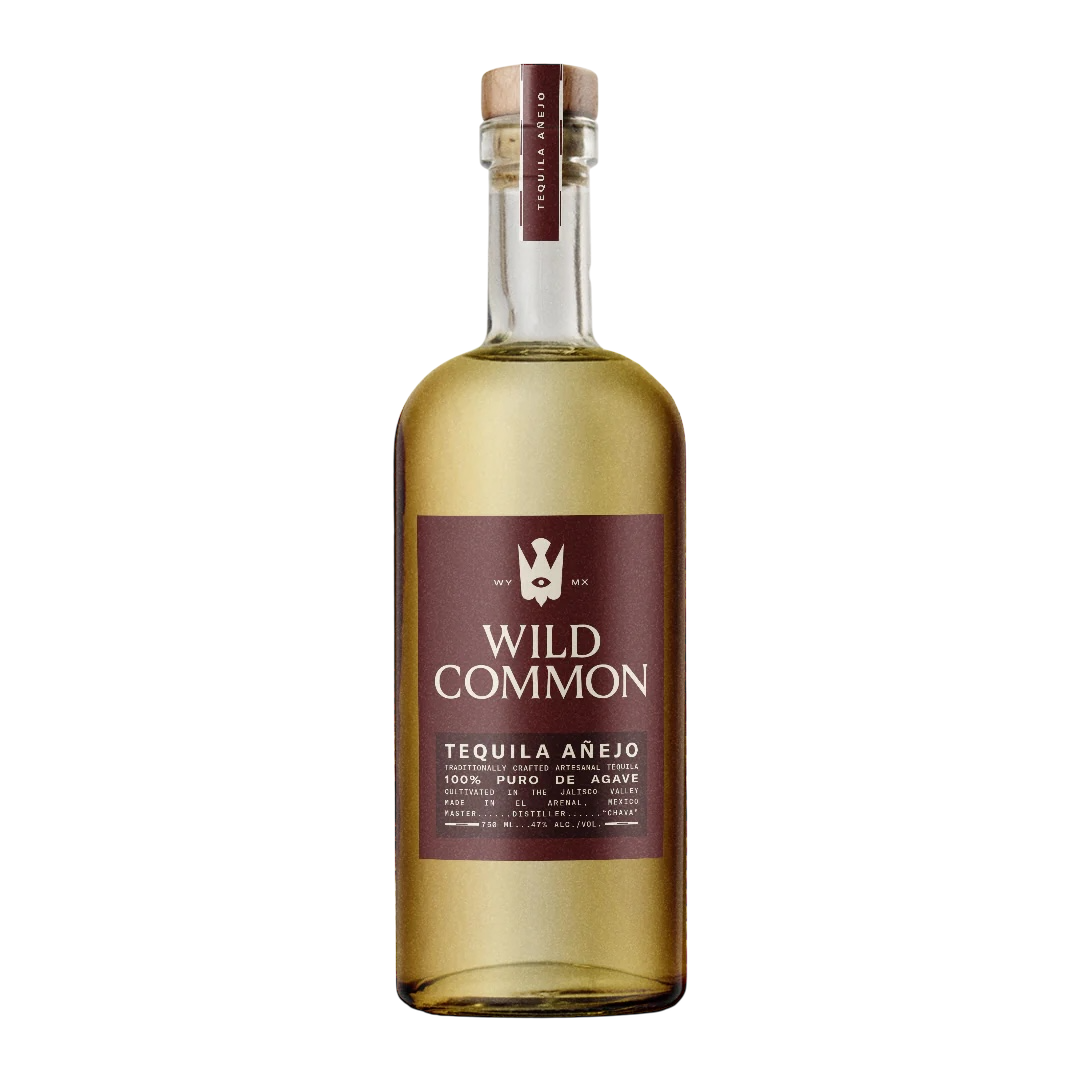
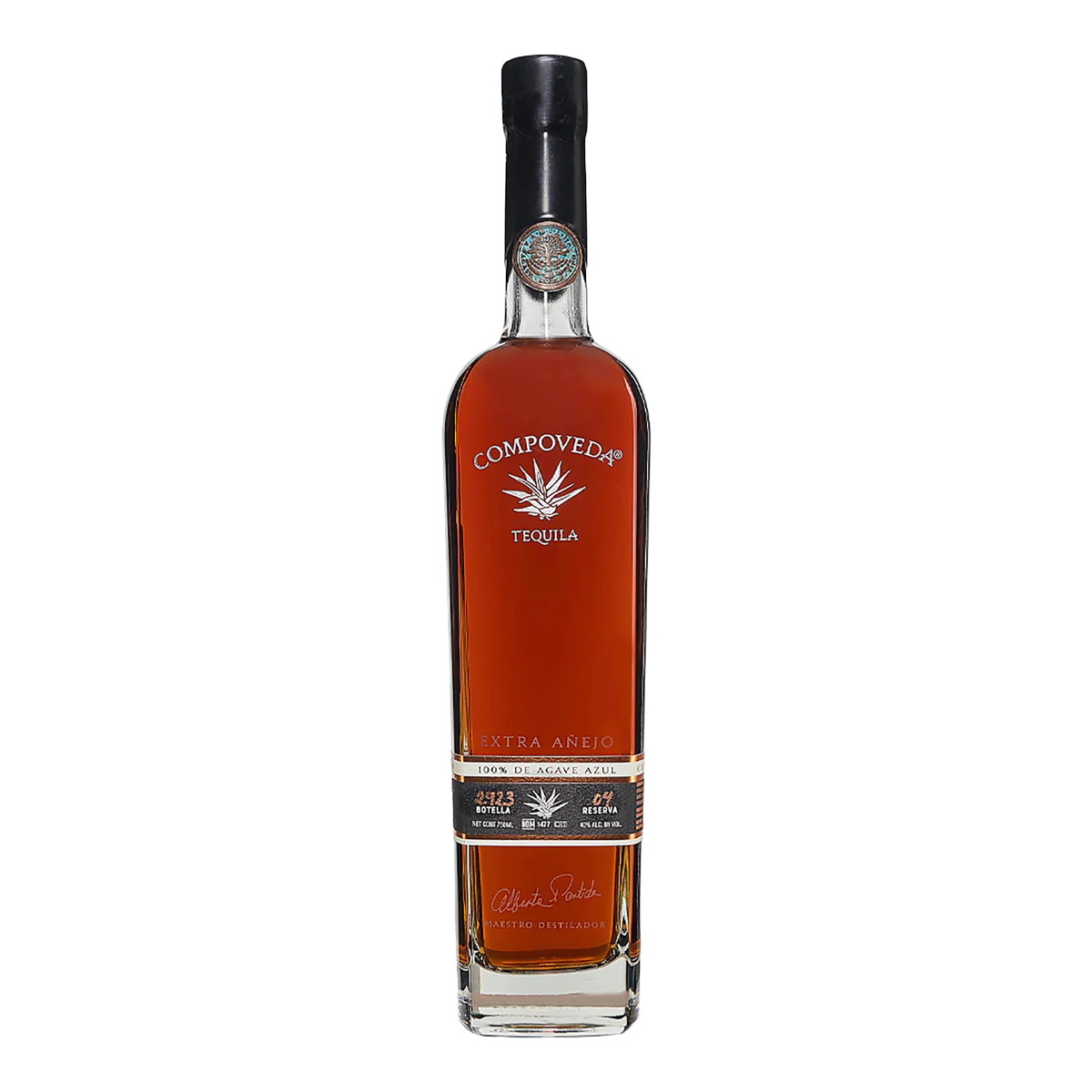
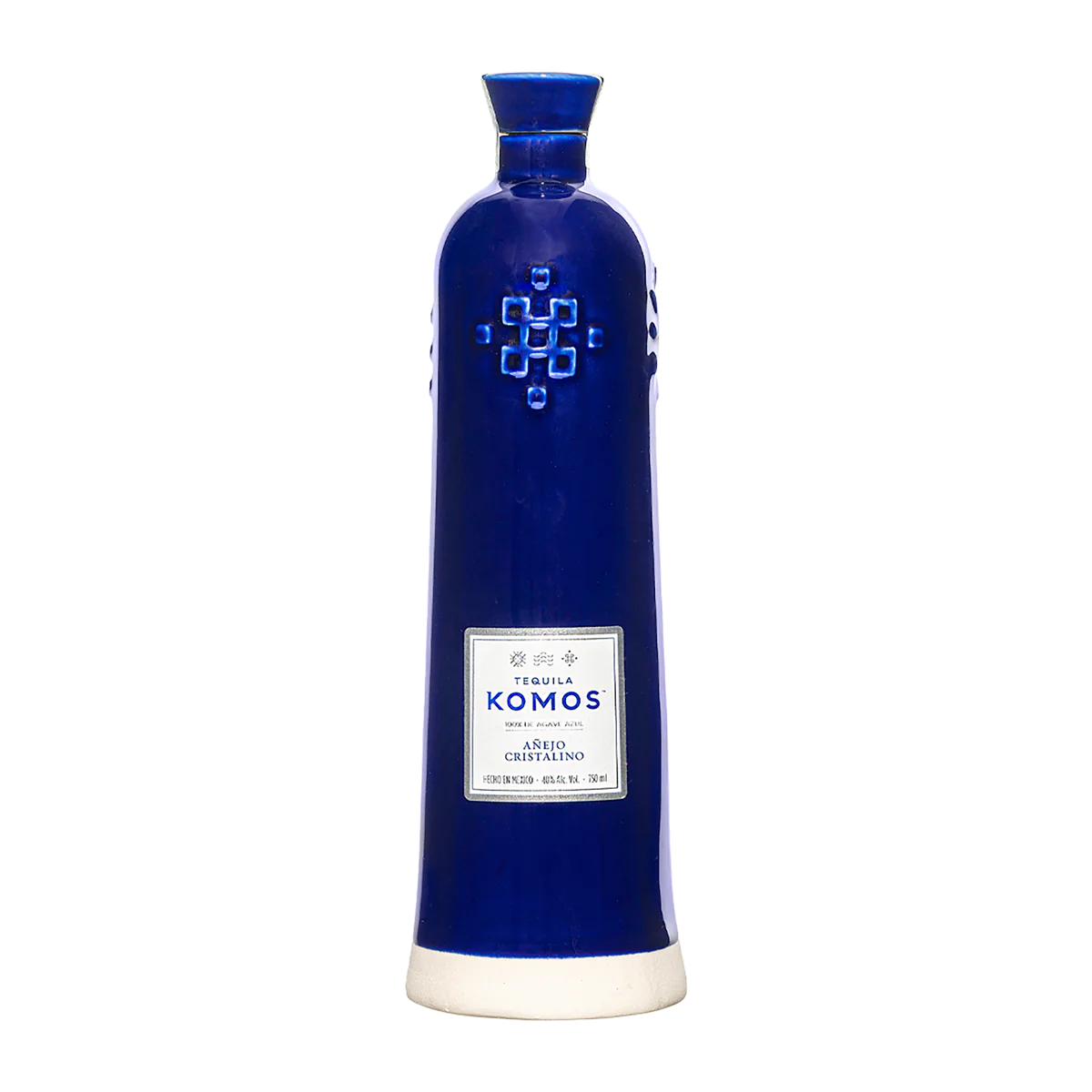
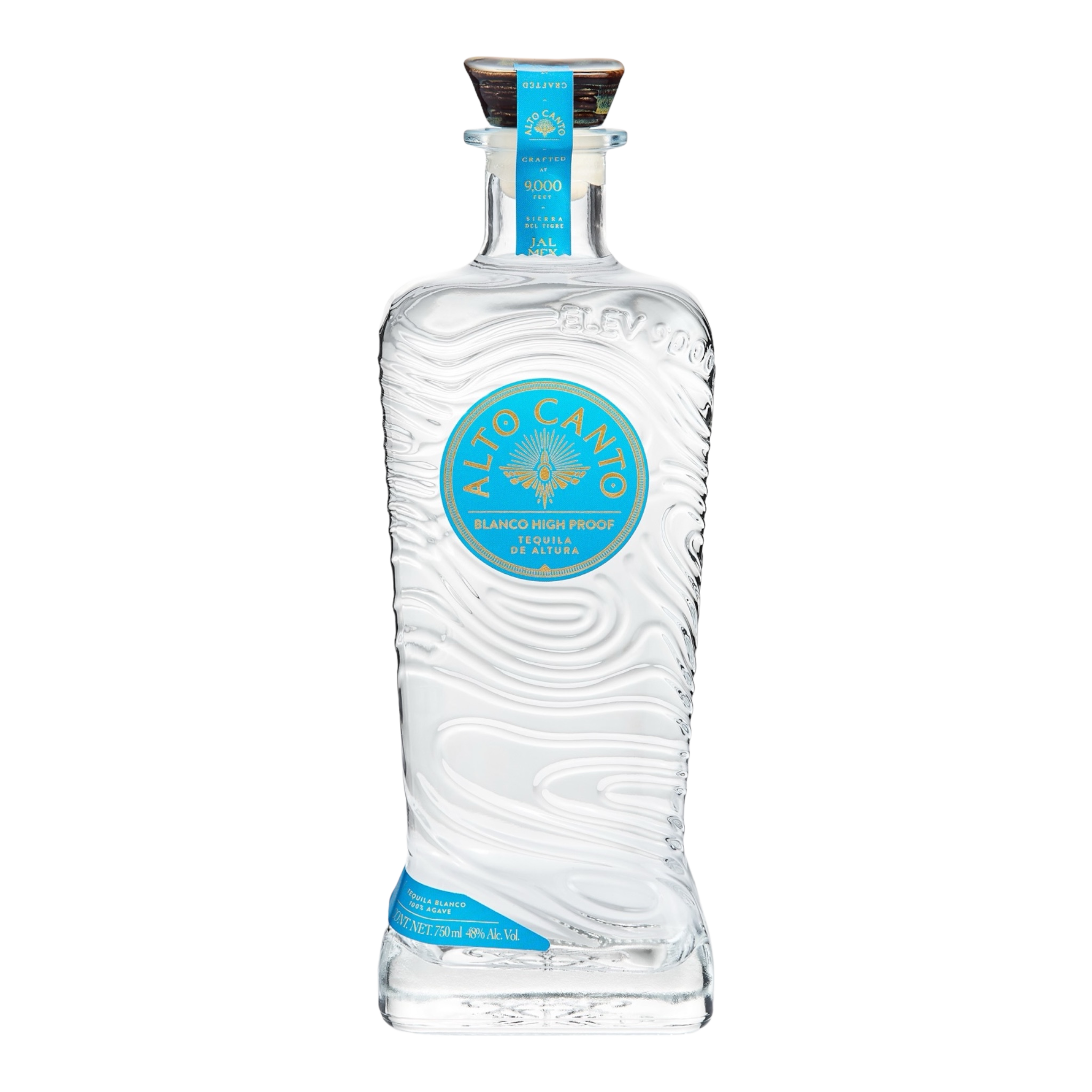




Many spirits enthusiasts often ponder the distinct characteristics when comparing tequila vs vodka. While both are clear spirits frequently enjoyed in cocktails, their journeys from raw ingredient to your glass are profoundly different. At Sip Tequila, we hold a deep appreciation for the rich heritage and complex flavors of premium agave spirits. Understanding what truly sets tequila apart from vodka helps you appreciate each for its unique qualities. Especially when choosing a spirit to savor neat or in a thoughtfully crafted drink. This comparison is not about declaring a winner, but about celebrating the diversity in the world of spirits.
Ready to taste the difference? Explore the Sip Tequila Collection to discover premium agave spirits.
The fundamental difference between tequila and vodka lies in their origin and flavor. Tequila is distilled from the blue Weber agave plant, offering distinct earthy and sweet notes. While vodka is a neutral spirit made from various fermented grains or potatoes, designed to be largely flavorless.
To truly appreciate the nuances of each spirit, we will explore their unique production methods. Delve into their diverse flavor profiles, and guide you on how to choose the perfect bottle for your palate and occasion. Join us as we uncover the fascinating world behind both tequila and vodka, helping you make an informed choice for your next memorable sip.
Tequila vs Vodka: The Core Differences at a Glance
Many people often compare tequila and vodka, perhaps because both can be clear spirits. However, beyond their appearance, these two popular drinks are fundamentally different. Tequila, a spirit with deep roots in Mexican culture and tradition, offers a rich, complex flavor profile derived from the agave plant. Vodka, in contrast, is celebrated for its neutral character and versatility. Understanding their core distinctions helps appreciate the unique craftsmanship behind each bottle. Let's explore what truly sets tequila apart from vodka.
| Feature. | Tequila. | Vodka. |
|---|---|---|
| Raw Material. | Blue Weber Agave plant. | Grains like wheat, rye, corn, potatoes, or grapes. |
| Production Region. | Jalisco, Mexico, and specific municipalities in four other Mexican states. | Global, with historical origins in Eastern Europe, particularly Poland and Russia. |
| Distillation Method. | Typically double distilled in pot stills from fermented agave juice. | Multiple distillations, often through column stills, to achieve high purity and neutrality. |
| Flavor Profile. | Earthy, sweet, peppery, citrus, herbal, with distinct cooked agave notes. | Neutral, clean, crisp, often described as tasteless or with subtle hints from its base material. |
| Aging Classifications. | Blanco, Reposado, Añejo, Extra Añejo, Cristalino. | Generally not aged; some flavored varieties exist. |
| Common Cocktails. | Margarita, Paloma, Tequila Sunrise, Sipped neat. | Martini, Moscow Mule, Cosmopolitan, Screwdriver. |
| Serving Style. | Best sipped neat, on the rocks, or in craft cocktails to appreciate its complexity. | Often mixed into cocktails, chilled, or consumed as shots. |
What Are the Raw Materials in Tequila vs Vodka?
The most fundamental difference between tequila and vodka begins with their source ingredients. Tequila comes exclusively from one plant, the blue agave. Vodka, on the other hand, can be made from a wide variety of agricultural products. This core distinction shapes everything about their flavor, tradition, and production.
The Blue Agave's Long Journey
Tequila's soul comes from the blue agave plant, specifically Agave tequilana Weber Blue. This succulent is not a cactus; it is a member of the lily family. It grows primarily in the volcanic soils of Jalisco, Mexico, and specific surrounding regions. Cultivating blue agave is a labor of love and patience. Each plant takes a remarkable 8 to 12 years to mature before it is ready for harvest. Expert farmers, known as jimadores, carefully tend to these plants for nearly a decade. They then skillfully harvest the piña, the large pineapple-like heart of the agave. This long growth cycle and the specialized agricultural craft involved in agave farming contribute significantly to tequila's complex and unique character, differentiating premium tequila brands from industrial alternatives.
Vodka's Diverse Foundations
Vodka's raw materials are far more varied and typically involve commodity agriculture. It can be distilled from almost any fermentable ingredient. Common bases include grains like wheat, rye, corn, or barley. Potatoes are another popular choice, especially in Eastern Europe. Some vodkas even use fruits, sugar beets, or molasses. These ingredients are annual crops, meaning they grow and are harvested within a single year. Their cultivation is generally less specialized and more focused on yield compared to the decade-long commitment required for blue agave. This versatility in raw materials allows vodka producers to create a spirit that is often described as neutral, providing a clean canvas for cocktails. However, it also means vodka lacks the deep, earthy, and often sweet notes that define a premium sipping tequila.
How Is Tequila Made vs Vodka?
The journey from raw ingredient to bottled spirit shapes a drink's true character. Understanding this process is key when you consider tequila vs vodka. Tequila's production honors tradition and preserves its unique agave essence, which you can learn more about in our educational blog. This stands in stark contrast to vodka's pursuit of neutrality.
Tequila's Artisanal Journey: From Agave to Spirit
Tequila production is a meticulous, multi-step process. It captures and refines the complex flavors of the blue weber agave plant. Each stage is vital for creating the spirit we sip and savor.
- Cooking: Harvesters, called *jimadores*, select and cut agave leaves, leaving only the heart, or *piña*. These are slow-cooked in brick ovens or modern autoclaves. This transforms starches into fermentable sugars, softening the agave and developing rich, caramelized flavors.
- Milling: After cooking, the softened *piñas* are crushed to extract their sweet juice, known as *mosto*. Some distilleries use a large stone wheel called a *tahona*; others use roller mills, which significantly impacts tequila production methods and the final taste.
- Fermentation: The *mosto* goes into fermentation tanks. Yeast is added, converting sugars into alcohol. This natural process takes several days; specific yeast strains contribute to the tequila's final aroma and flavor.
- Distillation: The fermented liquid, a low-alcohol wash, undergoes distillation. Tequila must be distilled at least twice. The first distillation separates alcohol from solids. The second refines the spirit, concentrating alcohol and purifying the liquid, preserving the agave's distinct characteristics. This careful, batch-by-batch distillation ensures the spirit retains its soul.
The Contrast: Tequila's Flavor vs. Vodka's Neutrality
The core difference in production philosophy becomes clear when comparing tequila vs vodka. Tequila's distillation highlights and preserves the nuanced flavors from the agave plant, cooking, and fermentation. The goal is to refine and concentrate taste, allowing agave's earthy, sweet, and sometimes peppery notes to shine.
Vodka, typically made from grains or potatoes, undergoes continuous distillation, often many times, through tall column stills. This method aims for maximum purity and neutrality. Extensive distillation removes nearly all congeners, which give spirits their distinct flavors. The result is a spirit designed to be odorless, colorless, and tasteless, serving as a blank canvas.
This fundamental difference explains why tequila offers a rich, complex sipping experience. Vodka is often chosen for its ability to blend seamlessly into cocktails without altering their flavor. Sip Tequila celebrates the craftsmanship behind such deep agave spirits.
Flavor Profiles and Aging: Earthy Agave vs. Clean Neutrality
When comparing tequila vs vodka, their flavor profiles represent two opposite philosophies. Tequila celebrates its origin, the blue weber agave plant, offering a spectrum of complex tastes. Vodka, on the other hand, aims for a clean, neutral canvas, often described as odorless and tasteless. This fundamental difference shapes how each spirit is enjoyed and appreciated.Tequila's Agave Heartbeat
Tequila's journey begins with the cooked agave piña, which imparts earthy, sweet, and sometimes peppery notes. Blanco tequila, bottled immediately or rested briefly, offers the purest expression of this agave heart. You will taste bright citrus, herbal undertones, and a distinct minerality. This vibrant, unaged spirit showcases the plant's true character. It is a world away from vodka, which is distilled to remove most impurities and flavors, leaving behind a spirit designed to be as neutral as possible. Sip Tequila values this inherent complexity, encouraging you to savor the natural flavors of the agave.The Art of Aging Tequila
Aging introduces another layer of complexity to tequila, a process largely absent in vodka production. Reposado tequila rests in oak barrels for two to twelve months. This short aging period softens the agave's edge and adds subtle notes of vanilla, caramel, and light spice from the wood. Añejo tequila ages for one to three years, developing a richer, darker profile. Expect deep oak, dried fruit, chocolate, and tobacco notes. Extra Añejo tequilas age even longer, creating an incredibly smooth and complex sipping experience. Each aging stage transforms the spirit, adding depth and nuance while still honoring its agave roots. This careful maturation process is a key reason why tequila offers such a diverse and rewarding flavor journey compared to the consistent neutrality of vodka.Is Tequila Stronger Than Vodka?
Many people hold a common misconception: they believe tequila is inherently stronger than vodka. This idea often comes from personal experiences or popular culture. However, when we truly compare tequila vs vodka, the reality about their alcohol content is quite different. The perception of one being "stronger" usually stems from how these spirits are enjoyed, rather than their actual potency.Standard Strength: A Level Playing Field
Most tequilas and vodkas you find readily available on store shelves share the same standard alcohol content. Both spirits are typically bottled at 40 percent Alcohol By Volume, or 80 proof. This means that a standard serving of a typical tequila contains the exact same amount of pure alcohol as a standard serving of a typical vodka. The legal minimum for both spirits in many countries, including the United States, is 40 percent ABV. So, if you are looking to compare the alcohol content, you will discover they are very similar at their most common bottling strengths.Why the Misconception Persists
If the alcohol content is often identical, why does the myth of tequila's superior strength persist? A significant reason lies in consumption habits. Tequila, especially lower-quality mixto varieties, is frequently consumed quickly as shots. This rapid intake can lead to a faster onset of effects, making it *feel* more potent. Vodka, by contrast, is often mixed into cocktails or sipped more slowly, which can mask its alcohol content. Furthermore, tequila's rich and complex flavor profile, derived from the agave plant, offers a more intense sensory experience than vodka's often neutral taste. This intensity can sometimes be mistakenly attributed to higher alcohol strength.Exploring Higher Proof Options
While 40 percent ABV is the industry standard, both categories offer exceptions for those seeking a different experience. For tequila, you can find "still strength" or "high proof" expressions. These artisanal tequilas are bottled at a higher ABV, sometimes reaching 50 percent or even 55 percent. They are often cherished by connoisseurs for their concentrated flavors and aromas, perfect for savoring. Similarly, some vodkas are available as "overproof" or "neutral grain spirits" with ABVs significantly above 40 percent. These higher-proof versions are specialized products, not the typical offerings, for both tequila and vodka. Always check the bottle label to confirm the precise alcohol content of your chosen spirit.Cocktails and Servings: Clean Canvas vs. Agave Craft
When it comes to mixing drinks, tequila and vodka offer very different experiences. Vodka often plays the role of a neutral base. It is a spirit designed to blend seamlessly into a cocktail, allowing other ingredients to take center stage. Tequila, especially premium agave tequila, is a star in its own right. It brings its unique flavor profile to any drink.Vodka: The Neutral Mixer
Vodka's main characteristic is its lack of distinct flavor, color, or aroma. This neutrality makes it incredibly versatile for mixologists. It acts as a clean canvas, ready to absorb and amplify the flavors of juices, liqueurs, and other mixers. Think of classic cocktails like the Vodka Martini, where the spirit simply provides the alcoholic kick without adding its own taste. Or consider the Moscow Mule, where ginger beer and lime are the dominant notes. Vodka allows these vibrant flavors to shine without competition. It is about the mixer, not the spirit itself, in many vodka-based drinks.Tequila: Celebrating Agave's Depth
Premium tequila, on the other hand, is a spirit with a rich and complex character. It is crafted from the blue Weber agave plant, and its flavor journey reflects its origin and careful production. You might taste notes of cooked agave, earthy minerals, bright citrus, black pepper, or even caramel and vanilla from aged expressions. These are flavors meant to be appreciated and explored, not hidden behind overpowering mixers. Sip Tequila believes in savoring these nuances, understanding that each bottle tells a story. Many enthusiasts enjoy premium tequila neat, allowing its full profile to unfold on the palate. For those who prefer cocktails, tequila shines in spirit-forward drinks that complement its natural flavors. The Paloma, a simple yet elegant mix of tequila, grapefruit soda, and a squeeze of lime, is a perfect example. Here, the tequila's bright, peppery notes are central to the drink's appeal, working in harmony with the other ingredients. Unlike vodka, tequila adds its own distinct personality to every sip. Exploring the different ways to drink tequila reveals how versatile this agave spirit truly is, always maintaining its unique identity and craft.How to Choose: Sipping, Gifting, or Stocking Your Bar
Choosing the right spirit depends on the occasion. While some spirits serve as a neutral base, others offer a rich experience on their own. When you consider tequila vs vodka, the choice often comes down to flavor, tradition, and the desired drinking experience. For those who appreciate craftsmanship and depth, premium tequila stands out.For Sipping: A Flavorful Journey
When you want to savor a drink, the spirit's flavor profile is key. Premium tequila, especially an Añejo or Reposado, offers a complex array of notes. You might taste cooked agave, vanilla, caramel, or even hints of fruit and spice. These flavors come from the agave plant itself and the aging process in oak barrels. Tequila is crafted to be enjoyed neat or on the rocks, allowing its unique character to shine. In contrast, vodka is often chosen for its neutral taste, designed to blend seamlessly into cocktails without adding its own distinct flavor. For a true sipping experience, tequila provides a journey for your palate.For Gifting: An Expression of Taste
A gift of fine spirits speaks volumes about your taste and appreciation for the recipient. Gifting a bottle of high-quality tequila brands shows thoughtfulness and an understanding of sophisticated palates. It represents a spirit with a rich history, unique terroir, and dedicated artisanal production. Refer to our luxury spirits guide for tips on selecting a bottle. A premium tequila is more than just a drink; it is an invitation to explore a world of flavor and tradition. While vodka can be a practical gift, a beautifully bottled tequila offers a more memorable and luxurious present, perfect for celebrations or as a thank you.For Stocking Your Bar: Versatility and Depth
Building a home bar means selecting spirits that offer both versatility and character. Tequila brings a distinct personality to your collection. A Blanco tequila is excellent for bright, refreshing cocktails, while a Reposado or Añejo can be sipped or used in more complex, spirit-forward drinks. Having a range of tequilas allows you to explore different flavor profiles and cocktail creations. While vodka certainly has its place for certain mixed drinks, tequila adds a layer of depth and authenticity that elevates your bar. Consider adding a selection from our Premium Tequila Collection to truly enhance your home bar. For a spirit that offers both sipping pleasure and cocktail versatility, tequila is an essential choice. You might also want to explore artisanal mezcals for another depth of smoke and flavor.Frequently Asked Questions: Tequila vs Vodka
What is the main difference between tequila and vodka?
Tequila comes from the blue Weber agave plant, grown in specific regions of Mexico, primarily Jalisco. This unique plant gives tequila its distinct flavor profile, which can range from earthy and herbaceous to sweet and peppery. Each sip tells a story of its origin. Vodka, on the other hand, is typically made from fermented grains like wheat or rye, or sometimes potatoes. It is distilled to be a neutral spirit, meaning it has very little flavor, aroma, or color. The core difference lies in their source material and their intended flavor profile; tequila celebrates its agave roots, while vodka aims for neutrality.
Is tequila stronger than vodka?
Generally, both tequila and vodka contain a similar amount of alcohol by volume, or ABV. Most standard bottles are 40% ABV, which is 80 proof. Some premium or artisanal expressions of either spirit might have a slightly higher ABV. The perception of "strength" can sometimes be influenced by how a spirit is consumed, whether it is neat, on the rocks, or mixed into a cocktail. When comparing standard offerings, tequila and vodka are typically equal in their alcohol content.
Does tequila or vodka give you a different kind of buzz?
Scientifically, the psychoactive effects of alcohol come from ethanol, which is the same compound in both tequila and vodka. Therefore, the "buzz" itself is fundamentally similar. However, people often report different experiences, which can be influenced by several factors. These include expectations, the presence of congeners, which are natural byproducts of fermentation, and how quickly the spirit is consumed. Premium, artisanal tequilas often retain more of these natural compounds than highly filtered vodkas. At Sip Tequila, we encourage savoring your spirit slowly. Allowing you to appreciate its complex flavors and enjoy a more mindful experience, rather than focusing on a rapid "buzz."
Is tequila healthier than vodka?
It is important to remember that neither tequila nor vodka is a health drink. Both contain alcohol, and responsible consumption is always key. In terms of calories, an average serving of 80-proof tequila and vodka has a similar calorie count. Where they can differ is in their purity. Premium, artisanal tequilas are often made with just blue Weber agave, water, and yeast, without added sugars or artificial flavors. Some cheaper tequilas or flavored vodkas, however, might contain various additives. When choosing a spirit, focusing on quality, purity, and responsible enjoyment is the most important consideration for your well-being.
Discover Premium Agave Spirits with Sip Tequila
You have explored the unique world of agave spirits. Now, it is time to experience the difference true craftsmanship makes. At Sip Tequila, we believe in savoring every moment and every sip. We hand-select only the finest premium tequilas, perfect for enjoying neat or on the rocks. Forget the harsh mixers; discover the rich flavors and smooth finishes that elevate your drinking experience. Elevate your home bar with a bottle that tells a story. Explore our curated selection of premium tequilas today. Visit our Premium Tequila Collection and find your next favorite bottle. For an ongoing journey of discovery, consider The Tequila Box, our exclusive subscription service. Each box brings exceptional agave spirits directly to your door. Join the Sip Tequila community and taste the tradition.