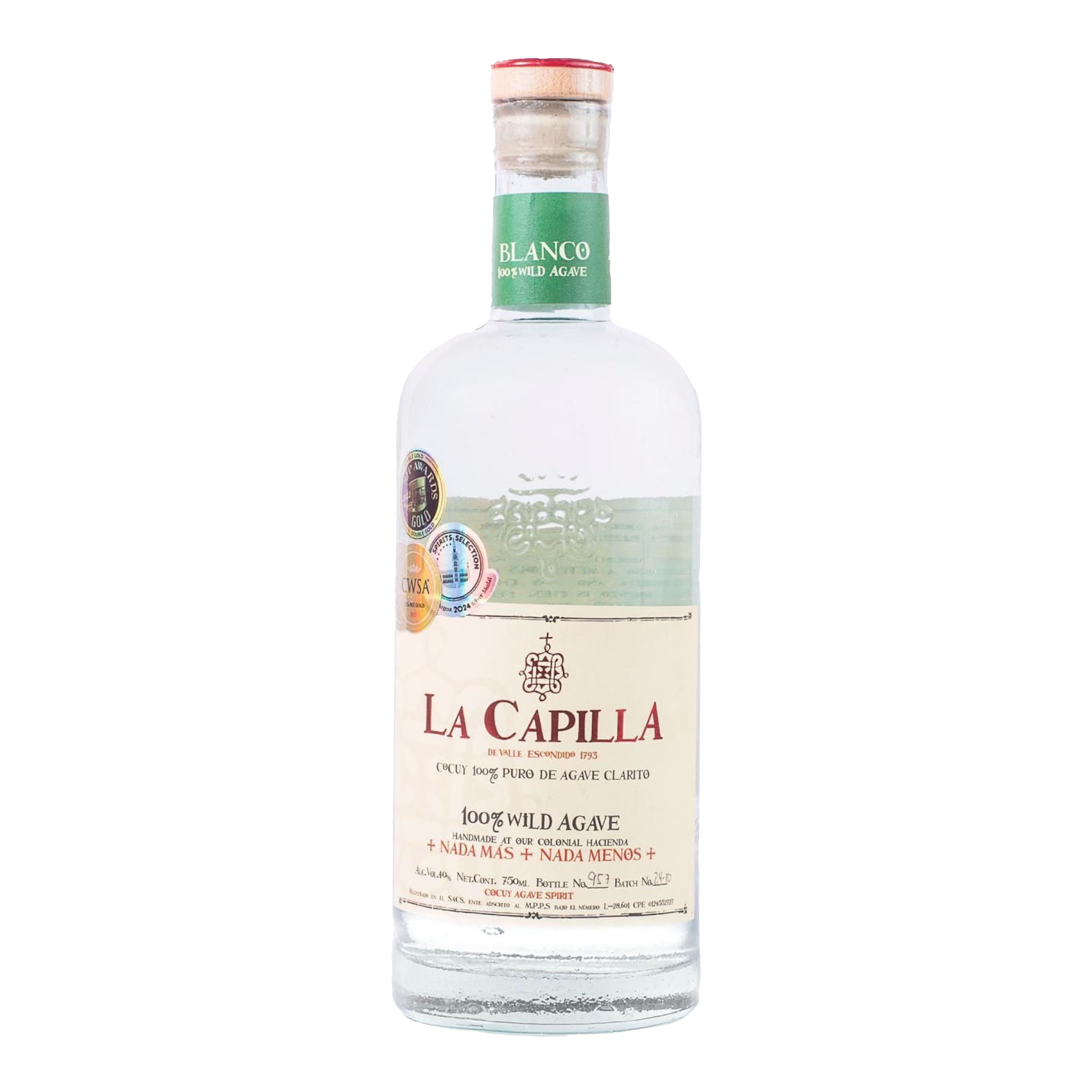





When you search for organic tequila brands, you are usually looking for more than a green leaf on a bottle. You want to know how the agave was grown, what the organic certification covers, and whether claims about the finished spirit are backed by documentation. The answer is not the same as additive-free, 100% agave, or simply made with sustainable practices.
Browse Sip Tequila's full tequila collection while you research your next bottle.
What Makes a Tequila Organic?
Organic tequila is a tequila whose relevant agricultural ingredients and production claims meet an organic standard verified by an authorized certifier. In the United States, organic alcohol also sits under Alcohol and Tobacco Tax and Trade Bureau labeling rules, so a credible claim involves both organic compliance and alcohol label review.
The word organic describes a regulated production system, not a flavor profile. It can refer to the way blue Weber agave is cultivated, the handling of agricultural ingredients, or the category under which the finished spirit is labeled. The exact claim matters because "organic agave" and "organic tequila" are not interchangeable statements.
The USDA Agricultural Marketing Service explains that organic alcohol must follow USDA organic requirements as well as TTB rules. The USDA guidance on organic distilled spirits also points to label review through the TTB Certificate of Label Approval process. That two-part structure is why a careful shopper should look past a front-label adjective.
Organic agave farming versus organic finished spirit
A brand may grow or source agave under organic practices and still need to explain how the spirit itself is represented on the label. Ask whether the claim covers the farm, the agave, the distillery, the bottled product, or a particular expression. A certificate for an agricultural operation is useful evidence, but it is not automatically proof that every bottle in a brand's range carries the same certification.
Certification can also apply to a defined operation, ingredient, or product scope. That is why a certificate should name the legal operation and identify what it covers. If a brand offers blanco, reposado, and anejo tequila, check whether the documentation covers all three or only one expression.
What organic does not automatically mean
- Not additive-free: An organic claim and an additive-free claim address different questions. Organic certification concerns the approved production system and ingredients. Additive-free concerns whether permitted flavoring, coloring, sweeteners, or other additions were used.
- Not automatically 100% agave: A 100% agave statement identifies the sugar source used for tequila. It does not, by itself, prove that the agave was organically certified.
- Not automatically sustainable: Water use, soil management, recycled packaging, energy, labor, and waste practices can all matter, but sustainability is a broad description. Look for the specific practice and evidence.
- Not a flavor promise: Organic production does not guarantee that a tequila will be floral, sweet, peppery, earthy, or better suited to sipping. Those are sensory and personal preferences.
- Not the same as tequila authenticity: The Consejo Regulador del Tequila, or CRT, oversees tequila authenticity and quality requirements. Its role is different from the role of an organic certifier.
How Can You Check Organic Claims and Certifications?
Check the exact wording on the bottle, identify the certifier and scope, compare the label with the brand's documentation, and separate farming, organic, additive-free, and tequila-origin claims. A trustworthy brand should make it possible to connect the claim on the bottle with a specific operation, product, or certification record.
Use this five-step process before you treat a bottle as a certified organic purchase. It works for a premium bottle at a specialist retailer and for a brand discovered through a search result.
- Read the precise claim. Look for language such as organic, made with organic ingredients, certified organic agave, or organic farming. Do not treat natural, clean, green, pure, or eco-friendly as a certification category. Take a photo of the front and back labels if you are researching several bottles.
- Find the certifier. A serious certification claim should identify the certifying organization or make its certificate available. The USDA organic system relies on accredited certifying agents. A brand that only repeats "organic" in marketing copy, without identifying who certified what, has left an important question unanswered.
- Check the scope and date. Look for the legal operator, farm or distillery, product name, certificate status, and covered activities. Confirm whether the certificate covers the agave, processing, bottling, or the individual expression you plan to buy. Certification status can change, so current documentation matters.
- Compare the bottle with the evidence. The brand name, producer, NOM, expression, and label wording should line up with the documentation. If the website says "organic agave" but the bottle makes a broader claim about organic tequila, ask the brand or retailer to clarify the difference.
- Check the alcohol label path. In the United States, organic claims on alcohol labels involve USDA organic rules and TTB requirements. The TTB spirits labeling guide describes certifier review before a Certificate of Label Approval submission. That does not replace reading the bottle, but it gives you a stronger standard for documentation.
Use the NOM as a traceability clue, not an organic seal
A NOM, or Norma Oficial Mexicana producer number, helps identify the authorized producer associated with tequila. It can be a useful cross-check when a brand page names a distillery, but it does not turn a conventional farming claim into an organic certification. The CRT's tequila information and its certification body overview are good starting points for understanding tequila authenticity and quality oversight.
Think of the NOM as one piece of identity evidence. If the product page names one producer and the label shows a different producer or NOM, pause and ask for clarification. If everything matches, you have improved traceability, but you still need the organic documentation for the organic part of the claim.
Questions to ask a brand or retailer
- Which certifier approved the organic claim?
- Does the certification cover the agave, the distillery, the finished tequila, or a specific expression?
- What is the legal name of the certified operation?
- Is the claim organic, made with organic ingredients, or certified organic farming?
- Does the product page use "organic" and "additive-free" as separate claims?
- Which NOM and distillery are connected to the bottle?
A clear answer does not have to be a sales pitch. It should tell you exactly what was certified and point you to evidence that matches the bottle in your hand.
Organic Tequila Brands Worth Researching
The best organic tequila brands to research are the ones that make their producer, expression, farming language, and certification details easy to compare. The examples below are research leads from Sip Tequila's current catalog, not a definitive ranking or a substitute for checking current certificates.
Retail pages can change as products, importers, and certifications change. Use each page to understand the bottle's stated provenance, then apply the five-question check above. A product can be worth exploring because its documentation is clear, because its farming story is specific, or because it gives you a useful point of comparison.
| Brand or expression | What the current page highlights | What to verify before buying |
|---|---|---|
| 123 Organic Tequila | The collection page describes USDA certification, organic and biodynamic agave farming, additive-free production, recycled glass, and NOM 1480. | Confirm the current certificate scope for the expression you want, and keep the organic claim separate from the additive-free and packaging claims. |
| Cobalto Blanco | The product page describes USDA, Mexican, and European organic certifications, estate-grown agave, and production at Destileria Casa de Piedra, NOM 1586. | Check which certification applies to the current bottle and how the product's US label presents those certifications. |
| Solento Organic Blanco | The product page describes organic blue agave, pesticide- and fertilizer-free farming, production at Tequila Las Americas, and NOM 1480. | Ask whether the documentation covers the farm, the finished spirit, or both, and confirm that the claim is current for the expression. |
| Authentico Blanco | The page highlights 100% blue agave, additive-free production, carbon-neutral and solar-powered facilities, and organic-certified blue agave. | Do not combine the energy, additive-free, 100% agave, and organic-agave claims into one conclusion. Verify each claim on its own. |
How to compare the candidates fairly
Start with the same questions for every bottle. Is the claim about organic agave or the finished tequila? Is a certifier named? Does the product page identify the producer and NOM? Is the exact expression covered? Can you separate verifiable facts from broad brand language?
Then compare the drinking experience separately. A blanco may be the most useful expression for tasting agave, while a reposado adds time in oak and a different set of aromas. Organic status cannot predict whether you will prefer citrus, pepper, cooked agave, vanilla, caramel, or a long finish.
For shoppers who care about production transparency, the strongest candidate is often the bottle with the clearest chain of information, not the bottle with the longest sustainability paragraph. A specific farm, certifier, producer, NOM, expression, and document trail are more helpful than a vague promise of purity.
Pay attention to the difference between a brand-level story and a bottle-level statement. A company may describe its overall farming philosophy, while a retailer page may describe one product made at a named distillery. Both can help you research, but neither should be stretched into a claim about every bottle the brand sells.
It is also useful to record your findings. Make a small note with the product name, NOM, producer, organic wording, certifier, and source URL. If you revisit the bottle months later, you can tell whether a product page or label has changed. This is especially helpful when a brand sells several expressions or in more than one market.
- Strong evidence: a current certificate, named certifier, matching operator, and product-specific documentation.
- Useful supporting evidence: a named farm, distillery, NOM, farming method, and clear explanation of what the claim covers.
- Weak evidence: unspecific words such as pure, natural, clean, or green with no certifier, scope, or supporting detail.
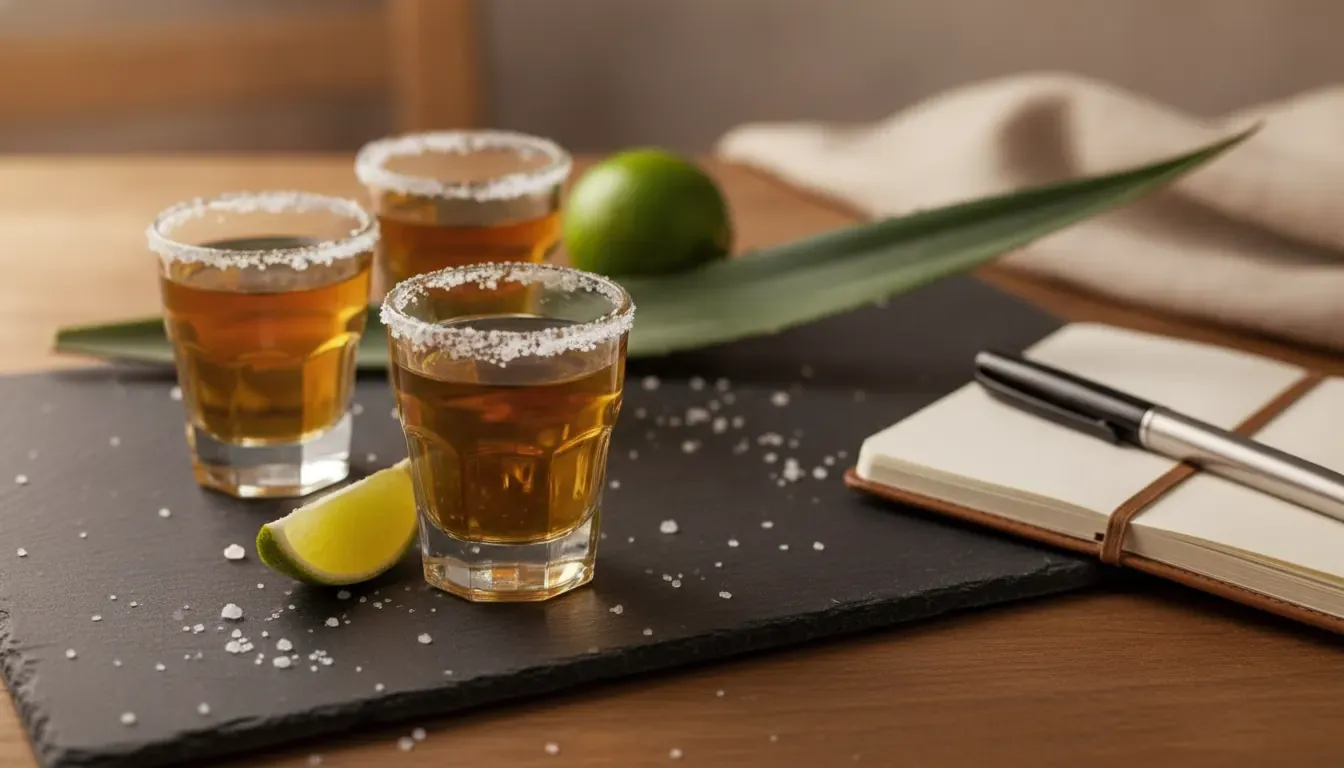
Why Additive-Free and Organic Are Different
Additive-free tequila and organic tequila answer different buyer questions. Additive-free asks whether certain ingredients were added to the finished spirit. Organic asks whether the relevant ingredients and production system meet an organic standard. One claim cannot be used as proof of the other.
This distinction matters because search results often place the terms side by side. A bottle can be marketed as additive-free without being organic. Another bottle can carry an organic claim while a shopper still needs to ask how the brand defines additive-free. Neither label is a shortcut for the other.
For a deeper look at additive language, read Sip Tequila's guide to what additive-free tequila means. If you want a broader category browse after your research, the all tequila collection lets you compare expressions without assuming that every bottle shares the same production claims.
Explore Sip Tequila's 123 Organic Tequila collection and compare the stated production details.
Frequently Asked Questions
Is organic tequila healthier?
Organic tequila is not automatically healthier, and organic certification is not a promise about alcohol risk or calories. The claim tells you about a regulated production and labeling standard. Drink responsibly, follow local alcohol laws, and choose a bottle based on verified production information and your preferences rather than a health claim.
What is the purest tequila with no additives?
There is no single universal answer to the word purest. Look for a specific additive-free claim, producer transparency, and a product page that explains how the claim is supported. Keep that research separate from organic certification, 100% agave language, and the tequila's NOM.
Are all organic tequila brands additive-free?
No. Organic certification and additive-free production are separate claims. A brand may hold or describe an organic certification while providing a different statement about additives. Check the exact wording for the finished spirit and ask the brand or retailer if the two claims are not clearly explained.
Does 100% agave tequila mean it is organic?
No. 100% agave identifies the agricultural sugar source used to make the tequila. It does not confirm how the agave was farmed or whether an organic certifier approved the product. To verify organic status, look for the exact organic claim, certifier, and certification scope.
How do I know if an organic tequila certificate is current?
Ask for the current certificate or a link to the certifier's record, then compare the legal operator, product or operation scope, and date with the bottle you plan to buy. If the documentation only covers an ingredient or farm, do not assume it covers every finished tequila expression in the brand's portfolio.
Sources and Verification Notes
This guide uses the USDA organic alcohol guidance, USDA labeling guidance for organic distilled spirits, the TTB spirits labeling guide, and the CRT certification body information. Product-specific statements are attributed to the linked Sip Tequila catalog pages. Certification status and label language can change, so verify current documentation with the brand, certifier, or retailer before purchase.
Find your next tequila at Sip Tequila and use the label-verification checklist before you buy.