


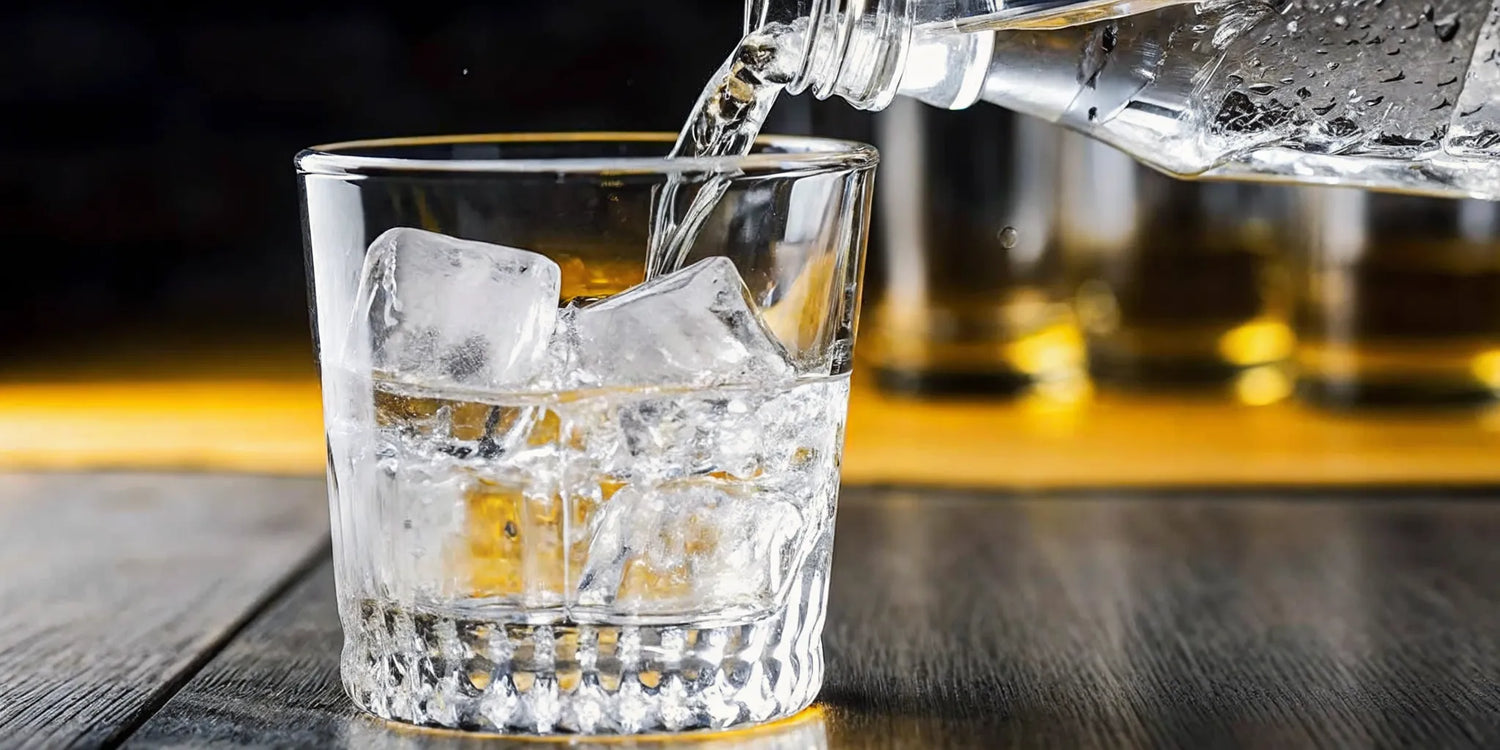
Clear tequila is not always young tequila. Cristalino is the modern style that challenges that assumption, pairing a polished appearance with the rounded character of time spent in oak. It has quickly become a compelling choice for drinkers who want more depth than a blanco without the darker color associated with aged tequila.
Cristalino tequila is aged tequila, usually reposado, anejo, or extra anejo. That is filtered through charcoal or activated carbon to remove its color while aiming to preserve characteristics developed during aging. An academic study has documented the preservation of those aging characteristics after filtration: MDPI research.
The result is a style with a distinctive balance: a crystal-clear look, barrel-shaped aromas and flavor. And an approachable profile that invites both newcomers and experienced collectors to take a closer sip. To understand why that balance matters, start with the category itself and how its definition differs from other types of tequila.
What Is Cristalino Tequila?
Cristalino tequila is an aged tequila, usually reposado, anejo, or extra anejo, that is filtered through charcoal to remove its color. The result is a tequila that looks crystal clear but can still carry the layered character developed during time in oak. In other words, it offers the visual brightness of blanco with the softer, more mature profile associated with aged tequila.
That contrast is the category's defining paradox. Blanco tequila is bottled without the extended barrel aging that gives reposado and anejo their deeper color and oak influence. Cristalino takes a different route: the tequila ages first, then filtration removes much of the color created during that process. The goal is not to turn an aged tequila into a blanco, but to present aged complexity in a clear, polished style.
A modern category with a short history
Cristalino is a relatively young category. It first appeared on the market around 2011, when Don Julio 70 introduced the style while commemorating 70 years of Don Julio Gonzalez's tequila-making legacy. That origin helps explain why cristalino can feel both traditional and modern: its foundation is barrel aging. While its clear appearance and sleek presentation offer something distinct from classic aged expressions. Research on the category's history places its first market appearance in 2011.
What does cristalino taste like?
There is no single flavor profile for every bottle because producers may begin with different aged tequilas and use different filtration approaches. Still, you can generally expect some combination of cooked agave, vanilla, caramel, dried fruit, baking spice, or gentle oak, depending on the tequila's aging and blend. Filtration changes the appearance and may soften the overall presentation, but it does not erase the fact that the tequila spent time developing in barrels.
For curious drinkers, cristalino offers an approachable way to explore aged tequila without starting with a darker pour. For experienced collectors, it presents another expression of how aging, blending, and filtration can shape the final sip. Browse Sip Tequila's cristalino collection to compare bottles and discover the style for yourself.
Source: Liquor.com overview of cristalino tequila.
How Cristalino Tequila Is Made: The Filtration Process
Cristalino tequila does not begin as blanco tequila with color added later. It starts as a fully aged tequila. Then goes through a filtration process that removes its color while aiming to preserve the aromas, flavor, and texture developed in oak. Here is the production path in practical terms.
-
It is aged in oak barrels
The process begins with tequila that has spent time resting in wood. Depending on the expression, that may mean reposado, añejo, or extra-añejo tequila. Aging can bring notes of vanilla, toasted oak, caramel, dried fruit, and baking spice, along with a rounder texture. A typical example may be aged for one to three years, although the exact time and barrel type vary by producer. European oak, American oak, and casks with a previous wine or whiskey history can each shape the final profile.
-
Activated carbon removes the color
After aging, the tequila is passed through charcoal or activated carbon. Activated carbon is the primary filtration material used for color removal in cristalino production, according to industry filtration guidance. This step strips out much of the pigment extracted from the oak, creating the clear appearance associated with cristalino tequila. It is not intended to turn an unaged tequila into an aged one. The barrel-aged liquid comes first; filtration comes afterward.
-
Some producers blend aged expressions
Not every cristalino follows a single-barrel aging story. A producer may blend extra-añejo, añejo, and reposado tequilas to build a particular balance of depth, sweetness, oak character, and freshness. Maestro Dobel Diamante, for example, is described as a blend of aged expressions that undergoes filtration. Blending gives the maker another way to fine-tune consistency and complexity before the final polishing step.
The important distinction is what remains after filtration. A study published by MDPI examined 100% agave cristalino tequila and found evidence that characteristics associated with aging are preserved through the process. In other words, the clear appearance does not tell the whole story. For a broader look at the traditional tequila production process, start with how agave becomes tequila before comparing the finishing choices that shape each style.
Cristalino vs. Blanco vs. Reposado: What's the Difference?
The easiest way to understand these styles is to compare what happens before the bottle reaches your glass. Blanco is built around fresh agave character. Reposado and añejo develop flavor through time in oak. Cristalino takes a different route: it begins as a fully aged tequila, then is filtered until the color is clear. The result combines the depth of an aged tequila with the bright appearance and approachable profile often associated with blanco tequila. Combining aged depth with a clear appearance, as described by industry filtration research.
| Style | Typical aging | Appearance | What to expect in the glass |
|---|---|---|---|
| Blanco | Unaged | Clear | Bright agave, pepper, citrus, and a crisp finish |
| Reposado | 2 to 12 months | Light gold | Balanced agave with gentle oak, vanilla, and baking spice |
| Añejo | 1 to 3 years | Dark amber | Richer oak influence, caramel, dried fruit, and a longer finish |
| Cristalino | Aged, then filtered | Clear | Barrel-developed complexity with a polished, approachable character |
Why cristalino is not simply "fancy blanco"
Color alone can make cristalino look like blanco, but the production story is fundamentally different. Blanco generally goes from distillation to bottling with little or no barrel aging. Cristalino spends time aging first, whether the base is reposado, añejo, extra añejo, or a blend of aged tequilas. Filtration removes much of the color, not the fact that the tequila matured in oak.
That distinction matters when you taste it. Look for the rounded texture and layered notes you associate with aged tequila, alongside a cleaner visual presentation and a less intimidating entry point. If you enjoy exploring different types of tequila, cristalino is a useful style to add to the comparison.
A bridge between blanco and añejo
Cristalino can bridge two preferences: the lively, easygoing appeal of blanco and the depth connoisseurs seek in añejo. It may work for a newcomer who wants something smooth and visually distinctive, while still offering enough barrel character to reward slower sipping. It is not automatically "better" than blanco, reposado, or añejo. It is a separate expression with its own balance of agave brightness, oak influence, texture, and finish.
Why Is Cristalino Tequila So Popular Right Now?
Cristalino tequila has gone from a niche curiosity to one of the category's most visible modern styles in remarkably little time. The style first appeared around 2011, making it less than 15 years old, yet the Tequila Matchmaker database already listed 44 different cristalinos, with more on the way. That pace of growth says something about how neatly cristalino fits the way many people want to discover tequila today: it feels distinctive. Looks polished, and remains easy to approach.
Its appeal starts with the drinking experience. Cristalino is made from aged tequila, then filtered to remove its color. The result can offer barrel-derived vanilla, caramel, oak, and baking-spice notes while presenting a clear, bright appearance. For someone new to aged tequila, that combination can feel smoother and less intimidating than a darker pour. For an experienced drinker, it offers another way to explore the effects of aging without giving up the visual clarity associated with blanco tequila.
An approachable entry point for newer tequila drinkers
Many newcomers want flavor and texture but do not yet know which aged style fits their palate. Cristalino gives them a useful middle ground. It has the clean, luminous look people often associate with a lighter tequila, but the profile can carry more rounded depth from time in oak. That makes the category feel premium without requiring a reader to begin with a highly technical understanding of barrel aging. Filtration, or the distinctions between reposado, añejo, and extra añejo.
The style also works for connoisseurs who enjoy comparing production choices. Different cristalinos may use different aged tequilas, barrels, blends, and filtration approaches, so the clear appearance does not mean every bottle tastes alike. The color is consistent; the character still deserves attention.
Clear, distinctive, and made for modern serving occasions
There is a visual reason cristalino attracts attention, too. Its crystal-clear appearance photographs well, especially when poured over a large cube or served in a carefully composed cocktail. The bottle and liquid look contemporary and celebratory, giving the category a strong presence in social feeds and at gatherings without losing its connection to traditional tequila craftsmanship.
That versatility extends to the glass. Cristalino can be sipped neat or served chilled. But its clear appearance also makes it a natural fit for cocktails where a drinker wants the look of a clear base with the flavor of aged tequila. It can bring oak-driven complexity to a simple highball or an elegant stirred serve, while remaining familiar enough for someone accustomed to blanco-based drinks.
In short, cristalino occupies a compelling space between heritage and trend. It offers aged-tequila complexity, a smooth and approachable profile, and an aesthetic that feels current. As the category continues to expand, the best way to understand its range is to taste across thoughtfully selected bottles in Sip Tequila's cristalino collection.
Best Cristalino Tequilas to Try
The best cristalino tequila expressions show how much character can remain beneath a crystal-clear appearance. Start with the classics, then compare how barrel type, aging time, and filtration shape each pour. For a broader guide, explore these best cristalino expressions before choosing a bottle for sipping or gifting.
Don Julio 70 Cristalino
Often recognized as the original modern cristalino, Don Julio 70 launched in 2011 after tequila spent 18 months aging in American white oak before charcoal filtration. That process gives it a polished, approachable profile without the amber color associated with barrel aging. Look for soft vanilla, warm cinnamon, light oak, and a smooth finish. It is an easy starting point if you want the familiarity of a premium aged tequila in a clear, refined format.
Maestro Dobel Diamante
Maestro Dobel Diamante is known for its multi-aged construction and double-filtration process. The blend brings together extra-añejo, añejo, and reposado tequilas aged in European oak, creating more layered flavor than a straightforward blanco. On the palate, expect cooked agave, vanilla, cinnamon, gentle caramel, and a silky finish. Serve it neat in a copita or over one large cube so the texture and oak notes remain in focus. The blend is one reason cristalino tequila can appeal to both newcomers and experienced tequila drinkers.
Qui Platinum
Qui Platinum takes a barrel-forward approach, aging for 3.5 years in Tennessee whiskey and French Bordeaux barrels. The result is rich and dessert-leaning, with impressions of dark chocolate, vanilla, toasted oak, and baking spice balanced by a clean, smooth finish. It is a strong choice when you want a cristalino with the depth of a long-aged pour rather than a light, purely citrus-driven profile.
Brands to explore at Sip Tequila
Availability changes, but Sip Tequila's curated selection makes it easier to compare styles instead of guessing from a clear bottle alone. Browse the cristalino collection for current inventory and look for:
- Don Julio, including Don Julio 70 Cristalino
- Maestro Dobel, including Diamante
- Qui, including Platinum
For the cleanest comparison, taste each expression neat at room temperature, then revisit it with a small amount of water. Notice where the flavor moves from agave and spice into vanilla, chocolate, oak, or caramel. That quick side-by-side approach will tell you more about your preferred cristalino style than the color of the liquid ever could.
Frequently Asked Questions
What is cristalino tequila?
It is tequila that has spent time aging in barrels, usually as reposado, anejo, or extra anejo, before being filtered to remove its color. That process creates a clear pour while retaining characteristics developed during maturation. Cristalino first appeared on the market around 2011, so it is a relatively young category. Learn more about its aged-and-filtered profile.
How is it different from blanco tequila?
Blanco tequila is generally bottled without the extended barrel aging that defines cristalino. Both can look clear in the glass, but they arrive there differently: blanco retains its natural clarity, while cristalino achieves clarity through filtration after aging. The result is a style that can offer barrel-developed depth with a bright, polished appearance.
Is cristalino better than anejo?
Neither is automatically better. Anejo is the better choice when you want to experience the tequila's mature color, oak influence, and fuller aged character as it comes from the barrel. Choose cristalino when you prefer a clear presentation and a lighter-feeling expression that still reflects aging. Taste, production details, and your serving occasion matter more than a simple ranking.
What does cristalino tequila taste like?
Flavor varies by producer, barrel, aging time, and filtration method. In general, expect a balance between the clean, approachable impression associated with blanco and the softer oak, vanilla, dried-fruit, or spice notes that can develop during aging. Some producers also blend reposado, anejo, and extra anejo tequilas, so reading the bottle details can help set expectations.
What is the best cristalino tequila to try first?
Start with an expression whose age statement, barrel program, and tasting notes match your preferences. A classic bottling can help you understand the category, while a more complex blend may suit someone who already enjoys aged tequila. Compare several bottles by aroma, texture, and finish rather than choosing by color alone, since clarity does not tell you how the tequila was aged or filtered.
Ready to Explore Cristalino Tequila?
Now that you know how aging and filtration shape cristalino tequila, you can choose a bottle with a clearer sense of what to expect in the glass. Shop Cristalino Tequilas to compare expressions and find one that fits your next pour. If you have questions about the collection, reach out to the Sip Tequila team before placing your order.