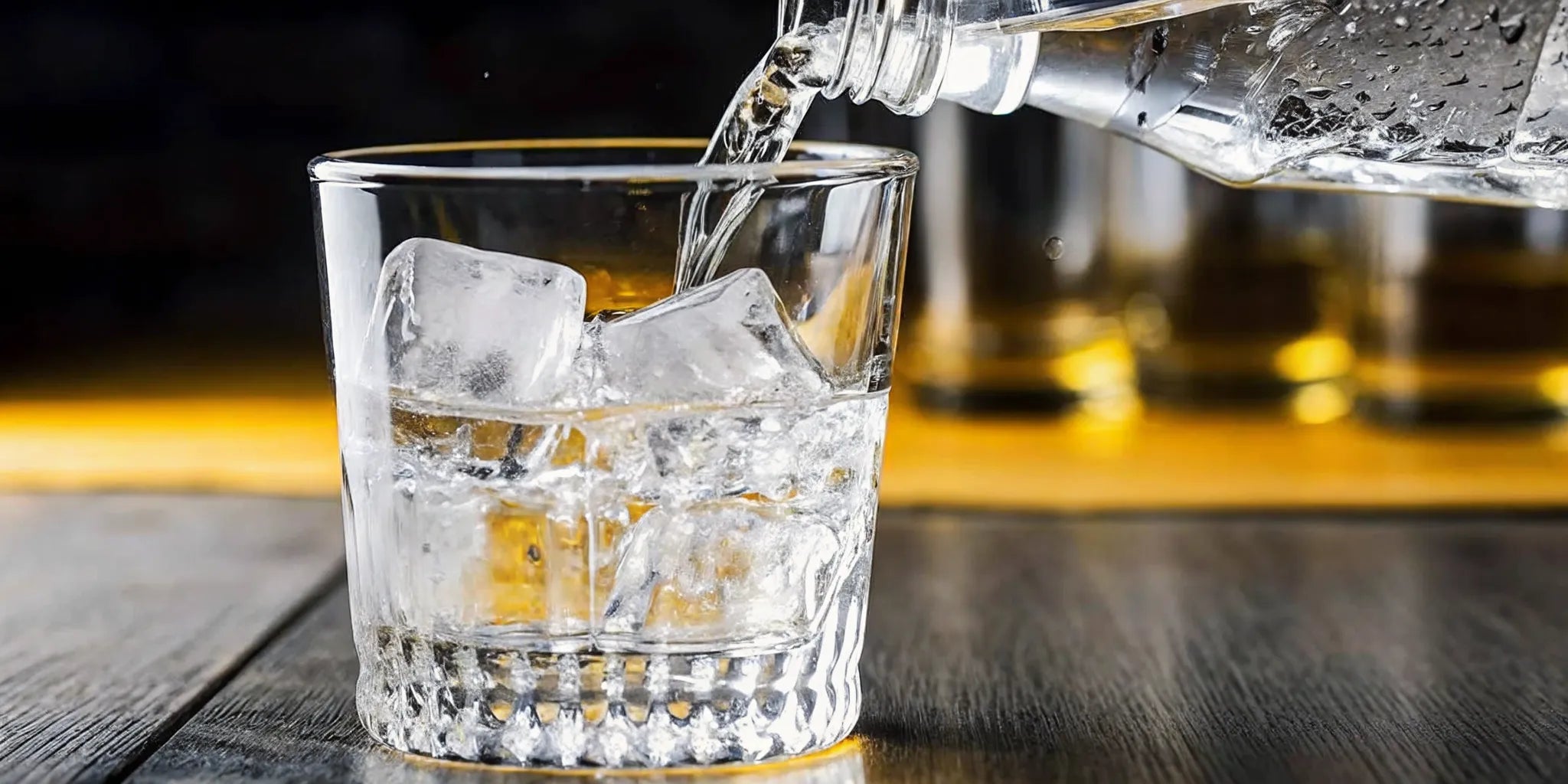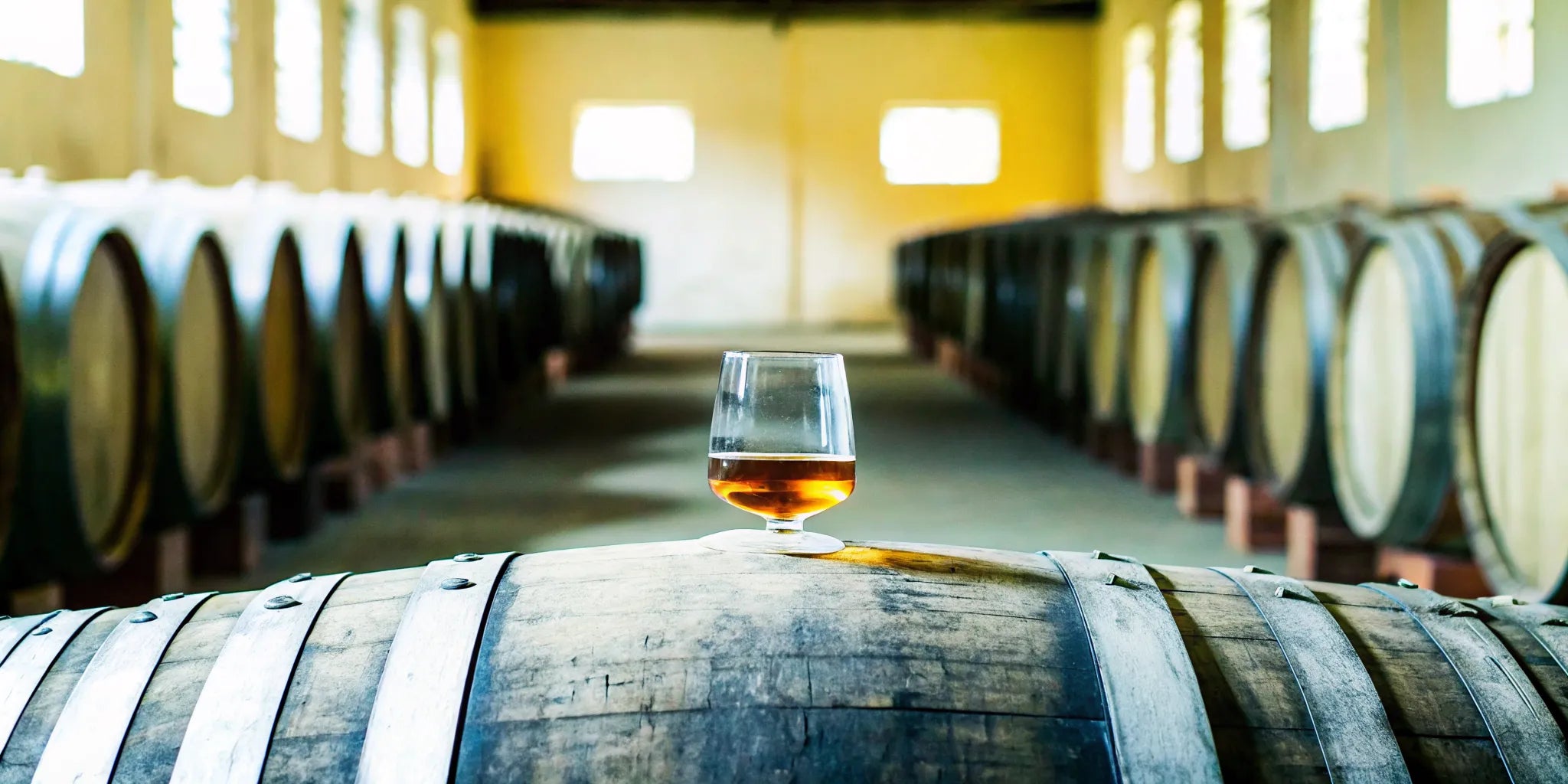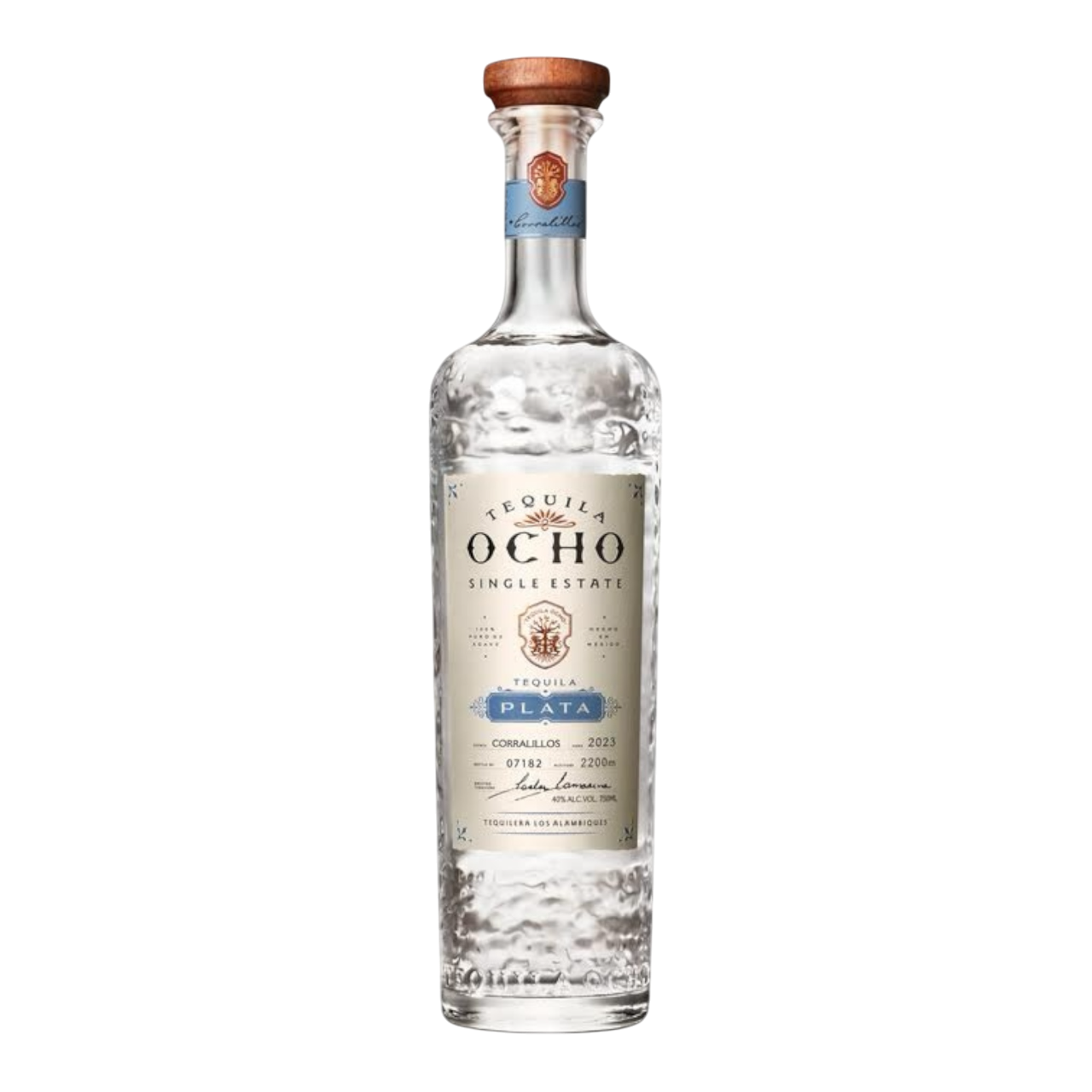
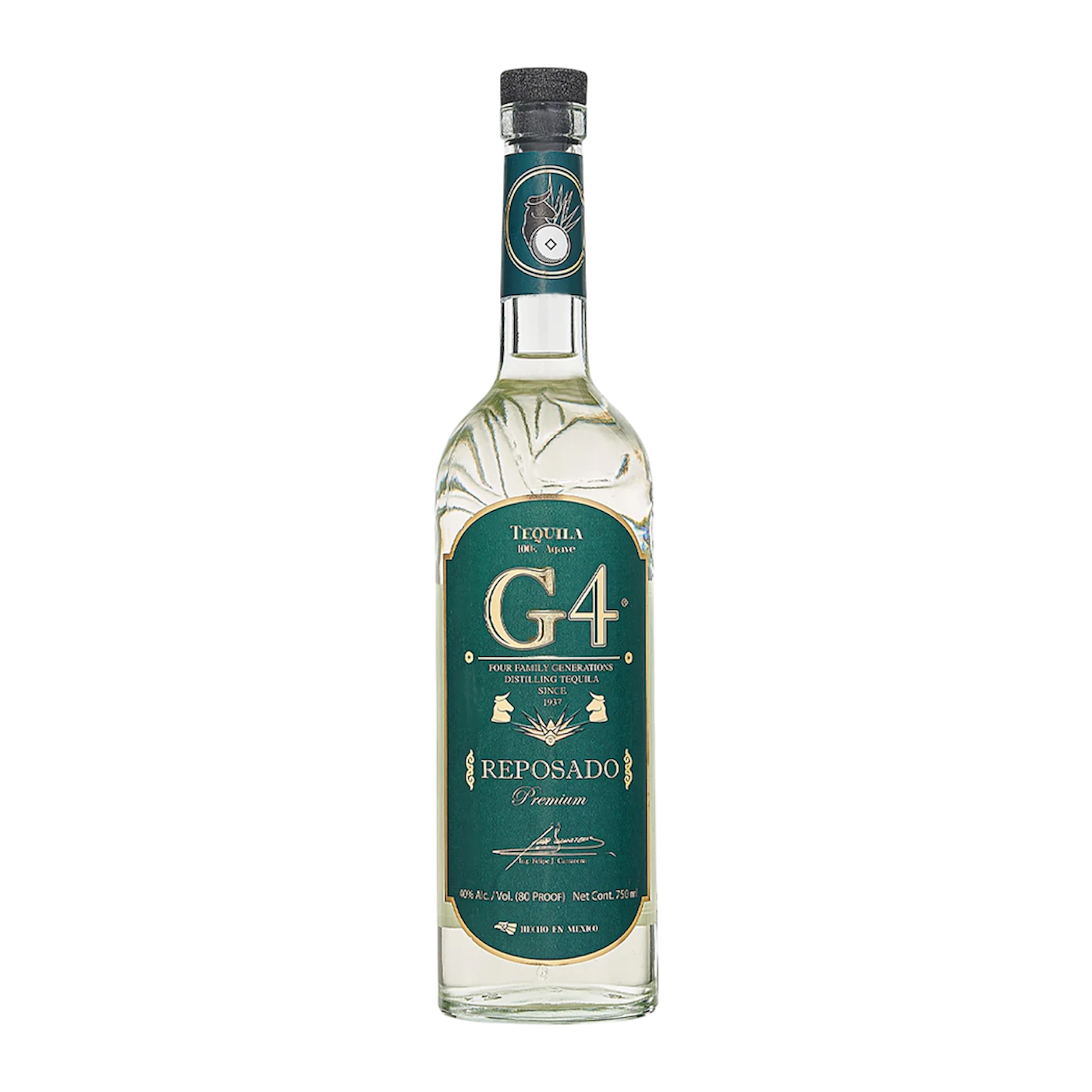
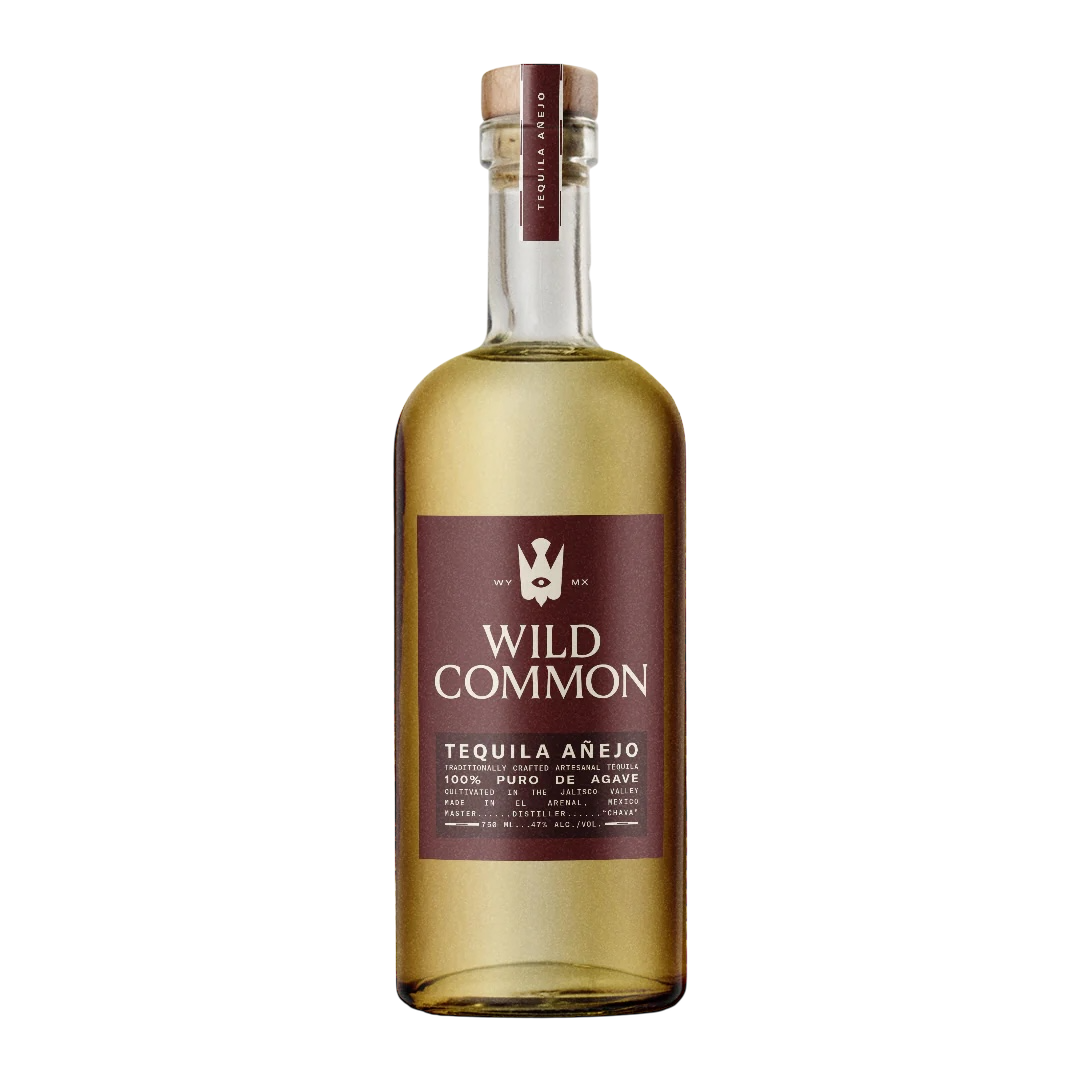
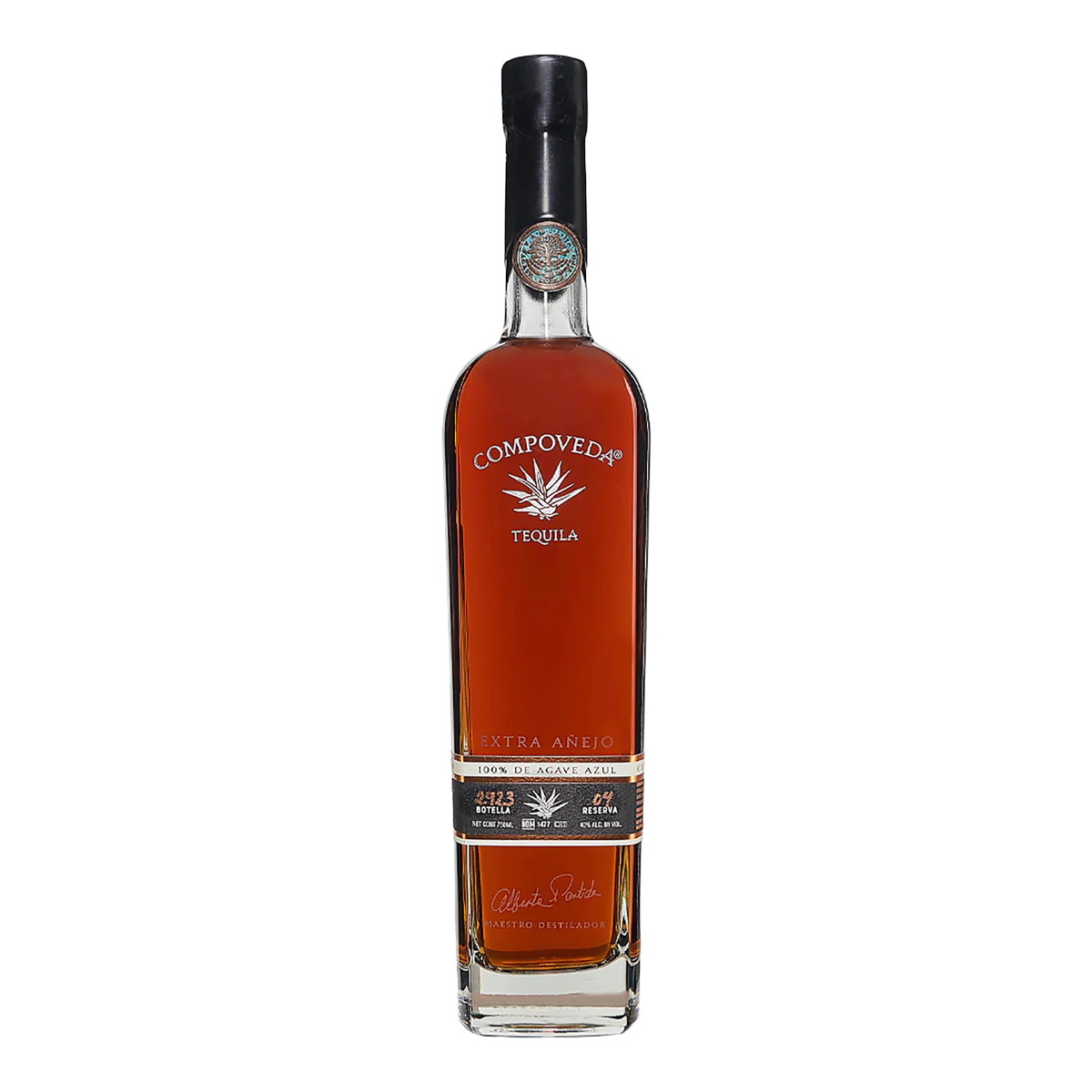
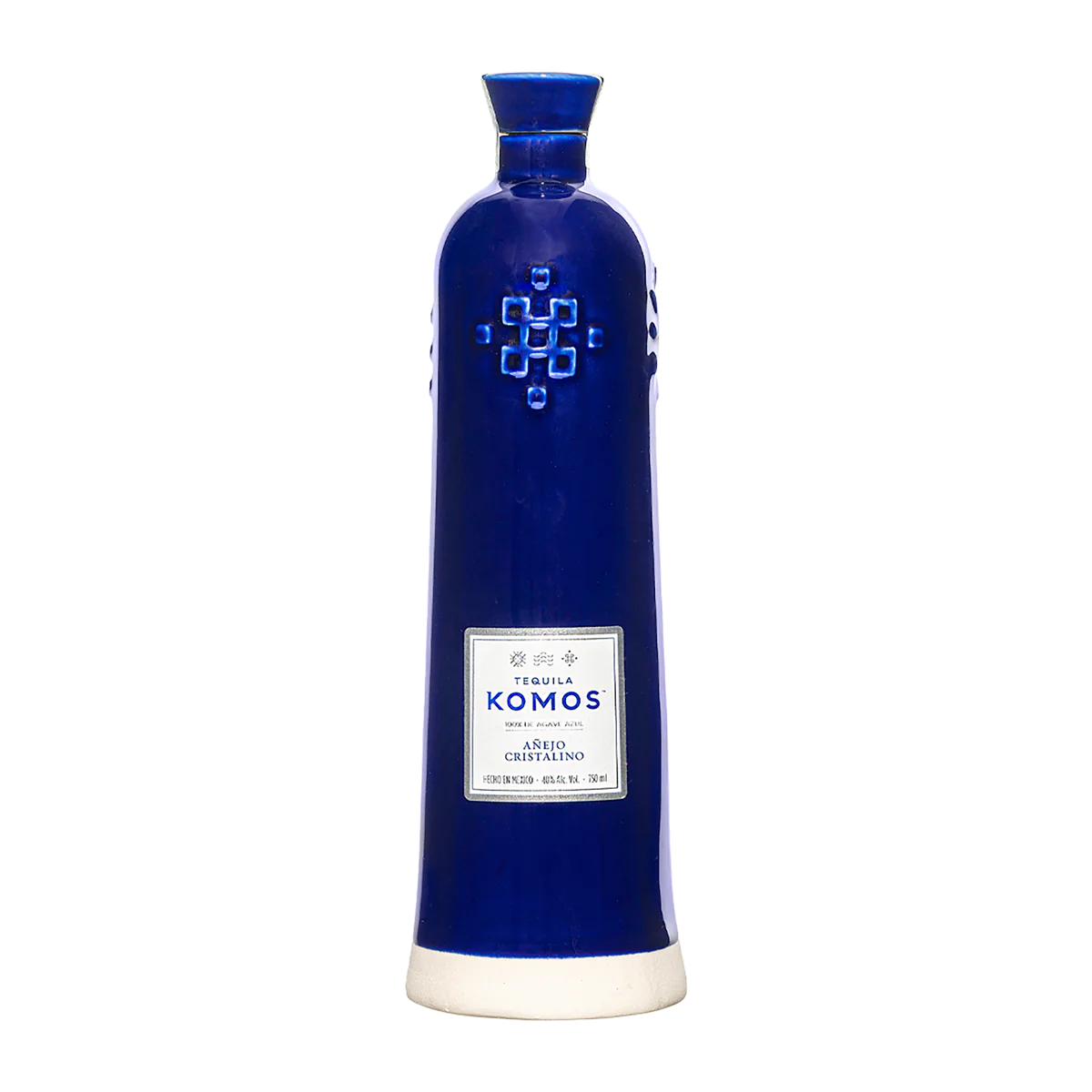
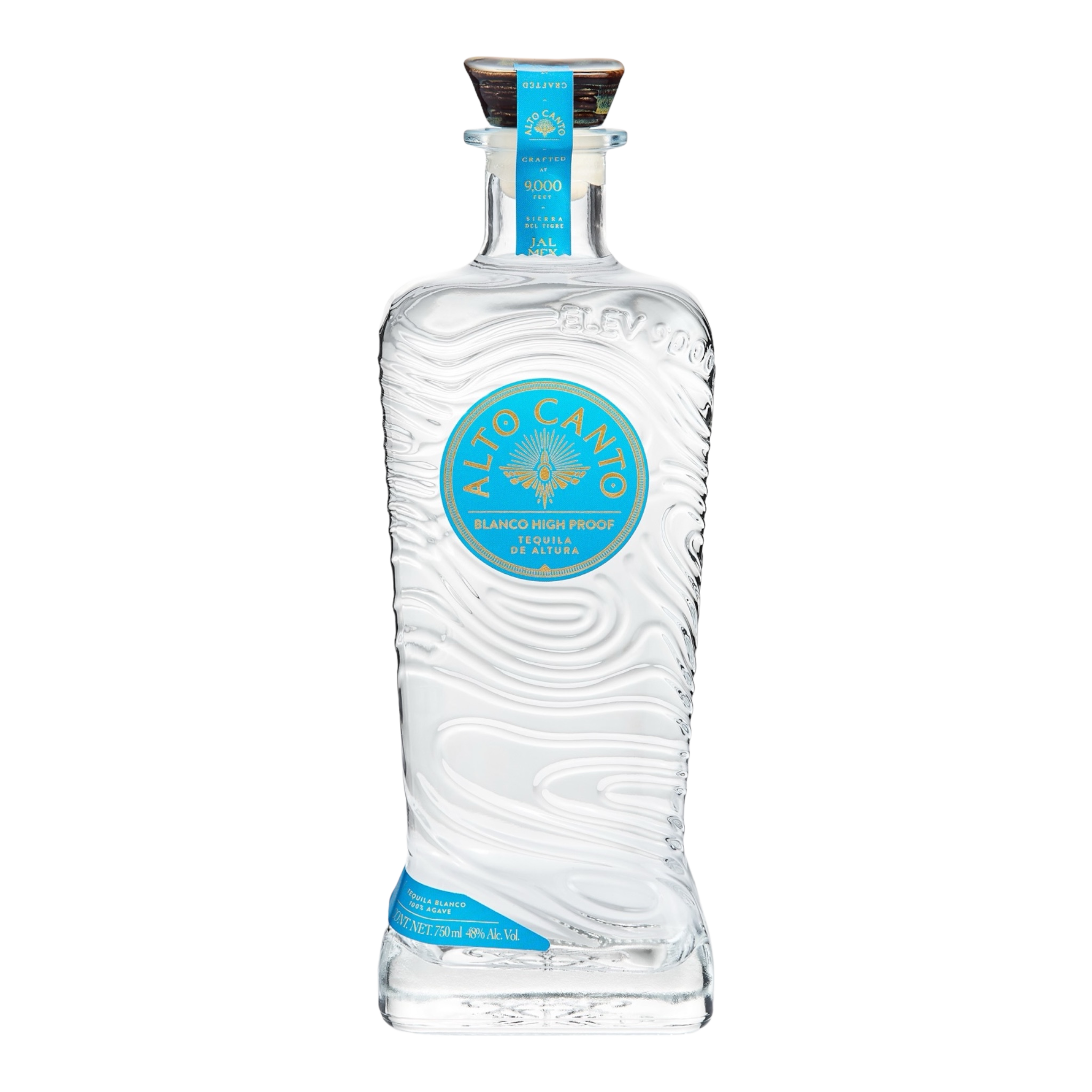



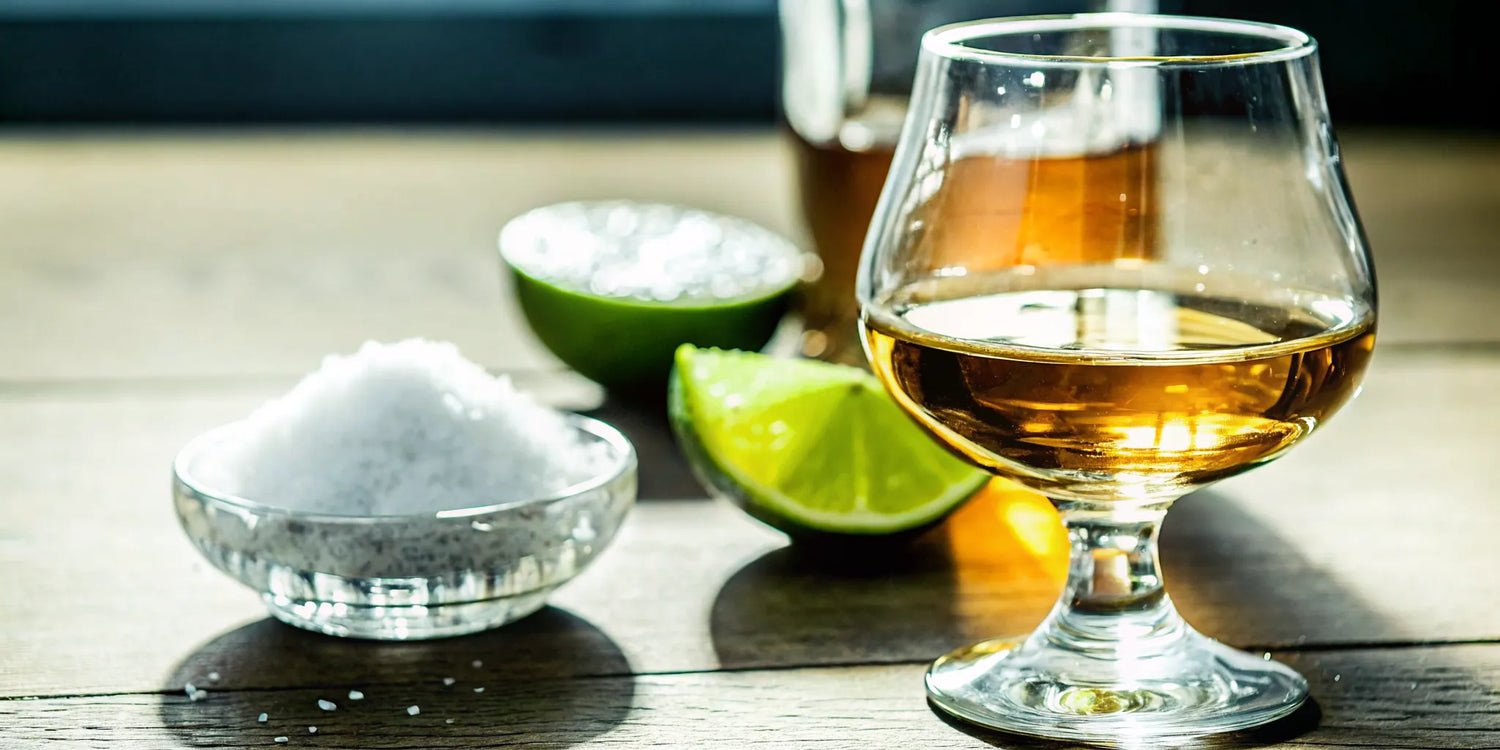
Tequila changes when you slow down. Instead of rushing through a shot, give the spirit a moment to show you its color, aroma, texture, and finish. A small pour, the right glass, and a relaxed setting are enough to turn a first taste into a useful lesson in agave craftsmanship.
To understand how to taste tequila, use the 5 S's: See the spirit's color and clarity, Swirl to release aromas, Sniff gently, Sip slowly, and Savor the finish. Taste at room temperature in a Riedel tequila glass or snifter when possible, then note what you find.
You do not need a trained palate or a crowded tasting table. Start with a few thoughtful sips, pay attention to what changes from the first impression to the finish, and let your own preferences guide you. Once you know what to notice, the difference between shooting and properly appreciating tequila becomes clear.
Why Sip, Not Shoot: The Case for Proper Tequila Tasting
A shot is over before tequila has a chance to show you what it can do. A slow sip gives the spirit room to open up, revealing aromas, texture, and layers that disappear when you rush it. That is the heart of Sip Tequila's approach: tequila should be sipped, savored, and understood, not treated as a one-second challenge.
The depth is worth your attention. One tasting reference identifies roughly 630 flavor profiles in tequila, compared with about 300 in a sophisticated red wine. You may notice cooked agave, citrus, pepper, herbs, vanilla, oak, or dried fruit, depending on the bottle and how it was made. You do not need a trained palate to find those differences. You only need to slow down and notice what reaches your nose and palate.
Start with what is in the bottle
Choosing 100% agave tequila is a useful first step. It is made from sugars derived entirely from blue Weber agave, which preserves a clearer expression of the plant and the producer's craftsmanship. Mixto tequila can blend agave sugars with other sugars, up to 49%, creating a different flavor profile. The distinction does not mean every mixto is meant to be tasted the same way, but it does matter when you want to explore agave character with precision.
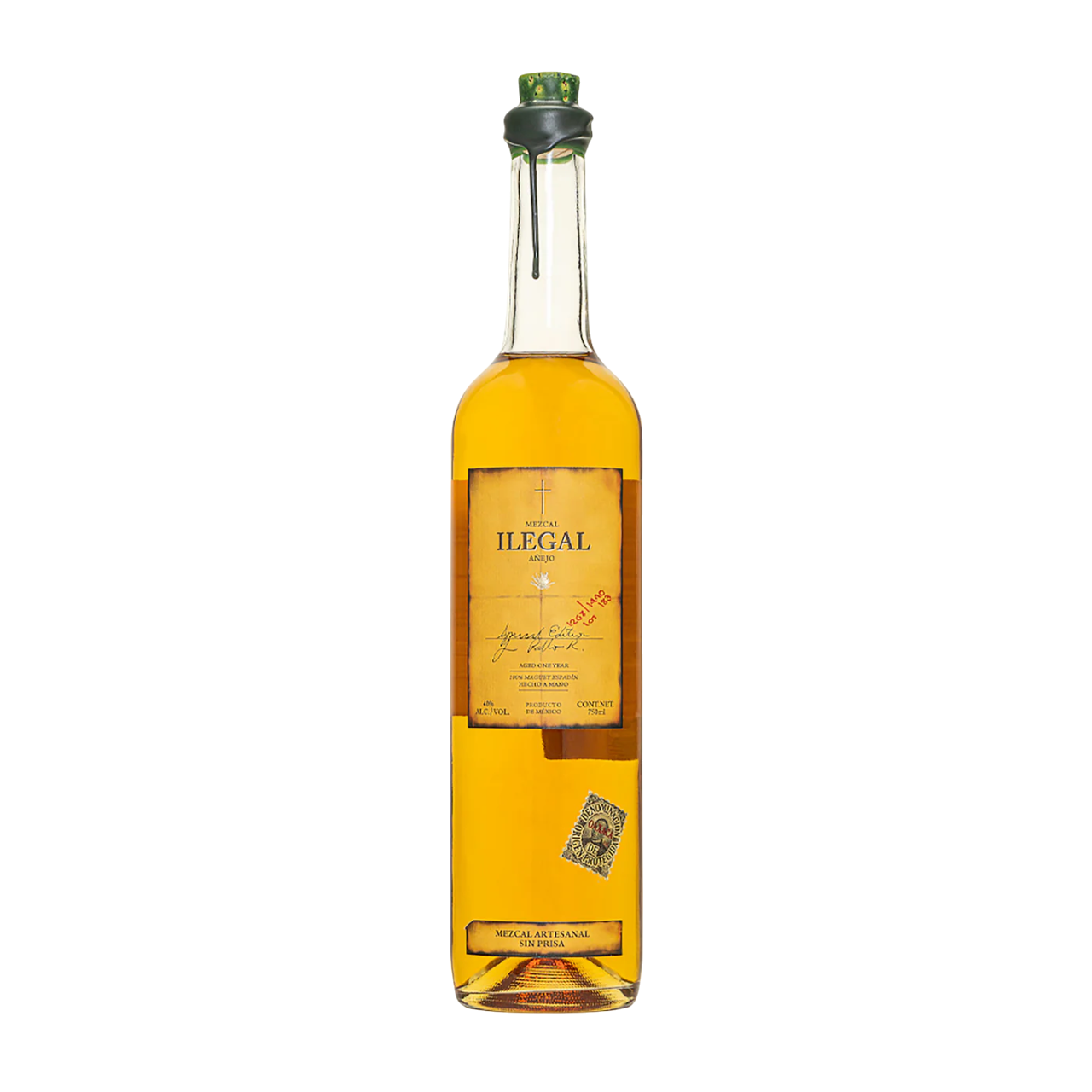
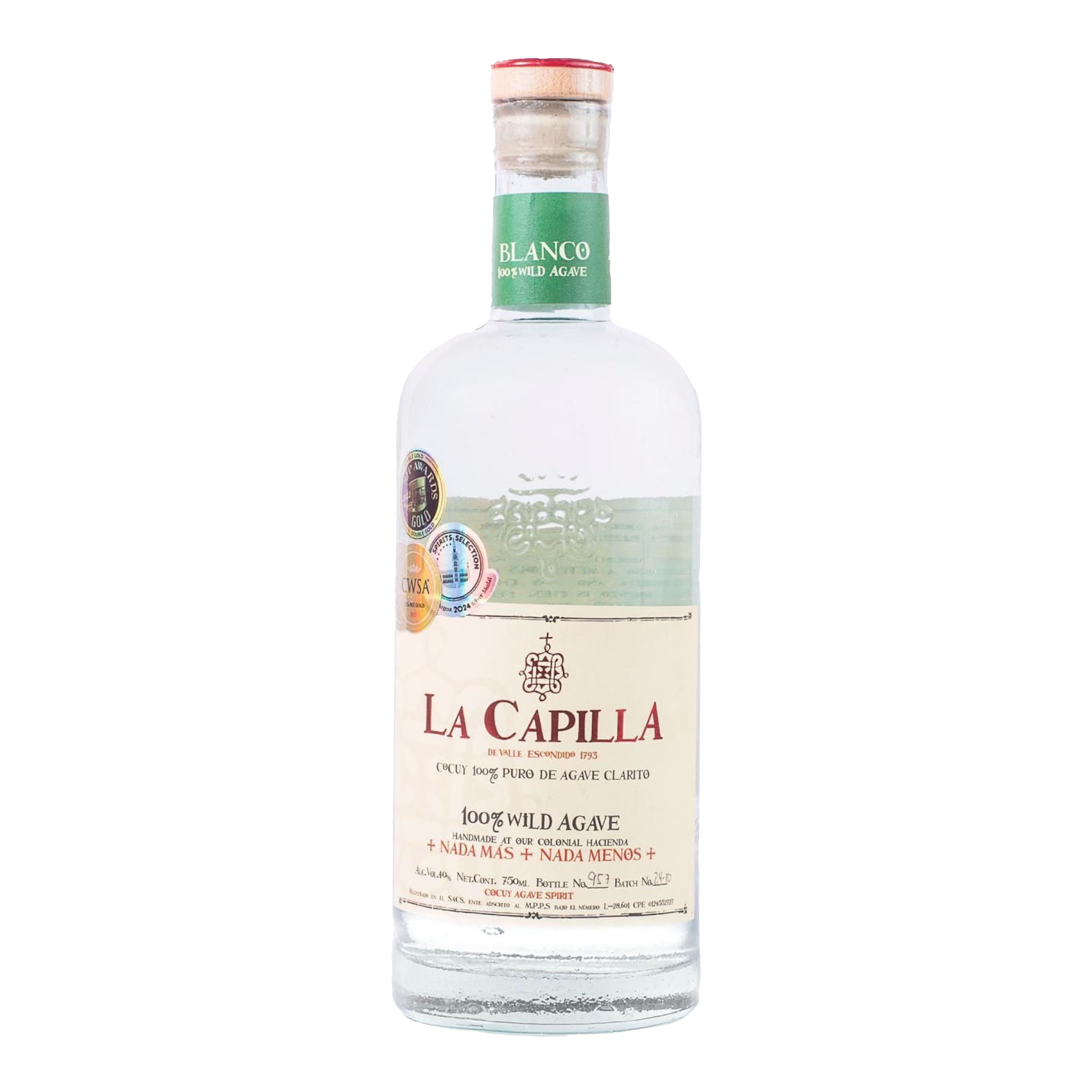
Purity is not a guarantee that every bottle will taste identical. Terroir, cooking, fermentation, distillation, and aging all shape the final spirit. Instead, 100% agave gives you a more focused starting point for comparison. Taste a blanco, then explore different expressions like blanco, reposado, and anejo to see how time and oak change the profile.
Pour a modest amount, take a small sip, and let the finish develop. The goal is not to identify every note perfectly. It is to build a better understanding of tequila, one thoughtful sip at a time.
Essential Tequila Tasting Equipment
You do not need a dedicated bar setup to taste tequila well. A few simple choices can make it easier to notice the spirit's aromas, texture, and finish instead of letting the alcohol dominate.
Choose a glass that brings aromas forward
Glassware is the most important piece of equipment. A Riedel tequila glass or a small snifter helps concentrate aromas near the rim, making delicate notes easier to identify as you smell. The narrower opening also directs those aromas toward your nose while you take small, gentle inhales.
A tulip-shaped glass is a strong alternative if you already have one at home. Avoid a wide tumbler when you are tasting for detail. It can still hold tequila, but its broad opening lets aromas disperse quickly. For a closer look at shapes and styles, read our complete guide to tequila glassware.
Pour less than you think
Start with a small pour, enough for roughly two to four sips. This gives you enough spirit to assess the nose, palate, and finish without overwhelming your senses. Tequila is typically bottled at 80 proof, so a large pour and deep inhalation can quickly oversaturate your nose. You are looking for clarity, not intensity.
If you are comparing several bottles, use the same pour size for each one. Consistency makes differences in aroma, flavor, and finish easier to notice. A small pitcher of still water can also help you reset your palate between pours, while a plain glass gives you a neutral option for tasting.
Keep the tasting at room temperature
Many connoisseurs prefer tasting tequila at room temperature because chilling can mute some of its aromas and flavors. Set the bottle and glass out for a few minutes before you begin. You can still enjoy tequila chilled in a cocktail or for casual sipping. But room temperature is the better starting point when your goal is to understand the spirit.
Finally, choose a relaxed space with minimal strong scents, such as candles, perfume, or cooking aromas. Your glass, pour, temperature, and surroundings should help the tequila speak for itself.
How to Taste Tequila with the 5 S's: A Step-by-Step Breakdown
The five S's give you a simple way to slow down and notice what is in your glass: See, Swirl, Sniff, Sip, and Savor. You do not need formal training. A quiet setting, a small pour, and a little attention are enough to turn a drink into a genuine tasting.
-
See
Start by holding the glass against a light background. Look at the tequila's color and clarity, then tilt the glass and watch how it moves. As the spirit runs back down the sides, you may notice "legs," or slender trails. They can add visual detail, but they are not a reliable measure of quality. Blanco may appear clear, while time in oak can give reposado and anejo a deeper tone. First, simply take in what is in front of you.
-
Swirl
Gently rotate the glass once or twice. This brings the tequila into contact with more air, helping release aromatic compounds. Keep the motion controlled, especially with a small pour, so you do not splash the spirit or overwhelm your senses. A stemmed tequila glass or snifter makes this easier by concentrating aromas near the rim.
-
Sniff
Bring the glass toward your nose and inhale lightly. Look for broad impressions first, such as cooked agave, citrus, herbs, spice, vanilla, or oak. Avoid taking a deep breath directly over the glass. Tequila is typically 80-proof alcohol, and a large inhale can oversaturate your nose before you have a chance to identify its finer aromas. Move the glass slightly away if the alcohol feels sharp, then try again with a gentler sniff. The goal is curiosity, not intensity.
-
Sip
Take a small sip and let it move across your palate. If this is your first taste, warm up your mouth with a little tequila first. Let that initial sip coat your lips. Then take another small sip and allow it to rest on your tongue for about five to six seconds, a technique described by TasteTequila. Notice the texture, sweetness, heat, and flavors as the spirit opens up. Small pours are ideal because two to four sips give you enough to assess the tequila without tiring your senses.
-
Savor
After you swallow, pause. What remains? The finish may be short and bright, or it may linger with notes of pepper, cooked agave, oak, fruit, or spice. Pay attention to how the flavor changes from the first sip to the last impression. This final step is where you form an overall judgment: Is the tequila balanced? Does the finish invite another sip? Jot down a few words if you are tasting several bottles. Over time, those notes help you remember what makes each expression distinctive.
What to Look For in Each Expression
Tequila expressions are not simply lighter or darker versions of one another. Time in oak changes the spirit, while the agave's soil, climate, and altitude can shape the character before aging begins. As you taste, notice how the aroma, texture, flavor, and finish develop from one expression to the next.
| Expression. | Aging. | Flavor Profile. | Best For. |
|---|---|---|---|
| Blanco | Typically unaged, or aged for less than two months in oak. | Earthy agave, spice, citrus, and a direct sense of terroir. | Understanding the base character of the agave and comparing distillery styles. |
| Reposado | At least two months, but less than one year, in oak barrels. | Agave balanced by subtle caramel, vanilla, and gentle wood notes. | A rounded pour that shows both fresh agave and the influence of oak. |
| Anejo | At least one year, but less than three years, in oak barrels. | Rich wood, warming spice, dark chocolate, and a deeper finish. | Slow sipping when you want a more layered, developed profile. |
| Extra Anejo | At least three years in oak barrels. | The most developed expression, with concentrated oak and mature spirit character. | Contemplative tasting and exploring extended maturation. |
Start with the aroma before deciding what you taste. Blanco may bring bright citrus or earthy spice, while reposado often softens those edges with caramel and vanilla. Anejo can move toward wood, spice, and dark chocolate as the longer oak rest adds depth. Extra Anejo is not automatically better, though. It is a different style, and its heavier maturation may appeal less if you prefer vivid agave.
There is scientific support for treating these categories as meaningfully different. Research has differentiated silver, aged, and extra-aged tequilas by their volatile compounds, including alcohols, esters, and furan derivatives. In practical terms, that means your sensory impressions are responding to measurable differences in composition, not just color or marketing. When learning how to taste tequila, compare expressions side by side and write down which aromas arrive first, how the texture changes, and how long each finish lasts.
Common Tasting Terms and Flavor Notes
Once you slow down, tequila gives you more to notice than heat. Start by asking what you smell and taste, then describe it in familiar terms rather than searching for a perfect answer. Agave sweetness may feel fresh and earthy, while pepper or spice can add a gentle tingle. Citrus notes bring impressions of lime, grapefruit, or orange. Vanilla and caramel usually suggest soft, rounded sweetness, while oak can add toast, wood, or baking-spice character.
Terroir matters, too. The soil, climate, and altitude where blue agave grows influence the plant and, ultimately, the tequila's flavor profile. That is one reason two bottles made in different places can taste distinct even when they share an expression. A blanco may show earthy, spicy, or citrus notes that keep the agave front and center. Reposado often develops subtle vanilla and caramel notes from oak, while anejo can lean toward wood, spice, and dark chocolate.
For a useful comparison, explore the different expressions like blanco, reposado, and anejo. Also check the label for "100% agave." That designation means the tequila is made from blue agave sugars without added sugars from other sources. Giving you a clearer baseline for evaluating flavor.
A quick glossary for tasting tequila
- Agave: Cooked, vegetal, earthy sweetness characteristic of the spirit's raw material.
- Spice: Pepper, chile, cinnamon, or warming sensations on the palate.
- Citrus: Bright impressions such as lime, grapefruit, or orange.
- Oak: Wood-derived notes that may suggest toast, vanilla, or baking spice.
- Minerality: A clean, stony, or flinty impression that can add lift and structure.
- Finish: The flavor that remains after swallowing. It may be short, medium, or long.
- Tasting notes: Your written record of aroma, flavor, texture, and finish.
Write down a few notes after each sip. Tasting notes help you remember what made one tequila different from another, and your vocabulary will become more precise with practice.
Building Your Home Tasting Flight
Once you understand the technique, put it into practice with a simple flight at home. Choose three or four tequilas that give you something meaningful to compare: a blanco, a reposado, and an anejo make an excellent starting point. If you want a fourth pour, add another blanco or a different aged expression to explore how production choices and terroir shape the experience.
Keep each pour small. A few sips per tequila are enough to evaluate the aroma, texture, flavor, and finish without overwhelming your palate. Arrange the glasses from the lightest expression to the richest, typically blanco first, followed by reposado and then anejo. That progression lets you notice how time in oak changes the spirit without letting a heavier pour dominate everything that follows.
Set the scene for comparison
A relaxed environment matters more than elaborate decorations. Use a clean table, good lighting, and room-temperature tequila so the aromas and flavors can show themselves clearly. A Riedel tequila glass or snifter-style glass helps concentrate those aromas. If you are serving several people, provide water and a plain palate cleanser, and give everyone space to taste at their own pace.
Taste, compare, and take notes
Work through the five S's with each pour: See, Swirl, Sniff, Sip, and Savor. Notice how the blanco may emphasize earthy, spicy, or citrus notes, while reposado can bring subtle caramel or vanilla from oak. Anejo often develops deeper impressions of wood, spice, or dark chocolate. Write down what you actually experience rather than searching for the perfect tasting vocabulary. Notes make it easier to remember which styles and producers you want to revisit.
For a more detailed setup, use this guide on how to build a tequila flight. When you are ready to choose your bottles, browse the Sip Tequila collection and build a lineup meant to be sipped, savored, and understood.
Frequently Asked Questions
What is the proper way to taste tequila?
Pour a small amount into a tequila glass or snifter, then follow the 5 S's: See the color and clarity. Swirl to open the spirit, Sniff gently for aromas, Sip slowly, and Savor the finish. Take your time between each step. The goal is to notice how the agave, barrel, and finish develop, not to rush through the pour.
Is tequila good for beginners?
Yes. Start with a smooth 100% agave expression and taste it at room temperature so its character is easier to assess. Blanco is a useful starting point if you want to experience fresh agave, citrus, earthy, or spicy notes. If those flavors feel bold, try reposado, which often brings softer oak, caramel, and vanilla notes.
Is tequila meant to be drank straight?
Tequila can absolutely be enjoyed straight, especially when you want to understand its aroma and flavor. Use a small pour, take a gentle sniff rather than a deep inhale, and let each sip rest on your palate for a few seconds. You can also add a few drops of water if the alcohol feels intense, or use the spirit in a carefully balanced cocktail.
What glass is best for a tequila tasting?
A narrow tequila glass or snifter is a strong choice because its shape concentrates aromas near the rim. A wine glass can also work if that is what you have. Choose a clear glass so you can observe the spirit, avoid filling it too high, and leave enough room to swirl without spilling. The best glass is one that makes it easy to smell and sip comfortably.
Ready to Explore Tequila with a More Discerning Palate?
Now that you know how to see, swirl, sniff, sip, and savor, the best next step is to taste a few expressions side by side. Notice how blanco, reposado, and anejo each bring a different balance of agave, oak, spice, and sweetness to the glass. Browse Our Tequila Collection to choose bottles for your next relaxed tasting.