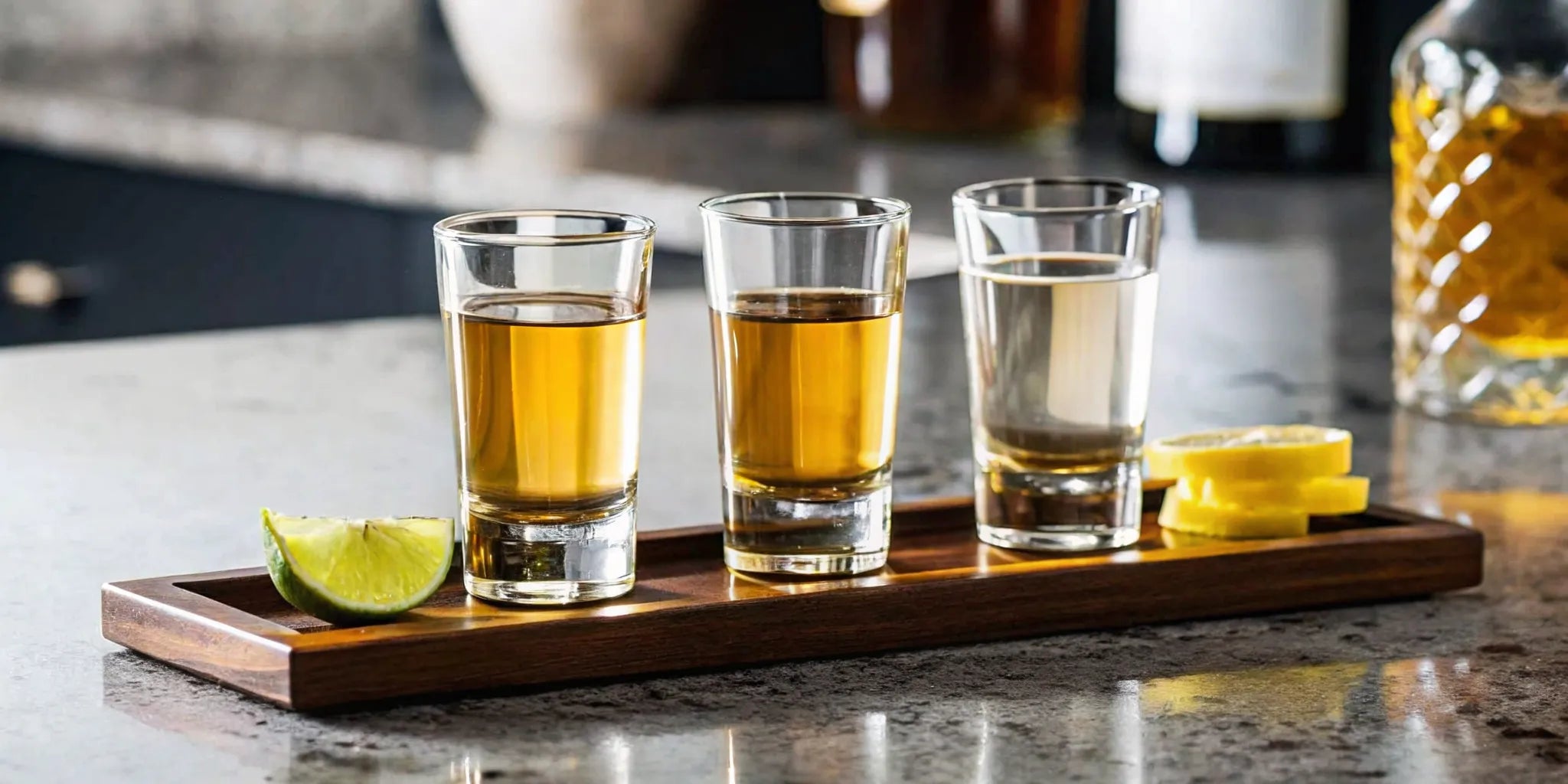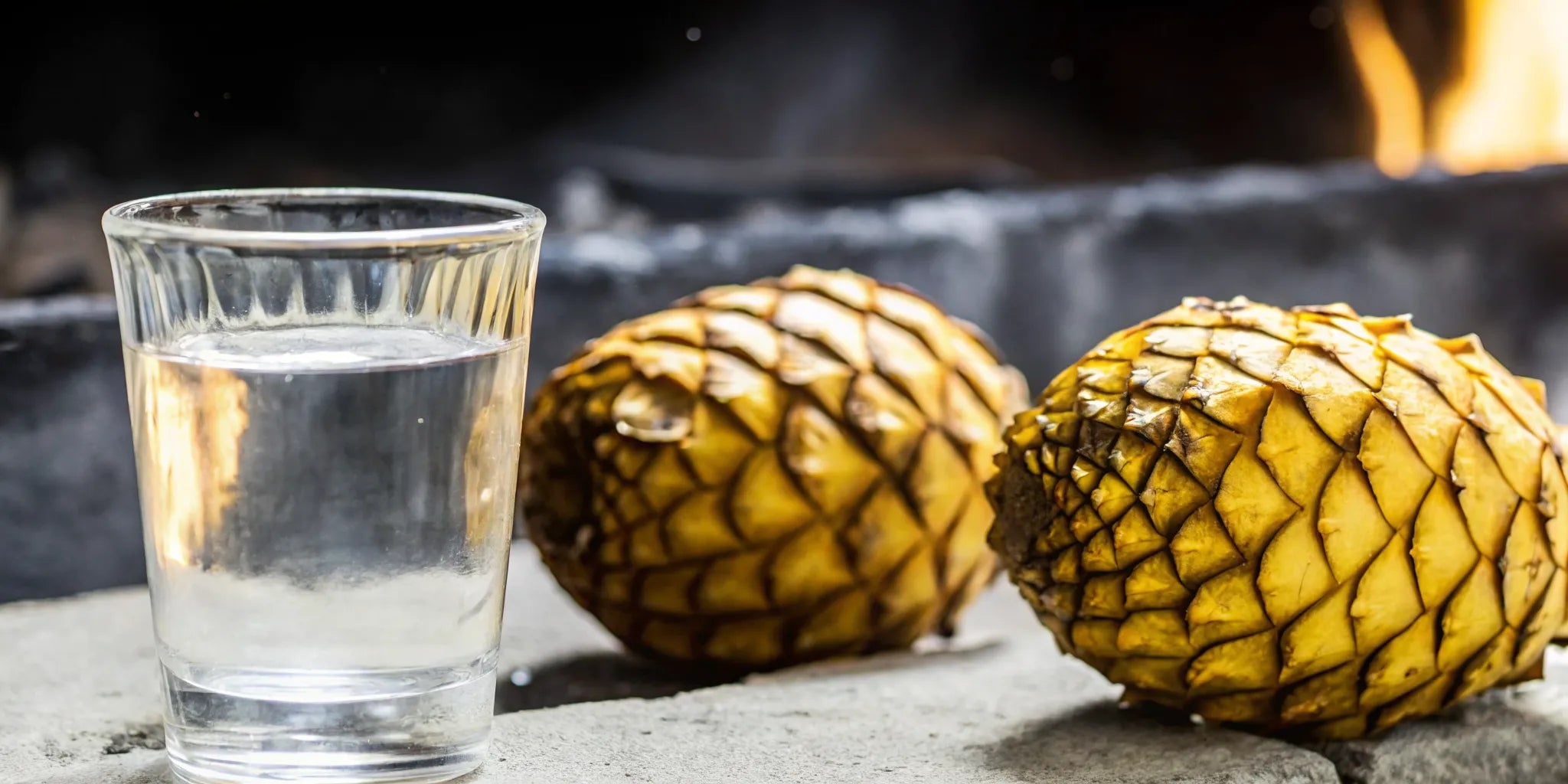




Two tequilas can share the same legal category yet taste strikingly different, and the extraction method is one reason why. Understanding diffuser tequila helps you connect production choices with the aromas, texture, and agave character you notice in the glass.
Diffuser tequila refers to spirits produced using an industrial extraction system that separates sugars from raw agave fibers before cooking occurs. While traditional methods rely on masonry ovens or autoclaves to soften the plant, a diffuser uses high-pressure water and sometimes acid hydrolysis to maximize yield and speed. This process is highly efficient but often results in a lighter, more neutral flavor profile compared to the deep, roasted notes found in artisanal production. Because labels rarely disclose the use of a diffuser, discerning drinkers must look for NOM distillery numbers or technical details to find traditional expressions. According to the Sip Tequila educational guides, understanding these production choices helps you identify the specific aromas and profiles that best match your personal palate.
You might notice a significant difference in how these spirits taste when compared side-by-side. To understand the debate around this method, we must look closer at the process. What is diffuser tequila?
What is diffuser tequila?
Diffuser tequila refers to spirits made with an industrial machine called a diffuser. In the world of agave spirits, this machine represents a major shift in how producers get sugar from the plant. While most people focus on how agave is cooked, the diffuser changes the extraction step. It is a high-tech tool built for speed and high output in a distillery.
How the machine works
A diffuser works by moving raw agave fibers through a long conveyor system. High-pressure water washes over the agave to pull out the sugars. This process is very different from traditional tequila production where agave is first cooked and then crushed. Instead of using heavy stone wheels or metal rollers to press the plants, the diffuser uses a steady stream of water to do the work.
The extraction sequence
In many diffuser setups, the agave is not cooked before the sugar is pulled out. Producers often use "raw agave extraction" to save time and energy. Once the liquid is collected, it must still be converted into sugar for fermenting. This is often done with heat or acid. According to the FDA, these types of processing aids are common in large-scale food and drink production. This industrial path lets a distillery process much more agave than masonry ovens can handle.
Focus on efficiency
The main goal of using a diffuser is to increase throughput. It can pull nearly all the sugar from the agave fibers, which leaves very little waste behind. This efficiency helps big brands keep up with global demand for spirit. While additive-free tequila often relies on slower methods, the diffuser is a choice for those who need to scale fast. It is a tool for volume, though the final flavor profile depends on many other steps in the process.
Diffuser vs. ovens and autoclaves
The choice between a diffuser and classic tools sets the stage for how agave turns into sugar. Ovens and autoclaves cook the plant before any juice is pulled out. This slow heat breaks down starches while creating the deep, roasted notes many people want in a fine spirit. In contrast, a diffuser system pulls raw starch from the plant with high-pressure water before the cook starts. This change in the first step is the main difference between these two paths.
Traditional cooking tools
Brick ovens use steam to bake agave for up to two days. This slow path helps the heart of the plant turn to sugar while adding flavors like cooked yam. Autoclaves work like large pressure cookers to do this task in about 12 hours. Both ways keep the agave fibers whole during the cook. This helps keep the natural oils that define the final taste. You can find many additive-free tequilas that use these old ways of making spirits at Sip Tequila.
How the diffuser works
A diffuser treats the agave like a crop in a factory. It shreds the raw agave and washes it with hot water to get the most sugar. Some plants might not be ripe when they enter this machine. Because the agave was never baked in a slow oven, the plant needs acid or high heat to finish the change to sugar later. This way is fast and gets more sugar from each plant. But it often misses the rich, earthy depth found in agave from an oven.
Cooking versus pulling juice
It helps to see the diffuser as a tool to pull juice rather than a tool to cook. In an old style shop, the cook happens first to unlock flavor. Then the mill gets the juice. With a diffuser, the juice comes out first and the change to sugar happens after. This flip is why the two ways create such different drinks. While one focuses on speed and more juice, the other focuses on the slow build of flavor through heat and time.
| Feature | Brick Oven | Autoclave | Diffuser |
|---|---|---|---|
| Cook Time | 24-48 hours | 8-12 hours | Under 4 hours |
| Flavor Type | Roasted, sweet | Clean, bright | Neutral, light |
| Agave State | Whole or halves | Whole or halves | Shredded raw |
| Main Goal | Flavor depth | Speed and flavor | High sugar yield |
The tool choice does not always mean one bottle is better. But it does change the soul of the drink. Shops using old ovens often want a bold, complex taste. Those using a diffuser may want a light style that works well in a mixed drink. Knowing these steps helps you see what to find when you read tequila tasting notes and labels. For more on food rules, you can check FDA guidelines and other gov sites.
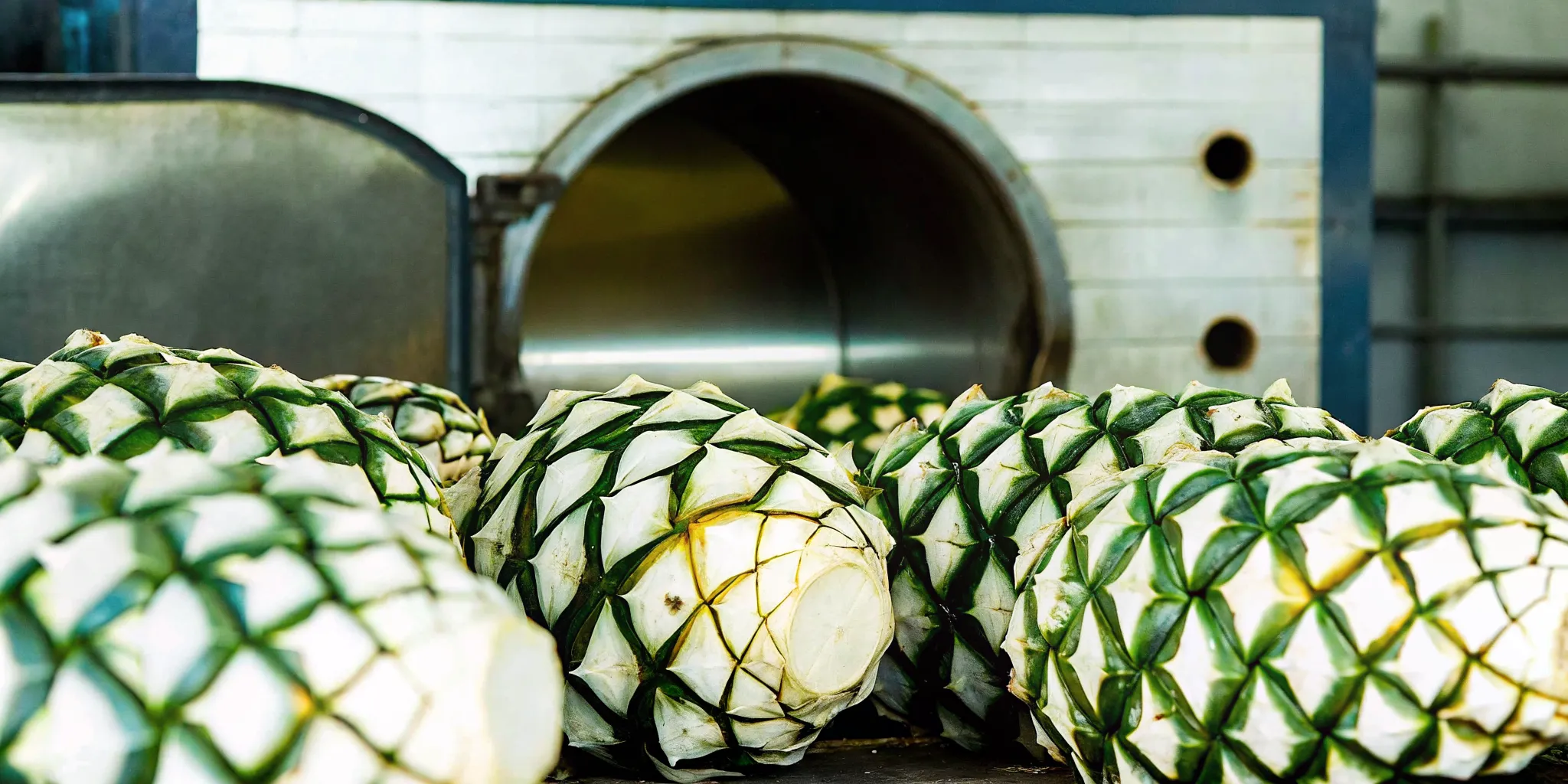
How does a diffuser fit into tequila production?
A diffuser is a big tool used to get sugar from agave. It replaces some old ways of making tequila. Many large brands use it to work fast and waste less. Most makers follow a set of steps to turn raw plants into the final drink.
Agave prep and sugar extraction
The first step is often different when using a diffuser. In old ways, the agave is cooked first. With a diffuser, the raw agave is often cut or shredded first. High pressure water then washes over the fibers to pull out the sugars. You can find more details on how makers pick their ways in our tequila education guide.
Turning starch to sugar
Agave has a lot of starch that needs to become sugar. Traditional ways use heat in a brick oven. A diffuser workflow might use acid or high heat to do this after the extraction. This part is called hydrolysis. It is a key part of the tequila production process and changes how the drink tastes.
- Milling and Extraction: The raw agave is crushed and washed with water to get the raw sap.
- Hydrolysis: The liquid is heated, often with acid, to turn starches into fermentable sugars.
- Fermentation: Yeast is added to the sweet liquid to turn the sugar into alcohol.
- Distillation: The liquid is boiled in a still to make the alcohol pure and strong.
- Maturation: Some tequila sits in wood barrels to add color and new flavors.
Distilling and aging the spirit
Once the sugar is ready, the rest of the steps look like other tequila ways. The liquid ferments with yeast and then goes through a still. The final spirit can be bottled right away or put into barrels. Many people look for additive-free tequila to find deep agave notes. You can read more about how labels work at fda.gov for food and drink rules.
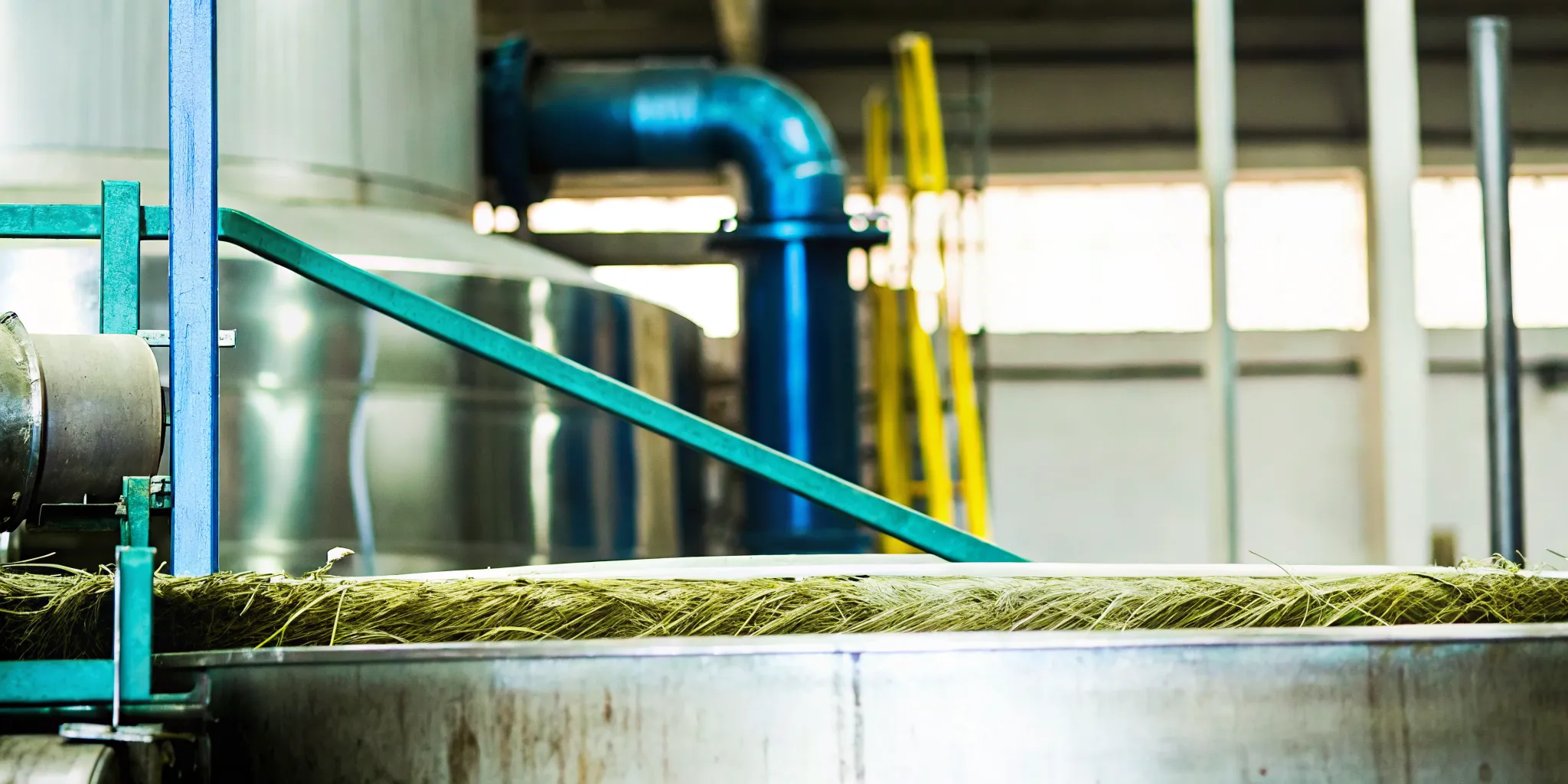
How can diffuser production affect flavor?
The way a spirit is made changes how it tastes. For diffuser tequila, the extraction step is the main shift. Old ways use heat to soften agave fibers. This turns starches into sugars. A diffuser often uses high-pressure water and acid to pull those same sugars out. This change in how we treat the plant can lead to a new flavor in the final glass.
Agave traits and cooked notes
Old-style tequila often has a deep, earthy taste from slow roasting. This creates rich honey notes that many fans love. A diffuser tends to strip away some of these bold agave traits. People often find these spirits have a lighter or more neutral taste. Some tasters say it lacks the deep flavor found in bottles from our additive-free collection.
Fermentation and still shifts
Each step after the extraction also helps set the final taste. The yeast used in the tank and the type of still used to finish the spirit shape the scent. Diffuser liquid might be very clean. But it can also miss the thick oils that come from fibers in the tank. This can lead to a drink that feels thin on the tongue. Makers may use water or barrel aging to build back some of that lost feel.
Why blind tasting helps
It is easy to guess based on a brand name. However, production facts are not always on the label. Results can vary a lot between plants. A blind taste test is the best way to judge a spirit without bias. You might find that some modern brands use a mix of ways to reach a flavor goal. You can find many rare and craft options at Sip Tequila to compare styles for yourself.
The CDC says that drinking less is key to safety, so always enjoy these spirits with care. Knowing how flavor forms helps you pick the right bottle. Whether you like the punch of a stone-milled blanco or the soft feel of a modern reposado, the choice is yours.
Why is diffuser tequila debated?
The use of a diffuser in tequila production is one of the most talked-about topics in the spirits world today. While it is a legal way to make tequila, it represents a major shift from the methods used for centuries. For many fans, the debate is not just about how the drink is made but about what the spirit should represent. You can learn more about these different styles in our educational tequila guides. The discussion usually focuses on how this modern system affects the heritage, flavor, and transparency of the final product.
Heritage and craft vs efficiency
Traditional tequila starts with cooking agave hearts in brick ovens or autoclaves. This slow process turns starches into sugars while adding deep, roasted flavors. A diffuser changes this order by using high-pressure water to pull sugars from raw agave before any cooking happens. This industrial system is built for high speed and can process much more agave in less time than older methods. According to industry standards, a diffuser is an industrial extraction system used to separate fermentable material from agave fibers. This efficiency helps brands meet global demand, but critics argue it strips away the artisanal soul of the craft.
For those who value tradition, the concern is that speed replaces the skill of the master distiller. Brick ovens take days to cook agave, while a diffuser can finish the task in hours. Many collectors look for brands that stick to time-tested ways of working. You can explore our additive-free tequila collection to see brands that often focus on these traditional steps. While the efficiency is a win for large-scale logistics. It creates a divide between those who see tequila as a cultural heritage and those who view it as a modern commodity.
Impact on flavor profiles
Flavor is where most drinkers notice a difference. Because a diffuser extracts sugars from raw agave, the resulting liquid lacks the caramel and earthy notes that come from roasting. Some describe the taste of diffuser tequila as lighter or more neutral, almost like a vodka made from agave. This consistency is a goal for many large brands that want every bottle to taste the same. However, the lack of natural complexity can lead some producers to use additives to mimic the taste of aged wood or cooked agave. It is important to know that additive use and diffuser use are separate questions, though they are often linked in consumer minds.
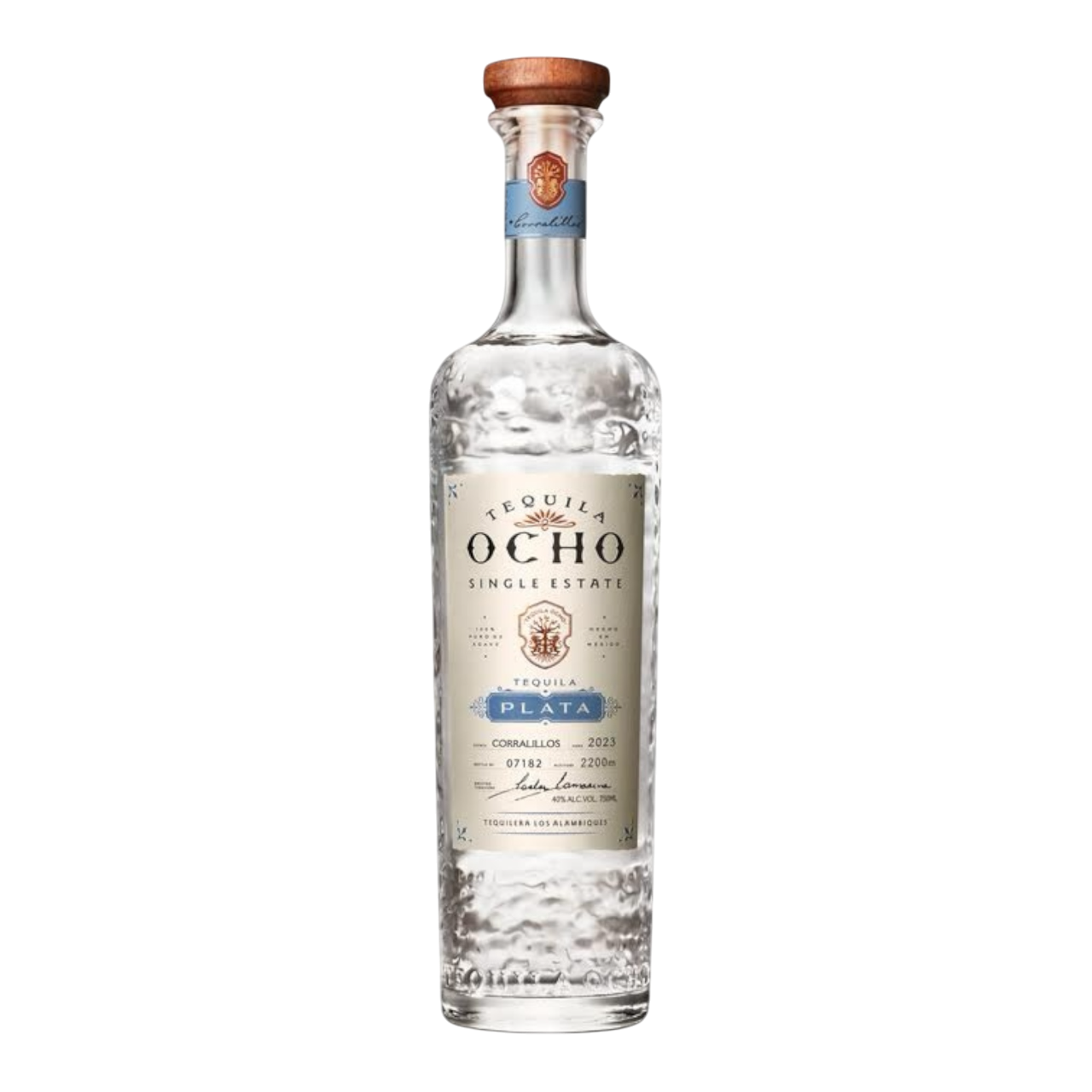
The sensory result of using a diffuser varies between distilleries. Some use a "partial diffuser" method or blend different lots to reach a specific goal. Blind tastings often show that results are more nuanced than a simple "good vs bad" label. For a deep dive into how production shapes taste, check out the detailed notes on Tequila Ocho Reposado, which highlights the impact of specific fields and methods. When the natural flavors of the agave are muted by the extraction process, the role of the blender becomes even more vital to the brand's identity.
The question of transparency
A major point of frustration for enthusiasts is that labels do not have to disclose how the tequila was made. A bottle can state it is "100% agave" without mentioning the use of a diffuser. In the current market, authenticity and disclosure are top concerns for shoppers. A NOM number on the bottle identifies the certified distillery but does not list every machine used in the plant. This lack of clear info makes it hard for buyers to know exactly what they are getting unless they do deep research on their own.
The debate over diffuser tequila is likely to continue as more people become curious about where their drinks come from. Brands that are open about their process often build more trust with the community. Whether someone prefers the clean profile of a modern spirit or the rich depth of a traditional one, having the facts helps them choose. At Sip Tequila, we aim to remove the guesswork by providing the education needed to find the perfect bottle for your palate.
Can you identify diffuser tequila from the label?
Finding diffuser tequila on a store shelf is a tough task. Most bottles do not list the tools used to cook or mill the agave. This lack of data makes it hard for fans to know what they are buying. But you can find a few clues if you know where to look. You must learn to read the small print to find the truth about your spirit.
The 100% agave claim
Many shoppers look for the words "100% de Agave" on a bottle. They think this tag means the tequila is high quality or made in a classic way. In truth, this label only tells you about the sugar source. It means the plant used only agave plants for the sugar. It stops them from adding cane sugar or corn syrup. But it does not block the use of a diffuser. A brand can use a diffuser to pull sugar from the plant and still call it 100% agave. This rule is about the source, not the method. You can see how we rank these spirits in our tequila learning guides.
Reading the NOM code
Every legal bottle has a NOM. This is a four-digit number that shows the plant where the spirit was made. You can usually find it on the back label near the CRT stamp. The NOM is a great tool for smart buyers. It lets you see which brands share a distillery. Some plants use a diffuser for every brand they make. Others might only use it for high-volume orders. By looking up the NOM, you can find the name of the maker. Then you can check if they use modern or old-school tools. This is a key step if you want to find a tequila with no additives.
Additives and extraction
Some people confuse the use of a diffuser with the use of additives. These are two distinct things. A brand might use a diffuser but add nothing to the final spirit. Another brand might use a brick oven but use syrup or oak extract to change the flavor. The label rules for 100% agave still allow for small amounts of additives in some cases. This makes it even harder to judge a bottle by its cover. You must treat the use of a diffuser and the use of additives as two different parts of the craft. They both change the flavor, but they do it in different ways.
Current laws do not force brands to say if they use a diffuser. The label is a legal tool, but it is not a full story. Most big brands want to focus on their history or the soil. They rarely talk about the tech in their plant. This means the label often stays silent on how the agave was made. To find the truth, you have to look past the bottle. You should check the track record of the plant. While the label gives you the basics, the real details often live in the distillery records. You can use these clues to help your search:
- Check the NOM against a list of known diffuser plants.
- Look for brands that are open about their cooking methods.
- Test the flavor to see if it lacks the deep notes of roasted agave.
How to shop with production methods in mind
Choosing a bottle based on how it is made helps you find flavors you love. While many brands look the same on the shelf, their paths from agave field to glass are quite different. Learning to spot these paths allows you to shop with more intent and less guesswork. You can start by checking the Sip Tequila education guides to see how specific brands handle their agave. This knowledge helps you choose spirits that match your own style and palate.
Check the distillery and NOM
Every bottle of tequila has a four-digit code called a NOM. This number tells you which distillery made the spirit. You can find this on the back label or near the bottom of the bottle. Some distilleries use old tools like brick ovens and stone mills. Others use modern machines to speed up the work. Knowing where your tequila comes from is the first step in seeing if a brand fits your taste. You should look for brands that share their full process online or on the label. This makes it easier to find makers who value craft.
Look for additive free labels
Many people who avoid diffuser tequila also look for spirits without extras. Additives like caramel color or syrup can change the natural taste of the agave. While a diffuser strips away flavor, additives often try to put it back in. Shopping our additive-free collection is a great way to ensure you are tasting the plant itself. This is helpful if you want a spirit that stays true to traditional craft. Check labels for clear signs that the maker does not use these fillers. Many top makers now use these labels to show their work is pure.
Compare the taste of different tools
The best way to learn about production is to taste the results. Try a tequila made with a diffuser next to one made with a stone mill. You might find that the diffuser version is very light and clean. The stone mill version might have more earth or spice notes. This hands-on research helps you decide which method you like best for sipping or mixing. You can find many options to try on our premium product pages where we list tasting notes. Trust your own palate as you explore the world of agave spirits. Your own taste is the most important guide when you shop for new bottles.
Frequently Asked Questions
What is diffuser tequila?
Diffuser tequila is a spirit made using an industrial system to extract sugars from agave fibers. Unlike traditional methods that roast agave in brick ovens, a diffuser uses hot water and high pressure to strip starch from the raw plant. According to Mezcalistas, these machines can capture up to 99 percent of the agave sugars, making them highly efficient for large scale production.
How can you tell if a tequila is made with a diffuser?
Most bottle labels do not state if a diffuser was used during production. You can check the NOM, which is a four digit code on the back of the bottle that identifies the distillery. While the NOM alone does not prove the method, sites like Tequila Matchmaker track distillery equipment to help buyers find traditionally made spirits that avoid industrial extraction.
Does diffuser tequila have a different taste?
Many fans find that diffuser produced tequila has a more neutral or thin flavor compared to artisanal brands. This happens because the quick extraction can miss the deep, earthy notes created by slow roasting. Some makers may use additives like glycerin or sweeteners to build back the body and flavor profile that the industrial process strips away during sugar extraction.
Is diffuser tequila still real tequila?
Yes, spirits made with a diffuser are legally classified as tequila as long as they meet the standards set by the CRT. The use of this equipment changes the extraction stage but does not disqualify the final product from the tequila name. However, drinkers who value heritage often prefer traditional production because it relies on mature agave and slow cooking rather than industrial machines.
Are additives always used in diffuser tequila?
While many industrial brands use additives to enhance flavor, a diffuser and additives are two separate things. A brand could use a diffuser for efficiency and still choose not to use sweeteners or coloring. However, the light flavor profile of diffuser spirits often leads producers to use additives to create a consistent taste that appeals to a wide range of casual drinkers.
Ready to explore traditionally made tequila?
Production methods are one useful lens, but the best bottle is ultimately the one that suits your palate. Compare tasting notes, learn about the distillery, and explore transparent producers to discover the agave character you enjoy most.
You should not have to guess which brands use real craft and which ones take short cuts now. We help you find the best bottles that pass our high tests for craft and taste. Ready to explore? Explore Sip Tequila's curated tequila collections to find your next top bottle of tequila and start your taste test today.