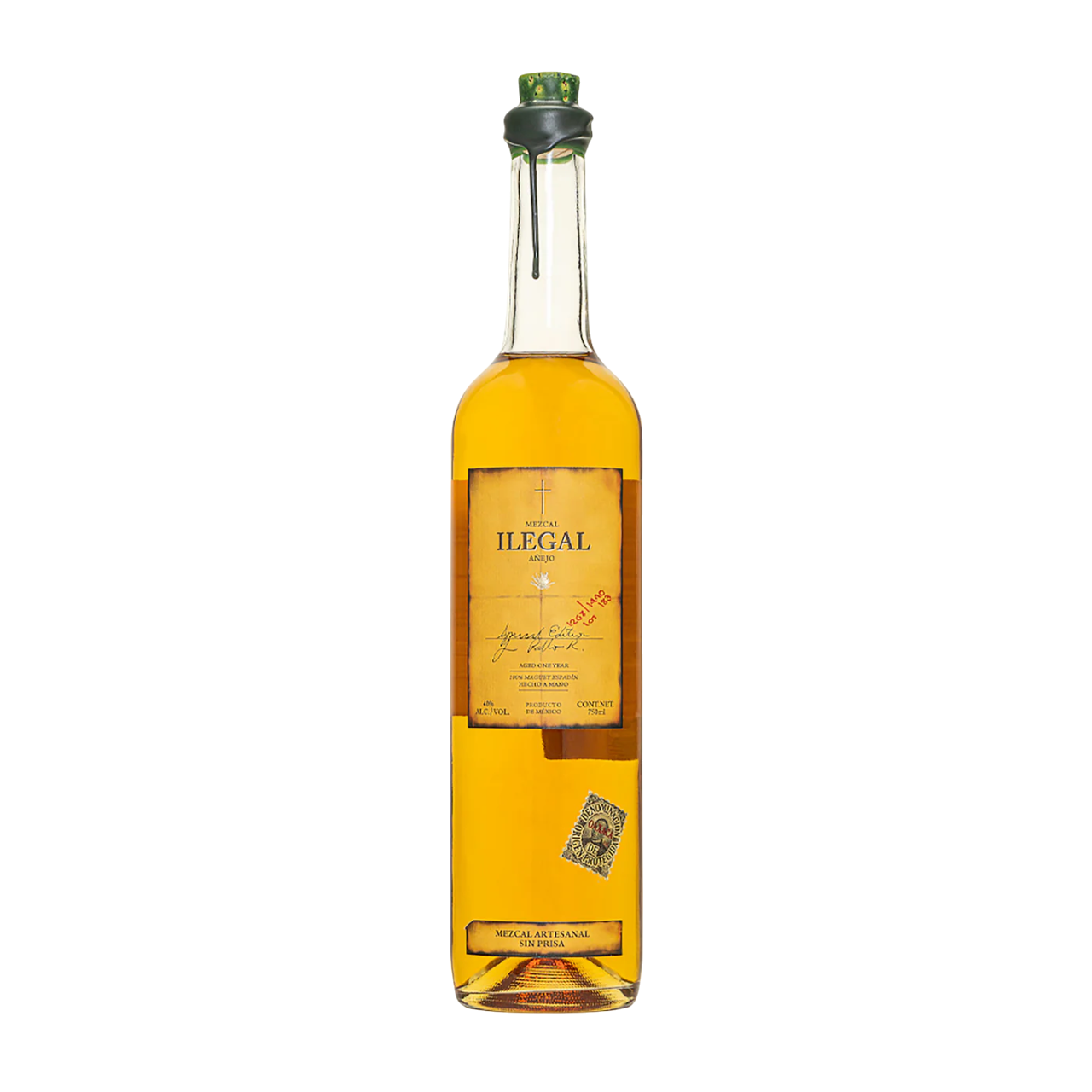
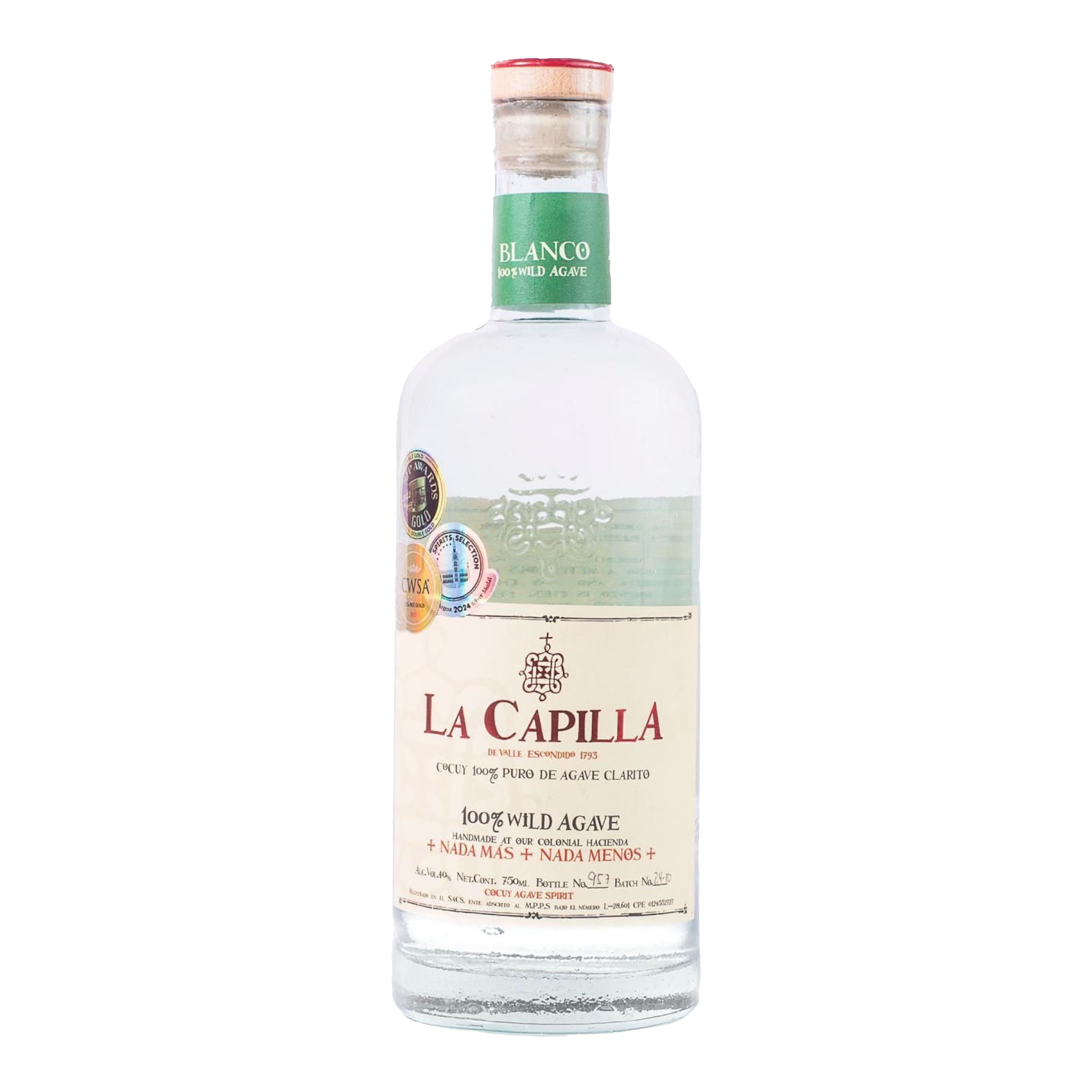



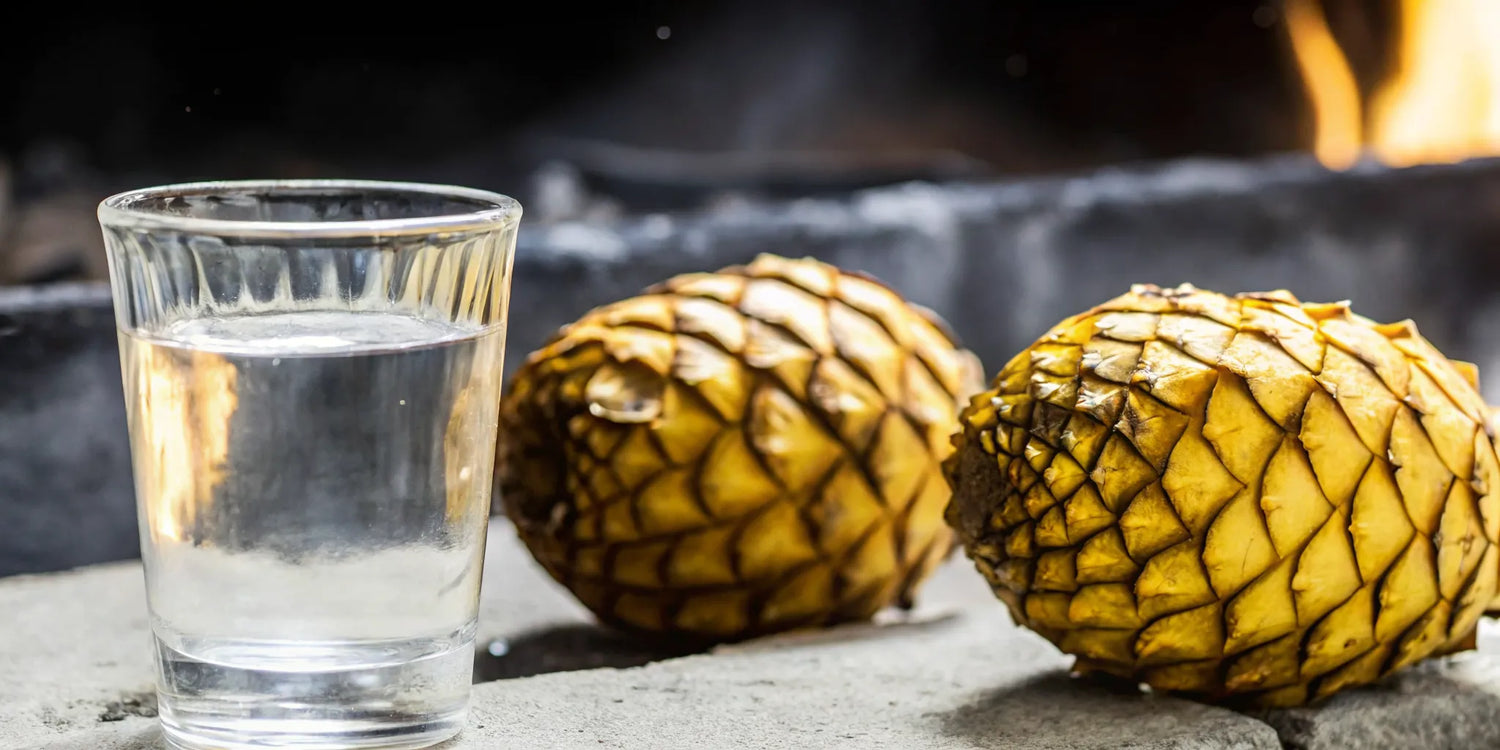
Espadin mezcal is the benchmark for understanding how agave, roasting, fermentation, and distillation shape a finished spirit. Because Espadin is cultivated widely, shoppers can compare producer choices without the scarcity premium associated with many wild agaves.
Shop Sip Tequila's mezcal and other spirits collection.
Espadin mezcal is a spirit made from the Agave Angustifolia plant, which is the most common type grown in Oaxaca. This agave is popular because it is easy to farm and has a high amount of sugar for fermentation. As stated by University of California experts, it is the main agave used for mezcal due to how well it grows. The flavor usually features a mix of sweet roasted agave, citrus, and a light earthy smoke. Since it takes about ten years to grow, the plant develops deep flavors that work well in any drink. It serves as the industry standard and shows what a traditional agave spirit should taste like.
To pick the right bottle, compare the producer, place of origin, cooking method, fermentation vessel, still type, and proof. These details reveal far more than a generic smoke descriptor.
What is Espadin mezcal?
Espadin is the most common agave used to make mezcal today. Botanists call this plant Agave Angustifolia, but most people know it by its narrow, sword-like leaves. It is a tough plant that grows well in many soil types and climates across Mexico. Because it is easy to farm, it has become the base of the craft spirit world. It offers a clear look into the traditions of agave spirits without the high price of rare, wild plants.
The workhorse of the agave world
Espadin is popular because it works well for both farmers and makers. It has a high sugar content. This helps it turn into alcohol more easily than other types. According to the University of California, its use in farming makes it the top agave for mezcal. While some agaves only grow in the wild, farmers can plant Espadin in rows and care for them over time. This steady supply means you can find great bottles that show off the maker's skill and the local land.
A long road to harvest
Even though it is easier to grow than wild agaves, Espadin still takes a long time to reach peak flavor. A single plant generally matures over a period of 8 to 12 years. During this time, the plant stores water and energy in its thick leaves to survive in dry areas. When it is ready, the maker cuts away the leaves to find the heart, or piña. These large hearts are full of the starches needed for fermentation. You can learn more about how to find these flavors in our guide on tasting notes of Espadin.
Flavors you can expect
What does Espadin taste like? Most people find it very easy to drink but still full of depth. It often has a balanced mix of light smoke, bright citrus, and fresh herbs. Since it is used so widely, it serves as the benchmark for all other mezcals. It is the perfect starting point if you are new to this drink. Many fans enjoy sipping Espadin mezcal neat to catch every scent. Whether it comes from a clay pot or a copper still, this spirit tells the story of the ground where it grew.
Why is Espadin the most widely used mezcal agave?
Espadin dominates mezcal production because growers can cultivate it reliably, its mature pinas provide fermentation-ready carbohydrates, and its neutral-to-expressive range makes production choices easy to compare. That combination matters more than a simplistic claim that the plant is merely easy to grow.
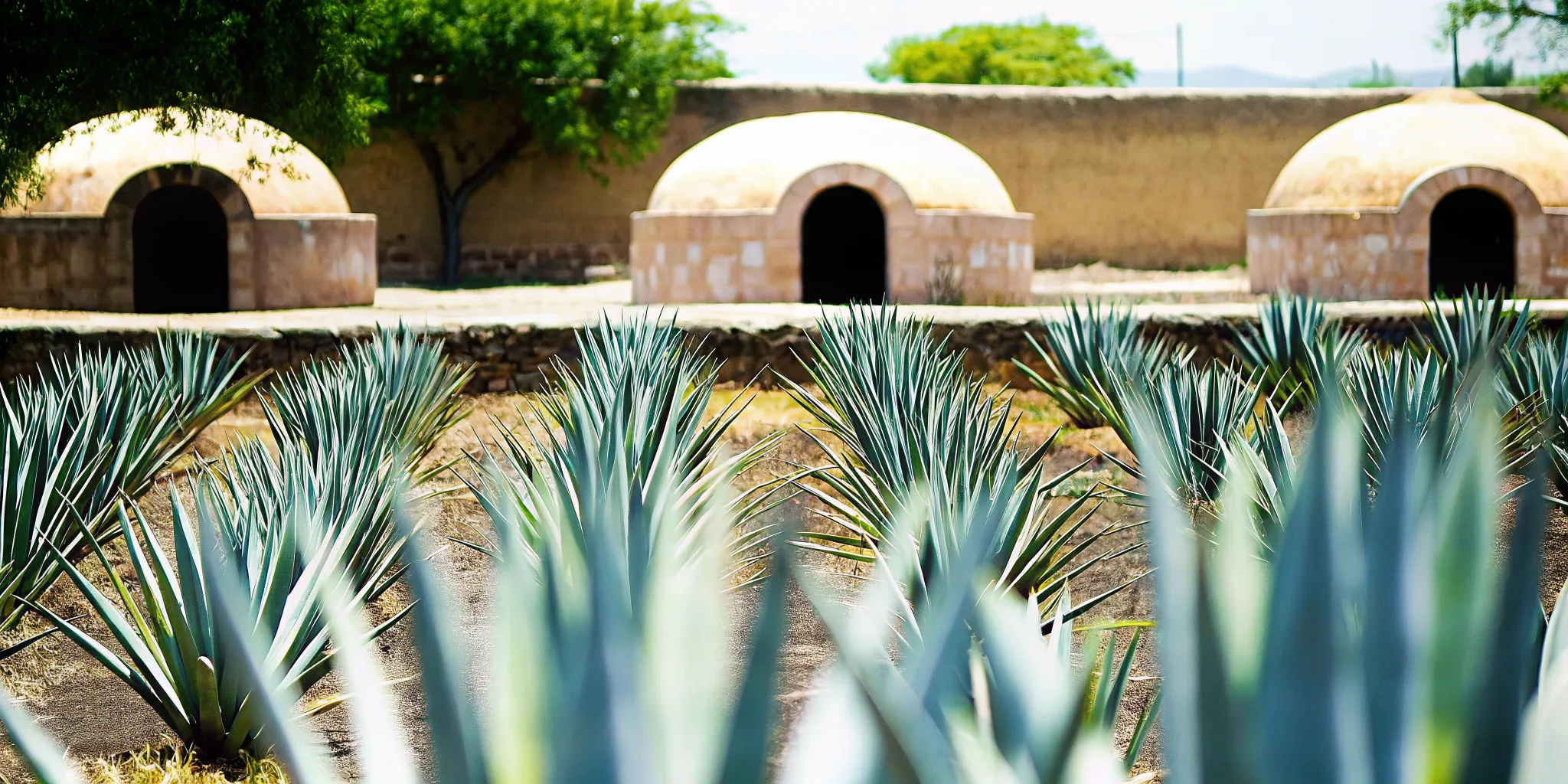
Most people who drink mezcal start with Espadin. This plant is the backbone of the entire industry. Its name is Agave angustifolia, and it makes up most of the bottles sold today. While there are over 30 types of agave used for spirits, this species is the top pick for makers. It offers a great mix of flavor, size, and ease of use. You can find many bottles of espadin mezcal that show off this balance.
Fast growth and high yield
One big reason for its use is how fast it grows. Most wild agave plants can take 20 or 30 years to reach full size. But Espadin often matures in 8 to 12 years. This shorter cycle lets farmers plan their crops better. Because it grows well on farms, it helps keep wild plants safe from over-use. It also grows much larger than many other types. A bigger plant means more juice and more spirit from every harvest.
High sugar for fermentation
The spirit depends on the sugar found inside the plant. This species has a high sugar level. In the roasting step, these starches change into sugars fast. This high sugar count makes fermentation easier for the maker. It leads to more alcohol in every batch. This is why it is seen as the industry standard for value. It gives a lot of spirit without losing the rich taste people want.
Hardy and easy to farm
Espadin is a tough plant. It can live in many kinds of soil and dry weather. This makes it ideal for large farms in the state of Oaxaca. It can handle heat and low water with its thick leaves. Farmers find it easy to grow in rows, which makes the harvest much simpler. This ease of farming means makers can count on a steady supply. This steady flow is what makes it the baseline for the whole world of mezcal.
When you try tasting notes of Espadin, you will find a wide range of flavors. It often has notes of smoke, citrus, and herbs. This broad profile makes it a great choice for new fans and experts alike. You can enjoy it neat to get the full taste of the agave and the land it grew in.
How is Espadin mezcal made?
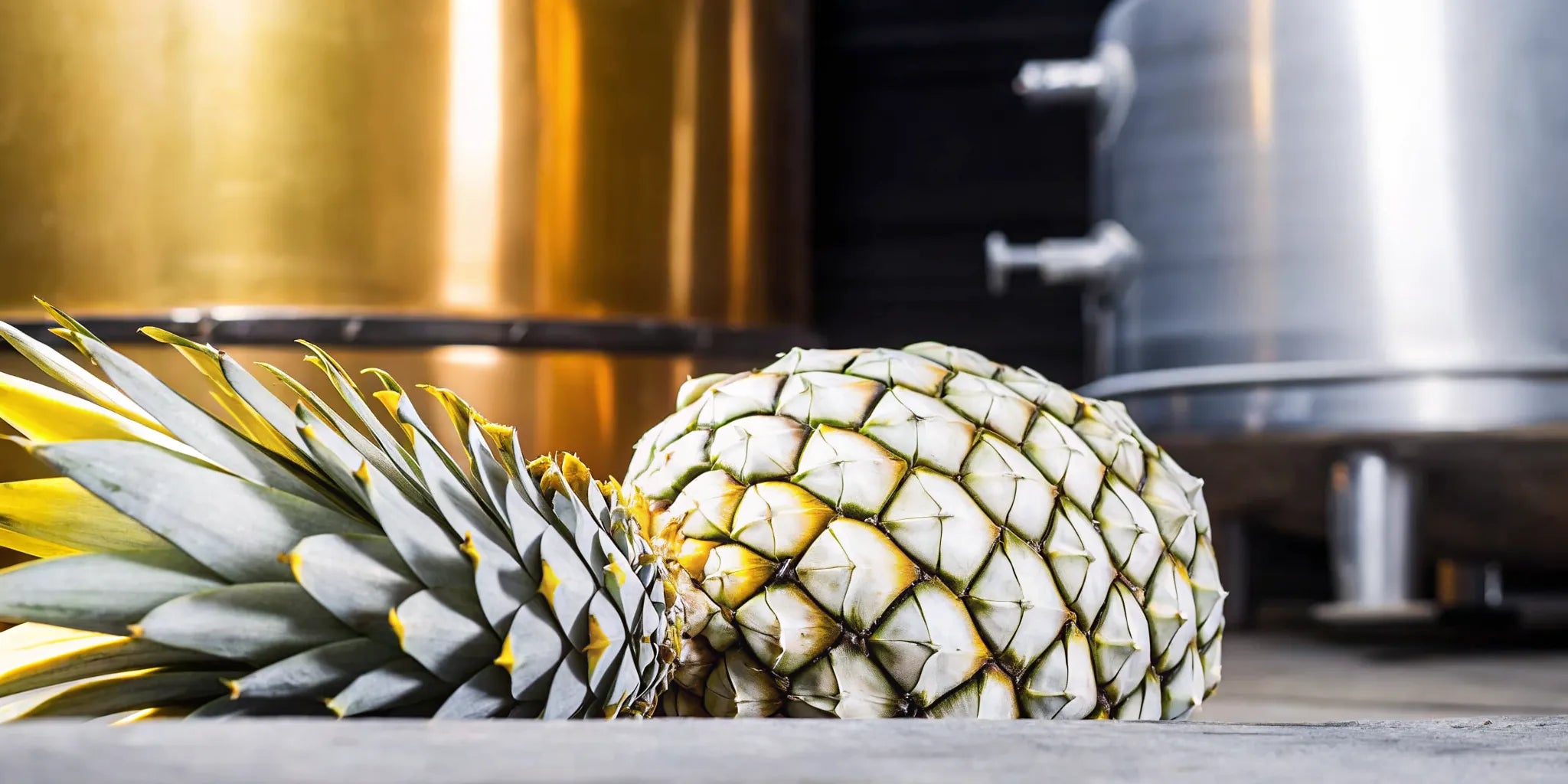
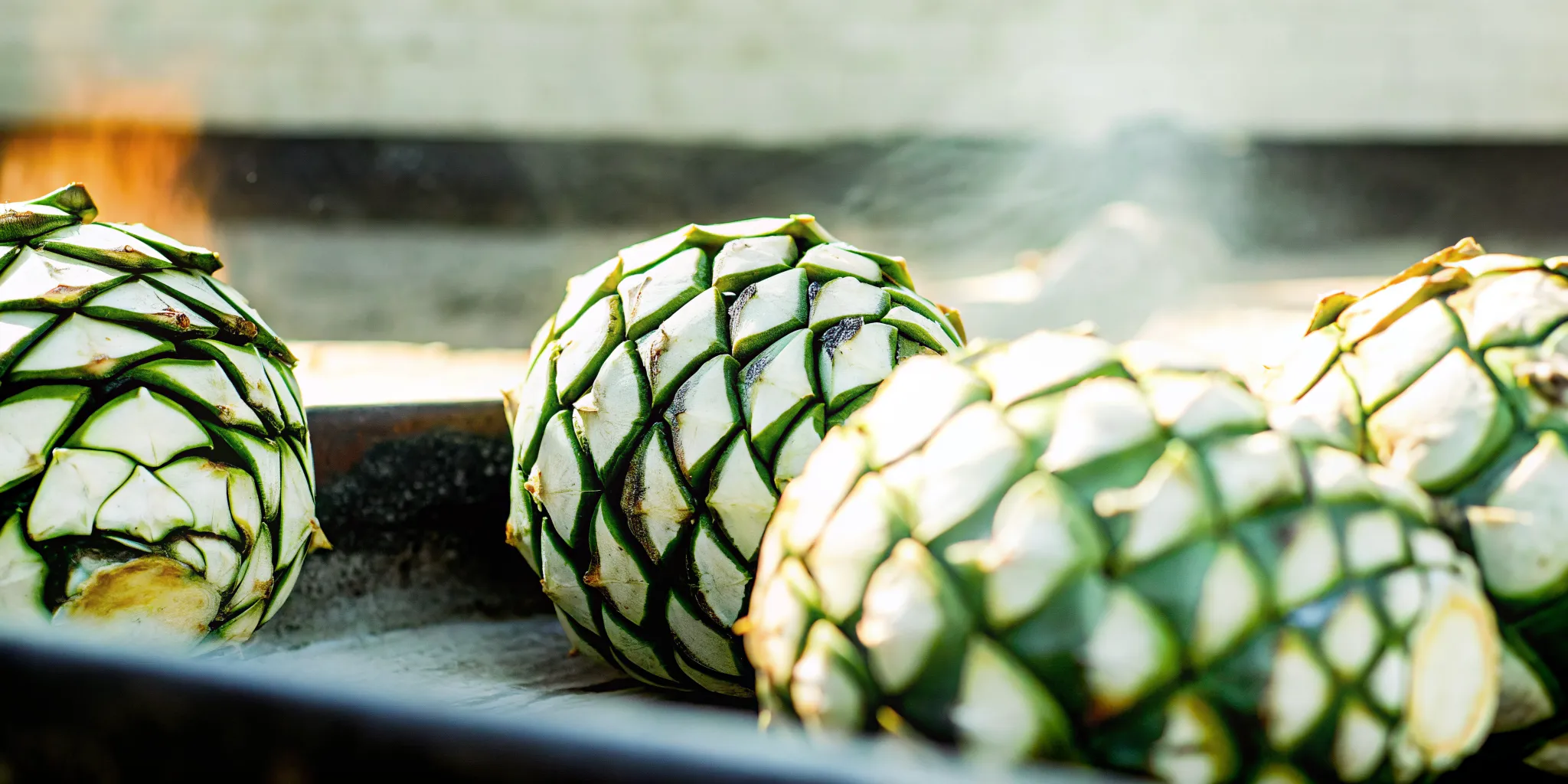
The path from the field to the glass is a long and careful one. Espadin mezcal is special because it comes from the Agave Angustifolia plant. This agave is the most common choice for mezcal because it grows well and has plenty of sugar. Most plants take about 8 to 12 years to reach full size before they are ready for the harvest. At that point, workers cut away the long, sharp leaves to find the heart of the plant, which looks like a large pineapple. These hearts, or piñas, store all the power the plant needs to grow.
Traditional pit roasting
The first big step in making this spirit is the roast. Workers place the agave hearts into large pits dug into the ground. These pits are lined with hot rocks and wood to create an oven. This slow baking step is what gives Espadin mezcal its famous smoky taste. The heat changes the starch in the plant into sugars that can later turn into alcohol. Without this step, the agave would not have the sweetness needed for the drink.
This method is old and links the drink to Mexican culture and the past. The word mezcal even comes from old words that mean "cooked agave." While some modern sites use big steam ovens, many craft brands still use these earthen pits. They believe the wood and soil add a flavor that you cannot get any other way. The roast can last for several days as the hearts soften and turn dark brown.
Fermentation and distillation
Once the roasting is done, the agave hearts are crushed to release their juice. In many small batches, workers use a large stone wheel pulled by a horse or mule. The juice and fiber then go into large vats for the next stage. Wild yeast from the air starts the work of turning the sugar into alcohol. This natural way of working adds more layers to the tasting notes of Espadin that fans love. The process can take a week or more depending on the weather.
Next, the liquid is distilled to clean the spirit and raise the alcohol level. This often happens in copper or clay stills over an open fire. The type of still used can change how the final spirit feels in your mouth. According to the Mexican state, the way these steps are handled sets if the mezcal is called artisanal or ancestral. These rules help protect the quality of the drink and the customs of the people who make it.
- The agave is harvested by hand once it matures after 8 to 12 years in the field.
- Workers roast the agave hearts in a stone-lined pit for several days to gain flavor.
- The roasted hearts are crushed using a stone wheel to release the sweet juices and fibers.
- Wild yeast ferments the liquid in large wooden or stone vats over several days.
- The spirit is distilled twice in small batches using copper or clay pots to reach the right proof.
The final result is a spirit that shows off the hard work of the makers. Each bottle of sipping Espadin mezcal carries the taste of the land where it grew. By using traditional tools and simple steps, makers ensure that every sip is full of craft and the past. This focus on detail is why Espadin remains the benchmark for all other types of mezcal.
What does Espadin mezcal taste like?
Espadin mezcal is the industry standard for a good reason. It offers a balanced flavor that appeals to both new fans and long-time experts. While many people think of mezcal as just being smoky, espadin mezcal brings much more to the glass. You will often find a mix of sweet, earthy, and bright citrus notes in every sip.
A balance of sweet and smoke
The primary taste of Espadin comes from the agave itself. Producers roast the agave heads in earthen pits. This gives the spirit a distinct smoky smell and taste. This roasting process is what turns the starches into sugars that can ferment. But the smoke should not hide the other tasting notes of Espadin. Most high-quality bottles have a rich sweetness that tastes like roasted fruit or honey.
You may also notice herbal or floral hints. Some people describe these as fresh grass or wet earth. These flavors vary based on where the agave grew and the soil it lived in. This mix of earth and fruit makes Espadin very versatile. It is easy to enjoy on its own or use it as a base for many drinks.
The role of terroir and production
Like fine wine, mezcal has a sense of place. The altitude and soil of the region change how the agave grows. An agave plant that grows in a dry valley may taste different than one from a lush hill. Since Agave Angustifolia takes 8 to 12 years to grow, it spends a long time soaking up the flavors of its home. This deep link to the land is what experts call terroir.
How the mezcal is made also matters. The type of still used can change the texture and depth of the spirit. Using a copper or clay still can add different layers to the final product. Clay stills often give the mezcal a rounder, creamier feel. Copper stills tend to produce a cleaner and brighter finish. When you are sipping Espadin mezcal, try to look for these small shifts in feel and taste.
Common flavors you might find
While every bottle is unique, you can look for a few common markers. Many people find bright citrus notes like lime or grapefruit. You might also taste warm spices like black pepper or cinnamon. The finish is often long and dry. It leaves a lingering taste of wood and earth. These layers are why many collectors use Espadin as a benchmark to judge other agave spirits.
Compare mezcal and other spirits selected by Sip Tequila.
How do you choose an Espadin mezcal bottle?
A useful label comparison starts with production facts, not smoke level. Look for the producer or mezcalero, village or state, agave species, cooking method, fermentation vessel, still type, and alcohol by volume. Two Espadin bottles can taste dramatically different when one is fermented with ambient yeasts in wood and distilled in clay while another uses different vessels and a copper still.
Choosing a bottle of espadin mezcal is a big task, but it is the best place to start. This agave is the most common kind, and you should look for bottles that show the care of the maker. A good label tells a story of time and land. Checking a few details will help you find a spirit you love.
Read the label for agave details
First, look for the plant name on the label. Espadin is known as Agave Angustifolia, and it has a high sugar content. This sugar helps it ferment and gives it a balanced flavor. You should also check for the state where the mezcal was made.
The Mexican government protects the name mezcal, so it must come from certain areas. Most Espadin comes from Oaxaca, which is known for its rich soil and warm weather. Espadin grows well in many types of soil, which makes it easier to farm. This plant usually takes 8 to 12 years to reach full growth.
Plants that grow longer tend to have more complex flavors. If a label lists the harvest year, it often shows a focus on care. You want a bottle that uses mature plants to get the best citrus and herbal notes. Avoid any bottle that does not list where or how the agave grew.
Understand the production style
The way a maker turns agave into a spirit defines the texture and smoke. Most premium bottles are labeled as Artesanal or Ancestral. These terms define the tools used in the craft. The tasting notes of Espadin shift based on the type of still used.
Artisanal mezcal uses copper stills, while Ancestral mezcal uses clay pots. Clay often adds an earthy, mineral feel that copper cannot match. You should also look for the name of the master maker on the bottle. A named maker usually means the spirit was made in small batches.
Small batches help ensure that each bottle shows the true traits of the harvest. This hand-made touch is what makes mezcal special compared to other spirits. It connects you to the culture and past of the region. Mezcal is often bottled at a higher proof than tequila to keep its bold profile.
Check the proof and usage
A high alcohol content helps the natural oils and aromas stay strong. Many fans look for bottles near 45% ABV for the best taste. This level brings out the bright smoke and fruit notes. If the proof is too low, the spirit may feel thin or weak.
Think about how you will use the bottle in your home. If you want to sip it neat, choose a bottle with a smooth finish. For those who love cocktails, a bold and smoky Espadin is a great choice. The smoke comes from roasting the agave heads in pits for several days.
This strong flavor holds up well when mixed with lime. Pick a bottle that fits your needs to get the most from your spirit. A good bottle of Espadin is a win for craft and taste.
| Feature | Artesanal Method | Ancestral Method |
|---|---|---|
| Roast Style | Earthen pits | Earthen pits |
| Crushing Tool | Tahona stone | Wooden mallets |
| Still Type | Copper or wood | Clay pots |
| Batch Volume | Small batches | Very small batches |
| Typical Profile | Clean and bright | Earthy and mineral |
How to taste and serve Espadin mezcal
Taste Espadin at room temperature in a wide-mouthed copita or similar glass, then revisit it after several minutes. Compare aroma, sweetness, acidity, texture, roast character, minerality, and finish separately. This disciplined sequence prevents smoke from becoming the only tasting note.
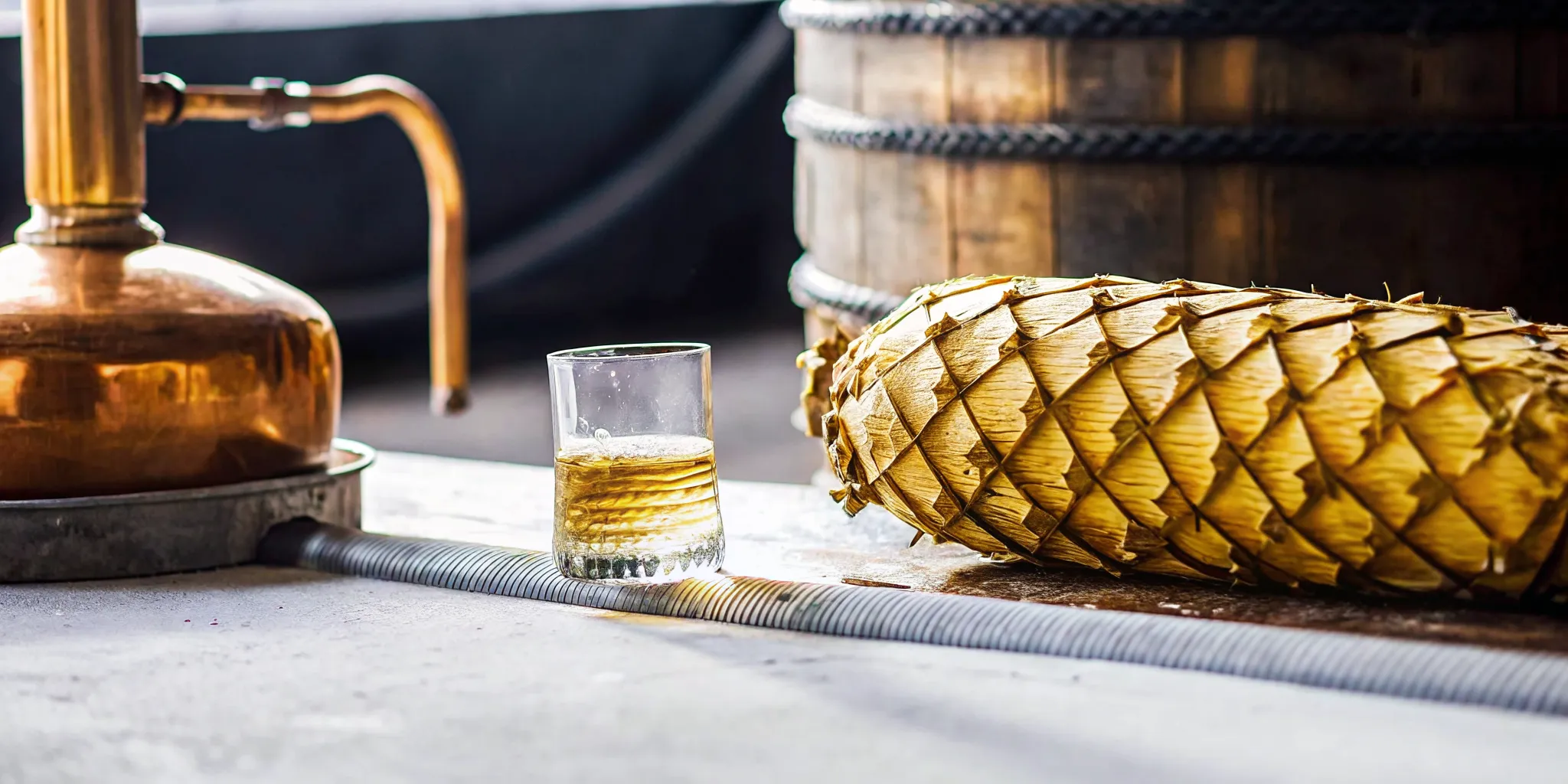
To get the most from your espadin mezcal, you should slow down. This spirit is the result of years of growth and hard work. It is best to enjoy it in a way that shows off its deep soul. The way you serve it can change how you feel about the drink. Tasting is not just about drinking; it is about using all your senses to find the craft in each bottle.
Best ways to sip neat
Drinking sipping Espadin mezcal neat is the top choice for many fans. This method lets you taste the light smoke and bright citrus notes. Many of these spirits are bottled at a high proof to keep their bold, earthy traits (source: gob.mx). When you sip it slow, you can feel the texture and warmth on your palate. This is the best way to see the true nature of the agave.
Take small sips and let the liquid rest on your tongue for a few seconds. This helps your mouth get used to the heat of the drink. You will likely find a mix of herbal and sweet tones that vary from one batch to the next. These layers of flavor come from the soil and the way the plant grew.
Glassware and temperature
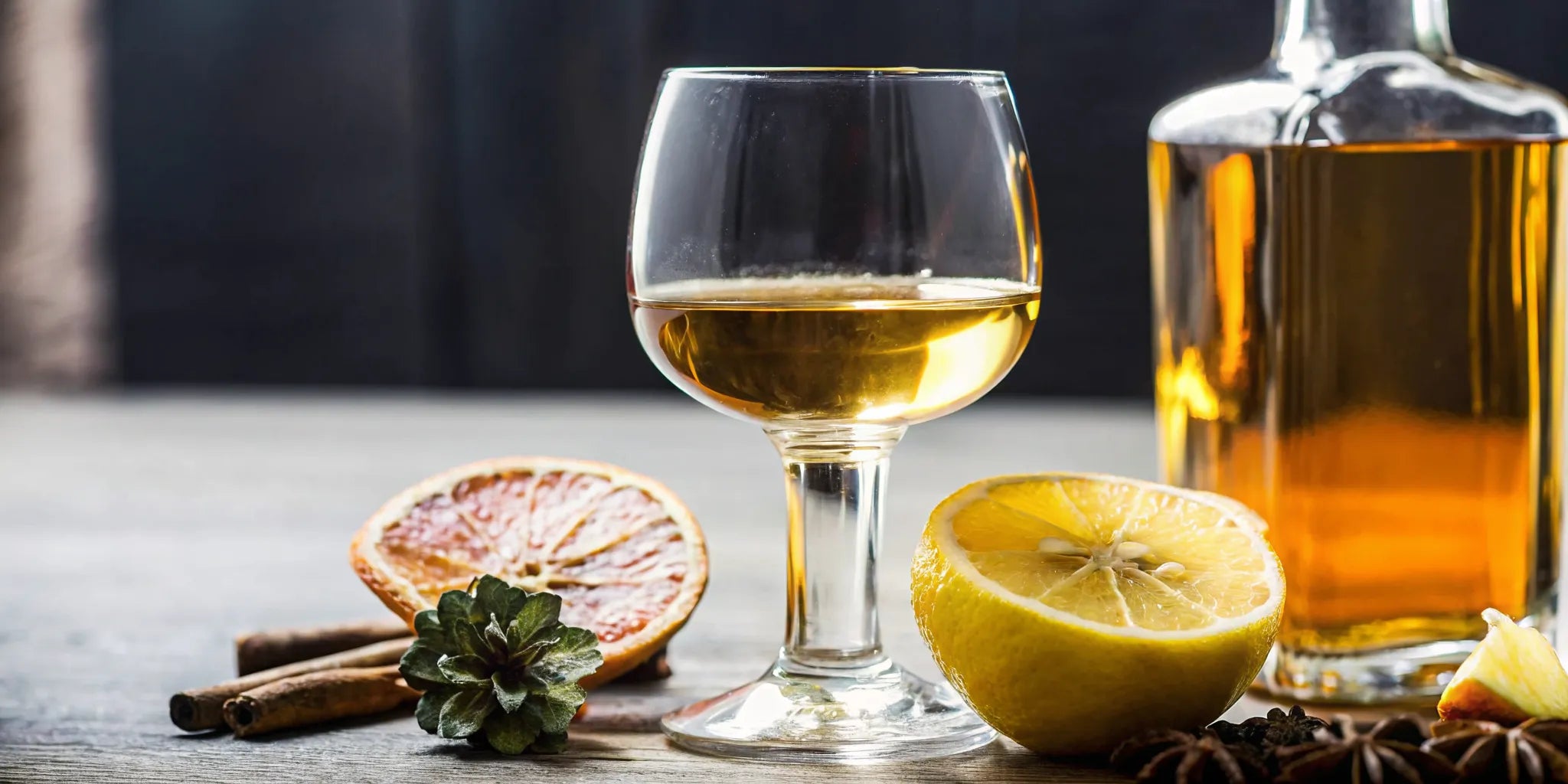
You do not need fancy tools to enjoy your drink. Classic clay cups called copitas or small glass veladoras are common in Mexico. But a small wine glass or a flute works well too. The goal is to have a wide rim so you can smell the aroma before you take a sip. The shape of the glass helps move the air around the spirit to bring out the fruity scents.
Serve your mezcal at room temperature. If it is too cold, the chill hides the soft smells of the agave. Some people like to add a tiny drop of water to their glass. This can help open the spirit and reveal more of the tasting notes of Espadin. A little bit of water can make the bold smoke feel softer on your tongue.
Cocktails and mixing
While neat is great, this agave spirit is also a star in cocktails. It has a strong enough flavor to stand up to lime juice or bitters. You can use it as a swap for gin or tequila in the drinks you love. Its smoky edge adds a new layer to a classic Negroni or Margarita. This makes it a great tool for any home bar.
For shoppers, Espadin's range makes producer details and production methods more useful comparison points than smoke intensity alone.
Find the right Espadin mezcal for your shelf
Choosing the best espadin mezcal for your home bar depends on your goals. Some people want a bottle to sip slowly after a long day. Others need a bold spirit to use in a smoky drink. Because this agave is so common, you have many choices at every price point. This range makes it the perfect entry point for fans of agave spirits.
Choosing a bottle for sipping neat
When you want to drink mezcal alone, look for a smooth and balanced taste. High quality spirits often show notes of citrus, herbs, and light smoke. Since espadin is a benchmark for the industry, it is a great way to learn about the spirit. You can read our guide on the tasting notes of Espadin to find a bottle that fits your palate.
A good sipping spirit often comes from small batches. These bottles reflect the "terroir" or the land where the agave grew. This land impacts the sugar and the final smell of the drink. Many top bottles are made using old ways, like clay or copper stills. These tools help create a thick texture and a deep flavor that lasts on the tongue.
Selecting mezcal for cocktails
If you want to make drinks, you need a bottle with a strong punch. A bold and smoky mezcal works well with lime juice and agave nectar. Because Agave Angustifolia is so useful, it is the top choice for most bartenders. It has a high sugar content that helps the fermentation process. This leads to a clean and bright spirit that stands up to other bold parts.
You do not need the most pricey bottle for a mixed drink. Look for one that is labeled as "Artesanal" to ensure it was made with care. These spirits maintain their earthy soul even when you add fruit or bitters. Using a solid espadin mezcal as your base will help you make drinks that taste like they came from a high-end bar.
Expert help for your collection
If you are not sure which bottle to buy, you can ask for expert help. Curated shops can guide you toward rare finds that fit your taste. You might want to browse a mezcal collection to find your next best brand. Looking at a wide range of bottles helps you see the different ways makers use this agave.
Gifting a bottle of mezcal is also a great idea for any agave fan. Look for bottles with unique labels or those from famous regions like Oaxaca. Since mezcal is a protected name, every bottle tells a story of Mexican culture. Choosing a bottle with a rich history adds more value to your gift and shows you put thought into the pick.
Browse Sip Tequila's mezcal and other spirits collection to compare your next bottle.
Frequently Asked Questions
What is the botanical name for agave espadin?
Agave espadin is known in the science world as Agave Angustifolia. This plant is the most common type used to make mezcal today because it grows well in many different types of soil. It is easy to farm, and it helps the producers keep a steady supply of the spirit for fans to enjoy. This agave is also known for having a high amount of sugar that is vital for the cooking and fermentation process.
How long does agave espadin take to mature?
It usually takes about 8 to 12 years for an espadin plant to fully grow and reach its peak sugar levels. According to industry experts, the exact time depends on the local rain and the quality of the soil. Farmers must wait for the plant to be ready before they can harvest it for making the spirit. Once the agave is ripe, the leaves are cut away and the large heart is roasted in a pit.
What are the three main types of mezcal?
Mezcal is sorted into three main groups based on how it is made, which are Ancestral, Artesanal, and Industrial. The Mexican government sets strict rules for each group to protect the craft and history of the drink. Ancestral mezcal uses the most old-style tools like clay pots, while Artesanal mezcal often uses copper stills. Industrial mezcal uses modern machines to make larger amounts of the spirit for the global market to enjoy.
Where does the word mezcal come from?
The name comes from an old language in Mexico called Nahuatl, and it is a mix of the words "metl" and "ixcalli." Together. These two words mean agave and cooked, which makes sense because the process starts by baking agave hearts. According to a study, this name has been used for hundreds of years to describe the spirit. It highlights the very long history of this old and popular Mexican drink.
Ready to find your next best bottle of Espadin mezcal today?
If you wait to act, you will miss out on the bold and smoky tastes that make Espadin mezcal the top pick for all agave fans. Each day you delay is one day you spend without the deep and earthy notes you find when sipping Espadin mezcal with your best friends. Bring the heart of Mexico to your bar today by picking a bottle that shows the hard work and skill of the best craft makers.
Ready to shop mezcal and other spirits right now? Browse our shop to shop mezcal and other spirits to find a new bottle that fits your taste and contact our team for help today.