


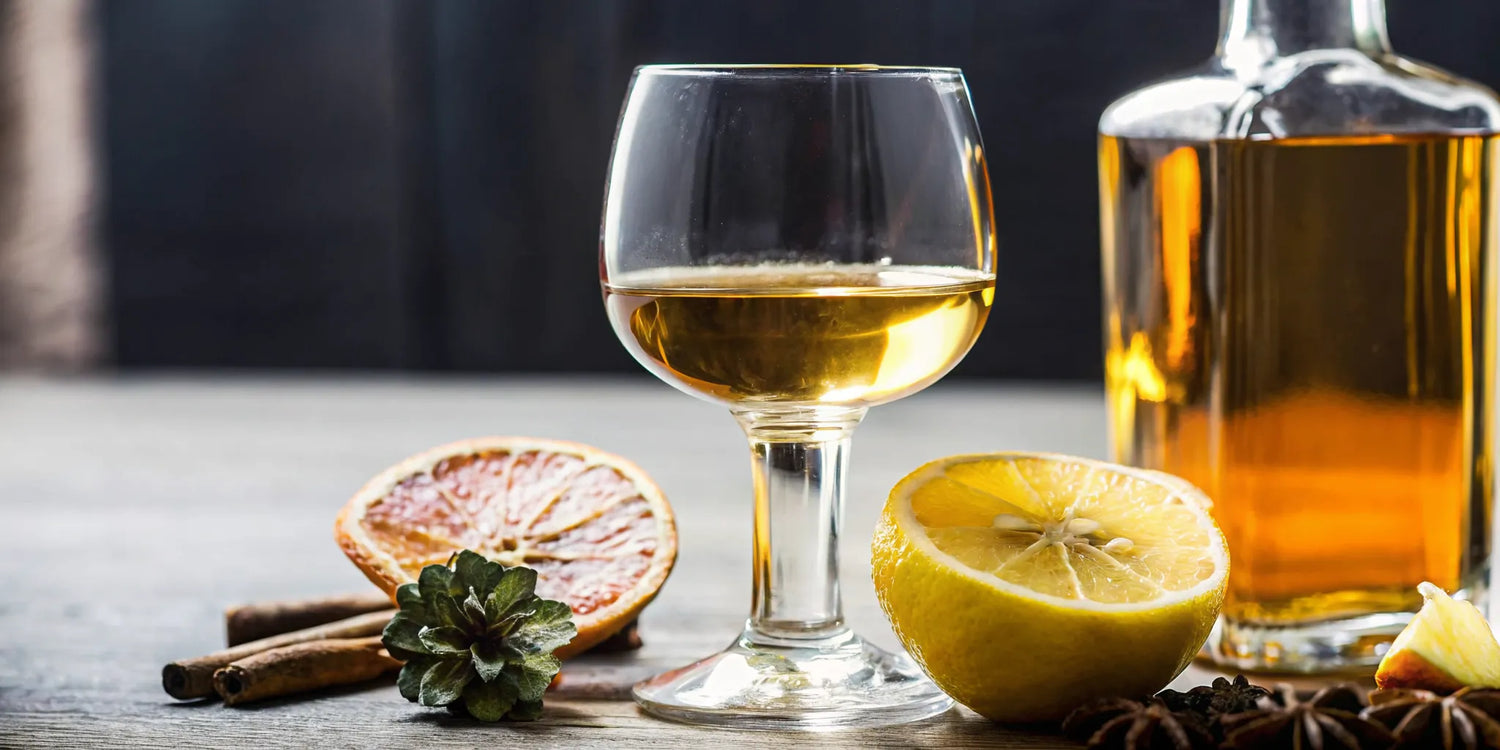
Pechuga mezcal is one of the most expressive and personal forms of agave spirit: a finished mezcal distilled again with a producer's chosen fruits, spices, grains, and often a suspended protein. For the attentive drinker, its appeal lies not in novelty, but in the way place, season, and distilling judgment converge in the glass.
Explore Sip Tequila's mezcal and other distinctive spirits.
What defines pechuga mezcal?
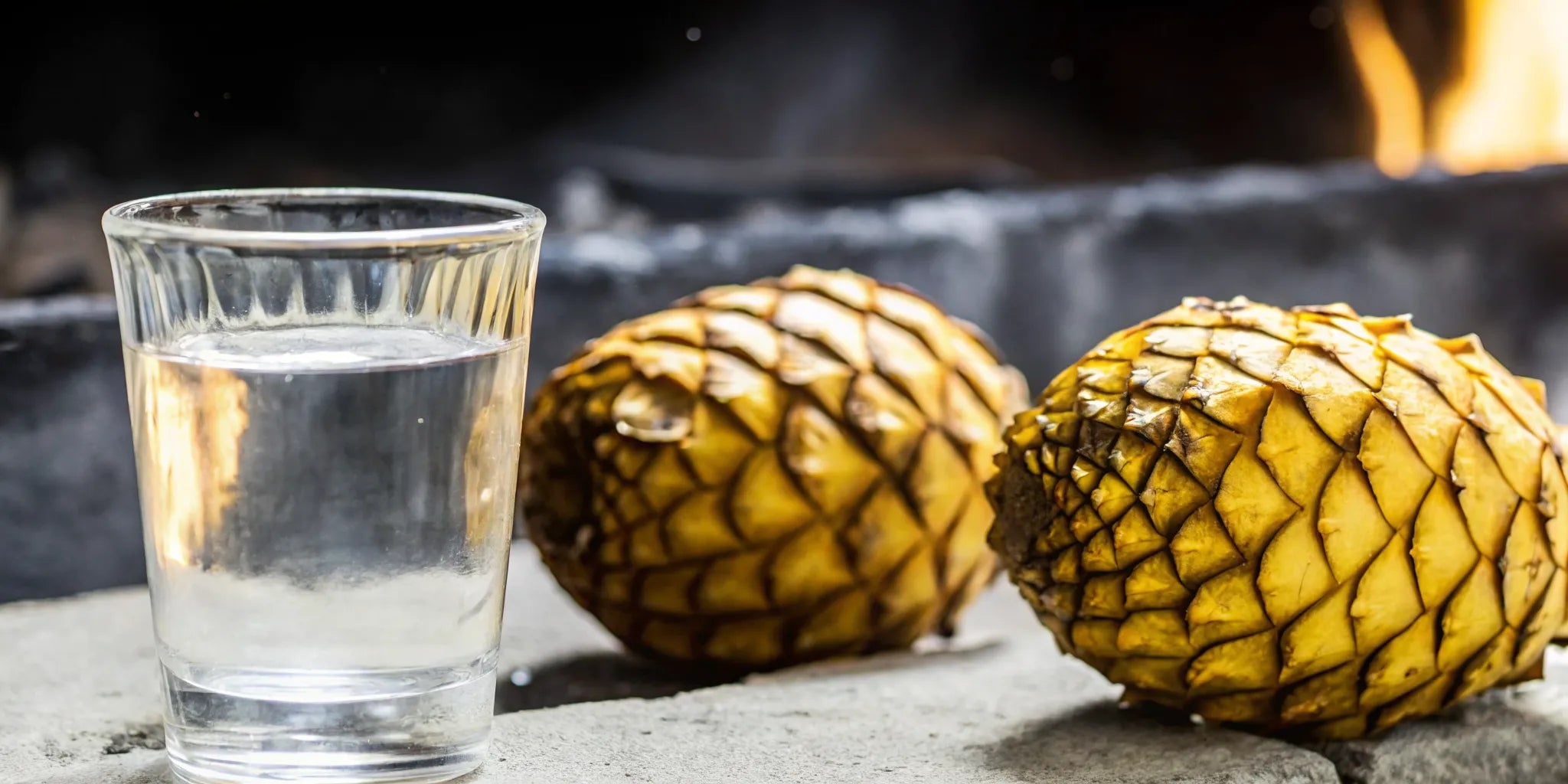
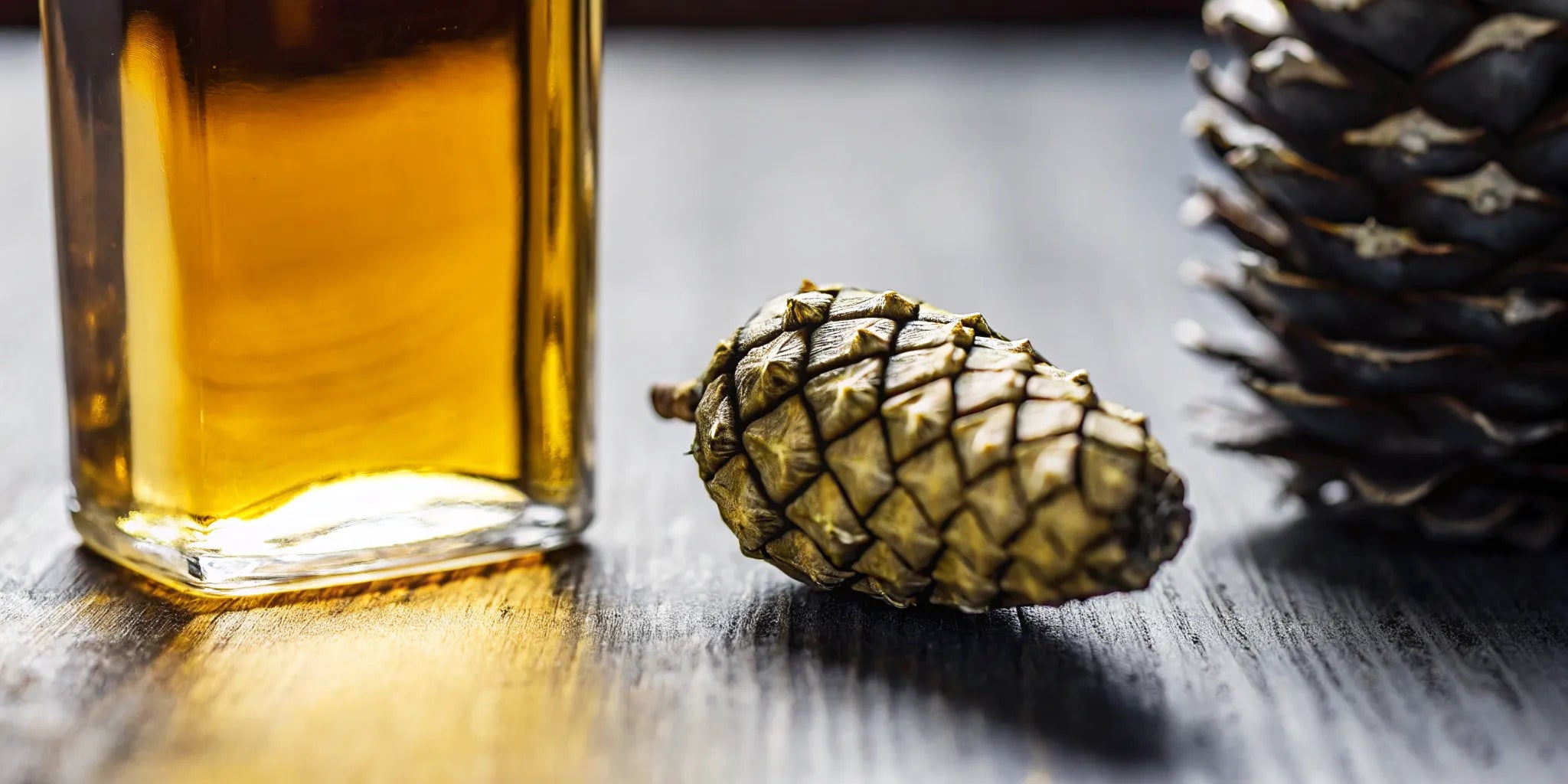
Pechuga is best understood as a production style rather than a flavor category or one fixed recipe. The Spanish word pechuga means breast, a reference to the chicken or turkey breast traditionally hung inside the still during an additional distillation. Yet the protein is only one part of the composition. Seasonal fruit, local spices, nuts, grains, and other botanicals may be placed in the still as well, according to the producer's recipe.
The base is already mezcal before this special run begins. Agave has been cooked, milled, fermented, and distilled, typically twice. The mezcalero then redistills that spirit with the selected ingredients. Vapor carries volatile aromatic compounds into the distillate, while the distiller makes careful cuts between heads, heart, and tails. The result remains clear, not infused or macerated in appearance, but its aroma, texture, and finish can be dramatically transformed.
There is no universal sensory signature. A pechuga can be graceful and floral, dense with ripe fruit, savory and mineral, or led by roasted agave. Some show only a restrained trace of smoke. Others reveal spice, broth-like depth, or an unusually rounded texture. The finest examples do not taste like a list of ingredients. Instead, those elements become integrated around the identity of the agave and the character of the original mezcal.
Tradition without a single formula
Recipes often reflect family practice, local harvests, and the intended occasion. A distiller may work with apples, plantains, plums, citrus, rice, almonds, anise, cinnamon, or ingredients particular to a village. Turkey and chicken are common proteins, though rabbit, deer, and other variations exist. There are also contemporary meat-free interpretations. These differences make the word pechuga a starting point for inquiry, not a complete description of what is in a bottle.
Historically, special batches have been associated with celebrations, harvests, weddings, and community gatherings. That ceremonial context matters because it helps explain the style's intensity of labor and personal nature. Pechuga was not conceived simply as a luxury upgrade to ordinary mezcal. At its most compelling, it records a producer's ingredients, aesthetic choices, and sense of occasion in liquid form.
How pechuga mezcal is produced
The production begins long before the final distillation. Mature agave is harvested and its leaves are removed to expose the hearts, or pinas. These are cooked, commonly in an earthen pit for artisanal mezcal, then crushed. The cooked agave and its juices ferment with naturally present microorganisms before distillation. Agave species, elevation, roast, water, fermentation vessel, still material, and the distiller's cuts have already shaped the base spirit before the pechuga recipe enters the process.
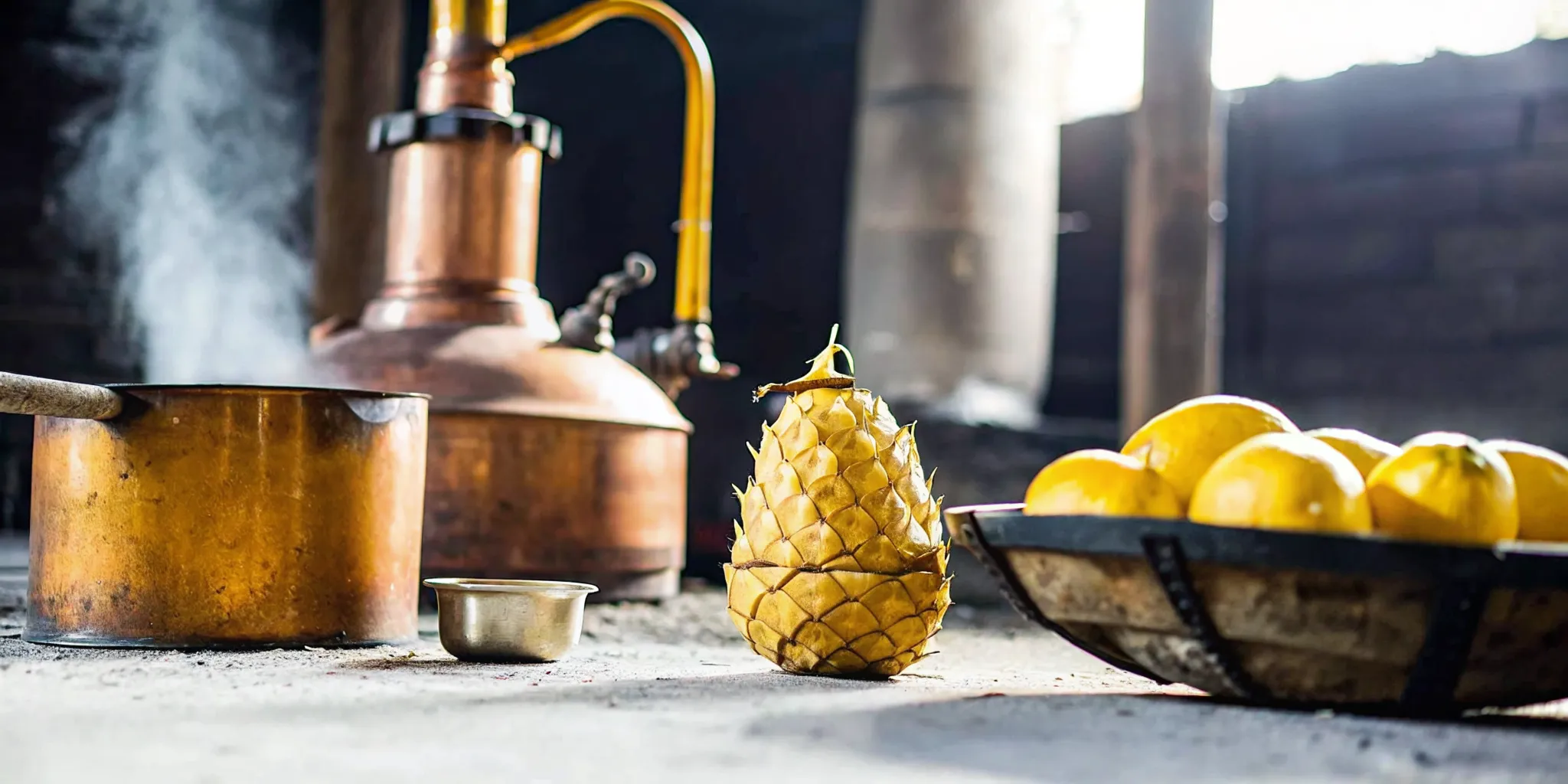
For the additional run, a producer returns finished mezcal to the still. Fruits, spices, grains, nuts, or other ingredients may be added directly to the pot or arranged according to a house method. A breast is typically suspended above the liquid so that rising vapor passes around it. During distillation, the heat cooks the protein. It does not remain raw, dissolve into the final bottle, or turn the spirit into a savory infusion.
The precise effect of the suspended protein is debated, and an experienced taster should be cautious about attributing every silky texture or savory note to one ingredient. Still type, proof, cuts, fruit, and the base mezcal also affect body. What is certain is that the final run gives the mezcalero another set of variables to manage. Too much aromatic intensity can obscure the agave; too little can leave the recipe indistinct. Balance depends on proportions, timing, and disciplined cuts.
The production sequence
- The producer makes or selects a completed mezcal with a character suited to the intended recipe.
- Seasonal fruits, spices, grains, nuts, and other ingredients are prepared for the still.
- The mezcal and recipe ingredients are arranged in the still, with protein suspended above the liquid when used.
- The spirit is distilled again while the mezcalero monitors temperature, flow, aroma, proof, and cuts.
- Selected fractions are combined, rested, and adjusted only as the producer considers appropriate before bottling.
This outline can suggest a standardized method, but the details vary widely. Copper alembics and clay pots behave differently. A batch based on Espadin responds differently from one made with a wild agave. Fruit ripeness shifts from harvest to harvest. Even two runs made from the same recipe can diverge because fermentation and distillation are dynamic processes. For more context on the foundations beneath the style, read about the traditional process of making mezcal.
Why small decisions matter
The additional distillation can polish a base spirit, but it cannot rescue a poor one. Serious producers begin with mezcal worthy of attention on its own. Their challenge is to let the recipe expand that spirit rather than cover it. The most successful pechugas retain a clear agave line from aroma through finish, even when tropical fruit, baking spice, or savory tones are prominent.
The distiller's cuts are especially consequential. Early and late fractions may contain fascinating aromas, but keeping too much can introduce harshness or muddled flavors. A narrow heart cut can offer clarity at the cost of volume. This combination of expensive base mezcal, added ingredients, an extra run, and reduced yield helps explain why well-made pechuga often commands a higher price.
How pechuga tastes
Pechuga rewards comparative tasting because the category's range is unusually broad. One bottle may open with baked pineapple, citrus peel, and anise before settling into clay and roasted agave. Another may lead with mountain herbs, tart orchard fruit, cacao, and saline minerality. Smoke can be pronounced, but it is often a supporting note rather than the central feature.
Texture is frequently part of the appeal. Many examples feel supple, rounded, or lightly oily, yet that sensation should not be confused with sweetness. A spirit can smell of ripe fruit while finishing dry and mineral. Likewise, a savory aroma does not mean the liquid tastes like meat. In a balanced pechuga, savory depth works more like a bass note, giving structure to brighter fruit and spice.
| Dimension | Pechuga mezcal | Typical joven mezcal | What to assess |
|---|---|---|---|
| Distillation | Additional run with a producer-specific recipe | Usually bottled after standard distillation | Integration rather than sheer intensity |
| Aroma | May include fruit, spice, floral, nutty, or savory layers | Often emphasizes agave, fermentation, earth, mineral, and smoke | Clarity, development, and agave presence |
| Texture | Often rounded or silky, but varies by producer | Ranges from lean and mineral to rich and oily | Weight, balance, and alcohol integration |
| Recipe | Seasonal and highly individual | Defined mainly by agave and core production choices | Whether additions support the base spirit |
| Best use | Focused sipping and comparative tasting | Sipping, pairing, or cocktails depending on bottle | Length, complexity, and sense of place |
A framework for evaluating a glass
Begin by looking for continuity. Does the first aroma connect naturally to the palate and finish, or does one loud ingredient dominate? Next, consider definition. You need not identify every fruit or spice, but distinct layers should emerge as the spirit rests. Finally, assess whether roasted agave remains perceptible. A pechuga can be exuberant, yet it should still feel like an agave spirit rather than flavored alcohol.
Alcohol integration also separates accomplished examples from merely unusual ones. High proof can carry aroma and texture beautifully, but heat should not erase detail. Add a few drops of water only after tasting neat; dilution may release hidden floral or fruit notes, though it can also flatten a finely balanced spirit. Let the bottle determine the approach rather than applying a fixed ritual.
Region, agave, and recipe
The recipe attracts attention, but geography and agave remain fundamental. Oaxaca is strongly associated with pechuga, yet producers elsewhere in Mexico make related celebratory or recipe-driven distillates. Climate influences which fruits and herbs are available. Local equipment and inherited practices affect texture and aroma. Water, yeast populations, and fermentation conditions further distinguish one palenque from another.
Espadin is a common base because it is cultivated, versatile, and familiar to many distillers. Pechugas made from other agaves can present very different foundations. A mineral, compact base may keep an elaborate recipe taut, while an aromatic wild agave can amplify floral or herbal dimensions. Neither is inherently superior. The question is whether the base and added ingredients form a coherent composition.
Read the label for useful clues
A thoughtful label can reveal the producer or maestro mezcalero, village, agave species, still type, batch size, proof, and recipe ingredients. Those details help frame a tasting, but they should not replace it. A long ingredient list does not guarantee complexity, and an exotic protein does not guarantee quality. Production transparency is valuable because it connects what you taste with the decisions behind the bottle.
- Look for the producer's name and place of production.
- Note the agave species and whether the base is an ensemble.
- Check the still material, batch information, and bottling proof.
- Review recipe ingredients without assuming they will appear literally in the glass.
- Consider whether the brand explains the batch's cultural and production context respectfully.
Batch variation is not a flaw when it reflects seasonal ingredients and hands-on production. In fact, variation is one reason collectors return to the style. Different releases from one producer can show how fruit harvest, agave, or distillation choices reshape a familiar house approach. That makes detailed notes more useful than broad category rankings.
How to sip and pair pechuga mezcal
Serve pechuga at room temperature in a copita, veladora, or small tasting glass that allows the aromas to gather. Pour modestly and give the spirit several minutes in the glass. Start with brief sniffs above the rim rather than inhaling deeply. Strong spirits can fatigue the nose quickly, and patience reveals more than force.
Take a very small first sip to acclimate the palate, then return for a fuller taste. Notice the opening flavor, midpalate texture, and finish separately. Exhaling gently after swallowing can reveal retronasal aromas that were not apparent on the nose. Water alongside the pour helps reset the palate, especially during a comparison. For a broader set of bottles chosen for neat enjoyment, see Sip Tequila's guide to the best mezcal for sipping.
Pair with restraint
Pechuga can be excellent with food, but an intensely seasoned dish may overwhelm its more delicate layers. Start with small bites: roasted nuts, mild cheeses, fresh fruit, dark chocolate, or simply prepared meats. Citrus and chile can be effective when used lightly. The goal is not to match every ingredient from the still, but to create contrast or resonance without masking the spirit.
A fruit-led pechuga may pair well with aged cheese or toasted nuts, while a mineral, savory example can complement grilled mushrooms or restrained charcuterie. Chocolate works best when its sweetness is moderate. If the bottle has a particularly delicate floral profile, taste it alone first. Some pechugas are complete compositions that need no accompaniment beyond water and conversation.
Browse mezcal and other spirits selected for a more considered pour.
Choosing a bottle with confidence
Price can reflect legitimate costs, but it is not a substitute for provenance. An extra distillation consumes fuel and time, while recipe ingredients, mature agave, small yields, and narrow cuts add expense. Imported volume may be limited. Still, a buyer should look beyond scarcity language and ask whether the producer, village, agave, process, and batch are clearly identified.
Choose according to your tasting priorities. If you value a clear agave profile, seek a recipe described as restrained or a producer known for mineral, precise spirits. If aromatic range is the attraction, look for a batch built around seasonal fruit and spices. Proof matters as well: a higher-proof bottling may offer greater concentration, but balance and texture matter more than the number alone.
Questions worth asking before purchase
- Who distilled it, and where was it made?
- Which agave formed the base mezcal?
- What ingredients were used in the final distillation?
- Is the release tied to a specific batch or harvest?
- Does the bottle provide enough detail to understand its production?
Once opened, store the bottle upright, away from direct sunlight and large temperature swings. A secure closure matters because gradual evaporation can change proof and aroma. Pechuga does not spoil like wine, but a nearly empty bottle can lose vibrancy over time as oxygen exposure increases. Sharing the final pours is usually better than saving a small remainder indefinitely.
Frequently asked questions
Does pechuga mezcal taste like chicken?
No. A traditional pechuga may use chicken or turkey during an additional distillation, but a well-made bottle does not taste literally like poultry. The protein is one component in a broader recipe. Tasters may perceive a savory undertone or rounded texture alongside agave, fruit, spice, mineral, and smoke.
Is every pechuga mezcal made with meat?
No. The name traditionally refers to a breast suspended in the still, and many classic versions use one. However, producers also make pechuga-style spirits with other proteins or without meat. Read the label or producer information for the exact recipe rather than assuming every bottle follows the same formula.
Why is pechuga mezcal often expensive?
Pechuga requires finished mezcal, an additional distillation, recipe ingredients, fuel, labor, and careful cuts that may reduce the final yield. Many releases are made in small seasonal batches. Mature agave and limited distribution can add further cost. Price should still be evaluated alongside producer transparency and quality.
Should pechuga mezcal be sipped neat?
Neat at room temperature is the best starting point because it exposes the spirit's aroma, texture, and finish. Use a small tasting glass and allow time for the pour to open. A few drops of water may reveal more detail. Food pairing can be rewarding, but taste the spirit alone first.