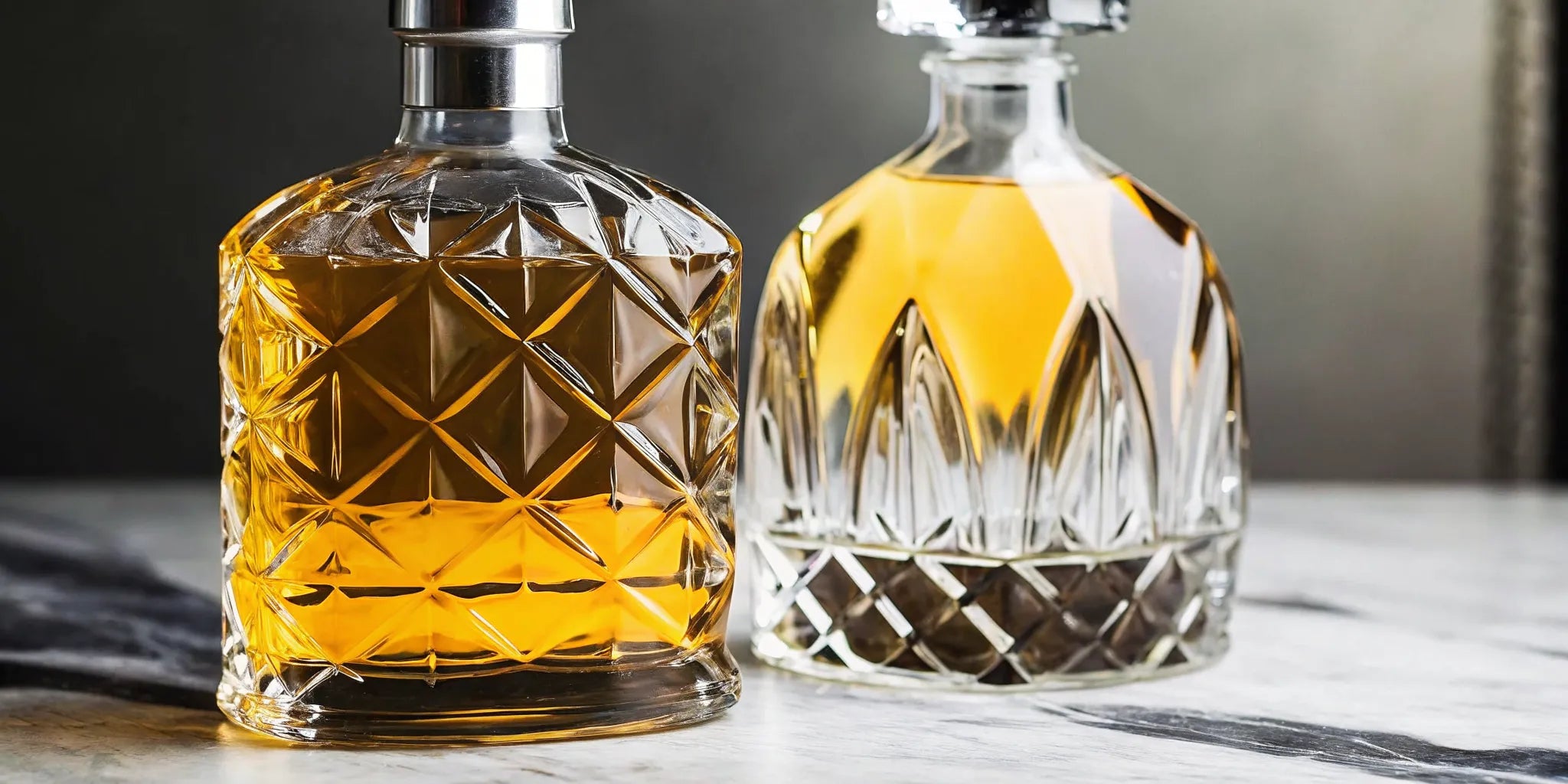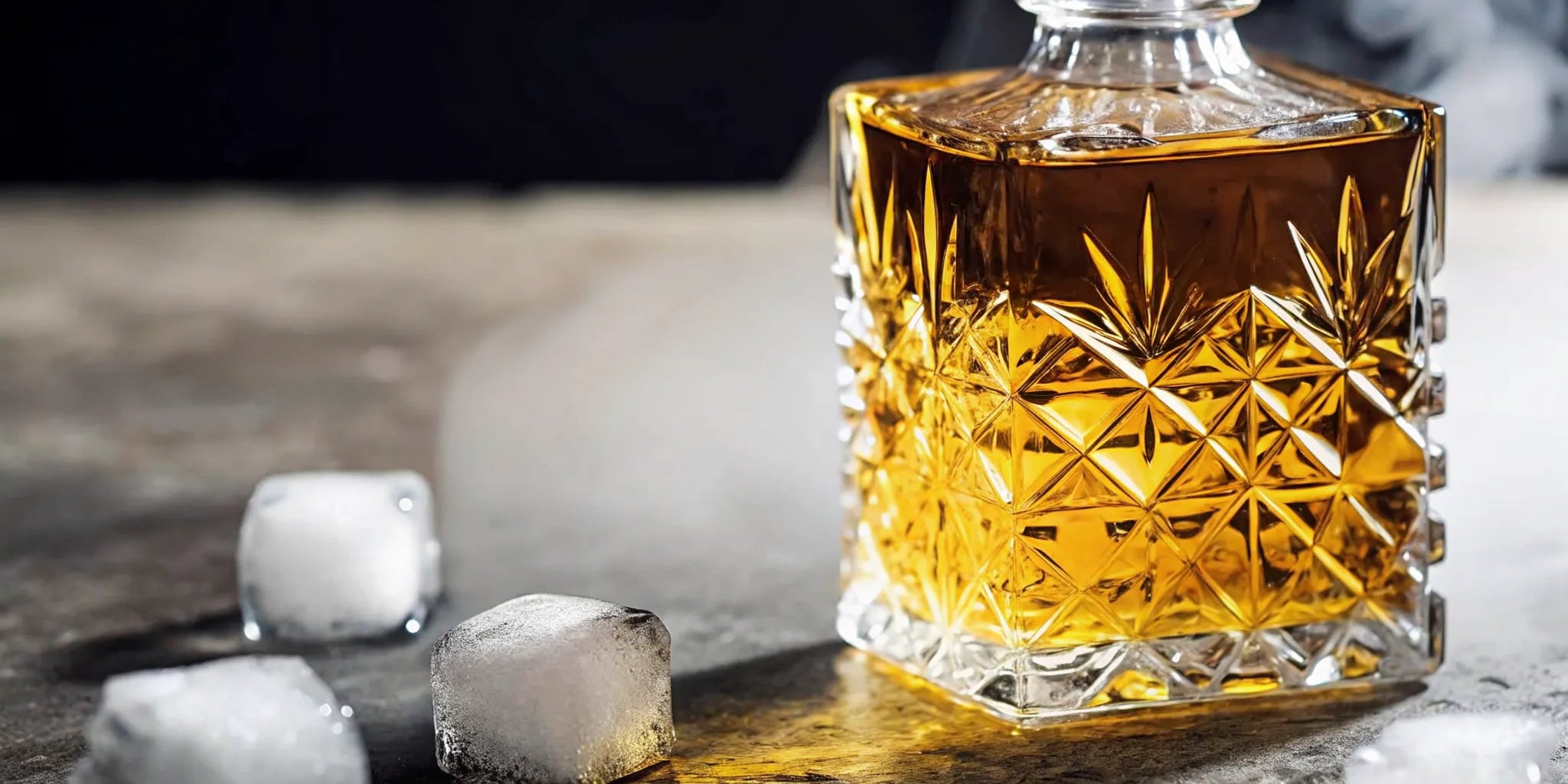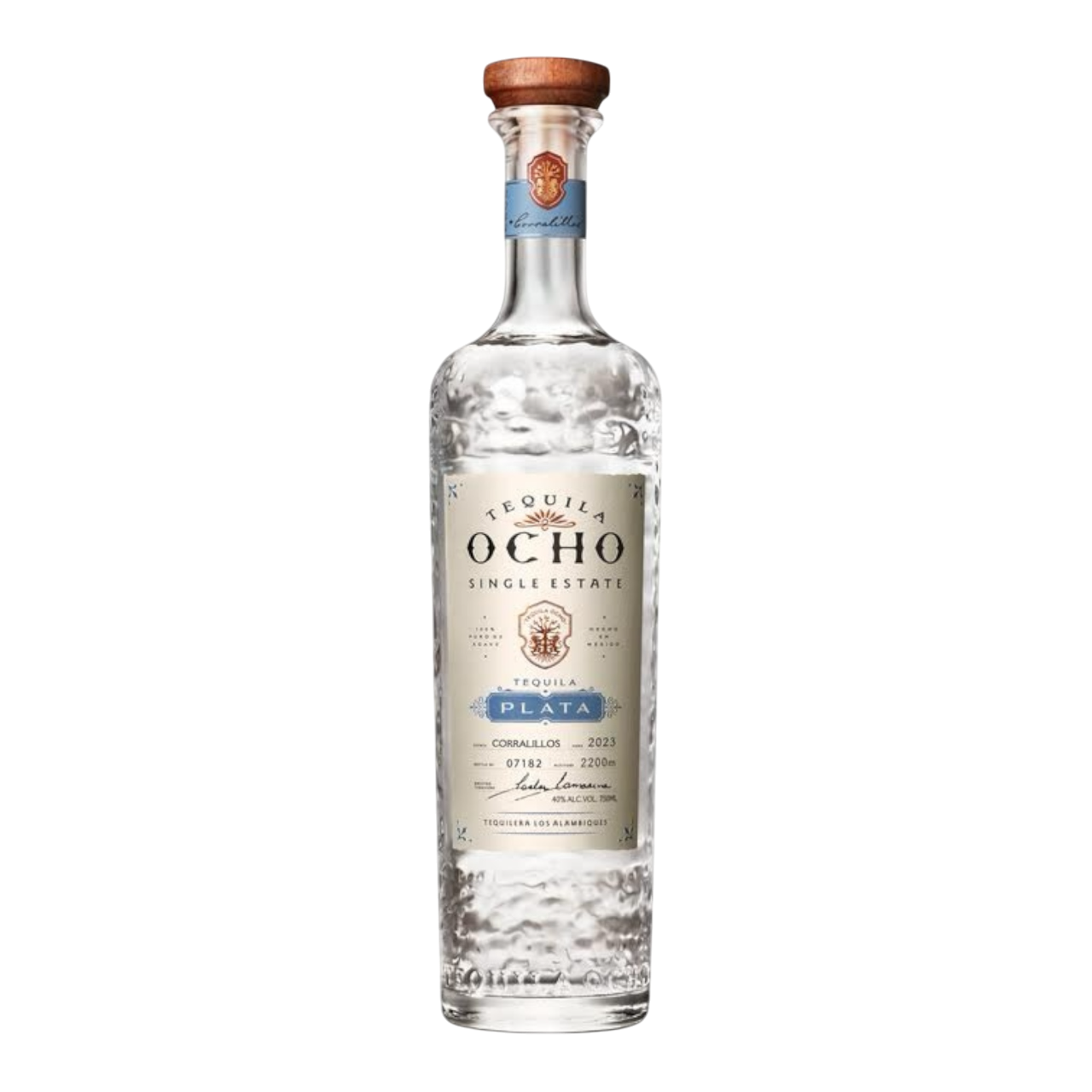
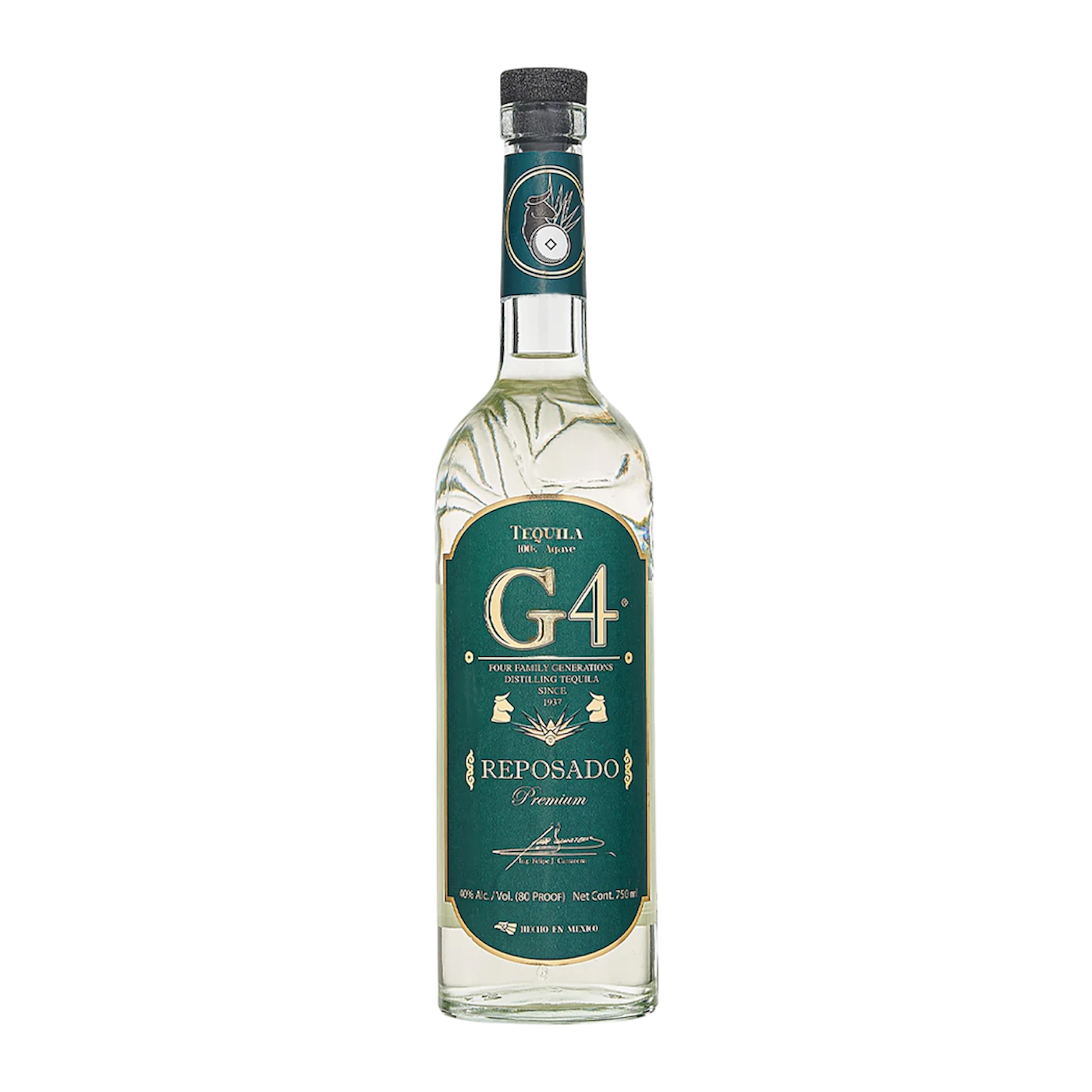




Premium Joven tequila provides a smooth, balanced taste that many drinkers mistake for a cheap, artificially colored gold blend. This unique spirit bridges the gap between the fresh, vibrant intensity of blue agave and the deep, complex notes of aged oak barrels.
Finding the best bottle for your collection starts with knowing exactly what goes into the final blend. To help you choose the right expression, we will explore What Is Joven Tequila and How Is It Made? You can find the best spirits by looking at the details. The path begins withWhat Is Joven Tequila and How Is It Made?
Joven tequila is a legally recognized class of agave spirit defined by the Consejo Regulador del Tequila (CRT) as a master blend of unaged blanco tequila and aged expressions such as reposado, añejo, or extra añejo. True Joven tequila must be crafted from 100% Blue Weber agave to ensure premium quality and a clean, authentic flavor profile without additives.
Joven tequila is a rare and special type of agave spirit. The word "joven" means "young" in Spanish. This describes the drink's fresh and bright feel. While most fans know about silver or aged drinks, this group offers a middle ground.
It is one of the five legal classes of tequila listed by the state. This spirit blends the crisp taste of new agave with the smooth notes of older batches.
A Unique Blend of Styles
The secret to making joven tequila is the blend. Makers create it by mixing unaged blanco tequila with at least one aged type. This often means adding some reposado or añejo to a base of blanco.
This step allows the drink to have a clear or gold tint. Unlike reposado, which sits in wood for months, joven gets its color and taste from this mixing step. The process creates a spirit that feels both new and deep.
Top-tier versions are always made from 100% Blue Weber agave. Using only this one plant ensures a clean and rich taste. Modern tools like isotopic analysis help prove that the sugars in high-end tequila come from agave alone.
This helps fans find bottles that are pure and free from cheap grain spirits. When you sip a fine joven, you taste a careful mix of different ages and styles.
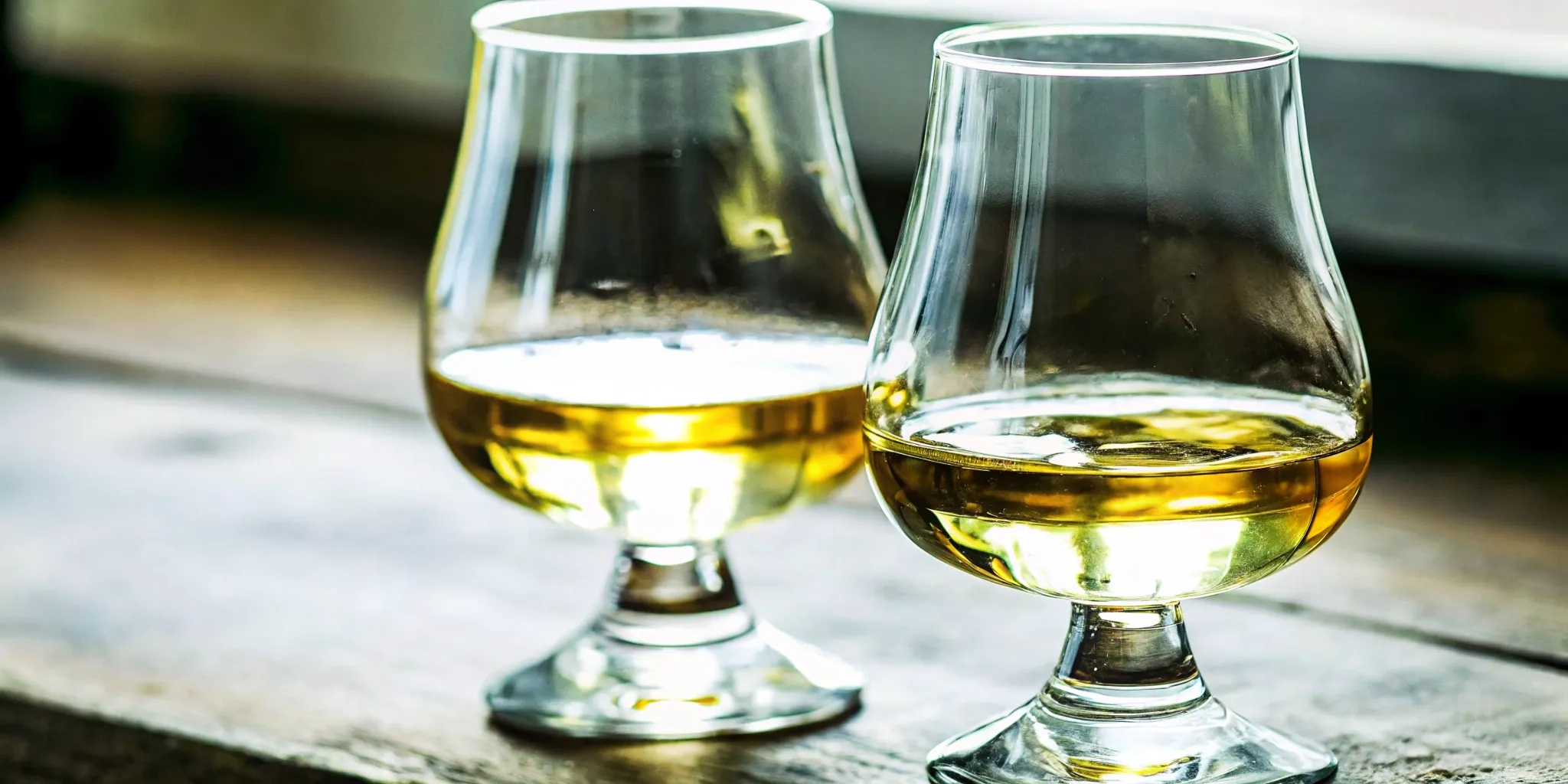
The Art of the Master Blender
Making this spirit is a task for a master blender. Their goal is to find a perfect balance between two worlds. They want to keep the citrus and pepper notes of the fresh agave.
At the same time, they want to add the vanilla and oak notes from the aged spirit. This balance is hard to reach but leads to a very smooth drink. It makes the spirit great for both sipping and mixing in fine drinks.
The mixing process is different at each site. Some makers use a large amount of blanco to keep the drink crisp. Others might add more extra añejo to give it a deep, thick body.
You can understand the production process of joven tequila to see how these choices change the final taste. Each bottle tells a story of how the maker views the agave plant and its path through time.
Joven vs. Gold Tequila
You might see bottles labeled as "Gold" or "Oro" in stores. In many cases, these are just other names for joven tequila. But there is a big difference between craft bottles and low-priced ones.
Many cheap gold drinks are "mixtos." These contain only 51 percent agave and use food dye to look aged. Fine joven spirits do not use these extras. They rely on real aged tequila for their rich color.
When you shop for this drink, look for these signs of quality:
- The label says 100% de Agave: This ensures no cane sugar or artificial sugars were used.
- The bottle shows the site where it was made: This includes the NOM number identifying the distillery.
- The color is a soft, natural gold: This indicates a natural blend with aged reposado or añejo.
- The spirit has no added sugars or dyes: This guarantees an additive-free tasting experience.
Picking a 100% agave bottle ensures you get the real deal. It avoids the harsh taste and dyes found in many mass-market gold brands. A true joven is a craft product that honors both the soil and the wood. It offers a complex taste that stays light on the tongue.
The Legal Classification: How the CRT Defines Joven Tequila
Under Mexico's official NOM-006 standard, the Tequila Regulatory Council (CRT) defines Joven tequila as a distinct class resulting from the blend of unaged silver (blanco) tequila with rested (reposado) or aged (añejo/extra añejo) spirits, or through the addition of natural softening agents (abocado).
Tequila is not just a spirit; it is a drink with strict legal rules. The Mexican government sets these rules to keep the quality of every bottle high. The main rulebook for this spirit is known as NOM-006. This set of rules defines what can be called tequila and how makers must produce it. It covers everything from where the agave grows to how the final spirit is labeled. These laws help protect the name and the culture of Mexico.
The role of the CRT
The Tequila Regulatory Council, or CRT, watches over every step of the work. They make sure makers follow the law. Based on the labeling rules from the CRT, there are five legal classes. These are Blanco, Joven, Reposado, Añejo, and Extra Añejo. Joven tequila holds a special place in this set. It is a bridge between unaged spirits and those that sit in wood for years. It offers a taste that combines the fresh plant with the soft touch of aging.
What makes a Joven?
Many fans like to see where Joven fits into tequila categories to find the best drink. The law defines Joven as a blend. It starts with a base of unaged Blanco tequila. Then, the maker adds a small amount of aged spirit. This added part is usually a Reposado or an Añejo. In some cases, makers might add extras like caramel or oak extract to soften the taste. However, the best joven tequila skips these extras and relies only on the skill of the blend.
Gold vs Joven labels
In other parts of the world, you might see this type called "Gold" tequila. The NOM-006 rules allow for this name in the global market. But there is a big gap in quality between "Gold" and a true Joven. Many "Gold" bottles are mixtos. These are cheap spirits made with only 51% agave sugar. They often use dyes to look like aged spirits. A true Joven focuses on the agave. It uses the Blue Weber plant to give you a clean and rich taste. This agave is the only type allowed for 100% agave spirits.
Proof of purity
Agave purity is the most key part of a premium spirit. Scientists use tools to prove that a bottle is real. One way they do this is through isotopic tests. This test checks the sugars in the alcohol to find their source. It shows the sugar came from the Blue Weber agave and not from corn or cane. This helps keep the "100% Agave" label honest.
When you sip a top Joven, you are tasting the results of both law and science. You get the bright notes of a fresh Blanco with the deep soul of an aged spirit. It is a balanced blend that meets the highest legal standards.
Joven vs. Gold Tequila: Why the Label Details Matter
While often conflated, true Joven tequila is a premium 100% Blue Weber agave spirit blended by master distillers, whereas standard "Gold" or "Oro" tequila is typically a low-cost "mixto" made with 51% agave and artificially colored with caramel, oak extracts, and glycerin.
The term "Gold" can be a trap for new buyers. Many people think it means the spirit is aged, but the label often hides a different story. In most stores, Gold tequila is a "mixto." This means it only uses 51% agave sugars and relies on additives for its look and taste. Real Joven tequila is a different class that focuses on quality and flavor.
The trap of mixto gold
Cheap Gold tequilas use "abocado" methods to mimic aging. Makers add caramel color, oak extract, and sugar syrups to unaged spirits. These additives create a dark hue and a fake smoothness. This process masks the harsh bite of industrial alcohol. Since it is not 100% agave, it often causes a rougher morning after. You should check the bottle for the "100% de Agave" seal to avoid these low-quality blends.
Why 100% agave joven is different
Premium Joven is a legally recognized class of tequila. It is a master blend of unaged blanco and aged spirits like reposado or añejo. This mix gives you the bright, crisp taste of agave with the soft notes of wood. High-end brands use only Blue Weber agave to ensure a clean and pure spirit. These bottles do not use fake dyes or syrups to get their color.
How to read the label
To find the best spirits, look for specific clues on the glass. First, confirm the bottle says "100% de Agave" on the front. This proves no cane sugar was used during the cook. Second, look for the NOM number. This code shows which distillery made the product. A real Joven will list its blend on the back or on the brand site. You can browse our premium tequilas to find authentic bottles that skip the additives.
Looking for a rare expression to elevate your home bar? Browse our curated selection of premium 100% agave tequilas and find your perfect bottle.
How Joven Tequila Compares to Blanco, Reposado, and Añejo
Unlike Blanco (unaged), Reposado (aged 2–12 months), and Añejo (aged 1–3 years), Joven tequila has no fixed aging timeline. Instead, it is a masterfully blended hybrid that pairs the vibrant, peppery agavic notes of Blanco with the smooth, vanilla complexity of aged stocks.
Joven tequila holds a unique spot in the world of agave spirits. It is one of the five official classes set by the Consejo Regulador del Tequila (CRT). While other types rely on specific aging times in wood, Joven is a hybrid. It brings together the bright, crisp taste of clear spirits with the smooth feel of aged ones.
Joven vs Blanco
Blanco is the base for all other styles. It is unaged and clear, showing off the pure taste of Blue Weber agave. Joven starts as a blanco but adds a small amount of aged spirit. This mix keeps the agave forward while adding a touch of gold color and a softer finish. It is a great choice if you want to learn more about standard tequila expressions without losing that fresh agave kick.
Reposado and Añejo Differences
Reposado rests in oak for two to twelve months, while Añejo stays in the wood for one to three years. These types get their color and flavor purely from the barrel over time. Joven stands apart because it does not have a set aging clock. Instead, it gets its character from the master blender who mixes the clear and aged stocks. This craft results in a complex spirit that works well for both sipping and fine cocktails.
| Tequila Class | Aging Time | Color | Tasting Profile |
|---|---|---|---|
| Blanco | 0-2 months | Clear | Agave, citrus, pepper |
| Joven | Variable blend | Light gold | Agave with soft vanilla |
| Reposado | 2-12 months | Pale straw | Oak, honey, fruit |
| Añejo | 1-3 years | Deep amber | Caramel, smoke, spice |
For the best experience, look for premium tequilas that are 100% agave. This ensures you avoid additives that are common in lower-grade bottles. High-end Joven is a refined pick for any discerning collector who values the art of blending.
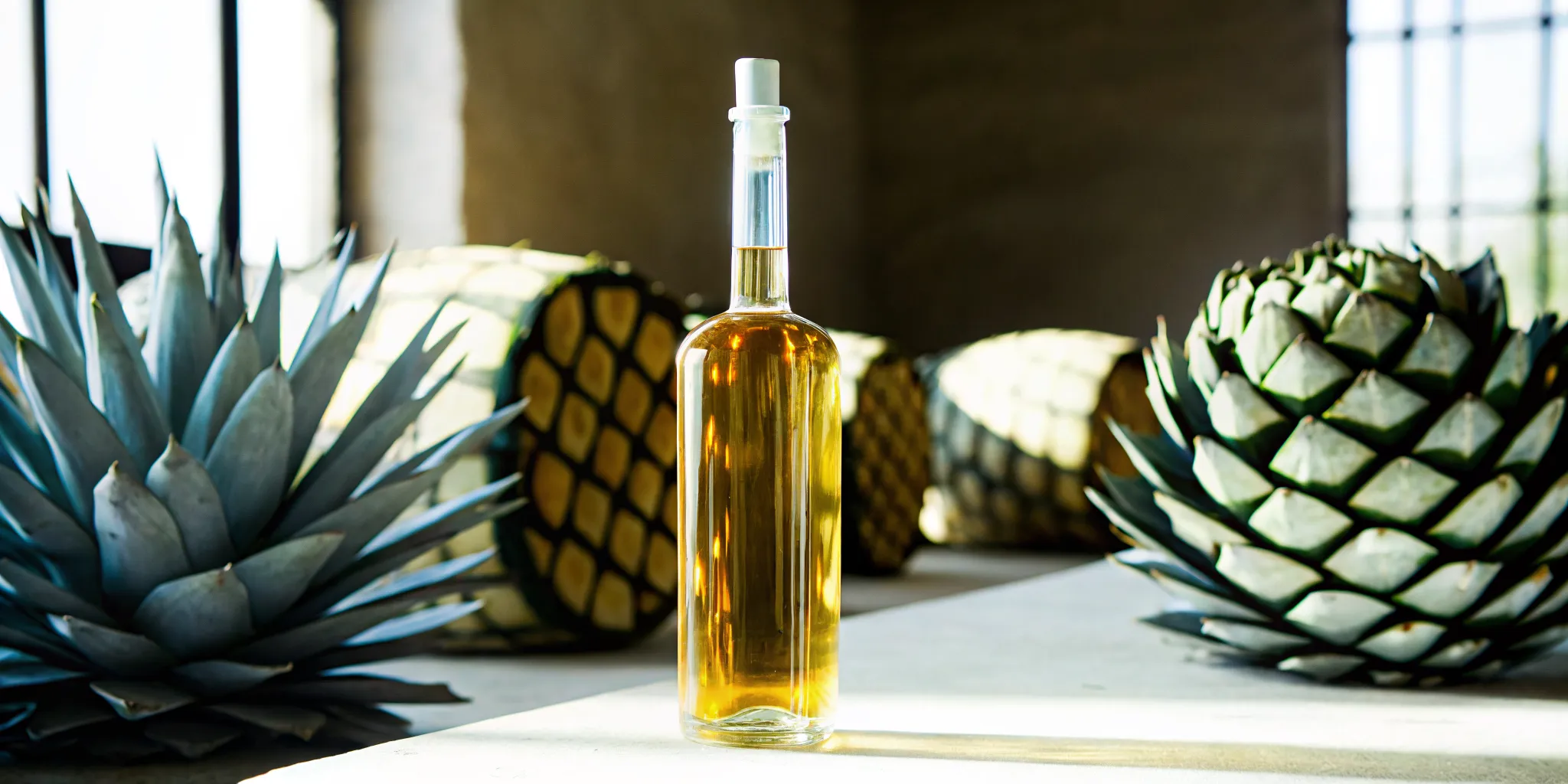
Is Joven Tequila Considered High Quality?
Yes, premium 100% agave Joven tequila represents some of the most exclusive, limited-production craft spirits on the market. By eschewing industrial sugar and artificial dyes, artisanal master blenders create incredibly smooth, highly sought-after sipping expressions.
For many years, some people thought joven tequila was low quality. This was because many cheap brands sold mixto tequilas labeled as gold. These spirits often had less than 100% agave and many additives like caramel coloring. Today, the world of spirits has changed. High quality joven tequila is now a favorite for those who love craft spirits.
Modern craft spirits
Most modern drinkers look for labels that say 100% agave. This means the tequila comes only from Blue Weber agave plants. When you find a bottle made this way, you are looking at a premium product. These tequilas do not use cheap sugars or fake colors to look aged. Instead, they use careful blending to get their unique taste.
You can find many bottles of premium tequilas that are joven. These spirits show the skill of the maker. They offer a mix of fresh agave and soft wood notes. This makes them a great choice for sipping slowly. People who enjoy fine spirits often seek them out for their rare and complex flavors.
Official rules and grades
The Consejo Regulador del Tequila (CRT) has strict rules for all tequila. Joven is one of the five official classes of tequila. It is a real and legal grade that makers must follow. To be high quality, the maker must blend unaged blanco with aged types like reposado or añejo. This process creates a spirit that has the best of both worlds.
The quality of a joven depends on the agave used and the maker's care. When you learn more about tequila expressions, you see how much work goes into a good blend. A top maker will use clean methods and no additives. This ensures the spirit stays true to its roots. Many of the most expensive and rare bottles on the market today are joven tequilas.
How to Drink Joven Tequila for the Ultimate Tasting Experience
To truly enjoy joven tequila, you must treat it with care. This spirit is a blend of silver tequila and aged types like reposado. Because it mixes different styles, it has a deep flavor that needs your full focus. Drinking it the right way helps you find the bright notes of the plant and the soft hints of wood. It is a unique drink that brings the best of both worlds to your glass.
Sipping it Neat
Most experts say that sipping joven tequila neat is the best way to start. When you drink it without ice, you can taste the craft of the blender. You get the crisp, fruit notes of the silver base along with the sweet vanilla of the aged spirit. This balance is what makes a good joven stand out. If you want to learn more about tequila expressions, start with a neat pour of a 100% agave bottle.
The Right Glassware
The glass you use makes a big change in how you smell and taste the spirit. Do not use small shot glasses for a fine joven. Instead, choose a glass with a thin top, like a Riedel or a Glencairn glass. These shapes help trap the scents of the blue agave at the top. The official tequila rules from the CRT list joven as one of the five main types. A good glass lets you enjoy the deep layers of this official type.
Elevated Cocktails
While sipping is great, this tequila also works well in top-shelf drinks. A joven can add a rich taste to a margarita that a basic silver cannot. Try it in a Paloma with fresh fruit juice and a pinch of salt. The mix of aged spirits gives the drink a smooth finish. Always use fresh items to keep the focus on the spirit. Using 100% agave is key to a good drink, as studies of agave sugar show that pure plants lead to a better drink.
- Pick a clean glass with a wide base and a thin rim to help you smell the drink.
- Pour a small amount of the spirit at room heat to keep the flavors open and clear.
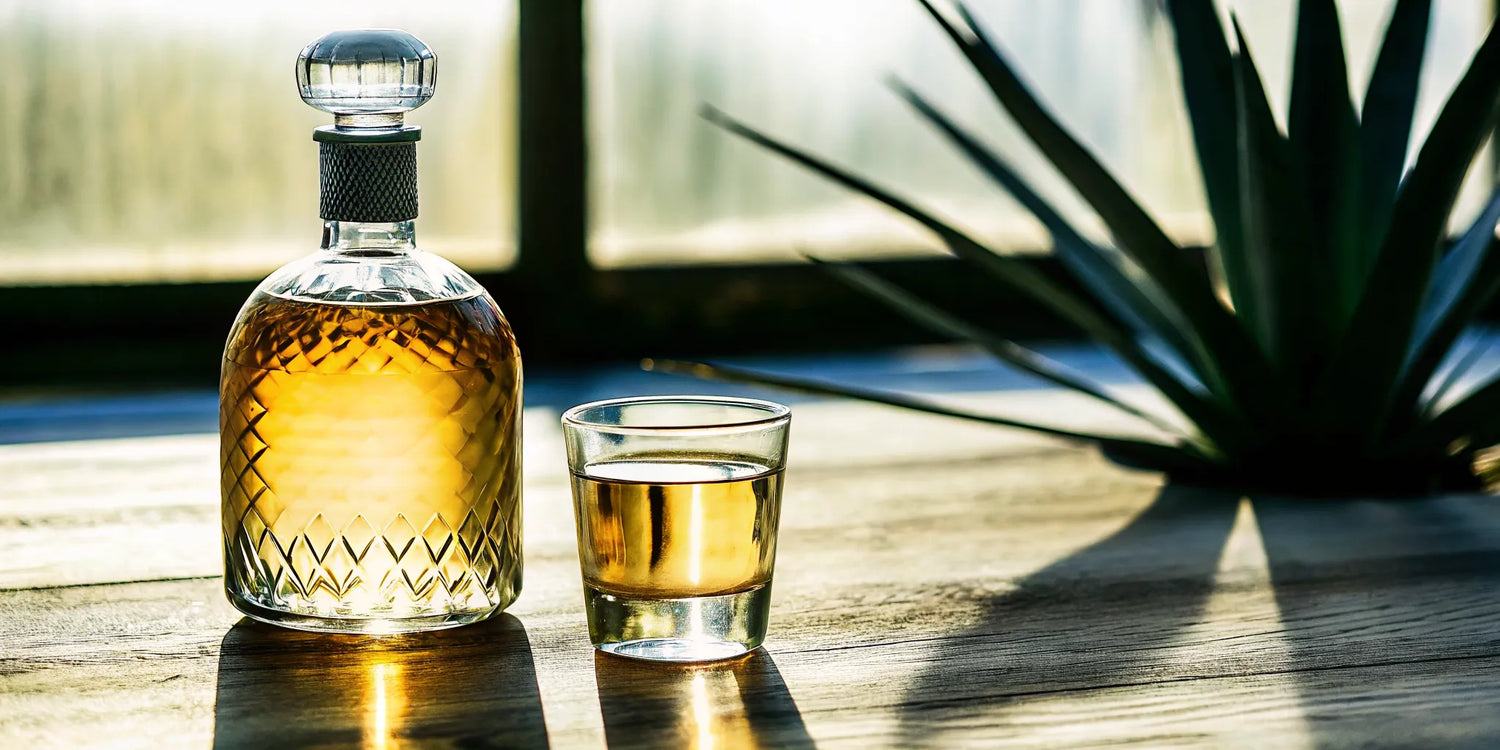
- Hold the glass up to the light to see the gold color that comes from the aged part.
- Bring the glass to your nose and take a soft breath to find notes of fruit or spice.
- Take a small sip and let it coat your tongue before you swallow to feel the smooth finish.
Take your time with each pour. The goal is to find the small things that make each bottle special. Whether you drink it neat or in a drink, always look for 100% agave on the tag. This makes sure you are getting a real spirit without any bad parts. Following these steps will help you get the most out of every bottle you buy.
Frequently Asked Questions
How should you store Joven tequila after opening?
You should store Joven tequila in a cool, dark place away from direct sunlight. Make sure the cap is tight to keep air out. While tequila does not spoil like wine, air can change the taste over time. For the best flavor, try to finish the bottle within one year of opening. Keeping the bottle upright prevents the high alcohol from touching the cork or cap seal. This simple care keeps your spirit tasting fresh for every pour.
Is Joven tequila gluten free?
Pure Joven tequila made from 100 percent agave is naturally gluten free. The distillation process removes proteins, making it safe for those with gluten sensitivities. However, you must be careful with low quality mixtos. These may have additives or flavorings that contain gluten. To be safe, always look for the 100 percent agave seal on the label. According to the CRT, this seal ensures the spirit meets strict purity standards for the entire class.
What is the best glass for drinking Joven tequila?
The best glass for drinking Joven tequila is a narrow, tall glass called a caballito or a small wine glass. A flute shape helps trap the delicate scents of the agave and wood blend. This lets you enjoy the bright citrus and soft oak notes before you take a sip. Avoid using large, wide glasses that let the scents escape too fast. Using the right glass turns a simple drink into a full tasting event for any fan.
How does Joven tequila differ from Mezcal?
Joven tequila is a specific type of tequila made only from Blue Weber agave. It is a blend of unaged and aged spirits. Mezcal can be made from many different types of agave plants. Most mezcals have a smoky taste because the agave hearts are roasted in underground pits. According to research, the use of Blue Weber agave is a key part of making authentic tequila. Joven offers a unique mix of fresh and soft notes without the smoke.
Ready to find your next favorite Joven tequila?
Waiting to try a real Joven means you miss the rich taste of aged spirits mixed with the bright notes of a Blanco. Delaying means you are stuck with one more day of plain drinks that do not show the skill of the maker. Many of these bottles come from small farms that only make a few cases at a time.
You can also learn more about tequila types in our guide. Get the best bottles sent to your door now so you can enjoy a glass with friends by next week. Do not miss your chance to taste the best that Mexico has to offer.
Ready to shop? Shop our complete collection of premium tequilas and mezcals at Sip Tequila today.