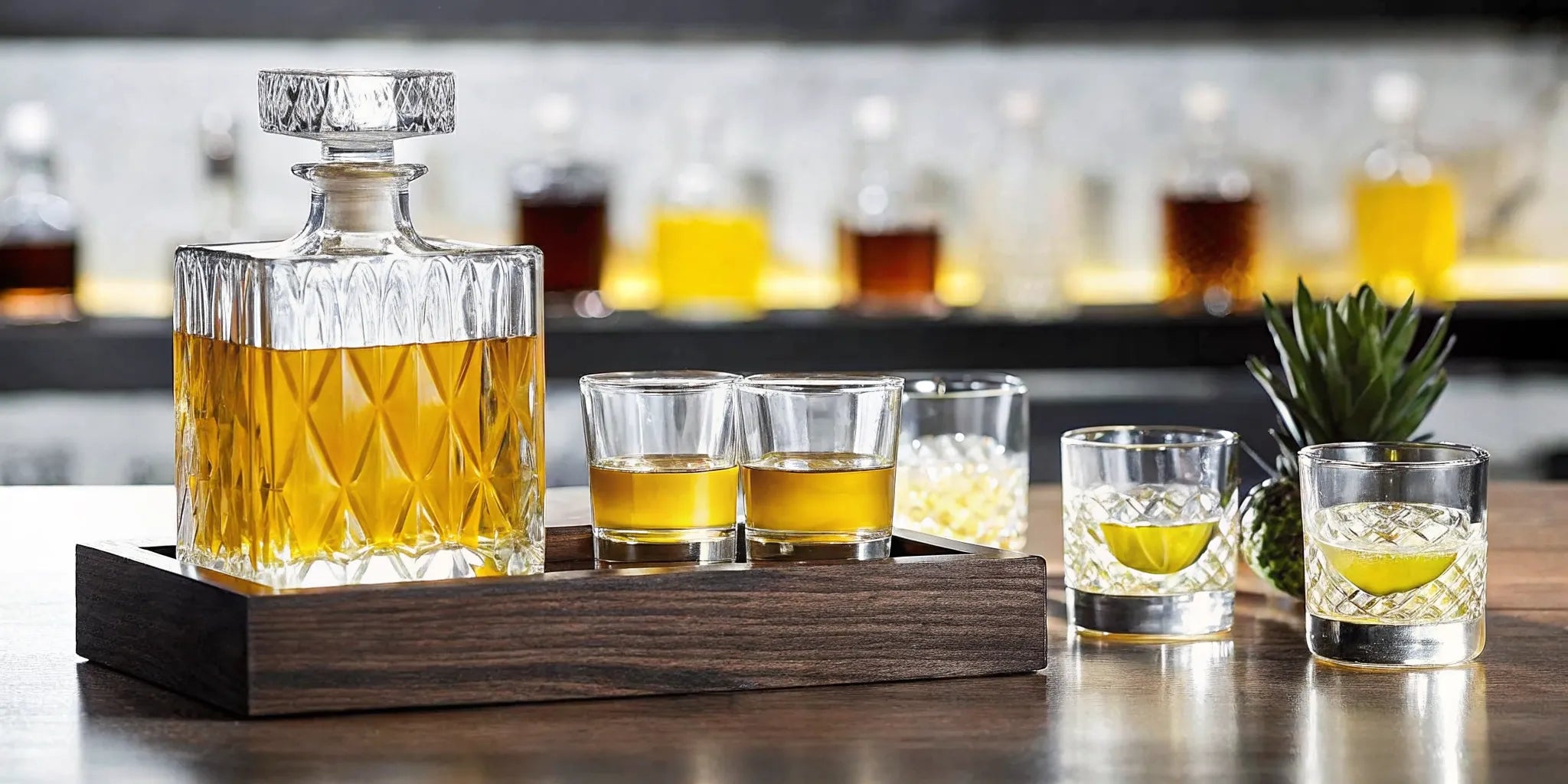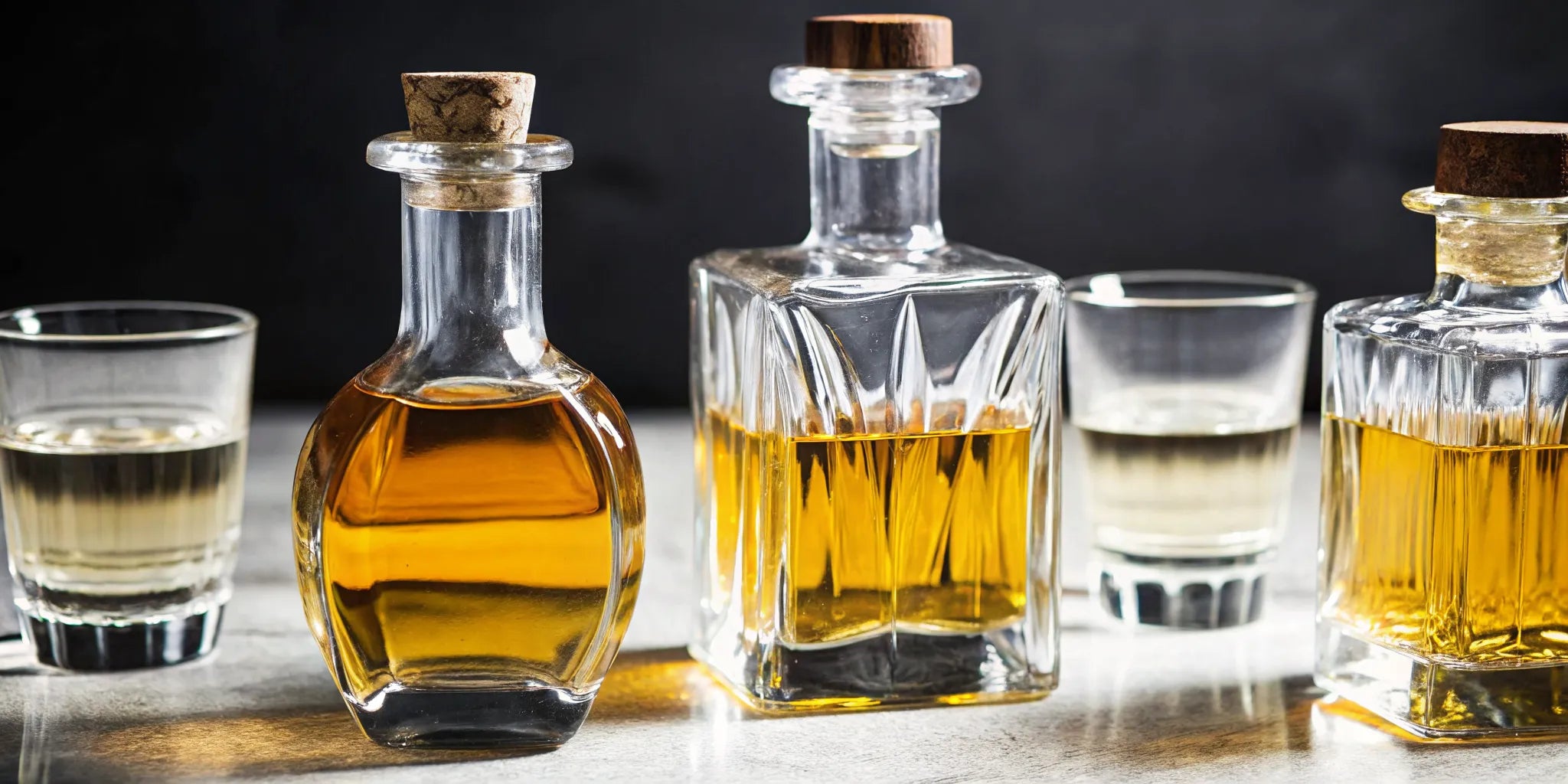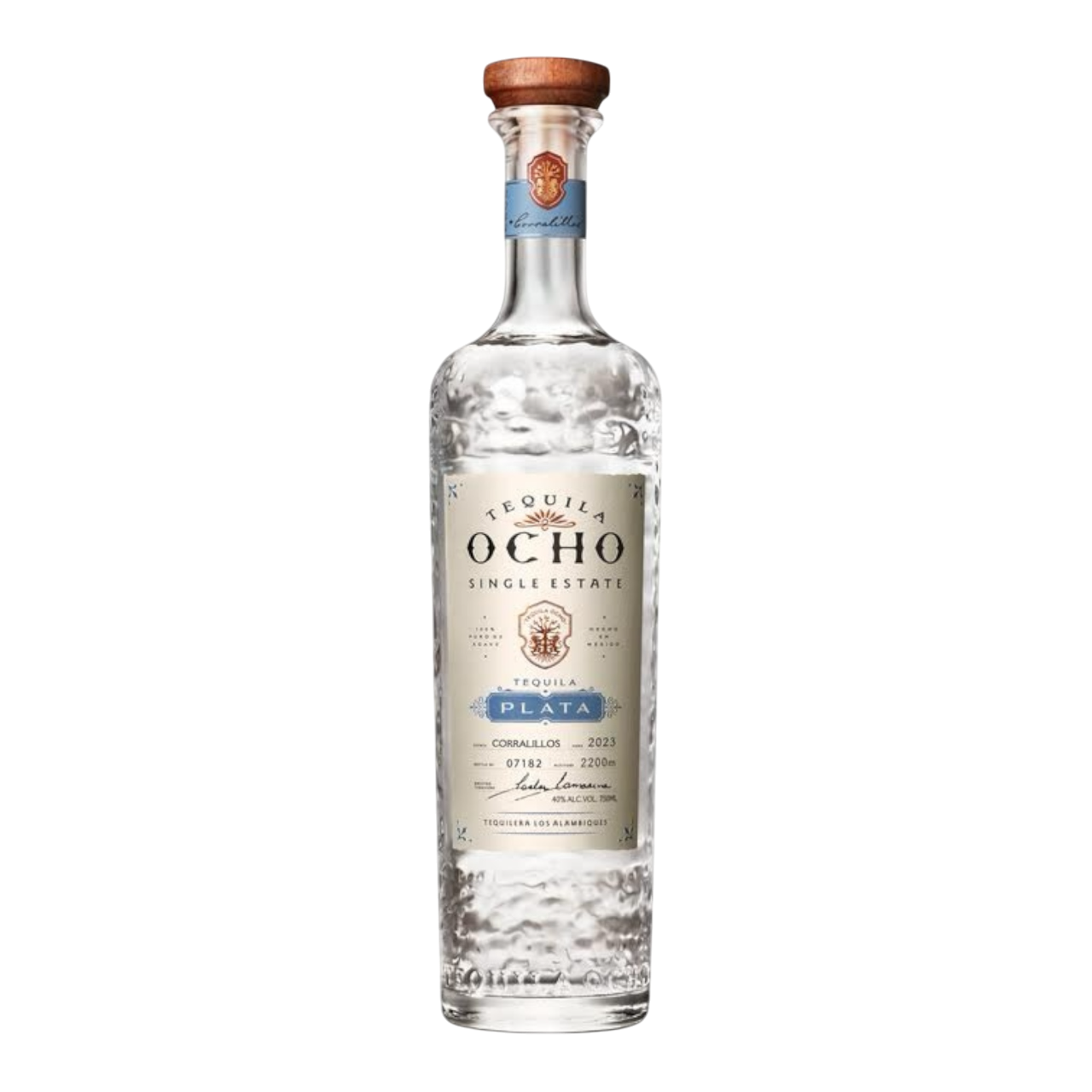
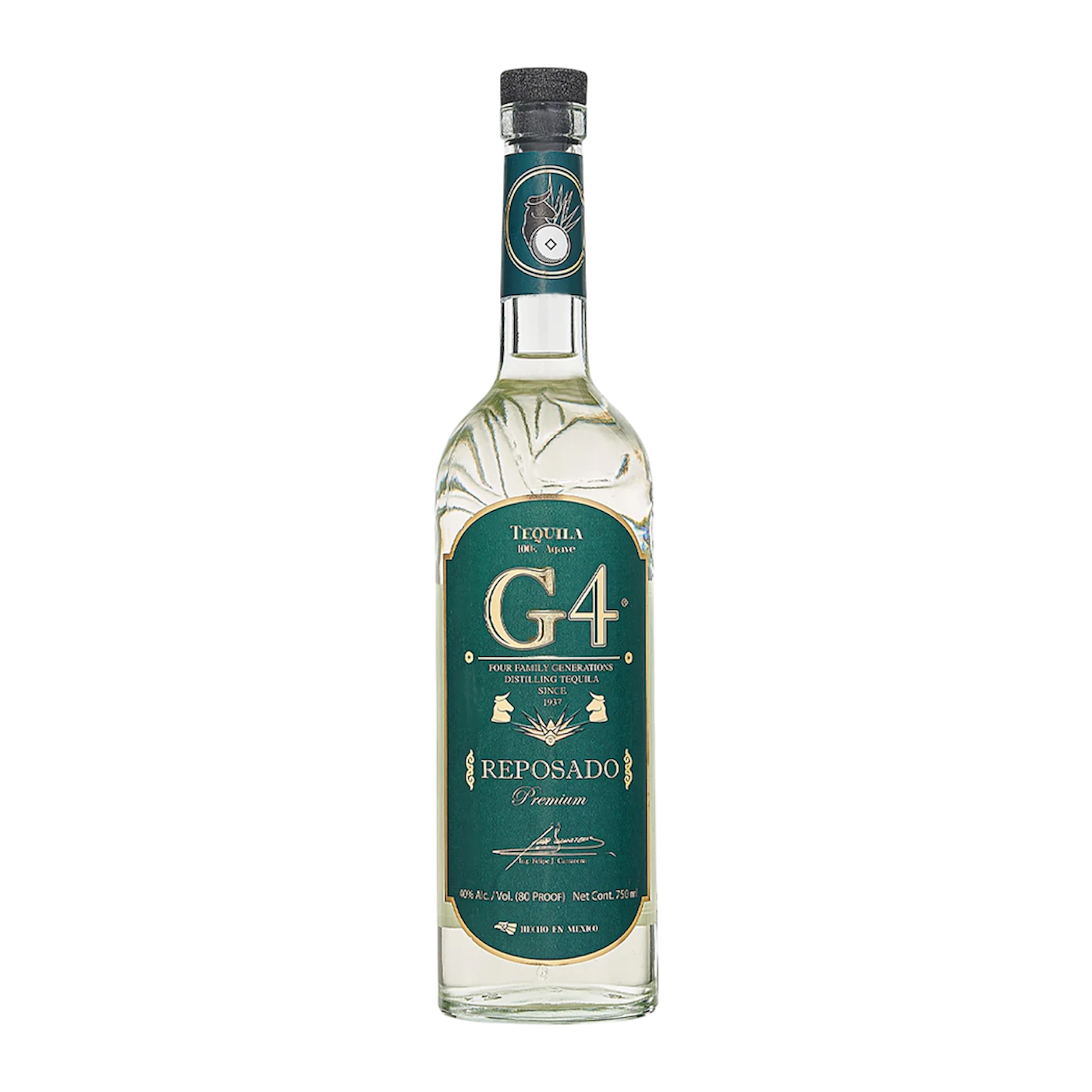
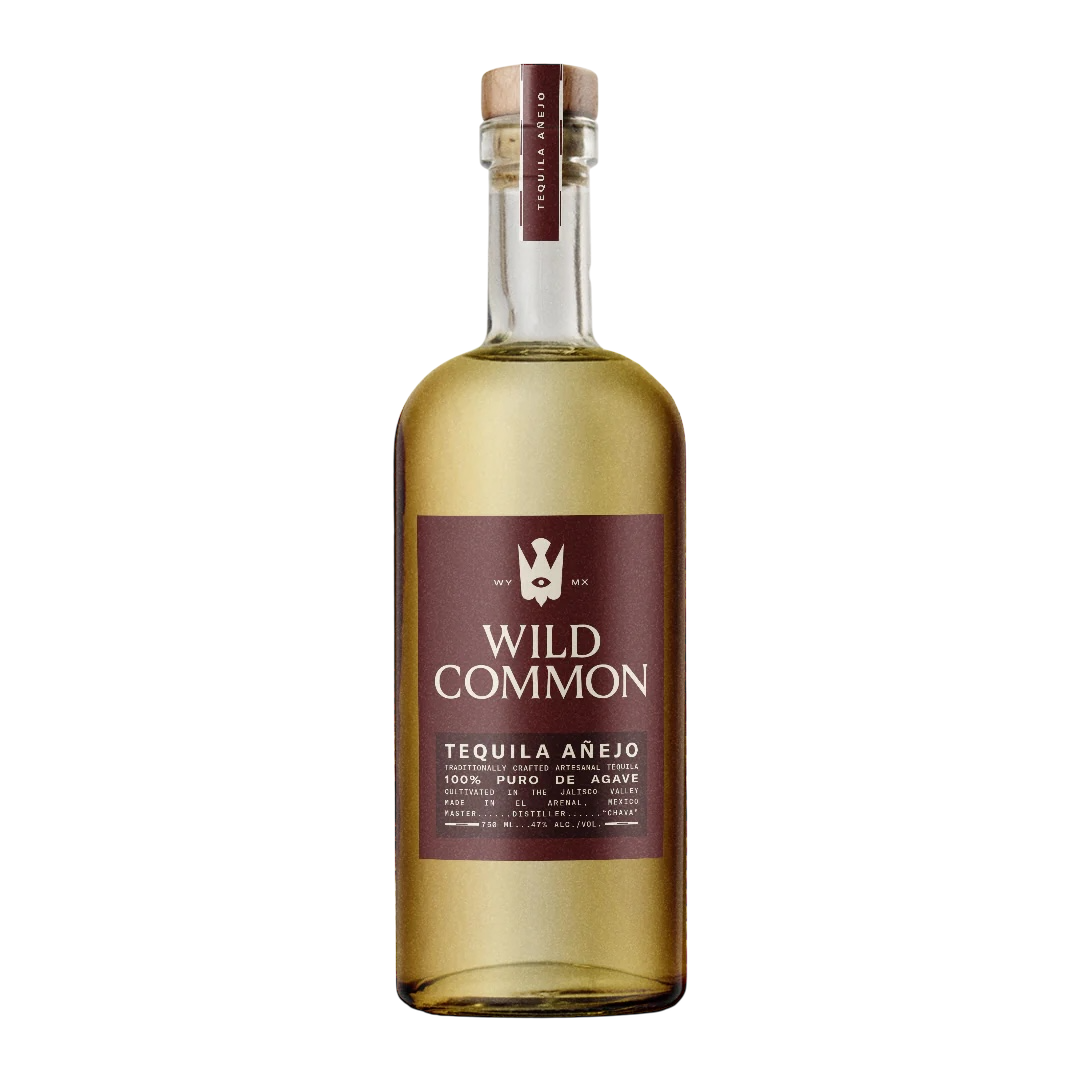
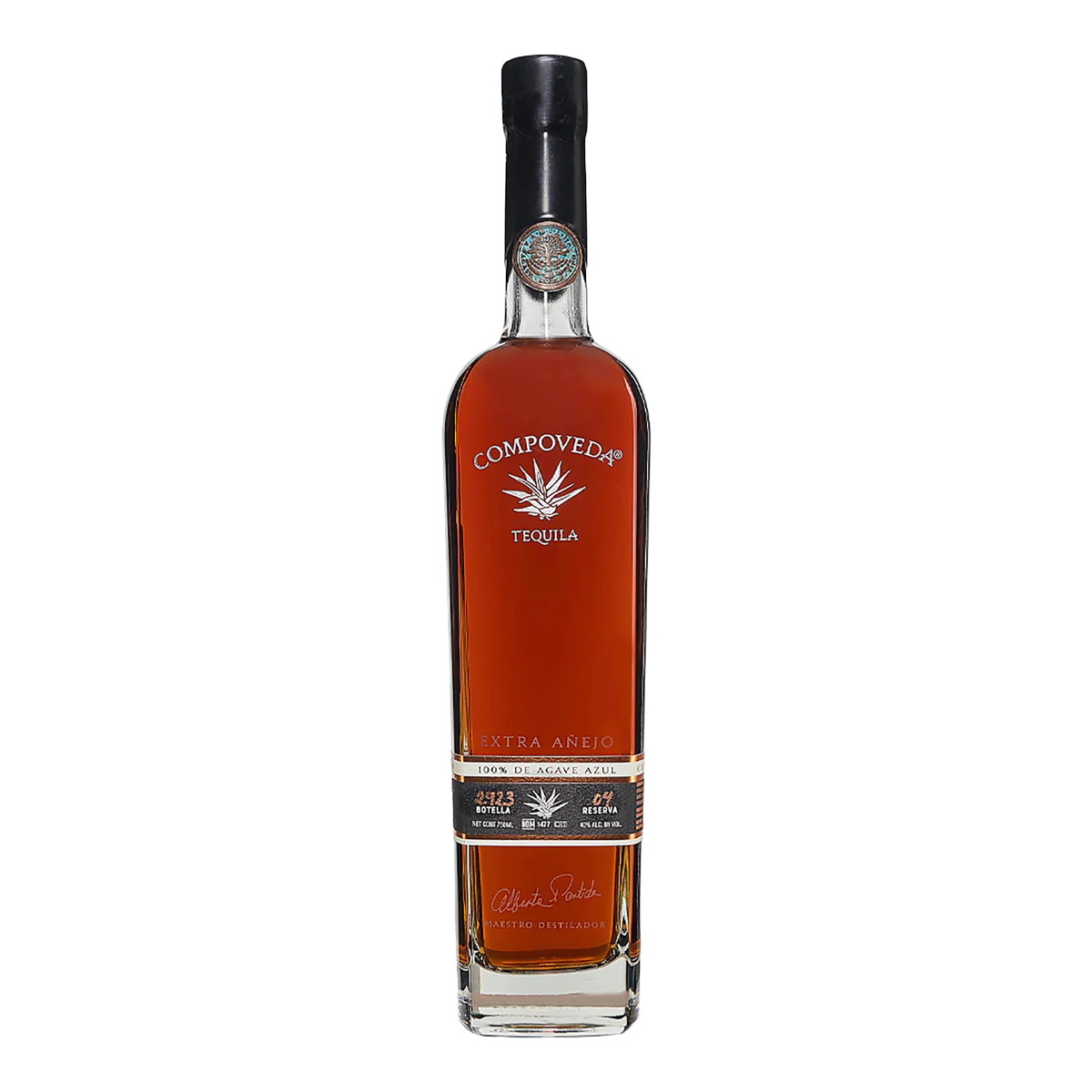
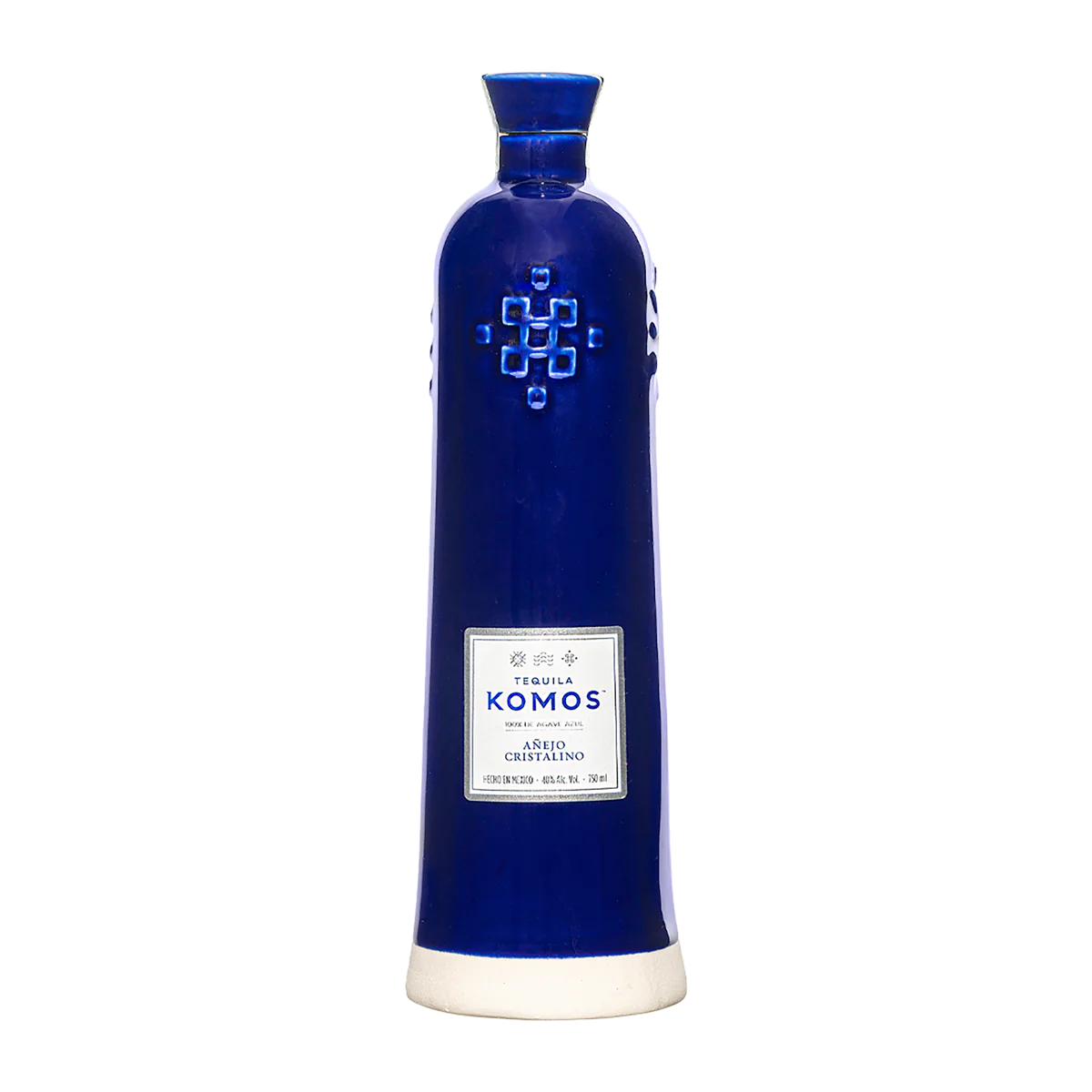
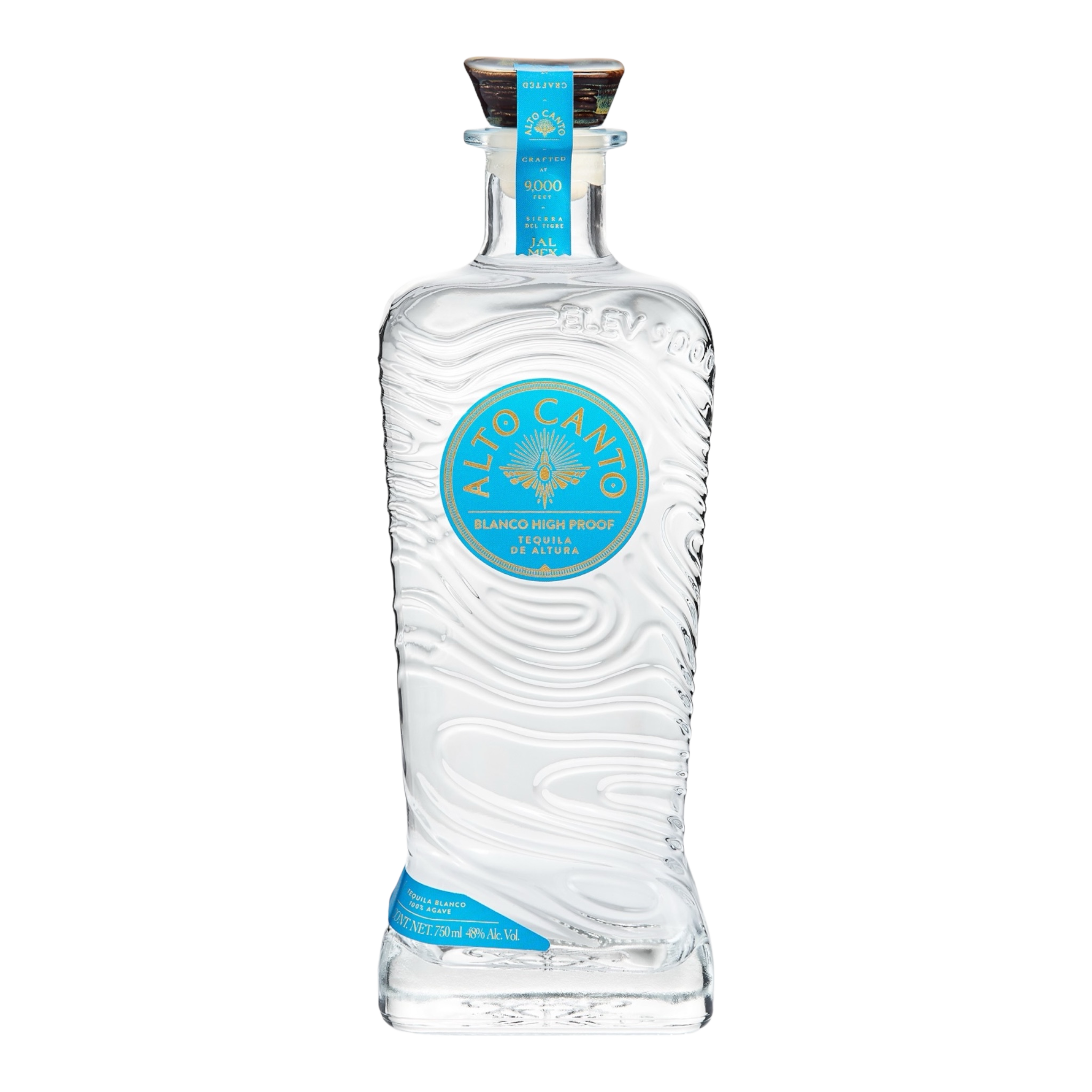
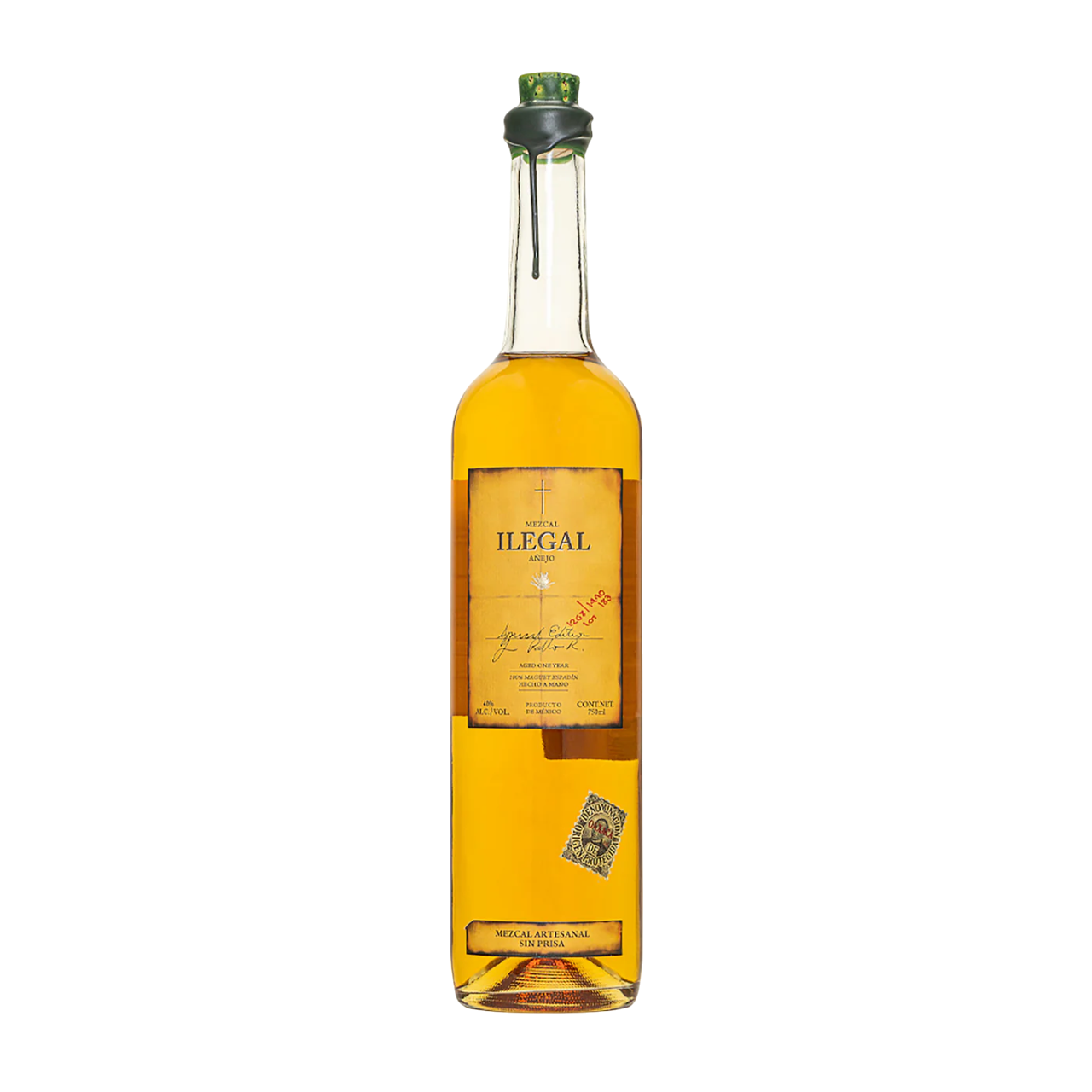
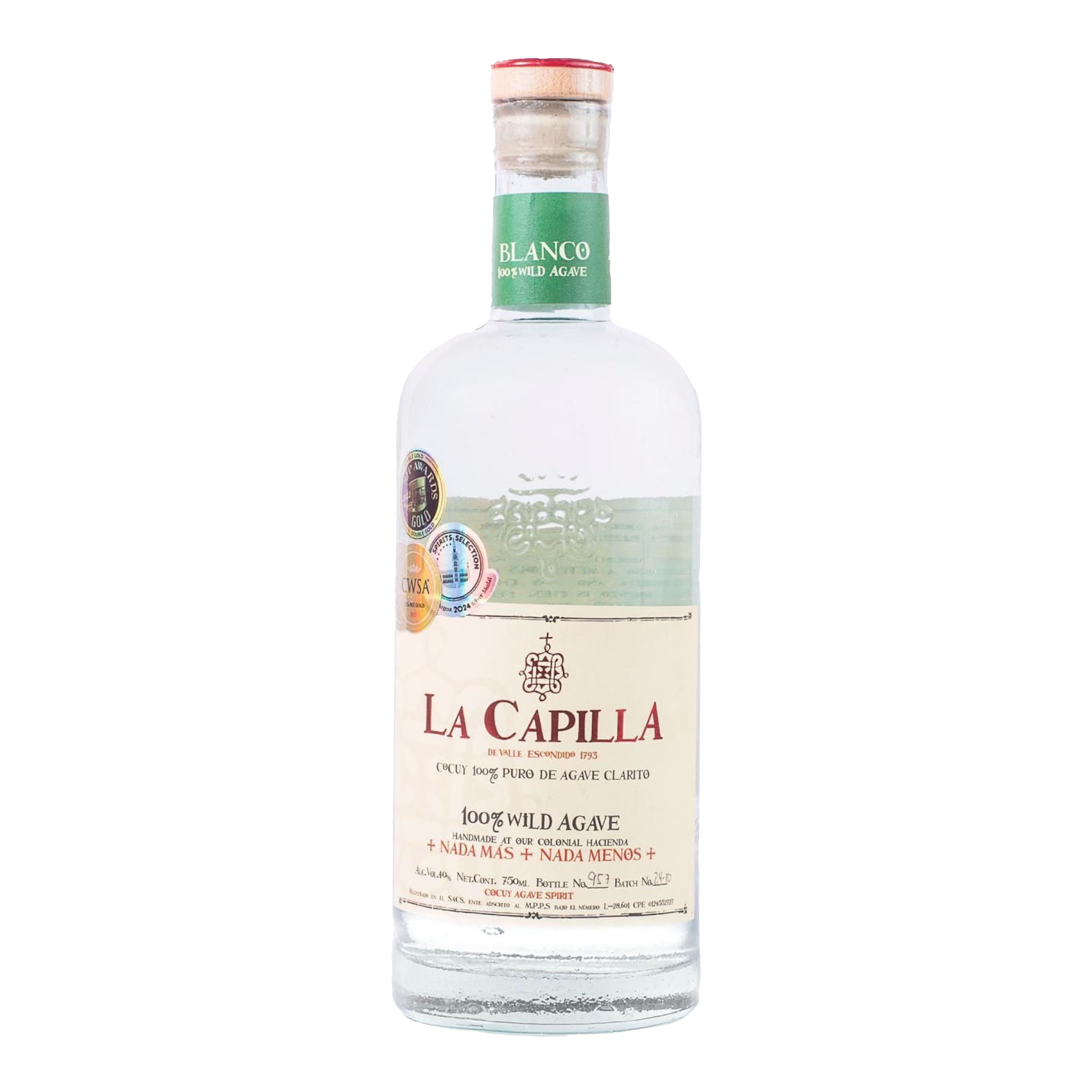



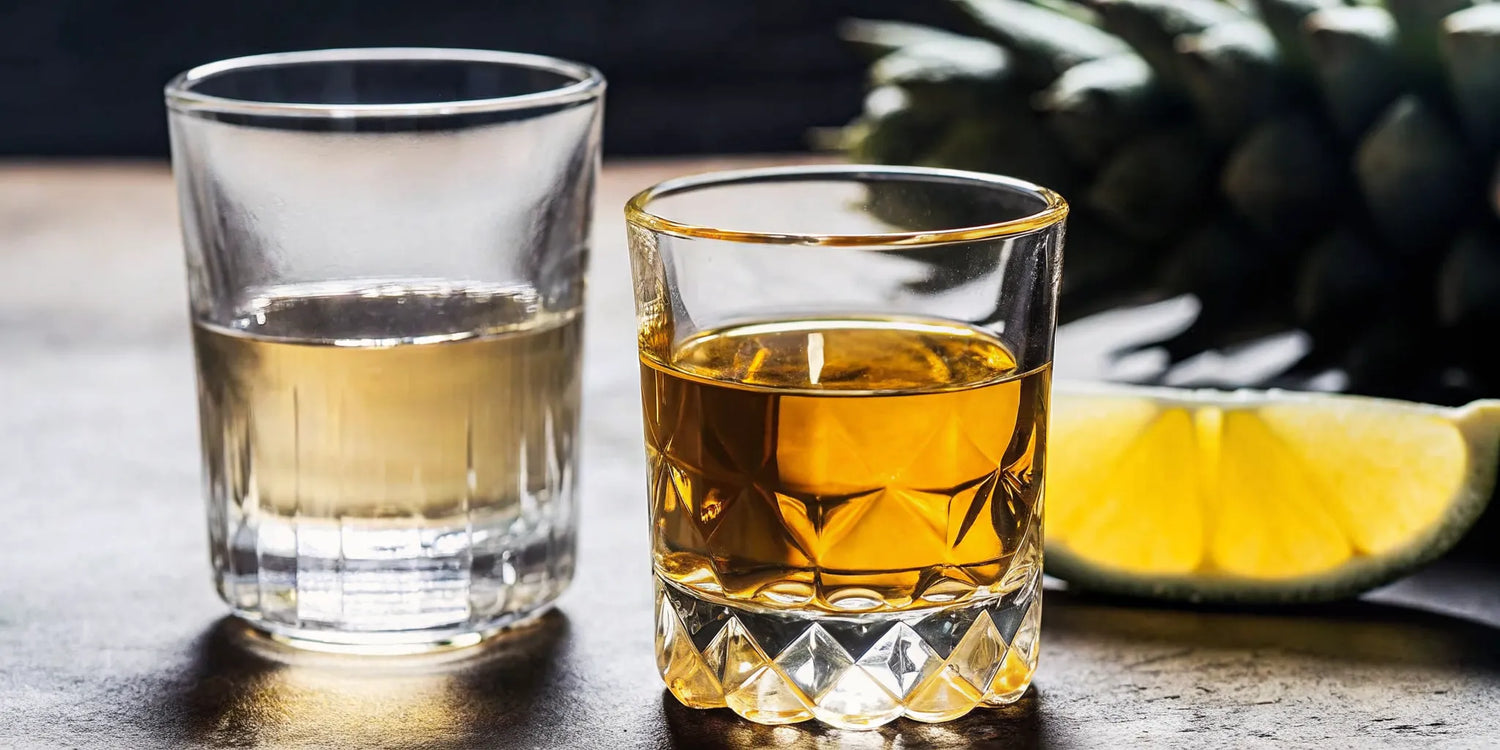
The primary difference in mezcal vs tequila lies in the specific agave species permitted and the type of heat source used during the traditional Mexican production process. Premium tequila is crafted exclusively from mature Blue Weber agave that is typically steamed in ovens, creating a refined profile defined by bright sweetness. In contrast, artisanal mezcal utilizes over thirty agave species roasted in underground stone pits to impart the spirit with its signature earthy and complex smokiness. This traditional production method is strictly regulated under official Mexican standards to protect the quality and heritage of every bottle produced. For drinkers accustomed to tequila, a well-crafted Espadin mezcal serves as the ideal bridge into a diverse world where terroir and ancient tradition dictate every sip.
Mezcal vs tequila at a glance
Choosing between mezcal and tequila can feel like a daunting task for many drinkers. While they share a long history and come from the same plant family, they offer different experiences. You may have heard that tequila is a type of mezcal, which is true. This simple fact is the best place to start your journey into the world of agave spirits.
Is tequila a type of mezcal?
To understand these spirits, you must first look at the agave spirit hierarchy. In Mexico, the term "mezcal" refers to any spirit distilled from the fermented juice of the agave plant. This means that tequila is a specific type of mezcal, much like how bourbon is a type of whiskey. But the Mexican government uses separate rules to regulate how each spirit is made and labeled. These rules ensure that when you buy a bottle, you know exactly what is inside.
Every bottle of tequila must follow strict laws to earn its name. These laws dictate the agave type, the region of production, and the distillation process. While all tequila belongs to the mezcal family, most mezcals do not qualify as tequila. This distinction helps fans find the specific flavors they enjoy most. It also protects the heritage of the many communities that have made these spirits for centuries.
Defining the agave source
The biggest difference between these two spirits starts in the field. Tequila producers must use only one type of plant: the Blue Weber agave. This plant is known for its high sugar content and crisp flavor. Because of this single-plant rule, tequila often has a bright profile that many fans love. You can shop premium tequila to find bottles that showcase this iconic agave.
Mezcal offers a wider range of flavors because it can come from over thirty different agave species. While many bottles use the Espadin agave, producers also use wild agaves like Tobala or Tepeztate. Research on agave diversity shows that traditional farmers once grew dozens of types for spirits. Each plant adds a unique character to the final spirit. Some may taste like tropical fruit, while others offer earthy or floral notes. This variety makes the category a favorite for those who love to explore new tastes.
How production shapes flavor
The way each spirit is made also creates a gap in flavor. For tequila, makers usually steam the agave hearts in large ovens or metal autoclaves. This method preserves the natural sweetness of the plant without adding outside flavors. It results in the clean taste that defines the category. Many drinkers enjoy the bright citrus and pepper notes that come from this process.
In contrast, traditional mezcal makers roast the agave in deep pits filled with wood and hot stones. This roasting process gives mezcal its signature smokiness. It is important to know that this smoke is a natural part of the craft, not a flaw in the bottle. To see this in action, you can understand how mezcal is crafted through our detailed production guide. Fans often appreciate how these ancient methods expand their palate with every sip. The result is a complex spirit that tells a story of the land and the fire used to create it.
. . . . . . . . . . . .| Feature | Tequila | Mezcal |
|---|---|---|
| Agave Type | Blue Weber only | Over 30 species |
| Region | Five specific states | Nine specific states |
| Production | Steamed in ovens | Roasted in pits |
| Common Taste | Sweet and crisp | Smoky and complex |
| ABV Range | Typically 35% to 55% | Typically 40% to 55% |
How production shapes the flavor in the glass
The path from raw agave to the spirit in your glass is where the magic happens. When you look at mezcal vs tequila, the way the plant is cooked is the first major choice in the road. These methods are not just tradition. They are the main tools that makers use to build special tastes.
Steaming vs roasting the agave
Tequila makers usually cook their agave hearts using steam. They use large brick ovens or high-pressure steel tanks called autoclaves. This process turns starches into sugars while keeping the agave's bright and herbal notes intact. Because the heat is clean, the final spirit has a crisp and focused taste.
Mezcal takes a different path. Producers roast the agave in deep earthen pits lined with volcanic rock. They cover the hearts with fiber and soil, then let them cook over wood fires for several days.
This underground roasting gives mezcal its famous earthy and smoky character. These distinct methods are defined by official standards like NOM-199-SCFI-2017, which governs how these spirits are made and labeled.
Agave varieties and palate diversity
The plants themselves also play a huge role in the final flavor. Tequila must come from one specific plant: the Blue Weber agave. This plant is prized for high sugar content. It produces a steady profile that drinkers love for its sweet and citrus-heavy backbone.
Mezcal offers a much wider world of plants. Makers can use over 30 different agave species. This natural variety is a key part of the spirit's history. Research shows that traditional farmers in Jalisco once grew more than 20 agave types for local spirits.
Each plant brings its own unique set of flavors, from floral and peppery to buttery and tropical. For instance, the Espadin agave is a common choice for those new to the spirit. It offers a profile that is easy to enjoy while still showing the depth of the category. Exploring these different agaves is a great way to expand your palate and find new favorites.
Understanding the smoke feature
Many people think of smoke as the main trait of mezcal. While it is present, it is helpful to view smoke as a production feature rather than a flaw. The level of smoke depends on the type of wood used in the pit and how long the agave roasts. A well-made bottle will balance the smoke with the natural sweetness of the plant.
This balance is key to a high-quality spirit. It allows you to taste the agave itself along with the influence of the fire. When you sit down to sip tequila like an expert, you'll notice how clean the flavors feel. Mezcal, on the other hand, asks you to savor a layer of depth that comes from the earth itself.
Both spirits deserve to be sipped and understood, rather than taken as quick shots. Whether you prefer the bright notes of tequila or the deep roots of mezcal, the production process is what makes each sip unique. You can browse our full collection of artisanal mezcal to find the right bottle for your journey.
What should tequila drinkers expect from mezcal taste?
Switching from tequila to mezcal often feels like moving from a bright room into a lush forest. Tequila is famous for its crisp, citrus, and pepper notes. Mezcal offers those same layers but adds deep earth and wood. Many drinkers worry that every mezcal will taste like a campfire. While smoke is a key part of the spirit, it is only one piece of a complex puzzle. You should expect a wider range of flavors than you find in the tequila world.
The source of the smoke
In the debate of mezcal vs tequila, the biggest difference in taste comes from how producers cook the agave. Tequila makers usually steam agave in ovens. Mezcaleros roast the hearts of the plant in underground pits lined with hot rocks. This roasting process gives mezcal its signature char. The flavor can range from a light drift of smoke to a rich, savory bonfire. Government standards like NOM-199-SCFI-2017 help define these categories, but the fire is what creates the soul of the drink.
The smoke is not meant to hide the agave. Instead, it should act like a seasoning. A well-made mezcal balances the char with the natural sweetness of the plant. If you pick a high-quality bottle, the smoke will feel like a soft backdrop. It highlights the green, floral, or fruity notes rather than burying them. This balance is what separates artisanal bottles from mass-produced options that rely too much on liquid smoke or harsh additives.
Agave variety and texture
Tequila is made only from Blue Weber agave. Mezcal can be made from over 30 different species of agave. This variety leads to a massive range in taste and texture. Some mezcals feel thin and sharp, while others are thick and buttery. This weight comes from the diverse sugars and minerals in wild plants. Each plant brings its own story to your glass. Some variants grow for decades before they are ready for harvest.
If you enjoy a bright blanco, you should look for a mezcal made from Espadin agave. Espadin is the most common variety used in production. It shares a similar sweetness with the Blue Weber agave used in tequila. This makes it an easy choice for your first bottle. You can explore top-tier mezcal brands to see which ones focus on this lighter style. A good Espadin will taste of sweet herbs and tropical fruit with just a touch of smoke on the finish.
Sipping for the full profile
To appreciate these subtle differences, you must change how you drink. You should never take mezcal as a quick shot. Instead, you should sip it slowly to let the flavors open up. Premium agave spirits are best when you sip and savor them. Small sips allow you to find notes of mint, cinnamon, or even wet stone that hide behind the smoke. This approach helps you catch the "finish" of the drink, which is often where the most interesting flavors live.
Proper technique also protects your palate. Taking large gulps can overwhelm your tongue with alcohol. When you sip slowly, the air mixes with the liquid and softens the heat. You can learn how to sip premium tequila to master the same methods for mezcal. Look for the way the flavor lingers after you swallow. A great mezcal will evolve in your mouth, starting with sweet agave and ending with a dry, earthy spice.
When to choose tequila and when to choose mezcal
Choosing between these two spirits depends on the occasion and your personal taste. Both offer deep history and craft, but they shine in different settings. Tequila often feels bright and energetic. Mezcal feels grounded and complex. Knowing when to reach for each can make your tasting experience much better.
When to reach for tequila
Tequila is the best pick for moments that call for clean and bright agave notes. It excels during parties or when you want a spirit that pairs well with light food. You might choose a crisp blanco for a summer afternoon or a rich anejo for a special gift. You can learn how to sip premium tequila slowly to catch every detail. Since tequila must use only Blue Weber agave, it provides a steady and familiar profile. This makes it a safe and elegant choice for high-end gifting. It offers a smooth taste that works well for both new drinkers and long-time fans. You can rely on its flavor when building a home bar for guests.
When mezcal is the right choice
Mezcal is better for times of quiet discovery or thoughtful sipping. Its bold character comes from old methods like roasting agave in underground pits. This gives the spirit a smoky edge that is a feature of its making rather than a flaw. You should choose mezcal when you want to explore the huge variety of agave species. While tequila relies on a single agave clone, traditional agave diversity is a core part of mezcal making. This variety means every bottle can tell a different story of the land and the maker. It is the right pick for anyone who wants a rustic and complex drinking experience. Try pairing it with rich foods like smoky meats or spicy chocolate to see how the flavors change.
Making the best pick for your palate
Your choice also depends on where you are in your agave journey. If you enjoy floral and citrus notes, a high-quality tequila will likely be your favorite. If you prefer earthy and savory flavors, mezcal will offer the depth you seek. New explorers often find that Espadin is the best bridge from tequila into the world of mezcal. You can explore top-tier mezcal brands to find a profile that matches your current tastes. Consider trying a discovery flight to compare how different making methods affect the final spirit. Both categories deserve a spot in any serious collection. Focusing on small batches will help you find the specific makers you love most.
How to buy your first mezcal bottle
Entering the world of agave spirits often starts with a question about mezcal vs tequila. While you might know tequila well, finding your first mezcal bottle takes a different lens. You are looking for craft and specific flavor notes that define this wide category. The process of shopping for your first bottle should be an exploration of the rich culture behind the spirit.
Choosing the right agave
The type of agave used sets the core taste of the spirit. Unlike tequila, which uses only one plant, mezcal makers work with dozens of species. Academic research shows that traditional farmers grow many agave types in Mexico. This variety allows for a range of tastes from earthy to floral. Understanding the plant helps you appreciate the time it takes to produce a single bottle.
- Start with Espadin agave. Many experts suggest starting with Espadin because it is the easiest entry point for tequila fans. This plant often yields balanced flavors that bridge the gap between familiar tequila notes and classic mezcal smoke. Since Espadin is widely grown, you can find many high-quality bottles at a fair price point.
- Check the production method. Look for bottles made using old-style methods like roasting agave in earth pits. This process creates the signature smoke that sets the spirit apart from other clear liquors. You can learn more about how artisanal mezcal is made to understand these unique steps.
- Look for the agave origin. The area where the agave grows affects the final taste of the spirit. Most mezcal comes from Oaxaca, but several other states hold a protected status for production. Official Mexican standards ensure these regions produce a real product that follows local traditions.
- Evaluate the alcohol strength. Check the label for the alcohol level or ABV. High-quality mezcals usually sit between 45% and 55% ABV. This higher proof helps keep the complex oils and flavors of the wild agave plants. If the alcohol level is too low, the spirit may lose some of its unique character.
- Identify your serving style. Decide if you want a bottle for mixing drinks or for slow enjoyment. We believe premium spirits are best when you sip and savor them rather than taking quick shots. A better bottle often shows deeper citrus or herbal layers when tasted neat. You can pair it with an orange slice to bring out the bright notes.
Reading the bottle label
Labels on agave spirits provide clues about the liquid inside. You should look for names like "Artesanal" or "Ancestral" which show a traditional craft. These labels mean the maker avoided modern machines or industrial short-cuts. These rules help protect the history and culture of the drink while ensuring you get a clean product.
Finding a trusted source makes your journey of discovery simple. You can explore a curated mezcal collection to find bottles that meet high standards for quality. Choosing a bottle from a top seller ensures you get a real piece of Mexican heritage that you will be proud to share with friends.
Is tequila a type of mezcal?
Yes, tequila is a specific type of mezcal. We can explain this relationship by comparing it to other spirits. Just as all bourbon is whiskey but not all whiskey is bourbon, every bottle of tequila technically fits under the mezcal umbrella. Mezcal represents the broader category of Mexican spirits distilled from fermented agave plants. Tequila is a subset of that world, defined by strict rules about where it is made and what goes into the bottle. Understanding the agave spirit hierarchy helps shoppers navigate these two distinct experiences.
Defining the category
The term mezcal comes from the Nahuatl words for cooked agave. Historically, any spirit made from agave was called mezcal. Over time, certain regions and styles gained their own names and legal protections. Tequila became the most famous export from this group. While they share a common history, the modern market treats them as separate categories. When you compare mezcal vs tequila on a store shelf, you are looking at a master category next to one of its most refined subcategories.
This difference matters because it sets your expectations for flavor. Tequila focuses on a narrow range of expressions from a single plant. Mezcal offers a vast landscape of flavors because it can draw from dozens of different agave varieties. For many drinkers, the journey begins with tequila and moves into mezcal as they look to expand their palate.
Specific agaves and production
The primary difference lies in the raw materials and how they are processed. Tequila must be made only from Blue Weber agave. In contrast, mezcal can be produced from over 30 different species of agave. While blue agave growth has expanded rapidly, traditional farmers in Jalisco have always cultivated more than 20 agave variants. This diversity is a hallmark of the mezcal category, according to research on agave germplasm.
Production methods also diverge significantly. To make tequila, producers usually steam the agave hearts in large ovens or autoclaves. This results in a bright and sweet agave flavor. Traditional mezcal production involves roasting the agave in underground earth pits. This roasting process gives mezcal its signature smoky character. This smokiness is a feature of the heritage production method rather than a flaw in the spirit.
Regulatory standards
Both spirits are protected by rigorous Mexican standards known as NOMs. These laws dictate everything from the geographic origin to the alcohol content. Tequila is governed by NOM-006, while mezcal follows NOM-070. The official Mexican standards cover the denomination, physicochemical specs, and test methods for these beverages.
These rules create the boundaries that define tequila as a unique spirit within the mezcal family. While every tequila is a mezcal by definition, the legal label of tequila requires the spirit to meet these specific criteria. For the consumer, this means tequila offers a consistent and familiar profile. Mezcal offers a wilder and more varied experience. Both belong on the shelf of any serious enthusiast who wants to sip and savor the best of Mexican craftsmanship.
How to taste mezcal and tequila side by side
A side-by-side tasting helps you understand the differences between these two spirits. When tasted together, the unique traits of each agave plant become clear. You can spot the crisp notes of a blue agave tequila next to the earthy depth of an artisanal mezcal. This turns a simple drink into a discovery of Mexican craft.
Glassware and temperature for tasting
First, you need the right tools. Skip shot glasses and choose a vessel with a wide bowl. A snifter or agave glass lets aromas gather. These scents are a huge part of the experience. You should also serve both spirits at room temperature to keep the subtle oils and flavors present.
Pour about an ounce of each spirit into separate glasses. Start with a premium blanco tequila. This unaged expression shows the pure profile of the Blue Weber agave. Then, pour an Espadin mezcal. This variety is an accessible entry point for those new to the category. Having both ready lets you compare their profiles.
A sensory tasting sequence
Tasting is a slow process. Start by looking at the clarity and body of the spirits. Then, bring the glass to your nose. Do not stick your nose deep into the glass, as the high alcohol content can sting. Instead, keep your mouth slightly open and sniff gently.
Notice the bright citrus or pepper in the tequila. Contrast that with the roasted or savory notes in the mezcal. Take a small sip and let the liquid coat your tongue. This helps you feel the texture or thickness of the spirit. Tequila often feels clean and structured while mezcal might feel richer.
Pay attention to the finish, which is the flavor that stays after you swallow. A long, complex finish is a sign of a high-quality bottle. You can learn how to sip premium tequila like a professional to improve your palate. Food can also change how you notice these flavors.
Food pairings and discovery
Try tasting with simple snacks like orange slices or a piece of dark chocolate. The acidity of the fruit can highlight the sweetness of the agave. Meanwhile, salt and spice can bring out the smoky traits of the mezcal. This search shows how versatile these spirits are for any occasion.
You do not need to be an expert to enjoy this journey. Each bottle tells a story of the land and the people who made it. If you are ready for a home tasting, you can shop artisanal mezcal and premium tequilas from our curated selection.
Following the official Mexican alcohol standards ensures that every bottle you choose meets strict quality rules for production. This focus on quality helps you find the best expressions of agave spirits from every region of Mexico.
Frequently asked questions about mezcal vs tequila
Is tequila a type of mezcal?
Yes. Tequila is a specific type of mezcal, because both are Mexican spirits distilled from agave. The key distinction is that tequila must use Blue Weber agave, while mezcal can come from many agave varieties and often uses traditional roasting methods.
Does mezcal always taste smoky?
Mezcal often carries smoke, but it should not taste only smoky. Better bottles balance roasted agave with herbs, fruit, minerals, pepper, or earth. For a tequila drinker, an Espadin mezcal is usually the most approachable first step.
Is mezcal better than tequila for sipping?
Neither is automatically better. Tequila is often brighter, cleaner, and easier to compare across expressions. Mezcal can feel more rustic, layered, and exploratory. The better sipping choice depends on your palate, occasion, and whether you want familiarity or discovery.
What should I buy first if I already like tequila?
Start with an Espadin mezcal from a producer known for balance and clarity. If you enjoy blanco tequila, look for crisp, herbal, or citrus-led notes. If you prefer aged tequila, choose mezcal with warmer roasted agave, mineral, or cocoa-like depth.
Ready to shop curated tequila and mezcal selections?
Delaying your agave education ensures you continue missing out on the vibrant flavors and traditional craftsmanship that define the most respected artisanal mezcal distilleries today. You risk wasting your time and money on spirits that fail to meet the high standards you have already established for your premium tequila collection. Starting your exploration now allows you to immediately begin refining your palate while securing rare bottles before they disappear from our limited curated inventory. Our guide can help you explore top-tier mezcal brands while preventing you from settling for average spirits that fail to reward your curiosity or palate.
Ready to shop curated tequila and mezcal selections? Shop curated tequila and mezcal selections to request a curated bundle for your home bar.