

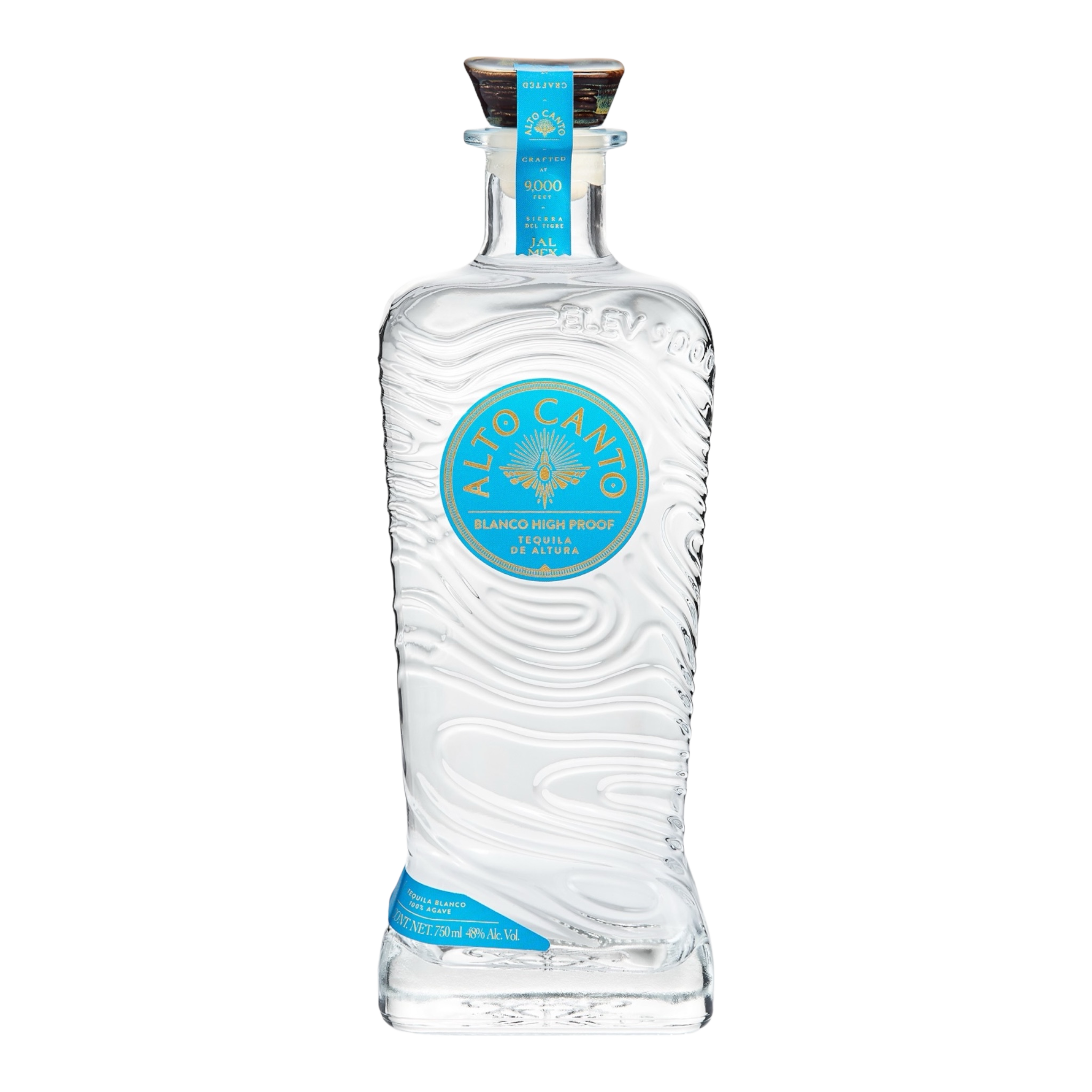
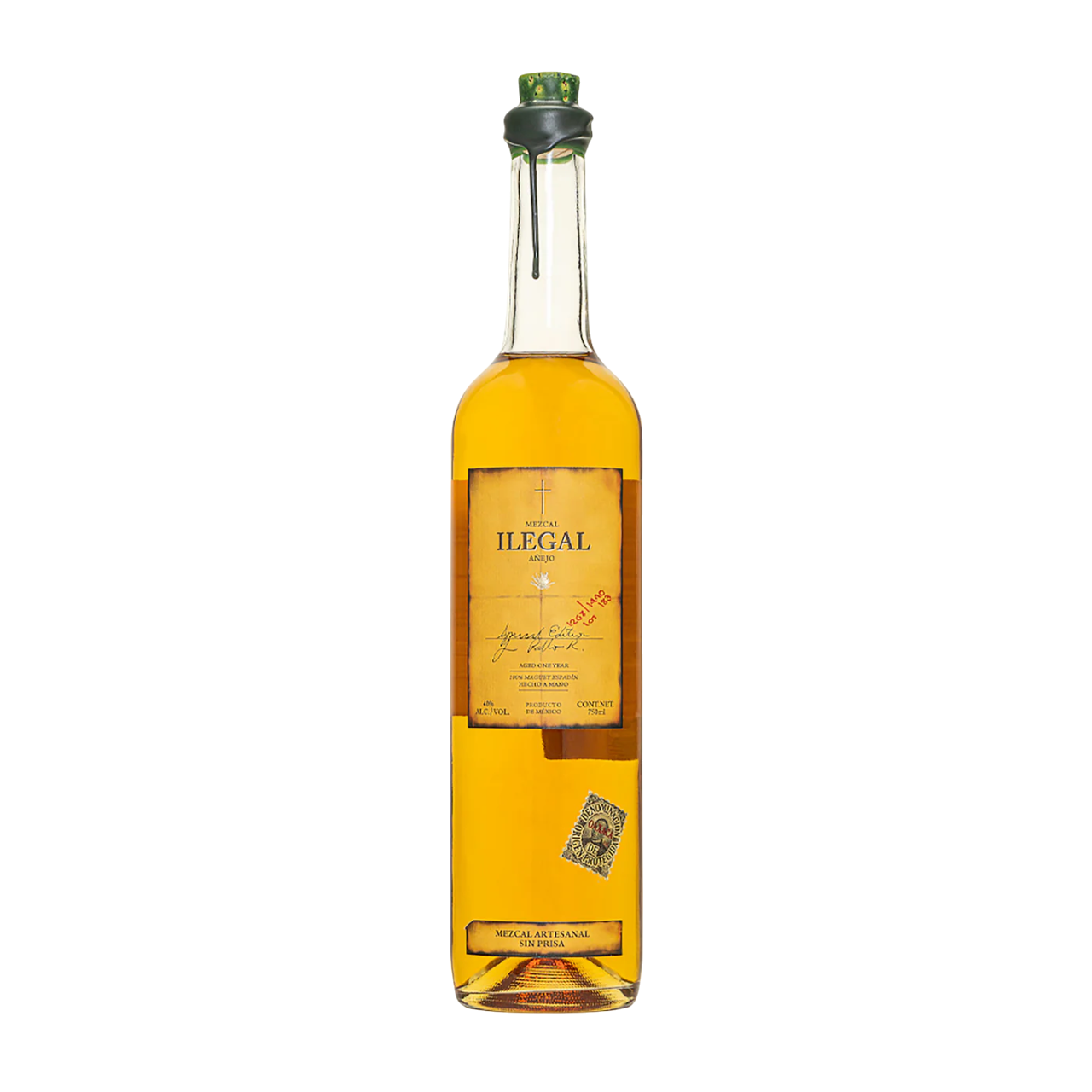
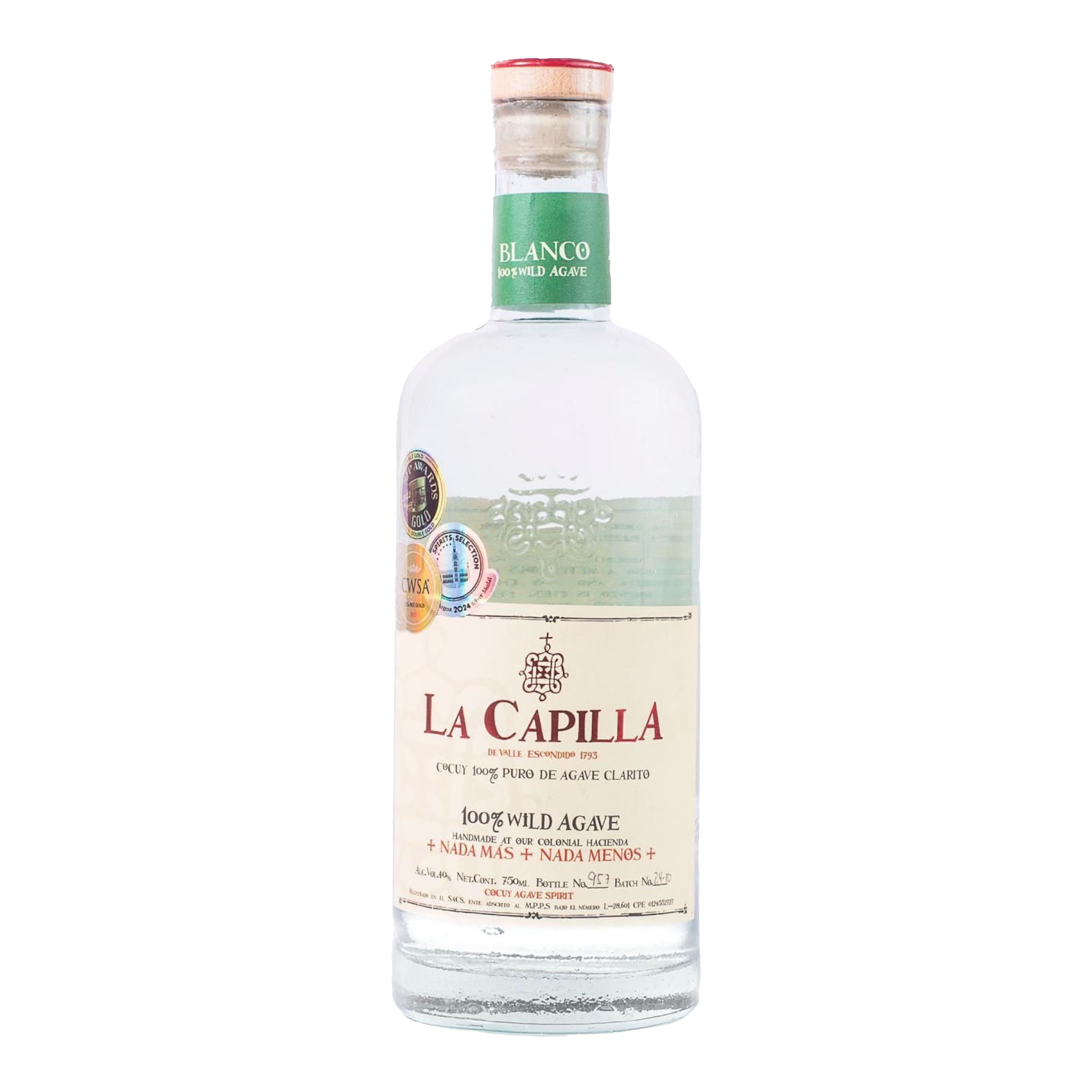



Tequila has a reputation. We’ve all heard someone say it “hits different” or that it’s somehow stronger than other spirits. Let’s clear the air: alcohol is alcohol, and your body processes it the same way regardless of the source. The real reason for tequila’s potent mythology often comes down to how it’s consumed, not what’s in the bottle. The truth about tequila alcohol content is actually a story of craft, regulation, and incredible variety. From smooth, standard-proof expressions perfect for sipping to bold, high-proof bottles that capture the raw essence of agave, the strength is a deliberate choice. This guide will bust the myths and give you the facts.
Key Takeaways
- Understand the Standard: Most tequilas are 40% ABV (80 proof), the same as vodka, gin, or whiskey. The idea that tequila "hits different" is a myth; it's all about how you drink it, not what's in the bottle.
- Don't Confuse Strength with Quality: A higher ABV often means a more intense agave flavor, but it doesn't automatically mean it's a better tequila. True quality comes from the entire process, including the agave sourcing and distillation techniques.
- Match the Proof to Your Purpose: Use a tequila's ABV as a guide for how to enjoy it. A standard 40% ABV is perfect for versatile sipping and cocktails, while a higher-proof bottle offers a bold, complex experience for dedicated tasting.
What's the Alcohol Content of Tequila?
When you're exploring the world of fine tequila, you'll see numbers like "40% ABV" or "80 proof" on every bottle. These figures are more than just stats; they're a crucial part of the
Understanding ABV vs. Proof
Let's start with the basics. ABV stands for Alcohol By Volume, and it's the simplest way to understand a spirit's strength. It’s a straightforward percentage that tells you exactly how much of the liquid in the bottle is pure alcohol. For example, a tequila with 40% ABV is 40% alcohol and 60% water and other compounds. You'll also see the term "proof" used, especially on American spirits. The rule is simple: proof is just double the ABV. So, a 40% ABV tequila is 80-proof. While both terms describe the same thing, ABV has become the global standard for clarity.
The Typical ABV Range for Tequila
So, what's a normal ABV for tequila? Legally, tequila must have an alcohol content between 35% and 55% (70 to 110 proof). However, there's a key difference depending on where you are. In Mexico, the minimum is 35% ABV, but in the United States, tequila must be at least 40% ABV to be sold. This is why most of the tequila you’ll find is bottled at exactly 40% ABV, or 80 proof. This range gives producers flexibility, allowing them to create everything from smoother, more delicate tequilas to bold, high-proof expressions that capture more of the raw agave flavor.
What Are the Legal Rules for Tequila's ABV?
Tequila isn't just a spirit; it's a protected designation of origin, much like Champagne. This means its production is governed by a strict set of rules, and that includes its alcohol by volume (ABV). These regulations ensure quality and authenticity, but they can differ depending on where the tequila is sold. Understanding these regional differences helps explain why you might find the same brand with a slightly different proof in Mexico versus the United States or Europe. It’s a key piece of the puzzle for any true tequila enthusiast.
Tequila ABV Regulations in Mexico
In its homeland, tequila has the widest legal range for alcohol content. The legal framework in Mexico states that tequila can be bottled anywhere from 35% to 55% ABV (70 to 110 proof). This flexibility is fantastic for both distillers and drinkers. It gives producers the creative freedom to craft everything from softer, more delicate tequilas to bold, high-proof expressions that are full of intense agave flavor. For you, it means a broader world of tequila profiles to explore, all under the same authentic banner.
Tequila ABV Regulations in the U.S.
When tequila crosses the border into the United States, the rules get a bit tighter. Here, any spirit sold as tequila must have a minimum alcohol content of 40% ABV, or 80 proof. This is the standard for most distilled spirits in the U.S., so tequila is simply held to the same requirement. It’s why 80 proof is the most common strength you'll see on shelves in the States. This standard ensures that every bottle meets a certain threshold for potency and flavor, providing a consistent and robust experience for American consumers.
Tequila ABV Regulations in Europe
Across the Atlantic, European standards offer a slightly different take. For tequila to be sold in Europe, it must have a minimum ABV of 38%. This is a little lower than the U.S. requirement but still guarantees a quality spirit. This small difference can sometimes account for subtle variations in taste and texture if you’re sampling a brand abroad. It’s a great example of how regional regulations shape the spirits available in different parts of the world, even when the product comes from the same place of origin in Mexico.
What Determines a Tequila's Alcohol Content?
A tequila's final alcohol percentage isn't an arbitrary number. It’s the result of a carefully controlled, multi-stage journey from the agave field to the bottle. Each step, from harvesting the plant to the final moments before bottling, plays a crucial role in shaping the spirit's strength and character. Understanding this process gives you a deeper appreciation for the craftsmanship behind every bottle you enjoy.
The Role of Agave and Sugar
Everything starts with the heart of tequila: the blue weber agave. This plant, with a history stretching back to the Aztecs, is the sole source of sugar for all 100% agave tequilas. After maturing for several years, the agave piñas are harvested and slow-cooked to convert their complex carbohydrates into fermentable sugars. The sugar content of the agave is the foundational element for alcohol production. A higher concentration of natural sugars in the agave juice, or aguamiel, provides more raw material for the yeast to work with, setting the stage for the final alcohol by volume (ABV).
How Fermentation and Yeast Shape ABV
Once the sweet aguamiel is extracted, it’s moved into large tanks for fermentation. Here, yeast is introduced, and the magic really begins. The yeast consumes the rich agave sugars and, in return, produces alcohol and carbon dioxide. This biological process typically takes a few days. The specific strain of yeast used, whether it's a proprietary commercial strain or wild yeast native to the distillery, not only influences the final ABV but also imparts unique flavor and aroma compounds. This step transforms the sweet juice into a fermented liquid, known as mosto, with a low alcohol content, similar to a beer.
The Double Distillation Process
To become a premium tequila, the fermented mosto must undergo distillation at least twice, a legal requirement in Mexico. The first distillation, or ordinario, separates the alcohol from the water and solids, resulting in a spirit with an ABV of around 20-25%. The second distillation, or rectificación, refines the spirit further. The master distiller carefully makes cuts, separating the "head" and "tails" from the desirable "heart" of the distillate. This second pass purifies the liquid and concentrates the alcohol, creating the crisp, clear spirit that will become Blanco tequila, often with an ABV of 55% or higher.
Diluting with Water Before Bottling
The spirit that comes off the still is much stronger than what you find in the bottle. Before bottling, producers dilute the tequila with demineralized water to reach the desired proof. While the legal range is between 35% and 55% ABV, most tequilas sold in the U.S. are bottled at 40% ABV (80 proof). This final step is a critical balancing act. The distiller adds just enough water to achieve a pleasant, approachable strength without sacrificing the complex agave flavors they worked so hard to create. Some producers choose to bottle at a higher proof, offering a more intense expression for enthusiasts seeking rare and limited spirits.
How Aging Changes Tequila's ABV and Flavor
While a tequila's final ABV is typically standardized around 40%, the aging process is where the spirit's true personality and flavor are forged. This transformation is influenced by several factors: the type of oak barrel, how long the tequila rests inside it, and even the specific climate of the aging cellar. Grasping the nuances between different aging classifications is essential for any enthusiast looking to find their perfect bottle. It’s the difference between a bright, agave-forward spirit ideal for cocktails and a dark, complex tequila meant for slow, contemplative sipping.
Each category represents a distinct chapter in the tequila's story. A Blanco is the unadulterated essence of the agave, while an Extra Añejo is a testament to patience, showcasing deep flavors developed over years of maturation. By understanding what separates a Reposado from an Añejo, or how a modern Cristalino achieves its unique profile, you can better appreciate the distiller's art. This knowledge empowers you to choose with confidence, ensuring the tequila you select is perfectly suited for the moment, whether you're celebrating with friends or adding a prized bottle to your collection. Let's look at how time and wood work together to create these incredible flavors.
Blanco Tequila
Blanco, or silver, tequila is the purest expression of the blue Weber agave. It’s typically bottled right after distillation, though it can be rested in neutral tanks for up to two months. Because it sees little to no time in a barrel, its flavor is bright, clean, and full of the raw agave’s natural sweetness and peppery, herbal notes. The alcohol content is usually set at 40% ABV (80 proof). If you want to understand the fundamental taste of the plant that all tequila comes from, a Blanco is the perfect place to start. Its fresh, vibrant character also makes it a fantastic base for cocktails like a Margarita or Paloma, as its agave-forward profile shines through beautifully.
Reposado Tequila
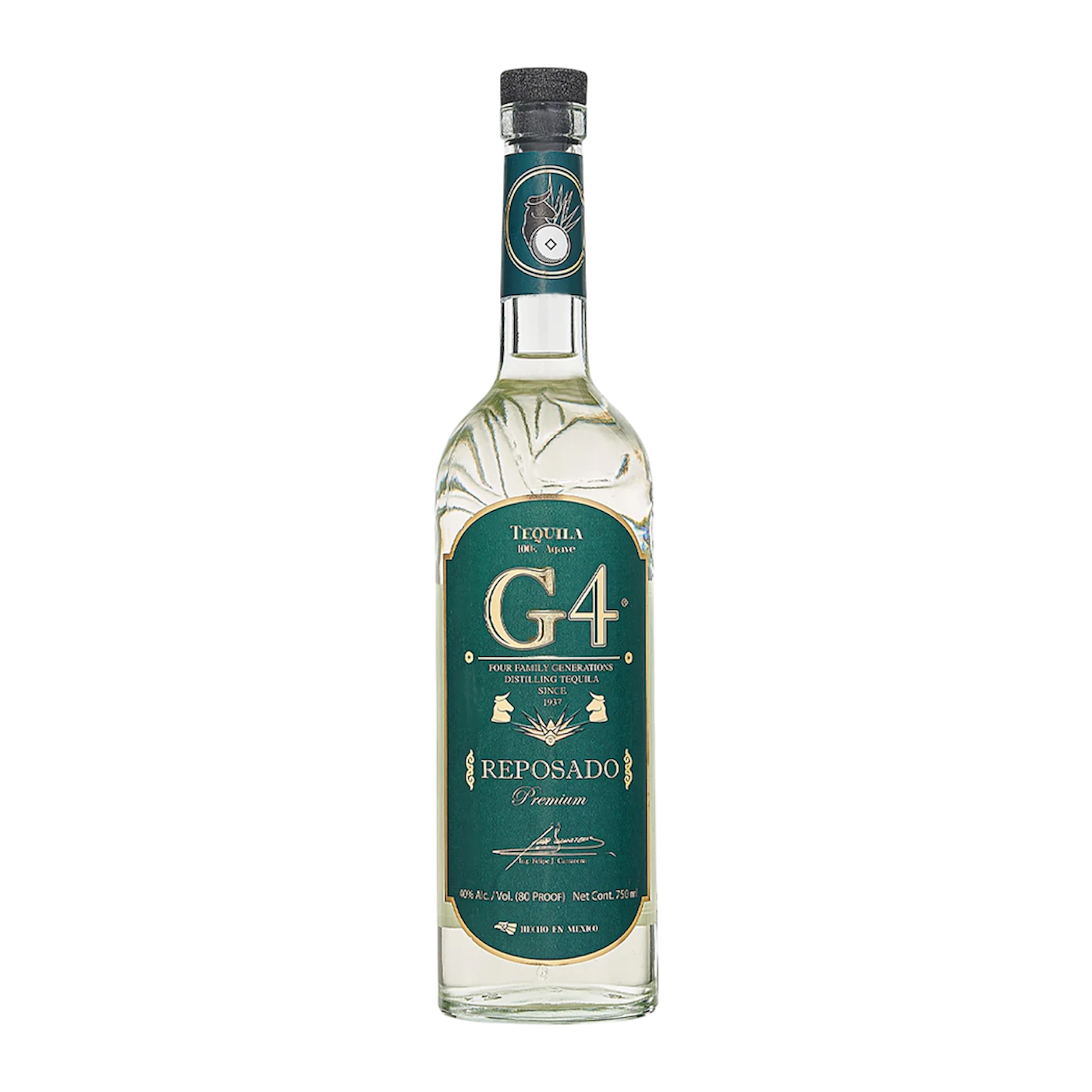
Reposado, meaning “rested,” is where the influence of the barrel begins to show. This tequila ages in oak barrels for at least two months but less than a year. That time in the wood softens the spirit, mellowing the sharp notes of the agave and introducing a new layer of complexity. The ABV generally stays right around 40%, but the flavor profile becomes much richer. You’ll start to notice delicate notes of vanilla, caramel, and spice from the oak. This gentle aging makes Reposado tequila a wonderfully versatile choice, smooth enough for sipping on its own yet balanced enough to add warmth and character to cocktails.
Añejo and Extra Añejo Tequila
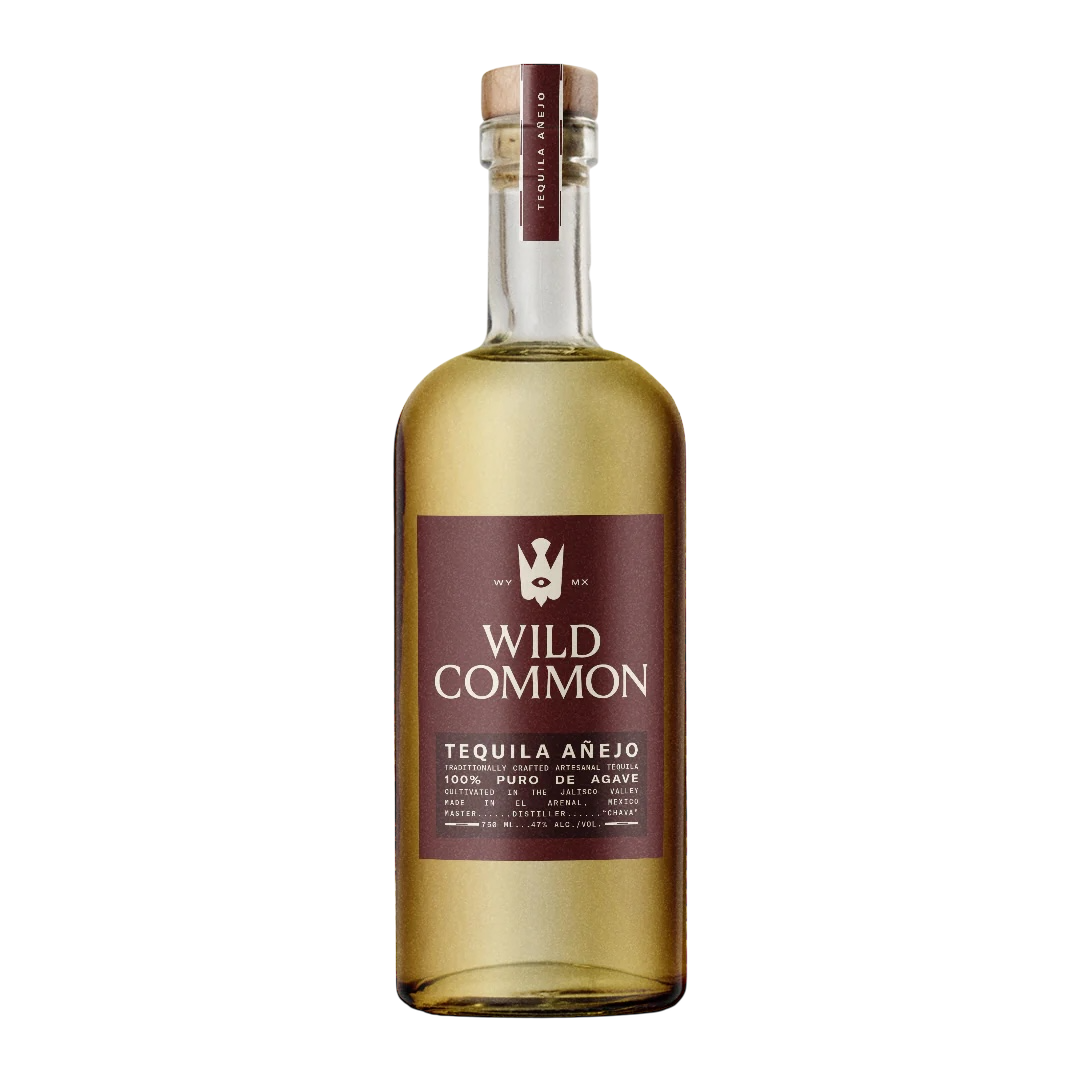
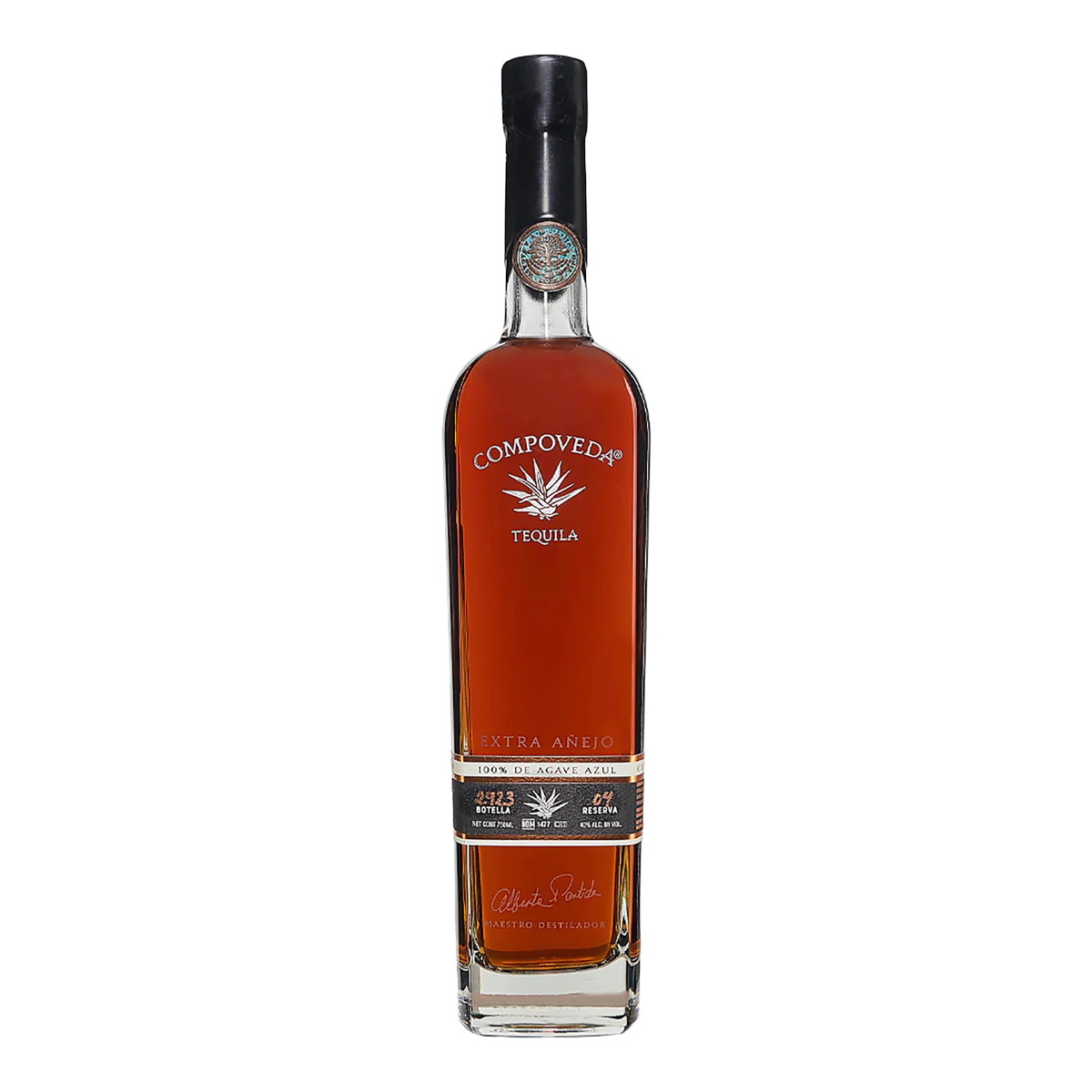
Añejo (“aged”) and Extra Añejo (“extra aged”) tequilas are crafted for patient sipping. An Añejo must age in barrels for at least one year, while an Extra Añejo rests for a minimum of three years. This extended time, often in smaller barrels to increase contact with the wood, imparts a dark amber color and a profoundly rich flavor. While the ABV holds steady at 40%, the taste transforms completely. Expect deep, complex notes of chocolate, dried fruit, leather, and toasted oak. The sharp agave notes recede into the background, replaced by a smooth, velvety texture. These aged tequilas are best enjoyed neat in a proper tasting glass to appreciate their intricate aromas and flavors.
Cristalino Tequila
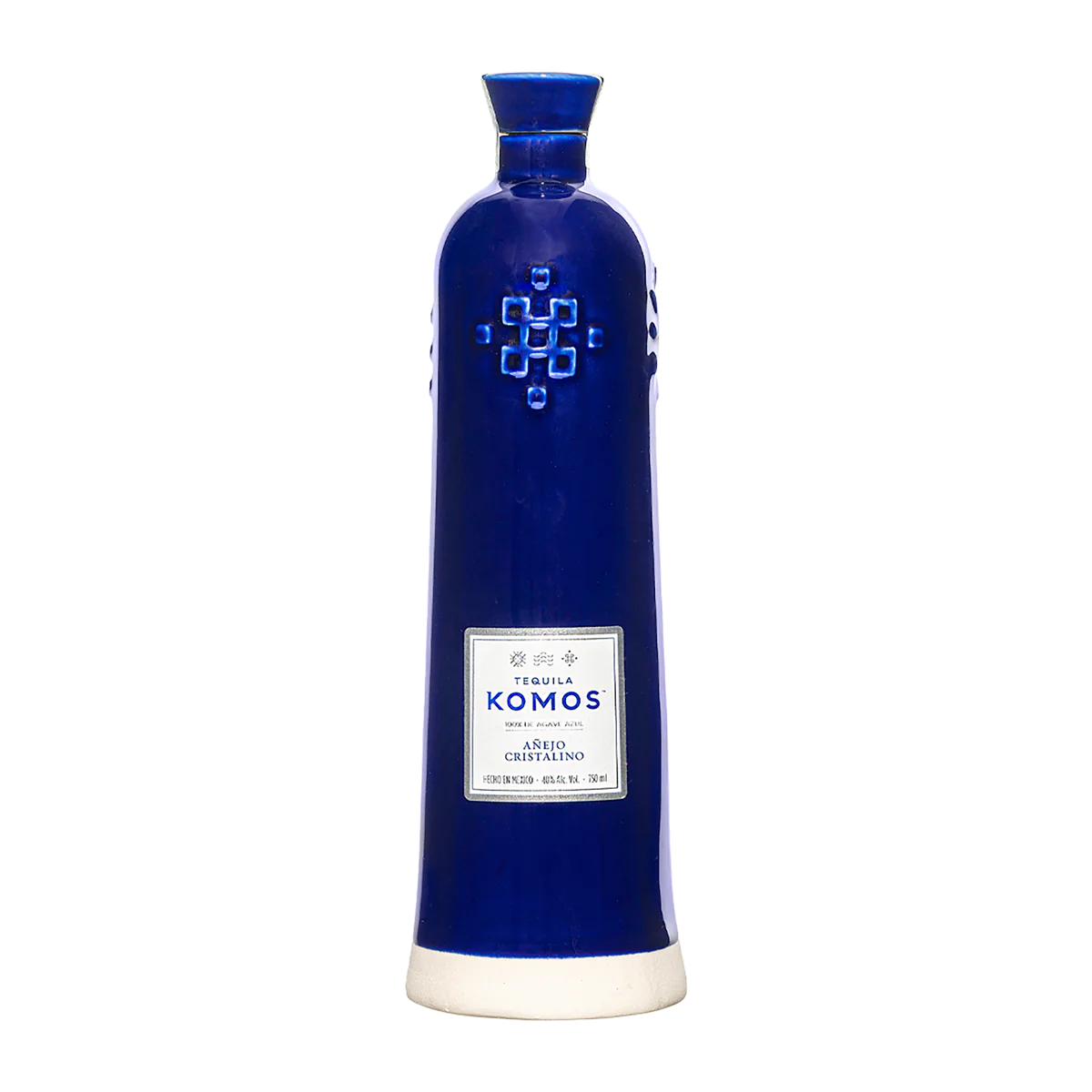
Cristalino is a modern style of tequila that offers the best of both worlds: the complexity of an aged spirit with the crisp appearance of a Blanco. A Cristalino typically starts as an Añejo or even an Extra Añejo tequila. After it has fully matured in the barrel, it undergoes a filtration process, often through charcoal, to remove the color and some of the heavier wood notes. The result is a crystal-clear spirit that retains the rich character and subtle notes of vanilla, caramel, and toasted agave developed during aging. This unique process makes Cristalino tequila exceptionally smooth and a versatile option for both sipping and high-end cocktails.
What Is the "Angel's Share"?
As tequila rests in its barrel, a small amount of the spirit naturally evaporates through the wood and into the atmosphere. This phenomenon is poetically known as the "angel's share." While this evaporation can cause a very slight decrease in the total volume and ABV of the liquid over time, its main effect is on flavor. As the water and alcohol escape, the remaining tequila becomes more concentrated, intensifying its flavors and creating a richer, more complex spirit. This natural process is a crucial part of what makes every barrel of aged tequila unique, and it’s a beautiful reminder of the artistry and patience involved in crafting a fine spirit.
100% Agave vs. Mixto: How Does It Affect ABV?
When you're exploring the world of tequila, you'll quickly notice one major distinction that separates the bottles on the shelf: 100% agave versus mixto. While both types are regulated to fall within a specific alcohol content range, the ingredients used to get there create two vastly different spirits. Understanding this difference is the first step to truly appreciating the craft behind a great tequila.
Tequila can be classified into two main groups: Mixtos and 100% Agave. Mixtos are tequilas made with at least 51% blue agave, and the rest of the sugars come from other sources. In contrast, 100% Agave tequilas are made solely from blue agave, which many consider to be of higher quality. This choice of sugar source is the single most important factor in determining the final flavor, aroma, and overall character of the spirit in your glass. While the final ABV might be identical between a mixto and a 100% agave tequila, the journey to that number and the resulting experience are worlds apart.
What Exactly Is a Mixto Tequila?
So, what exactly is a mixto tequila? The name can be a little misleading, as you'll rarely see "mixto" printed on a label. A more accurate way to think of it is simply as "tequila." If a bottle doesn't explicitly state "100% de Agave," it's a mixto. By law, mixtos are tequilas that contain a minimum of 51% blue agave, with the remaining 49% of sugars derived from other sources, such as cane sugar or corn syrup. This regulation allows producers to create a less expensive product, as non-agave sugars are cheaper and more readily available. These are often the tequilas found in party-ready plastic jugs or used for well-drinks at a bar.
How Added Sugars Influence the Final Spirit
The addition of sugars in mixto tequilas can influence the flavor profile and smoothness of the final spirit. Using sources like corn syrup or cane sugar for nearly half of the fermentation mash fundamentally changes the end product. Higher sugar content from non-agave sources can lead to a sweeter taste, but it may also dilute the authentic agave flavor that is characteristic of 100% Agave tequilas. The rich, complex, and earthy notes that make blue weber agave so special are often overshadowed by a harsher, more generic alcohol burn or an artificial sweetness. For those who want to experience the true spirit of tequila, a bottle made from 100% blue weber agave is always the right choice.
How Tequila's ABV Stacks Up Against Other Spirits
Tequila often gets a reputation for being the life of the party, but how does its strength actually compare to the other bottles on your bar cart? When you look at the numbers, you might be surprised to find that tequila isn't the outlier it's sometimes made out to be. The standard for many spirits, including tequila, is 40% alcohol by volume (ABV), or 80 proof. This puts it on a level playing field with most of the spirits you're used to mixing or sipping.
Of course, the world of agave spirits is vast and varied. While many tequilas stick to the 80-proof standard, you can find expressions that are softer and others that are bottled at a higher, more intense proof. Understanding how tequila's alcohol content compares to other spirits helps you appreciate its unique character and make better choices for your next cocktail or tasting flight. Let's break down how our favorite agave spirit compares to vodka, gin, whiskey, and its closest relative, mezcal.
Tequila vs. Vodka
When you place a bottle of tequila next to a bottle of vodka, their alcohol content is often identical. Most standard tequilas and vodkas sold in the United States are bottled at 40% ABV (80 proof). While the legal range for tequila allows for some variation, typically between 35% and 55% ABV, it usually lands in the same 35% to 50% ABV range as vodka. The real difference isn't in the strength but in the soul of the spirit. While vodka is distilled to be a neutral canvas, tequila proudly showcases the earthy, sweet, and complex flavors of the blue weber agave it comes from.
Tequila vs. Gin
Gin and tequila are another pair that often share the same proof point. Like tequila, gin is commonly bottled around 40% ABV (80 proof), making them equals in terms of alcohol content. So, if you’re choosing between a Tom Collins and a Paloma, you’re likely getting a similar amount of alcohol in your glass. The distinction, of course, lies in the flavor. Gin gets its character from a blend of botanicals, with juniper at the forefront. Tequila, on the other hand, draws its flavor directly from the agave plant, offering a taste of the terroir where it was grown. Both are complex, but their origins give them entirely different personalities.
Tequila vs. Whiskey and Bourbon
Many people are surprised to learn that tequila generally has the same amount of alcohol as whiskey and bourbon. Your go-to reposado tequila and your favorite bourbon are both likely sitting at 40% ABV (80 proof). Where whiskey and bourbon sometimes pull ahead is in their special releases. It's more common to see cask-strength or single-barrel bourbons that reach 50% ABV or higher. However, high-proof tequilas are becoming more popular, offering a bold flavor experience for those who seek it. You can find some of these exceptional bottles in our rare and limited collection.
Tequila vs. Mezcal
This is where things get interesting, because all tequila is technically a type of mezcal. The key difference is that tequila must be made from blue weber agave, while mezcal can be made from dozens of different agave species. Their ABV ranges are quite similar, typically falling between 40% and 55%. However, because the rules for mezcal production are a bit broader, you can find some artisanal mezcals with a slightly higher proof and a wilder, smokier flavor profile. Exploring the mezcal collection is a great way to understand the subtle and not-so-subtle differences between these two incredible agave spirits.
Is a Higher ABV Always Better?
When you're exploring the world of fine tequila, it’s easy to get caught up in the numbers, especially the alcohol by volume, or ABV. A common question I hear is whether a higher percentage automatically means a better tequila. The short answer is no, not necessarily. While a higher ABV certainly creates a more intense spirit, it’s just one piece of a much larger, more interesting story. A tequila’s true quality is a reflection of the entire process, from the maturity of the agave and the terroir where it grew to the specific fermentation and distillation techniques used by the master distiller. The "best" ABV really comes down to your personal taste and how you plan to enjoy the spirit.
Think of ABV as the volume knob on a stereo. Turning it up makes the music louder, but it doesn't change the song or improve the artist's performance. Similarly, a higher proof amplifies the tequila's inherent characteristics, for better or for worse. If the base spirit is beautifully made, a higher proof can reveal incredible layers of flavor. If it's poorly made, a higher proof will only magnify its flaws. Ultimately, choosing a tequila is about finding a profile that resonates with you, whether it's a standard 40% ABV expression that’s perfect for easy sipping or a high-proof bottle that offers a bold and complex tasting experience.
A Closer Look at High-Proof Tequilas
High-proof tequilas, sometimes called "still-strength" or "fuerte," are bottled with less dilution, typically landing between 45% and 55% ABV. The main reason distillers create these expressions is to deliver a more intense and unadulterated agave flavor. This is the tequila in its most raw and powerful form, showcasing the pure character of the plant and the distillation process without being tempered by water. For many connoisseurs, these bottles offer the ultimate tasting experience, presenting a vibrant spectrum of cooked agave, citrus, pepper, and earthy minerals. If you're looking to explore spirits that offer a bold and authentic profile, you'll often find them among a curated selection of rare and limited tequilas.
Choosing an ABV for Cocktails vs. Sipping
How you plan to drink your tequila can help you find the right ABV. For sipping, a practice usually reserved for better quality, 100% agave tequilas, the goal is to appreciate the complex aromas and flavors. A standard 40% ABV is often perfect for this, offering a smooth and balanced profile. A slightly higher proof can also open up beautifully, especially with a single drop of water to release more subtle notes. When making cocktails, a 40% ABV tequila provides great balance and won't overpower the other ingredients in drinks like a classic Margarita. However, a higher-proof tequila can stand up boldly in a spirit-forward cocktail, ensuring the agave flavor shines through instead of getting lost.
What ABV Can (and Can't) Tell You
The ABV percentage tells you exactly how much alcohol is in the bottle, which directly affects its potency and the warming sensation it creates on the palate. It’s a useful fact that tequila generally has about the same alcohol content as other popular spirits like vodka, whiskey, and gin. However, the ABV number on the label can't tell you about the quality of the agave, the fermentation style, or the type of barrel used for aging. It’s simply a measure of strength. A high-proof tequila isn't guaranteed to be smooth, and a standard-proof one isn't necessarily simple. The true quality of a spirit is found in its craftsmanship, something you can explore across our entire tequila collection.
Busting Myths About Tequila's Potency
Tequila has a reputation, and not always for the right reasons. Stories of wild nights and unique effects have created a mythology around this spirit that can overshadow its true character. But as any true aficionado knows, high-quality tequila is a spirit of nuance and craft, not a party trick. Let's clear the air and separate the facts from the fiction surrounding tequila's strength.
Does Tequila Really "Hit Different"?
We’ve all heard it: "Tequila makes me crazy," or "It hits me differently than other alcohol." This is one of the most persistent myths out there. The truth is, tequila has about the same amount of alcohol as other popular spirits like bourbon, whiskey, gin, and vodka. Alcohol is alcohol, and your body processes it the same way regardless of the source. So, why the reputation? It often comes down to how tequila is consumed. Taking rapid shots or drinking it in sugary, high-octane cocktails can lead to faster intoxication. When you sip a premium tequila thoughtfully, you’ll find the experience is refined and controlled, not chaotic.
Are All Tequilas the Same Strength?
Not at all. There's a significant range in tequila's alcohol content, which allows for a wonderful diversity of styles. Legally, tequila can be bottled with an alcohol by volume (ABV) between 35% and 55%. The rules vary slightly by country; in the United States, tequila must be at least 40% ABV, while in its native Mexico, the minimum is 35% ABV. This flexibility gives distillers the freedom to craft spirits with different profiles. You can find smoother, more delicate tequilas at the lower end of the spectrum and bold, intense expressions at higher proofs. This variety is part of what makes exploring our best sellers so rewarding.
Is Stronger Tequila Actually Smoother?
This is a common point of confusion. Many people assume a higher price or a higher proof automatically means a smoother spirit, but that isn't the case. Generally, a higher alcohol content brings a more intense, peppery flavor and a warmer sensation, often described as "heat." A lower ABV, on the other hand, can result in a softer, gentler profile that many would call "smoother." However, smoothness is about more than just alcohol content. It’s a reflection of the entire production process, from the quality of the agave to the precision of the distillation. Some of the most complex and sought-after rare and limited tequilas have a higher proof because it helps carry their intricate flavors.
Find the Right Tequila ABV for You
Choosing the right tequila often comes down to personal taste and what you're in the mood for. The alcohol content, or ABV, plays a big role in the spirit's flavor, intensity, and texture. Whether you're looking for something smooth and easygoing or a bold spirit that captures the raw essence of agave, understanding the ABV can help you find the perfect bottle for any occasion.
For Easy, Approachable Sipping
If you're new to sipping tequila or prefer a smoother, more mellow experience, starting with a standard-proof bottle is a great choice. Most tequilas you'll find are bottled at 40% ABV (80 proof). This level provides a beautiful balance where the cooked agave notes can shine without being overpowered by alcoholic heat. These tequilas are incredibly versatile, perfect for enjoying neat, on the rocks, or as the base for a fantastic cocktail. They offer a clean and pleasant profile that makes them crowd-pleasers and a staple for any home bar. Many of our best-selling tequilas fall into this approachable and satisfying range.
For the Dedicated Collector and Connoisseur
For those who want to experience tequila in its most unadulterated form, high-proof expressions are the way to go. Often labeled as "still-strength" or "fuerte," these tequilas are bottled at a higher ABV, sometimes reaching up to 55%. This is done intentionally to deliver a more intense and complex flavor profile. The higher alcohol content acts as a vehicle for the rich, oily, and aromatic compounds from the agave, offering a fuller mouthfeel and a longer finish. These bottles are a fantastic way to appreciate the distiller's craft and taste a spirit that’s closer to what comes directly off the still. You can often find these unique expressions in our rare and limited collection.
Explore Our Collection to Find Your Perfect Bottle
Ultimately, the best ABV is the one you enjoy most. Tequila's ABV can range from 35% to 55%, giving you a wide spectrum of flavors and intensities to discover. A lower-proof Blanco might be perfect for a light, refreshing ranch water, while a high-proof Añejo can be a rich and rewarding after-dinner sip. Don't be afraid to experiment. As you try different expressions, you'll develop a better sense of what you prefer. The perfect bottle is waiting for you, so take some time to explore our tequila collection and find a spirit that speaks to your palate.
Related Articles
- What Is 120 Proof Tequila? 6 High-Proof Bottles to Try
- The 7 Best High Proof Tequilas to Drink Now
- 12 Best Tequilas Under $50 That Taste Premium
Frequently Asked Questions
Why is almost all tequila sold in the U.S. exactly 40% ABV? While tequila's legal ABV can range from 35% to 55%, the 40% ABV (or 80 proof) mark has become the industry standard in the United States for a simple reason: it's the legal minimum. Producers bottle at this specific strength to ensure compliance while also creating a consistent, approachable product for a broad market. It strikes a balance between flavor, potency, and production cost that works well for most brands.
Does a higher ABV mean a tequila is better quality? Not necessarily. A higher alcohol content simply means the tequila was diluted with less water before bottling, resulting in a more intense and concentrated flavor. While this can reveal incredible complexity in a well-made spirit, it can also magnify the flaws in a poorly made one. Quality comes from the entire process, including mature agave and careful distillation, not just the final proof number. The best ABV is a matter of personal preference.
How should I drink a high-proof tequila differently than a standard one? High-proof tequilas offer a bold experience, so it's best to approach them with intention. Start by sipping it neat to appreciate the spirit in its most powerful form. Then, try adding a single drop or a tiny splash of water. This can help soften the alcoholic heat and "open up" the tequila, allowing more subtle aromas and flavors to come forward. It’s a great way to explore the spirit's full range of character.
Does aging change a tequila's final alcohol content? This is a great question that touches on the art of tequila making. While a small amount of alcohol and water evaporates from the barrel during aging (the "angel's share"), the final ABV is determined right before bottling. Master distillers dilute the aged spirit with water to reach a specific, consistent proof. This is why a Blanco and an Extra Añejo from the same distillery can both be 40% ABV, even though the aging process has completely transformed the flavor.
Will drinking a high-proof tequila make me feel its effects more intensely? Alcohol is alcohol, so tequila won't affect you differently than vodka or whiskey. However, a higher-proof spirit contains more alcohol in the same volume of liquid. If you drink a 50% ABV tequila at the same pace as a 40% ABV tequila, you are consuming more alcohol, which can lead to faster intoxication. The key is to sip and savor these potent expressions slowly to appreciate their complexity and manage their effects.