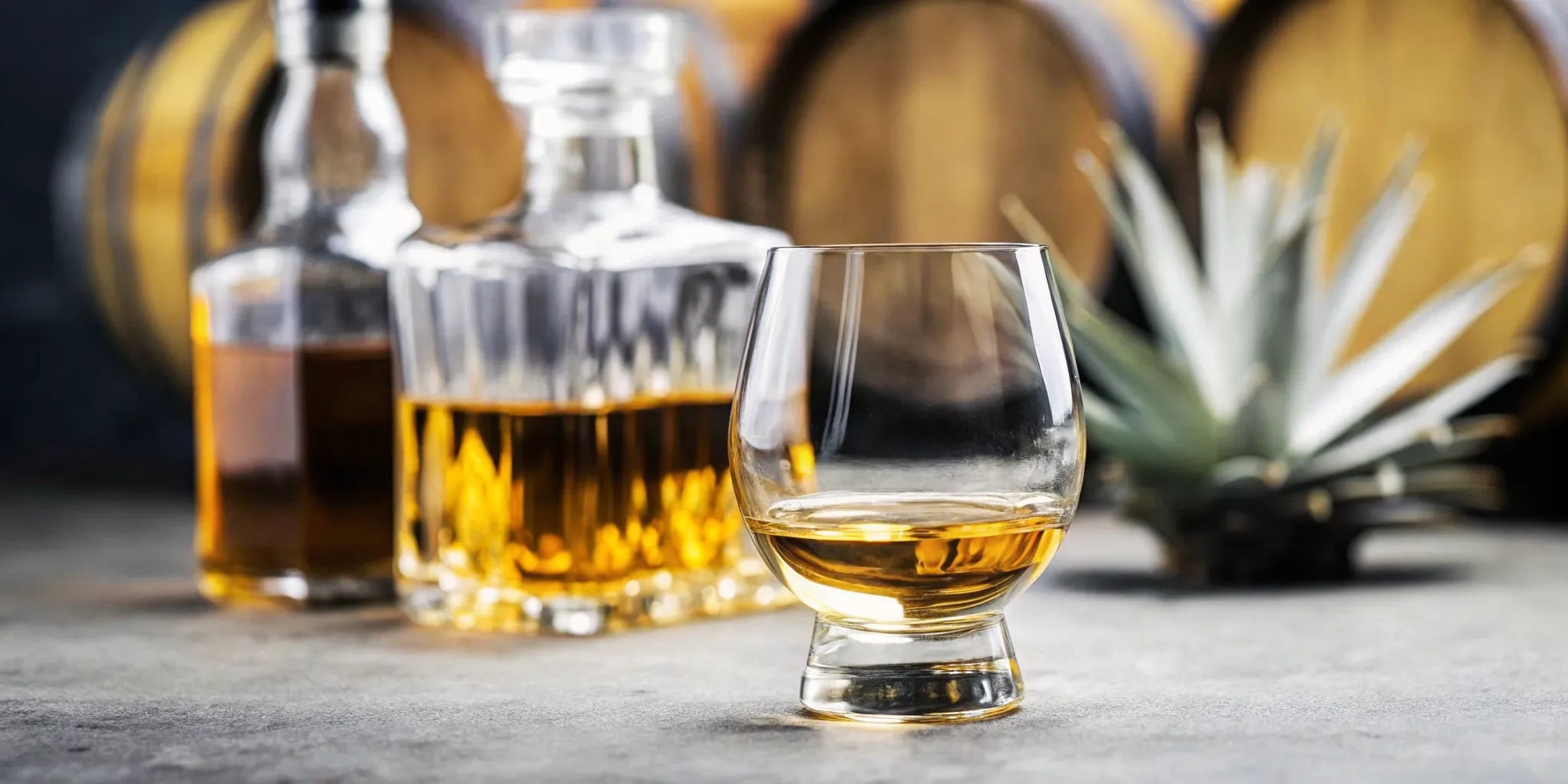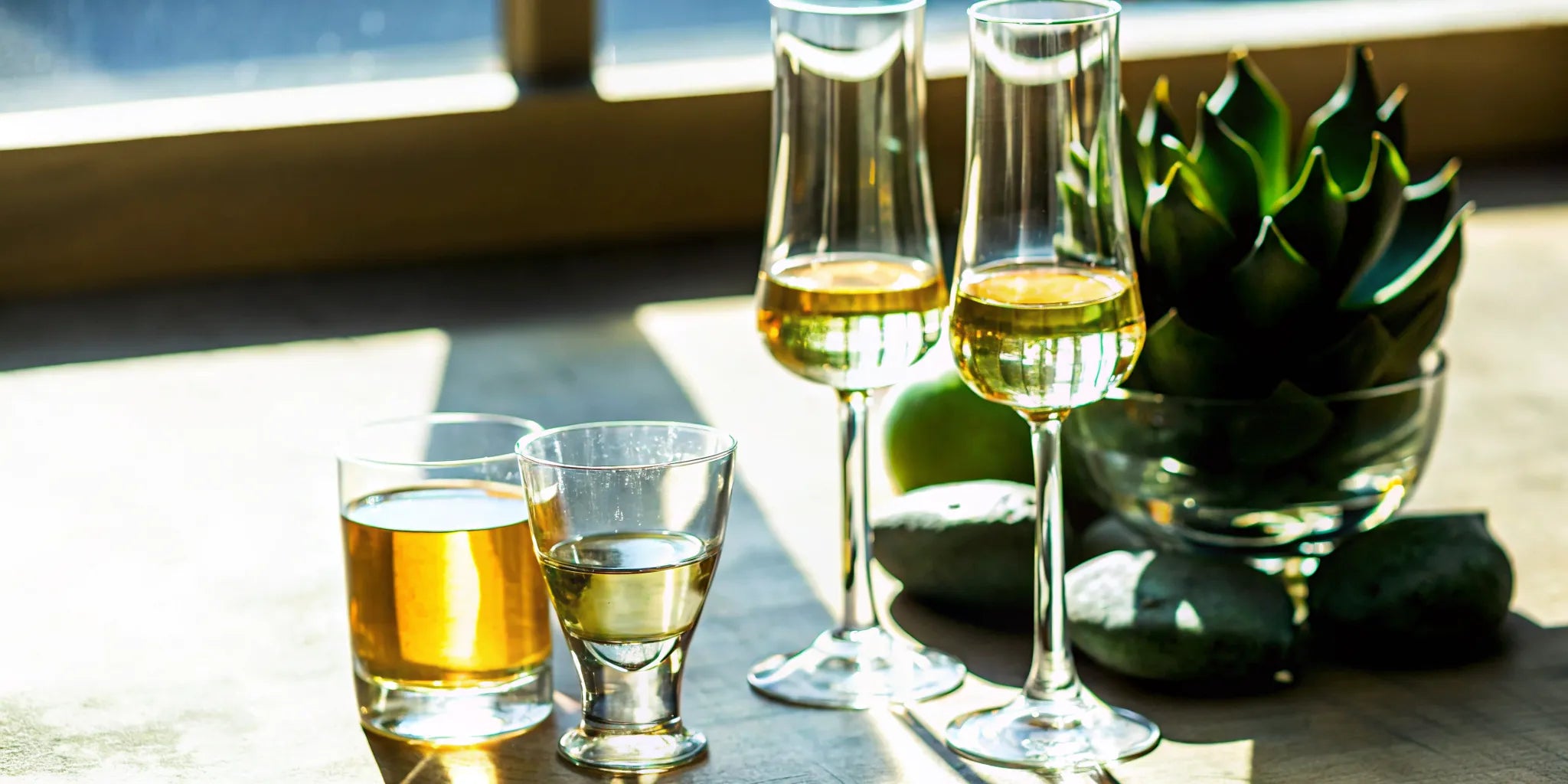
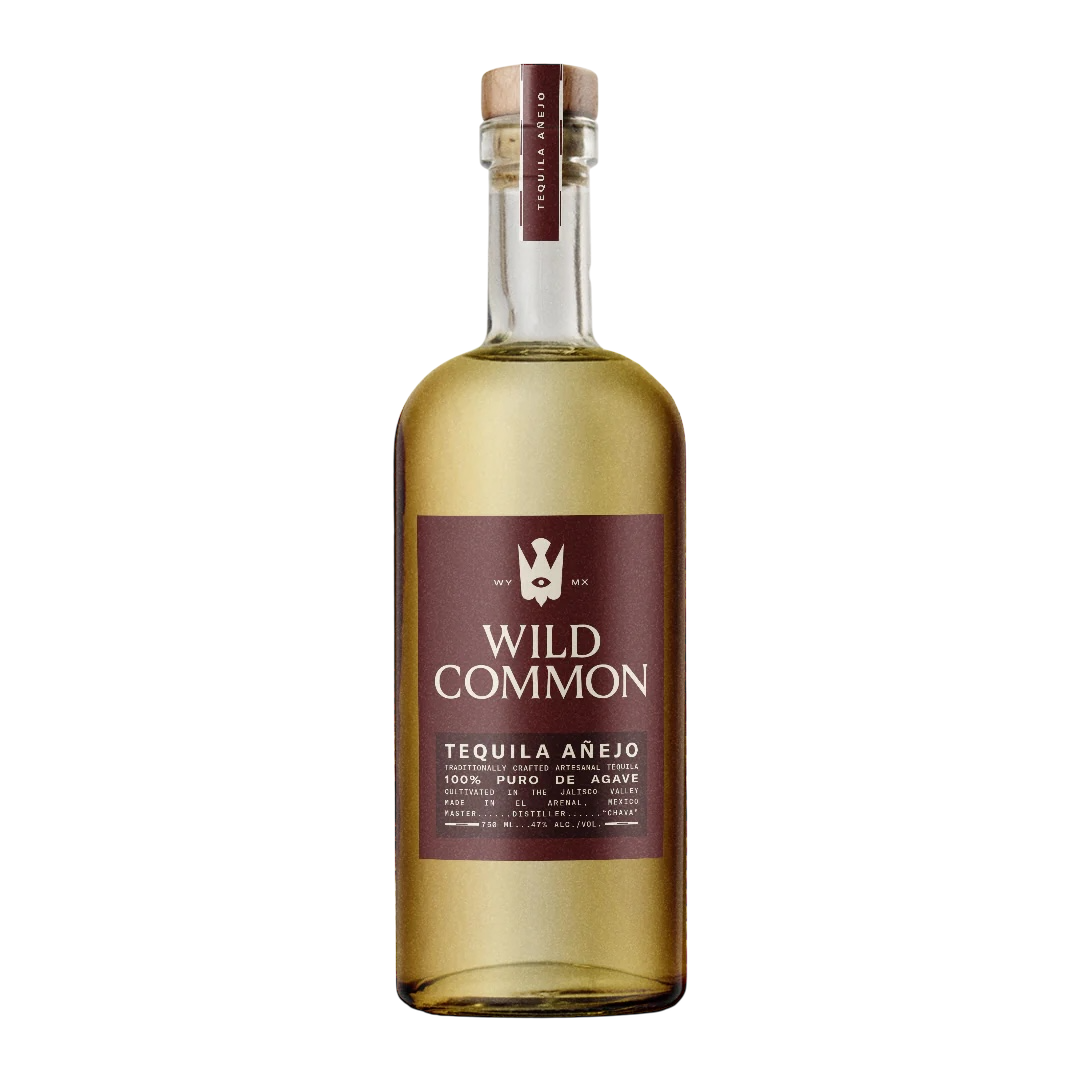
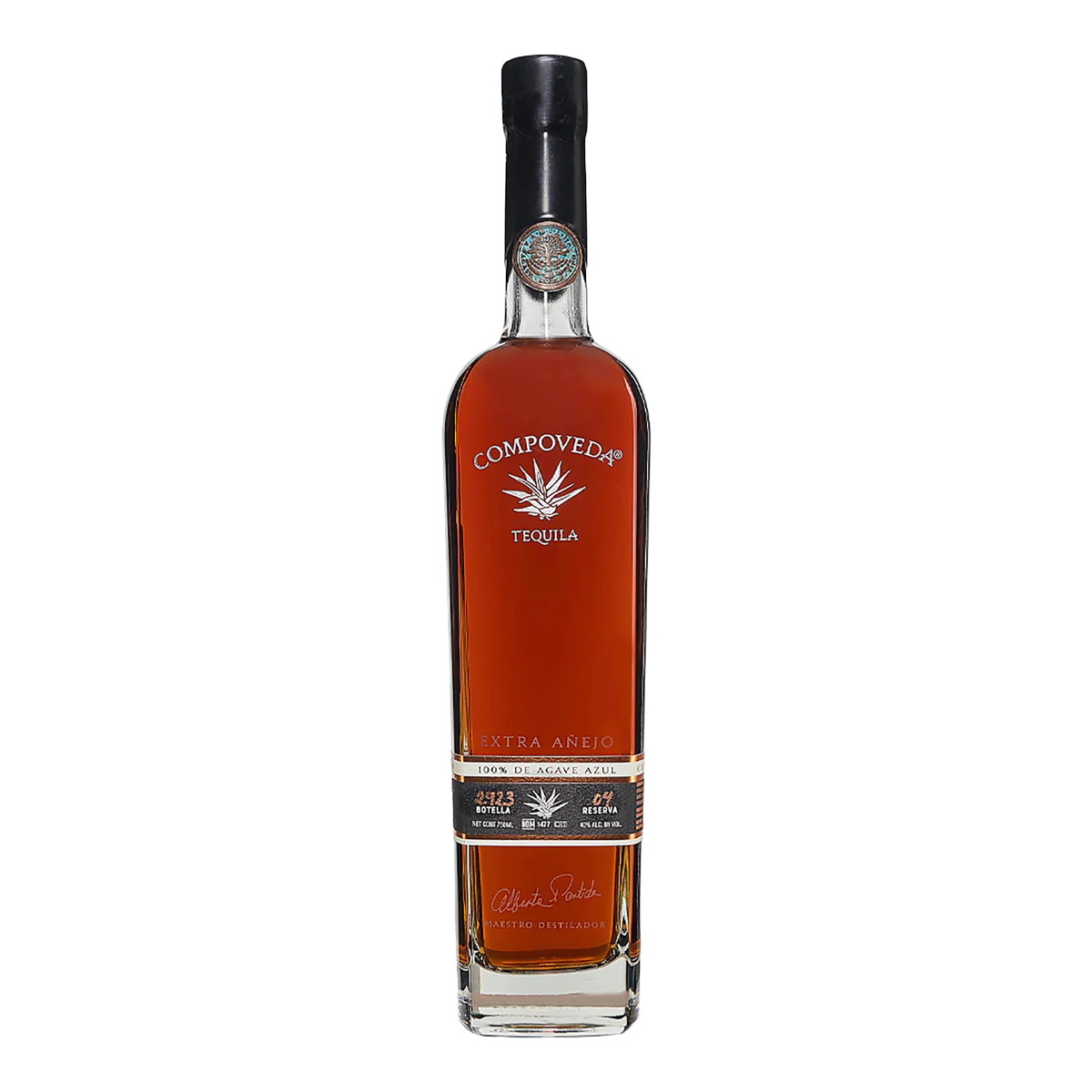
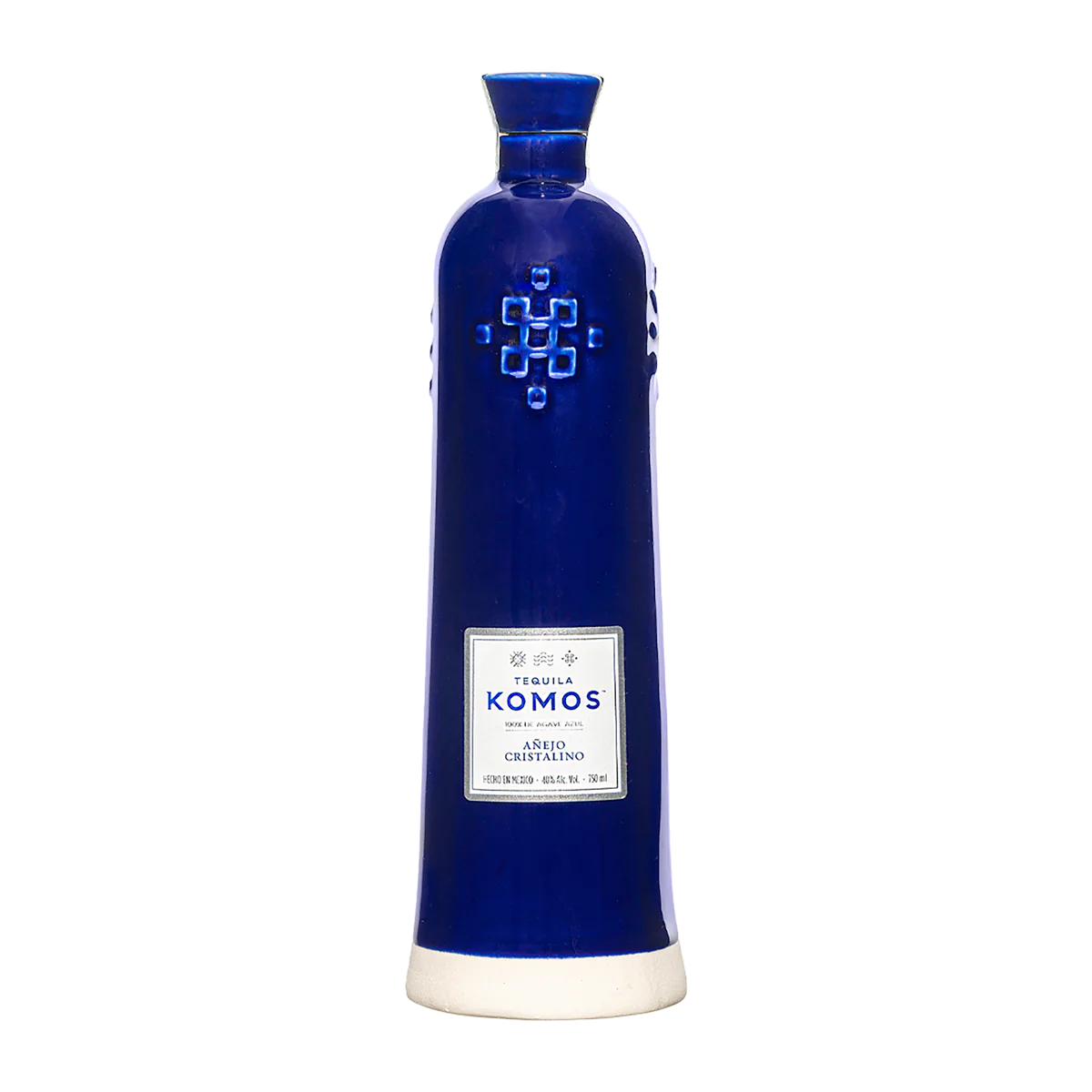
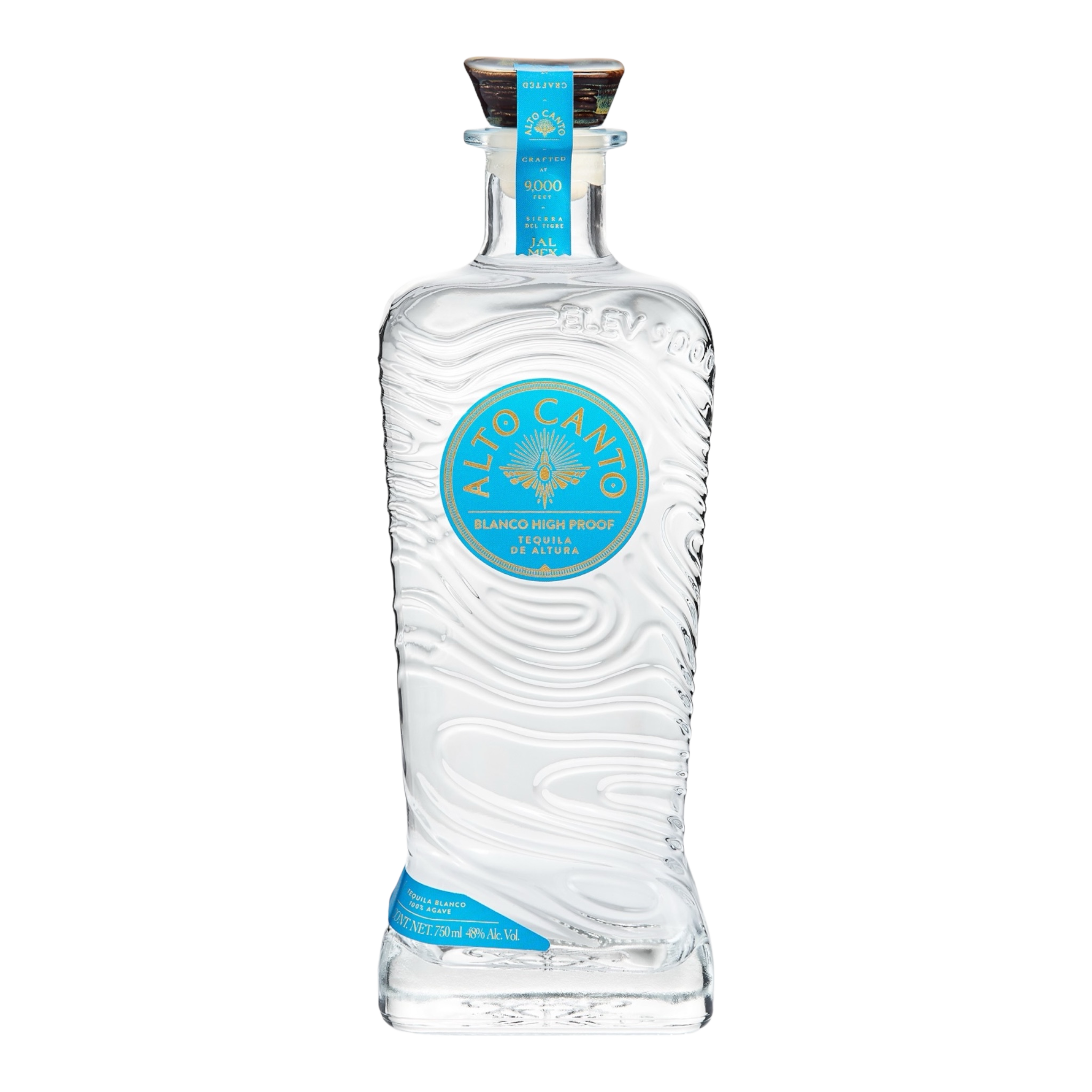



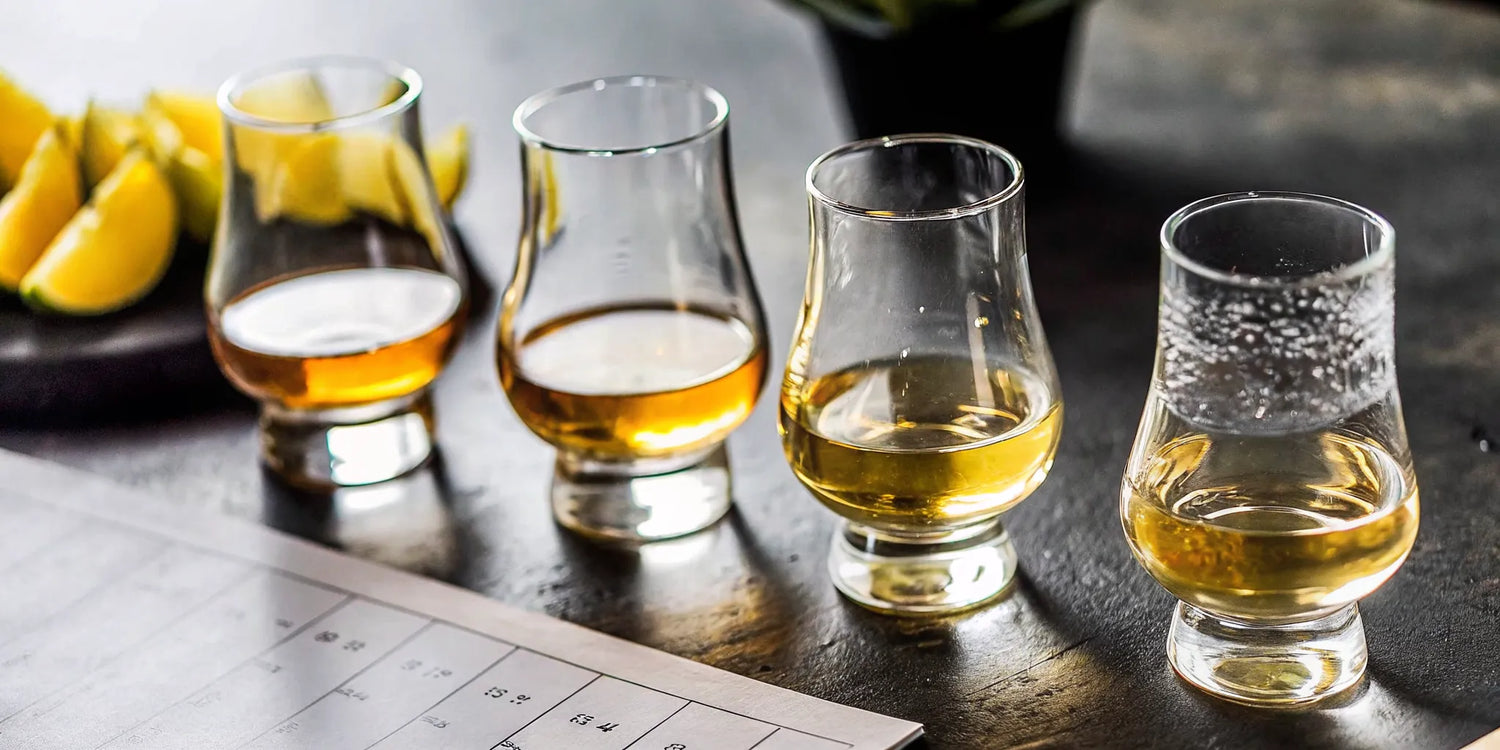
A memorable tequila tasting at home is not a row of shots. It is a paced, side-by-side look at how cooked agave, production choices, and barrel time shape aroma, texture, flavor, and finish. With three or four well-chosen bottles, proper glasses, measured pours, and a simple scorecard, any thoughtful host can lead an illuminating evening.
Start your tasting with a curated Sip Tequila tasting kit.
Quick plan: Invite six to eight adults, select three or four contrasting tequilas, pour 0.5 ounce of each, and taste from blanco through the oldest expression. Give every guest water, neutral crackers, and a scorecard. Allow 15 minutes per pour, then serve more flavorful pairings after everyone records notes.
Build your tequila tasting at home plan
Six to eight guests is the sweet spot. The group is large enough to generate different observations but small enough for everyone to speak. Make sure each guest is of legal drinking age. Ask about allergies and transportation plans when they RSVP, not after the first pour.
Choose one clear theme. The most useful first tasting compares age statements: blanco, reposado, and anejo. A more advanced group might compare three blancos made in different regions or contrast tequilas with clearly different production approaches. Do not combine too many variables. Guests learn more from three deliberate contrasts than from eight unrelated bottles.
Plan 90 minutes for a three- or four-pour flight. Add another 30 to 60 minutes if dinner or cocktails follow. Send guests the start time, theme, and reminder to avoid perfume or strongly scented hand products. Fragrance in the room can mask delicate aromas in the glass.
Step 1: Choose bottles that create a clear progression
Bottle selection summary: A balanced introductory flight includes one blanco, one reposado, and one anejo. Blanco establishes the cooked-agave baseline, reposado shows the first influence of oak, and anejo demonstrates longer maturation. Add a fourth bottle only when it creates a meaningful contrast, such as a second blanco with a different profile.
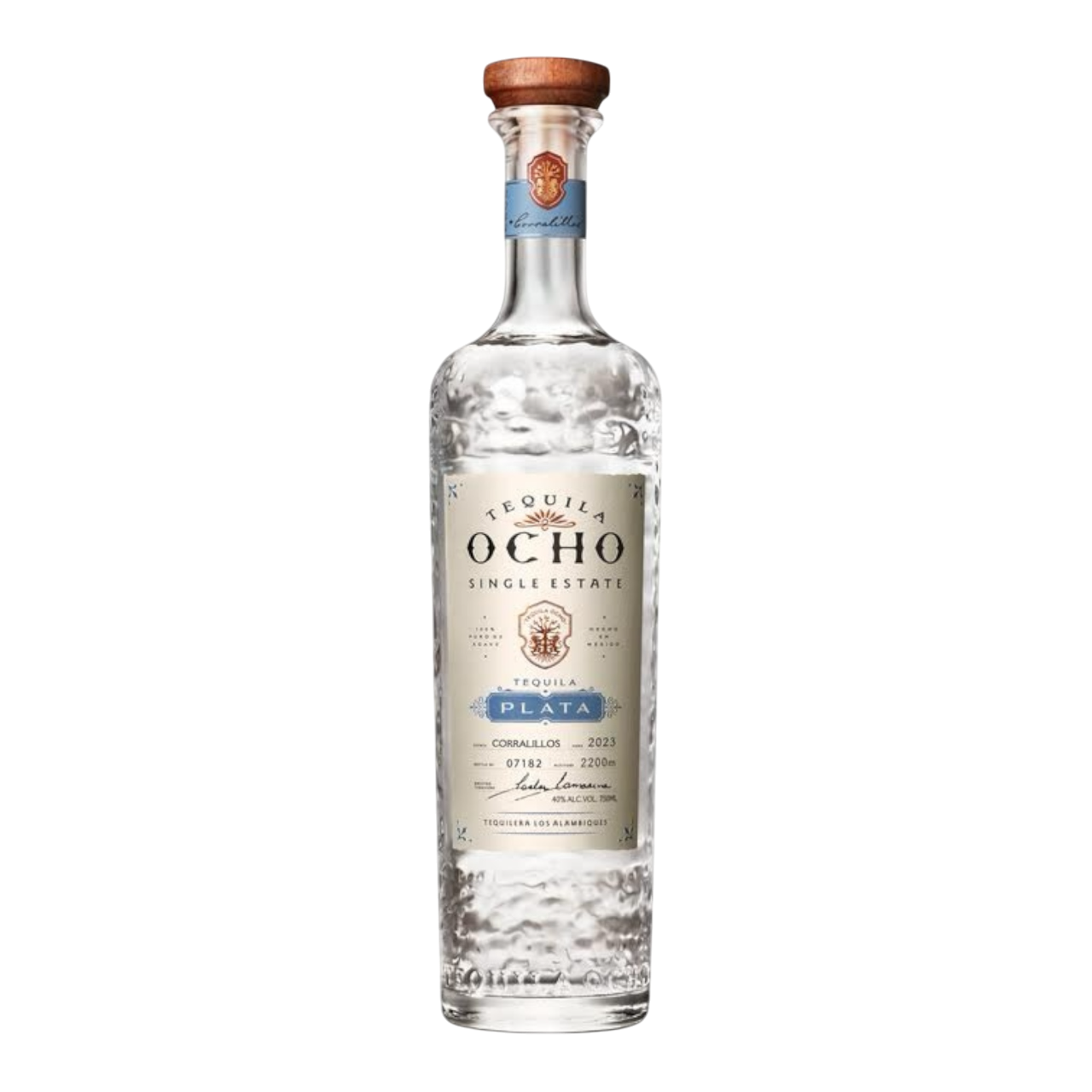
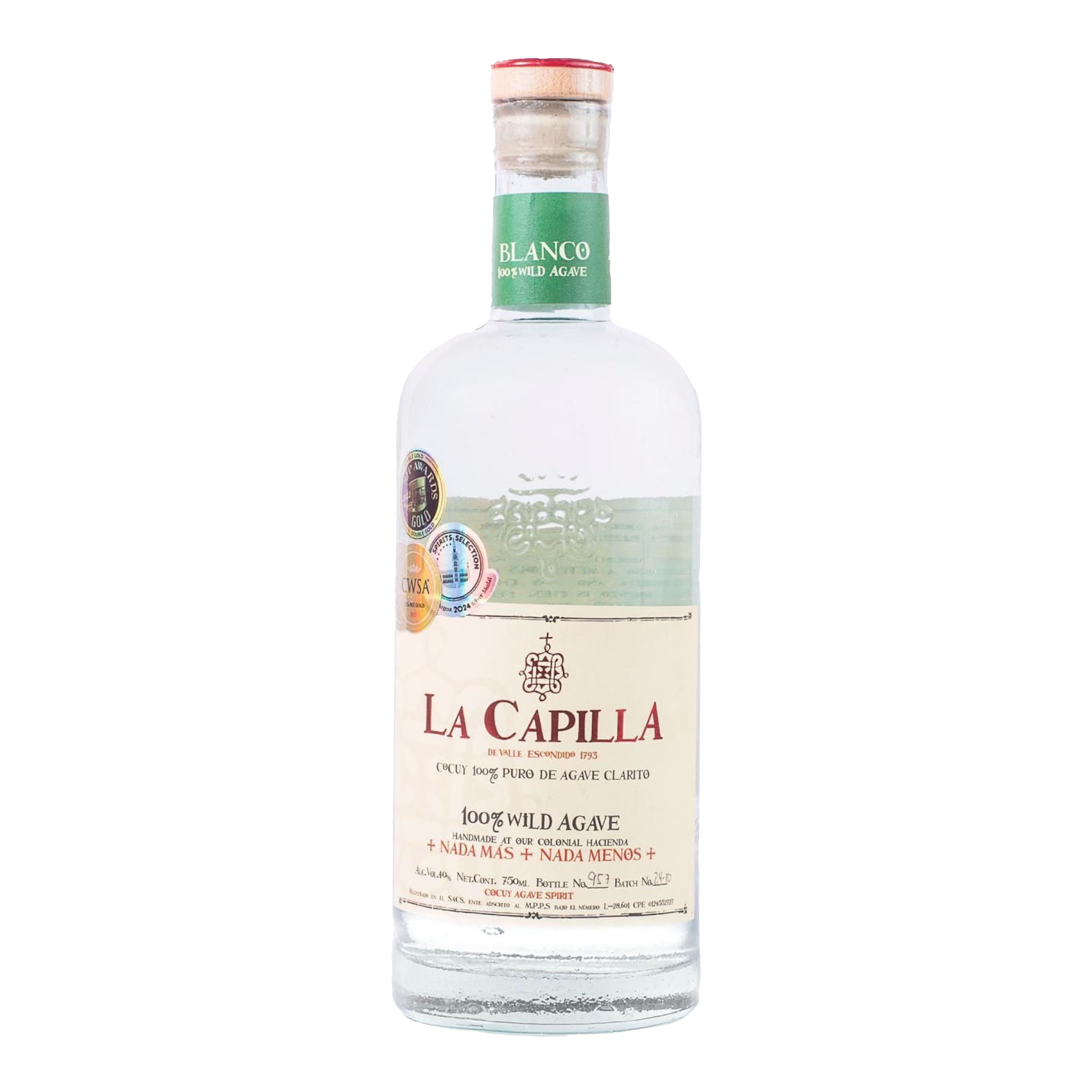
Begin with a quality blanco. Because blanco has little or no barrel influence, it is where guests can most easily identify cooked agave, citrus, herbs, black pepper, earth, and minerality. It provides the reference point for every aged pour that follows. Explore the existing blanco and plata collection when building that baseline.
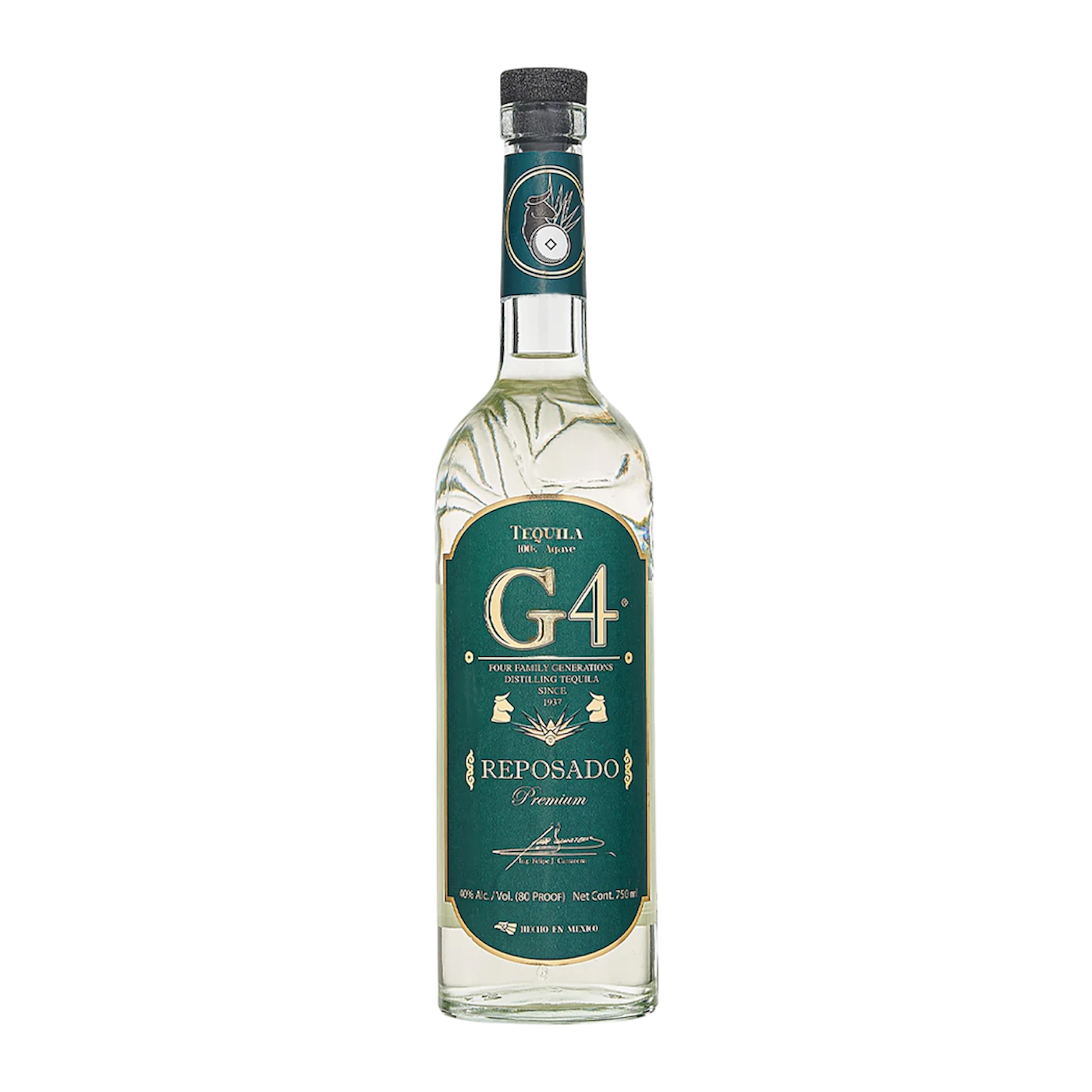
Next, choose a reposado. Reposado spends at least two months in oak, so it often retains bright agave while adding gentle vanilla, baking spice, toasted wood, or caramel. The best teaching example does not simply taste softer; it lets guests notice a conversation between agave and barrel.
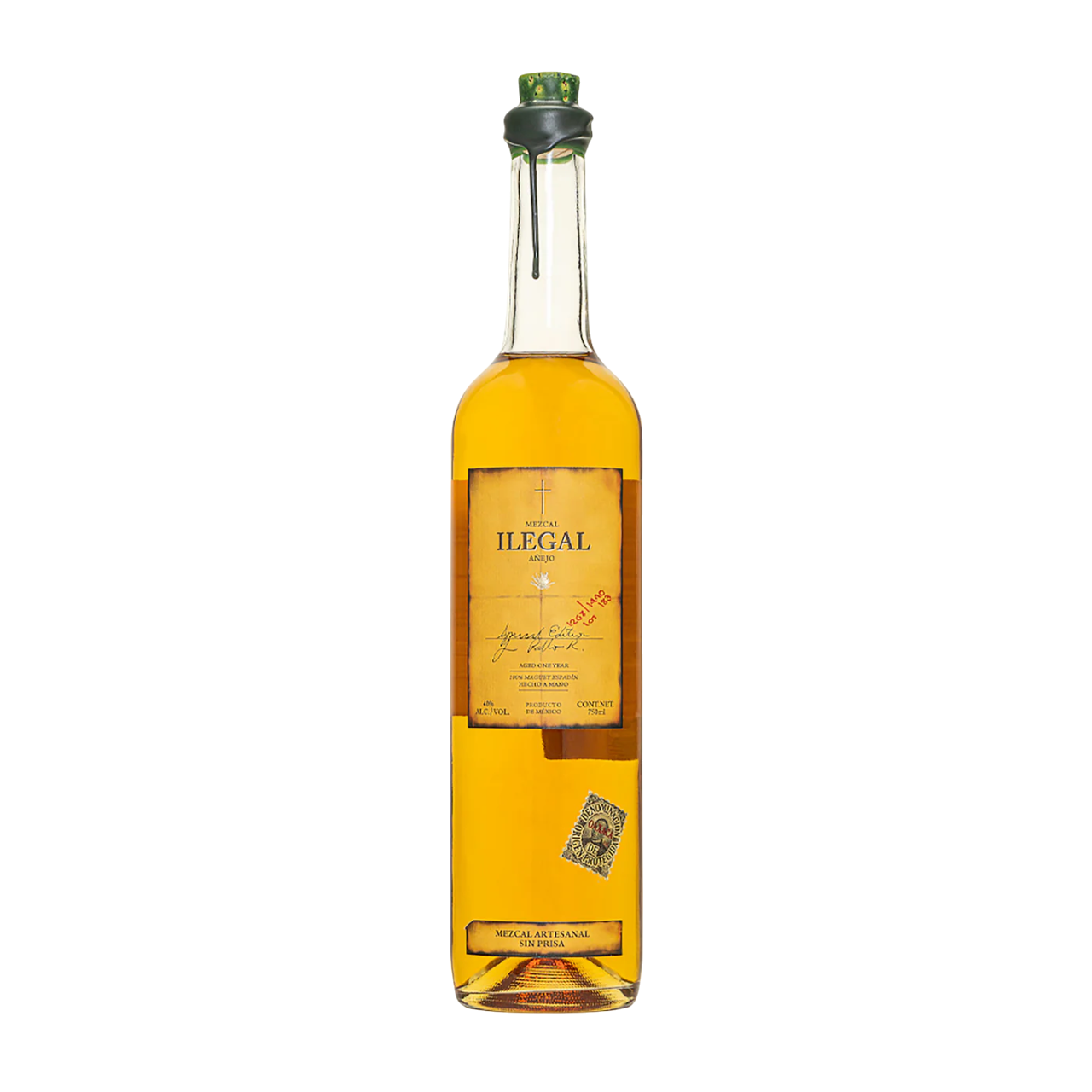
Finish with anejo, which matures for at least one year. Expect deeper oak influence and possible notes of dried fruit, cocoa, coffee, caramel, or leather. A practical real-world comparison might reveal pepper and roasted agave in the blanco, vanilla and cinnamon in the reposado, then cocoa and dried orange in the anejo. These are prompts, not answers. Each guest should describe what is actually in the glass.
If selecting bottles individually feels daunting, compare a prepared set from the tequila flights collection or browse tasting kits. Limit the formal flight to four bottles so palates remain attentive.
Step 2: Set the table with the right glassware
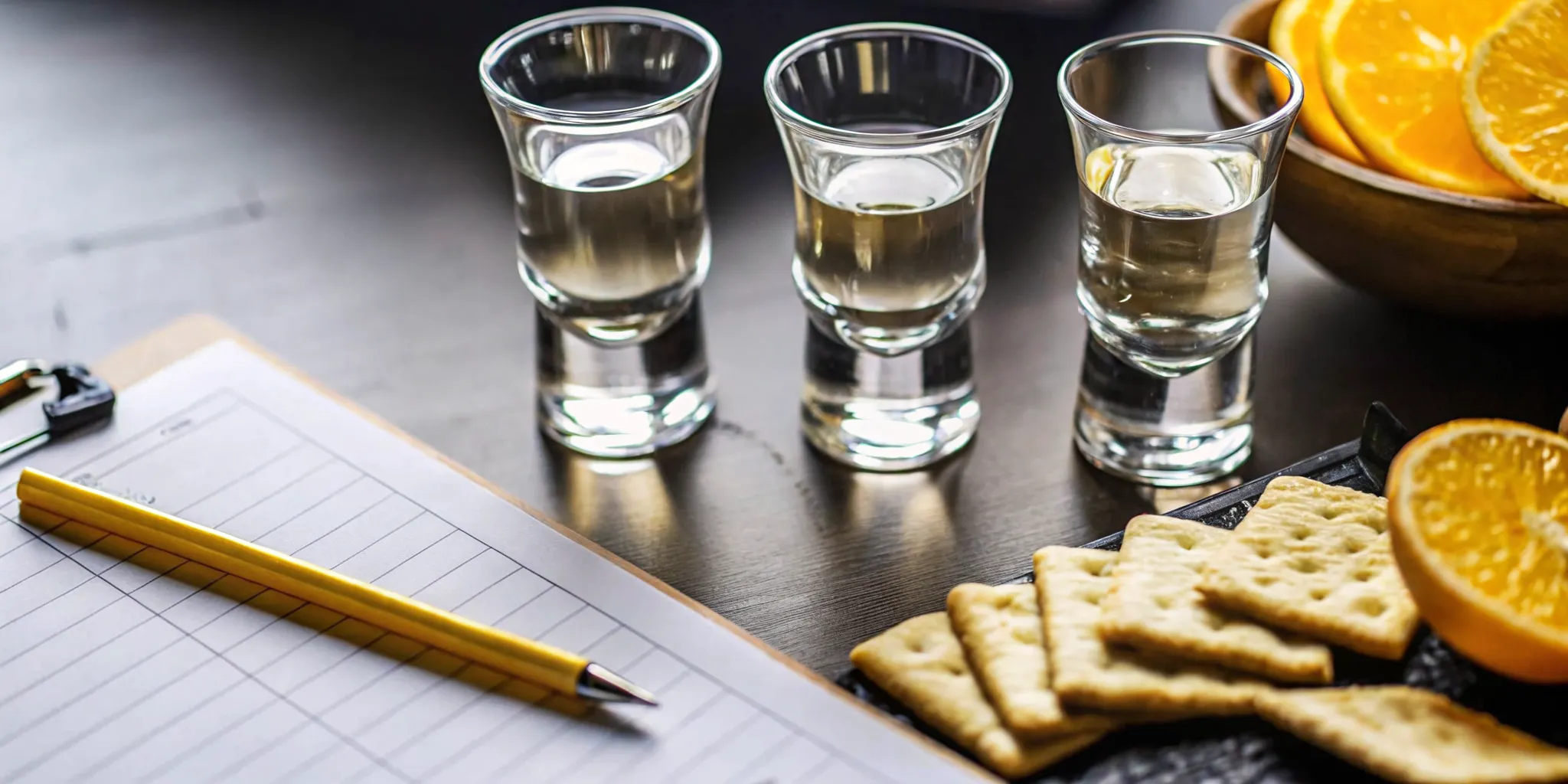
A small tulip-shaped glass or tequila flute is ideal. Its bowl gives the spirit room to open, while its narrower rim gathers aromas without directing a blast of alcohol toward the nose. A white-wine glass is a practical substitute. Shot glasses are poor evaluation tools because their straight, narrow shape restricts nosing and encourages quick drinking.
| Glass | Use | Why it works |
|---|---|---|
| Tulip glass | Best overall choice | Concentrates aroma and allows a gentle swirl |
| Tequila flute | Neat tequila | Shows aroma while keeping portions clear |
| White-wine glass | Easy substitute | Wide enough to nose and readily available |
| Shot glass | Not recommended | Limits aroma and suggests fast consumption |
Ideally, give each guest one glass per tequila so the flight can be compared side by side. If you must reuse glasses, rinse with water between pours and shake out every drop. Do not wash immediately before the event with scented soap. Set each place with a water glass, neutral crackers, napkin, pencil, scorecard, and optional dump cup.
Use numbered coasters or small labels to keep the lineup clear. If you want a blind round, cover the bottles and reveal them after the scoring discussion. Blind tasting reduces the influence of price, packaging, and familiar names, but the host should retain a private key.
Step 3: Measure pours and set a responsible pace
Pour and pace summary: Measure 0.5 ounce per tequila per guest with a jigger. Allow about 15 minutes to observe, nose, sip, and discuss each pour. For four tequilas, the formal tasting supplies 2 ounces per person. Keep water and food available, and never pressure anyone to finish a glass.
Half an ounce is enough for several careful sips. Pouring more does not improve the evaluation; it only makes responsible pacing harder. Pre-measure the first flight shortly before guests sit down, or pour one tequila at a time. Either approach works if every glass receives the same amount and bottle identities stay clear.
Pause between expressions. Encourage guests to drink water, jot down notes, and revisit an earlier glass rather than moving immediately onward. Tequila evolves with a few minutes of air, and side-by-side comparisons often reveal differences that a quick first sip misses.
Choose a tequila flight that makes side-by-side comparison simple.
Responsible service: Serve only adults of legal drinking age, keep pours measured, provide water and food, respect anyone who declines a pour, and arrange a designated driver or ride home. Never serve someone who appears impaired.
Step 4: Taste tequila in the right order
Taste from lighter and more agave-forward to richer and more barrel-driven: blanco, reposado, anejo, then extra anejo. Put flavored or unusually sweet expressions last. A heavily oaked tequila tasted first can make a delicate blanco seem quiet, just as a sweet dessert can flatten the taste of fresh fruit.
- Look: Hold the glass over a white surface. Note clarity and color, but do not equate darker color with greater quality.
- Nose: Keep your mouth slightly open and approach the rim gently. Smell from different points around the opening. Look for cooked agave first, then fruit, herbs, spice, earth, and oak.
- Sip: Take a very small first sip to prepare the palate. On the next sip, let the tequila move across the tongue and notice sweetness, acidity, bitterness, spice, and texture.
- Finish: Observe what remains after swallowing or using the dump cup. Is the finish clean, warming, peppery, fruity, woody, short, or persistent?
- Compare: Add water and neutral cracker only as needed, then revisit the previous glass to test your first impression.
Avoid telling guests what they are supposed to taste before they write. Instead ask. "What appears first?" or "Does the finish return to agave or move toward oak?" One guest may call a note grapefruit peel while another calls it lime pith. Both can be useful descriptions of a similar bitter-citrus impression. For more fundamentals, use Sip Tequila's tequila tasting guide.
Step 5: Use a scorecard that encourages useful notes
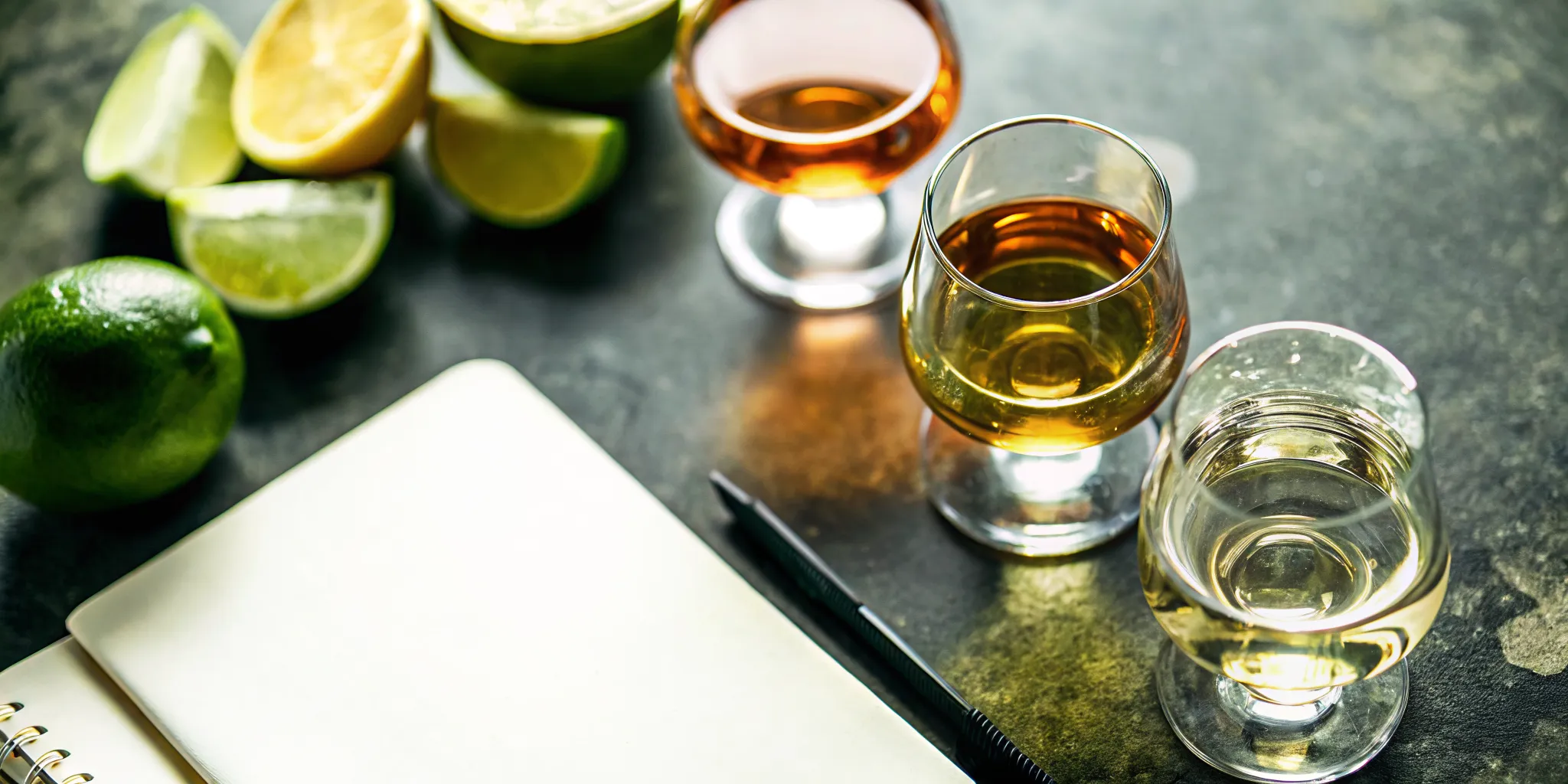
Scorecard summary: Give guests separate spaces for appearance, aroma, palate, texture, finish, and overall impression. Use a five-point intensity scale for aroma and finish, plus descriptive words for flavor. Record a favorite only after discussing every pour. The objective is to understand preferences, not crown a universal winner.
A scorecard keeps the tasting focused and creates a record guests can use later. At the top, include the sample number and expression. Under aroma, prompt for agave, fruit, floral, herbal, mineral, spice, and oak notes. Under palate, include flavor, sweetness, texture, alcohol integration, and balance. Finish with length, aftertaste, and an open comment.
| Category | Prompt | Example notes |
|---|---|---|
| Aroma | What appears first and after resting? | Cooked agave, lime peel, mint, pepper |
| Palate | What flavors develop? | Roasted agave, vanilla, cocoa, dried fruit |
| Texture | How does it feel? | Lean, silky, oily, drying |
| Finish | What remains, and for how long? | Clean, peppery, oaky, persistent |
| Overall | When would you enjoy it? | Neat, paired with food, or in a cocktail |
Numbers are useful only when the group defines them. A "5" for oak intensity is not automatically good or bad. Keep preference separate from intensity, then discuss why someone favored a bright, peppery blanco while another preferred a round, barrel-led anejo.
Step 6: Pair food without overwhelming the tequila
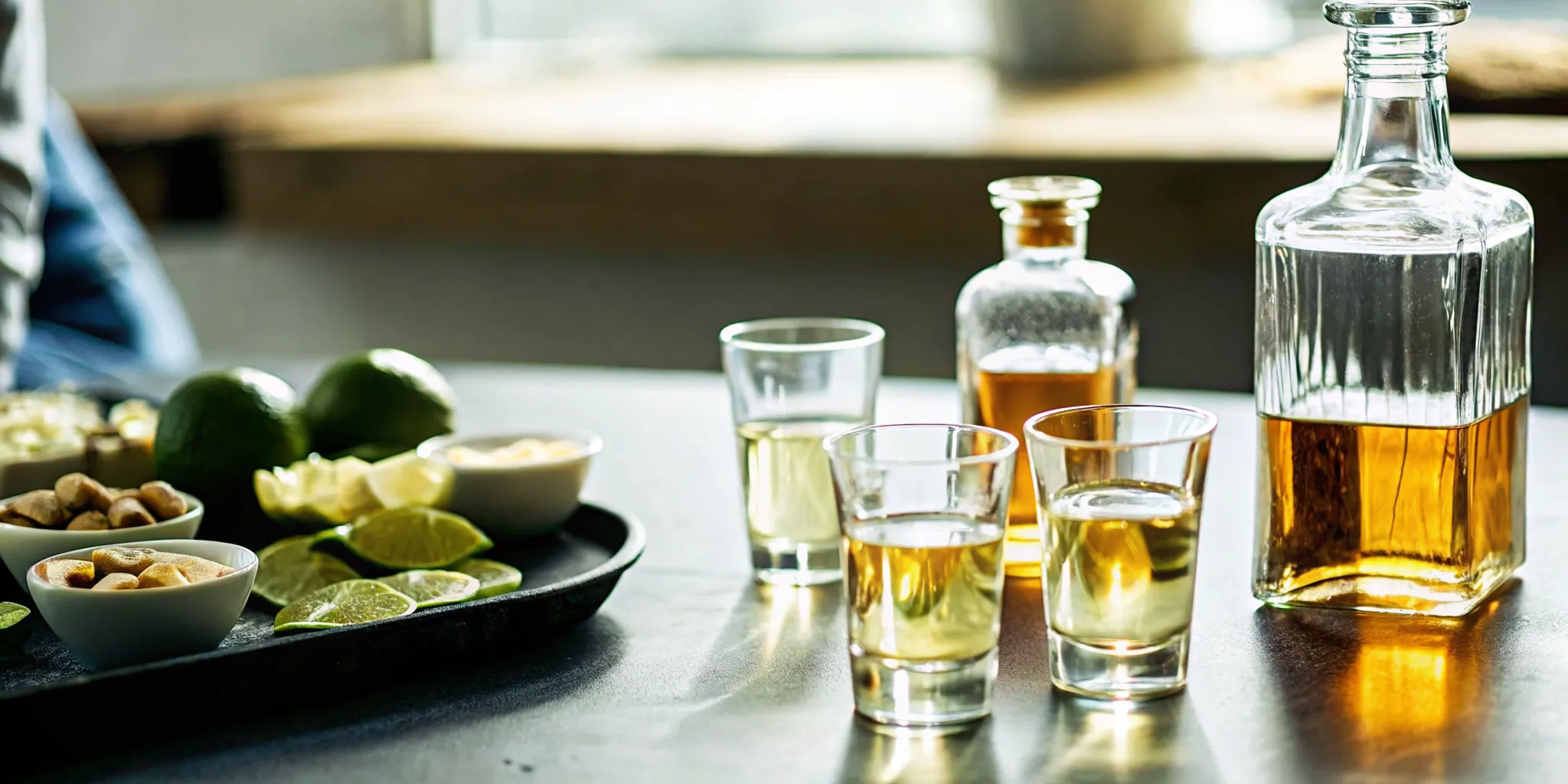
During formal evaluation, serve room-temperature water, plain crackers, mild bread, and perhaps unsalted nuts. Save bold pairings until notes are complete. Chili heat, raw garlic, strong onions, heavy smoke, and sugary sauces can linger and obscure the next pour.
After scoring, use small bites to show how food changes each tequila. Pair blanco with ceviche, grilled white fish, jicama, or fresh goat cheese. Its citrus, herbal, and pepper notes tend to work with bright, clean flavors. Pair reposado with roasted squash, grilled vegetables, carnitas, or aged manchego, where light barrel spice can meet browning and savory richness. Pair anejo with dark chocolate, mole, dried fruit, or a modest caramel dessert.
Try one controlled experiment: taste the tequila alone, take one bite, then taste again. A reposado may seem sweeter beside roasted vegetables, while an anejo's cocoa note may become clearer with dark chocolate. That before-and-after comparison teaches more than serving a crowded buffet from the start.
Read each bottle before you pour
Label-reading summary: Confirm that every bottle says 100% agave, then note its class, producer details, alcohol level, and any production information the label provides. Use those facts to frame questions, not predict quality. Serve tequila at a cool room temperature so cold does not suppress aroma and warmth does not emphasize alcohol.
Before guests arrive, prepare a short introduction for each bottle. Start with its class: blanco, reposado, anejo, or extra anejo. Then note the alcohol by volume and any facts the producer shares about region, cooking, crushing, fermentation, distillation, or barrel maturation. These details give the group testable questions. Does a higher-proof blanco show more aroma and texture? Does the reposado still lead with agave, or does oak take control?
Do not turn label language into a verdict. A traditional-sounding method can be interesting, but the glass still decides whether the tequila is balanced and enjoyable. Likewise, darker color does not prove longer aging or higher quality. Evaluate aroma, flavor, texture, and finish first, then use bottle details to interpret the differences.
Serve tequila at a cool room temperature, roughly 60 to 68 degrees Fahrenheit. Refrigerator-cold tequila can mute cooked agave, fruit, and floral notes. A glass left in direct sun or beside a warm kitchen can push alcohol vapor forward. Keep bottles away from heat and open them shortly before the tasting; there is no need to decant the entire flight.
Avoid common tasting-night mistakes
The most common mistake is treating every smooth pour as superior. Texture is one part of quality, but a tequila can feel soft while offering little agave character or a short finish. Ask whether the spirit is expressive, balanced, and true to the experience the guest wants. A lively pepper note or warming finish is not automatically a flaw.
Another mistake is crowding the table with distractions. Scented candles, flower arrangements, hot food, and loud music all compete with careful tasting. Keep the formal portion simple. Bring out dinner and turn up the playlist after scorecards are complete.
Finally, avoid announcing prices or favorites before the reveal. A premium-looking bottle can influence scores before anyone smells it. If you taste blind, use identical numbered glasses and reveal one bottle at a time after discussion. Ask guests whether the reveal changed their interpretation. That conversation often becomes the most valuable lesson of the night.
A practical hosting timeline
- One week before: Confirm six to eight guests, choose the theme, order bottles, and ask about allergies and rides home.
- One day before: Print scorecards, number coasters, check glassware, and prepare restrained pairings.
- Thirty minutes before: Remove strong scents, set water and crackers, and arrange bottles in tasting order.
- At the start: Explain the 0.5-ounce pours, scorecard, tasting method, and responsible-service plan.
- During the flight: Allow about 15 minutes per tequila, encourage water, and discuss notes after everyone writes.
- After scoring: Reveal blind samples if used, serve pairings, and let guests revisit favorites without pressure.
A calm host makes the evening feel polished. Keep the next bottle ready, but do not rush quiet moments. Guests need time to find language for unfamiliar aromas. If conversation becomes the highlight and one bottle remains untasted, save it for another occasion.
Frequently Asked Questions
How many people should I invite to a tequila tasting at home?
Invite six to eight guests. That size encourages conversation, gives everyone room for several glasses and a scorecard, and lets the host guide the group without rushing. For ten or more guests, pre-pour carefully, recruit a co-host, and allow extra time.
How much tequila do I need for six people?
For six guests tasting four tequilas at 0.5 ounce each, you need 12 ounces total. One standard 750-milliliter bottle holds about 25 ounces, so one bottle of each expression is far more than enough. Measure every pour with a jigger and offer water throughout.
What foods pair well with a tequila tasting?
During the formal tasting, use plain crackers, mild bread, water, and restrained bites. After guests record their notes, pair blanco with ceviche or fresh cheese, reposado with roasted vegetables or grilled pork, and anejo with dark chocolate. Avoid very spicy, garlicky, or sugary foods before evaluation.
What order should I taste tequila in?
Taste from the lightest, most agave-forward expression to the richest: blanco, reposado, anejo, then extra anejo if included. Put flavored or especially sweet expressions last. This order prevents barrel spice, caramel, and sweetness from overwhelming the subtler cooked-agave, citrus, pepper, and mineral notes in blanco.
Make the tasting your own
The strongest tequila tasting at home has a clear theme, small measured pours, and enough structure to help people notice what they genuinely enjoy. Start with age statements, then use a future gathering to compare blancos, production styles, or food pairings. Curiosity matters more than identifying every aroma correctly.
Explore Sip Tequila tasting kits and plan your next guided flight.
For more ways to explore agave spirits, browse Sip Tequila's blanco and plata selection and revisit the Sip Tequila guide before your guests arrive.