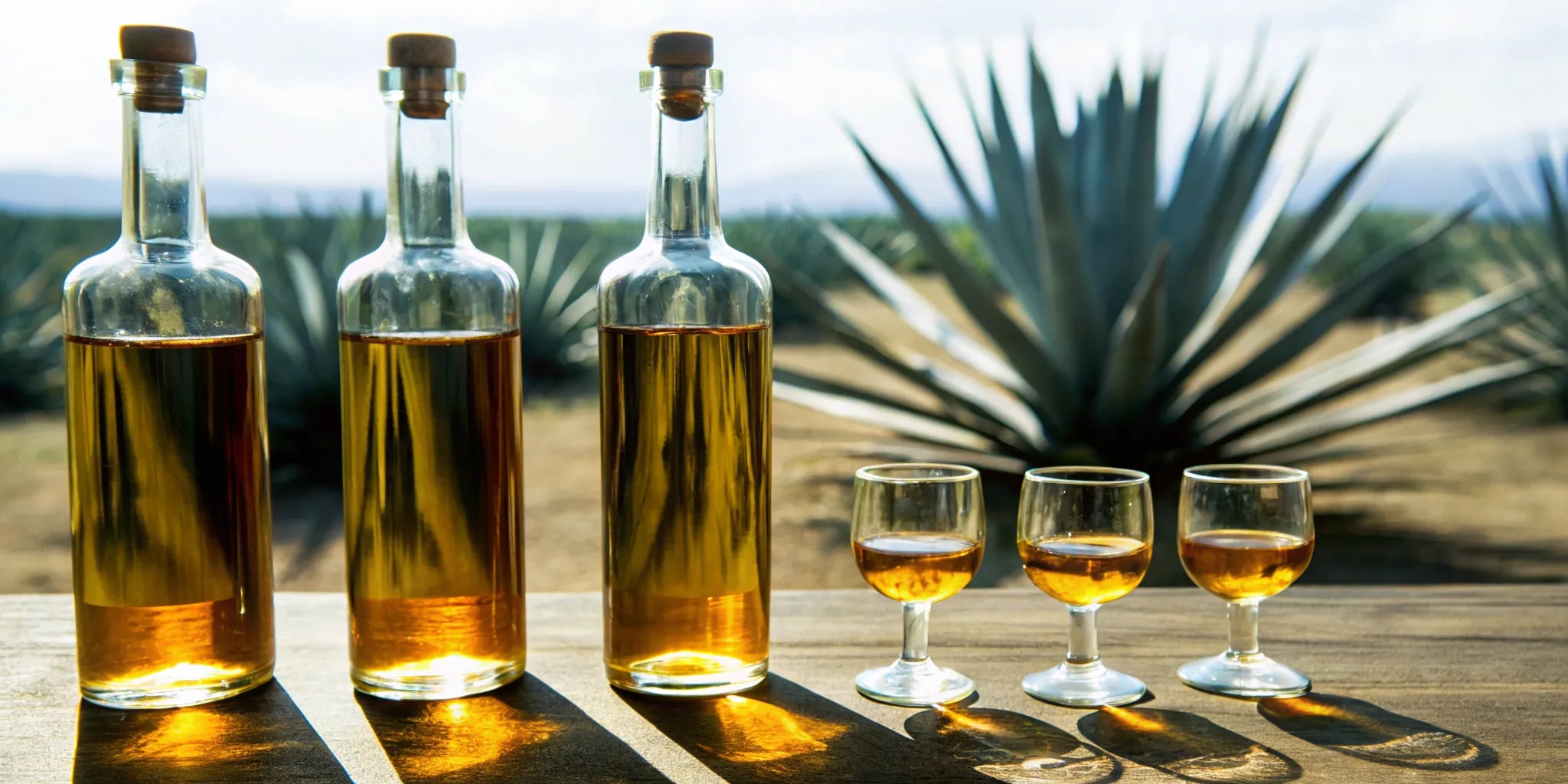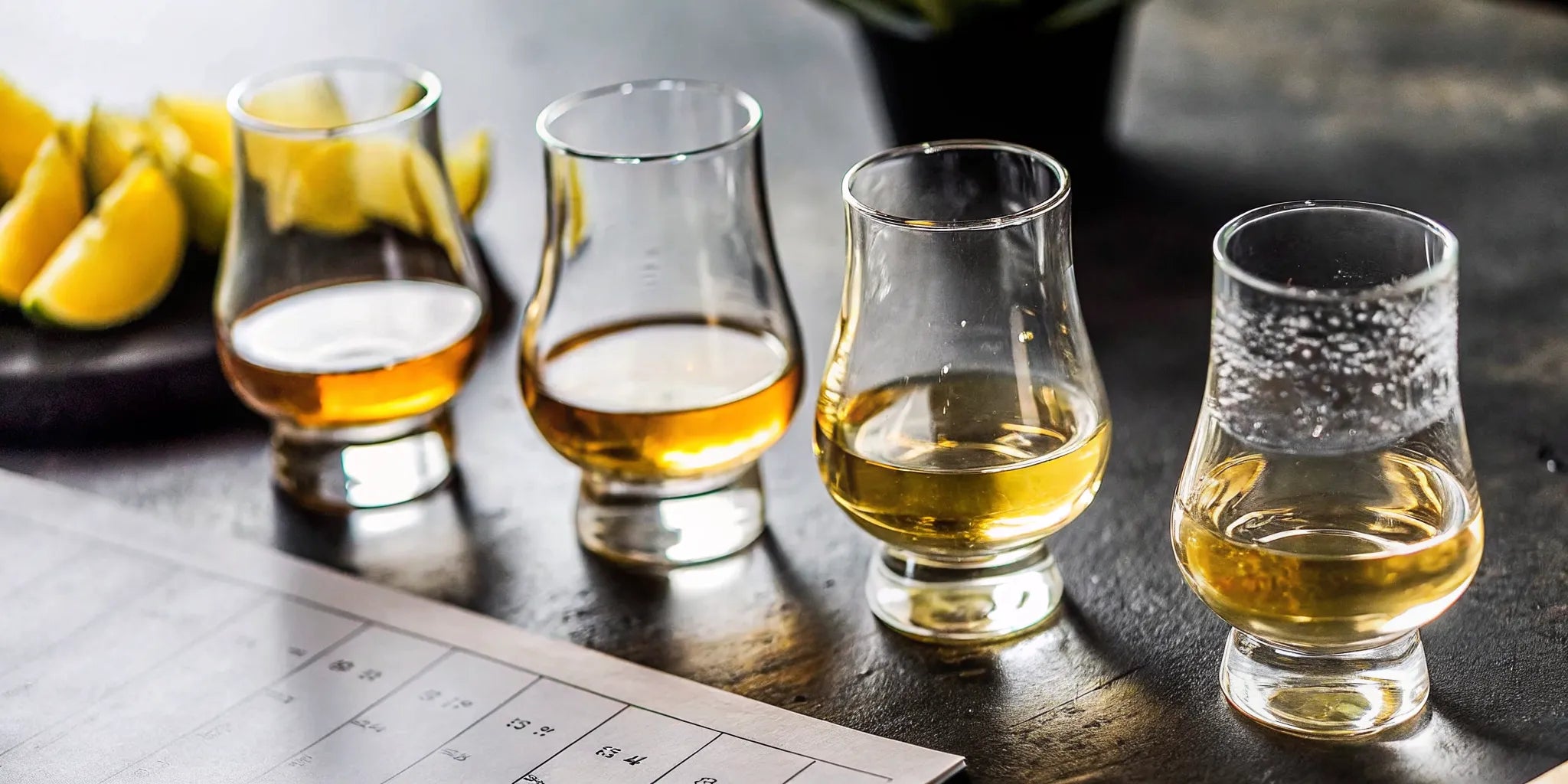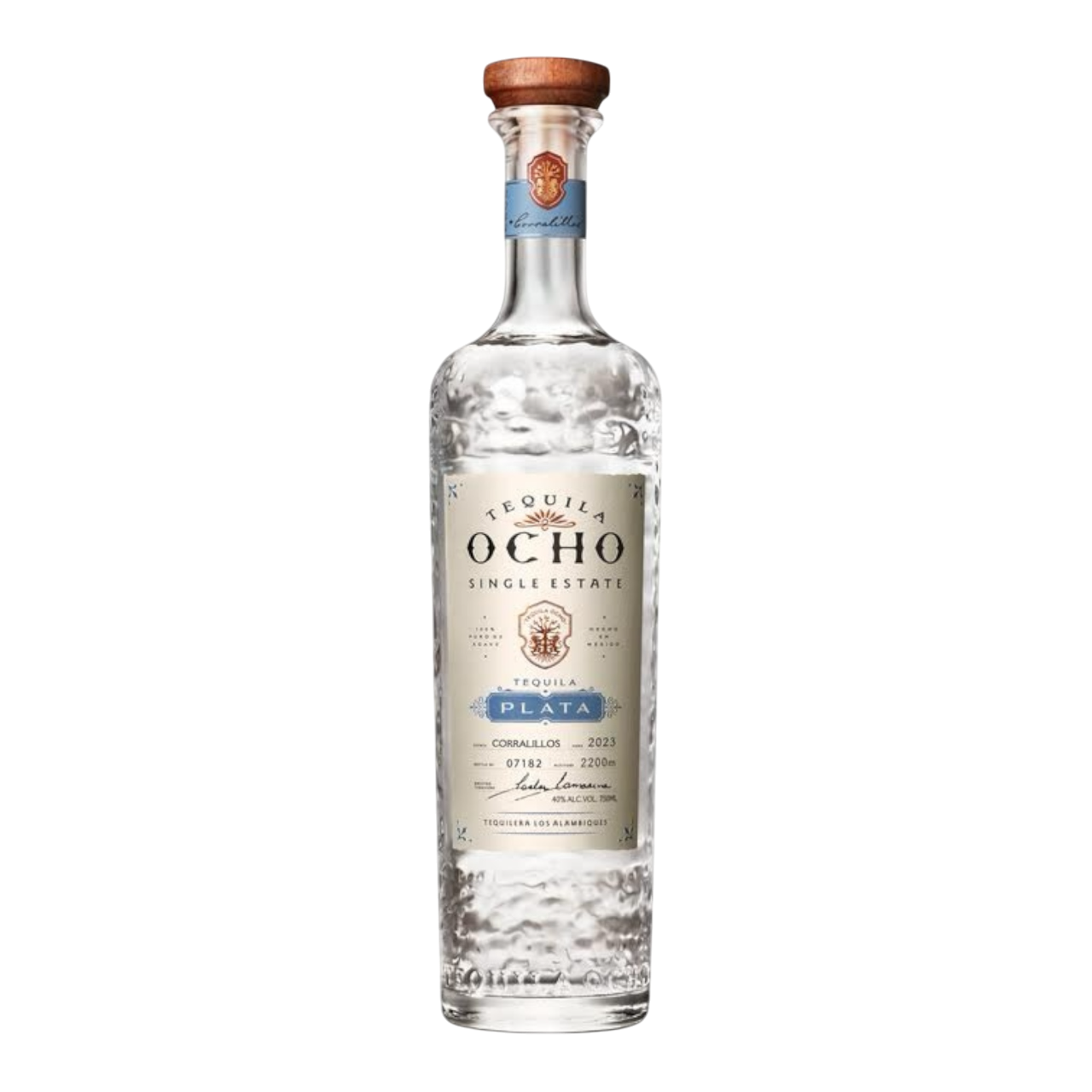
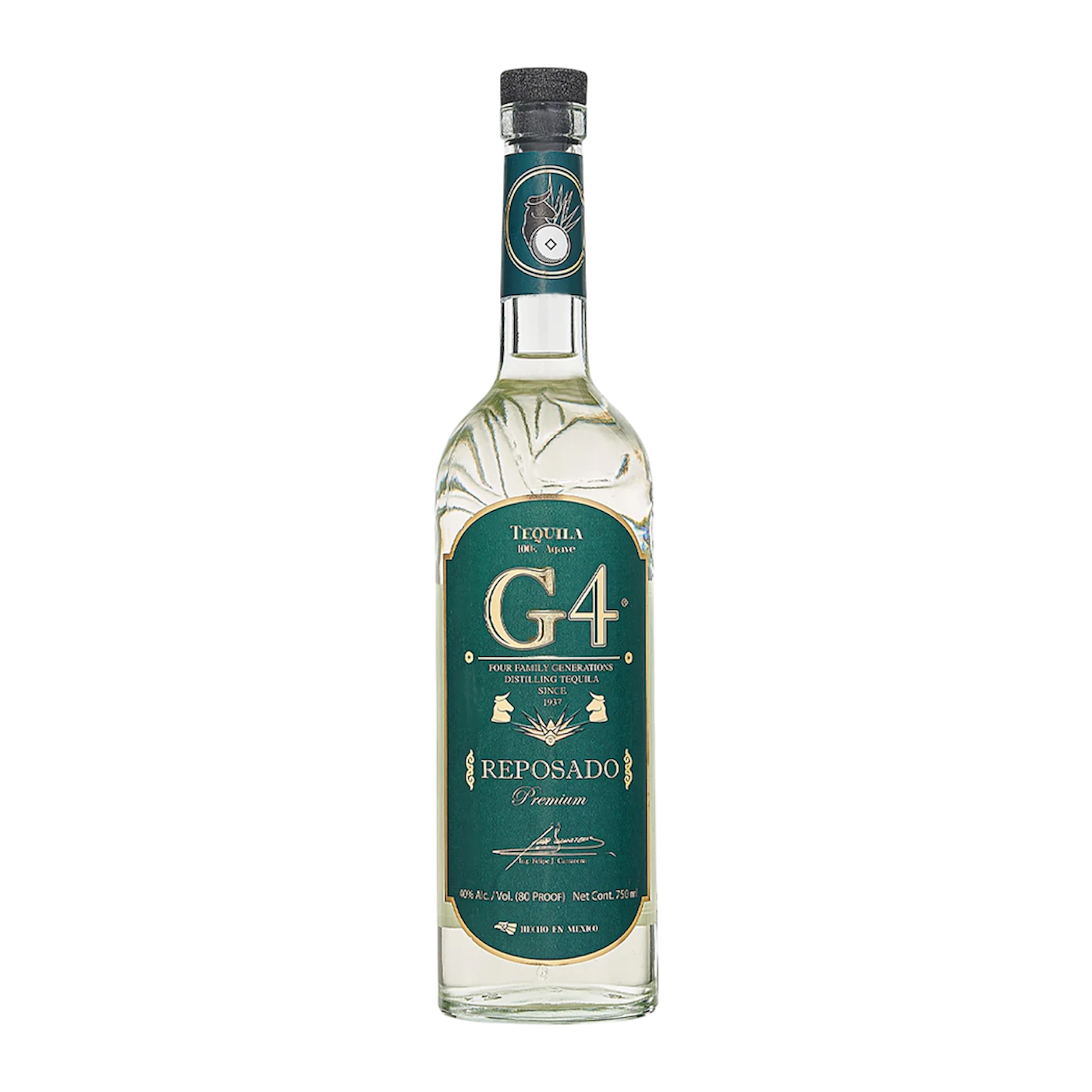
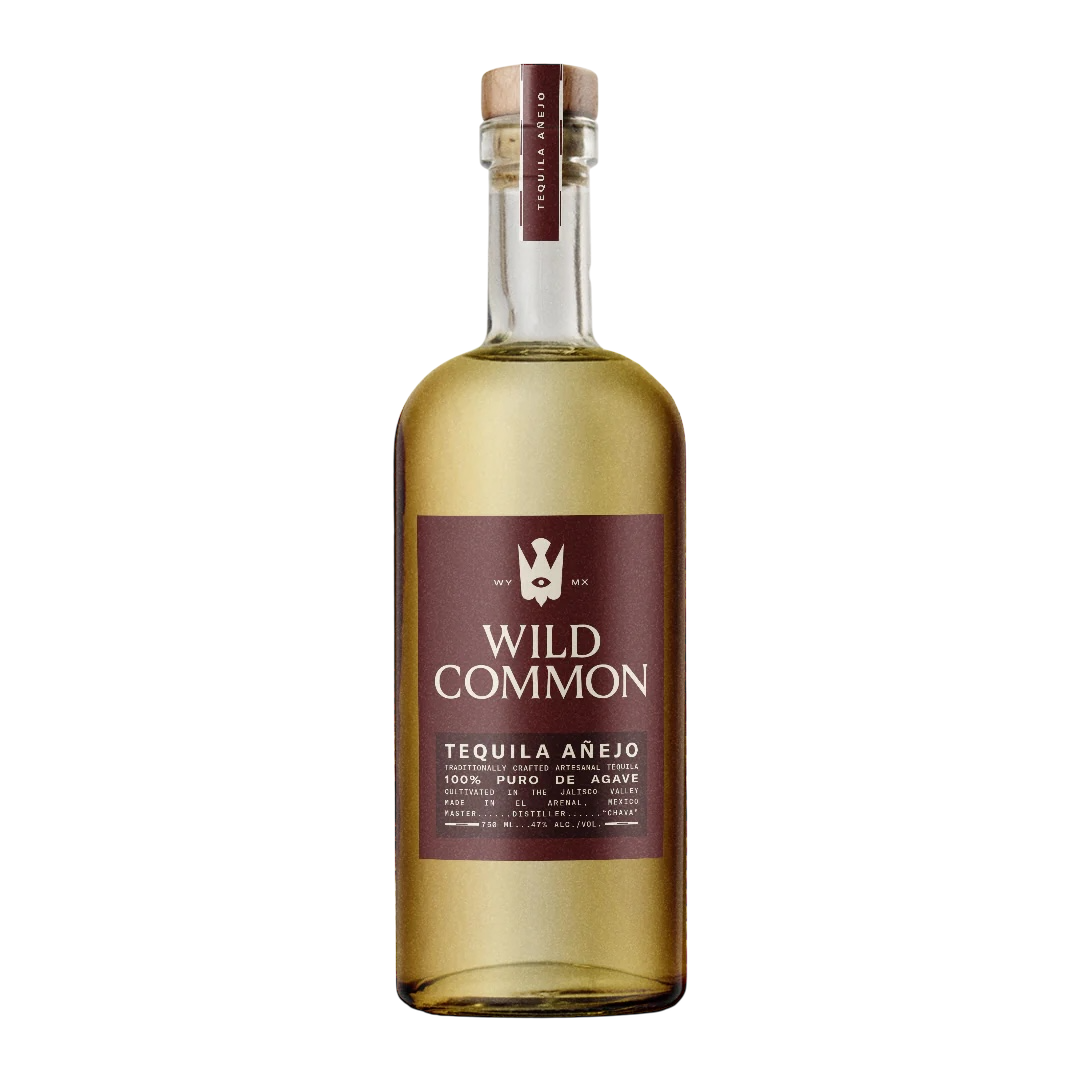
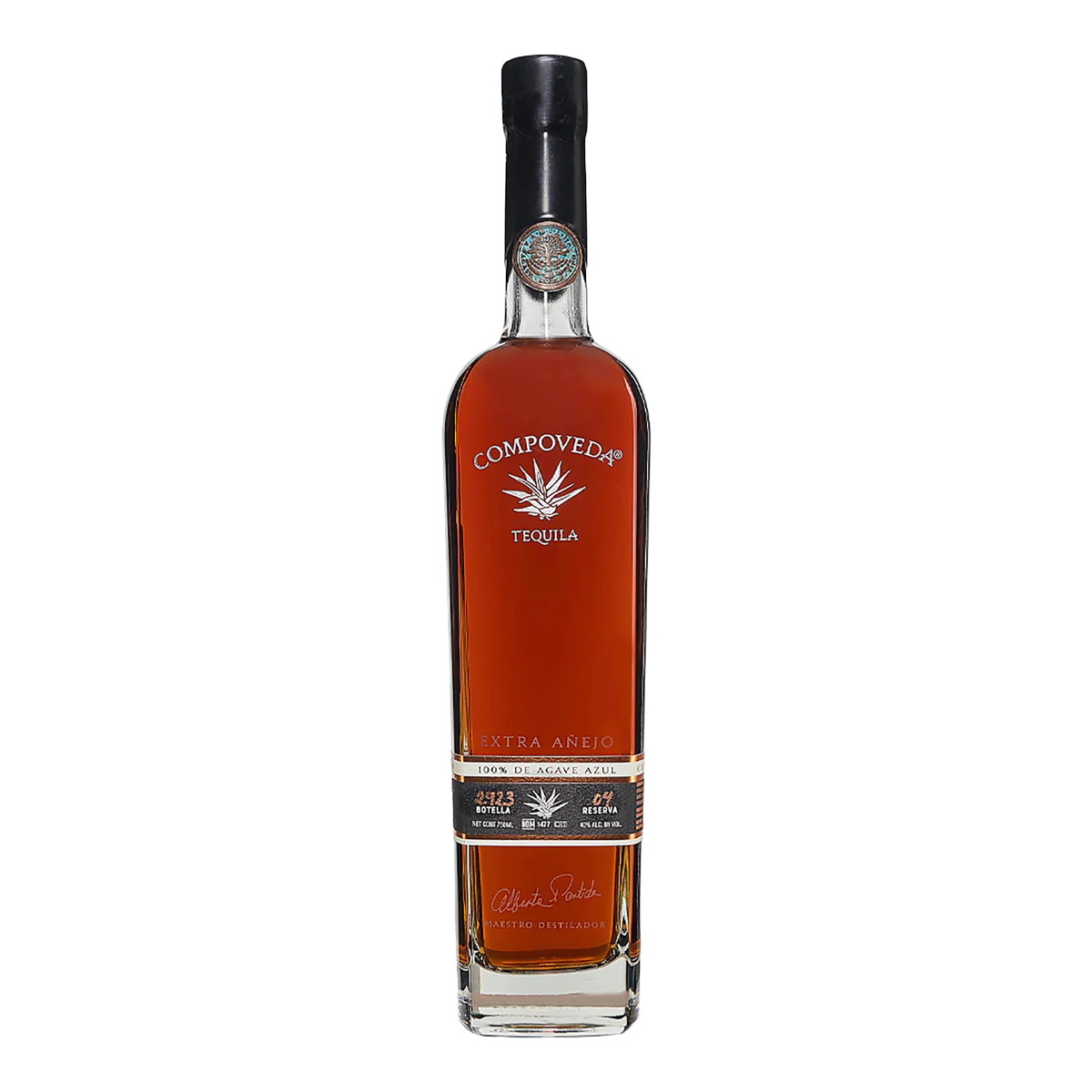
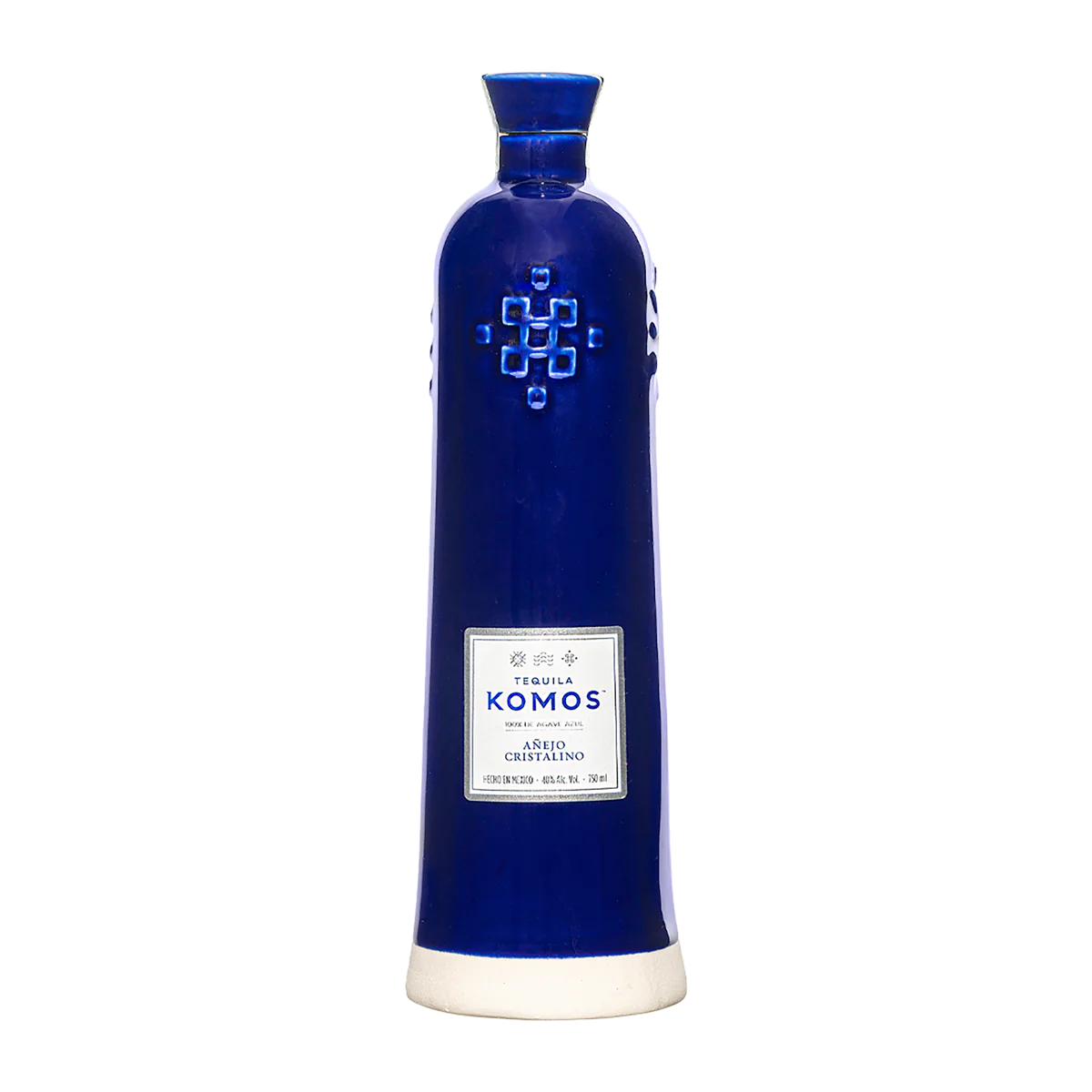
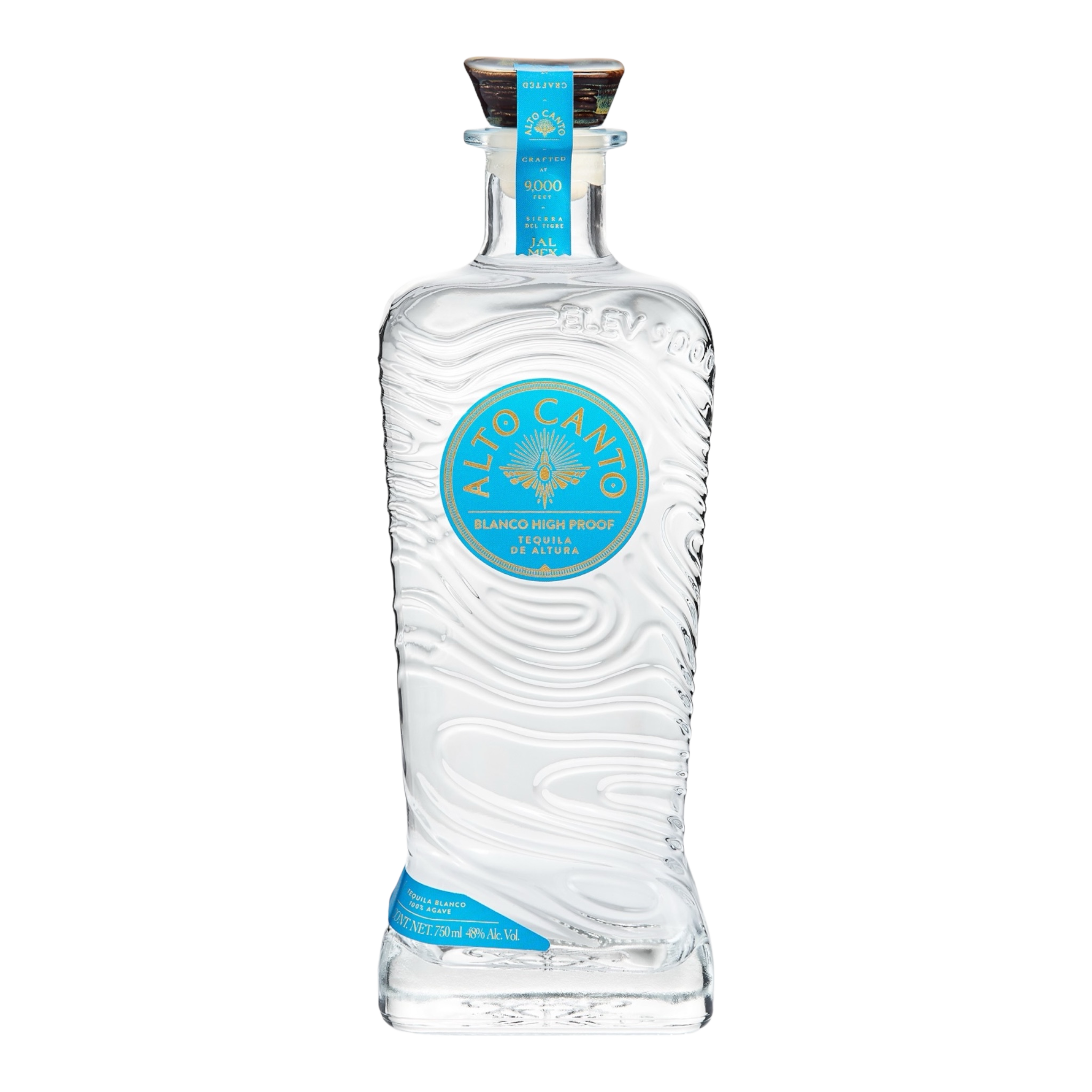



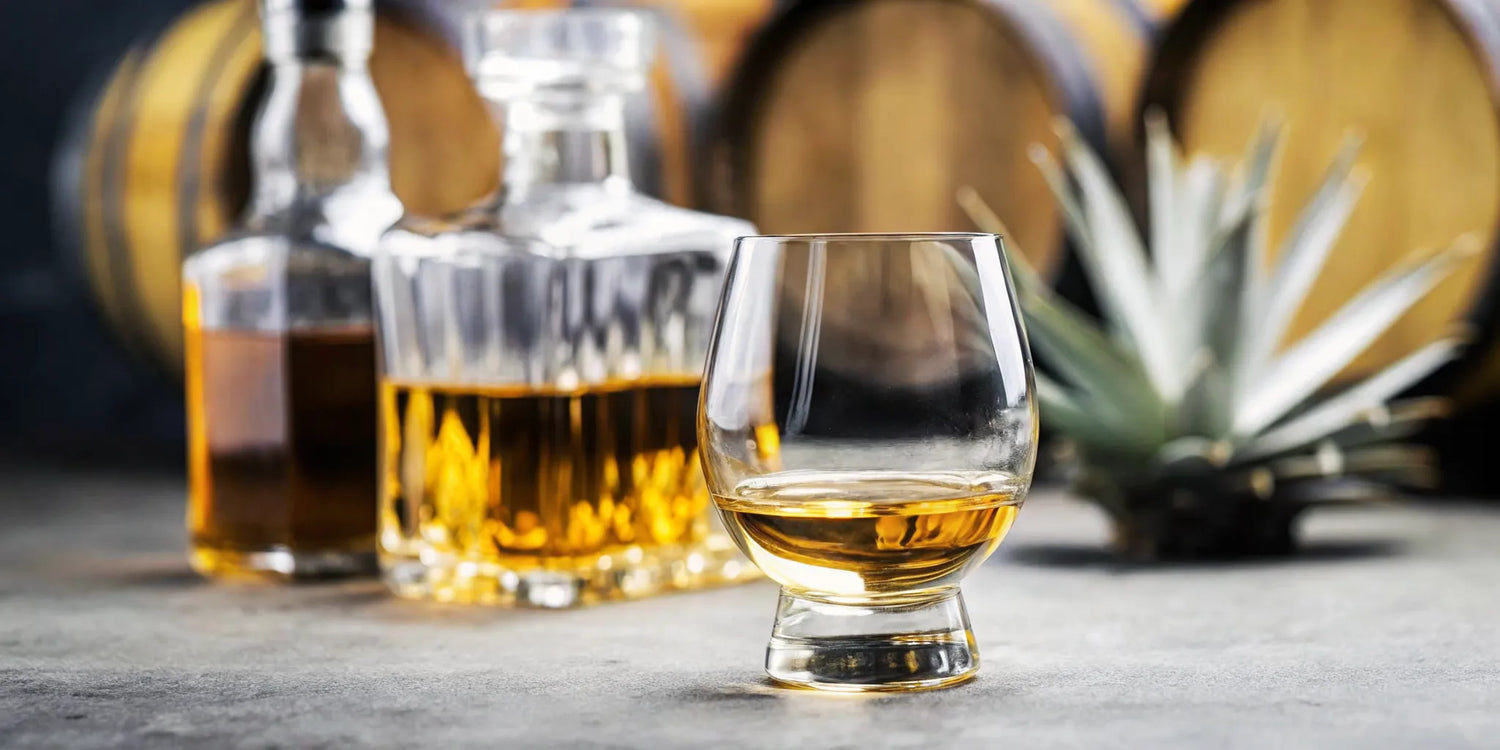
Fine agave spirits share a deep link with aged whiskey through barrel aging, but tequila is not a whiskey substitute. The best tequila for whiskey drinkers pairs familiar oak, vanilla, spice, and smoke with a distinct cooked-agave character.
Choosing the right tequila for whiskey drinkers starts with knowing how barrel aging creates the woody and smoky notes that fans of aged spirits love. High-quality bottles in the Anejo and Extra Anejo types spend one to three years in oak and often use the same barrels found in whiskey making. As noted by Wine and Whiskey Globe, these aging times help the spirit mimic the vanilla and caramel notes found in fine whiskey. Focus on the wood effect and proof to find bottles that offer a known taste while keeping the bright agave soul. This guide highlights the top picks that bridge the gap between these two storied spirits with ease and provide a perfect neat sip.
Tequila For Whiskey Drinkers: Why aged tequila appeals to whiskey drinkers
Many whiskey lovers are turning to agave spirits for their next great pour. This shift happens because high-end tequila shares many traits with fine bourbon or rye. When you look at tequila for whiskey drinkers, the draw is often the deep wood notes found in aged bottles. These spirits offer a bridge between the earthy agave plant and the rich oak that whiskey fans know well.
Shared barrel aging techniques
The link between these two worlds starts in the barrel. Most aged tequilas sit in ex-bourbon or French oak casks to gain color and taste. This aged tequila characteristics for whiskey lovers creates a profile full of vanilla and spice. Research shows that oak barrels introduce compounds that add layers of depth to the spirit as it rests over time. These are the same types of wood used to finish some of the best whiskeys in the world.
Aged tequila is not just a copy of whiskey. It keeps the heart of the agave plant while adding the warmth of the wood. Whiskey drinkers like the way these barrels soften the bite of the alcohol. The wood adds a smoky or toasted edge that feels familiar. This makes it easy to switch from a neat pour of bourbon to a glass of Anejo without losing the rich taste you enjoy.
Flavor profiles of agave and oak
While the barrel adds a lot, the base plant is still the star. Cooked agave has a sweet, honey-like taste that pairs well with the dry spice of a charred barrel. You will find flavor profiles similar to fine whiskey like caramel, butterscotch, and black pepper. The result is a sipping spirit that feels heavy on the tongue and lingers long after the first sip.
These flavors come from a slow dance between the spirit and the wood. Heat and time force the tequila into the grain of the oak. This pulls out natural sugars and tannins. While whiskey relies on grain for its base, tequila uses the agave heart. This gives the drink a unique herbal note that grain cannot match. It offers a new way to explore the world of aged spirits without leaving behind the bold traits of a good whiskey.
Choosing the right maturity class
To find the best match, you must know the aging levels. Tequila has strict rules for how long it stays in the wood. New tests on aged tequila types show how time in the wood changes the drink. Anejo bottles age for one to three years. Extra Anejo stays in the wood for over three years. These longer times create the most depth and are often the favorite pick for those who love old whiskeys.
Most whiskey fans start with Anejo. It has a good balance of plant and wood. If you want something even richer, Extra Anejo is the top choice. These bottles often have dark fruit and dark chocolate notes. They rival the best single malts in terms of smoothness and finish. By picking the right age, you can find a bottle that fits your taste and offers a fresh take on a classic drink.
| Feature | Bourbon Whiskey | Aged Tequila |
|---|---|---|
| Main Plant | Corn (at least 51%) | 100% Blue Weber Agave |
| Wood Used | New charred oak | Ex-bourbon or French oak |
| Top Tastes | Vanilla, caramel, corn | Cooked agave, oak, spice |
| Time in Wood | No minimum (often 2+ years) | 1 to 3+ years |
| How to Sip | Neat or on the rocks | Neat in a flute or glass |
How do you choose tequila by your favorite whiskey style?
Bourbon fans should begin with vanilla-rich anejo, rye drinkers can look for peppery high-proof or heavily charred expressions, and Scotch fans may prefer extra anejo or special cask finishes.
Pick your tequila by the whiskey you like. Both spirits use wood and time to gain flavor. If you drink whiskey, you already know how to find good notes in a glass. You can use these skills to find a great agave spirit. Do not start from zero. Look for the tastes you already love. This makes the change both easy and fun.
The barrel is the link between these two drinks. Many tequila makers use the same oak casks that whiskey makers use. This means you can find the same rich feel and taste. You might want a light reposado or a dark extra anejo. There is a bottle for you. Look at how the wood and spirit work together to create the profiles you know best.
Sweet notes for bourbon fans
Bourbon fans usually like a soft, sweet finish. They often look for vanilla and oak. This comes from the corn and new charred wood used in whiskey making. In tequila, you find this in the anejo class. These spirits stay in wood for one to three years. Makers often use old bourbon barrels for aging. This adds a known layer of burnt sugar and wood to the drink.
- Vanilla and burnt sugar scents
- Soft oak wood finish
The Anejo tequila barrel influence creates this sweet balance. As the spirit rests, it takes sugars from the wood. This makes the bright agave taste more soft. The result is a smooth drink that feels like a classic bourbon. These tequilas have a rich feel and a long, warm finish.
Spicy kicks for rye drinkers
Rye whiskey has a bold, spicy soul and a dry end. If this is your style, look for tequilas with a big bite. High-proof drinks are a great pick for rye fans. These tequilas keep more of the raw spirit power. They often have notes of black pepper and cinnamon. These tastes match the spice you expect from a rye whiskey mash bill.
- Black pepper and cinnamon spice
- Dry and crisp end
The maturation process in oak also helps create spice. Some makers use heavy barrel chars to add depth. This helps the spirit stand up to the agave base. When you sip these, you will notice a dry, crisp finish. It gives the same kick that makes rye whiskey so liked by fans.
Deep smoke for scotch lovers
Scotch fans value depth and earthy, smoky tones. To find this in tequila, look at the extra anejo class. These are the most aged agave spirits you can buy. They rest in oak for three years or more. This long rest gives the spirit deep notes of cocoa and dried fruit. It has a level of depth that can match a fine scotch.
Some brands use casks that once held scotch. These finishes add a layer of peat to the agave. Knowing about aged tequila characteristics for whiskey lovers can help you find these bottles. You will find spirits that are rich, dark, and full of depth. They offer a fine taste that any scotch fan will like.
Anejo or extra anejo: where should you start?
Start with anejo for a balanced taste of cooked agave and oak. Choose extra anejo when you want deeper barrel notes, a silkier texture, and flavors such as cocoa, dried fruit, and spice.
If you love the depth of a fine whiskey, aged tequila is your best entry point to the world of agave. These spirits spend much time in wood casks, which creates a familiar profile of oak, vanilla, and caramel. Both types offer depth, but they differ in how much the barrel changes the final pour.
Añejo tequila barrel influence
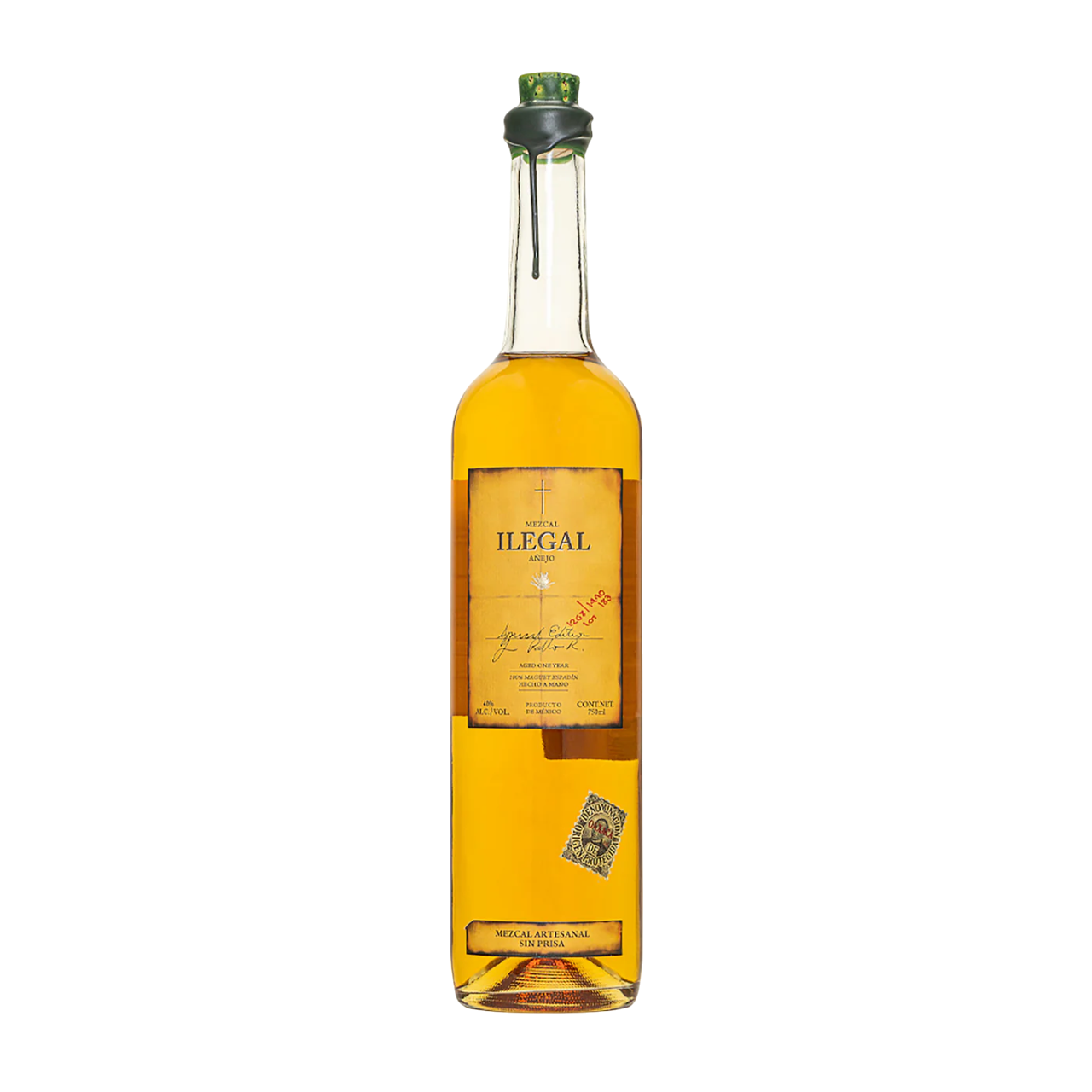
Añejo tequila must age for one to three years in oak barrels that do not exceed 600 liters. This time lets the agave pick up rich notes of baking spices and dark fruit without losing its herbal core. Many brands use ex-bourbon or French oak barrels to help develop aged tequila characteristics for whiskey lovers. This balance makes it a top choice if you want a spirit that still tastes like tequila but has the smooth finish of a bourbon.
The link between the spirit and the wood is the main thing that brings whiskey-like tastes to agave. During the aging process, the liquid pulls compounds from the barrel walls. Research from PubMed shows that aging in French oak adds layers of depth that match other aged spirits. If you enjoy the heat of a high-proof pour, some añejos come in at 100 proof to give a more intense experience.
Extra añejo for maximum depth
For those who like the heavy oak and smoky notes of an old Scotch or a bold rye, extra añejo is the top of the craft. These spirits age for at least three years. This rest results in a dark, silky liquid with deep notes of chocolate and leather. This type offers the most complex taste in the agave world. You can find many of these bottles in our Extra Anejo Tequila Collection.
Because these spirits stay in the barrel for so long, they take on many traits found in fine whiskeys. Some makers even use charred-oak rye barrels to give spicy notes to the tequila. This long rest helps the spirit develop flavor profiles similar to fine whiskey. This makes the switch feel natural for collectors. If you are ready to find your first bottle, see our Anejo Tequila Collection to see how barrel types change the final taste.
How does barrel choice shape aged tequila?
American oak often contributes vanilla, caramel, and coconut, while French oak can add spice and tannin. Toast, char level, and prior cask use further shape every aged tequila.
The barrel is more than a storage vessel. It is where a spirit finds its soul. For fans of aged whiskey, the wood helps bridge the gap between bright agave and deep, warm tones. This process, often called maturation, lets the spirit pick up complex traits from the wood itself.
American and French oak influence
Most tequila makers use ex-bourbon barrels made of American white oak. These casks give the spirit classic notes of vanilla, caramel, and coconut. This creates a flavor profile similar to fine whiskey that many drinkers like. Some brands choose French oak instead. This wood has a tight grain and often adds spice and silky tannins to the drink. Research on maturation in French oak shows that it helps build layers of flavor that can rival the best spirits.
The role of toast and char
The way a barrel is made also changes the final taste. Toasting the wood heats it slowly to bring out natural sugars. This results in notes of almond and fruit. Charring is more intense. It creates a layer of carbon inside the cask. This char acts as a filter but also adds smoky, toasted flavors. Understanding how barrel chars impact flavor helps you pick a bottle that matches your taste. A heavy char often leads to a bold, whiskey-like experience.
Cask finishing and unique barrels
Some makers go beyond standard oak. They may finish a tequila in wine, sherry, or even rye barrels for a few months. This extra step adds a new side to the spirit. For example, a rye barrel might add a dry, peppery finish. While Añejo tequila barrel influence is most common, these special finishes are now quite common. They offer a great way for whiskey fans to explore agave while keeping the wood-forward traits they love.
Darker tequila is not always better or more complex. Color can come from many things, but true depth comes from the time spent in the wood. By looking at the barrel type and char level, you can find a tequila that offers the richness you want. Whether it is a light American oak or a bold charred cask, the choice of wood is what defines the final sip.
How should a whiskey drinker taste aged tequila?
Serve aged tequila neat at room temperature in a narrow-rimmed glass. Nose gently, take a small sip, and compare agave, oak, texture, and finish before adding a few drops of water.
If you love fine bourbon or scotch, you likely enjoy the deep notes that come from wood and time. Aged agave spirits offer a similar path for the palate. The shift to tequila for whiskey drinkers is easy when you focus on the craft behind the bottle.
Like a rare cask-strength rye, an extra anejo relies on the trade between the plant and the barrel. This slow process creates flavor profiles similar to fine whiskey, with hints of oak, vanilla, and baking spice. To get the most from each bottle, use a slow, careful method that respects the age of the liquid.
Pick the right tools for the job
Start with a clean glass that lets the smells rise and gather. A whiskey glass or a small glass flute works best for this task. You want a shape that narrows at the top to trap the light, sweet scents of the agave plant. This helps you find the small details before you take a sip.
Keep the bottle at room temperature while you prep your space. Cold air or ice can hide the rich oils that make the drink smooth and heavy on the tongue. If you chill the spirit too much, you may miss the very traits that you enjoy in a good whiskey.
Follow these steps to sip
Tasting is a full act of the senses that should not be rushed. Take your time to see the deep gold color and smell the impact of the wood. This method will help you find the bridge between your favorite grains and the agave heart.
- Select a glass with a narrow rim to focus the scent toward your nose.
- Serve the spirit at room temperature to let the natural oils and esters shine.
- Hold the glass still and take a light breath to find notes of cooked fruit, caramel, or oak.
- Take a small sip and let the liquid coat your tongue for a few seconds before you swallow.
- Note the finish and how the heat and spice feel as the taste fades away.
- Add a few drops of clean water if the proof feels too high or if you want to open up new scents.
Aged spirits get their depth from the wood of the cask. Expert studies show that oak barrels give off sugars. These sugars change the spirit as it sits for years. This slow trade between wood and liquid is why aged agave can taste so much like a classic bourbon.
When you sip slowly, you can find the small details that make each brand unique. Focus on the hard work that went into the growth of the plant and the long wait in the cellar. Enjoy each glass with care and respect for the ancient craft of the maker.
Use a scorecard to compare each pour
A useful scorecard records aroma, agave character, oak influence, texture, proof, and finish. Descriptive notes make it easier to compare aged tequila with the whiskey styles you enjoy.
A simple scorecard helps you track your notes during a tequila tasting at home. Instead of picking a winner by numbers, use words to describe what you feel. Focus on the scent, the taste, and the way the liquid moves in the glass. This method builds your palate and makes each sip more clear.
Track the aroma and look
Start by looking at the color and the way the spirit clings to the glass. Clear blanco tequila often shows fresh agave and citrus notes. Check for "legs" or tears that run down the side of your glass. Then, take a light sniff to find the top notes. You might smell sweet agave, black pepper, or earth.
Record your first thoughts on your scorecard. Does it smell like fruit, or is it more like smoke and wood? Professional standards for beverage service and tasting suggest taking your time with these steps. Use short words to describe the intensity of the scent from light to strong.
Rate flavor and feel
When you take a sip, let the liquid coat your tongue. Pay attention to the texture and the weight of the pour. Some tequilas feel thin like water, while others are rich and oily. Aged styles like reposado or anejo often have a smooth feel with hints of oak and vanilla. Note if the taste is sweet, spicy, or bitter.
The finish is the taste that stays after you swallow. A good pour has a clean finish that does not burn too much. On your scorecard, write down how long the flavor lasts. Use prompts like "velvety," "crisp," or "bright" to help you remember the drink. This helps you find which styles you like best for sipping or for making drinks.
Explore Sip Tequila's Extra Anejo collection for deeper, oak-forward sipping options.
Frequently Asked Questions
What foods should I serve at a tequila tasting?
Serve neutral foods like plain crackers or white bread to clear the palate between tequilas. Avoid spicy foods or strong citrus during the main tasting as they can hide the subtle agave notes. For snacks, light options like mild cheese or nuts work well without taking over your palate. According to hospitality industry standards, proper food service helps to pace the event and ensures a safe experience for all guests.
How much tequila do I need for a group of six?
For a group of six, three to five bottles of tequila are usually enough to provide a varied flight. Plan for about half an ounce of each spirit per guest to allow for smelling and sipping without over-serving. This amount ensures everyone can try all the bottles in your lineup while staying safe. Industry training notes that responsible beverage service includes managing the volume of alcohol provided to each guest during a tasting event.
In what order should I taste the tequilas?
You should start with the least aged spirit and move toward the most aged to see how wood changes the flavor. Begin with a fresh blanco to taste the pure agave before trying a reposado or an anejo. As a practical tasting rule, a blanco has no aging and provides a baseline flavor for your flight. Moving to aged spirits last prevents the rich notes of oak and vanilla from masking the delicate citrus found in unaged bottles.
Can I host a tequila tasting without special glasses?
While special tequila flutes are best, you can use small wine glasses or champagne flutes for your tasting. These shapes help to trap the scents of the spirit so you can find the agave and fruit notes. Avoid using shot glasses for a slow tasting because their wide tops let the scents escape too fast. Professional beverage service focuses on using tools that highlight the best traits of a spirit to create a better experience for guests.
Ready to host the best tequila tasting at home?
If you delay your plans, you might miss the chance to host a night that your friends will talk about for years. Putting off your search means you may have to settle for plain drinks that do not offer the same great taste. Starting your order now ensures that your best kits arrive well before your event starts so you can focus on your guests. You can contact us if you need help picking the right kits for your group. You do not want to rush at the last minute and end up with a mix of drinks that fails to please your group. Taking action today allows you to build a perfect set of drinks that will make your home tasting a truly special event for each guest.
Ready to talk to a tequila expert? View our kits to shop tequila tasting kits.