





Choosing the right tequila is a lot like picking the right music for a specific mood. The bottle you grab for a lively backyard party is probably different from the one you pour to quietly celebrate a personal win. The beauty of tequila is its incredible range, offering a perfect match for just about any moment. Whether you’re looking to savor every drop, mix up a world-class cocktail, or find a truly special gift, there’s a tequila out there waiting for you. This guide will help you match the bottle to the moment by exploring the various types of tequila brands and their ideal uses.
Key Takeaways
- Always Choose 100% de Agave: This is the most important rule for buying quality tequila, as it guarantees the spirit is made purely from agave without other sugars. For a deeper look, check the NOM number on the bottle to identify the specific distillery.
- Match the Tequila Type to the Occasion: Understand the five main types to find the right bottle for your needs. Use a bright Blanco for cocktails, a balanced Reposado for versatile sipping, and a complex Añejo or Extra Añejo when you want a spirit to savor neat.
- Focus on Production, Not Just Price or Hype: A famous name or expensive bottle doesn't always mean better quality. The best tequilas often come from producers who use traditional methods and are transparent about creating additive-free spirits.
What Separates Good Tequila from Great Tequila?
Walking down the tequila aisle can feel overwhelming, but learning to spot quality is simpler than you think. The difference between a good tequila and a truly great one often comes down to a few key details on the bottle. Understanding what’s inside, where it came from, and how it was made will completely change how you shop for and enjoy tequila. It’s not about price, but about craftsmanship. Once you know these three simple indicators of quality, you’ll be able to pick out an exceptional bottle every time.
100% de Agave vs. Mixto: Why It's a Big Deal
This is the first and most important rule of buying tequila: always look for "100% de Agave" on the label. If you don't see this, you're holding a "mixto." Mixto tequilas are only required to be 51% agave, with the other 49% coming from other sugars, often with added colors and flavorings. This is what gives tequila a bad reputation for being harsh. Great tequila is made from 100% Blue Weber agave and nothing else. Choosing authentic agave spirits ensures you're getting a pure expression of the plant, with a smoother, more complex flavor profile that’s meant to be savored.
Reading the Label: What NOM and CRT Numbers Mean
Ready for a pro tip? To verify exactly where your bottle was made, look for the four-digit NOM (Norma Oficial Mexicana) number on the label. This number identifies the specific distillery, and since multiple brands can be produced at one distillery, it’s a great way to trace a tequila’s origins. The CRT (Consejo Regulador del Tequila) is the regulatory body that assigns these numbers, guaranteeing authenticity. Checking the NOM is a fantastic way for collectors to discover hidden gems and ensure the quality behind their favorite rare and limited edition bottles. It’s your secret weapon for confirming true craftsmanship.
Highland vs. Lowland: How Terroir Shapes Taste
Just like with wine, tequila has terroir. The location where the agave is grown has a huge impact on the final flavor. Agaves from the mountainous Los Altos region, or Highlands, tend to produce tequilas that are sweeter, fruitier, and more floral. Think notes of citrus, pear, and fresh flowers. In contrast, agaves from the Tequila Valley, or Lowlands, yield a more earthy, mineral-rich, and herbal flavor profile. You’ll often find notes of black pepper, olive, and baked agave. Neither is better than the other; it’s all about personal preference. Understanding this distinction can help you find a tequila with an agave-forward profile that perfectly suits your palate.
A Guide to the 5 Types of Tequila
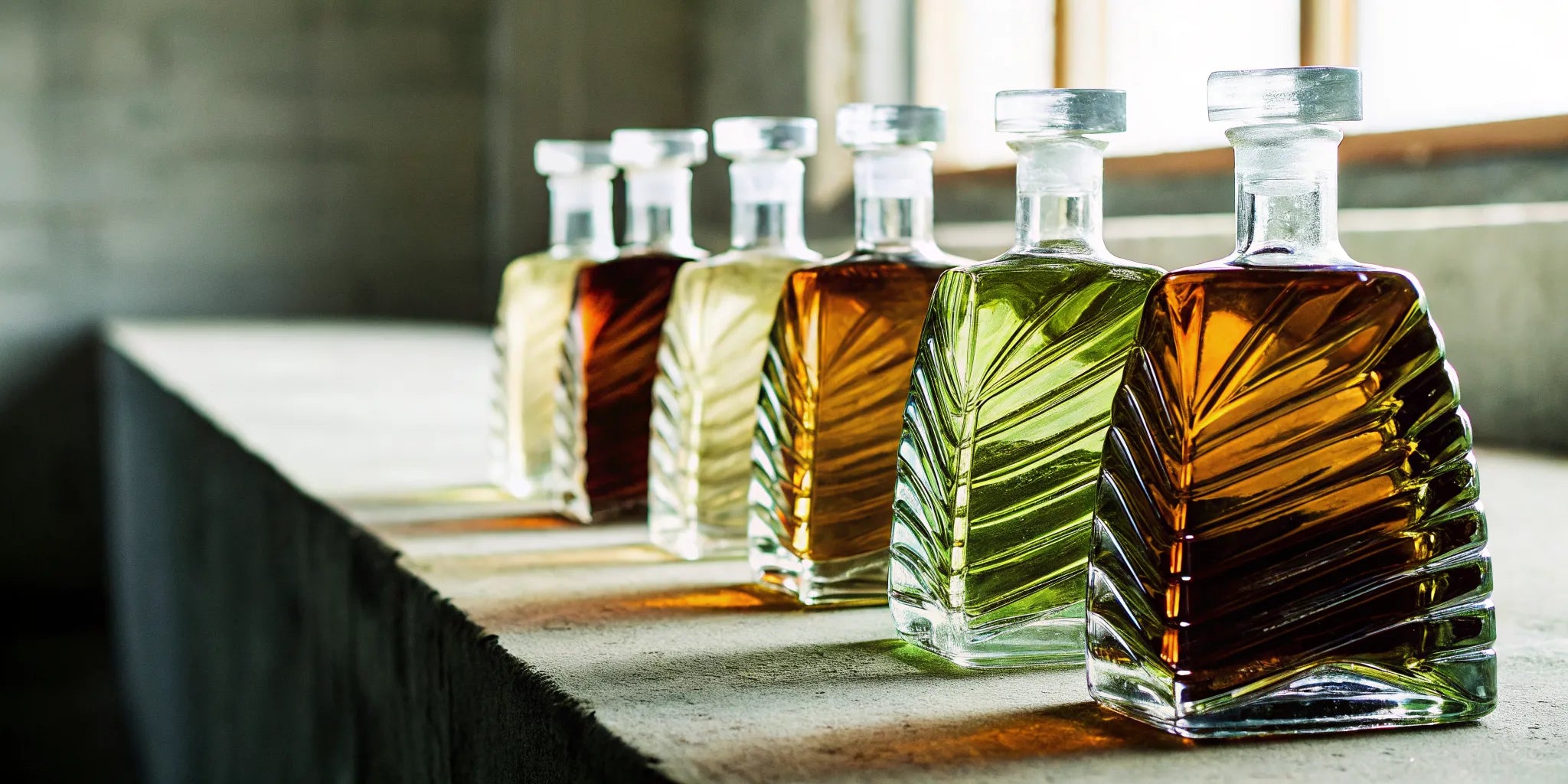
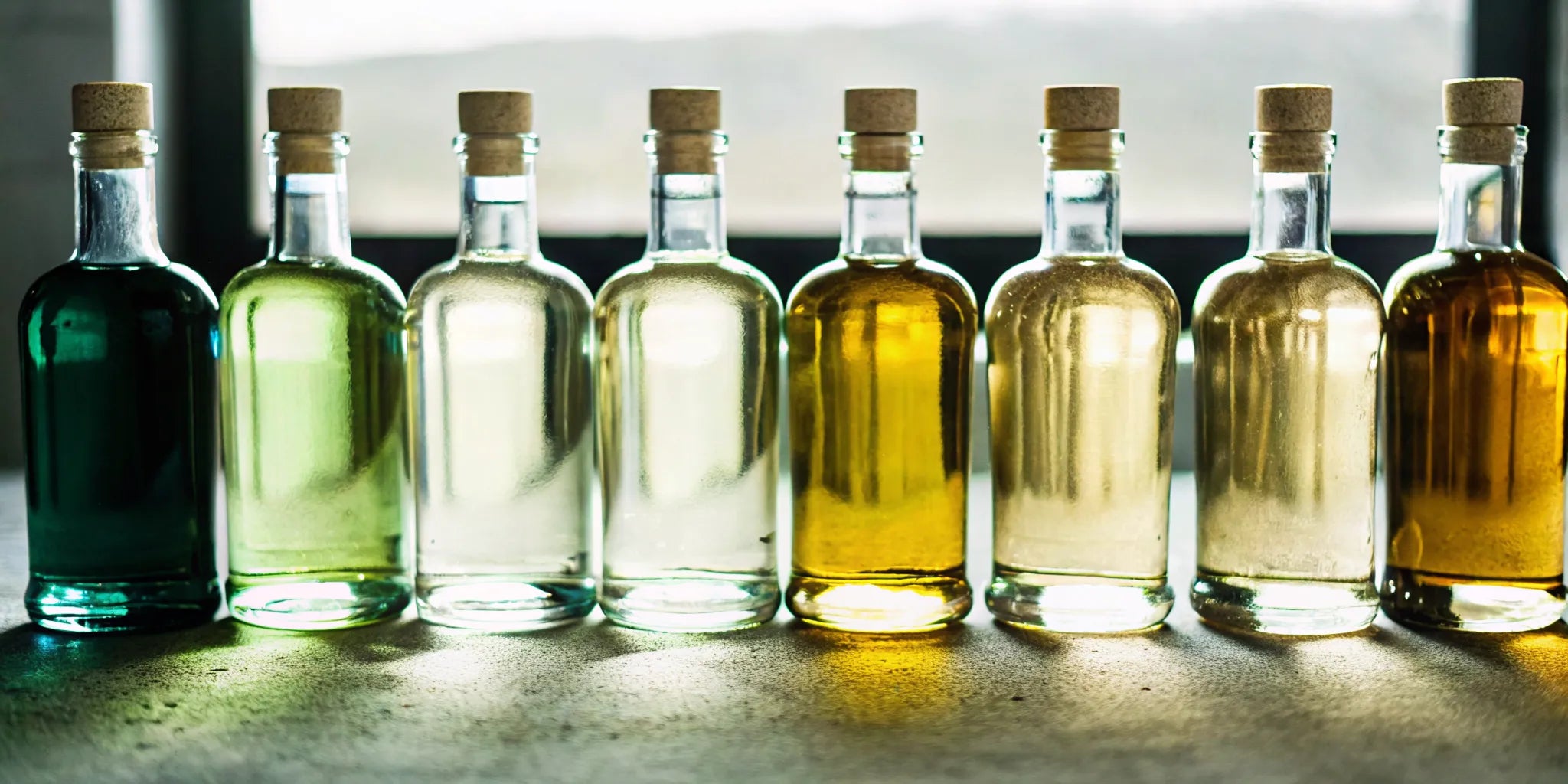
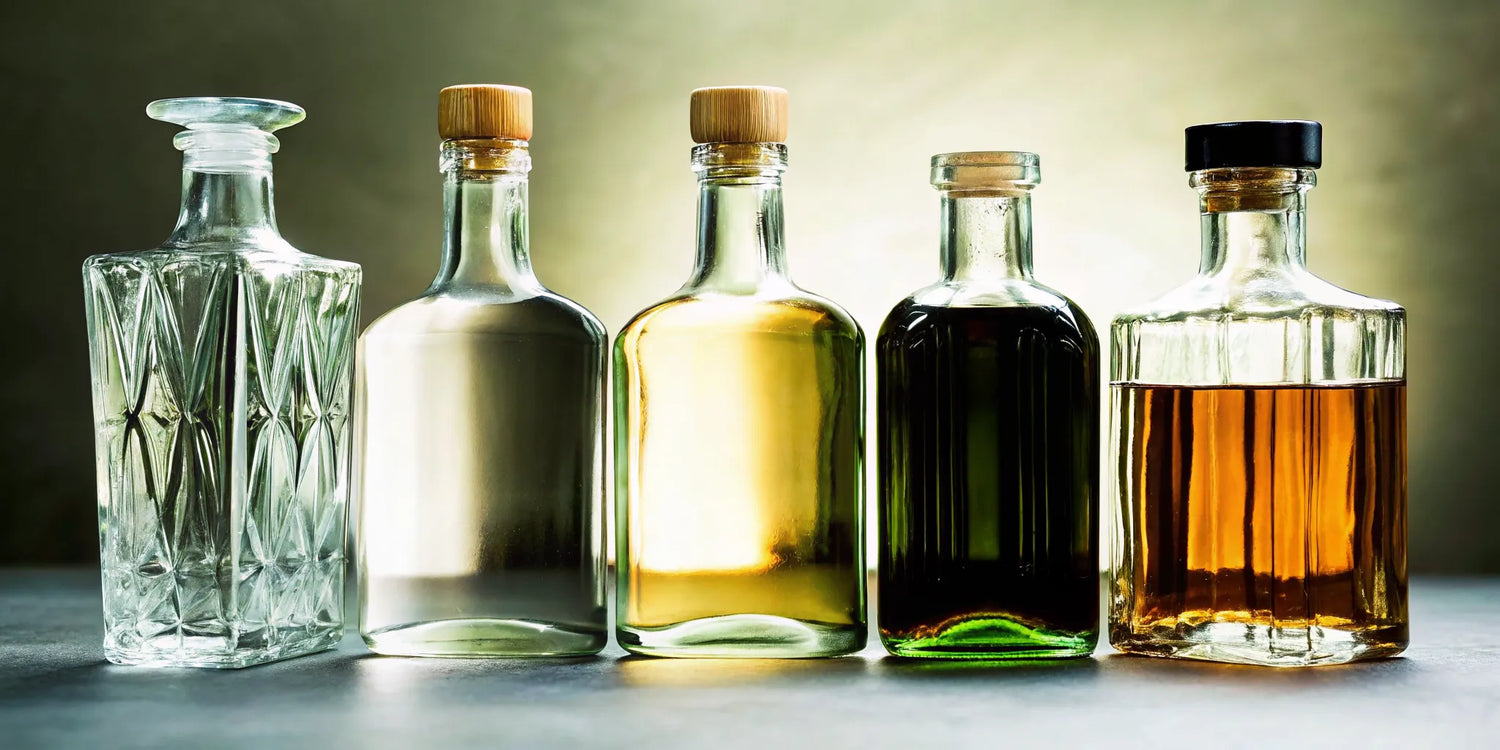
One of the first things you’ll notice when exploring the world of tequila is that it comes in a beautiful spectrum of colors, from crystal clear to deep amber. This isn't just for show; the color tells a story about how the
The journey starts with Blanco, the purest expression of agave, and moves through Reposado, Añejo, and Extra Añejo, each spending progressively more time resting in oak barrels. This aging process softens the spirit and imparts new flavors, much like with whiskey or wine. Then there's Cristalino, a modern innovation that offers a unique twist on aged tequila. Whether you're mixing a cocktail or searching for the perfect sipping spirit, knowing the difference between these types will help you select the right tequila for any mood or occasion. Let's walk through what makes each one special.
Blanco: Bright, Unaged, and Agave-Forward
Blanco, also known as silver or white tequila, is the spirit in its purest form. It’s typically unaged and bottled shortly after distillation, though some are rested in stainless steel or neutral oak for up to two months. This lack of aging allows the true character of the blue Weber agave to shine through. Expect a bright, vibrant spirit with crisp notes of citrus, pepper, and sweet cooked agave.
Because of its agave-forward profile, a well-made Blanco is incredibly versatile. It’s the traditional choice for cocktails like the Margarita or Paloma, where its zesty character cuts through the other ingredients. For purists, sipping a quality Blanco is the best way to appreciate the terroir and craftsmanship of the distillery.
Reposado: Rested, Refined, and Balanced
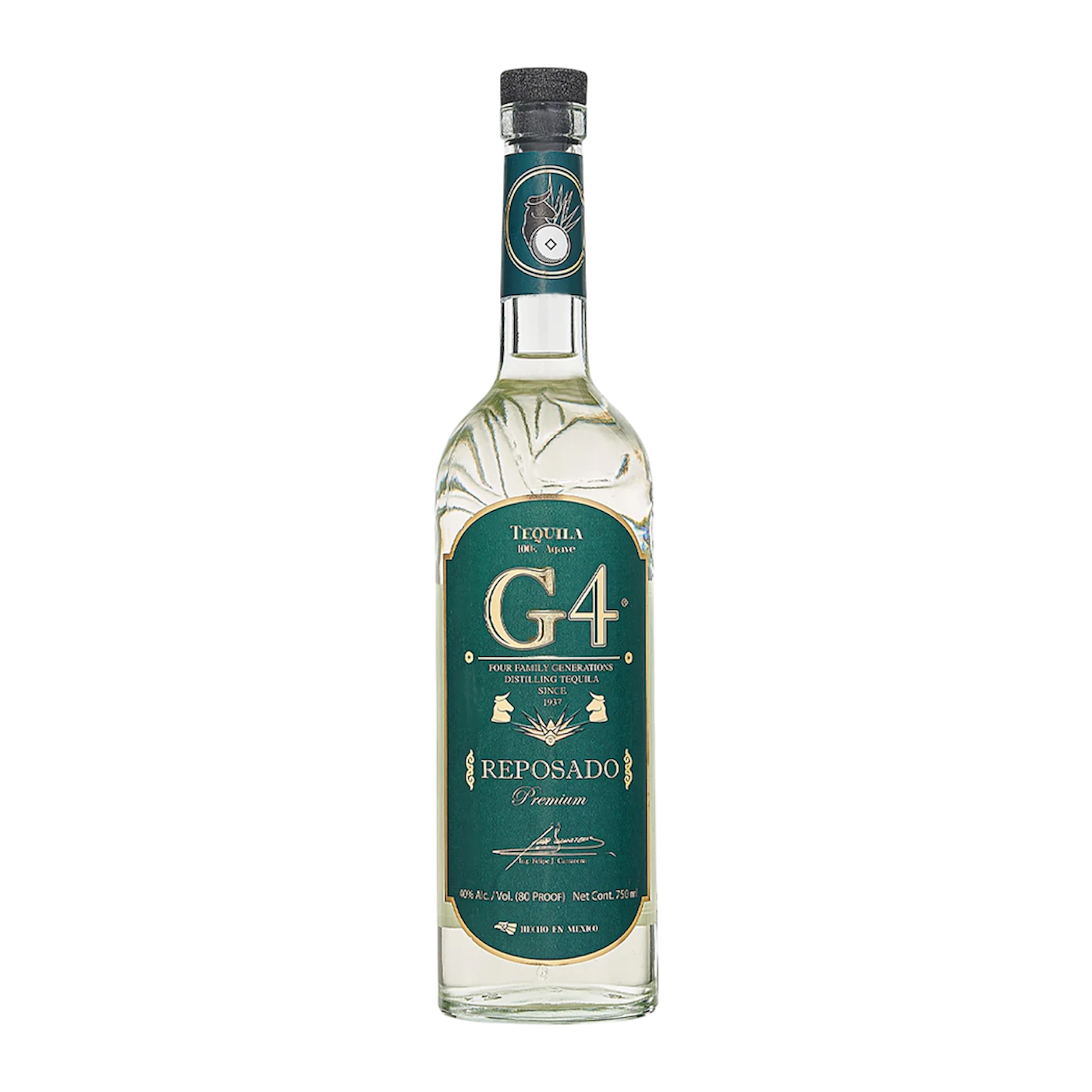
Meaning "rested" in Spanish, Reposado tequila is where the spirit first gets acquainted with wood. It’s aged in oak barrels for a minimum of two months but less than a year. This brief aging period imparts a beautiful pale straw or light gold color and introduces a new layer of complexity. The sharp, peppery notes of a Blanco soften, making way for subtle hints of vanilla, caramel, and spice from the oak.
Reposado strikes a perfect balance between the raw agave flavor of a Blanco and the richer notes of an Añejo. It’s smooth enough to sip on its own but still robust enough to give cocktails like an Old Fashioned or a premium Margarita a more nuanced character. It’s the ideal choice when you want something a little more refined than a Blanco.
Añejo: Aged, Complex, and Made for Sipping
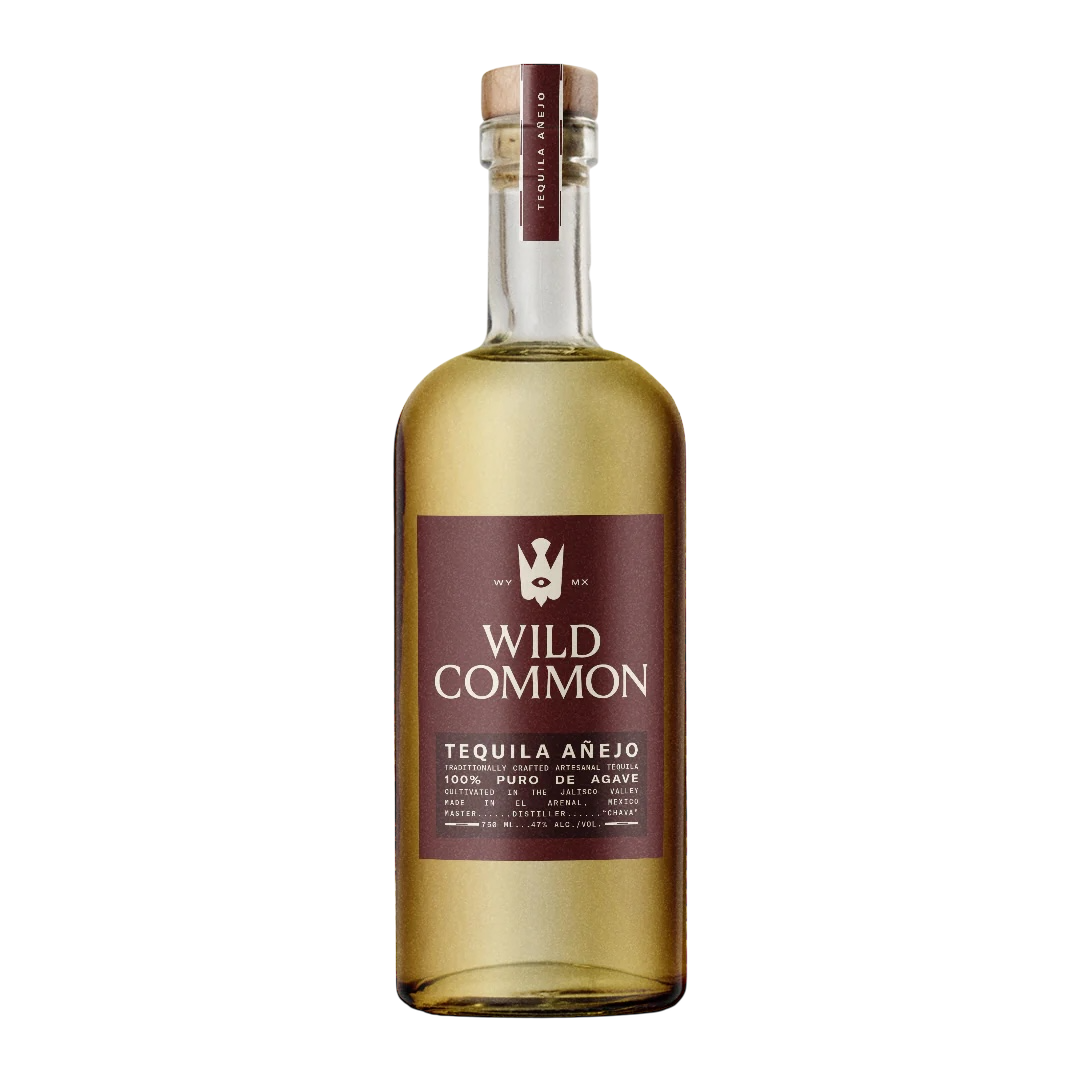
Añejo, or "aged" tequila, is a spirit meant to be savored. It rests in oak barrels, often previously used for bourbon, for a minimum of one year but less than three. This extended time in the barrel transforms the tequila, giving it a rich amber hue and a wonderfully smooth, full-bodied texture. The aging process mellows the agave notes and introduces deeper, more complex flavors.
When you sip an Añejo, you’ll discover notes of caramel, toffee, dried fruit, and baking spices, with a long, warm finish. It’s a sophisticated spirit that appeals to fans of fine cognac and whiskey. While you can use it in a spirit-forward cocktail, an Añejo truly shines when sipped neat or with a single large ice cube.
Extra Añejo: The Pinnacle of Aged Tequila
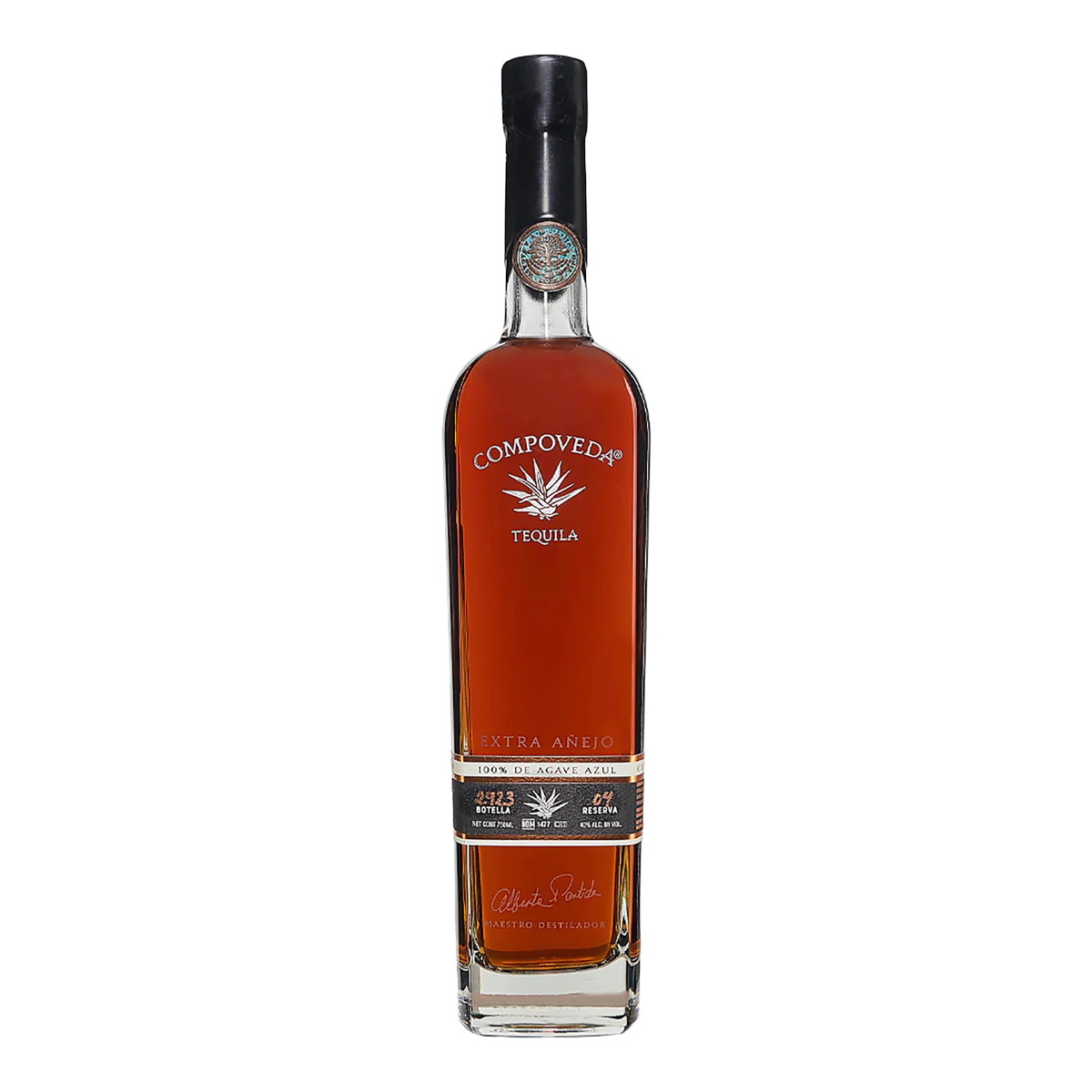
Introduced in 2006, Extra Añejo is the most luxurious category of tequila. These "ultra-aged" spirits must spend a minimum of three years in oak barrels, though many are aged much longer. The result is a tequila of incredible depth, complexity, and smoothness. With a dark mahogany color, an Extra Añejo offers a rich and layered tasting experience with notes of dark chocolate, toasted nuts, leather, and vanilla.
The challenge for distillers is to balance the intense wood influence with the delicate soul of the agave. The best examples are true masterpieces of aging. An Extra Añejo is a special occasion spirit, perfect for celebrating a milestone or as a standout piece in a collection. You can explore some of these exceptional bottles in our Rare & Limited collection.
Cristalino: The Modern, Filtered Expression
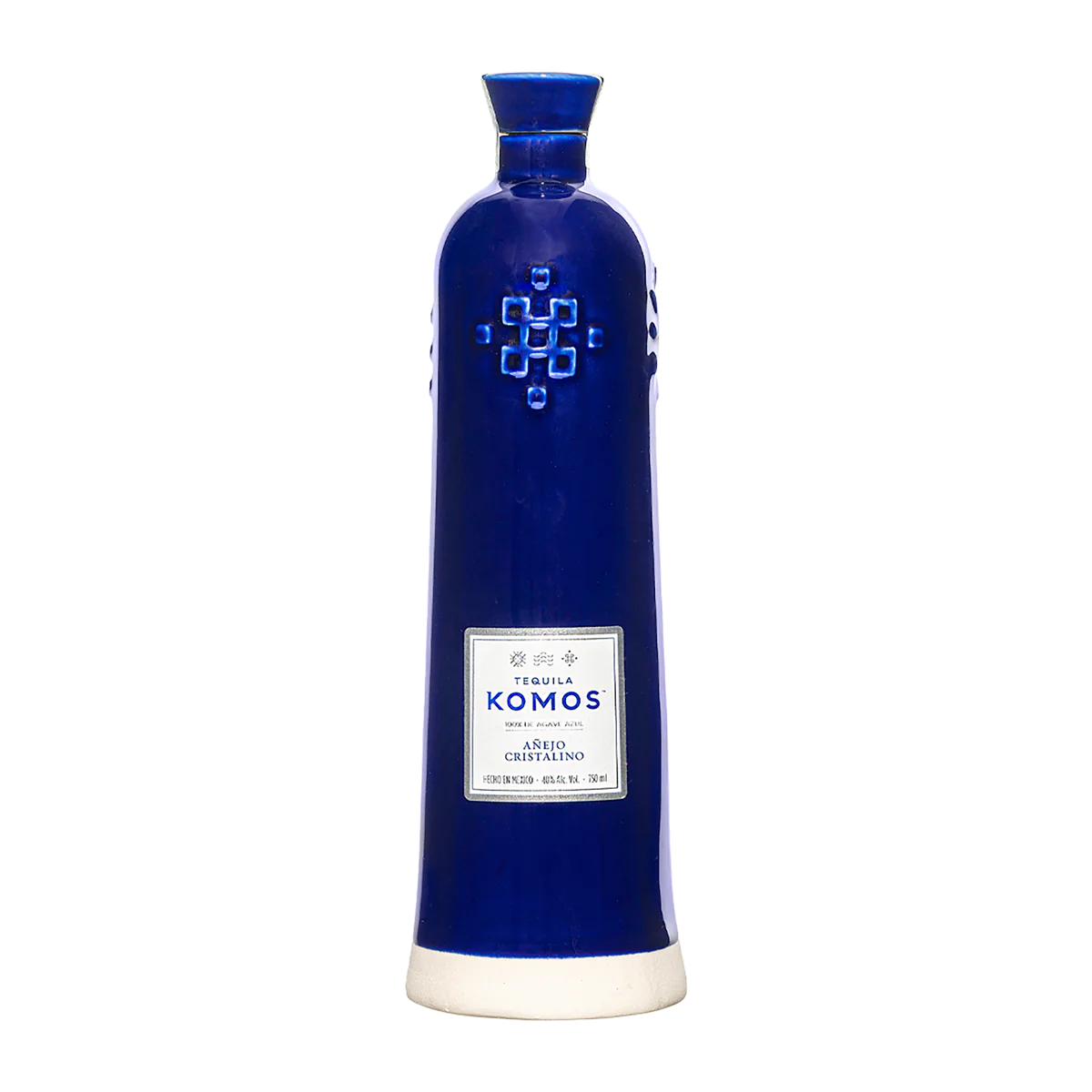
Cristalino is a newer, innovative style that combines the complexity of an aged tequila with the crisp appearance of a Blanco. It starts as an Añejo or Extra Añejo and then undergoes a charcoal filtration process that strips the color and some of the heavier wood notes. The result is a crystal-clear spirit that retains the rich character, smoothness, and subtle sweetness of its aged origins.
This process creates a tequila that is both visually striking and incredibly smooth on the palate. You get the best of both worlds: the complex notes of vanilla and caramel from an aged spirit, but with a cleaner, crisper finish. Cristalinos are perfect for those who appreciate the smoothness of an Añejo but prefer the bright look of a Blanco.
Top Shelf: The Best Tequila Brands for Each Type
With so many incredible distilleries out there, choosing your next bottle can feel like a big decision. That's where we come in. We've tasted our way through countless expressions to curate a list of our favorites for every style. Whether you're looking for a bright blanco for cocktails or a complex añejo for slow sipping, this is our expert guide to the best brands in the game. Think of this as your shortcut to finding a truly exceptional tequila that you'll want to share, or maybe just keep for yourself.
Our Favorite Blanco Tequilas
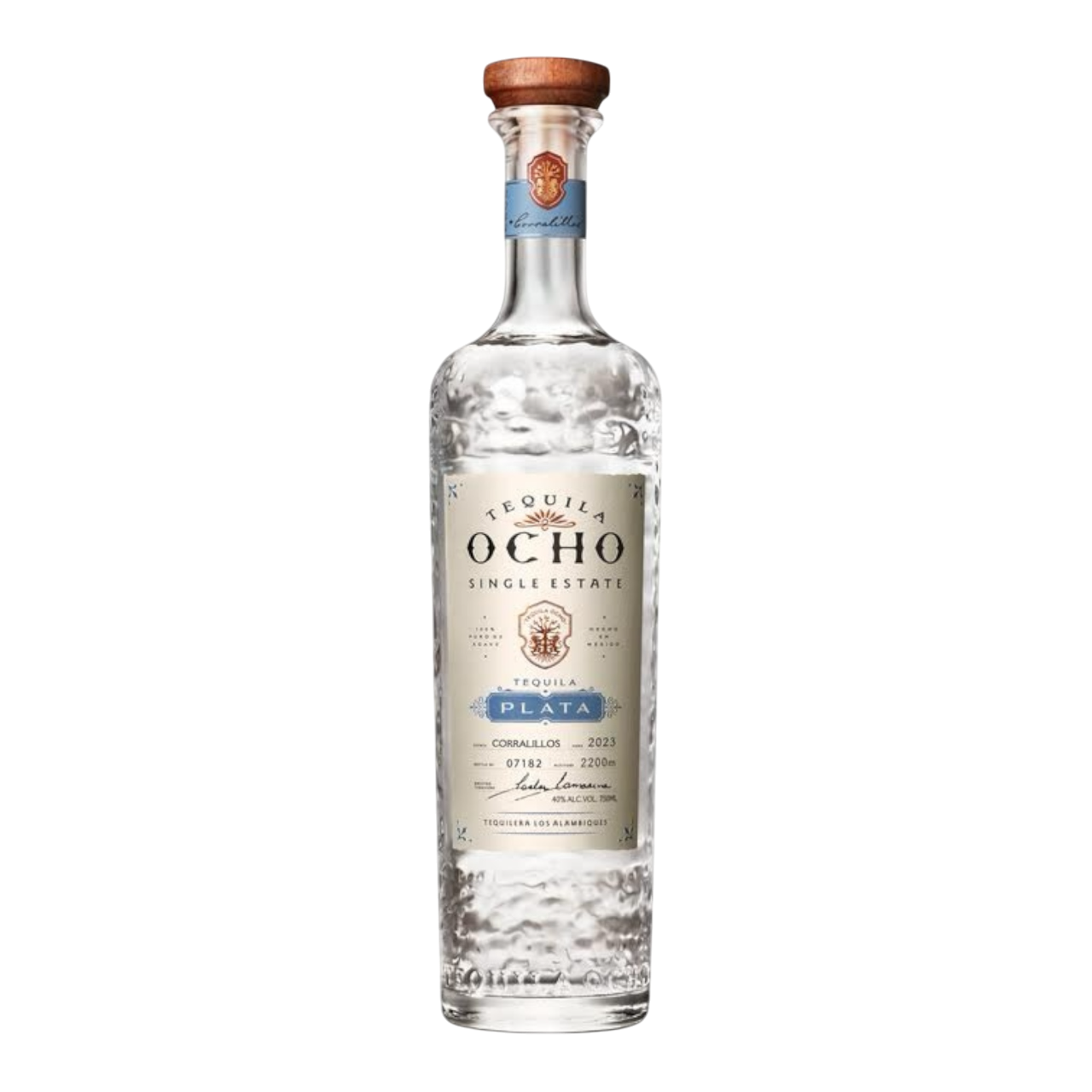
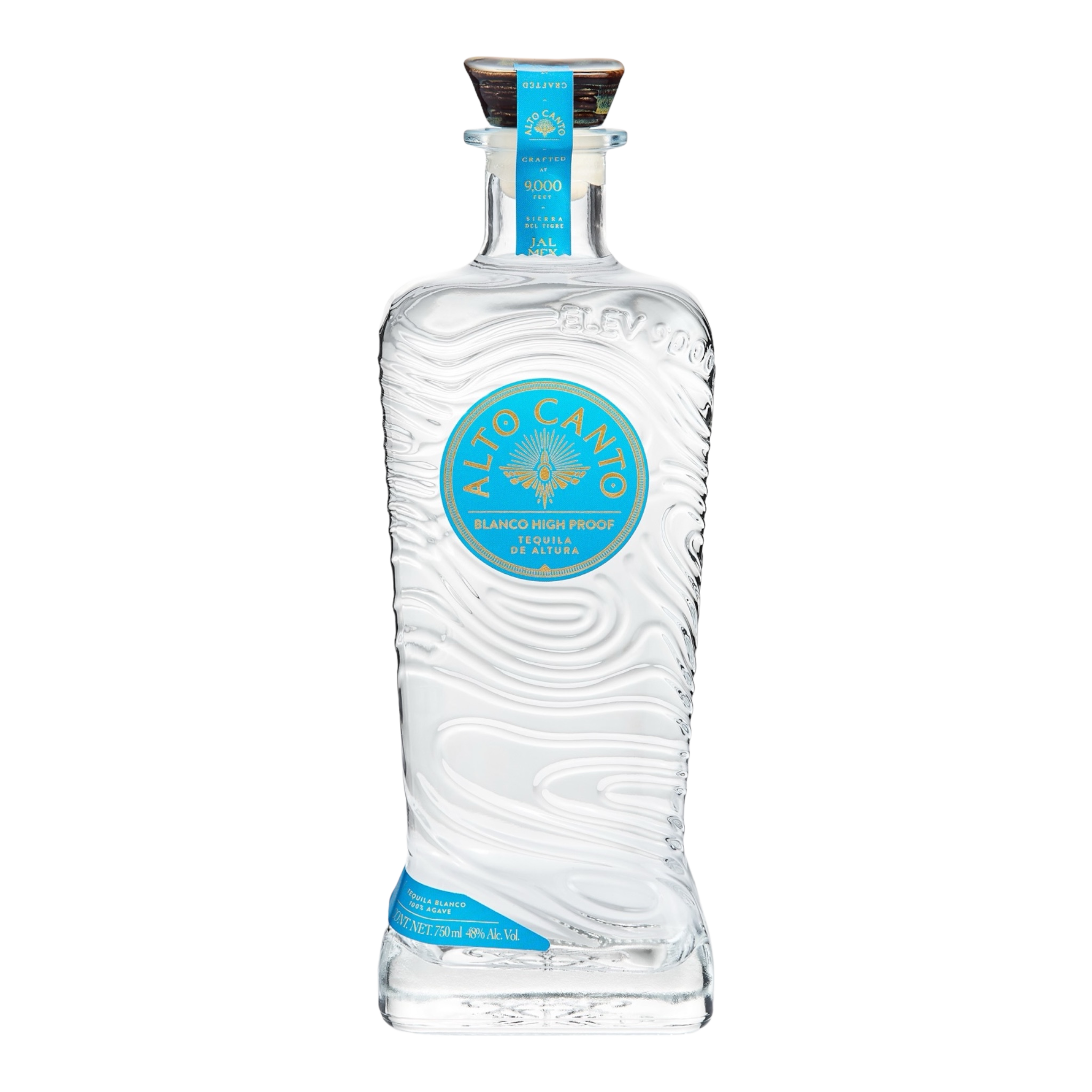
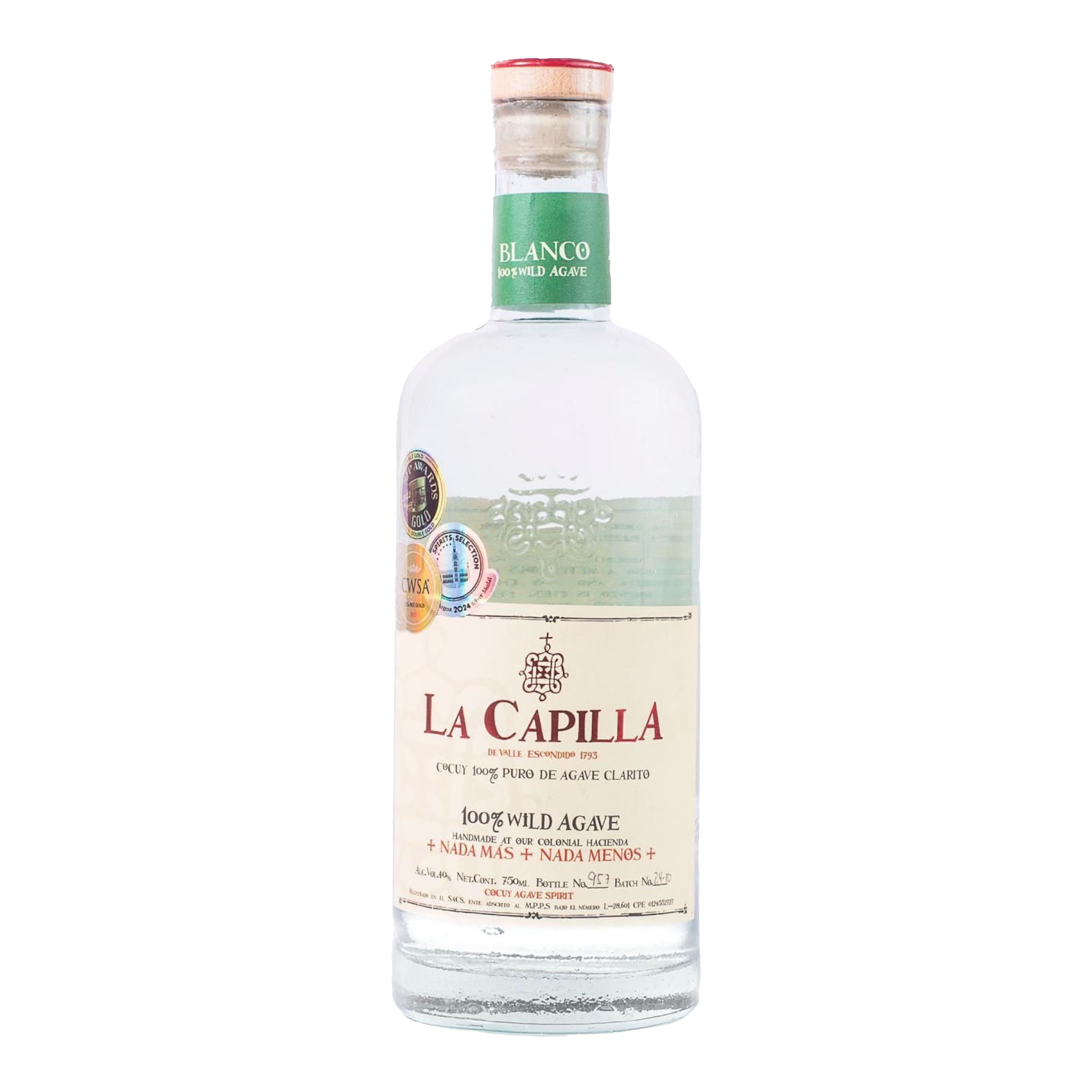
Blanco tequila is the purest expression of agave, bottled right after distillation or aged for just a short time. It’s where you’ll find those bright, crisp, and peppery notes that form the soul of the spirit. For a true taste of the terroir, a great blanco is non-negotiable. If you're looking for a workhorse that shines in cocktails but is still smooth enough to sip, brands like Cimarron and Pueblo Viejo offer incredible quality. For a step up, we often reach for Fortaleza and Siete Leguas, both of which deliver a complex, agave-forward profile that connoisseurs love. And for a truly special experience, Ocho and El Tesoro de Don Felipe produce single-estate blancos that capture the unique character of each agave harvest.
Our Favorite Reposado Tequilas
Reposado, or "rested," tequila spends between two months and a year in oak barrels. This brief aging period softens the spirit, adding subtle notes of vanilla, caramel, and spice without overpowering the fresh agave flavors. It’s the perfect middle ground, offering more complexity than a blanco but remaining lighter than an añejo. For a dependable and delicious reposado, Tapatio is a fantastic choice. If you want to explore more nuanced expressions, brands like Siembra Valles and El Tesoro offer beautifully balanced reposados that showcase masterful aging. For those seeking a top-tier sipper, Fortaleza and Partida create reposados with a rich texture and a sophisticated finish that are simply unforgettable.
Our Favorite Añejo Tequilas
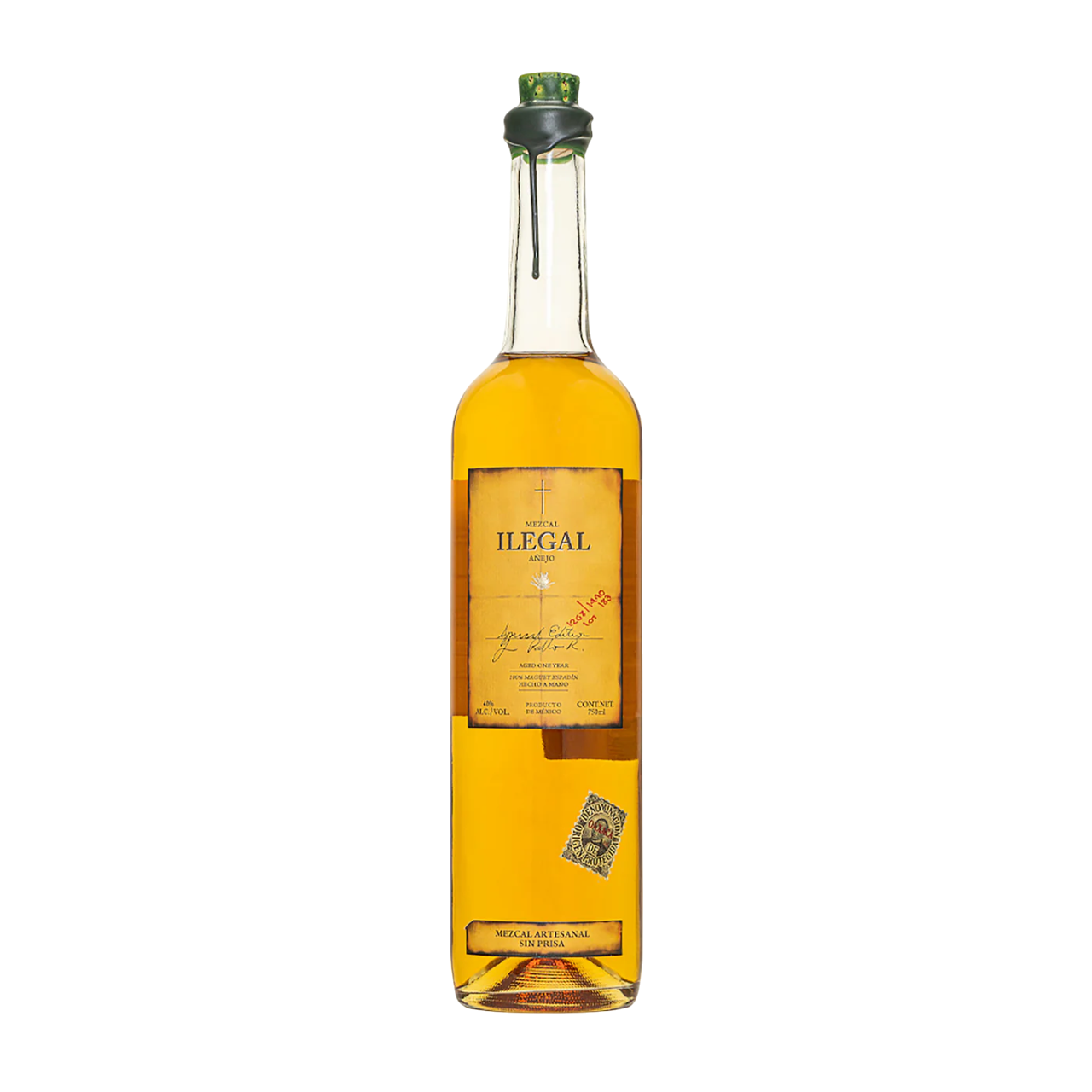
Añejo tequilas are aged from one to three years in oak barrels, resulting in a dark, rich, and incredibly smooth spirit. This is where you’ll find deep flavors of caramel, dried fruit, toffee, and toasted oak, making it a perfect after-dinner drink to sip and savor like a fine whiskey. While some añejos can lose their agave character to the wood, the best ones strike a beautiful balance. Brands like Ocho and El Tesoro masterfully create añejos that are complex yet still taste distinctly of agave. For a truly impressive bottle that’s perfect for special occasions or gifting, you can’t go wrong with a classic like Don Julio 1942. These are the kinds of bottles that belong in any serious rare and limited collection.
Standout Extra Añejo and Cristalino Tequilas
For the tequila lover who has tried it all, Extra Añejo and Cristalino offer exciting new territory. Extra Añejos are aged for more than three years, developing an extraordinary depth and complexity. The challenge is to prevent the wood from dominating the spirit, and brands like 123 Organic Tequila (Tres) do an amazing job of retaining that essential agave flavor. On the other end of the spectrum is the Cristalino, an aged tequila (typically añejo) that has been filtered through charcoal to remove its color. This process results in a spirit with the complexity of an aged tequila but the crisp, clean appearance of a blanco. It’s a modern style that offers a unique tasting experience, perfect for those who appreciate innovation in the world of spirits.
Artisanal vs. Mass-Market Tequila: What's the Difference?
When you’re trying to choose a tequila, the options can feel endless. The most important distinction often comes down to how the tequila is made: either by an artisanal producer or a mass-market brand. Think of it as the difference between a small, local bakery that uses family recipes and a commercial factory that produces bread for the entire country. Mass-market tequilas are designed for consistency and volume. They often use modern, industrial equipment to speed up production, which makes them great for keeping bar wells stocked and for mixing into cocktails. They are reliable and widely available.
Artisanal tequila, however, is a celebration of tradition and the pure flavor of the agave plant. These producers use time-honored methods, like slow-roasting agave hearts in traditional brick ovens and crushing them with a massive volcanic stone wheel, known as a tahona. This process is slower and more labor-intensive, but it creates a spirit with incredible depth and complexity. At Sip Tequila, we build direct partnerships with distilleries that honor these traditions, bringing you authentic spirits that tell a story. Choosing an artisanal bottle is a chance to taste the unique character of the land and the passion of the people who made it.
Signs of True Craftsmanship to Look For
The easiest way to spot a quality tequila starts with the label. The first thing you should look for is the phrase "100% de Agave." If it doesn't say this, you are looking at a "mixto," which means it can contain up to 49% other sugars and liquids. Sticking to 100% agave is the simplest step toward a better drinking experience. Beyond the label, true craftsmanship is revealed in the taste. A well-made tequila should be smooth and flavorful, not harsh or punishing. The best tequilas are those that are enjoyable to sip on their own, allowing you to appreciate the complex notes of citrus, earth, or vanilla without needing to hide them in a cocktail.
A Word on Additives, Sustainability, and Batch Size
If you want to dig deeper, look for the Norma Oficial Mexicana (NOM) number on the bottle. This four-digit code is a unique identifier for the distillery where the tequila was produced. It’s a powerful tool for any enthusiast. With the NOM, you can verify exactly where your bottle was made and see what other brands are produced at that same facility. This can also help you research whether a brand uses additives like glycerin or caramel coloring to alter its flavor and appearance. While legally allowed, many purists prefer additive-free tequilas for their authentic taste. Small-batch production is another sign of a producer who prioritizes quality over quantity, often resulting in a more unique and carefully crafted spirit.
Do Celebrity Tequilas Live Up to the Hype?
It seems like every time you turn around, another celebrity is launching their own tequila brand. This trend has certainly brought a lot of new attention to the world of agave spirits, helping shift tequila’s image from a party shot to a sophisticated sipping spirit. Some of these brands have genuinely earned their spot on the top shelf. However, with so many famous faces on bottles now, it’s natural to wonder if the liquid inside is as impressive as the person selling it.
The honest answer is that it’s a mixed bag. Some celebrity-backed tequilas are fantastic, made with real respect for the craft. Others rely more on star power and marketing than on the quality of the spirit itself. A compelling narrative can be attractive, but it’s important to remember that a good story doesn’t always equal a good product. The real test comes down to what’s in the glass. This is where you, as a discerning drinker, can learn to separate the true gems from the overhyped bottles.
So, how can you tell the difference? The key is to look beyond the famous name. When you explore our tequila collection, you’ll see we prioritize the story of the spirit itself, focusing on the distilleries and their time-honored traditions. We encourage you to do the same. Look for details about the production process and the quality of the ingredients. At the end of the day, your own palate is the most reliable guide. Trust your taste, and you’ll find the tequilas that truly deserve the spotlight.
Premium vs. Affordable: When Is It Worth the Splurge?
Walking down the tequila aisle, or browsing an online collection, can feel a bit overwhelming with the wide range of price points. You might wonder if that expensive bottle is truly worth it, or if a more budget-friendly option will disappoint. The truth is, the price of a tequila often tells a story about the ingredients, time, and craftsmanship that went into making it.
Deciding when to save and when to splurge comes down to understanding what you’re paying for and what you plan to do with the bottle. A top-shelf, complex tequila is meant for slow sipping and savoring, while a solid, well-made affordable tequila can be the perfect base for a cocktail. Neither is better than the other; they just serve different purposes. Let’s break down what separates them so you can find the right bottle for any occasion and budget.
What You're Paying For in a Premium Bottle
When you invest in a premium tequila, you're paying for quality at every step of the process. It starts with the base ingredient: the best tequilas are always made from 100% blue weber agave. The specific region where the agave grows, whether in the mineral-rich highlands or the fertile lowlands, also imparts a unique character to the final spirit. Premium tequilas are often aged for longer periods in oak barrels, a process that softens the spirit and adds layers of complex flavors like vanilla, caramel, and spice. This careful aging is what makes an Añejo or Extra Añejo perfect for sipping neat, allowing you to appreciate every nuance.
Great Tequilas That Don't Break the Bank
You don’t need to spend a fortune to enjoy a high-quality tequila. The most important thing to look for on the label is the phrase "100% de Agave." This guarantees you're getting a pure spirit, not a "mixto," which is blended with up to 49% other sugars and liquids. There are many fantastic 100% agave tequilas that are perfect for mixing into cocktails or for casual sipping. These bottles prove that excellent craftsmanship isn't exclusive to the top shelf. You can find many workhorse tequilas that deliver clean, bright agave flavors and incredible value, some of which are perennial best-sellers for good reason.
How to Find the Right Tequila for Any Occasion
Choosing the right tequila is a lot like picking the right music for a specific mood. The bottle you grab for a lively backyard party is probably different from the one you pour to quietly celebrate a personal win. The beauty of tequila is its incredible range, offering a perfect match for just about any moment. Whether you’re looking to savor every drop, mix up a world-class cocktail, or find a truly special gift, there’s a tequila out there waiting for you.
Think of this as your guide to matching the bottle to the moment. We’ll walk through the best choices for sipping neat, mixing in cocktails, and adding to a prized collection. With a little insight, you can feel confident you’re making the right choice every time you reach for a bottle from your shelf. Let’s find your perfect pour.
For the Purist: The Best Tequilas to Sip Neat
When you want to appreciate the pure art of tequila making, you need a bottle that stands on its own. This is where aged tequilas, especially Añejos, truly shine. Rested in oak barrels for one to three years, these spirits develop a rich complexity and incredible smoothness. You’ll find inviting notes of caramel, vanilla, and toasted agave that unfold with each sip. A great sipping tequila should have a clean, balanced taste that showcases the agave, not hides it. Pour a glass, let it breathe for a moment, and enjoy a spirit that’s meant to be savored slowly.
For the Mixologist: Top-Shelf Tequilas for Cocktails
A great cocktail starts with great ingredients, and tequila is no exception. For bright, zesty drinks like a Margarita or Paloma, a quality Blanco tequila is your best friend. Its crisp, agave-forward profile cuts through citrus and other mixers, keeping your drink lively and refreshing. If you’re making a spirit-forward cocktail like an Old Fashioned, try a Reposado. Its time in the barrel lends a gentle smoothness and hints of oak and spice that add depth without overpowering the drink. Using a well-made tequila ensures your cocktails are balanced and delicious every time.
For the Collector: Gift-Worthy and Rare Bottles
Some occasions call for something truly exceptional. Whether you're celebrating a milestone or searching for a standout gift, an Extra Añejo or a limited-edition bottle is the perfect choice. These are the crown jewels of the tequila world, aged for over three years to achieve unparalleled depth and character. Beyond the exquisite liquid inside, these bottles are often stunning works of art. Exploring a rare and limited collection is the best way to find a unique expression that tells a story of craftsmanship and tradition. These are more than just tequilas; they are conversation pieces and treasured additions to any collection.
Find Your Next Favorite Bottle
Walking into a liquor store or browsing online can feel like a lot when you're faced with a wall of tequila. But finding a bottle you'll love is less about guesswork and more about knowing what you like. Think of it as a simple, three-step process to guide your search from our extensive tequila collection.
Start with Your Go-To Drink
A great way to narrow down the options is to think about the spirits you already enjoy. If you like bright, crisp spirits like gin or vodka, you’ll probably enjoy a Blanco. Since it’s unaged, it has a pure, vibrant agave flavor that’s fantastic on its own or in a cocktail. If you’re a fan of smoother, oak-aged spirits like whiskey, a Reposado is a perfect starting point. It’s rested in oak barrels just long enough to soften its edges and pick up gentle notes of vanilla and caramel. If you love complex, aged spirits like bourbon or cognac, go straight for an Añejo. Aged for at least a year, these tequilas are rich, smooth, and made for sipping.
Read the Label Like a Pro
Here’s the most important tip I can give you: always look for the words "100% de Agave" on the bottle. If a label doesn't say this, it’s a "mixto," which means up to 49% of the alcohol comes from other, non-agave sugar sources. A 100% agave tequila guarantees you’re getting a pure spirit made the traditional way, without fillers. This single detail is the biggest indicator of quality and will completely change your tequila experience. Where the agave grows, whether in the highlands or lowlands, also shapes the final taste, offering another layer of discovery for your palate.
Match the Bottle to the Moment
Finally, think about how you plan to enjoy your tequila. For cocktails, a quality Blanco is your workhorse. For sipping neat, a complex Añejo or a luxurious Extra Añejo is an experience to be savored. Don't forget that tequila can be a fantastic ingredient in the kitchen, too. It’s amazing in marinades for grilled chicken, in zesty sauces, or even paired with dessert. If you're still unsure where to begin, checking out our best-selling tequilas is a great way to see what other enthusiasts are loving right now.
Related Articles
- Artisanal Tequila 101: Your Ultimate Guide
- How Premium Tequila Is Made | Sip Tequila
- 16 High Quality Tequila Brands for Any Budget
- Top 10 Tequila Brands in USA: The Ultimate Guide
Frequently Asked Questions
What's the one thing I should always look for on a tequila label? The most important detail is the phrase "100% de Agave." This is your guarantee that the spirit is made entirely from the sugars of the blue weber agave plant. If you don't see this, the bottle contains other sugars and additives that can create a harsh flavor. Sticking to 100% agave is the simplest and most effective way to ensure you're drinking a quality spirit.
I'm a whiskey drinker. Which type of tequila would I like best? If you appreciate the smooth, oak-influenced character of whiskey, you'll likely feel right at home with an Añejo tequila. These are aged for at least a year in oak barrels, which gives them a rich, complex flavor profile with notes of caramel, vanilla, and spice. For a slightly lighter but still oak-kissed experience, a Reposado, which is rested for a shorter time, is another excellent choice.
Is aged tequila better than unaged tequila? Not at all; they just offer different experiences. An unaged Blanco tequila gives you the purest taste of the agave plant itself, with bright, crisp, and peppery notes. An aged tequila, like a Reposado or Añejo, gains smoothness and complexity from its time in an oak barrel. One isn't better than the other, it just depends on your personal preference and whether you want to taste the pure plant or the influence of the barrel.
Why should I care where the agave was grown? The region where the agave grows, known as its terroir, has a major impact on the tequila's final taste. Agave from the Highlands (Los Altos) typically produces a sweeter, fruitier, and more floral spirit. In contrast, agave from the Lowlands (Tequila Valley) tends to yield a more earthy, herbal, and mineral-forward flavor. Knowing this helps you choose a bottle with a flavor profile that you'll personally enjoy.
Is it a waste to use a nice tequila in a cocktail? Using a quality tequila is the key to making a truly great cocktail. For drinks like a Margarita or Paloma, a well-made Blanco provides a crisp, agave-forward backbone that won't get lost behind the citrus. For a more spirit-focused drink like a Tequila Old Fashioned, a Reposado adds a wonderful layer of oak and spice. You don't need to use a super-rare Extra Añejo, but choosing a 100% agave tequila will always make your cocktails taste better.