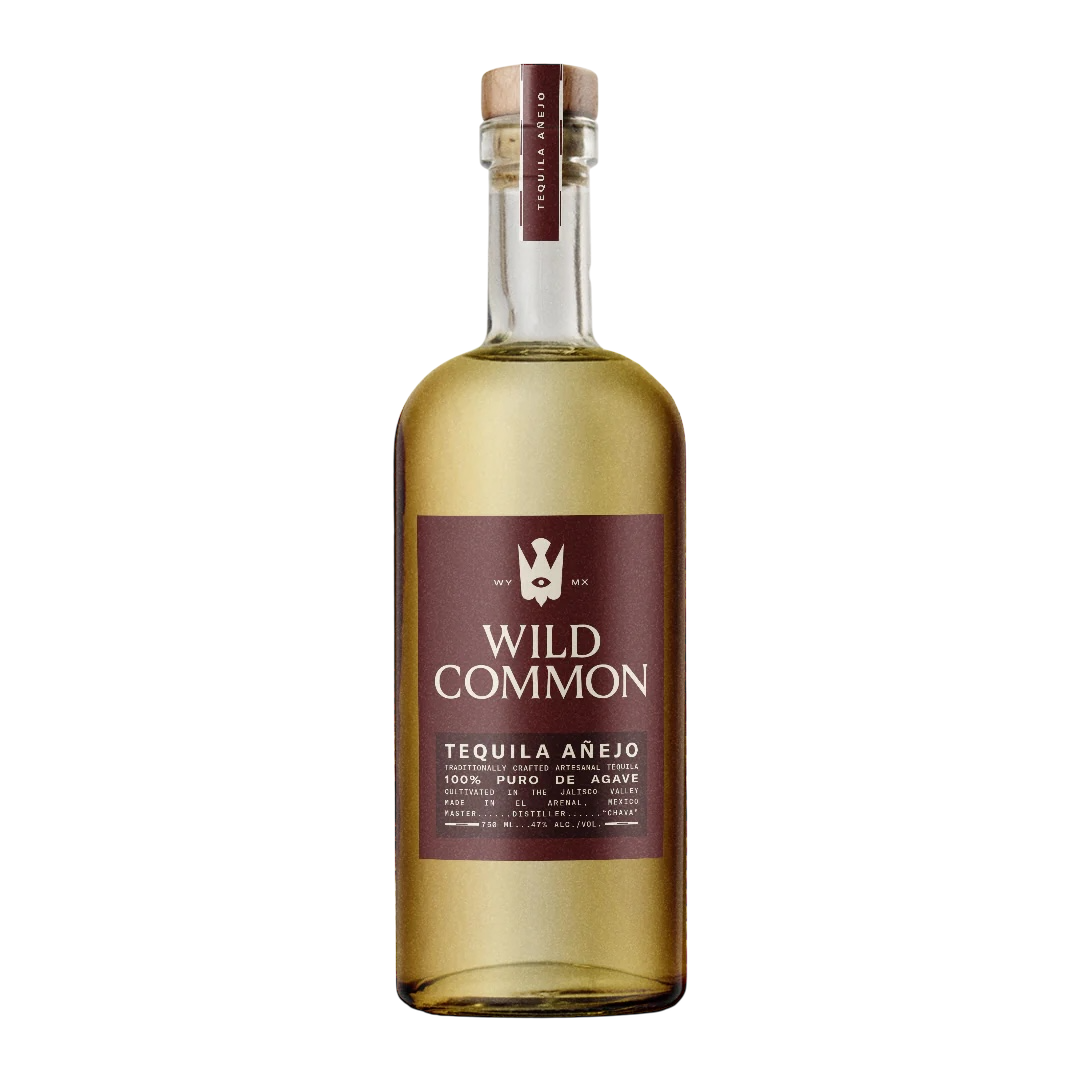
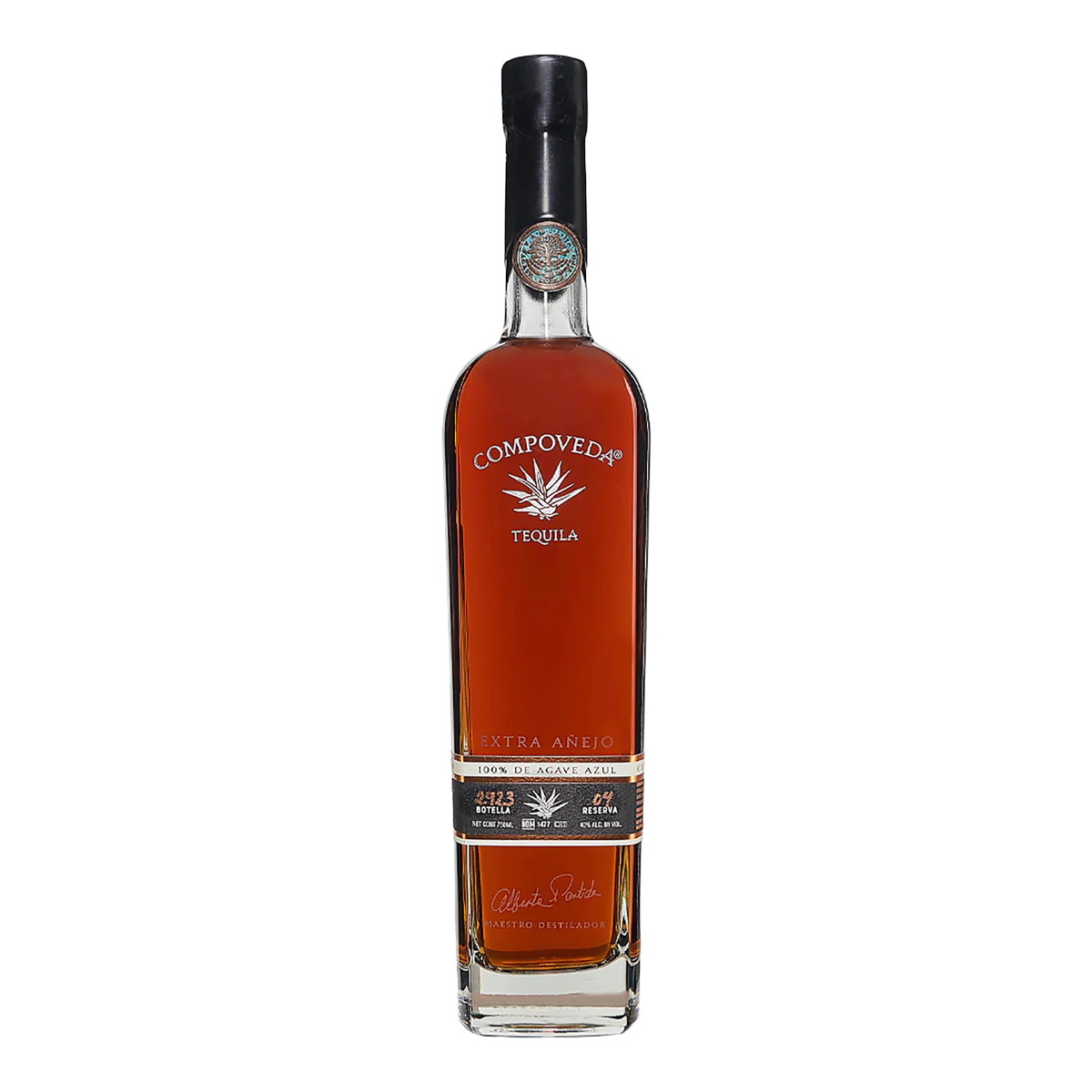
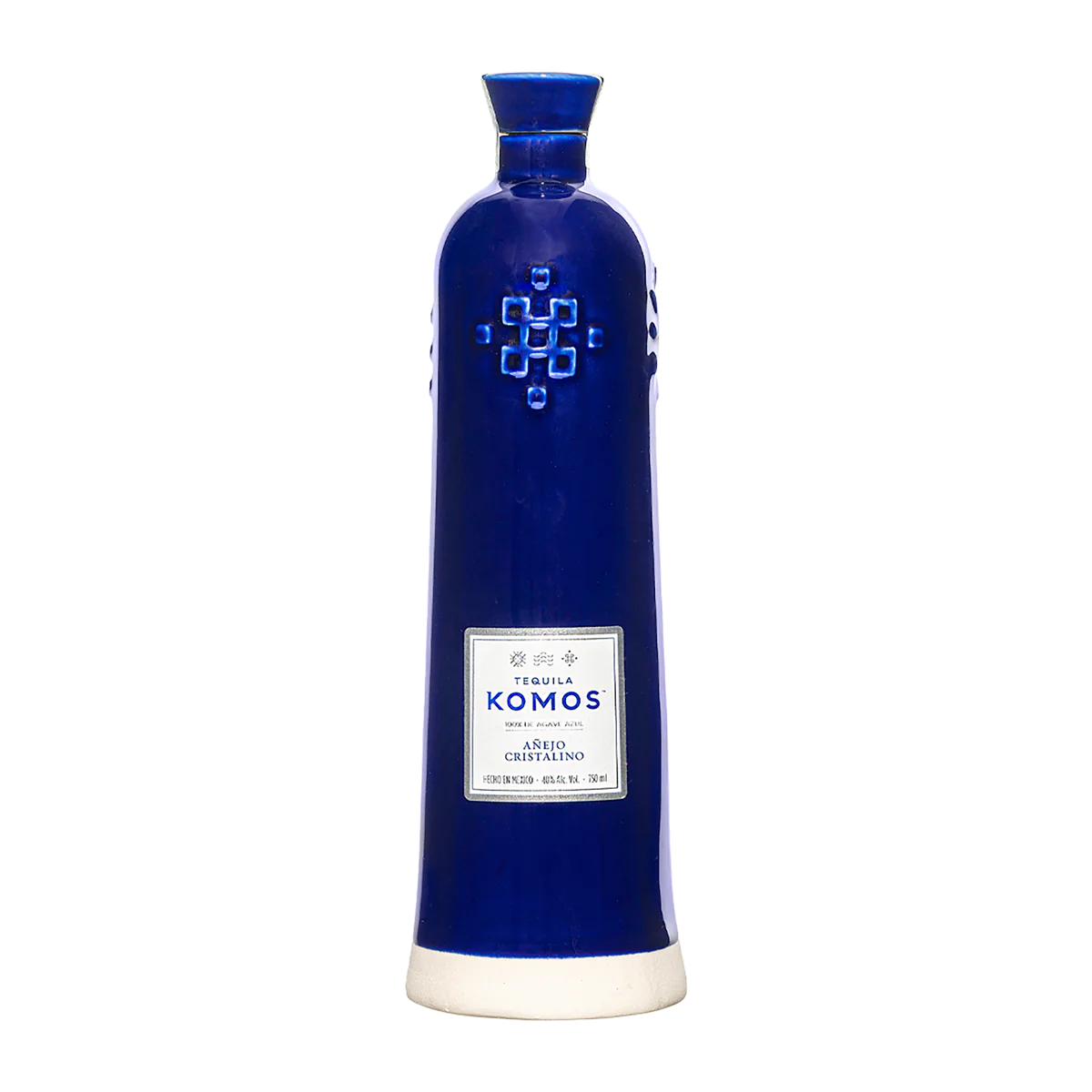
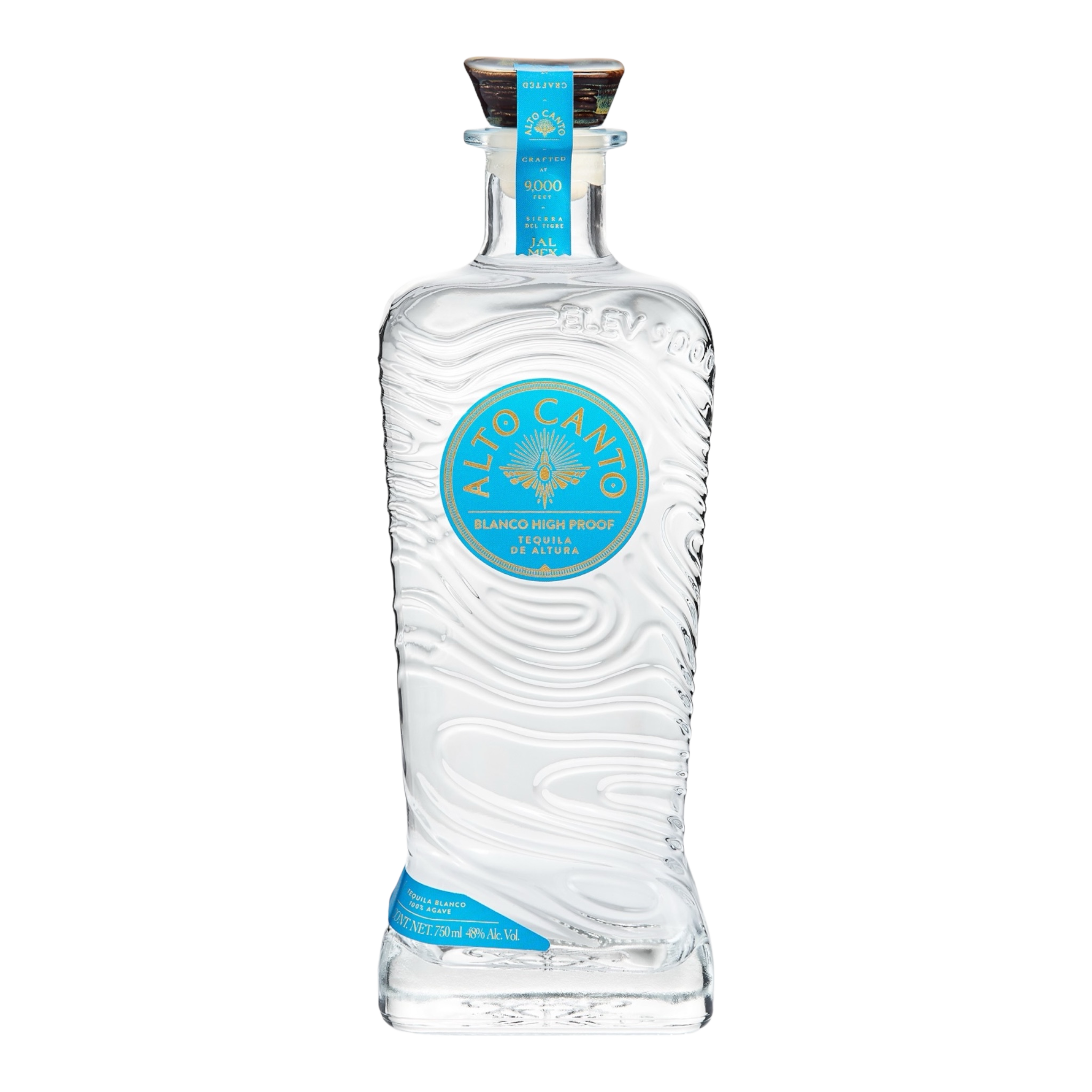
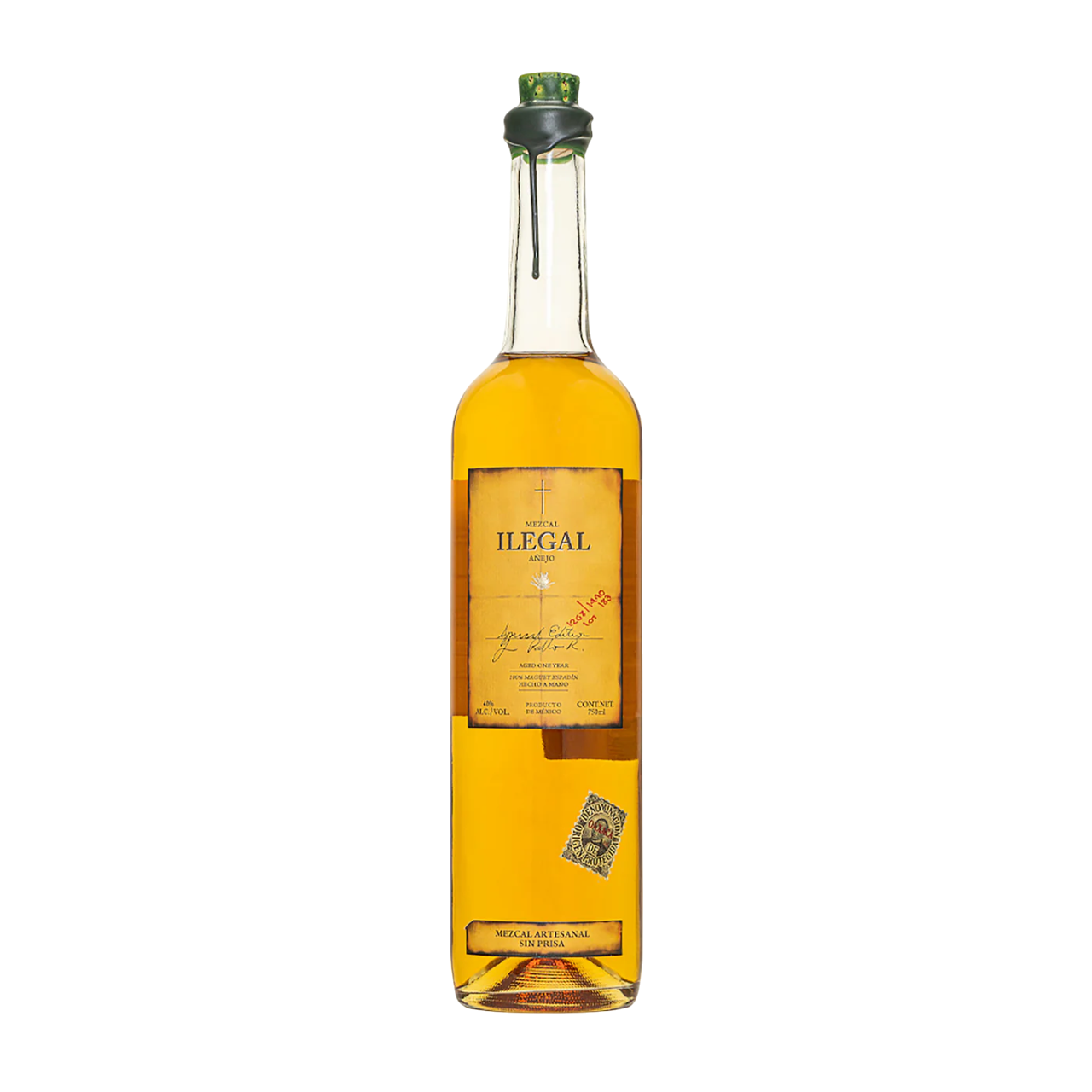
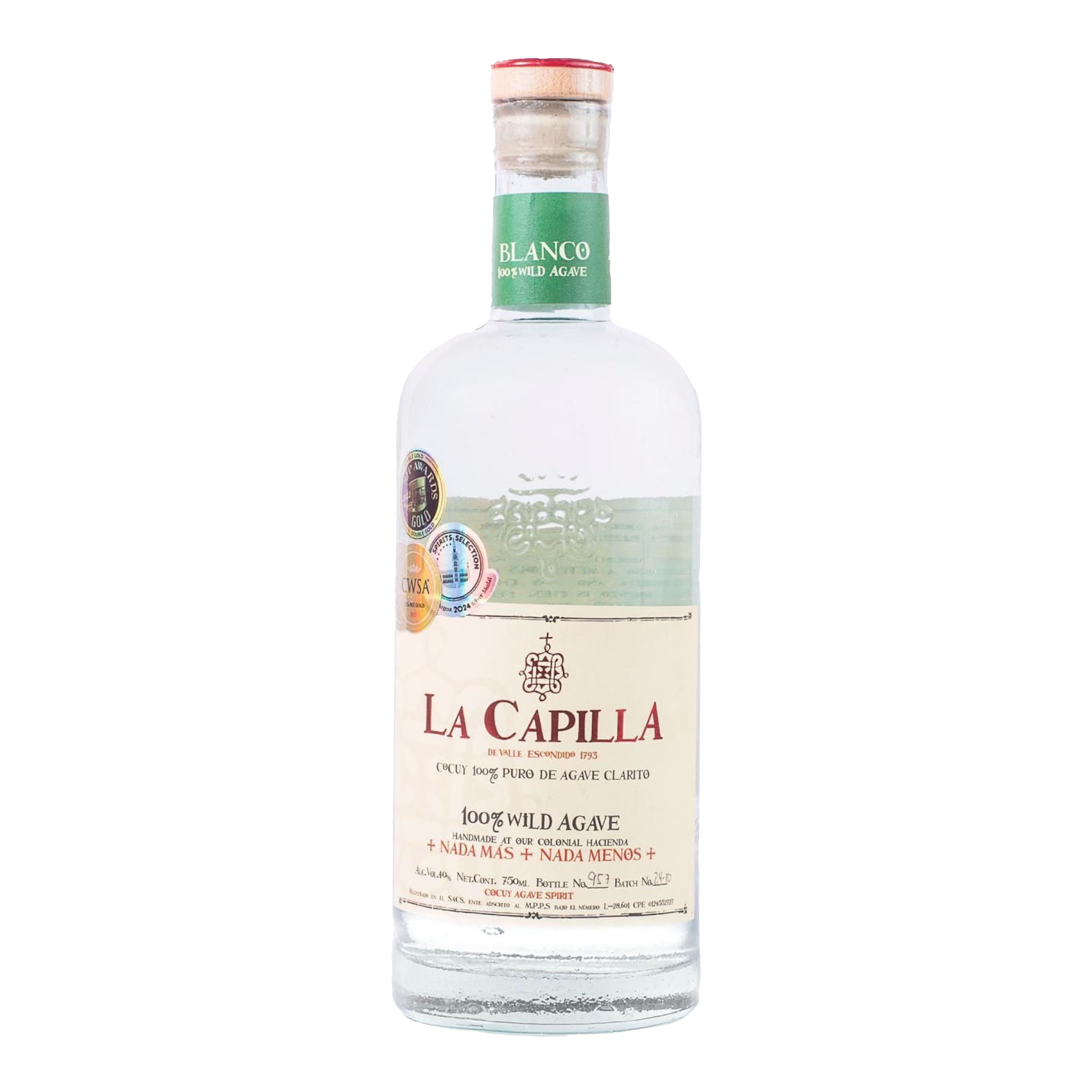



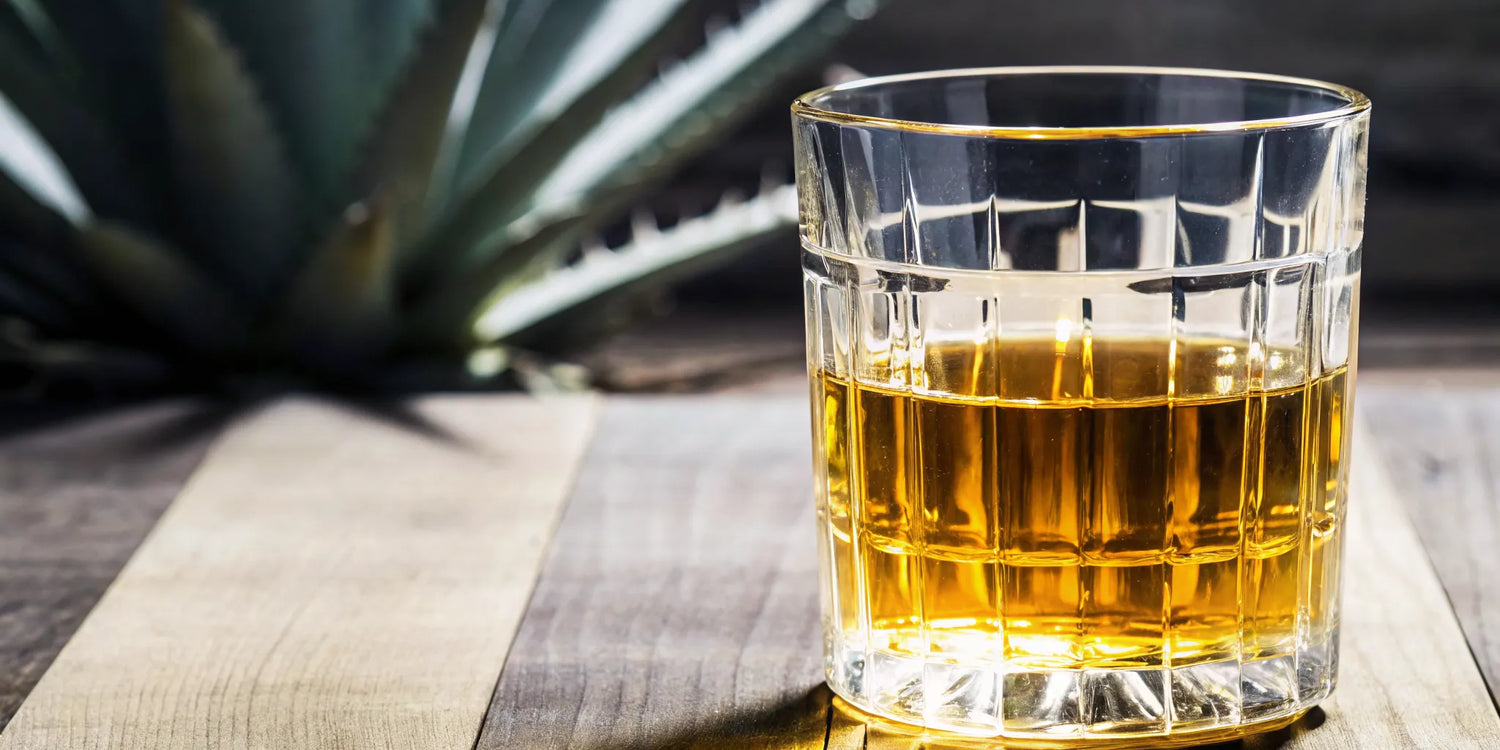
Finding what is mezcal starts with its name, which comes from the Nahuatl word mexcalli, meaning "baked agave." This distilled spirit is made from over 30 different types of agave plants. While all tequila is a form of mezcal, not every mezcal can be called tequila. About 90 percent of mezcal comes from the state of Oaxaca, where makers still use ancient methods to roast the plant. These agave hearts are cooked in underground pits to create the deep, smoky taste that fans love. According to Wikipedia, mezcal must have a high level of alcohol between 40 and 55 percent to be sold. It is a bold drink that offers a true taste of Mexican history and land.
What Is Mezcal: What Exactly Is Mezcal?
Mezcal is a spirit made from the heart of the agave plant. Many people think of it as a smoky version of tequila. But it is a much broader group of spirits. In fact, all tequila is mezcal, but not all mezcal is tequila. The word comes from the Nahuatl term mexcalli, which means baked agave. This name points to the old way of roasting the plant before it is made into a drink.
- Agave Types: It can be made from more than 30 agave species.
- Home Region: About 90% of all mezcal comes from the state of Oaxaca.
- Legal Rules: It has held a Denomination of Origin since 1994 to protect the craft.
- No Mescaline: Despite the name, this spirit has no drugs in it.
The Roots of the Name
The name of the spirit tells how it is made. People in Mexico have used agave for food and drink for thousands of years. They called the plant metl and used the word ixca for the act of baking. Over time, these sounds joined into the name we use now. You can find this same focus on craft in additive-free agave spirits that use old methods.
The spirit must meet strict rules to use the name. Since 1994, a Denomination of Origin has limited where it can be made. This law covers several Mexican states, but Oaxaca is the main hub. These rules make sure each bottle shows the land and the hands that made it. Most bottles range from 40% to 55% alcohol by volume.
Agave and the Mind
A common myth is that mezcal has drugs in it. People often mix up the agave plant with the peyote cactus. While peyote has mescaline, agave does not. Mezcal is a clean spirit with no mind-altering parts other than the alcohol. It is a natural product that uses the sugar of the plant and wild yeast.
Most mezcal comes from a single type called Espadín. This agave is used most because it grows fast and has high sugar. But the craft also uses rare, wild plants that take many years to grow. This variety is what makes the drink so fun for fans of fine spirits. Whether the agave is farmed or wild, the goal is to show the true soul of the plant.
How Is Mezcal Made? A Step-by-Step Look at Traditional Production
Making mezcal is a craft that takes time and hard work. While modern spirits often use machines, traditional mezcal relies on old methods. The process turns raw agave plants into a complex spirit with a deep, smoky taste. Most artisanal makers follow the same core steps to create additive-free agave spirits that show off the plant's natural flavor.
Harvesting the mature agave
The first step starts in the field. Unlike grain for whiskey, agave plants take years to grow before they are ready for harvest. Most agave species used for mezcal need 7 to 15 years to reach full growth. Workers called jimadores use a sharp tool to cut away the long, spiky leaves. This leaves behind the heart of the plant, known as the piña because it looks like a large pineapple.
Roasting in underground pits
This stage is where mezcal gets its famous smoky profile. Producers dig large earthen pits and line them with volcanic rocks. They start a wood fire to heat the stones until they are red hot. The piñas are placed in the pit and covered with agave fibers and moist earth. This underground oven roasts the hearts for three to five days. According to the Official Mexican Standard, this slow bake converts the plant's starches into sugars.
Crushing and fermenting
Once the piñas are soft and brown, they must be crushed. Many makers use a tahona, which is a heavy stone wheel pulled by a horse or mule. The crushed pulp and juice then go into large wooden vats. Makers add water and let the mix sit in the open air. Wild yeast from the local environment starts the fermentation. This part of the process can take several days or even weeks depending on the weather.
Distillation in traditional stills
The final step is to boil the liquid to separate the alcohol. Many mezcaleros use copper pots, but some still use clay stills. History shows that Filipino-type stills were brought to Mexico via trade ships in the 16th century. The spirit is usually distilled twice to reach an alcohol level between 40% and 55% ABV. This high proof helps keep the bold flavors found in artisanal mezcals.
- Harvest: Workers cut mature agave hearts that have grown for up to 15 years.
- Roast: Agave hearts bake in underground pits lined with hot volcanic rocks for several days.
- Crush: A stone wheel or tahona mashes the cooked agave to extract the sugary juice.
- Ferment: The juice and pulp sit in wooden vats where natural yeast turns sugar into alcohol.
- Distill: The liquid is boiled in clay or copper stills to create the final clear spirit.
Mezcal vs Tequila: What's the Difference?
You may have heard the saying that all tequila is mezcal, but not all mezcal is tequila. This phrase is the best way to start your search for the truth. Mezcal acts as the wide parent group for any spirit made from the agave plant. Tequila is a specific type of mezcal that must follow very strict rules about where it is made and what goes into the bottle.
A shared history with different rules
The main bond between these two spirits is the agave plant. While both come from Mexico, tequila is much more limited in its scope. Tequila can only be made from blue Weber agave, which is just one of many agave types. Mezcal makers have much more room to play with flavor because they can use over 30 different agave species. Most of these makers use Espadín agave, but you will also find wild types like Tobalá or Tepeztate that add unique notes to every batch.
Region also plays a huge part in how we name these spirits. Both have a "Denomination of Origin" (DO) which acts as a legal shield to protect their names. Tequila is mostly made in Jalisco, while about 90% of mezcal comes from Oaxaca. This regional split is a key fact backed by data from Mexico's Ministry of Economy (Secretaría de Economía). Each area has its own soil and weather that help shape the final taste of the spirit.
Roasting pits vs steam ovens
The biggest reason these two spirits taste so different is the way the agave is cooked. Tequila makers often use above-ground steam ovens or large pressure cookers to soften the agave hearts. This process keeps the bright, sweet agave flavor front and center. Mezcal makers take a more old-school path. They roast agave hearts in deep underground pits lined with hot rocks. This roasting step gives hand-made mezcal its famous smoky and earthy profile.
| Feature | Mezcal | Tequila |
|---|---|---|
| Agave species | 30+ species (Espadín, etc.) | Blue Weber only |
| Cooking method | Underground pits (smoky) | Above-ground steam ovens |
| Primary region | Oaxaca | Jalisco |
| Flavor profile | Smoky, earthy, and bold | Bright, sweet, and agave-led |
| Aging names | Joven, Reposado, Añejo | Blanco, Reposado, Añejo |
While the names for aged bottles are similar, the experience in the glass is quite distinct. Most tequila drinkers look for a clean finish. Mezcal drinkers often want to taste the fire and the earth from the pit where the agave cooked. Both are great spirits, but they offer very different paths for your palate to explore.
Summary: Tequila is a specific kind of mezcal made only from blue Weber agave and cooked with steam. Mezcal can be made from many agave types and gets its smoky flavor from underground pit roasting.
What Does Mezcal Taste Like?
Section Notes:
- Mezcal has a deep taste that mixes sweet, fruity, earthy, and smoky notes.
- Agave Espadín makes up 90% of all output and offers a smooth, grassy flavor.
- Wild agave types like Tobalá and Tepeztate add floral and salt-like depth.
Mezcal is famous for its bold and rich flavors. While many people think it tastes only like smoke, there is much more to find. A high-end mezcal balances sweet, fruity, and earthy notes all at once. As shown on Wikipedia, these flavors come from the type of agave used and how it is cooked. You might taste the plant's natural sugar along with a deep, wood-fired char. The smoke should not hide the other notes but instead act as a frame for the spirit's depth.
The Role of Agave Espadín
If you are new to this spirit, you will likely start with Agave Espadín. This type makes up about 90% of all mezcal made today. It is liked because it grows well and has a high sugar level. Espadín mezcal is often grassy and earthy. It gives a smooth start for those who want to explore our craft mezcals and learn the basics. Most people find it easy to sip and a great way to learn how to host a tasting at home.
Wild Types and Salt-Like Notes
Beyond the common Espadín, makers use over 30 wild agave species. These plants take much longer to grow and offer unique tastes. Some are floral and light, while others are bold and spicy. For example, wild agaves often show a strong salt-like feel. This comes from the rocky soil where they grow. Many fans of agave spirits enjoy these wild types for their rare and deep flavor. These bottles are often made in small lots and can be hard to find.
How Terroir Shapes Flavor
Just like fine wine, mezcal is shaped by terroir. This term refers to the soil, weather, and height where the agave grows. Plants grown in high, cold areas may taste different from those grown in low, hot valleys. The local area gives each bottle a sense of place. This link to the land is a big part of what makes the spirit so special to fans and lovers alike. This ensures that no two lots from new areas will ever taste just the same.
To help you choose, here are some common agave types and their flavor notes:
- Espadín: Grassy and earthy; the most common and easy type.
- Tobalá: Light and floral; often called the "crown jewel" of agaves.
- Tepeztate: Bold and spicy; known for its intense and earthy feel.
- Madrecuishe: Earthy and dense; often carries notes of cocoa and dry soil.
How to Drink Mezcal: Tips for Beginners and Beyond
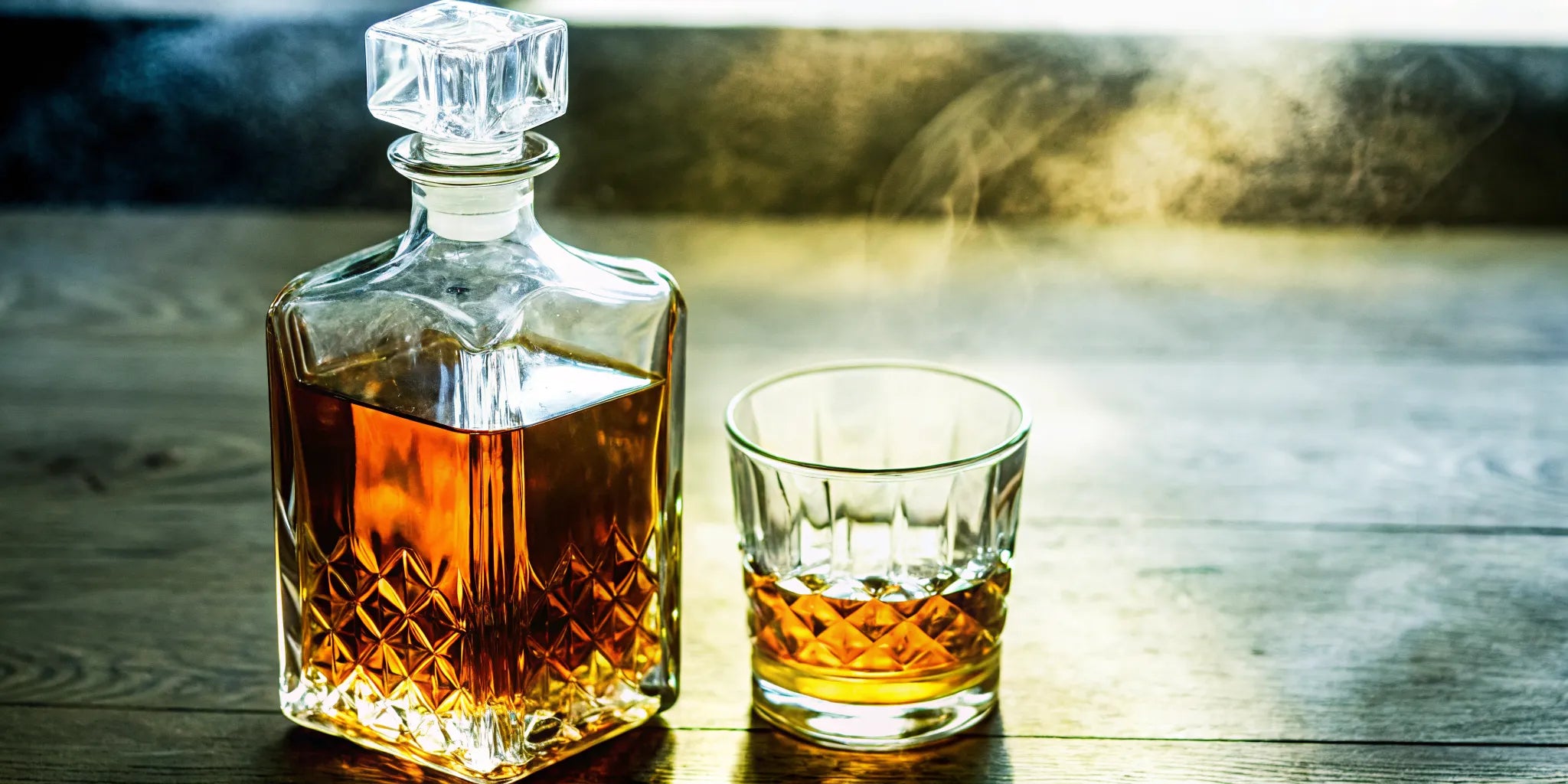
To know what is mezcal, you must learn to drink it like a local. Unlike many spirits, mezcal is usually sipped slow and neat. Drinking it at room temperature allows the sweet, fruity, and smoky notes to shine. While some enjoy it in a mixed drink, the traditional way in Mexico is to skip the ice and soda. This method honors the craft behind the spirit.
Quick Guide: Sip mezcal neat at room temperature in a wide glass. Pair it with orange slices and worm salt for the best experience.
Choose the Right Glass
The glass you use affects how the spirit tastes. Many people use a small clay cup called a copita. Its wide rim lets the agave scents reach your nose before you sip. You can also use a caballito, which is a tall, thin glass often used for tequila. If you are hosting an agave spirits tasting, having the right cups helps your guests find the deep flavors in each pour.
Sip It Neat
Mezcal often has a high alcohol content, usually between 40% and 55% ABV. Because it is strong, you should take tiny sips. Let the liquid rest on your tongue for a few seconds. This helps your palate get used to the smoke and heat. Beginners should start with mezcal made from Espadín agave. It is the most common type and offers a balanced taste for those new to the spirit.
Add Traditional Pairings
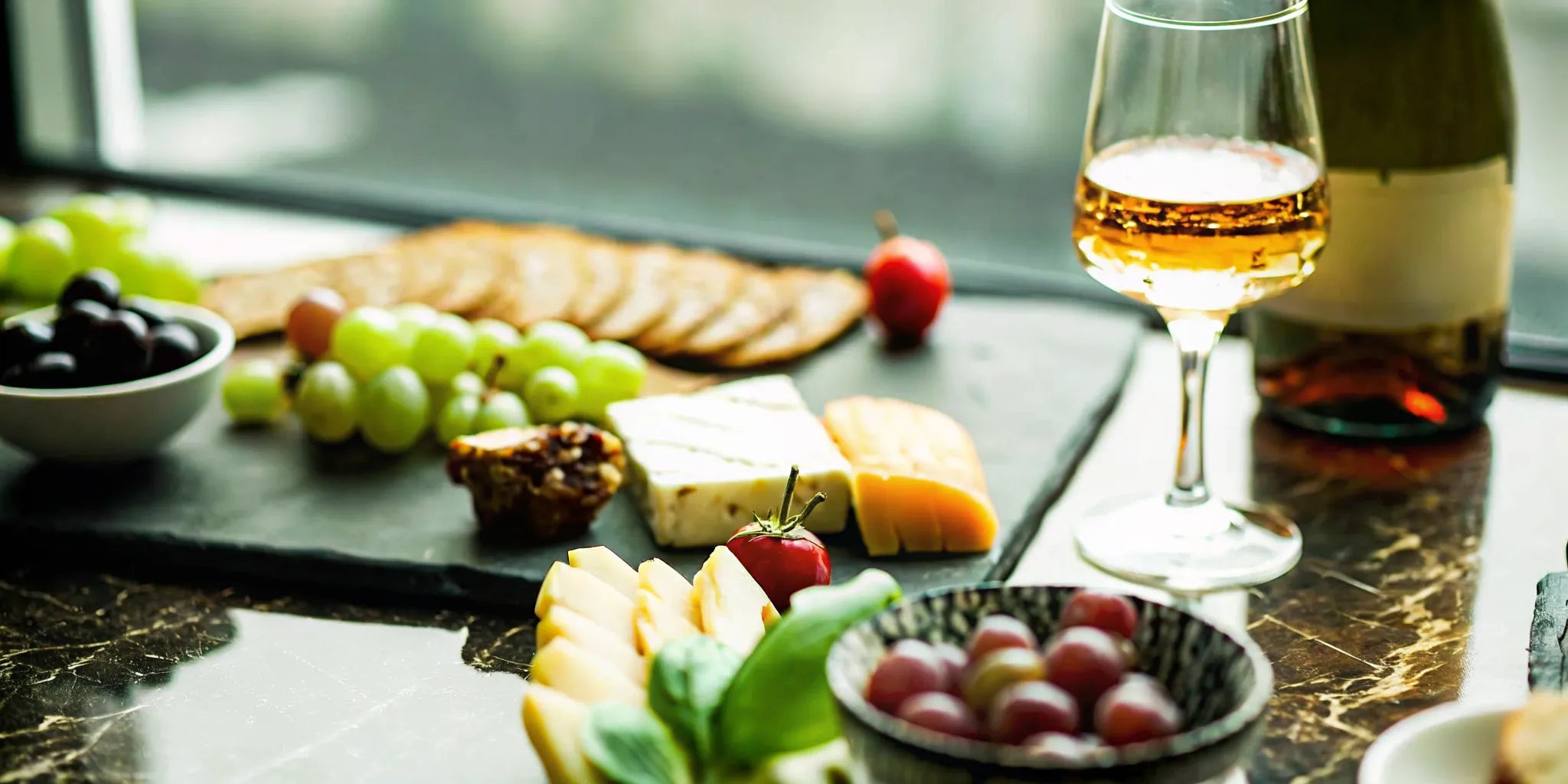
In Mexico, mezcal often comes with a side of orange slices and sal de gusano, or worm salt. The salt is a mix of ground agave worms, chili, and salt. Take a sip of mezcal, then bite into the orange slice. The citrus and salt help cut through the smoke and bring out the sweet agave fruit. This pairing is a staple in Oaxaca, where about 90% of the world's mezcal is made.
Try Mezcal Cocktails
While neat is best for tasting, mezcal also works well in drinks. You can swap tequila for mezcal in a margarita to add a smoky twist. Another popular choice is the Oaxaca Old Fashioned, which uses both tequila and mezcal. These drinks are a great way to see how the spirit blends with other flavors like lime or bitters.
- Start with Espadín for a smooth entry.
- Never shoot mezcal; take small sips instead.
- Use a wide glass to smell the complex agave scents.
- Keep the bottle at room temperature for the best flavor.
- Drink water between sips to stay fresh.
Frequently Asked Questions
Does mezcal contain mescaline?
No, mezcal is not a psychedelic spirit and does not contain mescaline. While the names are similar, mezcal comes from baked agave plants, while mescaline is found in some types of cacti like peyote. You can enjoy the smoky notes of this agave spirit without worrying about any mind altering effects. It is a regular distilled drink with alcohol levels similar to tequila.
Is mezcal stronger than tequila?
Mezcal is usually bottled between 40 and 55 percent alcohol by volume (ABV), which is about 80 to 110 proof. While most tequila is sold at 40 percent ABV, some artisanal mezcal makers keep a higher proof to preserve more flavor. According to the London Spirits Competition, this wide range is typical for high quality agave spirits.
Where does the word mezcal come from?
The name comes from the Nahuatl word "mexcalli," which means "baked agave." This is a mix of two words: "metl" for agave and "ixca" for bake. This old name refers to the ancient way makers roast the agave hearts in deep pits before they crush them for juice. It highlights the long history of this drink in Mexican culture and its roots in native traditions.
What Mexican states are allowed to produce mezcal?
Mezcal has a protected Denomination of Origin that limits where it can be made. Most production happens in Oaxaca, which accounts for about 90 percent of all mezcal. However, makers also produce it in parts of Durango, Guerrero, San Luis Potosi, and Zacatecas. According to Britannica, these rules help protect the quality and heritage of the drink in these specific regions of Mexico.
Ready to find the best artisanal mezcal?
Putting off your first sip of mezcal means you miss out on the deep smoke and earth of the agave plant. You lose the chance to share a unique drink with friends while the best small batches are still in stock. If you wait too long, you might miss a rare brand that we can not get again. By picking a bottle now, you can have the bold flavor of Mexico on your shelf and ready to pour by the end of this week. Our team picks every spirit to make sure you get only the best craft standard. If you are not sure where to start, you can check our top-rated agave spirits for help. Our stock changes fast, so pick your bottle soon to enjoy a real pour of small batch mezcal at home.
Ready to shop? Shop our collection of artisanal mezcals to talk to a spirits expert about your choice.