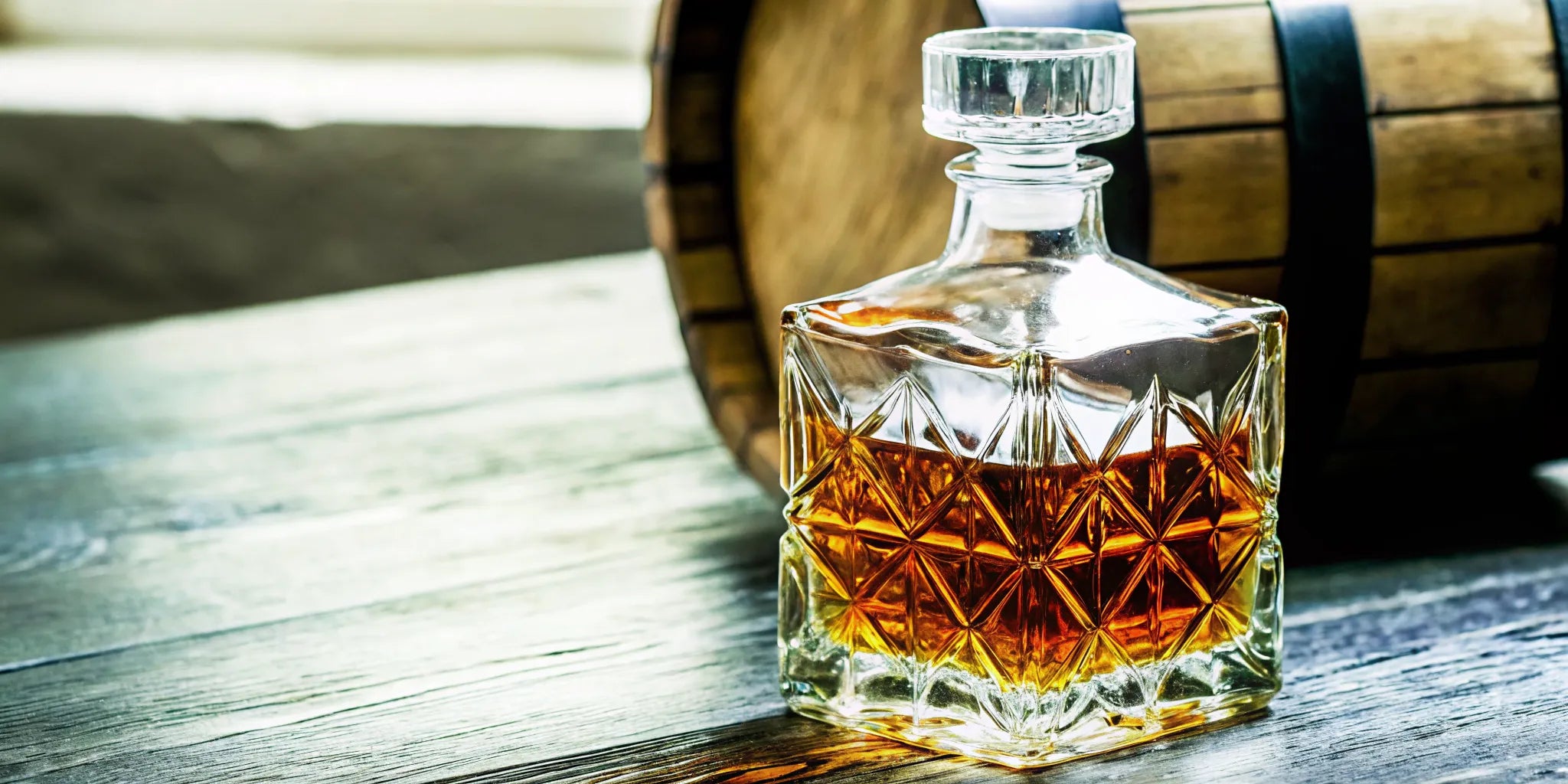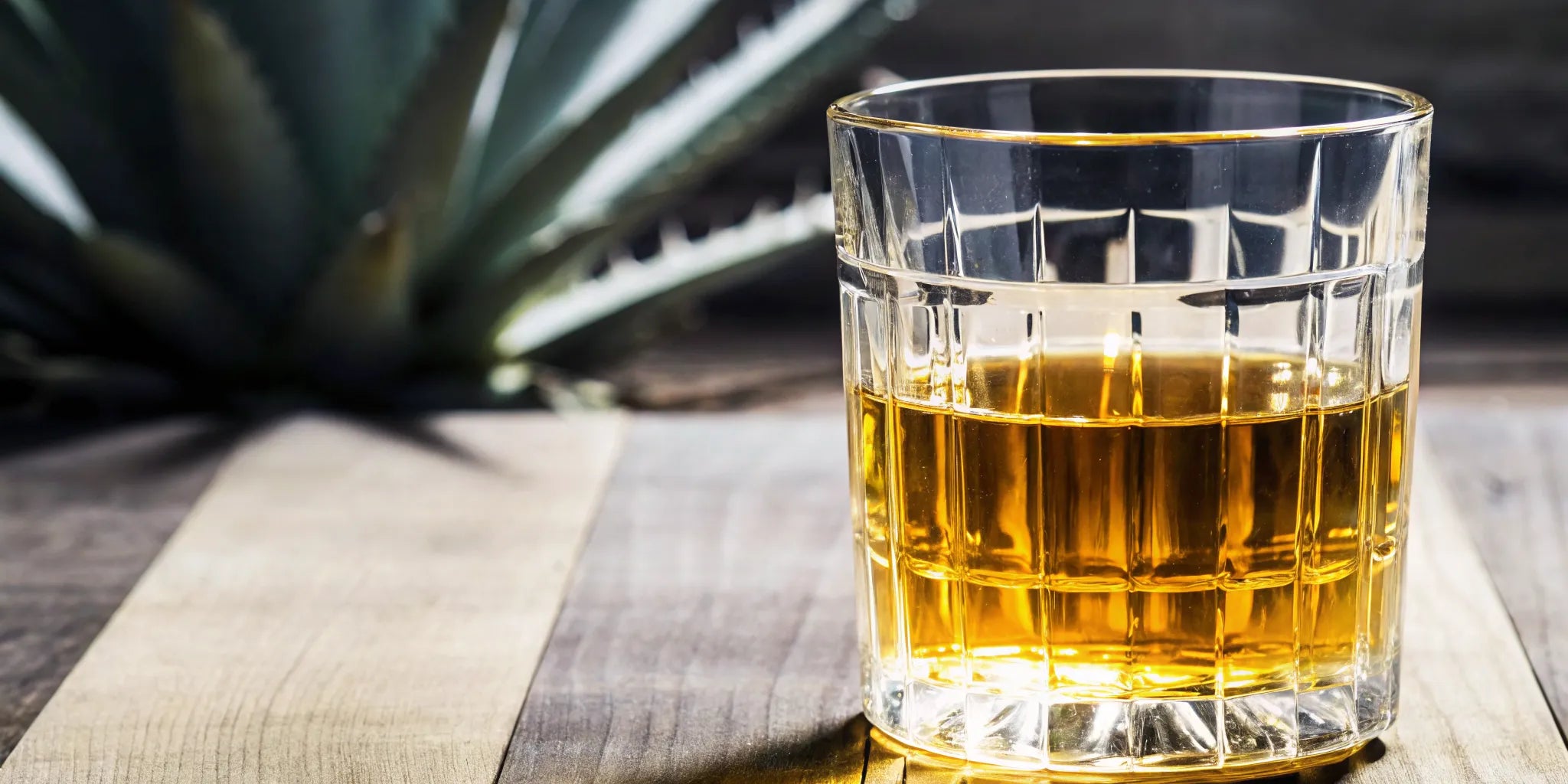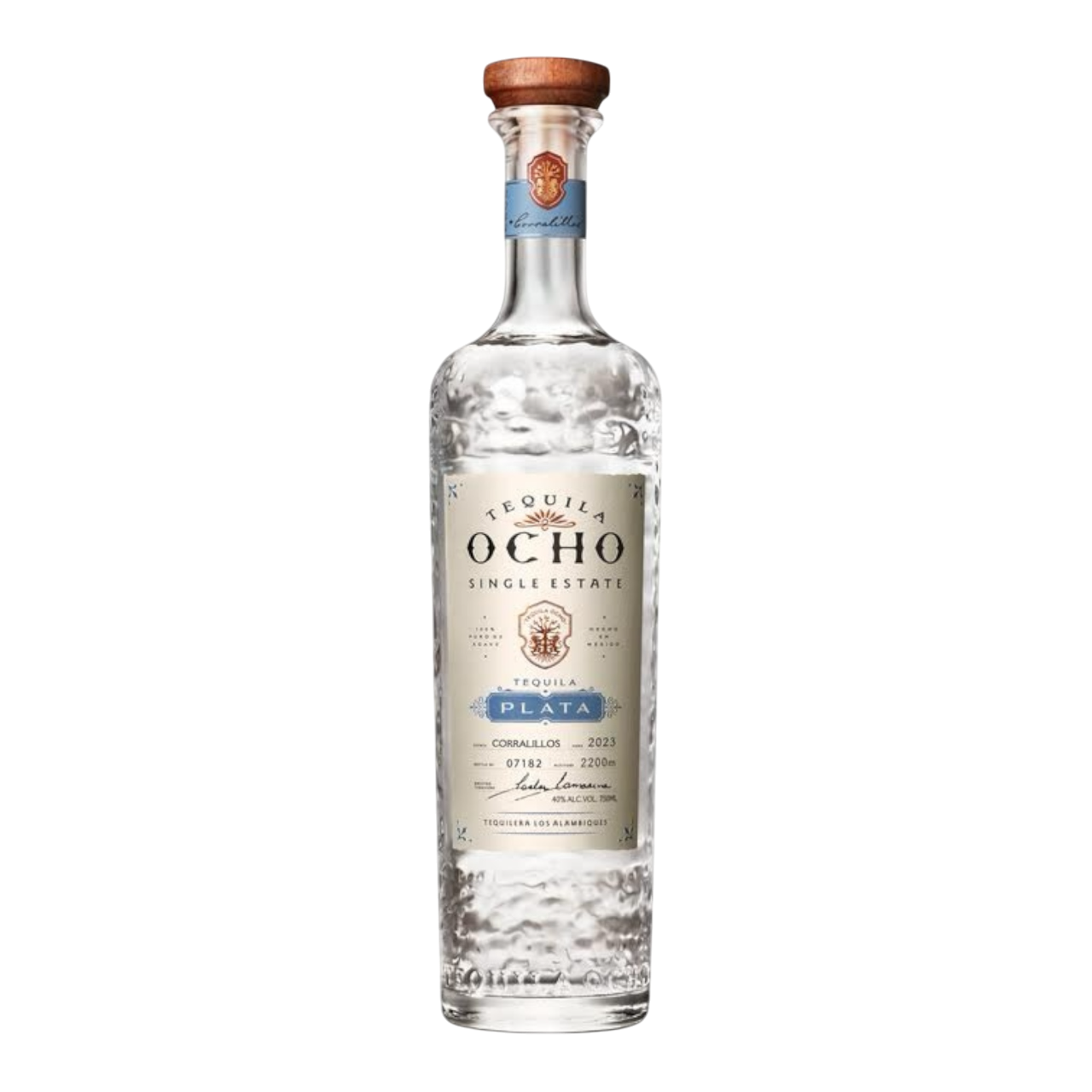
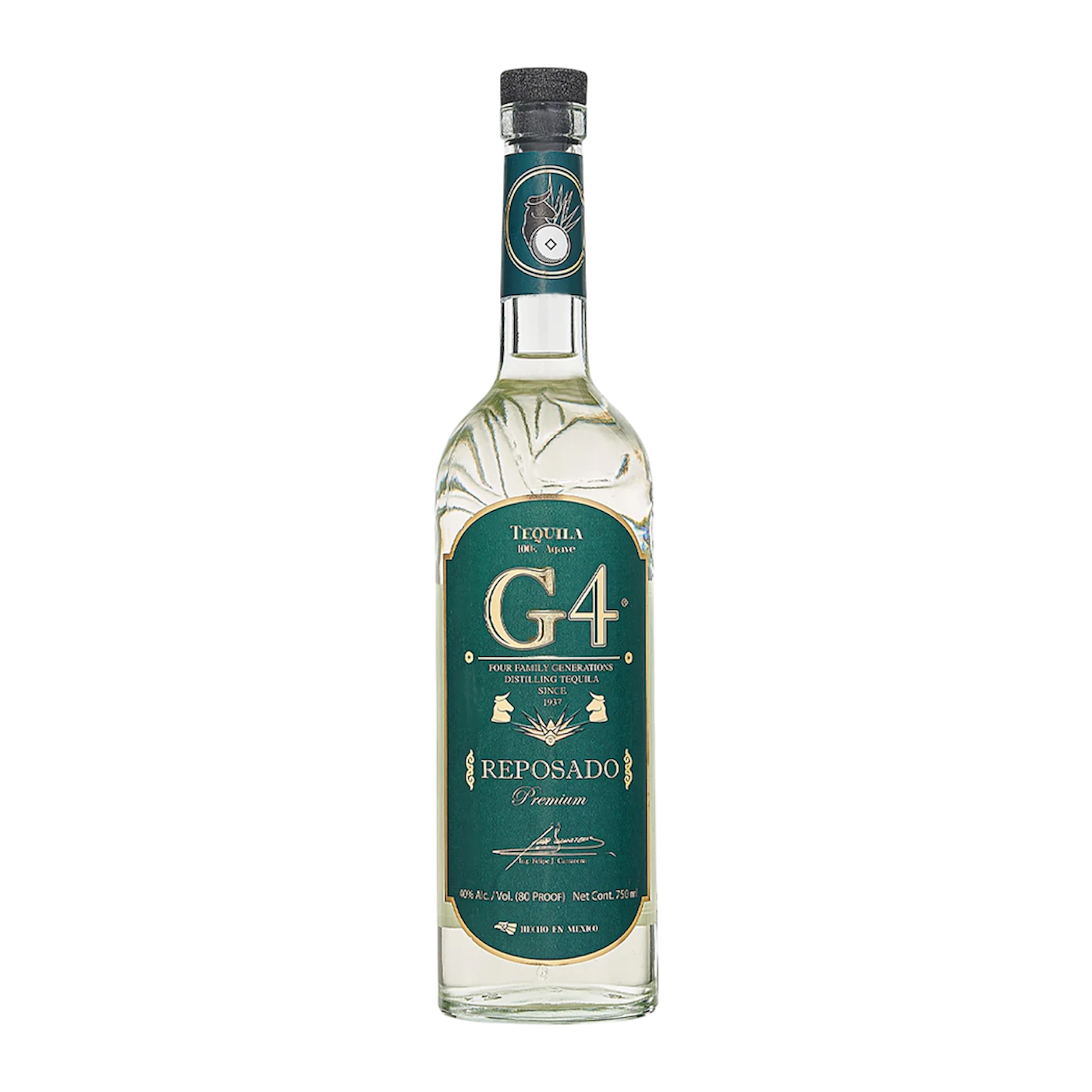
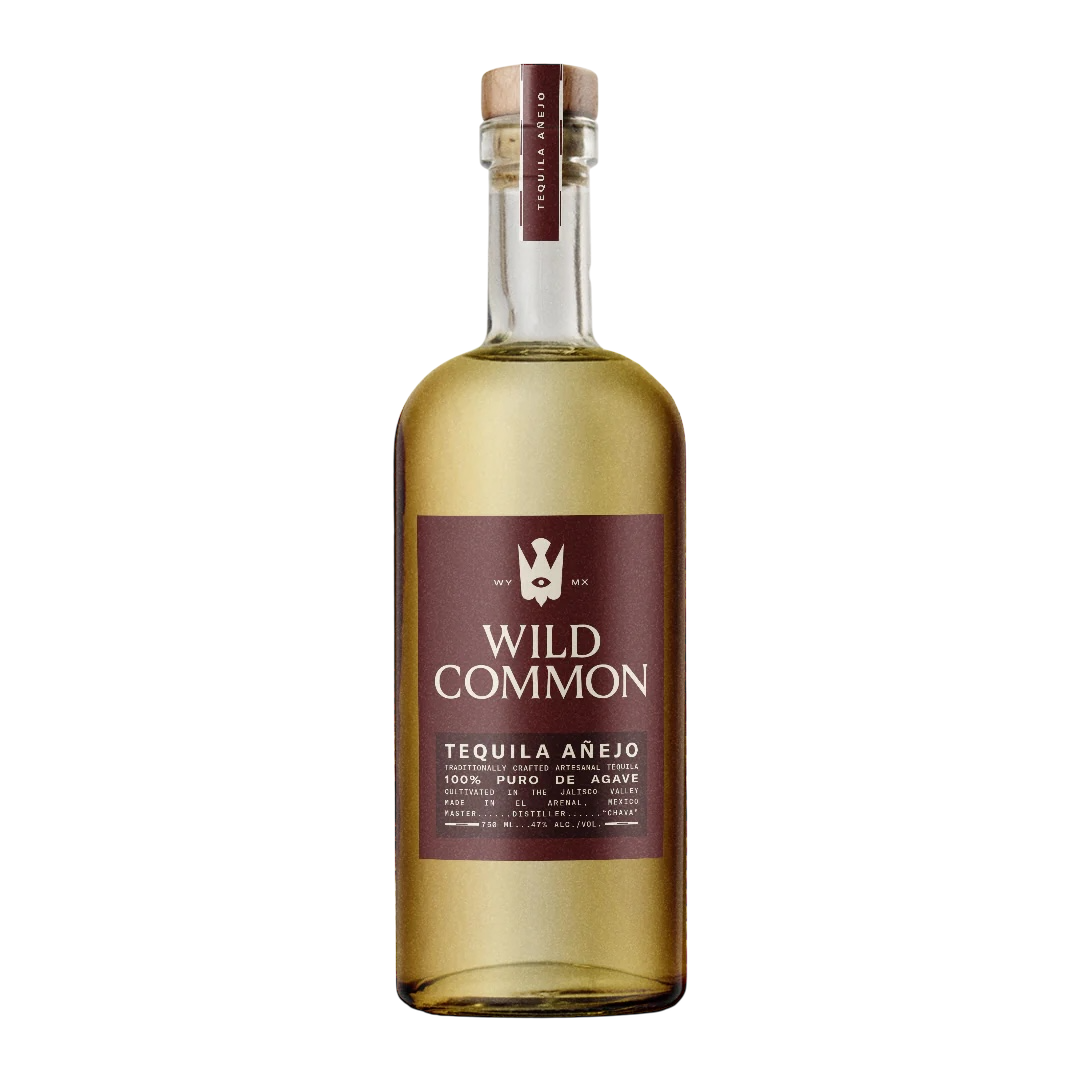
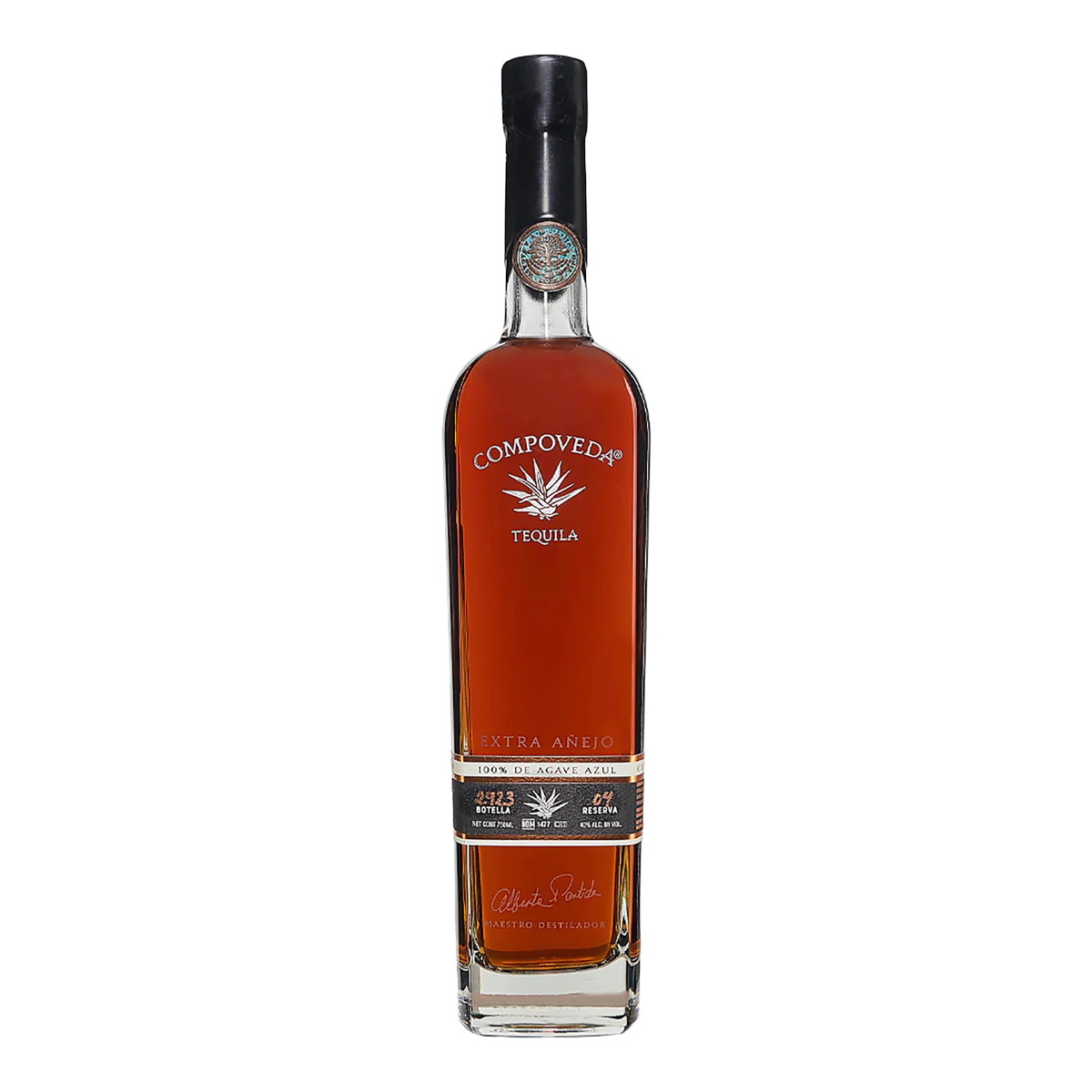
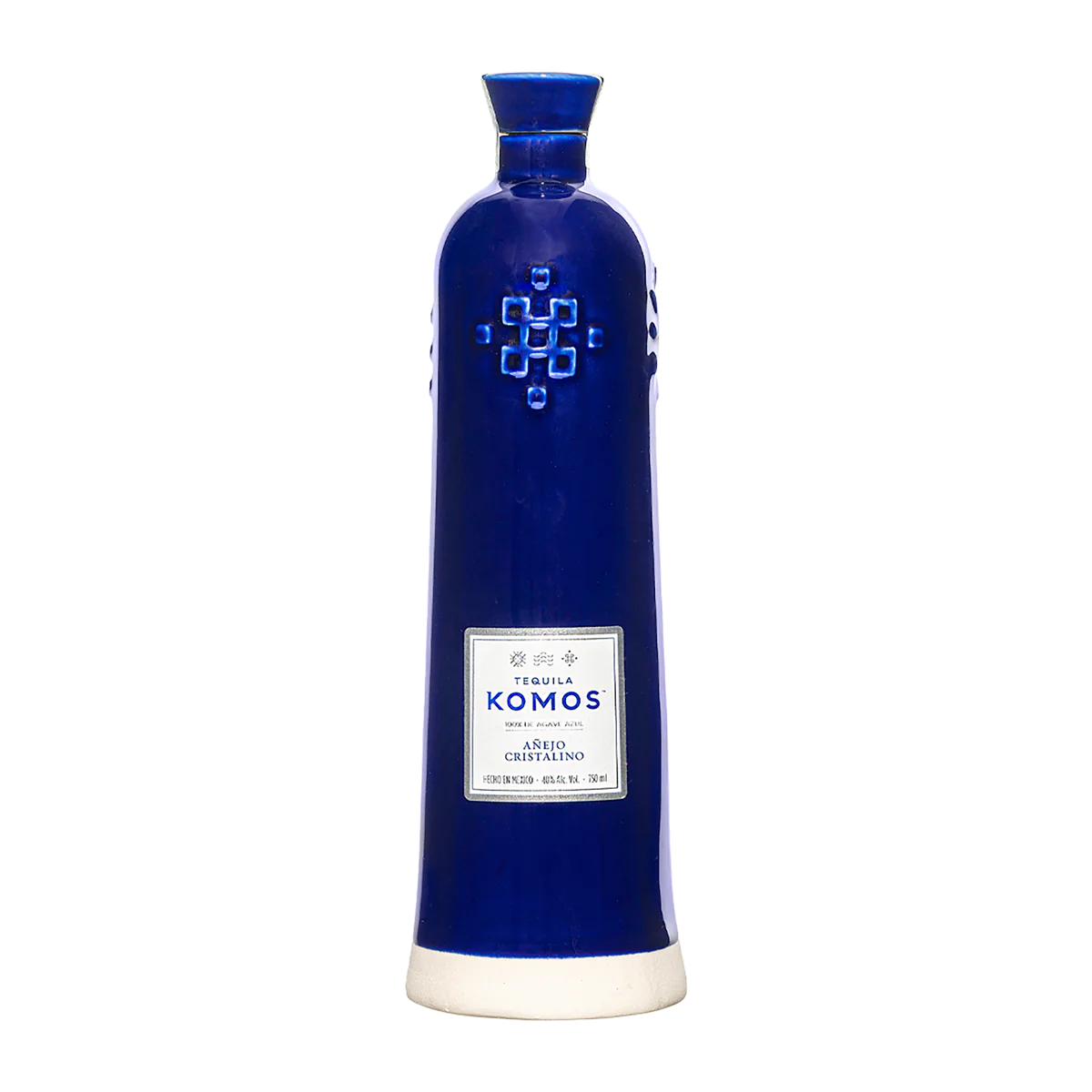
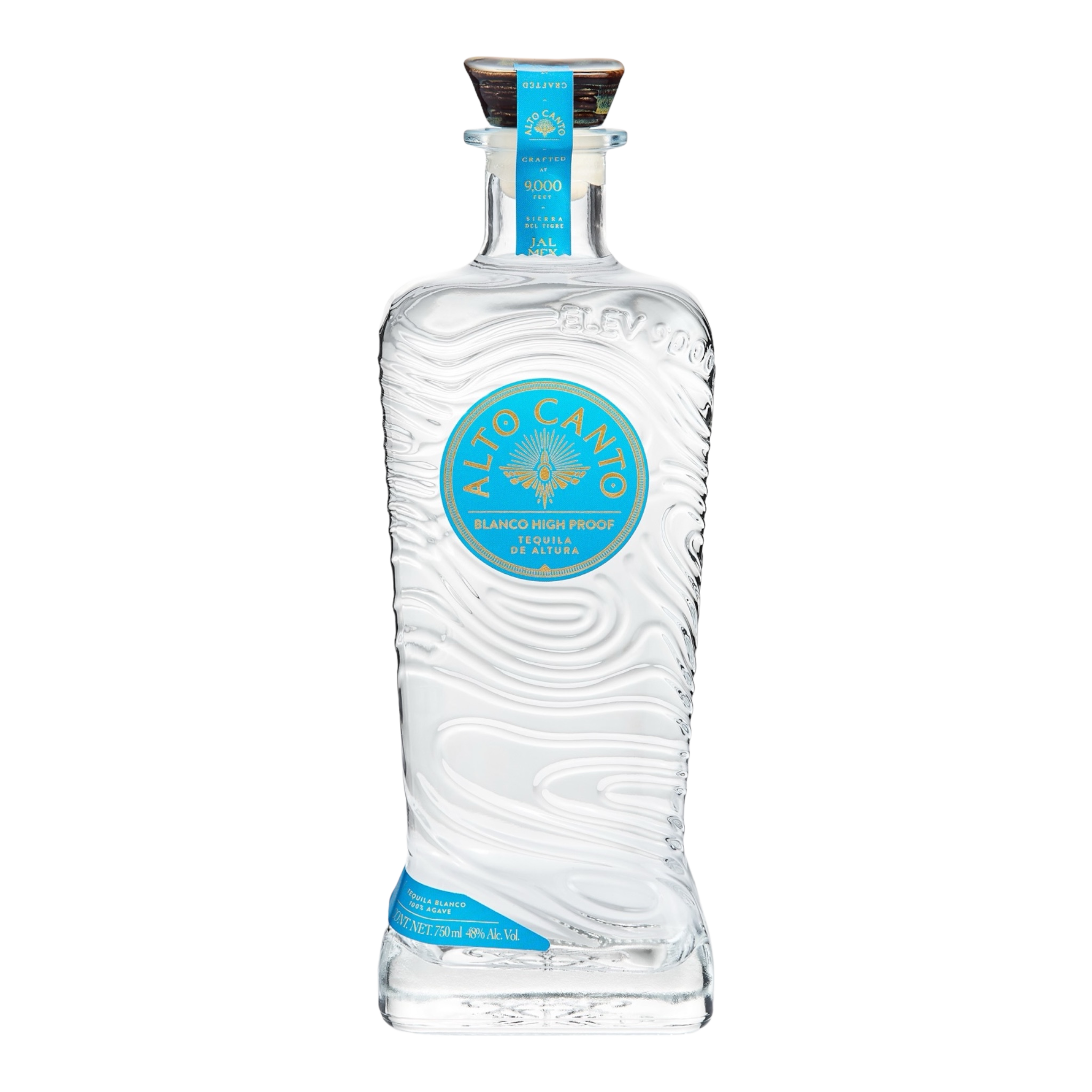



Protect your premium agave collection today. Browse Sip Tequila's curated selection of aged expressions built to last.
Does tequila go bad is a common worry for collectors, but these agave spirits do not spoil like food. Because Mexican law requires tequila to have an alcohol content between 35 and 55 percent, it acts as a natural preservative. This high level of alcohol creates a harsh place where bacteria cannot survive, making the spirit shelf-stable for decades. While the liquid stays safe to drink, its flavor can shift once you open the bottle and expose it to air. According to research published in PubMed, light and heat can affect the quality of the parts that give spirits their unique taste. To keep your bottles tasting exactly as the distiller meant, store them in a cool, dark place.
If you found an old bottle in a cabinet, you might wonder if it is still worth a pour. Knowing how agave spirits work ensures every glass tastes fresh. Understanding the science behind shelf life helps you protect every bottle in your bar.
Does Tequila Go Bad: Does tequila actually go bad? The science behind the shelf life
Summary: Tequila does not spoil like food due to its high alcohol content. The flavor can change over time through oxidation, but the liquid remains safe to drink indefinitely when stored properly.
Most people worry about food going bad. Milk or bread rot after a few days. But tequila is not like them. It does not grow mold or spoil.
This is because of the way it is made. High alcohol levels keep it safe. While your drink might change over time, it will not make you sick like old food would.
Natural protection from high alcohol
The secret to why tequila stays safe is its alcohol by volume, or ABV. Most bottles have 40% ABV. Per Mexican law, tequila must be between 35% and 55% alcohol. For a deeper look, read our complete guide to tequila alcohol content.
This high level kills germs before they can grow. It acts as a shield for the liquid. Because of this, a closed bottle can sit on a shelf for years. It will not spoil or become harmful.
- Unopened bottles last indefinitely in cool storage
- Opened bottles remain safe to drink for years
- No refrigeration required for spirit preservation
- High ABV prevents bacterial growth naturally
Spoilage versus quality changes
It is vital to know the gap between going bad and losing quality. Spoilage means the drink is no longer safe to have. Quality loss means the taste or smell has changed.
Tequila does not spoil, but it can lose its best traits. When you open a bottle, air gets inside. This starts a process called oxidation. Over time, the air reacts with the spirit.
This can make the agave flavors feel thin or flat. Science shows that storage habits change how spirits stay stable. A study from PubMed found that alcohol levels and heat both change the drink.
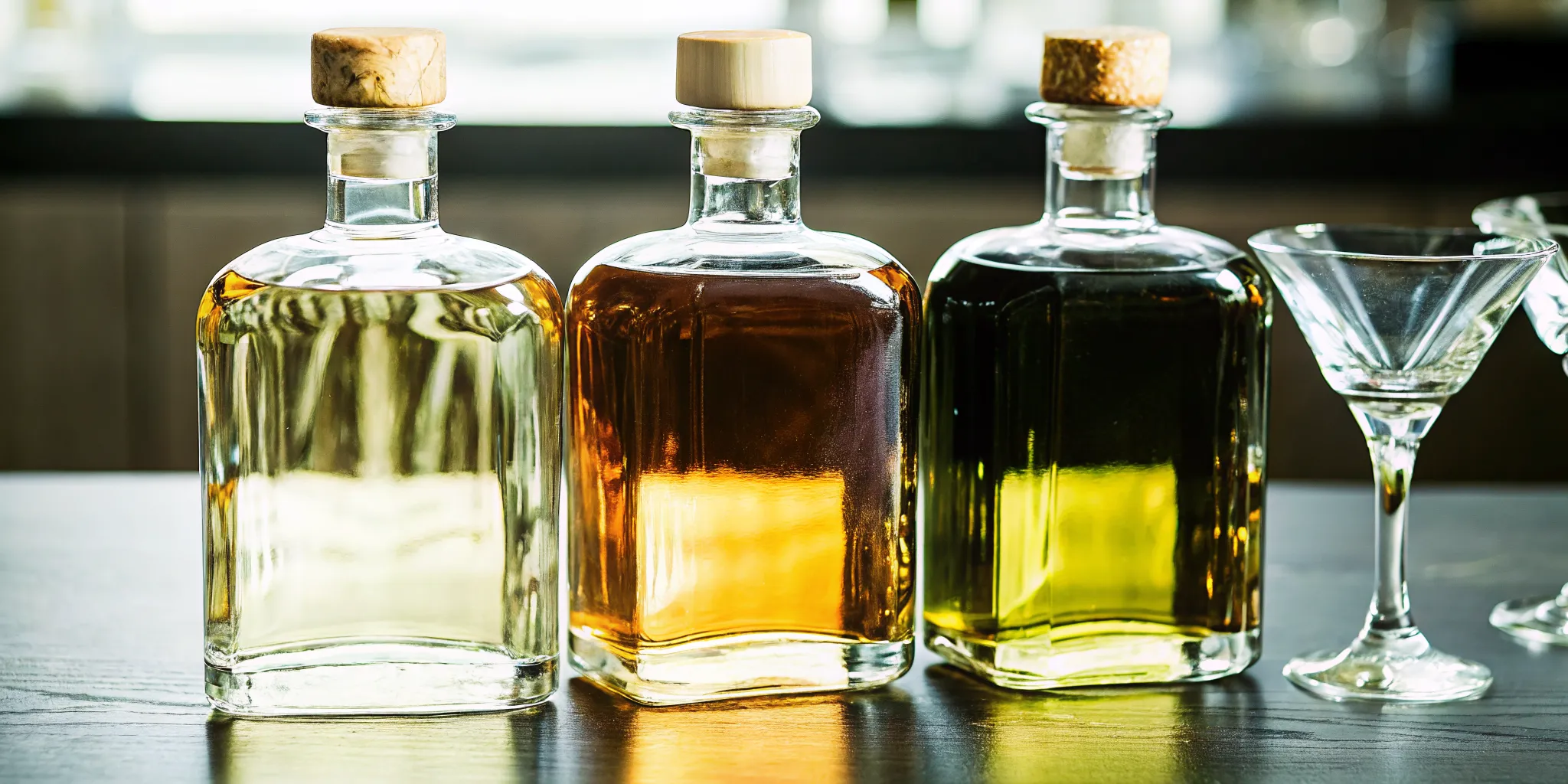
Another thing to watch is how much liquid is left in the bottle. When a bottle is mostly full, there is very little air. As you drink more, more air fills the space. This extra air speeds up how fast the flavor fades.
How long does tequila last after opening?
Summary: An opened bottle of tequila maintains peak quality for about one year. After that, flavor gradually declines while the liquid remains safe. Half-empty bottles degrade faster due to increased air exposure.
Tequila is a stable spirit that does not expire like milk or juice. If you keep a bottle sealed and store it in a cool, dark place, it has an indefinite shelf life. You can keep an unopened bottle for years without losing the quality the distiller intended. However, the timeline changes once you break the seal and let air into the bottle.
Timeline for peak quality
Most experts suggest that an opened bottle of tequila stays at peak quality for about one year. After this point, the flavor and smell may start to change. While it is still safe to drink, you might notice it tastes different than when you first bought it. For the best experience, try to finish your bottle within one to two years of opening it to ensure your tequila stays fresh. Curious about the best bottles to sip slowly? Explore our expert picks for top sipping tequilas.
If you open the bottle often, the quality may drop even faster. Connoisseurs often suggest finishing a frequently opened bottle within six to twelve months. This is because every time you open the cap, you let fresh oxygen inside. This air reacts with the spirit and slowly breaks down the complex flavors of the agave.
Why tequila quality degrades
The main enemy of opened tequila is oxidation. When oxygen hits the liquid, it starts to alter the chemicals that give tequila its unique taste. A half-empty bottle has more air inside than a full one. This extra air speeds up the process, so a bottle with only a few shots left will lose its flavor much faster than a nearly full one.
Light and heat also play a big role in how long your spirit lasts. Storing your bottles in darkness helps maintain stability and protects the volatile compounds. High temperatures can also cause changes in the alcohol and esters. Keeping your collection in a dark cabinet away from the sun is the best way to preserve quality.
- Unopened bottles: Last indefinitely in a cool, dark cabinet.
- Opened bottles: Best consumed within one to two years.
- Partially full bottles: Try to finish within six months if less than half remains.
- Frequent use: Aim to finish within six to twelve months to avoid flavor loss.
What are the best practices for storing tequila at home?
Summary: Store tequila upright in a cool, dark place away from sunlight and heat sources. Always seal the bottle tightly after each pour. For nearly empty bottles, consider transferring to a smaller container to reduce air exposure.
You can keep your tequila fresh for a long time if you follow a few basic rules. Unlike wine, which needs careful aging, high-proof spirits are quite hardy. Tequila has a high alcohol content, often around 40% ABV, which acts as a natural preservative. This makes it very unlikely to spoil like food, but air and light can still change its taste over time.
Protect your bottles from light and heat
Light is the enemy of any fine spirit. Direct sun can cause chemical changes that dull the bright notes of agave. Keeping your bottles in a dark spot helps maintain stability and clarity. Heat is also a risk because it makes the liquid expand. This might hurt the seal of the cap or cork. You should keep your bottles in a cool area to prevent these issues. For a complete look at how different aging methods change a spirit, read our guide to aged tequila types.
Master the art of proper sealing
Air exposure is the main reason tequila loses its punch. When you open a bottle, oxygen enters and starts a process called oxidation. This can slowly strip away the rich scents of a good spirit. To slow this down, you must seal the bottle tight after every pour. If your bottle is more than half empty, the air inside will speed up flavor loss. In these cases, it is smart to properly store your premium tequila by moving it to a smaller glass jar.
Follow these storage steps
- Store bottles upright to keep the high alcohol from eating away at the cork or cap.
- Pick a dark spot like a basement or a low cabinet away from the oven and windows.
- Ensure the cap is tight or the cork is pushed in all the way after every use.
- Keep the liquid away from big changes in heat, which can stress the glass and the seal.
- Avoid the freezer if you want to taste all the flavors, as cold can hide the agave notes.
What are the signs your tequila has lost its quality?
Summary: Look for color darkening or cloudiness, reduced liquid level from evaporation, sour or musty aromas, and flat or harsh flavors. Your nose is the best early warning system for quality decline.
You might wonder if that old bottle on your shelf is still good. The high alcohol content in tequila acts as a natural preservative. Spirits with 40% ABV create a place where bacteria cannot live. This means your tequila will not spoil like milk or juice. But time and air can change the drink. While it stays safe to drink, the taste and smell might not be what the maker intended.
Changes in how it looks
One clear sign of age is a change in the liquid itself. If the tequila looks dark or cloudy, air has likely reached it. Tests show that storage and heat can make spirits look cloudy over time. You should also check the level of the liquid. If the level is much lower than before, some has dried up. This angel's share leaves a drink that may taste flat or thin.
Look for bits or floaters at the bottom of the glass. In top bottles, some bits are normal, but a big change often means air got in. To keep your bar in top shape, learn how to preserve your limited edition bottles well. Keeping the cap tight and the bottle up helps stop these shifts before they start. If you are collecting rare bottles, our limited edition buying guide has essential care tips.
Aroma and flavor shifts
Your nose is a great tool for checking quality. Fresh tequila should have bright scents of agave, lime, or vanilla. If the smell turns sour, musty, or like vinegar, the spirit has lost its edge. Air changes the parts of the drink that give it a unique smell. Over time, the rich scents fade away. You may find that a bottle left open for too long loses its punch. It might smell more like plain alcohol than a fine spirit.
The taste will also show signs of age. A tequila that has lost its quality often feels harsh on the tongue. You might notice the flavor is weak or lacks the long finish you want. The deep layers of wood or earth can become plain. If the drink tastes flat, it is a sign that air has taken away the small notes that make the spirit great. Understanding how different types of tequila react to air helps you know what to expect from each expression.
Quick quality checklist
- Check if the color is dark or has turned cloudy.
- Look for a drop in the liquid level from drying out.
- Sniff for sour, musty, or vinegar smells.
- Taste for a flat, harsh, or thin flavor.
- Look for new bits or particles at the bottom.
Do different tequila expressions age differently?
Summary: Yes, aging significantly affects oxidation resistance. Blanco tequila oxidizes fastest, while Extra Anejo's oak tannins provide the strongest natural protection. Cristalino behaves more like Blanco despite being aged.
The type of tequila in your bottle changes how fast it reacts with air. While the alcohol keeps the spirit safe from germs, the mix of oils and wood extracts affects flavor stability. Unaged spirits often show air damage faster than those spent years in oak.
Unaged vs aged spirits
Blanco tequila has the clearest profile but the least protection from air. Without oak tannins to act as a buffer, these crisp agave notes can flatten in months. Studies on physicochemical stability show that storage habits like light and heat quickly change the volatile compounds in clear spirits. Our sipping tequila guide covers which expressions hold up best over time.
Aged types like Reposado and Anejo have a natural shield from their time in barrels. The wood gives the spirit complex esters and tannins that mask early signs of oxidation. Extra Anejo bottles carry the most wood influence, which helps maintain vintage tequila quality over longer periods. However, once a bottle is half empty, even a heavy oak profile cannot stop the air from dulling the spirit.
Seals and stoppers
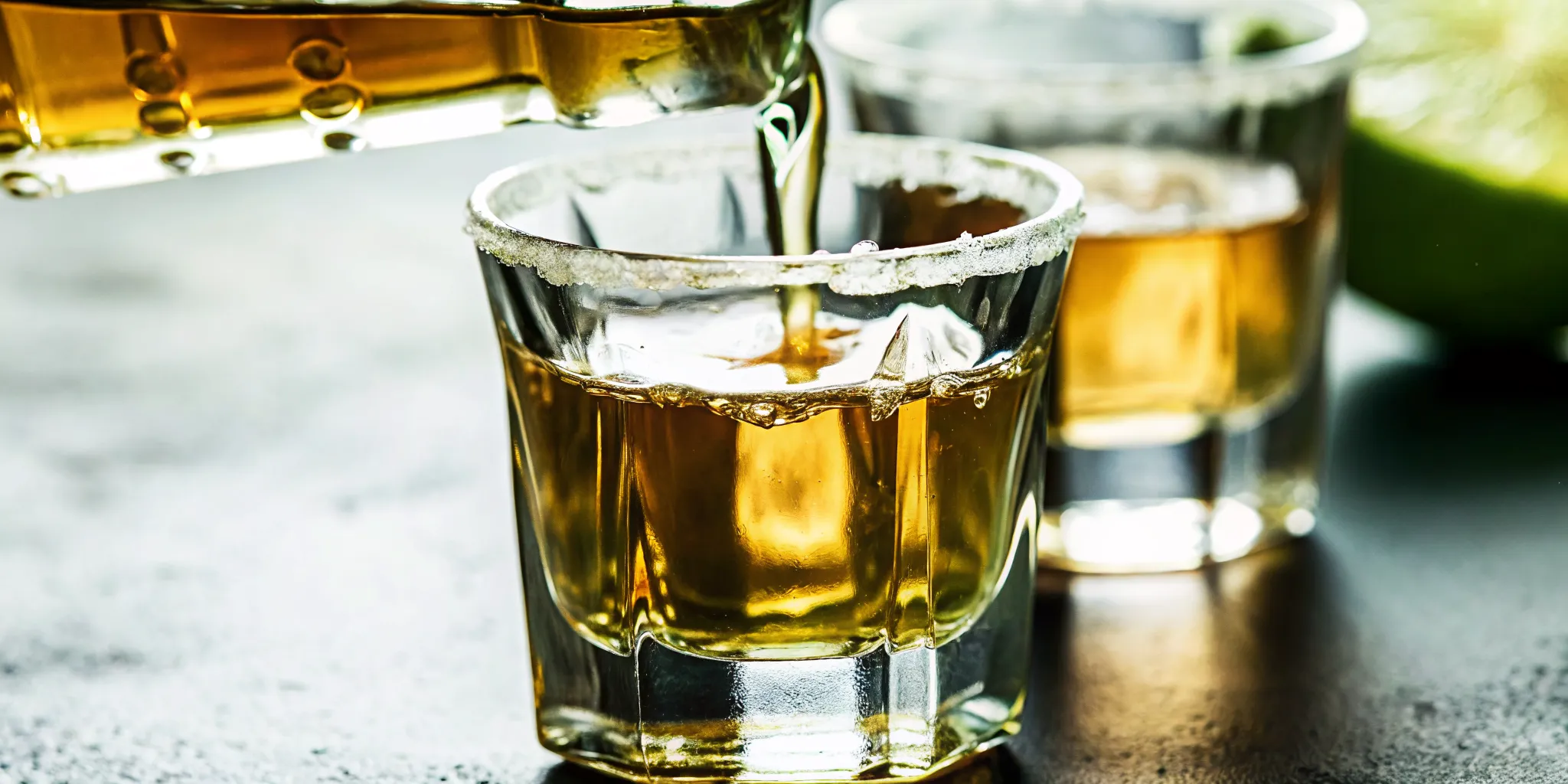
The seal on your bottle is your first line of defense. Natural cork can dry out or shrink over time, which lets in more air and speeds up liquid loss. Synthetic stoppers and screw caps often provide a tighter seal for long-term storage. You should also watch for extra items or colors in lower-tier bottles. These extra parts can break down faster than pure agave spirits, leading to odd flavors or sediment. For a guide to premium bottle choices, browse our Extra Anejo collection for heavily aged options.
How expressions compare
| Expression | Aging Period | Oxidation Risk | Best Use Within | Key Note |
|---|---|---|---|---|
| Blanco | 0-2 months | High | 6-12 months | Fresh agave notes fade fast |
| Reposado | 2-12 months | Medium | 12 months | Light oak offers some buffer |
| Anejo | 1-3 years | Low | 1-2 years | Oak tannins mask air impact |
| Extra Anejo | 3+ years | Lowest | 2 years | Most stable flavor profile |
| Cristalino | Varies | High | 6-12 months | Filtering removes wood buffers |
High alcohol content makes spirits unlikely to spoil like food, but quality still drops. For any expression, keeping the bottle in a cool place helps keep the flavors bright. If you have a rare bottle, check the seal once a month to ensure no air is getting in. Learn more about building your collection with our guide to starting a premium tequila collection.
Frequently Asked Questions
Can I drink old tequila that has been sitting for years?
Yes, you can safely drink old tequila. Because tequila has a high alcohol level, it does not grow bacteria or spoil like food. However, the quality will drop over time if the bottle is open. A bottle stays at its best for about one year after you open it. After that, the taste may become flat or change due to air exposure.
Is it okay to store tequila in the freezer?
You can store tequila in the freezer, but it might not be the best choice for fine bottles. While the cold will not ruin the drink, it can hide the soft smells and tastes that make good tequila special. Very cold air can also make the liquid look cloudy. For the best results, keep your bottle at room temperature in a dark spot. Our guide to sipping tequila covers serving temperature recommendations.
Does sunlight damage the flavor of tequila?
Yes, light from the sun can hurt the quality of your tequila. Rays and heat from the sun cause changes in the liquid. This can break down the deep tastes in the drink and even change its color. To keep your tequila fresh, store it in a dark closet or a box. Staying in the dark helps keep the balance of the drink so it stays fresh.
Should I move tequila to a smaller bottle when it is nearly empty?
Moving your tequila to a smaller glass bottle is a good way to save the taste. When a bottle is mostly empty, there is a lot of air inside. This air causes the spirit to lose its bright and bold notes. By cutting the amount of air in the bottle, you slow down this process. This easy step helps your favorite drink stay fresh and good until the very last drop.
Ready to explore the premium tequila collection?
Every day an open bottle of tequila sits on your shelf, it loses a tiny bit of its soul. The maker worked hard to create that flavor. If you wait too long to enjoy your spirits, you risk losing those bright citrus and deep agave notes. This happens due to the slow creep of oxidation. Starting your journey into high-end tequila today ensures you taste these fine spirits at their best. Do not let your rare finds fade away in the back of a cabinet. You could be sharing a perfect pour right now. Secure your bottles while the current batches are still in stock and fresh from the maker.
Ready to explore the premium tequila collection? Call (833) 747-1110 to talk to a tequila expert.