






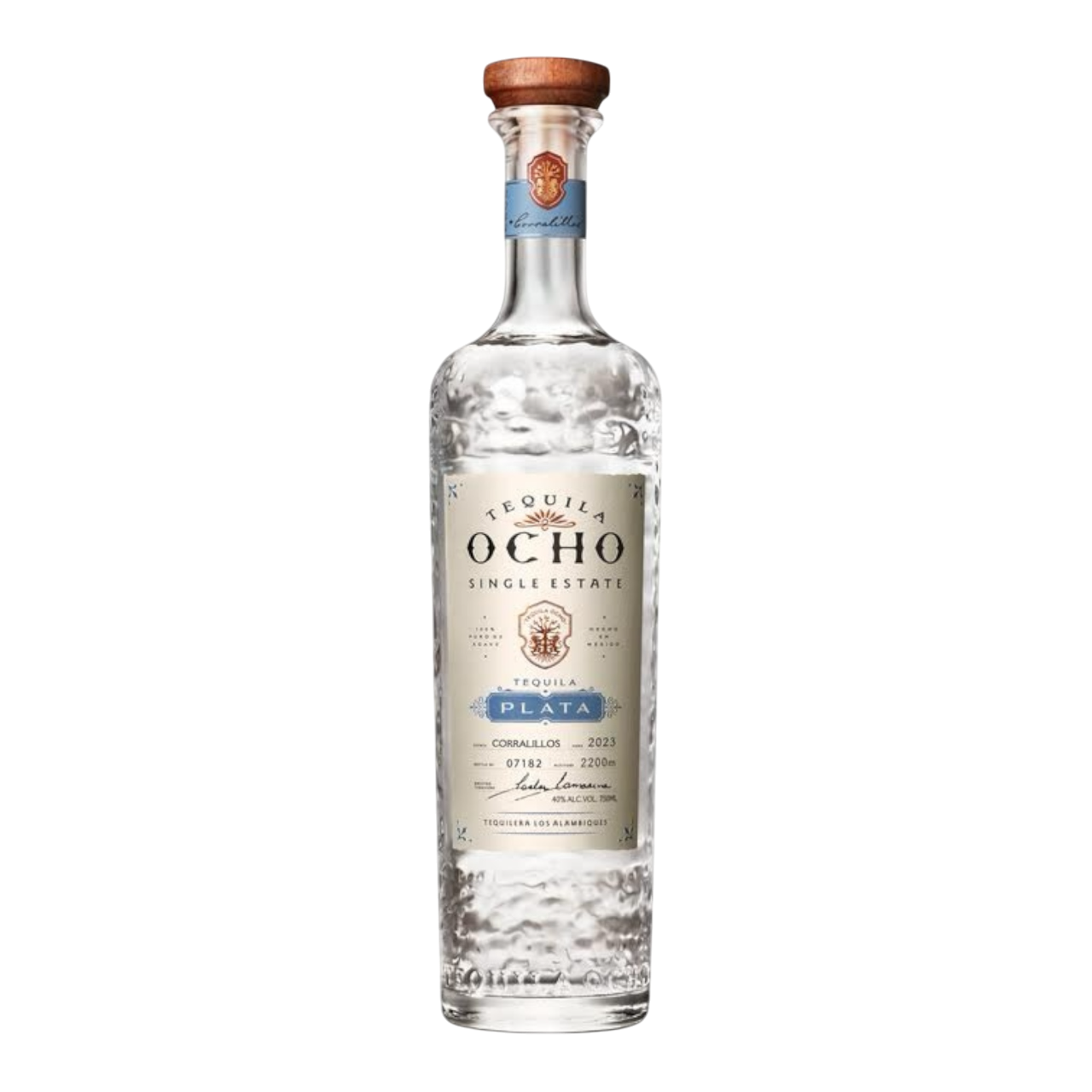
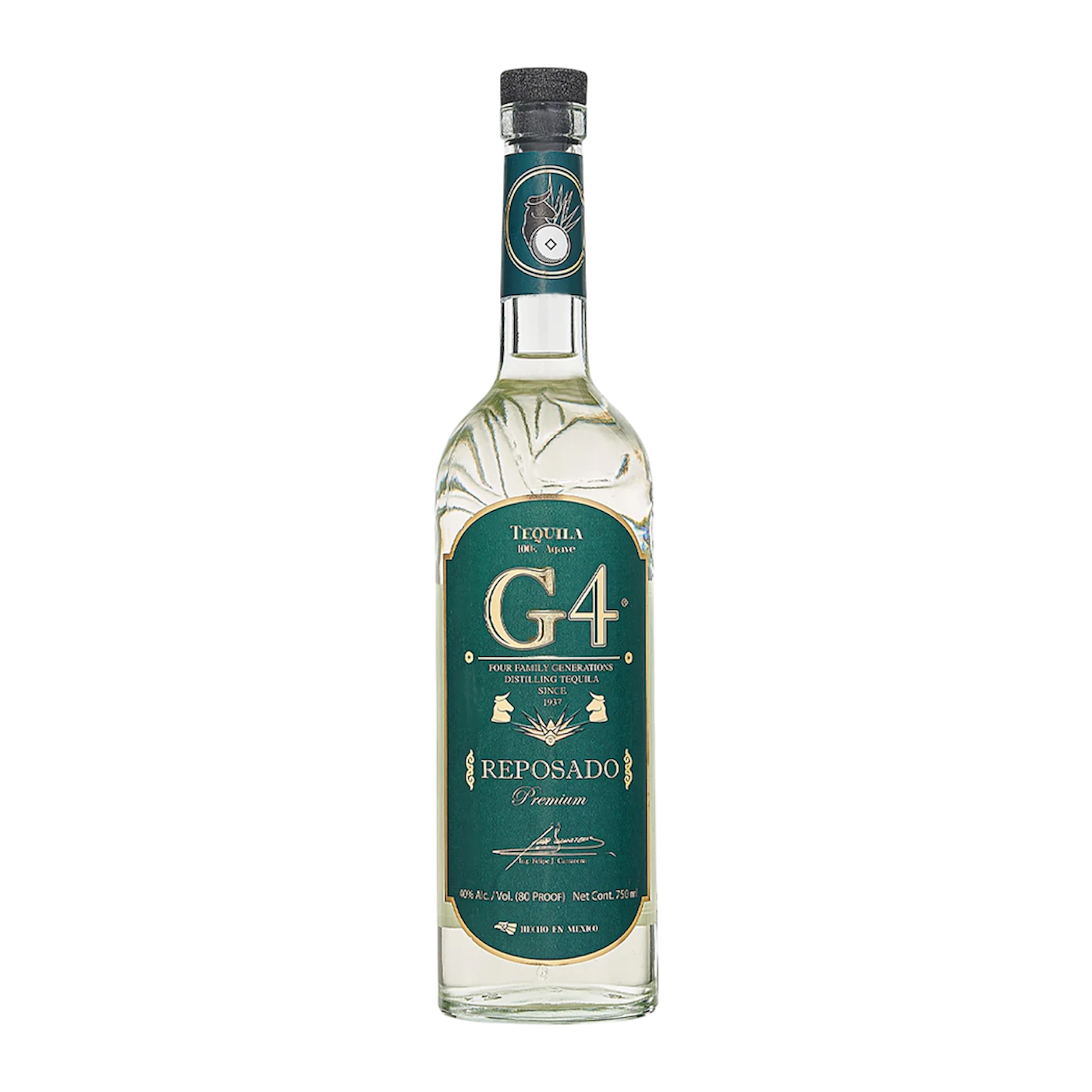
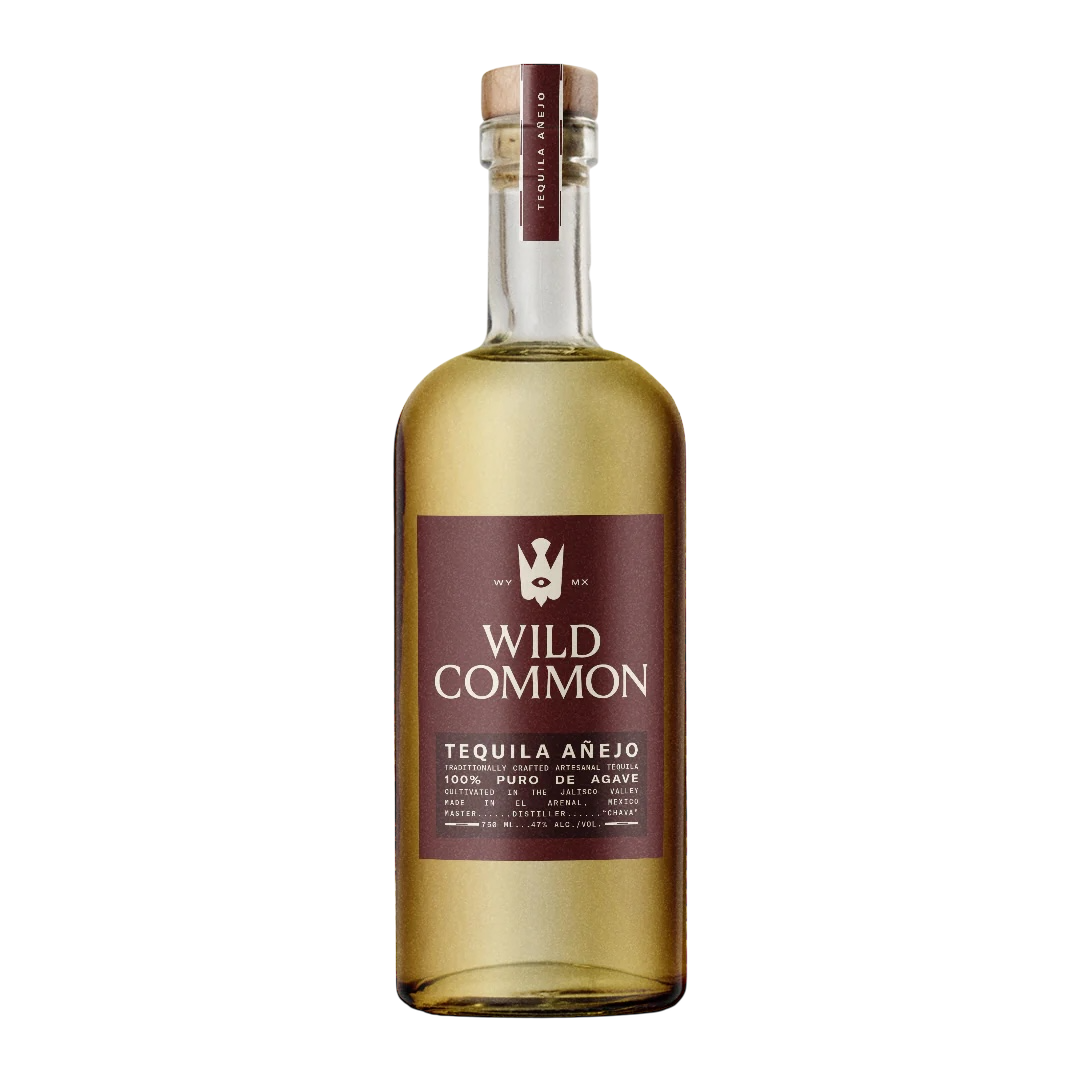
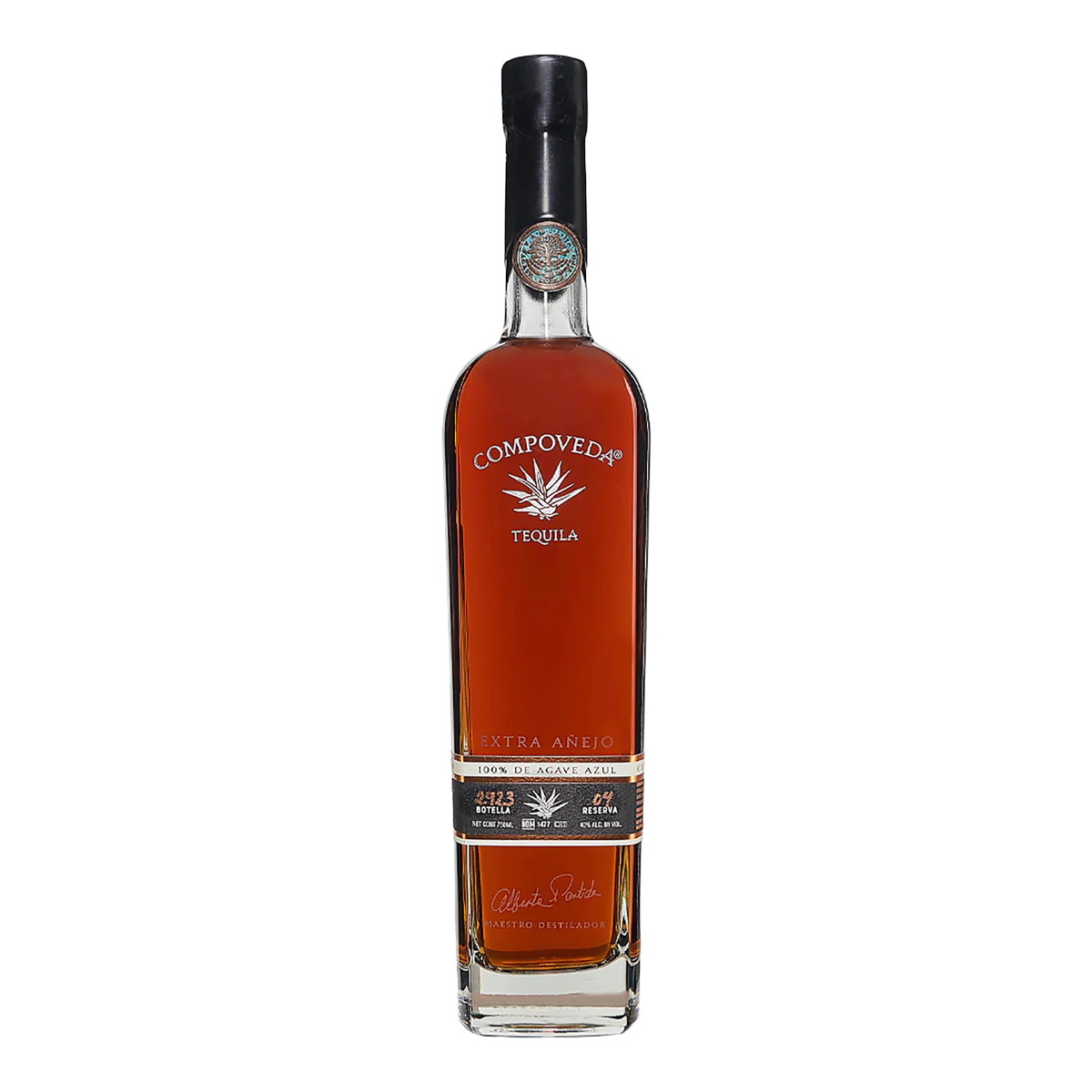
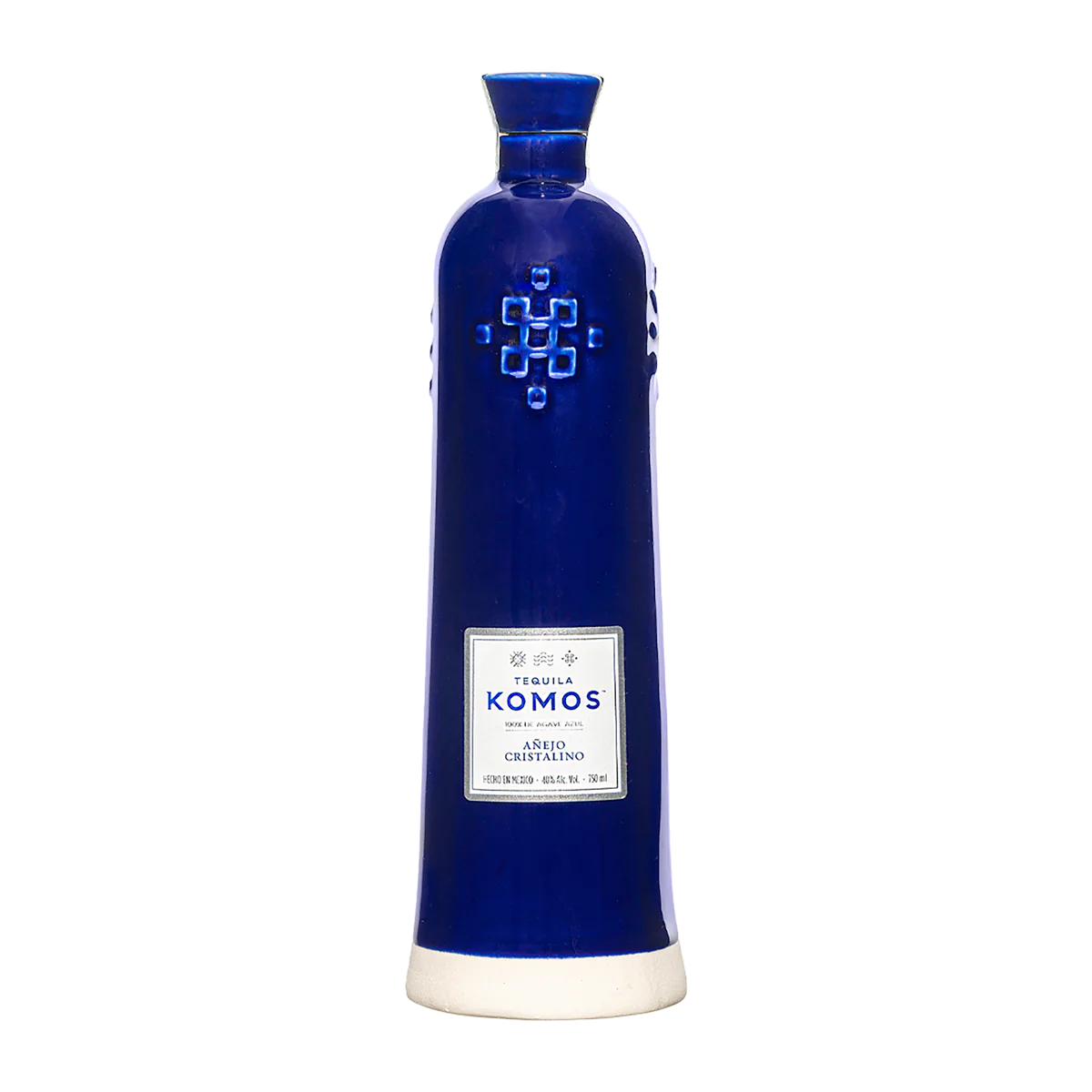
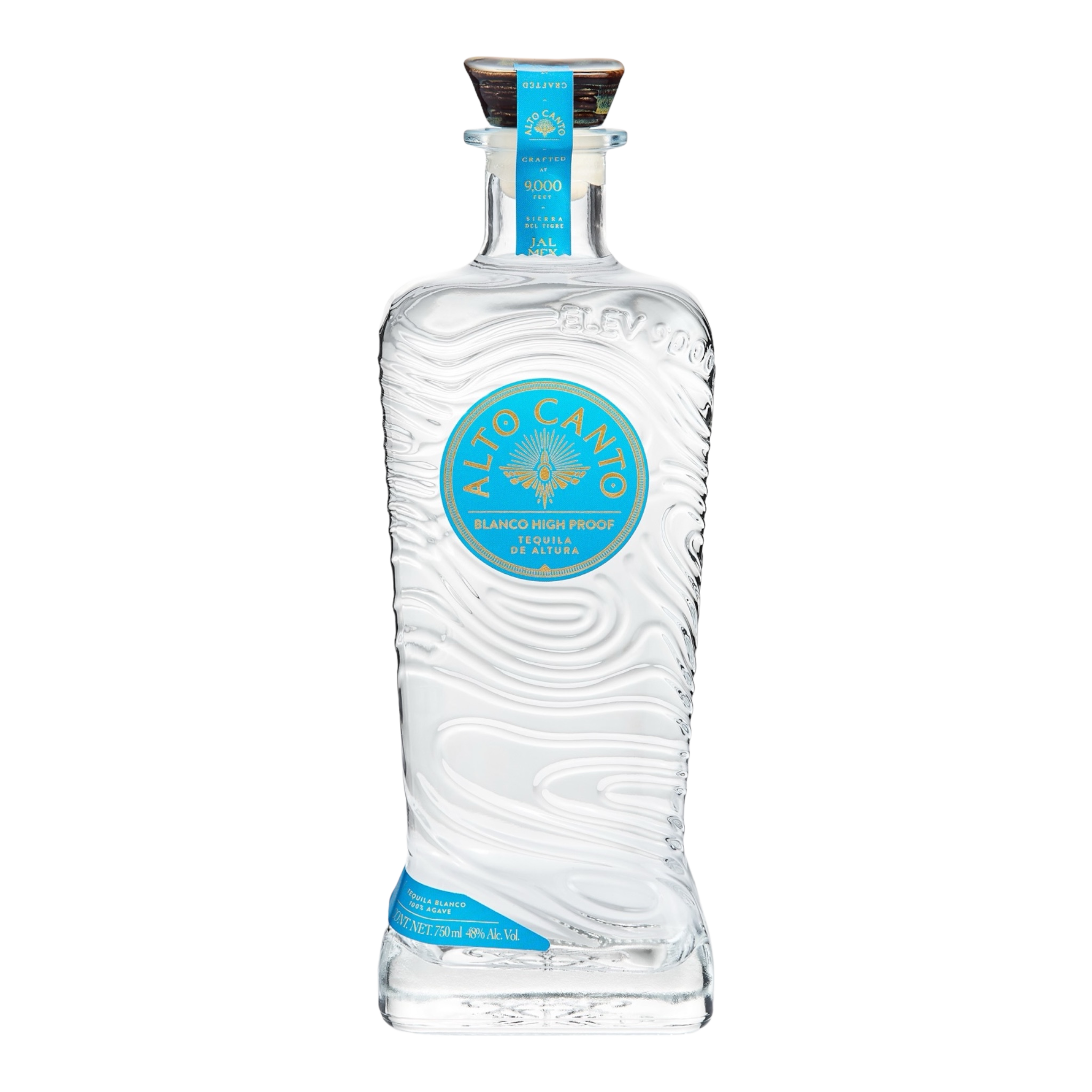
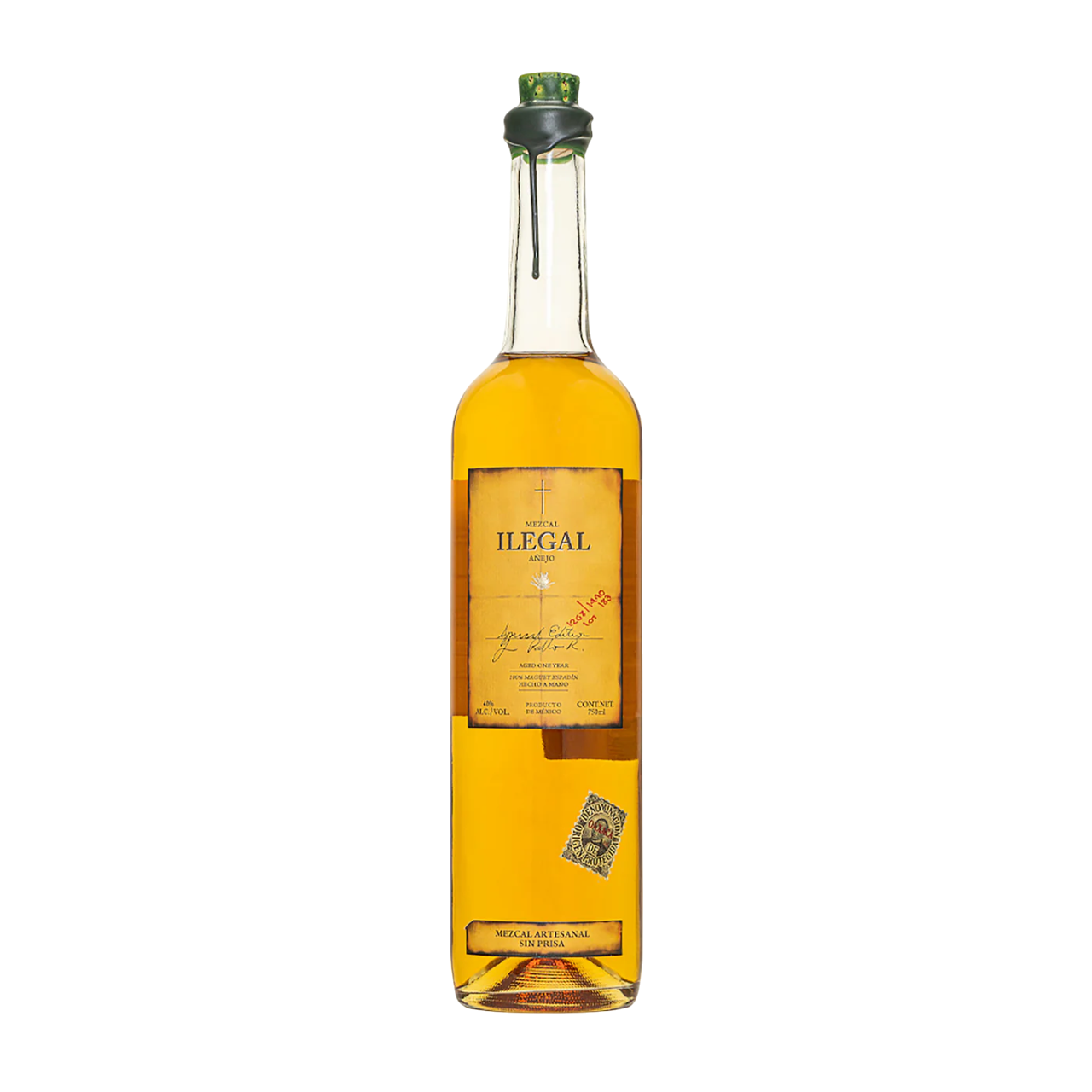
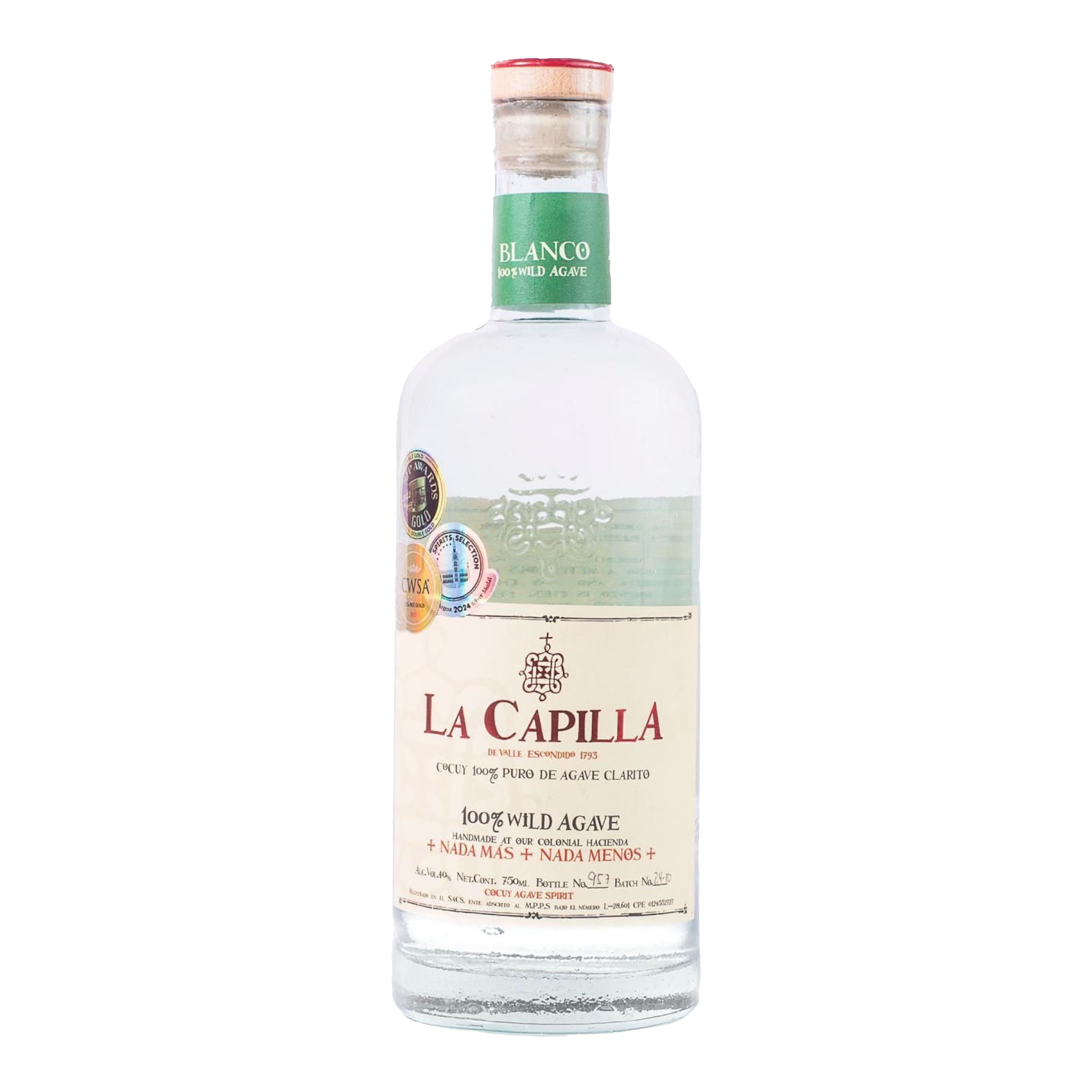




Two bottles from the same tequila brand can suit very different occasions. An expression name offers a useful first clue. But it is not a guarantee of how a tequila will taste; the producer's details and your own palate matter, too. That is especially useful when you are weighing a bottle for a slow pour against one you plan to mix.
Browse Sip Tequila's tequila collection
1800 tequila comes in expressions with distinct production and tasting profiles. Choose based on whether you prefer brighter agave character, oak-influenced notes, or a clear-looking aged style. This guide compares producer details and practical serving considerations, then checks current Sip Tequila availability against its live catalog.
To compare the bottles sensibly, start with what the brand name means and which details are confirmed about its tequila. Rather than assuming every expression follows the same process.
What Is 1800 Tequila?
1800 Tequila is a brand of tequila made in Jalisco, Mexico. Tequila itself is a regulated Mexican spirit produced from cooked Blue Weber agave; the Tequila Regulatory Council (CRT) explains its designation of origin and production requirements. That context matters: a bottle's label identifies the expression, while the category and origin rules define what can be called tequila.
For its own production description, 1800 says its agave comes from estate fields and select growers in Jalisco. Where the plants mature for six to eight years before harvest. Those are producer-reported details, not a general rule for every tequila maker. Curious about the broader process? See how tequila is made, from agave to bottle.
The name has a specific history, according to the brand's official story: it refers to the year the Beckmann family first put tequila in barrels. The same page says 1800 Anejo launched in the 1970s. These are the producer's accounts of the brand's history, rather than independently verified milestones. 1800 is part of Proximo Spirits' portfolio.
So, what does "1800" tell you as a shopper? It identifies a producer's lineup, not a single flavor profile. Its expressions differ in how they are made and presented, and those choices affect flavor, color, and serving style. For production details, 1800 describes its agave sourcing and process on its official process page. Marketing language on a brand page is useful for understanding the producer's positioning. But tasting notes remain the producer's descriptions, not a guarantee that every drinker will perceive the same flavors.
- 1800 is a Jalisco tequila brand, with production subject to tequila's protected-origin rules.
- The producer says its agave comes from estate fields and select Jalisco growers.
- The brand's official history attributes its name to the year the Beckmann family first placed tequila in barrels.
- Compare individual expressions rather than assuming the name describes one style.
How Do 1800 Tequila Expressions Differ?
The main differences are how each tequila is treated after distillation and the flavors the producer highlights. The table separates verified production details from tasting descriptions, which are the brand's own notes rather than guarantees of what every drinker will notice.
| Expression | Verified process or aging | Producer-described flavor and use |
|---|---|---|
| Blanco | Made with 100% Blue Weber agave, yeast, and water; double-distilled. | The producer notes fruit, spice, and black peppercorn, with sweet prune and roasted pepper. It suggests sipping neat, over ice, or using it in a cocktail. |
| Reposado | 100% Blue Weber agave tequila rested in new American and French oak. The producer does not state an exact aging duration on its product page. | Producer notes include caramel, mild spices, a touch of smoke, orange peel, white pepper, and marzipan. It recommends neat, on the rocks, or in a cocktail. |
| Anejo | Double-distilled in copper stills and aged in new American and French oak for more than a year. | The brand describes oaky vanilla, nut, toffee, and peppery spice, and recommends it for sipping. |
| Cristalino | An aged Anejo matured in French and American oak, then finished in port wine casks; the producer describes it as crystal clear. | Producer notes include subtle oak, vanilla, nut, citrus, and a silky, crisp port-cask finish. It suggests neat, on the rocks, or in cocktails. |
In broad terms, Blanco foregrounds the spirit's unaged profile, while oak treatment shapes the richer notes in Reposado and Anejo. Cristalino pairs an aged-tequila process with a clear appearance. For a plain-language overview of how these categories compare, see our guide to aged tequila types.
One catalog detail matters if you're shopping: Sip Tequila currently verifies a listing for 1800 Cristalino Anejo. That listing does not establish that the other expressions are available there.
- Choose by process and flavor notes, not color alone.
- Reposado's official description confirms oak resting but gives no exact duration.
- Only the Cristalino Anejo listing is currently verified in Sip Tequila's catalog.
How Aging Changes Flavor and Texture
Time in oak can bring more wood-derived aroma and flavor into tequila, while the category label gives a useful guide to how long it was aged. A university teaching module describes the broad ranges as blanco, unaged or rested up to 60 days. Reposado, 2 to 12 months; and anejo, 12 months to about two years. These are category-level descriptions, not verified aging durations for every 1800 bottle. See our guide to aged tequila types for more context.
For 1800 specifically, the producer says its Reposado is rested in new American and French oak, but does not state a duration on the product page. Its Anejo is aged in new American and French oak for more than a year. That distinction matters: the category range helps orient you, but it should not be mistaken for a bottle-specific production record.
Explore the tequila collection
The brand describes 1800 Anejo with oaky vanilla, nut, toffee, and peppery spice notes. Cristalino takes a different route: 1800 describes it as oak-aged and finished in port wine casks, with subtle oak, vanilla, nut, citrus, and a crisp port-cask finish. Those are the producer's tasting notes, not a promise that every palate will pick up the same flavors. Cristalino's clear appearance also does not mean it is unaged; the producer identifies it as an oak-aged expression.
As you compare expressions, separate the label's category from the maker's specific details. A category tells you the broad aging window. The producer's description can tell you which woods or finishing casks were used and what flavors it expects them to contribute.
- Blanco: category-level description is unaged or rested up to 60 days.
- Reposado: generally 2 to 12 months; 1800 confirms new American and French oak, not a precise duration.
- Anejo: generally 12 months to about two years; 1800 says its Anejo ages more than a year.
- Cristalino: 1800 says its version is oak-aged and finished in port casks, despite its clear appearance.
Category ranges: FIU tequila fundamentals module. 1800 details: Reposado, Anejo, and Cristalino.
Which 1800 Tequila Should You Choose for Sipping or Cocktails?
Choose by the flavor you want and how you plan to serve it. Blanco offers a brighter, peppery profile. Reposado brings oak and caramel, while Anejo suits a deeper sipping pour. Cristalino pairs aged character with a clear appearance and can work neat or in a cocktail. These are use-case cues, not a universal ranking. The producer's notes offer a practical starting point.
For a fresher, pepper-led pour or a cocktail, consider 1800 Blanco. The brand describes fruit, spice, and black peppercorn on the nose, with sweet prune and roasted pepper on the palate. It recommends Blanco neat, on the rocks, as a shot, or in a cocktail. That range makes it a fit if you want a tequila that can work across different serves, especially when you want its brighter flavor to remain noticeable. See 1800's Blanco tasting notes and serving suggestions.
For a rounder, oak-influenced option, consider Reposado. The producer says it rests in new American and French oak, and describes caramel, mild spices, slight smokiness, orange peel, white pepper, and marzipan. Its suggested uses include cocktails, neat pours, and serving on the rocks. If you want some oak and sweetness without choosing the brand's designated sipping expression, Reposado offers that middle ground. Read the producer's notes for 1800 Reposado.
For slow sipping, start with Anejo. 1800 says its Anejo spends more than a year in new American and French oak. With notes of vanilla, nut, toffee, and peppery spice; the producer specifically calls it ideal for sipping. Choose it if those deeper oak and dessert-like notes appeal to you. If you prefer aged character but want a crystal-clear tequila. Cristalino may suit you better: it is described as a clear Anejo finished in port wine casks, with subtle oak, vanilla, nut, and citrus notes. 1800 suggests enjoying Cristalino neat, on the rocks, or in cocktails. See 1800 Anejo details and Cristalino's producer notes.
- Choose Blanco for bright fruit and pepper, neat or mixed.
- Choose Reposado for caramel and oak with versatile serving options.
- Choose Anejo when you want a richer, producer-recommended sipping pour.
- Choose Cristalino for clear looks with aged notes and cocktail flexibility.
Want ideas for the serve itself? Explore these tequila bottles for cocktails and classic recipes.
Is 1800 Tequila Good Quality or Top Shelf?
There is no official tequila class called "top shelf," so the label is a subjective shorthand, not a regulated quality grade. A more useful question is whether a particular bottle offers the production details, flavor and style you want. Tequila itself has defined standards: the Tequila Regulatory Council (CRT) describes tequila as a protected Mexican spirit made from cooked Blue Weber agave and produced under Mexico's tequila regulations. Those standards establish what can be called tequila; they do not rate one brand above another.
For 1800, check the details of the expression rather than making a brand-wide judgment. The producer says its agave comes from estate fields and select growers in Jalisco, where plants mature for six to eight years before harvest, as described in its production overview. That offers useful context about sourcing, but it is not a standalone quality score. A careful evaluation also looks at what the producer discloses about the particular bottle. How its production choices shape the spirit, and whether the resulting profile suits your palate.
For example, the producer describes 1800 Cristalino as an Anejo aged in French and American oak and finished in port wine casks. With notes of subtle oak, vanilla, nut and citrus. Those are the maker's stated production and tasting details, not an independent score. The clear appearance may appeal if you want an aged tequila presented without the darker color associated with barrel aging. While the port-cask finish gives it a distinct profile. See the producer's Cristalino details to review its description. The CRT's overview explains the regulated Blue Weber agave origin and production framework; meeting that definition is a baseline for tequila, not proof of a particular ranking.
Quality is also about fit. If you enjoy those flavor notes and want an aged, oak-influenced profile, this expression may suit you. If you prefer a different balance of agave character, sweetness, spice or oak, another bottle may be a better match. Asking whether 1800 is "better" than Patron has no universal answer; taste preference is individual, and the specific expressions being compared matter.
- "Top shelf" is not an official tequila category.
- Use verified production and expression details, not a sweeping brand rating.
- Choose based on the flavor profile and serving style you enjoy.
What to Check Before Buying 1800 Tequila
Before choosing a bottle, confirm its full expression name and check the current product listing. Blanco, Reposado, Anejo, and Cristalino signal different styles, so do not carry details from one bottle to another. The producer lists its standard Cristalino in a 750 ml bottle at 40% ABV (80 proof). Check the official Cristalino page and the bottle label for details, especially for a special release.
- Verify expression and bottle details. Check the exact expression, bottle size, ABV, and age category shown on the label and product page. Do not carry details across expressions.
- Match the style to your plans. The producer describes Cristalino as aged and finished in port wine casks, with notes of subtle oak, vanilla, nut, and citrus. Consider whether that profile suits sipping or the kind of cocktail you want to make.
- Confirm retailer listing and stock. Sip Tequila's only currently verified 1800 listing is 1800 Cristalino Anejo. The brand's own broader product lineup is not proof that Sip Tequila carries those other expressions. Recheck the live listing for current details and availability.
For authenticity context, the Consejo Regulador del Tequila explains that tequila has a regulated Designation of Origin and is made from Blue Weber agave in authorized production areas. Use the label and reliable product information rather than color or a familiar brand name alone to assess a bottle.
Browse the current tequila selection
Frequently Asked Questions
Is 1800 Tequila considered top shelf?
"Top shelf" is an informal market label, not one of the five tequila classes listed in Mexico's official standard. A more useful check is whether the expression suits your taste and whether its production details are clear. The 1800 producer describes different aging and finishing methods across its range; those details help you compare styles, but they do not make one bottle universally best. See the official tequila standard.
What company owns 1800 Tequila?
1800 Tequila is a brand of Proximo Spirits, according to Proximo Spirits' brand page.
Which 1800 expression is best for sipping or cocktails?
Choose by the profile you want rather than a universal ranking. The producer recommends 1800 Anejo for sipping and says Blanco works in cocktails; Reposado and Cristalino are also suggested neat, on the rocks, or in cocktails. Blanco brings fruit and pepper notes, while Cristalino combines oak aging with a port-cask finish. Read the producer's Anejo, Blanco, and Cristalino descriptions, then match the flavor to your pour.
How much tequila counts as one standard drink?
A 1.5-fluid-ounce pour of 40% distilled spirits, including tequila, is one U.S. standard drink, according to the National Institute on Alcohol Abuse and Alcoholism. Actual pours can be larger, so serving size matters.
Ready to Browse the Current Tequila Selection?
Use the expression comparisons to decide what style fits your taste, then check the live catalog for current availability. This guide does not imply every 1800 expression is in stock.
Browse Sip Tequila's current tequila selection.


