


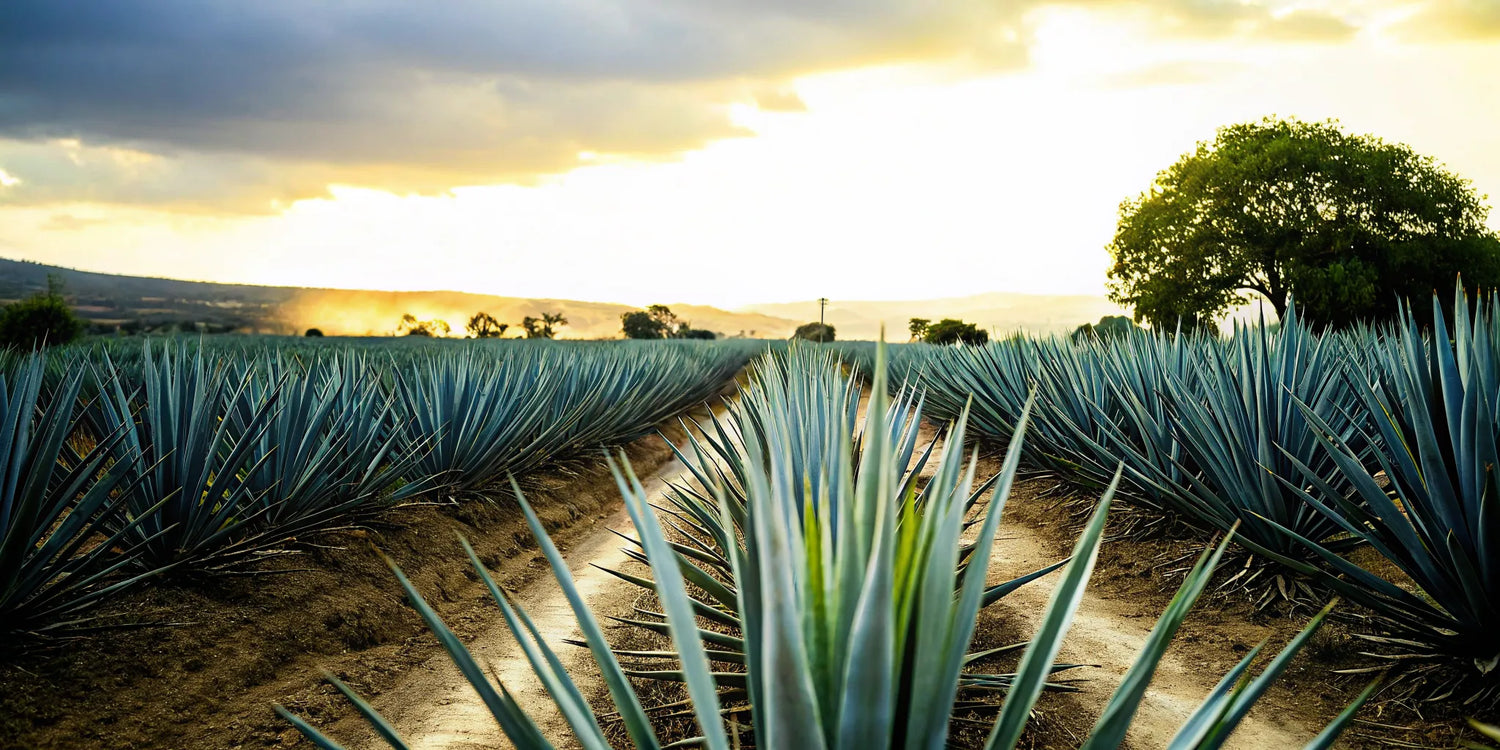
Tequila doesn't begin in a still or a barrel. It begins years earlier, in a field of Blue Weber agave, where each plant develops the sugars that will eventually become a distinctive spirit.
How is tequila made? Mature Blue Weber agave is harvested, cooked to turn inulin into fermentable fructose, milled for its sweet juice, fermented with yeast, and distilled twice. The resulting spirit may be bottled as blanco or rested in white oak to become reposado or añejo. This four-stage outline is supported by a peer-reviewed production study from the National Library of Medicine: read the research.
That sequence sounds straightforward, but the choices made before fermentation shape the tequila's texture, aroma, and flavor. Start with the plant itself, including why producers use Blue Weber agave and why bringing it to harvest takes patience.
How Is Tequila Made? It Starts With Blue Weber Agave
Before tequila becomes a spirit, it begins as a living plant with a long growing season. The heart of the Blue Weber agave is harvested, cooked, and milled to release a sweet juice. That juice is fermented and then distilled into tequila. In other words, the plant's character is part of the spirit's foundation long before it reaches a bottle. For a quick clarification on the plant itself, see our guide to the blue agave plant.
The Only Legal Agave
Tequila is made from fermented Blue Weber agave juice, botanically known as Agave tequilana Weber Azul. Since 1964, this has been the only agave species legally permitted for tequila production. That rule matters because "agave spirit" is a broader category. A bottle can be made from another agave species and still be a legitimate agave spirit, but it cannot legally be called tequila.
The plant is packed with inulin, a complex carbohydrate that must be transformed before fermentation can do its work. Cooking later breaks that inulin into simpler fructose sugars. Those sugars give yeast something to convert into alcohol, while fermentation also creates compounds that contribute to aroma and flavor. The finished spirit, therefore, reflects both the raw material and the decisions made at the distillery.
A Plant That Takes a Decade
Blue Weber agave typically needs 8 to 12 years to mature before harvest. During that time, growers manage the fields with ongoing cleaning and pest control. This is not an annual crop that can be replaced quickly when demand changes. Every harvest represents years of cultivation and planning.
At maturity, a Blue Weber agave can reach about 1.2 to 1.8 meters tall and spread 2.1 to 3.6 meters across. Its leaves surround the dense central heart, or piña, where the plant stores the carbohydrates that eventually become fermentable sugar. Once the piña is harvested, the next stages of tequila production can begin.
- Tequila starts with fermented Blue Weber agave juice, not cactus.
- Only Agave tequilana Weber Azul is legally used for tequila.
- The plant may spend 8 to 12 years growing before harvest.
- Cooking unlocks the sugars needed for fermentation and distillation.
Harvesting: Jimadores and the Piña
After years in the field, Blue Weber agave is ready for its most hands-on transformation. A skilled harvester, called a jimador, evaluates each plant and cuts it at the right time. Agave typically needs 8 to 12 years to mature before harvest. So this isn't a crop that can be rushed without changing the raw material that reaches the distillery.
Growing the plant takes attention throughout that long cycle. Agave is commonly planted just before the June-to-September rainy season, giving young plants the moisture they need to establish themselves. For the rest of the plant's life, growers manage the land with regular weeding, soil work, and pest control. Those field practices help the agave develop the sugars that later become tequila's foundation. Research on tequila production and agave cultivation documents both the maturity timeline and the ongoing care involved.
When harvest day arrives, the jimador uses a long-handled, rounded blade called a coa. The goal is selective and precise: remove the tall, pointed leaves and cut away the roots and remaining leafy material while leaving the dense central core. The finished core is the piña, named for its resemblance to a pineapple. It may look simple once the leaves are gone, but shaping a clean piña takes experience and physical skill.
- Inspect the agave and judge whether it has reached maturity.
- Cut the leaves close to the core with the coa.
- Trim away roots, stalks, and leftover green material.
- Shape and collect the piñas for transport to the distillery.
- Sort the harvested cores so the next production stage starts with suitable agave.
The piña is the fermentable heart of the plant because it stores the carbohydrate reserves that cooking will later unlock. In particular, cooking changes complex inulin into simpler fructose sugars. Once the piñas reach the distillery, they can be cooked, milled, and prepared for fermentation. That link between careful fieldwork and fermentable juice is a key part of understanding how tequila moves from agave to spirit.
Cooking and Crushing: Releasing the Sweet Juice
Once the jimador has harvested the piñas, the dense agave hearts still aren't ready to ferment. Cooking unlocks their usable sugars, and milling separates those sugars from the cooked plant fibers. Together, these steps transform a firm, fibrous crop into a sweet juice that yeast can work with.
Brick Hornos and Autoclaves
Traditional brick hornos cook agave slowly in masonry ovens. The gentle heat can take time, but it is closely associated with the roasted, earthy character many drinkers recognize in traditionally produced tequila. Autoclaves take a more controlled, industrial approach: sealed vessels use steam pressure to cook the agave more quickly and consistently.
The chemistry behind both methods is essential. Raw agave stores much of its carbohydrate as inulin, a complex form that yeast cannot readily ferment. Cooking hydrolyzes that inulin into simpler fructose sugars, creating the sweet, fermentable material needed for the next stage. This cooking step is part of the four-stage production sequence identified in technical research: cooking, milling, fermentation, and two-step distillation. Read the production research for the full process overview.
Some producers use a diffuser instead. Rather than relying primarily on heat from a horno or autoclave, a diffuser washes sugars from raw or prepared agave, typically alongside acid hydrolysis. It can be efficient, but it represents a different production philosophy from slower oven cooking. The method used can shape how much of the cooked-agave character carries into the final spirit.
Milling the Cooked Agave
After cooking, the softened piñas are crushed or milled to release their fructose-rich juice. Traditional tahona milling uses a large stone wheel, while roller mills use mechanical pressure to break down the fibers. In either case, the goal is the same: extract as much fermentable sugar as practical while separating the juice from the spent fiber, often called bagasse. The extracted liquid then moves to fermentation, where yeast converts its sugars into alcohol and flavor compounds.
One detail matters when you compare bottles: tequila labeled "100% agave" is made entirely from blue Weber agave sugars. While tequila made under the broader category may legally include up to 49% adjunct sugar, commonly from cane or corn, before fermentation. That distinction doesn't tell you everything about quality, but it does tell you what supplied the fermentable sugar.
Fermentation and Distillation: From Juice to Spirit
Once the cooked agave has been milled, the resulting juice is ready for fermentation. This is where sweet, plant-derived liquid becomes an alcoholic base, and where the future tequila begins developing its character.
Fermentation with Native Yeast
Fermentation relies on yeast, commonly Saccharomyces cerevisiae, to convert the available sugars into ethanol. The process also creates organoleptic compounds, the flavor- and aroma-active molecules that influence what you notice in the finished spirit. In other words, fermentation does more than produce alcohol. It helps establish the foundation for tequila's aroma and taste profile.
Distilleries may manage fermentation in different ways, including choices around yeast, vessels, temperature, and timing. Those details affect how the agave juice develops before it reaches the still. The core transformation remains the same: sugars extracted from cooked agave are converted into ethanol and other compounds that contribute to the spirit's sensory character. Research on tequila production identifies both ethanol and organoleptic compounds as products of this stage.
The Two-Step Distillation
After fermentation, the liquid is relatively low in alcohol and contains water plus a range of volatile compounds. Distillation separates and concentrates these components through heat and condensation. Tequila production uses a two-step distillation process, with each run helping refine the spirit and increase its alcohol concentration.
The first run produces a rough distillate. The second run gives the distiller more control over which portions become part of the final tequila. The earliest portion, called the heads, can contain an overly sharp concentration of volatile compounds. The middle portion, known as the hearts, is generally the cleanest and most balanced section, so it is collected for the finished spirit. The final portion, the tails, can bring heavier flavors and compounds, and is separated according to the distillery's process.
These cuts aren't just technical housekeeping. They help determine whether the spirit feels clean, expressive, earthy, or harsh in the glass. After distillation, tequila may be bottled as blanco or moved into oak for maturation, depending on the expression the producer intends to create.
Aging and Tequila Expressions: Blanco to Extra Anejo
Once tequila has been distilled, the producer can bottle it immediately or let the spirit rest in oak. That choice changes more than the color. Time in a barrel can add notes of vanilla, toasted wood, caramel, spice, and dried fruit, while also softening some of the spirit's sharper edges. Tequila does not become automatically better with more age, though. Each expression has its own balance, and the best choice depends on how you plan to drink it.
The Aging Timeline
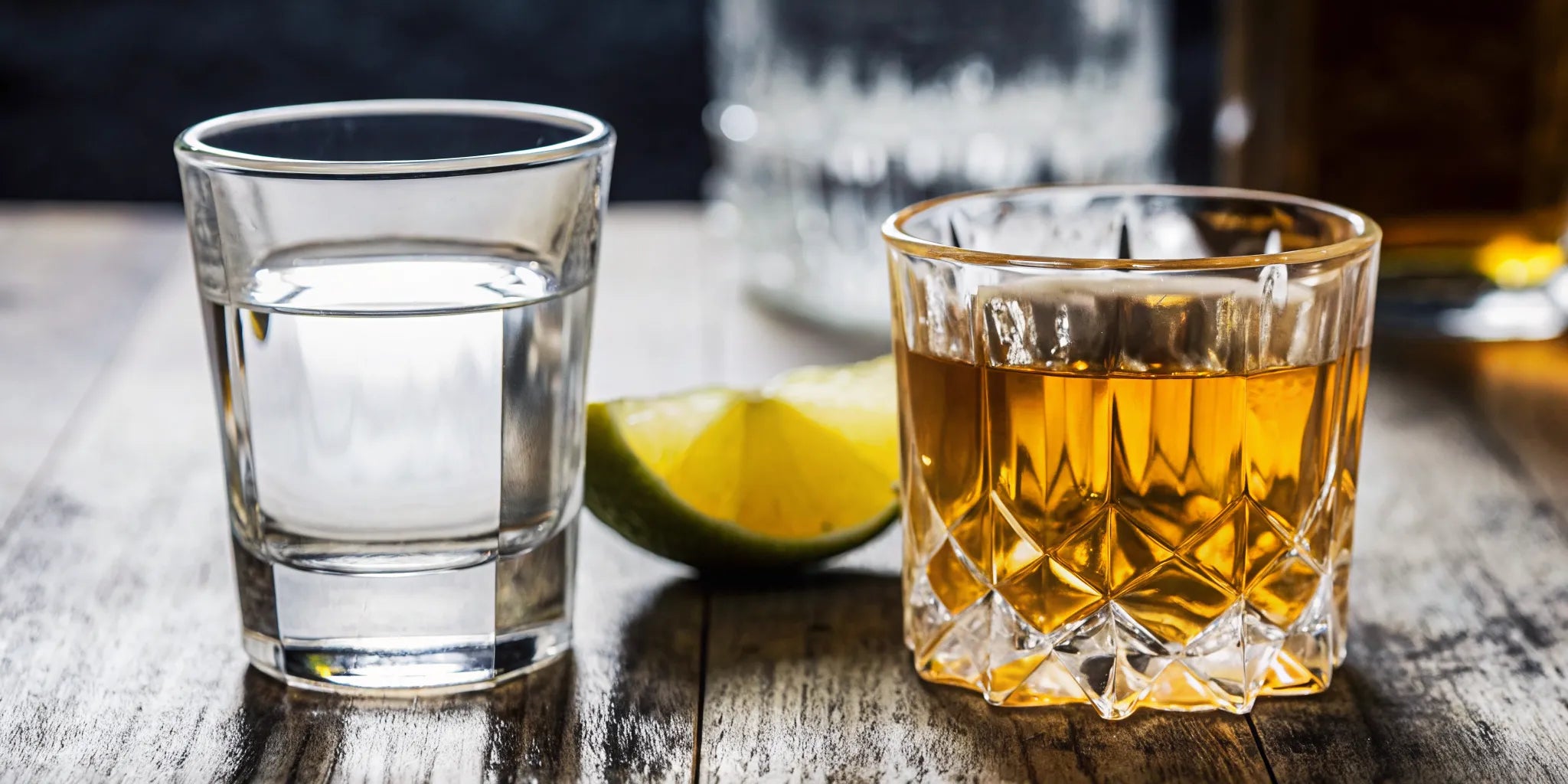
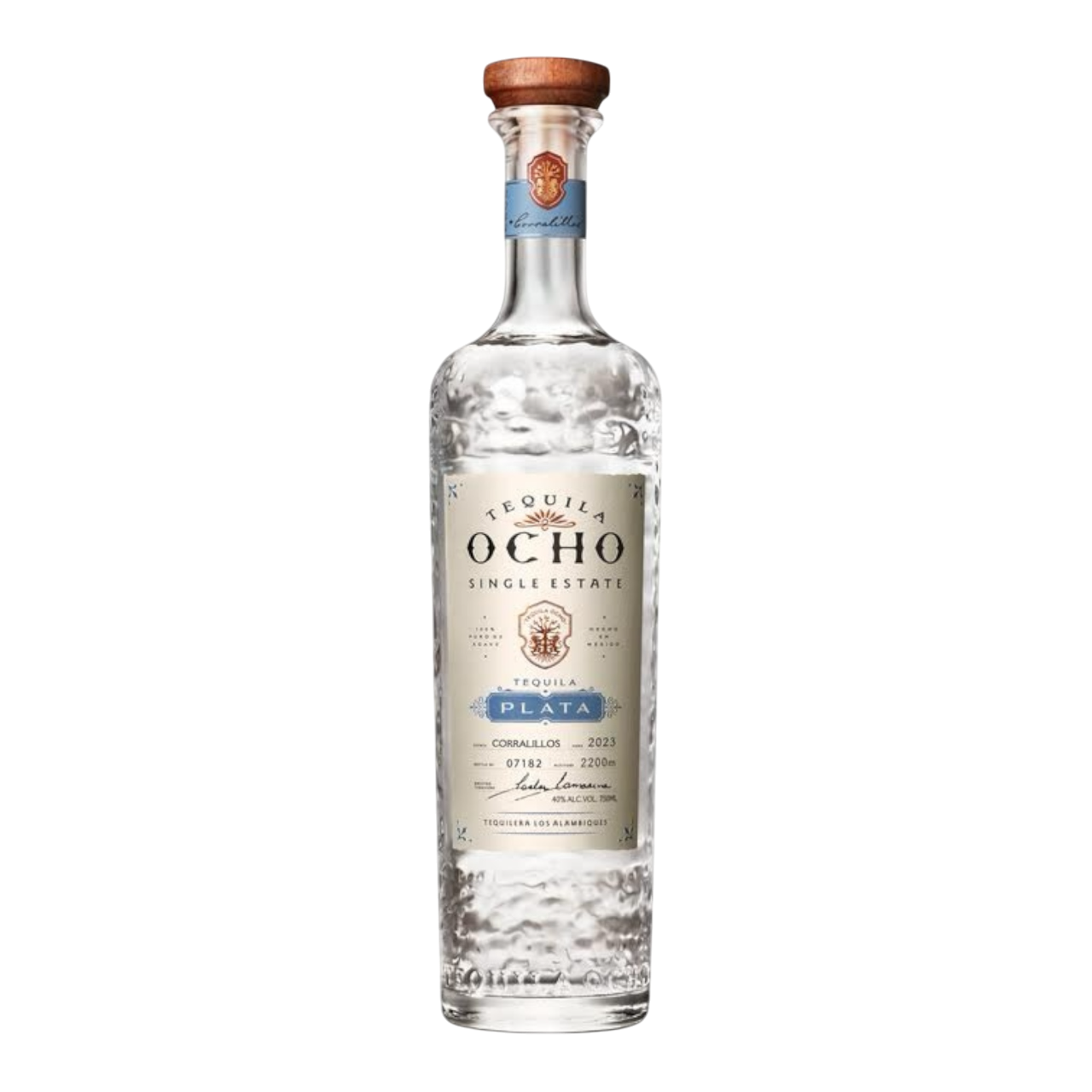
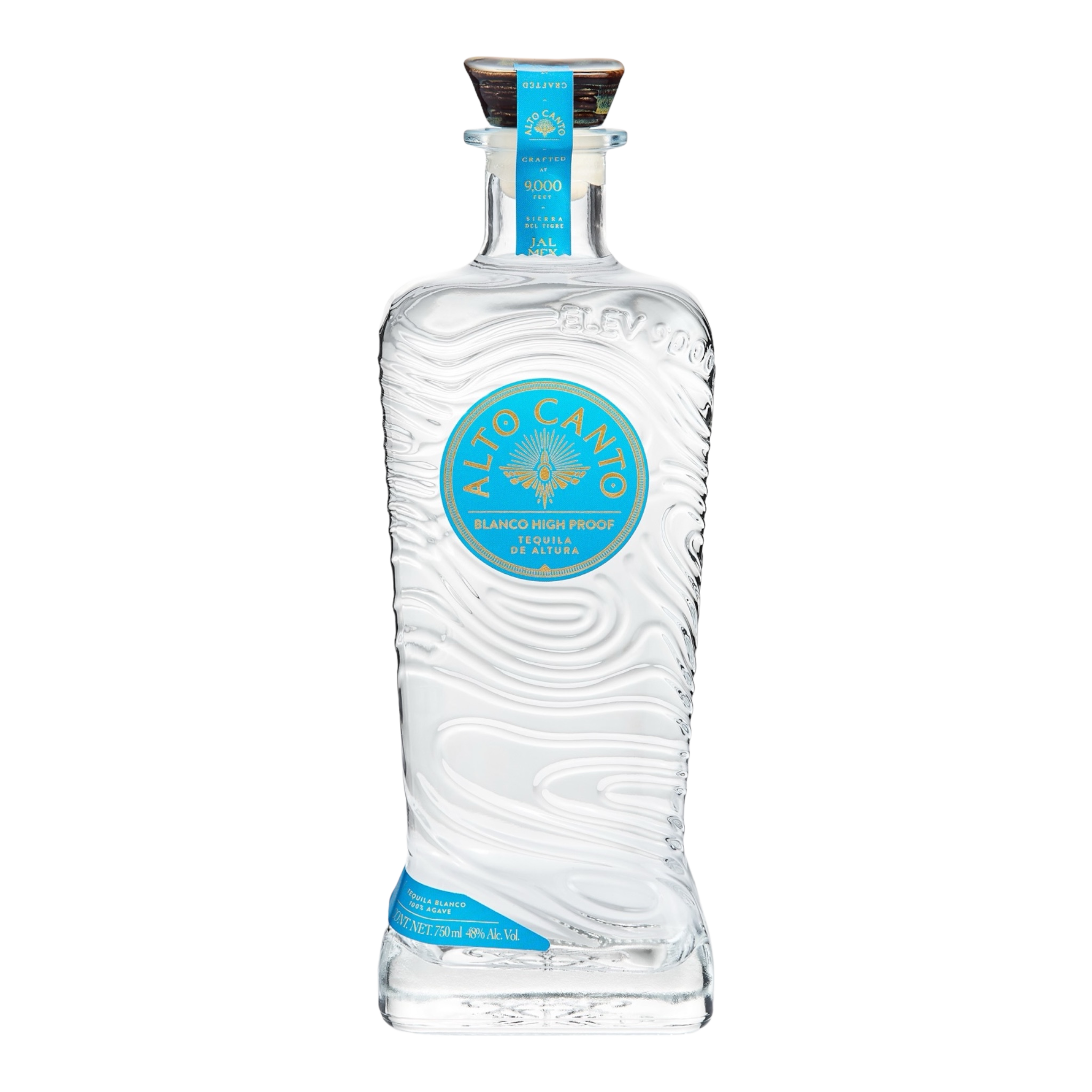
Blanco tequila is unaged, or rested only briefly to allow the spirit to settle before bottling. Because it spends little or no time in wood, it puts the character of the cooked agave and the distillation process front and center. Look for bright, fresh flavors and a peppery or herbal finish.
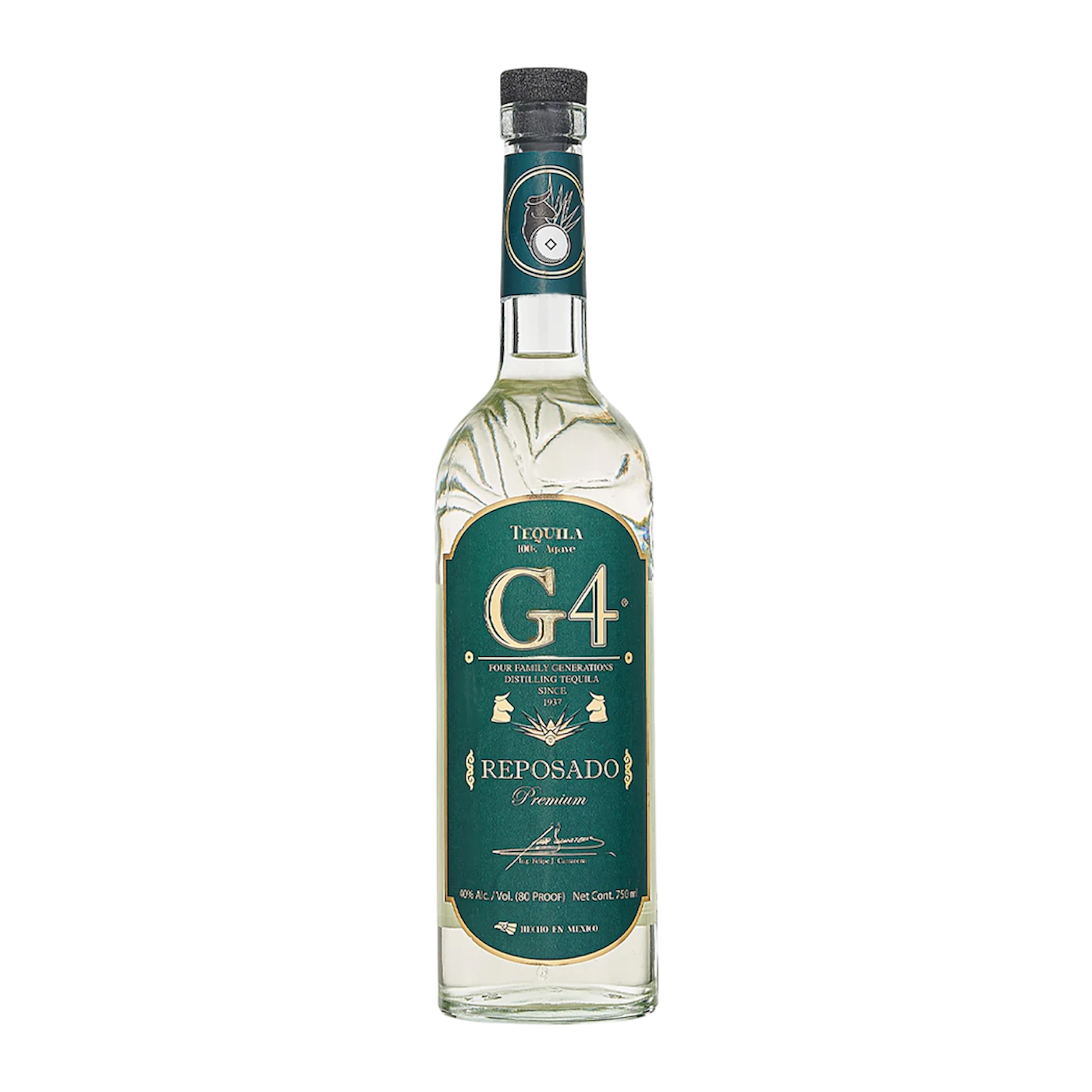
Reposado means "rested." It must mature for at least two months in oak, and commonly falls within a two- to 11-month window. The barrel contributes a golden tint and gentle notes of vanilla, baking spice, and oak without completely covering the agave. It is a flexible expression for sipping or for cocktails where you want a little more roundness.
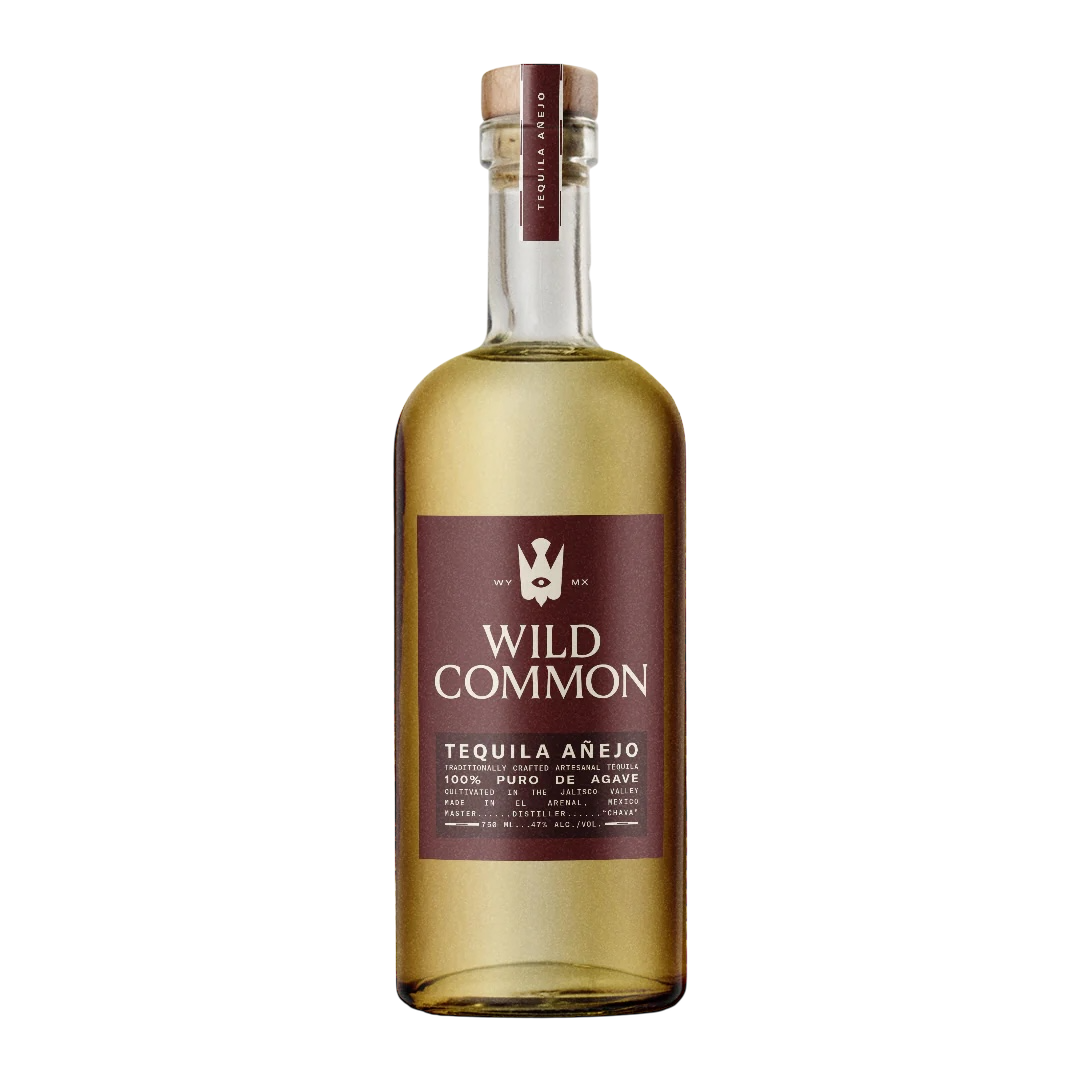
Anejo tequila spends at least 12 months in oak. In practice, the category generally covers tequila aged from 12 through 35 months. The longer rest builds a deeper color and a fuller profile, often with richer oak and dried-fruit notes. Research describes reposado as rested for two months and anejo as aged for 12 months in white oak barrels: the production research explains the aging categories.
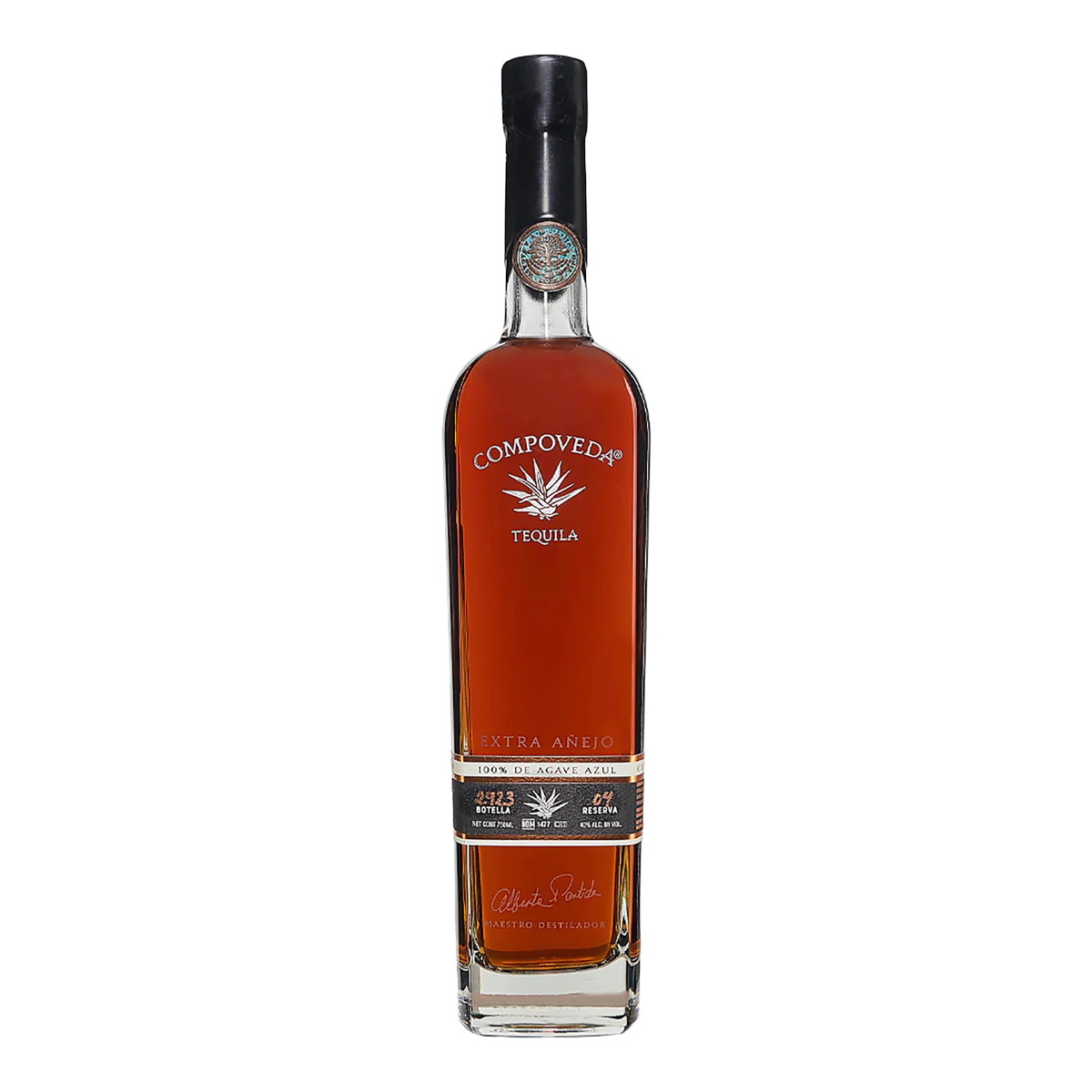
Extra anejo is aged for three years or more. It tends to be the most oak-influenced expression, with a round, spirit-forward profile that many people enjoy slowly in a glass. For a closer look at this category, read our extra anejo guide.
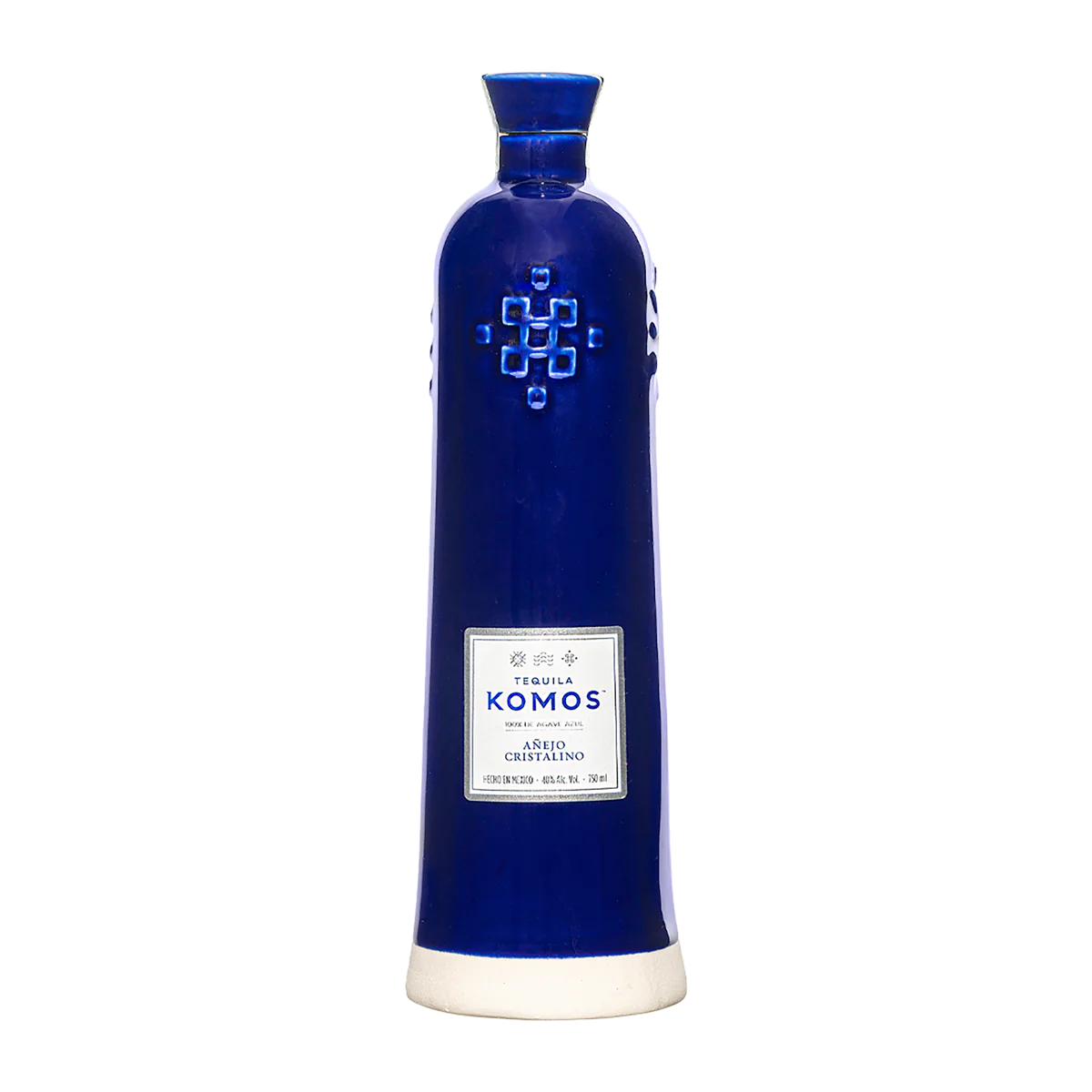
Cristalino is aged tequila that has been filtered, often to remove much of its color while retaining some barrel-developed character. The result can look like blanco but drink with a softer, more mature profile. If that style interests you, our guide to cristalino tequila breaks down what to expect.
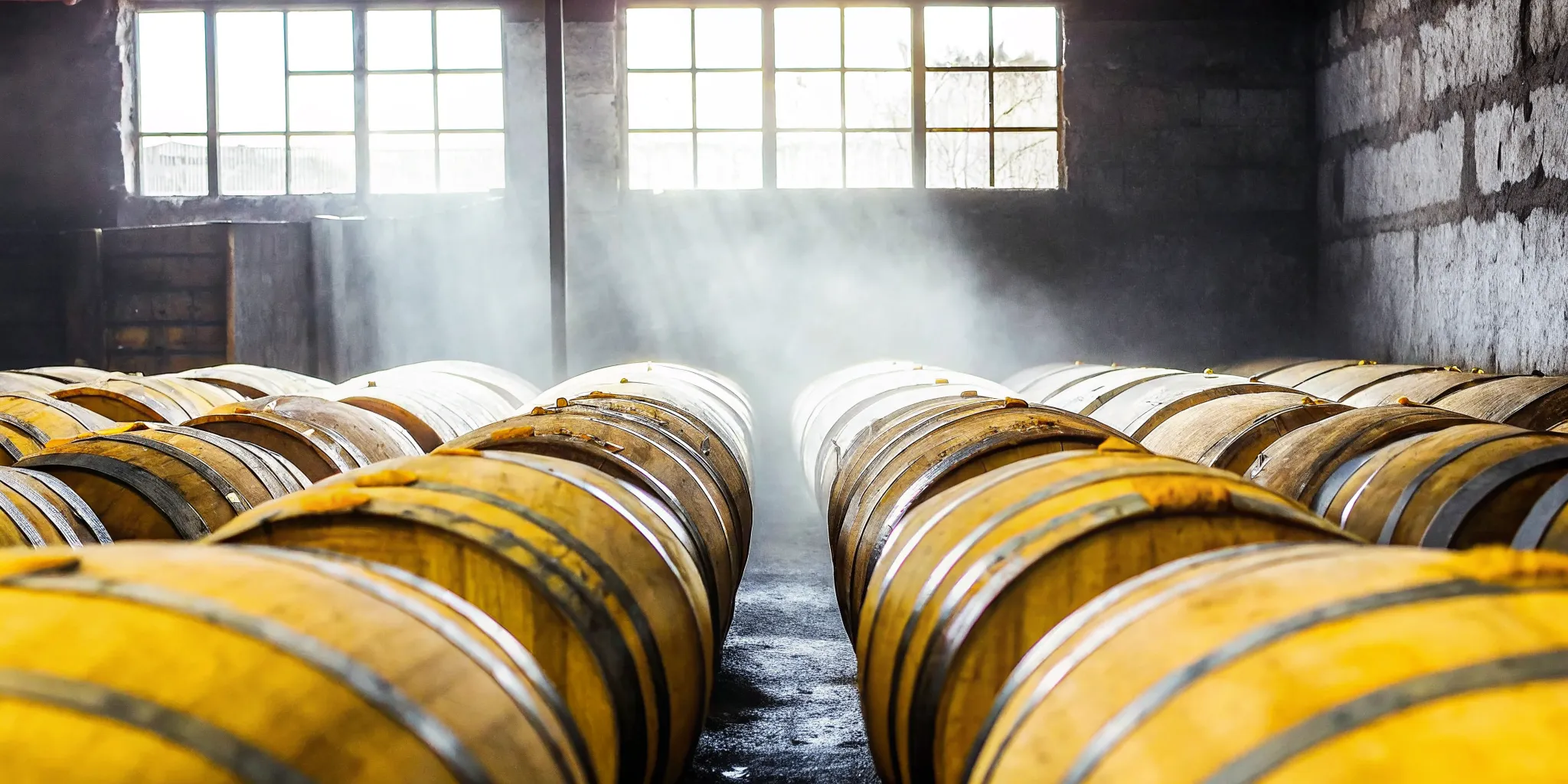
Think of the expressions as different stopping points in the same journey. Blanco highlights the raw material, while time and oak gradually shift the spirit toward richer, more layered flavors.
Traditional Tequila vs Diffuser-Made Tequila
Both traditional and diffuser-based methods turn cooked or processed agave into a fermentable liquid, then into tequila through fermentation and distillation. The difference is how the sugars are released and how much of the agave's character can carry through the process. Neither method alone tells you whether a bottle is right for your palate, but understanding the distinction makes labels and tasting notes easier to interpret.
| Traditional production | Diffuser production |
|---|---|
| Agave preparation: Whole piñas are cooked in brick hornos or autoclaves. Heat hydrolyzes inulin, a complex carbohydrate, into fermentable fructose sugars. Research on tequila production identifies cooking, milling, fermentation, and two-step distillation as the core process. | Sugar extraction: Agave fiber is processed in a diffuser, where water and acid hydrolysis release sugars without the horno or autoclave cooking stage. |
| Time and texture: Cooking and milling are deliberate steps, followed by slower fermentation. Pot or column distillation can preserve more of the cooked agave's aromas and flavors. | Time and scale: Diffusers are designed for speed and high-volume extraction. The resulting spirit is commonly column-distilled and may taste more neutral or less overtly agave-forward. |
| What you may notice: Roasted, earthy, vegetal, or peppery notes can be more apparent, depending on the producer, fermentation, distillation, and the agave itself. | What you may notice: A lighter or cleaner profile may appeal if you prefer a more neutral base for cocktails. Flavor varies widely by producer and finishing choices. |
The key technical contrast is not simply "old" versus "new." A diffuser uses acid hydrolysis and efficient extraction. While traditional cooking develops and releases sugars through heat before milling. Since cooking converts inulin into fructose, the method can influence the compounds available for fermentation and, ultimately, the spirit's aroma and flavor. You can read our full guide to diffuser tequila for a closer look.
When tasting, look beyond production method alone. The quality of the agave, fermentation choices, distillation cuts, proof, and any additives or maturation all matter. Comparing blanco tequilas side by side is often the clearest way to discover whether you prefer a pronounced cooked-agave profile or a softer, more neutral expression.
From Distillery to Your Door: Buying Tequila That Was Made Right
Once you understand how tequila is made, the bottle becomes easier to evaluate. You do not need to memorize every production detail or chase the most expensive label. Start with a few signals that tell you what is actually in the bottle and how the spirit was produced.
Start with 100% agave
Look for the words 100% agave on the label. This means the fermentable sugars come entirely from Blue Weber agave rather than including other sugars. That distinction matters because agave takes roughly eight to twelve years to mature, and its cooked sugars bring the plant character you want to taste. Tequila is distilled from fermented agave juice, and fermentation also creates compounds that contribute to aroma and flavor, not just alcohol. Research on tequila production describes this relationship between the agave sugars, fermentation, and the finished spirit.
Quality-focused producers generally let cooked agave speak for itself instead of relying on additives to create sweetness, color, or a particular aroma. An additive-free approach is not the only thing that determines whether you will enjoy a tequila, but it can make the label and tasting experience more straightforward.
Use the NOM as a traceability clue
The NOM, or Norma Oficial Mexicana number, identifies the distillery authorized to produce the tequila. It is not a flavor score, but it gives you a way to connect a brand to a specific producer and compare bottles made at the same facility. If you want to go beyond the front label, start with this guide to reading NOM numbers. A little label research can reveal whether a bottle's story is supported by a real production source.
Choose the expression for the way you drink
For bright agave flavor, pepper, and citrus, choose a blanco. It is usually the clearest view of the distillery's raw spirit. Reposado spends at least two months in oak, adding a little roundness and gentle barrel character. Añejo, spelled anejo here for plain-text clarity, is aged at least twelve months and tends to suit slow sipping. If you are mixing cocktails, blanco is a versatile starting point; if you are sipping neat, reposado or anejo may offer the extra texture you want. The best purchase is the one whose production choices match your palate, glass, and occasion.
Frequently Asked Questions
How is tequila made step by step?
Tequila begins with mature Blue Weber agave. A jimador harvests the plant and removes its leaves, leaving the piña, or heart. Producers cook the piñas to convert inulin into fermentable fructose, mill them to extract the sweet juice, ferment that juice into alcohol, and distill it twice. The resulting blanco tequila may be bottled, or it can rest in white oak barrels to develop a different expression. This sequence is summarized in peer-reviewed production research (PubMed).
What is the main ingredient in tequila?
The defining ingredient is the cooked juice of Blue Weber agave, botanically known as Agave tequilana Weber Azul. The plant typically takes eight to 12 years to mature before harvest. Some tequila may include adjunct sugars from cane or corn, so check for 100% agave to get a spirit made entirely from agave sugars (production research).
What happens during tequila fermentation?
After cooking and milling, yeast converts the agave sugars into ethanol. Fermentation also creates organoleptic compounds, the aroma and flavor compounds that help shape the finished spirit. Distillation then concentrates the alcohol and refines the fermented liquid through two stages.
How long is tequila aged?
Blanco tequila is generally bottled without a required barrel-aging period. Reposado tequila is rested in white oak for at least two months, while añejo tequila is aged for at least 12 months. The barrel adds time, color, aroma, and flavor, so the right expression depends on whether you prefer fresh agave character or deeper oak influence (aging research).
Ready to Shop Tequila by Expression?
Now that you know how tequila moves from agave to bottle, you can choose an expression with a clearer sense of what you want in the glass. Prefer bright and unaged, gently rested, or richer barrel influence? Shop tequila by expression to explore the collection and find a bottle that fits your taste.