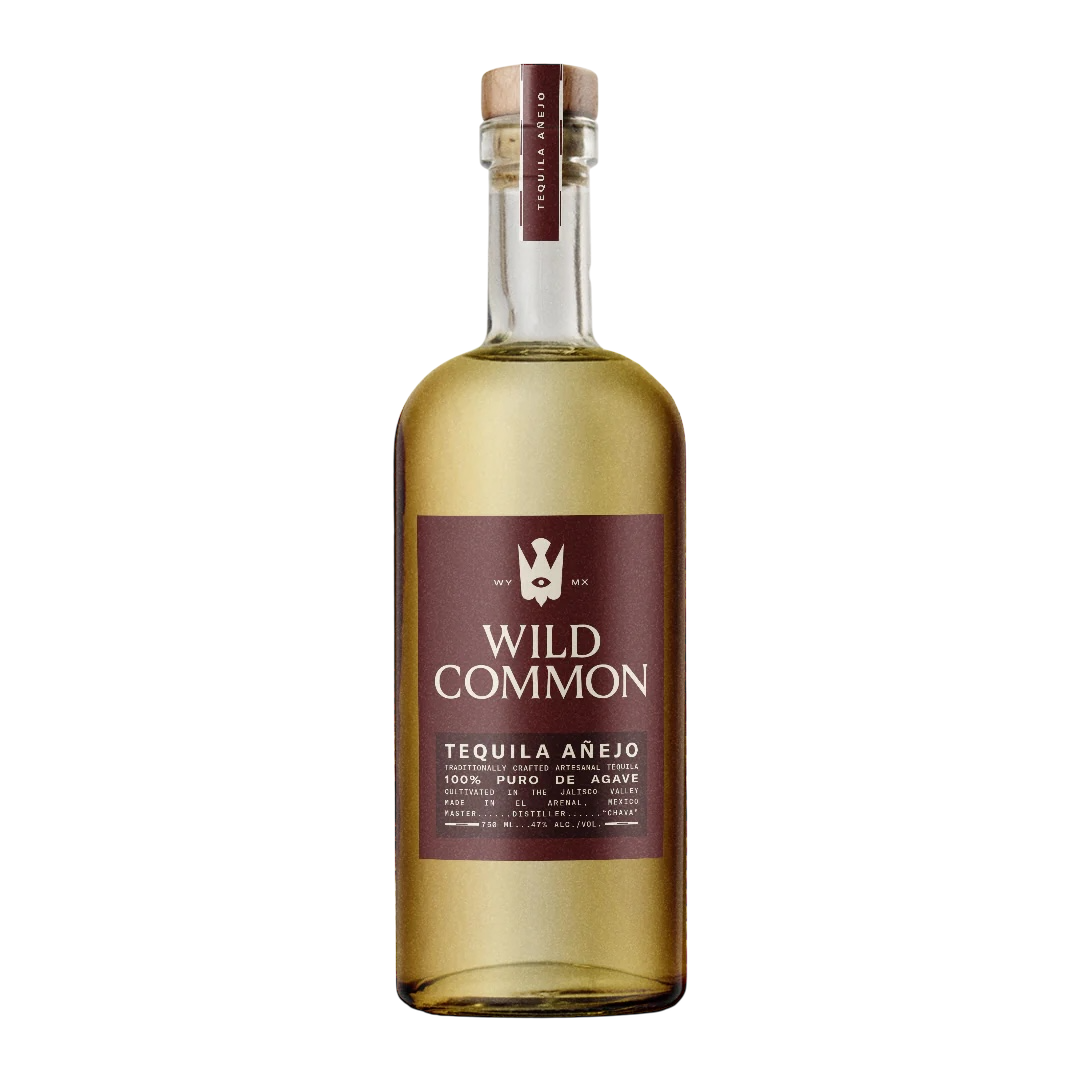
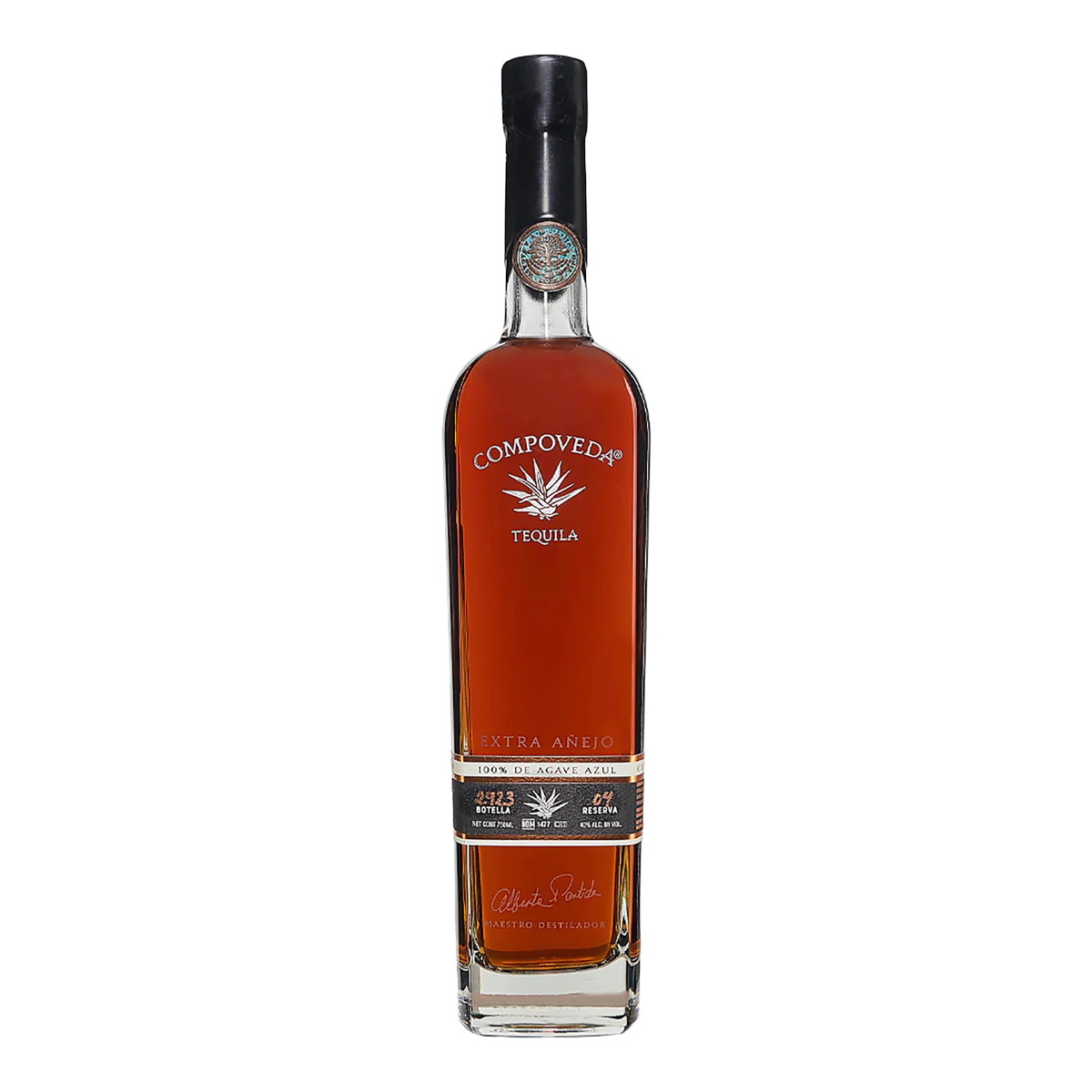
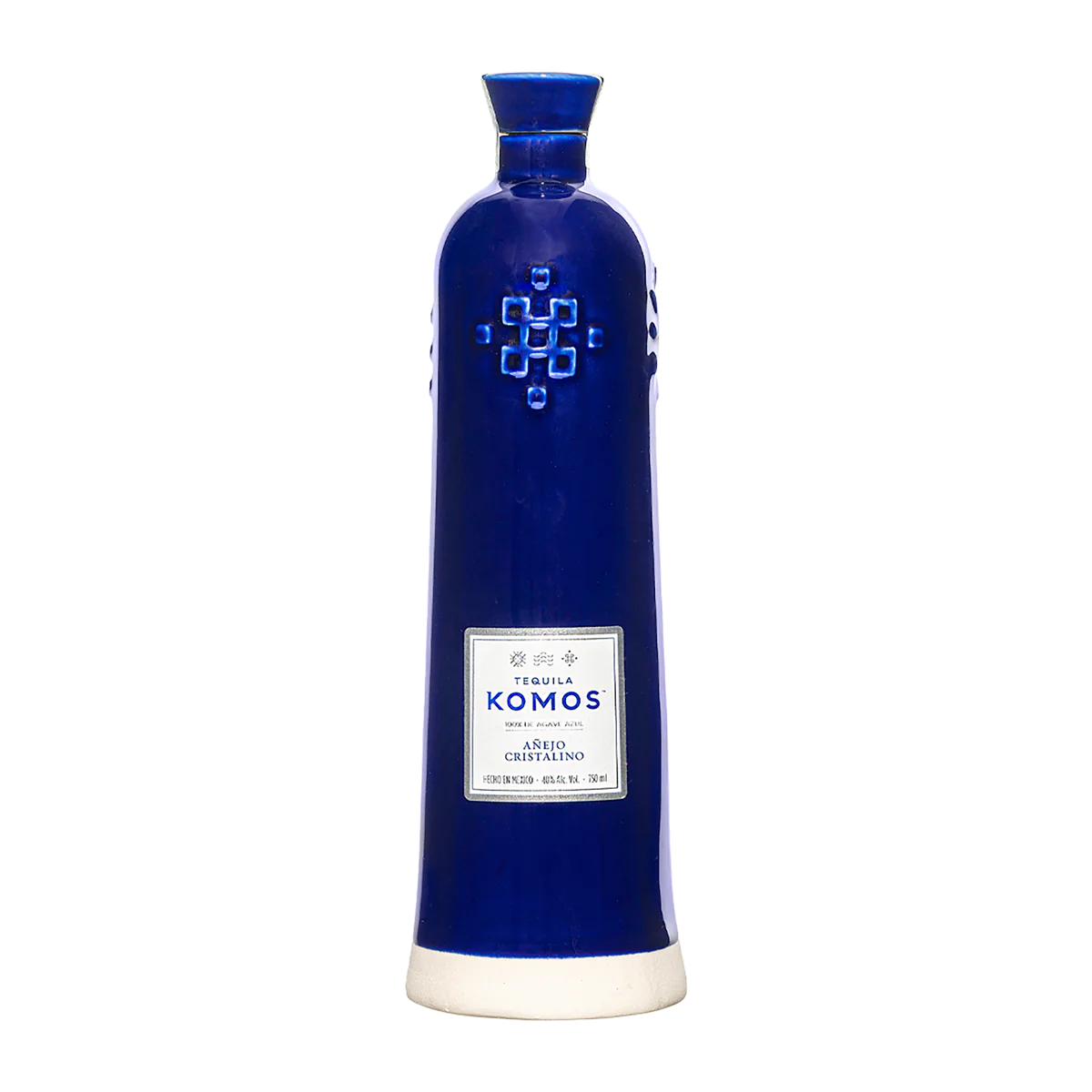
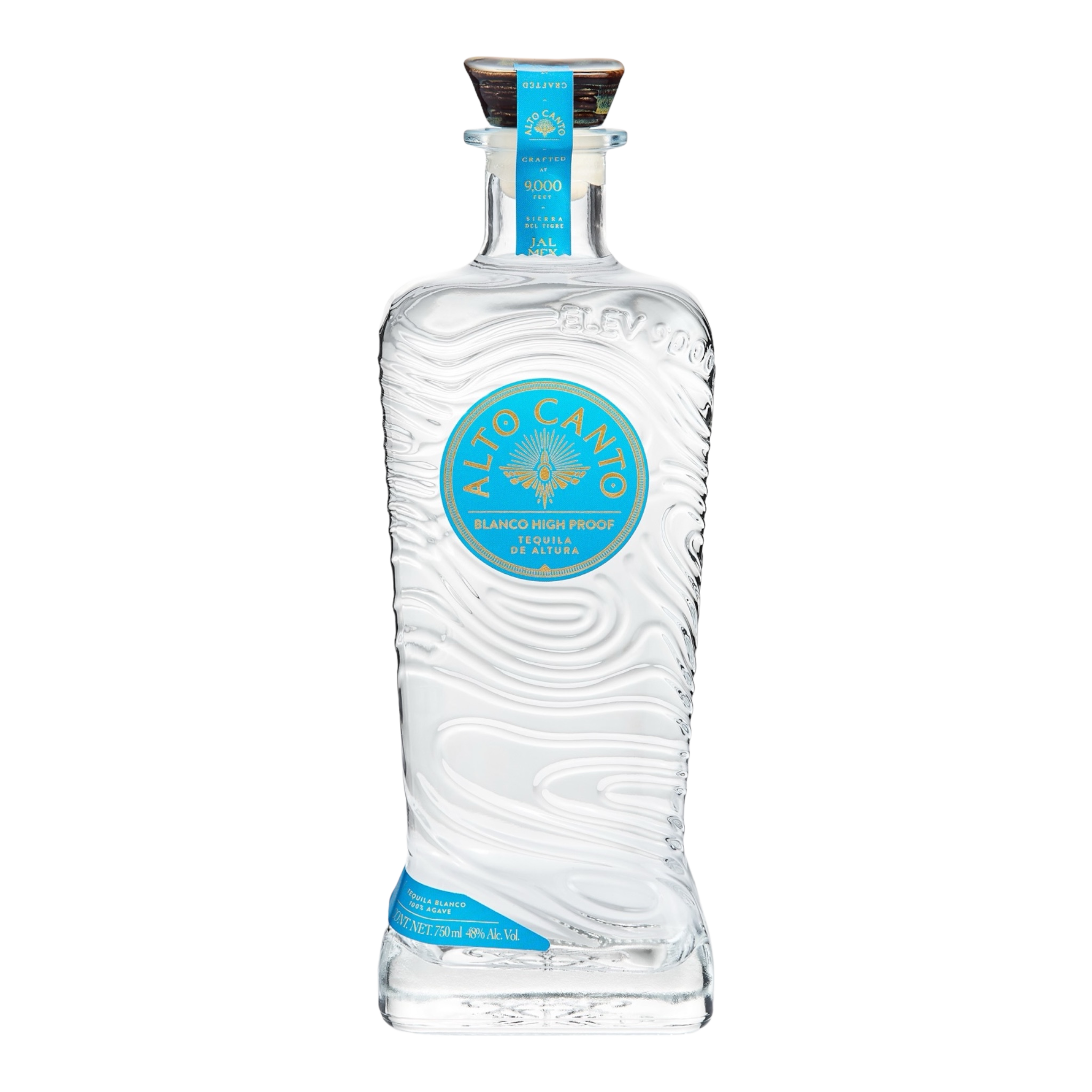



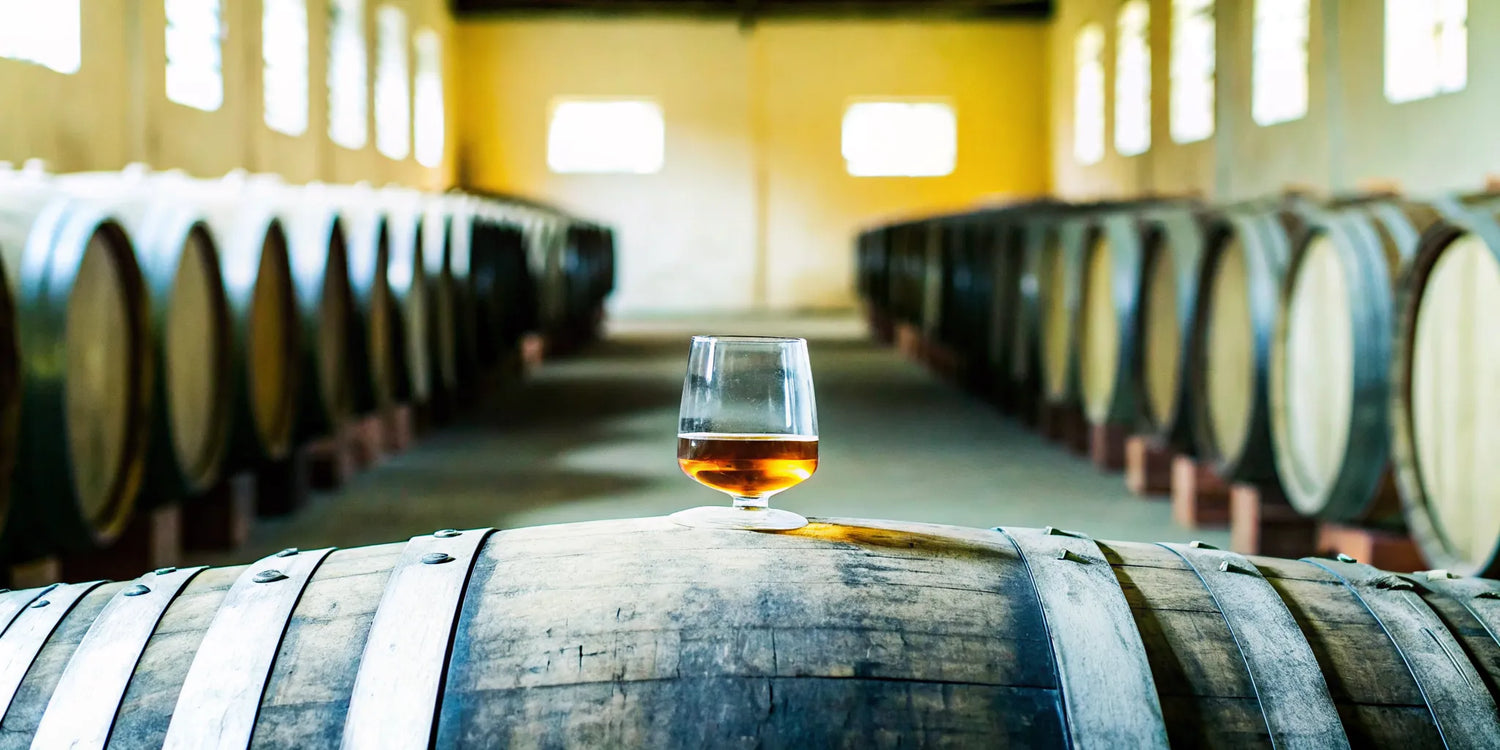
Ready to explore the rich world of añejo tequila? Whether you are graduating from blanco or collecting aged spirits, understanding what makes this category special will help you choose a bottle you actually enjoy sipping.
Anejo tequila is where bright agave meets the deeper character of oak. After time in barrels, the spirit develops notes of vanilla, caramel, toasted wood, honey, and spice, while its sharper alcohol edge softens. The result is a tequila with enough structure for a collector, but plenty of warmth for someone exploring aged spirits for the first time.
Ready to find the right bottle? Browse our curated Anejo Tequila Collection and compare top-rated expressions from the best producers, all selected for quality and character.
This añejo tequila guide covers tequila aged in oak for at least one year and up to three years. Including how barrel choice shapes flavor, how añejo compares with reposado and extra añejo, and which bottles are worth seeking out.
Age is only the beginning. The agave, distillation, barrel, and local climate all influence what reaches your glass, so two bottles with the same age statement can taste remarkably different. Start by understanding what the classification means, then use that foundation to choose a bottle and serve it well.
What Is Añejo Tequila?
Summary: Añejo tequila rests in oak for at least one year and less than three years. The barrel takes the spirit from clear to amber, adding vanilla, caramel, and toasted wood while softening the alcohol bite.
- Añejo tequila rests in oak for at least one year and less than three years.
- Its color typically moves from light amber to deeper caramel as it interacts with the barrel.
- Oak adds layers of vanilla, caramel, toasted wood, and spice to the agave base.
- Barrels used for this classification can hold no more than 600 liters.
Añejo means "old" in Spanish, and in tequila it describes a specific, regulated style rather than a general impression of maturity. Under Mexico's tequila standard, NOM-006-SCFI-2012, the spirit must spend at least one year in oak containers to qualify as añejo. It must be aged for less than three years, so a longer-aged expression belongs in the extra añejo category instead. Tequila is a distinctive product of Mexico and is manufactured under Mexican regulations, as outlined by the U.S. Alcohol and Tobacco Tax and Trade Bureau.
The barrel is part of the definition, too. Añejo tequila is matured in oak containers with a maximum capacity of 600 liters. Over time, the clear spirit draws color and flavor from the wood. A younger añejo may show a soft straw or light amber hue, while longer barrel contact can deepen the color toward gold or caramel. Color alone does not prove quality, but it offers a visual clue about the spirit's interaction with oak.
That interaction changes the drinking experience. Oak can contribute vanilla, caramel, toasted wood, and spice, while time allows the spirit's sharper alcohol edges to soften. The result is usually rounder and richer than a younger tequila, with an agave backbone still present when the aging and blending are handled well. The character of the finished bottle also begins before the barrel: research on Blue Weber agave indicates that plant age influences the quality and chemical parameters of the resulting spirit. Read the academic research on agave maturity.
There is no single flavor profile shared by every bottle. Barrel history, oak type, climate, distillation choices, and the character of the cooked agave all matter. If you want to explore how añejo fits among reposado and extra añejo, start with our guide to aged tequila types. When you are ready to compare bottles, browse the Añejo Tequila Collection.
How Añejo Tequila Is Made and Aged
Summary: Blue agave is harvested after seven to eight years, roasted in traditional hornos, fermented, and double-distilled. The resulting clear spirit then spends one to three years in oak, where it picks up color and flavor.
- Blue agave is harvested after roughly seven to eight years of growth, when its piña has developed the sugars needed for distillation.
- Traditional hornos roast the piñas before the cooked agave is crushed and its juice is extracted.
- Fermentation and double distillation in copper pots turn that juice into a clean, concentrated spirit.
- Oak aging adds the vanilla, caramel, oak, and spice notes that define añejo tequila.
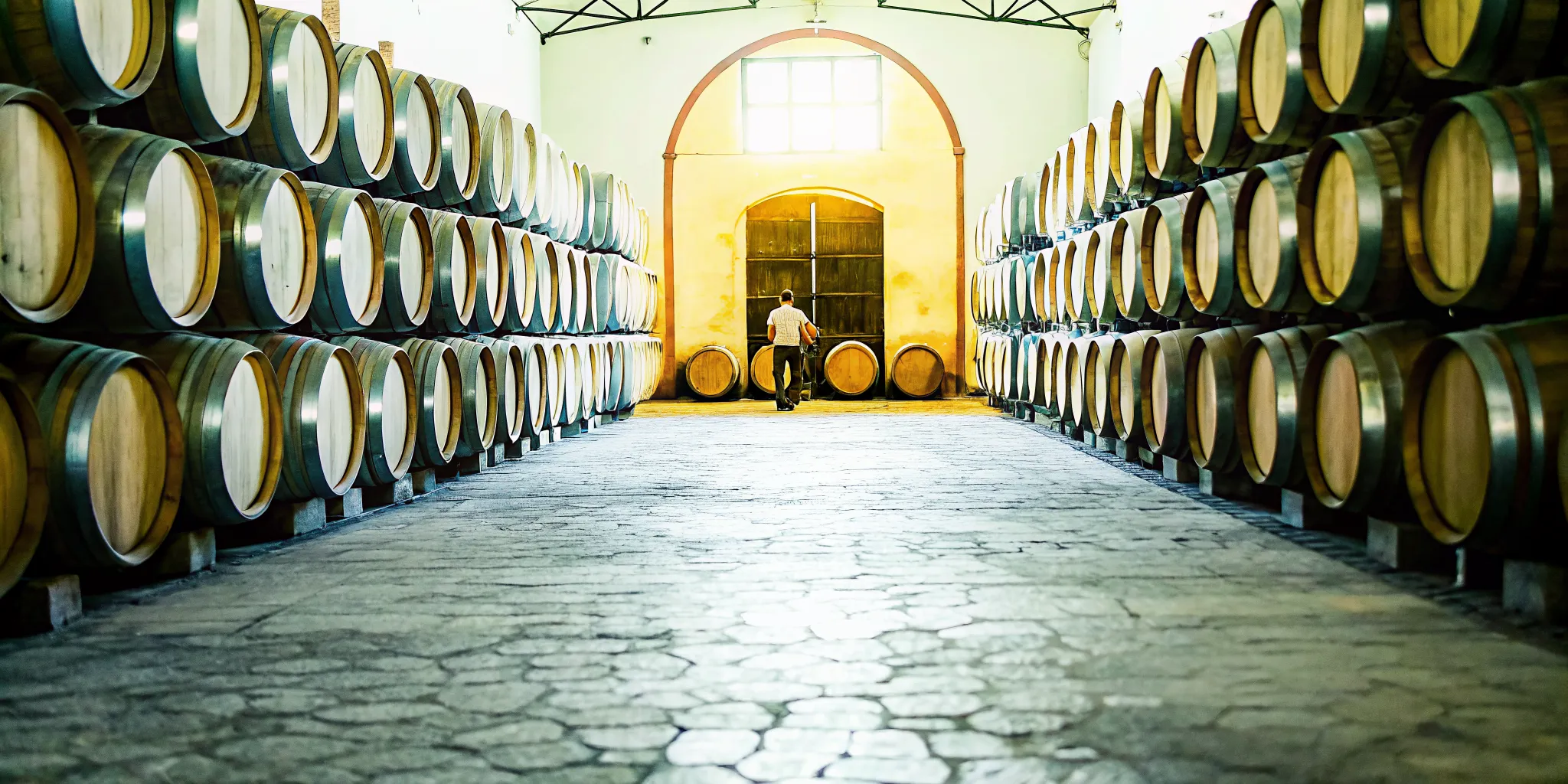
Every bottle begins in the field. Jimadores harvest mature Blue Weber agave, trimming away the leaves to reveal the piña, or heart. Plants commonly reach maturity after seven to eight years, and research indicates that agave age can influence the quality and authenticity parameters of the finished spirit. The piñas are then roasted in hornos, traditional ovens that convert the plant's complex carbohydrates into fermentable sugars. This cooking stage also creates some of the cooked-agave character you may notice beneath the oak.
From cooked agave to distilled spirit
After roasting, the softened piñas are crushed to release their sweet juice and fibrous liquid. Producers add yeast and allow fermentation to begin. During this stage, yeast converts sugars into alcohol while creating additional aroma compounds. The fermented liquid is distilled, often twice in copper pot stills. The first pass separates alcohol from much of the water and solids. A second distillation refines the spirit, helping the producer shape its texture, aroma, and strength before it enters the barrel.
What the barrel contributes
Freshly distilled tequila is clear. Time in oak gives añejo its color and much of its richness, with legal aging lasting at least one year and less than three years. Oak contributes familiar notes of vanilla, caramel, toasted wood, and spice, but the result depends on the barrel's species, toast, previous contents, and history. American oak often leans toward vanilla and caramel. French oak can bring more spice, toast, and a firmer wood character. Used bourbon barrels add another layer, contributing whiskey-like sweetness and complexity without erasing the agave backbone. These barrel effects explain why two añejos with similar aging times can taste remarkably different.
Climate matters, too. In Jalisco, daily and seasonal temperature fluctuations cause the tequila to move in and out of the wood. That repeated interaction can accelerate the exchange of spirit and oak compared with a more stable environment. The goal is balance: enough wood to mellow the alcohol and build depth, but not so much that oak overwhelms the cooked agave. For that reason, aging is not simply a race to a darker color. It is a careful decision about time, wood, and the character the producer wants in the glass.
Anejo vs Reposado vs Extra Anejo: What's the Difference?
Summary: Each tequila classification builds on the one before it, but longer aging does not automatically mean better. Añejo sits in the middle, balancing barrel richness with agave character.
- Blanco is unaged or rested up to 2 months. It delivers bright, peppery agave character.
- Reposado rests 2 to 12 months in oak. It balances fresh agave with light vanilla and wood notes.
- Anejo ages 1 to 3 years in oak. Expect caramel, vanilla, toasted wood, and a smoother, richer mouthfeel.
- Extra anejo spends 3 or more years in oak. The barrel dominates, creating whiskey-like depth.
| Classification | Aging Time | Typical Color | Flavor Profile | Best Use |
|---|---|---|---|---|
| Blanco | 0-2 months | Clear | Bright agave, citrus, pepper, herbal | Margaritas, cocktails, or neat for purists |
| Reposado | 2-12 months | Pale straw to light gold | Agave forward with light vanilla, oak, honey | Premium cocktails, sipping with a splash |
| Anejo | 1-3 years | Amber to caramel | Vanilla, caramel, toasted oak, baking spice, dried fruit | Neat or on the rocks, spirit-forward cocktails |
| Extra Anejo | 3+ years | Deep amber to mahogany | Intense oak, dark chocolate, tobacco, leather, cooked agave | Sipped neat, as a luxury digestif |
Each classification builds on the one before it, but longer aging does not automatically mean better. Some of the best tequila experiences come from picking the right aging level for the moment and the glass. Anejo sits in the middle of this spectrum: it offers the roundness of extended barrel contact while keeping enough agave character to stay recognizably tequila. For comparison, reposado retains a crisper agave presence, while extra anejo tilts further into oak territory and begins to resemble a well-aged whiskey or cognac. If you want to go deeper into the longest-aged category, read our Extra Anejo tequila guide.
What Does Añejo Tequila Taste Like?
Summary: Vanilla and caramel lead the profile, supported by toasted oak, honey, dried fruit, baking spice, and sometimes dark chocolate. Barrel type, age, and climate all shift the final balance.
- Expect a layered profile of vanilla, caramel, toasted oak, honey, dried fruit, baking spice, and dark chocolate.
- American oak often leans sweet and vanilla-forward, while French oak can bring more spice and structure.
- Longer aging generally softens the alcohol bite and rounds the finish.
- A tasting checklist helps you notice how the barrel shapes the agave spirit.
A well-made añejo opens with warmth and depth rather than a sharp alcohol punch. Oak aging commonly brings vanilla, caramel, toasted oak, honey, and baking spice into the profile, while the cooked agave remains underneath the barrel character. Extended aging can mellow the spirit and reduce the bite associated with younger tequila.
From vanilla and caramel to dried fruit and chocolate
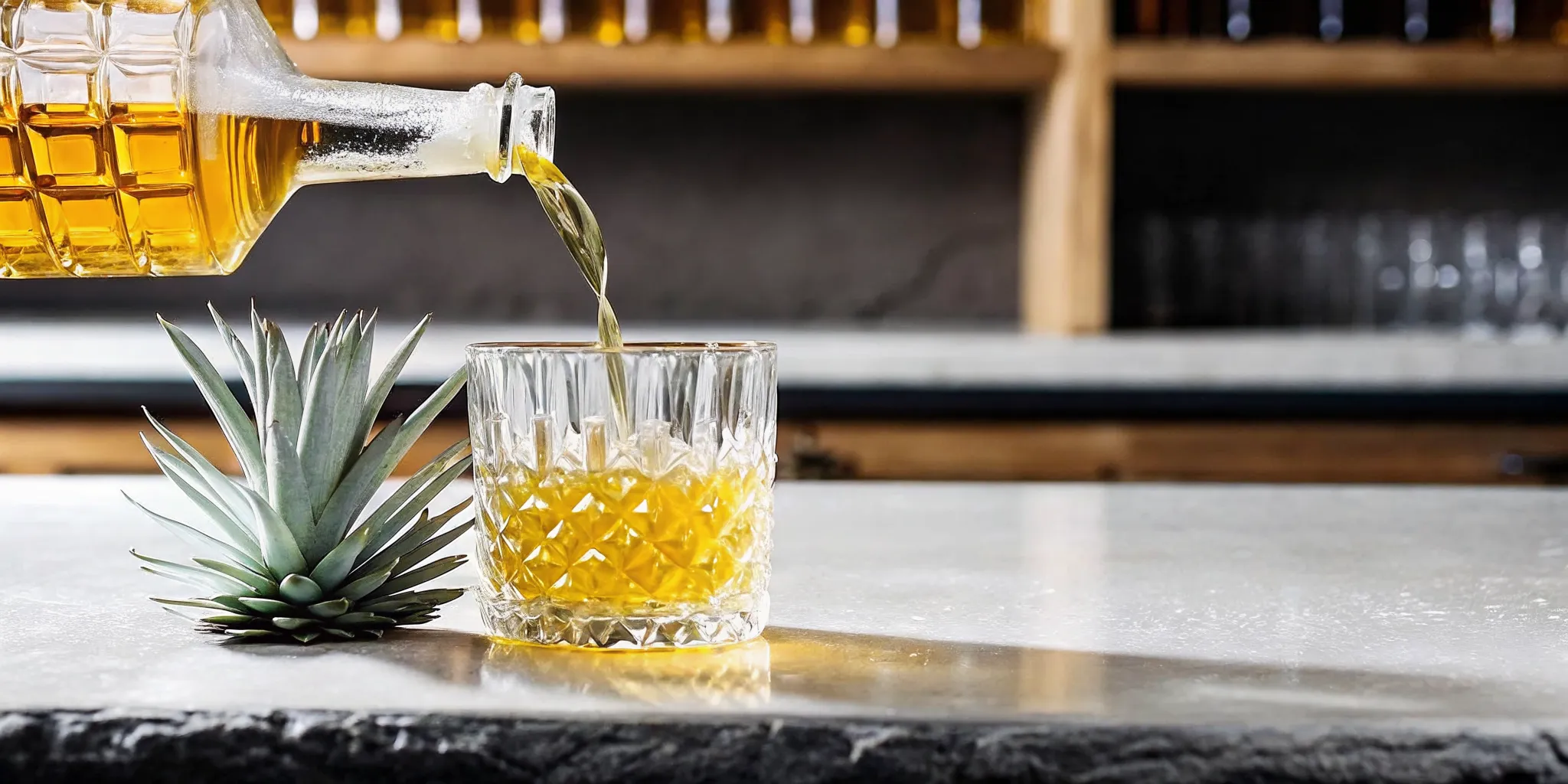
Vanilla and caramel are often the first recognizable notes, especially when the tequila has spent time in American oak. Toasted oak adds a dry, lightly smoky edge, while honey can make the middle of the sip feel round and silky. With the right balance, you may find dried-fruit flavors such as fig or raisin, followed by cinnamon, clove, or other baking spice. Dark chocolate tends to appear later, adding a bittersweet finish rather than dessert-like sweetness.
How barrels, age, and climate change the profile
Barrel type matters. American oak typically emphasizes sweet vanilla, caramel, and familiar bourbon-like warmth. French oak can contribute more baking spice, toast, and structure. A new barrel usually gives a stronger oak imprint, while a used barrel has less influence and lets more of the agave character show through. Bourbon-barrel reuse can add whiskey-like notes.
Climate also changes the pace and character of maturation. Warm conditions and larger temperature swings encourage the spirit to move in and out of the wood, often producing a more pronounced barrel profile. Cooler or more stable conditions can make that exchange gentler, preserving a clearer agave presence. The result is why two añejos with similar time in oak can taste noticeably different.
A simple añejo tasting checklist
- Look: Check the color clarity and notice whether it is pale gold, amber, or deep copper.
- Aroma: Swirl gently and look for vanilla, honey, toasted oak, dried fruit, spice, or chocolate.
- First sip: Let a small sip cover your palate. Notice sweetness, oak, agave, and the alcohol texture.
- Finish: Track how long the flavors remain and whether the ending is spicy, woody, fruity, or gently sweet.
How to Drink Anejo Tequila
Summary: Añejo tequila rewards a slow pour. Start neat, try it on the rocks, or use it in spirit-forward cocktails. Avoid sugary mixers that mask its complexity.
Anejo tequila rewards a slower pour. Its time in oak brings layered notes of vanilla, caramel, toasted oak, and spice, so the best serving method lets you notice how those flavors develop.
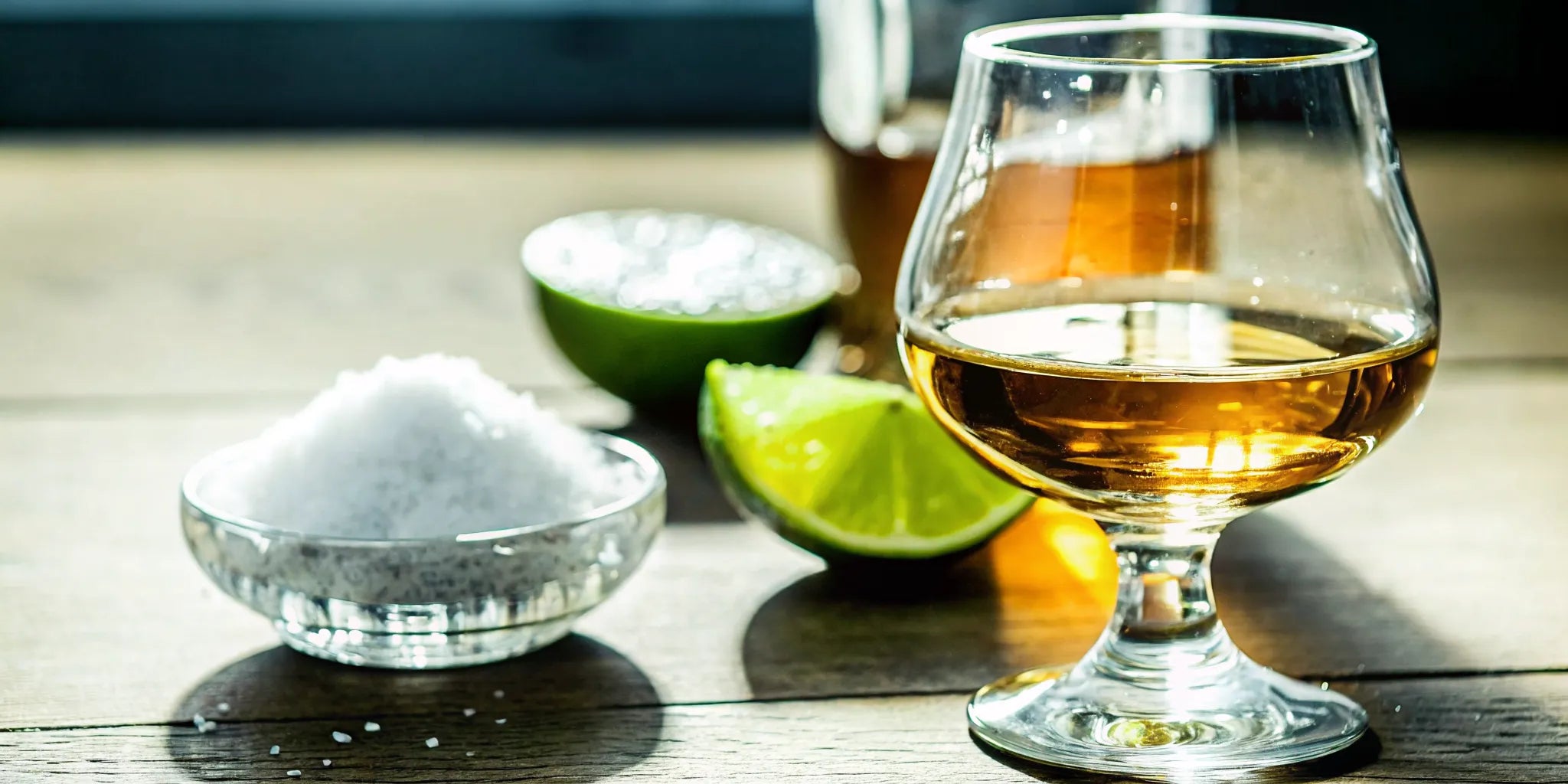
- Start neat. Pour a small serving into a Glencairn glass or a tequila snifter. Both glasses concentrate the aromas while giving you room to swirl gently. Let the spirit rest for a moment, then smell it before tasting. Take a small sip and let it move across your palate. Notice the balance between the agave backbone and the barrel-derived flavors. Anejo is widely considered best enjoyed neat or on the rocks when you want to appreciate its nuanced profile. For a deeper primer, read our guide on how to sip tequila.
- Try it on the rocks. Add one large, clear ice cube to a rocks glass. A single cube chills the tequila gradually and adds a little water as it melts, which can open up the aroma without immediately diluting the drink. Garnish with a thin lime or orange slice. Lime adds a bright, tart edge; orange brings out the spirit's sweeter vanilla and caramel notes. Taste it before and after the ice melts to see which expression you prefer.
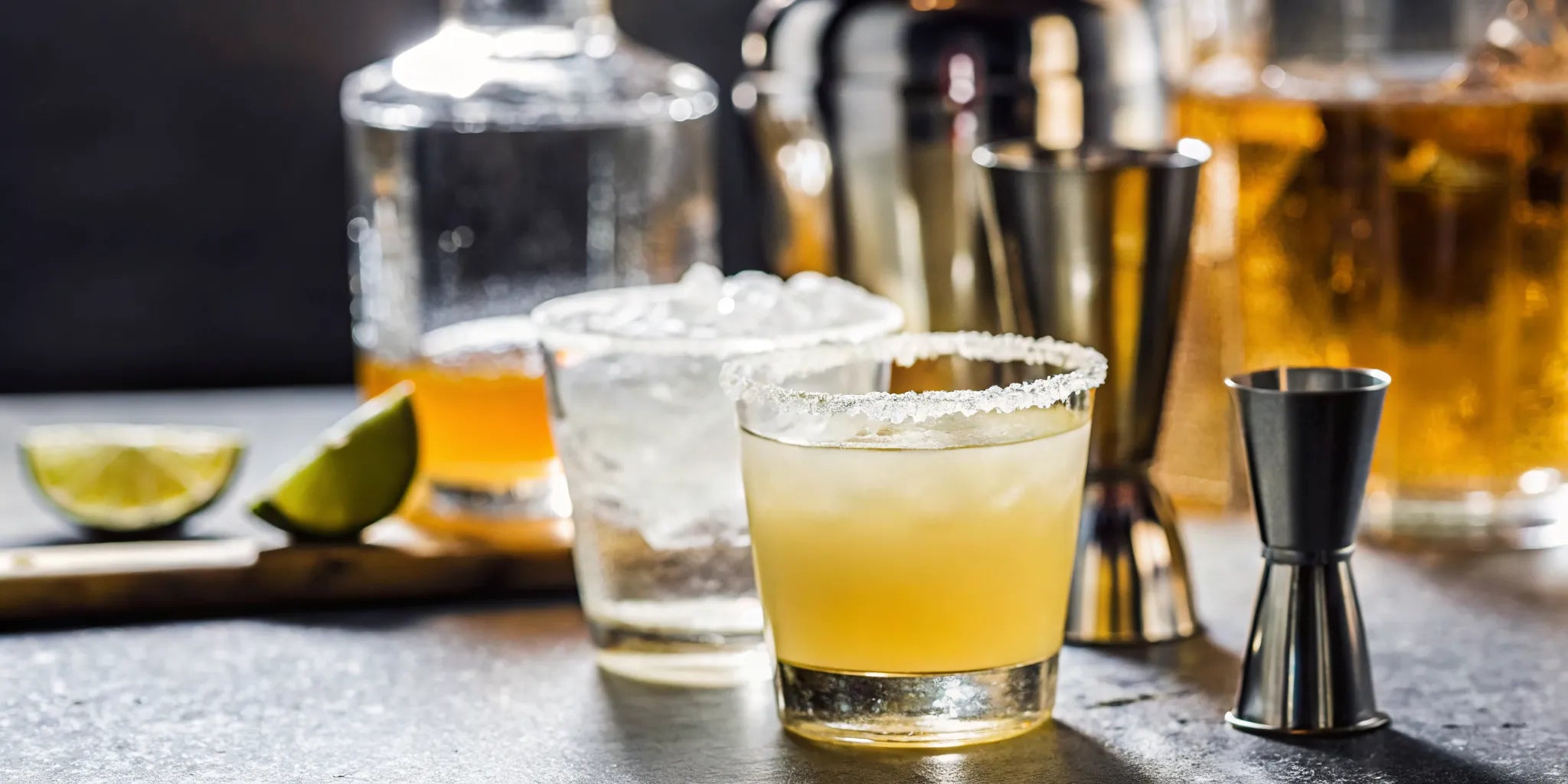
- Use it in a spirit-forward cocktail. Anejo can replace bourbon in an Old Fashioned. Stir it with a small amount of agave syrup and bitters over ice, then express an orange peel over the top. The agave syrup echoes the tequila's character while keeping the drink balanced. You can also make an anejo Manhattan variation by pairing anejo with sweet vermouth and bitters, then stirring and serving it up or over one large cube.
What to avoid
Skip sugary mixers, heavily sweetened juices, and oversized flavored additions. They can cover the oak, spice, and agave nuances that make anejo distinctive. If you want to experiment, begin with a measured amount of dilution or one restrained garnish rather than rebuilding the drink around sugar.
Quick serving summary
- For tasting: Use a Glencairn glass or snifter and serve neat.
- For a slower, cooler pour: Use one large ice cube in a rocks glass with lime or orange.
- For cocktails: Keep the recipe spirit-forward, such as an anejo Old Fashioned or anejo Manhattan.
- For the clearest flavor: Avoid sugary mixers that mask the tequila's complexity.
Best Añejo Tequilas to Buy
Summary: Three bottles represent distinct approaches: Mijenta for layered multi-wood depth, Cascahuín for traditional American oak, and El Tequileño for bright spice and fruit.
Choosing an añejo comes down to the balance you want between agave, oak, sweetness, and spice. The bottles below represent three distinct approaches, from a multi-wood expression to traditional American-oak aging. Prices and availability can change, so check each current listing before ordering. For a broader view, explore the full Añejo collection.
- For layered wood and dessert-like notes, start with Mijenta Añejo.
- For traditional oak character and a floral finish, choose Cascahuín Añejo.
- For a lively, peppery pour with fruit and vanilla, try El Tequileño Añejo.
Mijenta Añejo
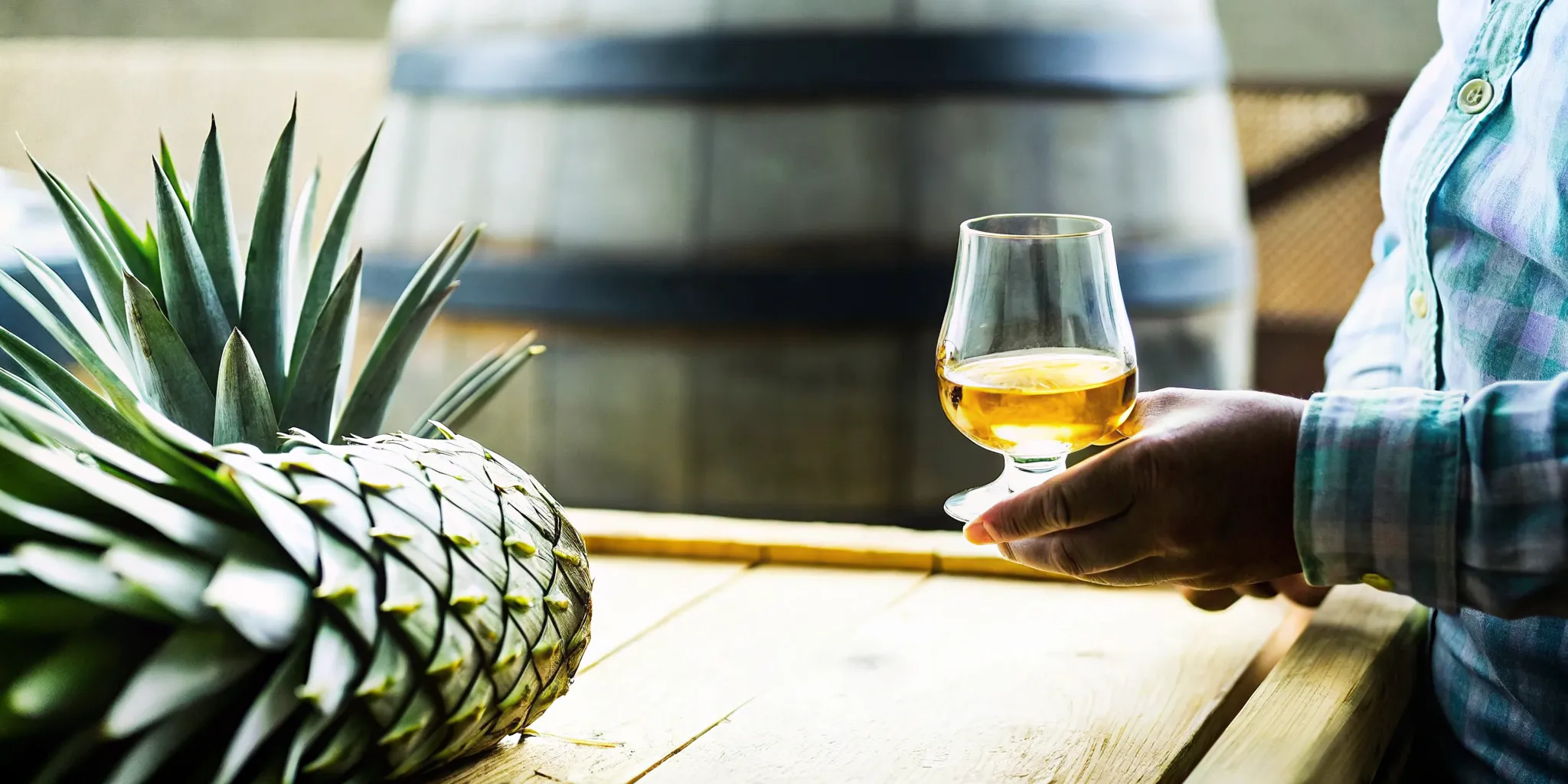
Mijenta is aged for 18 months across four types of wood: American white oak, French oak, French acacia, and cherry wood. That unusual combination gives the spirit plenty of dimension without losing its agave base. Look for vanilla, toffee, dark chocolate, soft oak, and caramelized agave, with a richer coffee-like depth on the nose. It is a strong choice when you want an añejo that feels generous and polished. The Mijenta Añejo listing has the current price and availability.
Cascahuín Añejo
Aged for 14 to 16 months in American oak, Cascahuín offers a more focused barrel profile. Toasted oak and honey lead into dried flowers, cooked agave, orange pith, and a touch of licorice. The finish brings herbal character and gentle spice rather than heavy sweetness. Choose it when you want a traditional, food-friendly añejo with enough complexity for slow sipping.
El Tequileño Añejo
El Tequileño Añejo opens with orange peel, vanilla, honey, and faint leather. On the palate, pink peppercorn, cooked agave, dried apple, cherry, butterscotch, and vanilla build toward a dry finish marked by black pepper. It is the most energetic pick of the three, especially for drinkers who prefer spice and fruit to a round, confectionary profile.
These bottles are designed to reward neat pours, but they also give you useful reference points for comparing oak influence. If you want more recommendations focused specifically on slow, neat pours, see our guide to the best Añejo tequilas for sipping.
Frequently Asked Questions
What is anejo tequila?
Anejo tequila is an oak-aged expression with a darker color and richer, more developed profile than younger styles. It keeps an agave backbone while gaining flavors from the barrel, making it a natural choice for slow sipping.
How long is anejo tequila aged?
To carry the anejo designation, tequila must rest in oak for at least one year and less than three years. The classification is defined under Mexico's tequila regulations, so a longer-aged bottle may instead be labeled extra anejo. The TTB explains tequila's regulated Mexican origin.
What does anejo tequila taste like?
Expect a layered profile shaped by the barrel: vanilla, caramel, toasted oak, honey, and baking spice are common notes. Longer oak contact usually softens the spirit's alcohol bite, while barrel type and history can add distinct whiskey-like character.
Is anejo better than reposado?
Neither is universally better. Anejo is typically smoother and richer because of its longer aging, while reposado usually shows more fresh agave character. Choose anejo for oak-driven depth and reposado when you want a brighter balance between agave and barrel.
How should you drink anejo tequila?
Start by sipping it neat in a glass with a bowl that lets the aromas open. Then try it over one large ice cube if you prefer a slower, cooler pour. It also works in spirit-forward drinks such as an anejo Old Fashioned, but avoid sugary mixers that can cover its detail.
Ready to Explore Añejo Tequila?
Now that you know how aging shapes añejo tequila's depth, the best way to find your favorite is to taste thoughtfully across different bottles and barrel styles. Shop our Añejo Tequila Collection to compare options selected for sipping, sharing, and special pours. Start with the flavor profile that appeals to you, then take your time with each glass.