






The best sipping tequila under $50 is the bottle whose expression, flavor, and finish suit you—not a universal winner. Set your price limit, compare current listings on equal terms, and let your own palate decide whether a pour works neat, with water, or over ice.
Browse popular tequila bottles and compare current options
What makes a tequila worth sipping?
A sipping tequila is one you enjoy drinking on its own. It does not have to be rare, costly, or described with elaborate tasting language. The useful test is simple: do the aroma, texture, flavor, and finish make you want another small sip?
Separate those impressions rather than deciding from the first taste. A spirit may smell bright and herbal, feel lively on the palate, and finish with pepper or warmth. Another may seem rounder, with oak or spice. Neither profile is inherently superior. Your preference is the deciding factor.
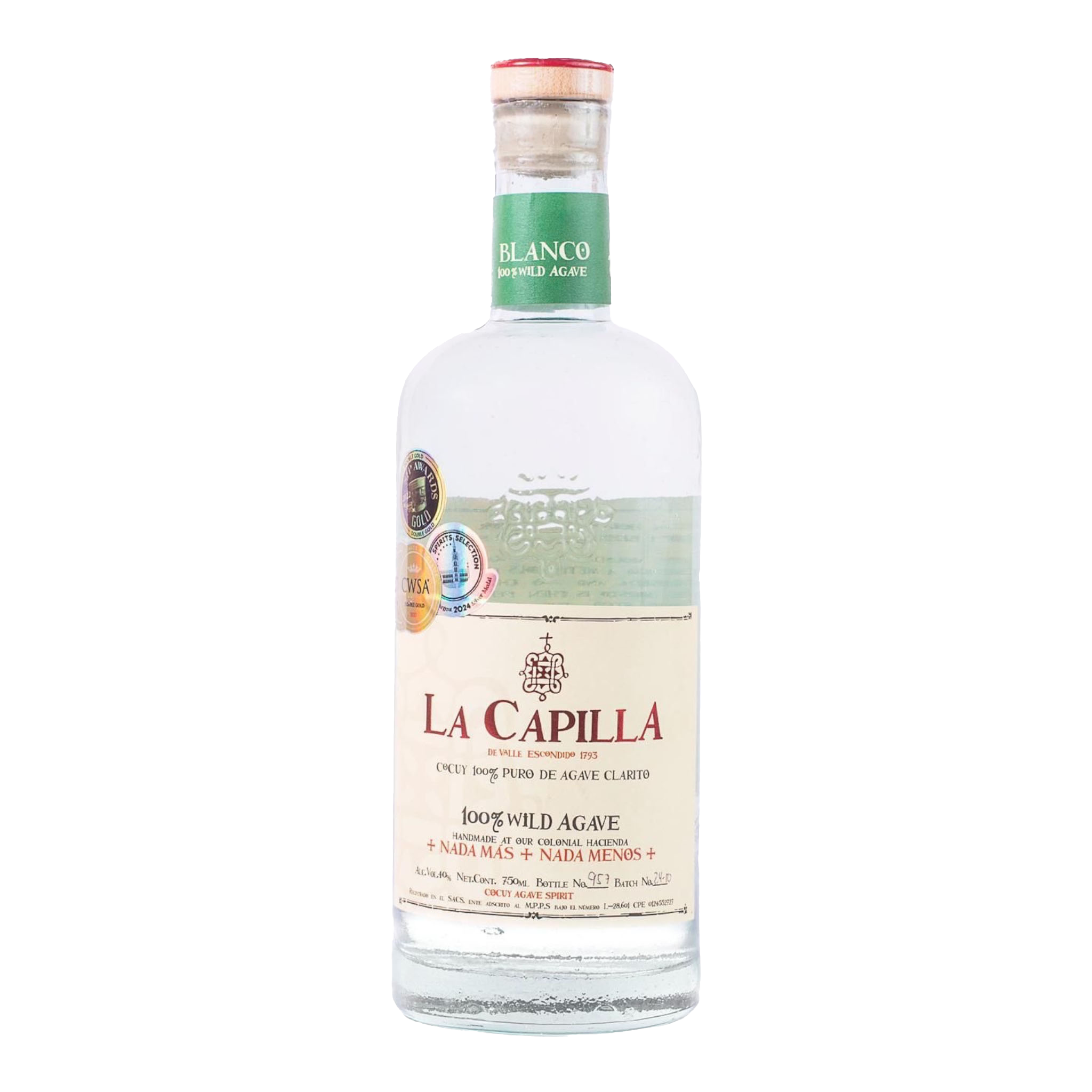
- Blanco: Usually unaged or rested briefly. It often gives a direct view of the spirit’s base character, with notes that may include cooked agave, citrus, herbs, pepper, or minerals.
- Reposado: Rested in oak. Barrel contact can bring roundness and notes such as vanilla, spice, or toasted wood while the spirit remains present.
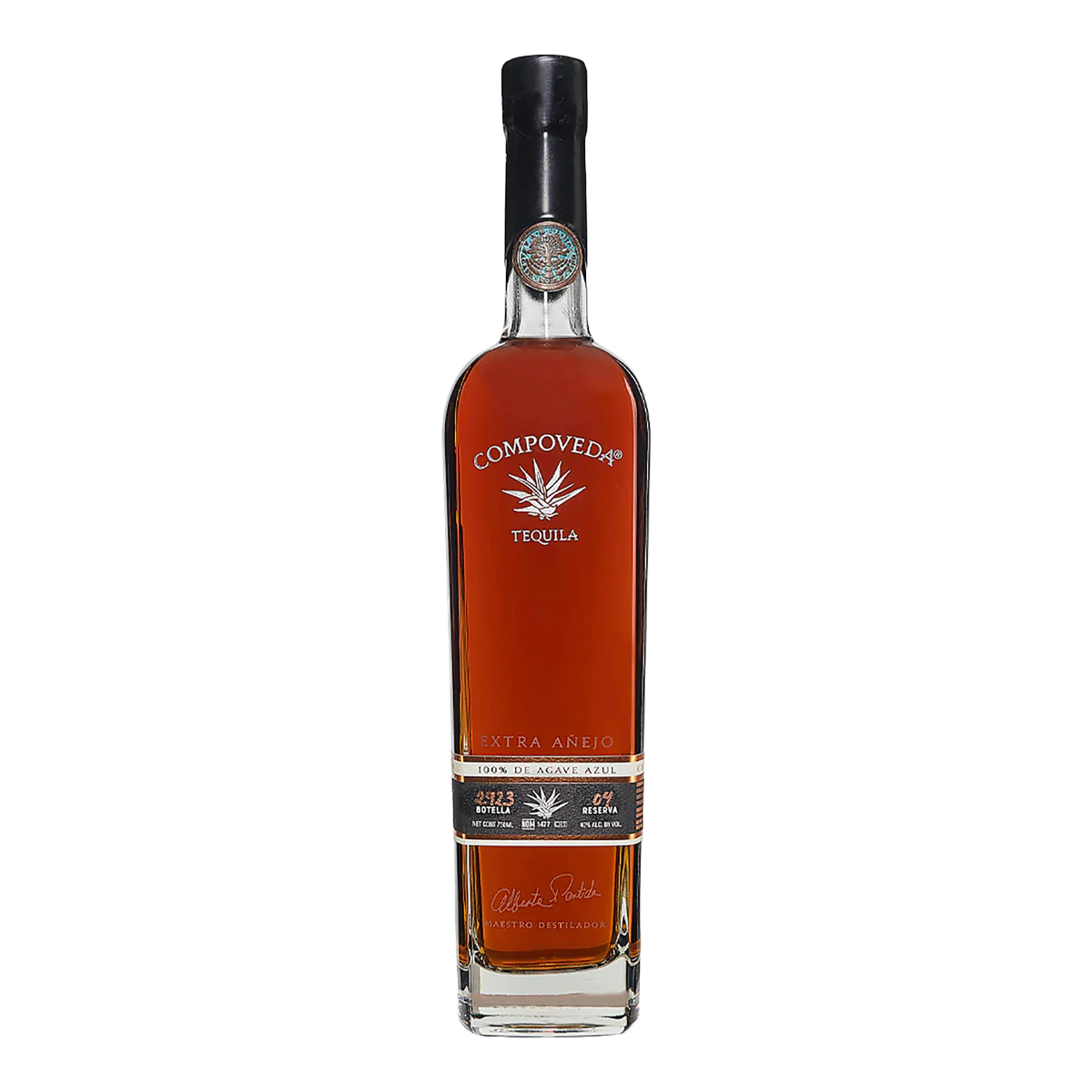
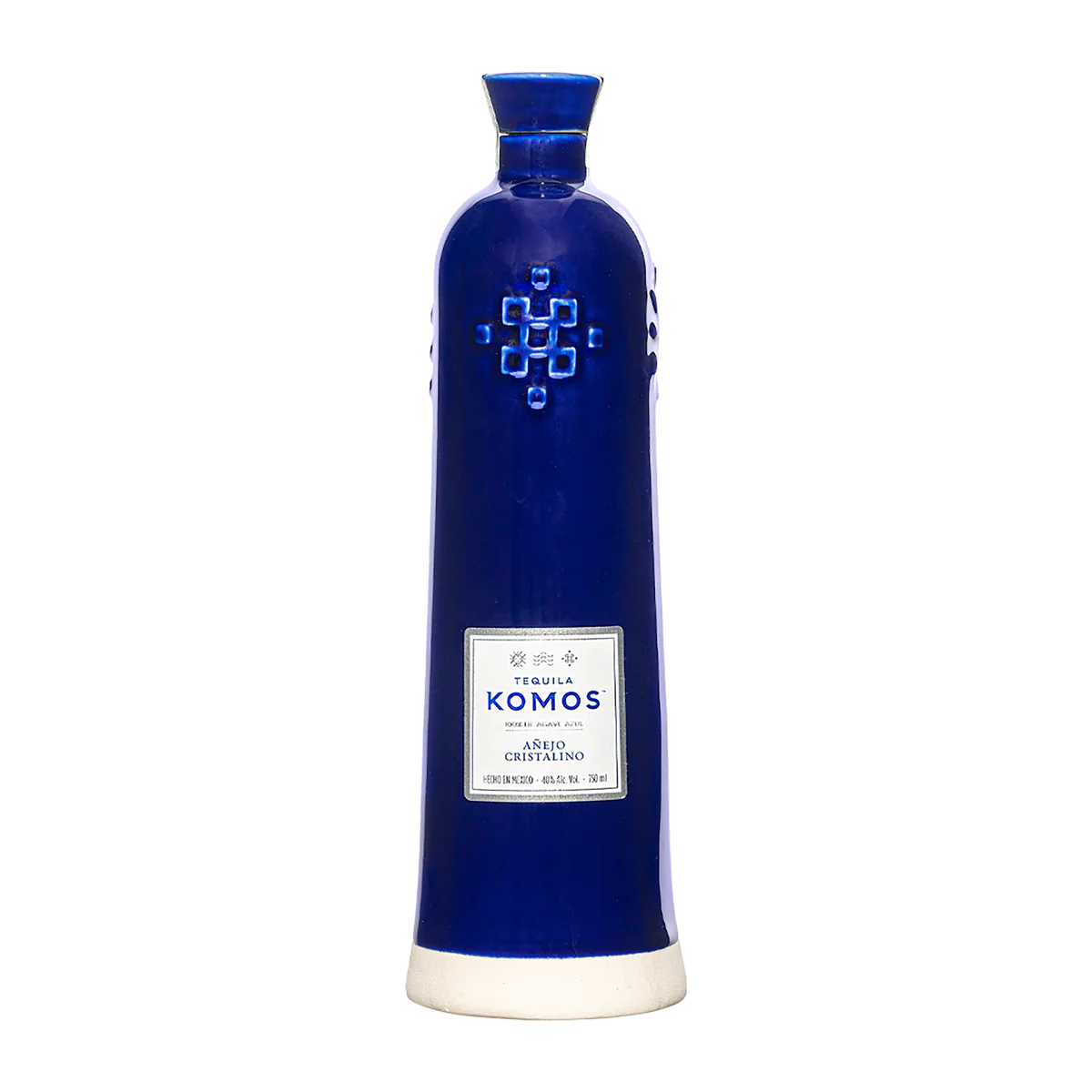
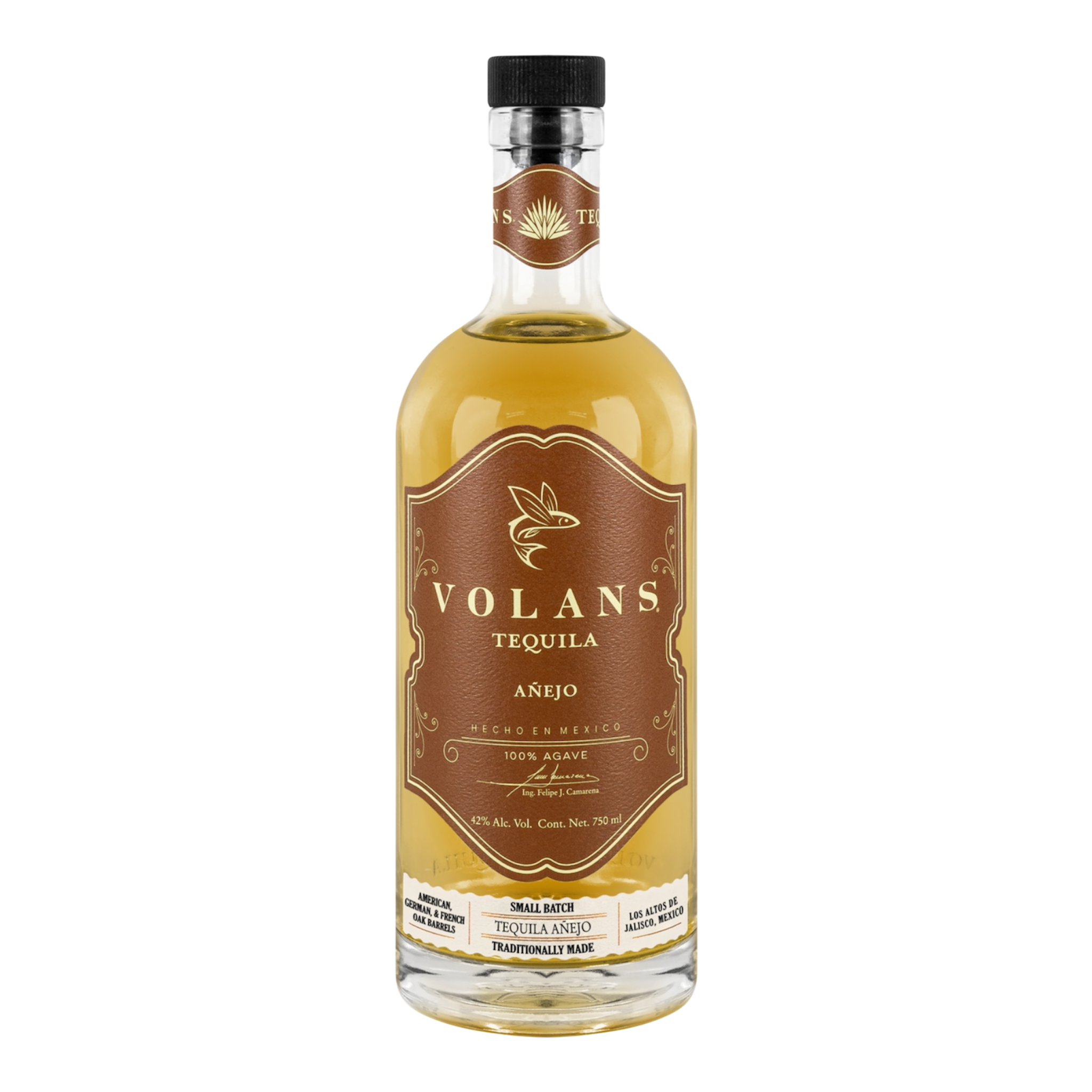
- Añejo: Aged longer than reposado, generally with more pronounced oak influence. It can appeal to drinkers who enjoy warm, barrel-led flavors, but current price and bottle size matter under a firm $50 ceiling.
These are broad expectations, not promises about every bottle. The Consejo Regulador del Tequila’s overview offers background on tequila and recognized categories. Read the information for a particular bottle, then use your own palate to decide whether its profile sounds appealing.
How should you compare bottles under $50?
Compare like with like. Put blancos beside blancos and reposados beside reposados before weighing one expression against another. Then check the same facts for every option. That makes a shortlist more useful than choosing from a broad ranking or eye-catching package.
| Comparison point | What to check | How it helps |
|---|---|---|
| Expression | Blanco, reposado, or añejo | Sets a starting expectation for freshness and oak character |
| Flavor description | Specific notes such as citrus, herbs, pepper, vanilla, spice, or wood | Connects the bottle to flavors you already enjoy |
| Producer information | Clear details about the bottle and its production | Adds context beyond packaging and broad claims |
| Volume and price | Current bottle size and listed price | Keeps the comparison within budget and fair |
| Intended use | Neat pours, cocktails, or both | Clarifies whether the bottle fits your plans |
Make a shortlist of two or three bottles, and record the expression, volume, price, and two flavor notes from each product page. Check current listings before deciding: prices, availability, and product details can change. Include taxes or delivery charges that matter to your own spending limit rather than treating the listed bottle price as the whole order total.
For example, imagine one blanco is within budget and its description mentions citrus and pepper, while another is also within budget but emphasizes a softer, rounder profile. If you usually choose crisp drinks, the first is the more logical bottle to investigate. That is not proof it is objectively better; it is a reasoned match to your preference.
Which style is the best place to start?
Think about the drinks you already like. If you gravitate toward crisp, bright flavors, begin with blanco. If you enjoy gentle oak or spice, compare reposado. If pronounced barrel character is your favorite, check añejo listings, but keep the price ceiling in view. Sip Tequila’s tequila guide offers more category background as you browse.
Blanco: direct and lively
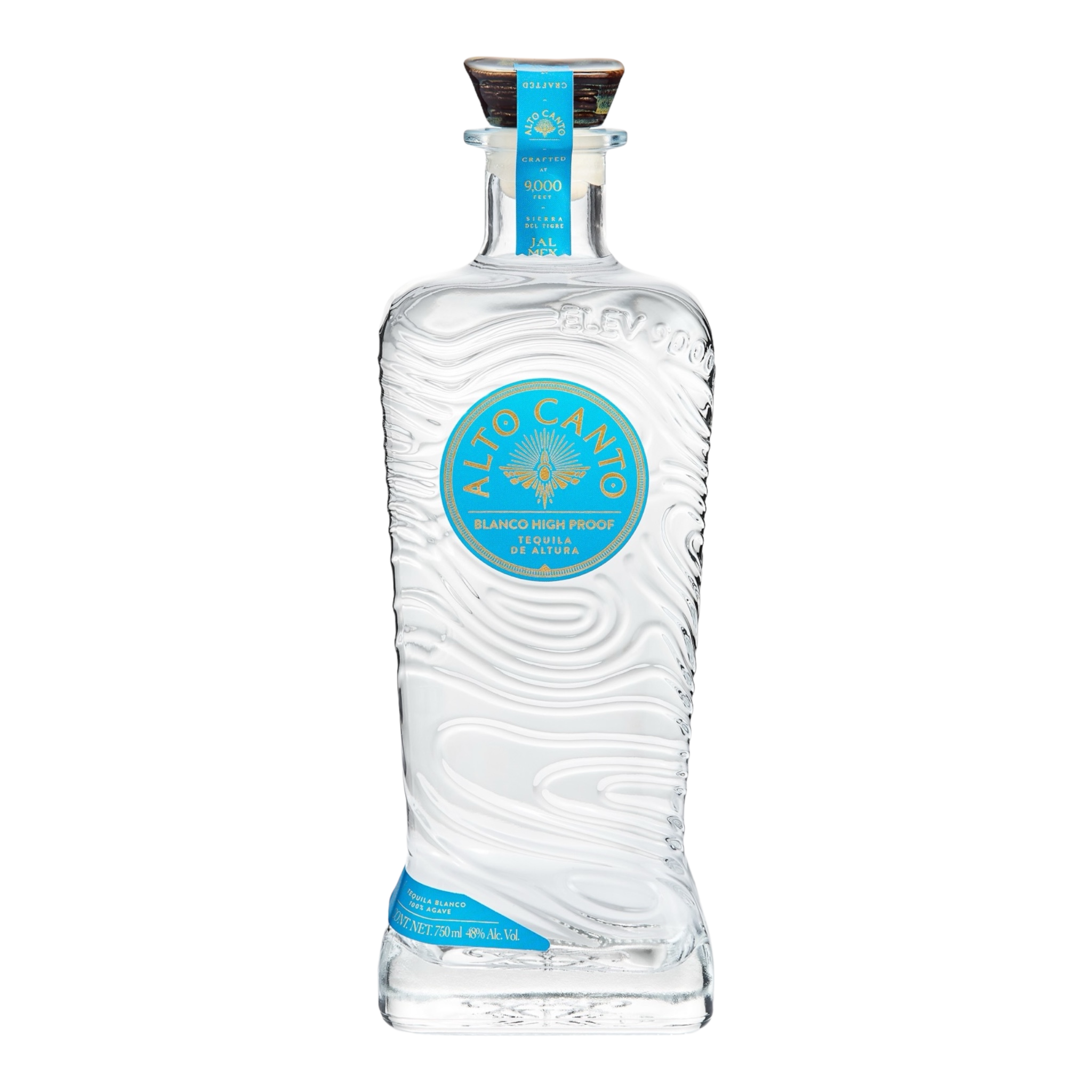
Blanco can be a useful starting point because its flavor is less shaped by barrel aging. Look for notes that make sense to you: citrus, herbs, pepper, or a clear cooked-agave character. Browse the blanco and plata selection, and compare a specific listing such as Riazul Plata. Confirm its current price, size, and availability rather than assuming it fits the budget.
When reading a blanco description, distinguish a flavor cue from a guarantee. “Peppery” might mean a noticeable pepper impression to one taster and mild warmth to another. Treat notes as a guide to what to investigate, not a promise your experience will match someone else’s exactly.
Reposado: a little oak in the picture
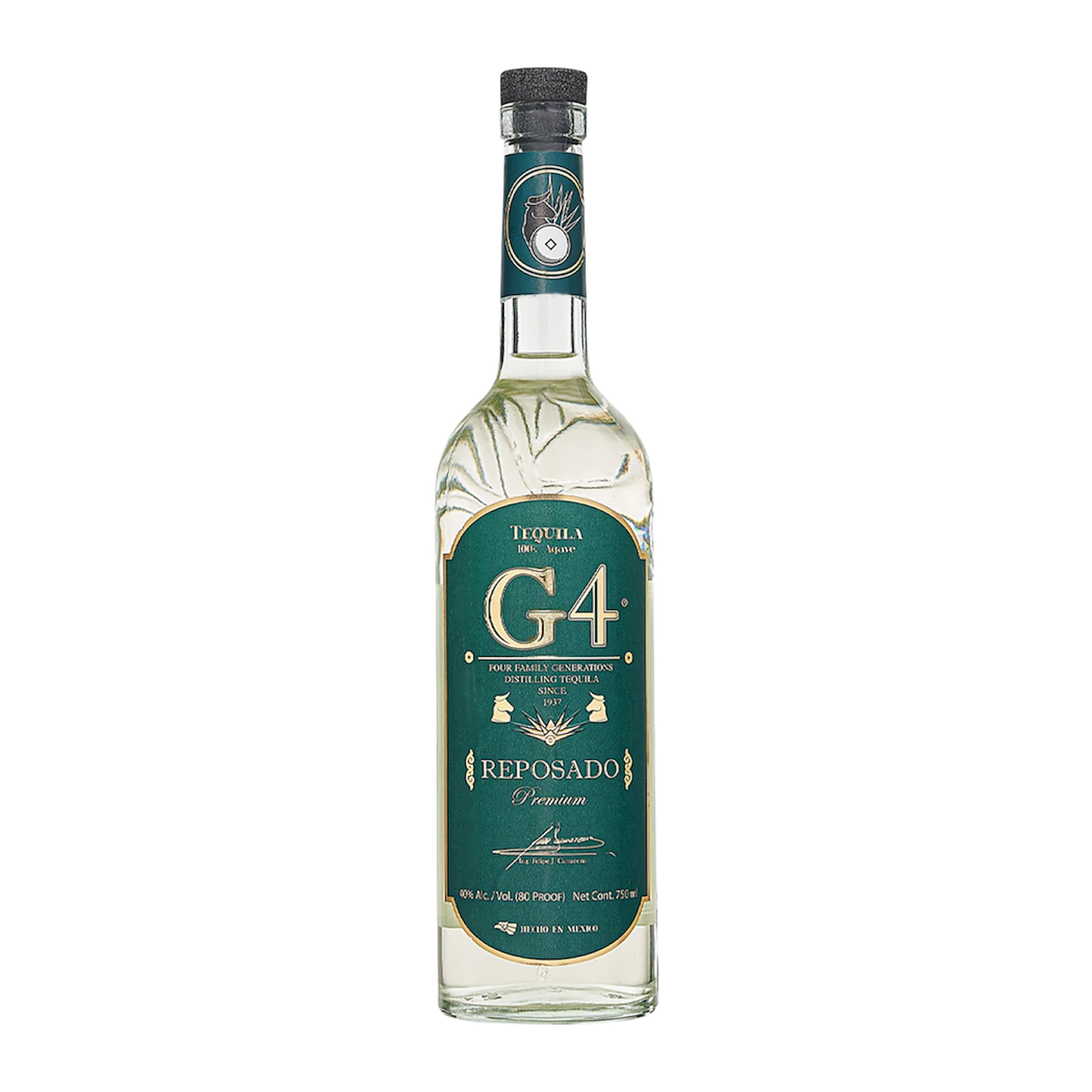
Reposado may suit you if you want barrel influence without making oak the only feature. Do not assume every reposado tastes sweet or soft. Compare the producer’s wording and listed details in the reposado selection. Arette Reposado is one listing you can assess against your taste and current spending limit.
A useful comparison is to choose one blanco and one reposado with similar stated price and volume, if available. Taste them under the same conditions. Ask whether oak adds a flavor you enjoy or simply covers the brighter notes you prefer. This small comparison can tell you more than a category name alone.
Añejo: let the budget lead, not the label
Añejo is aged longer than reposado and often has stronger oak influence. That can work well if you enjoy toasted, warm, or spice-leaning flavors. But do not stretch your budget just to select an older expression. Check the current price and volume; if options are above $50, a reposado with the oak profile you want may be a better fit.
Age is a style clue, not a personal quality score. A lively blanco may be a more satisfying neat pour for you than a more expensive aged bottle. Choose by taste rather than by a ladder of categories.
How can you read a product page carefully?
A product page can help separate useful detail from broad promotional language. Read the full description and note whether the expression, volume, and flavor character are clear. Tasting notes are subjective, but they can guide a sensible decision when compared consistently.
- Confirm expression and size. Verify the category and bottle volume before comparing total prices.
- Look for specific flavor language. Concrete notes help more than an unexplained word such as “smooth,” which people use in different ways.
- Use production information as context. Treat stated details as information about the bottle, not an automatic verdict on whether you will like it.
- Check current availability. Do not plan around a bottle until its live listing confirms it is available.
- Set your real limit. Decide whether your $50 cap applies to the bottle alone or the total you expect to spend, including applicable charges.
If a page does not answer a question that matters, do not fill the gap with assumptions. Keep the bottle on your list only if the available facts support a comfortable choice. The full tequila selection and price guide can help you explore, but confirm each specific listing before buying.
How can you taste a bottle before judging it?
A repeatable tasting can make your next choice clearer without specialist glassware or memorized terminology. Pour a modest amount into a clean glass, take your time, and use ordinary language to describe what you notice.
- Let the pour rest briefly. Give the aroma a moment to settle before smelling.
- Smell gently. Start just above the glass. Note one or two impressions, perhaps citrus, herbs, pepper, spice, or oak.
- Take a small sip. Notice the first flavor, texture, and what develops as you taste.
- Pay attention to the finish. Wait a moment after swallowing. Does the flavor fade quickly, stay warm, or leave a note you enjoy?
- Adjust only after the first taste. If the alcohol feels sharp, let the glass rest longer or add a few drops of water and taste again.
For a side-by-side tasting, keep glassware and serving conditions consistent. Use small pours, alternate thoughtfully, and drink water between samples. Do not rush through several bottles; a couple of careful comparisons are easier to remember than a crowded flight.
Write short notes in your own words: “bright, peppery, short finish” or “round, light oak, lingering warmth.” Such notes make the next purchase easier because they describe what you actually liked. A score or borrowed vocabulary is less useful if it does not connect to your preferences.
How can you build a shortlist around your palate?
Turn a vague wish for “a good bottle” into a small decision plan. Choose a flavor direction, a main use, and a maximum spend before opening a long list. That prevents price or packaging from doing all the work.
- For a bright neat pour: Start with blanco. Look for citrus, herbs, or pepper if those are notes you enjoy in other drinks.
- For a softer evening pour: Compare reposados and note whether the stated oak character sounds subtle or prominent.
- For a shared bottle: Ask what the other drinkers prefer. If tastes differ, a clear flavor description may be a more useful starting point than a strong preference.
- For one bottle with two jobs: Decide whether you mainly want it neat or for cocktails. Let the main use guide you; versatility is a bonus, not a substitute for enjoying its flavor.
Then compare listings in a simple note or table of your own. For instance: “Option A: blanco, 750 ml, under cap, citrus and pepper; Option B: reposado, 750 ml, under cap, oak and spice.” This need not be a formal rating system. It is a way to remember why each bottle made your shortlist.
If you are shopping for someone else, consider what they already drink and how they serve spirits. Someone who enjoys crisp, unaged spirits may prefer blanco; someone who often chooses whiskey or oak-aged drinks may be curious about reposado or añejo. These are conversation starters, not rules. If you do not know their preferences, use clear product information and a comfortable price rather than guessing that the oldest or most ornate bottle is safest.
What shopping shortcuts should you avoid?
Some shortcuts feel decisive but do not reliably predict whether a tequila will suit you. Pause to check the facts that matter to your own choice.
- Do not treat age as an automatic ranking. Oak changes a spirit’s profile; it does not make every older bottle a better match.
- Do not shop by packaging alone. A striking bottle can appeal, but it does not tell you what the tequila tastes like.
- Do not treat “smooth” as a precise tasting note. People use the word differently. Look for details and sample when possible.
- Do not compare different sizes as if they were the same. Check volume along with total price.
- Do not read a recommendation as a guarantee. Use it to build a shortlist, then decide whether the style matches you.
- Do not let a discount decide your palate. A lower price is useful only when the bottle is one you want to drink.
When you read a ranking or recommendation, ask why each bottle appears on it. Does the explanation name a style, flavor, or occasion? A bare order of “best” to “worst” may not reflect your palate or current availability. Confirm details on the current product page and treat recommendations as a starting point.
What does a practical buying decision look like?
Use this process when you are ready to choose:
- Set a firm maximum of $50 and decide what bottle volume you expect.
- Pick an expression that fits your taste: blanco for a more direct profile, reposado for some oak, or añejo only if a listed bottle is within budget.
- Read the producer’s notes and mark two flavor details that appeal to you.
- Compare two or three current listings in the same expression, checking price and volume together.
- Choose the option whose stated profile, size, and current price make sense for your intended use.
- If you can taste before committing, try a small pour and write down what you notice.
Imagine you want a bottle mainly for quiet, neat pours and usually enjoy bright, peppery spirits. Your shortlist could begin with two blancos whose current listings fit your cap. Compare their notes and volume; if one has a flavor profile you recognize and the other lacks details, the first is the stronger candidate to investigate. If you discover that you prefer a rounder taste, shift your comparison to reposado rather than buying the first bottle simply because it is popular.
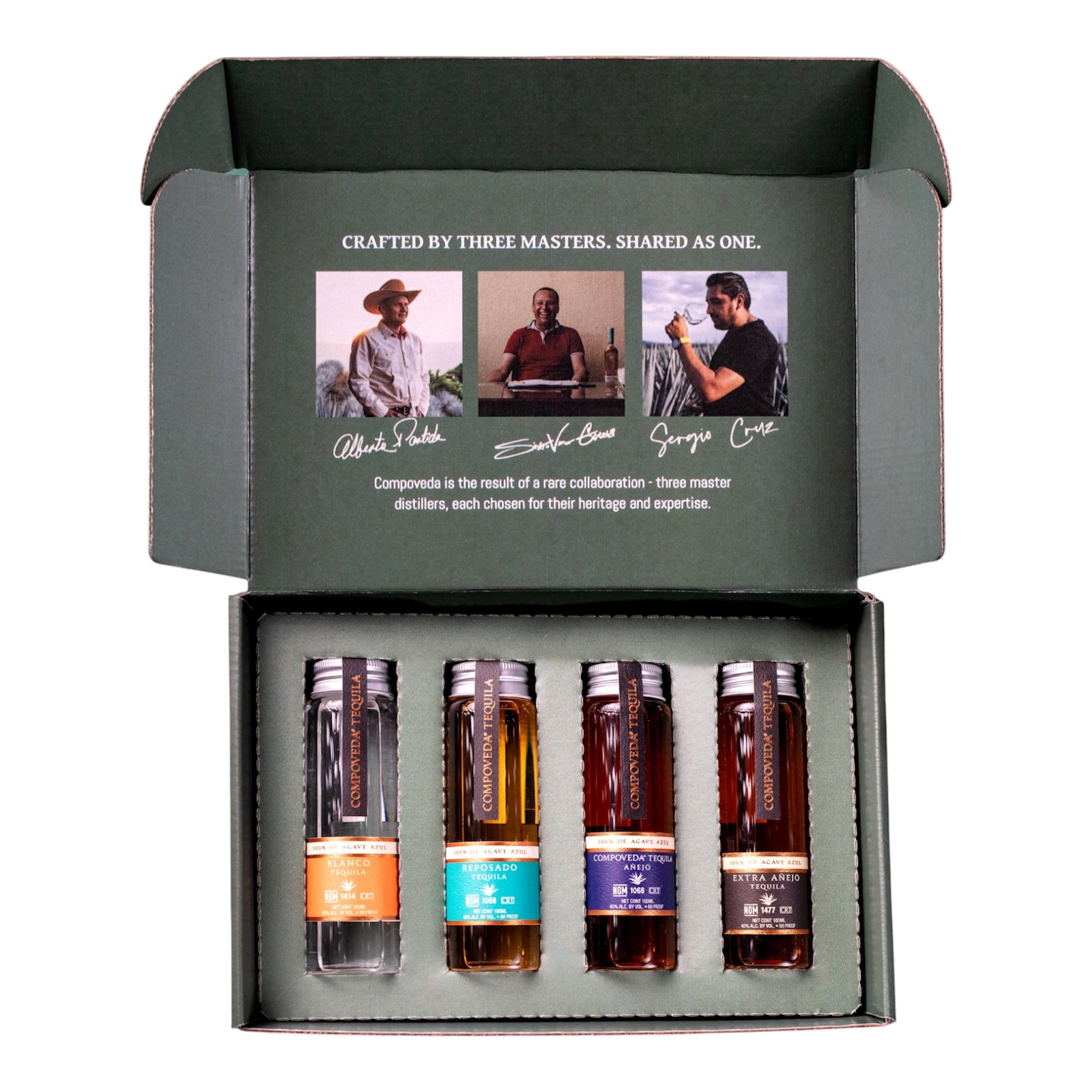
If you want a lower-commitment way to compare styles, check the current contents and price in the tasting kits selection. A sampler is useful only when its contents suit your question and fit your budget. If you already know which expression you prefer, go directly to that category instead of browsing every bottle at once.
For a wider starting point, the popular tequila selection can help you see options, but popularity is not a guarantee of personal fit. Check particular product information and your budget before deciding.
Compare blanco tequila options for a bright, direct pour
Frequently asked questions
Can tequila under $50 be enjoyable neat?
Yes. Price alone does not determine whether you will enjoy a bottle neat. Compare the expression and flavor notes, then try a small pour to see whether its aroma, texture, and finish work for you.
Is blanco or reposado better for sipping?
Neither is universally better. Blanco often offers a more direct profile, while reposado brings some barrel influence. Choose according to whether you prefer brighter flavors or a rounder, oak-touched character.
Does a higher price mean a better tequila?
Not necessarily. Price cannot predict your personal preference. Compare bottle size, current product details, and flavor descriptions, then use your own tasting experience where possible.
Should you add ice or water?
Serve it the way you enjoy it. Taste a small amount neat first, then try a few drops of water or a large cube to see how dilution changes the aroma and flavor.
Where can you look for current options?
Browse current product listings and verify price, size, and availability before ordering. Sip Tequila’s popular selections and expression pages are starting points, not fixed guarantees about what is in stock or under budget.
Choose the bottle whose flavor sounds right, whose current details fit your budget, and whose first careful pour makes you want to keep exploring.