



Tequila gets blamed for some truly memorable mornings, but the bottle is rarely the whole story. The amount of alcohol, how quickly you drink, what you eat, and even your own biology all matter. Quality can shape the experience too, especially when you compare 100% agave tequila with inexpensive mixto spirits, but premium labeling is not a free pass to overdo it. In this guide, we separate the science from the cheap-tequila mythology and show what the research actually says about congeners and additives. We also walk through practical habits that make a real difference the next morning.
Shop Our Additive-Free, 100% Agave Tequilas
If you are asking, "does tequila give you a hangover," the answer is yes when you drink enough because ethanol is the primary driver of hangover symptoms. Congeners and additives may influence how rough the next day feels, but they do not make tequila uniquely hangover-proof or hangover-inducing.
That distinction makes the myth easier to untangle. Start with what alcohol itself does, then look at congeners, additives, and the 100% De Agave label before getting to practical ways to drink more thoughtfully.
Does Tequila Give You a Hangover? Yes, But the Reason Is Not What Most People Think
Yes. Tequila can give you a hangover, just like any other alcoholic drink. The main culprit is ethanol, the alcohol itself, especially when you drink more than your body can comfortably process. It isn't a special tequila curse, and switching from tequila to another spirit won't make excess alcohol harmless.
That answer cuts through the biggest myth: even 100% agave tequila isn't hangover-free. It may be made from better ingredients and offer a cleaner, more expressive drinking experience, but it still contains ethanol. Drink enough of it, and the next morning can bring the familiar lineup of headache, nausea, fatigue, thirst, and general regret.
So why does tequila get blamed so often? The explanation usually has more to do with drinking habits and product quality than with agave itself. Tequila is commonly served in shots, consumed quickly, or mixed into sugary cocktails. Those habits can make it easier to drink a lot before you realize how much alcohol you've had.
The 100% agave versus mixto distinction adds another layer to the story. Mixto tequila uses at least some non-agave sugars, and inexpensive products may also be associated with additives or a rougher drinking experience. That can help explain why people remember a particularly unpleasant night as a "tequila hangover." But it doesn't change the central fact: the alcohol dose remains the primary driver.
Choosing additive-free tequila can help you understand what you're drinking and avoid products you don't enjoy, but it isn't a medical shield against hangovers. Think of it as a quality and transparency choice, not a promise that tomorrow morning will be perfect.
- What causes the hangover? Primarily, ethanol and the way your body responds to it.
- Can congeners matter? Yes, they may influence how severe a hangover feels, but research suggests ethanol has the stronger effect.
- Does premium tequila prevent hangovers? No. Better tequila can improve the experience, but moderation still matters.
The honest takeaway is simple: tequila isn't uniquely responsible for hangovers, and no label can repeal alcohol's effects. The type of tequila may shape your experience, but how much and how quickly you drink matters far more.
Congeners and Additives: What the Science Actually Says
Congeners are minor compounds created during fermentation and distillation. They can influence how a drink feels the next day, but they are not the main explanation for every rough morning. The clearest takeaway from the research is that ethanol, the alcohol itself, has a considerably stronger effect on hangover severity than congener content. In other words, the amount you drink still matters more than whether the spirit is clear, dark, aged, or made with a particular production style.
| High-congener spirits | Low-congener spirits |
|---|---|
| Examples: Bourbon and some darker, aged spirits. | Examples: Vodka and blanco tequila. |
| Congener content: Typically contains more of the flavor and color compounds formed during fermentation, aging, and distillation. | Congener content: Typically contains fewer of these compounds, especially when the spirit is cleanly distilled and unaged. |
| Hangover severity: Experimental research found higher subjective hangover ratings after bourbon than after vodka under comparable conditions. | Hangover severity: Vodka produced lower subjective ratings than bourbon in the cited research, but it can still cause a hangover when enough ethanol is consumed. |
| What the comparison does not prove: A darker spirit is not automatically unsafe, and congener content does not cancel out the effects of alcohol. | What the comparison does not prove: A clear spirit is not hangover-proof. Lower congener content does not make excess alcohol harmless. |
The bourbon-versus-vodka finding comes from a limited body of experimental work summarized in a review indexed by PubMed (PMID 20712591). That review also cautions that the number of studies is small, so researchers need more data before treating congener differences as a complete explanation. The evidence supports a narrower conclusion: congeners may make subjective symptoms feel worse for some people, while ethanol remains the stronger driver of the overall hangover.
Additives deserve the same level of precision. They may change a tequila's flavor, texture, or sweetness, and production quality can shape how a spirit tastes and is experienced. But there is not enough evidence here to claim that a particular additive universally causes hangovers. Separately, alcohol can reduce sleep efficiency and REM sleep, increase wake time, and contribute to next-day sleepiness, according to research reviewed under PMID 20028364. That poor sleep can compound the way you feel, even when congeners are not the main factor.
- More congeners may mean more severe subjective hangover ratings, especially in comparisons such as bourbon versus vodka.
- Ethanol is the stronger factor, so a lower-congener spirit can still cause a hangover if you drink enough.
- Blanco tequila is generally discussed as a lower-congener comparison, not as a guaranteed hangover-free choice.
- Research on congeners and additives is still limited. Treat quality claims as useful context, not a license to overdrink.
100% Agave vs. Mixto: Does the Type of Tequila Really Matter?
Yes, the type matters, especially when you are trying to understand why one tequila feels smoother than another. But it is important to separate quality from the myth that 100% agave tequila is somehow immune to hangovers. It is not. Any tequila contains alcohol, and even 100% agave tequila can cause a hangover when you drink too much.
What is the difference between 100% agave and mixto?
Tequila labeled 100% agave is made from sugars derived entirely from blue Weber agave. A mixto, by contrast, can use non-agave sugars alongside agave sugars. Mixto tequilas may also include added flavoring or coloring, which can shape the spirit's taste, aroma, and overall character.
That distinction helps explain why inexpensive mixtos are often blamed for the stereotypical "cheap tequila" hangover. The issue is not that tequila is uniquely toxic compared with every other spirit. It is that a lower-quality product may combine non-agave sugars, additives, rougher flavor, and a drinking experience that makes it easier to consume quickly. The belief that tequila itself is uniquely responsible for hangovers is largely a myth tied to those experiences.
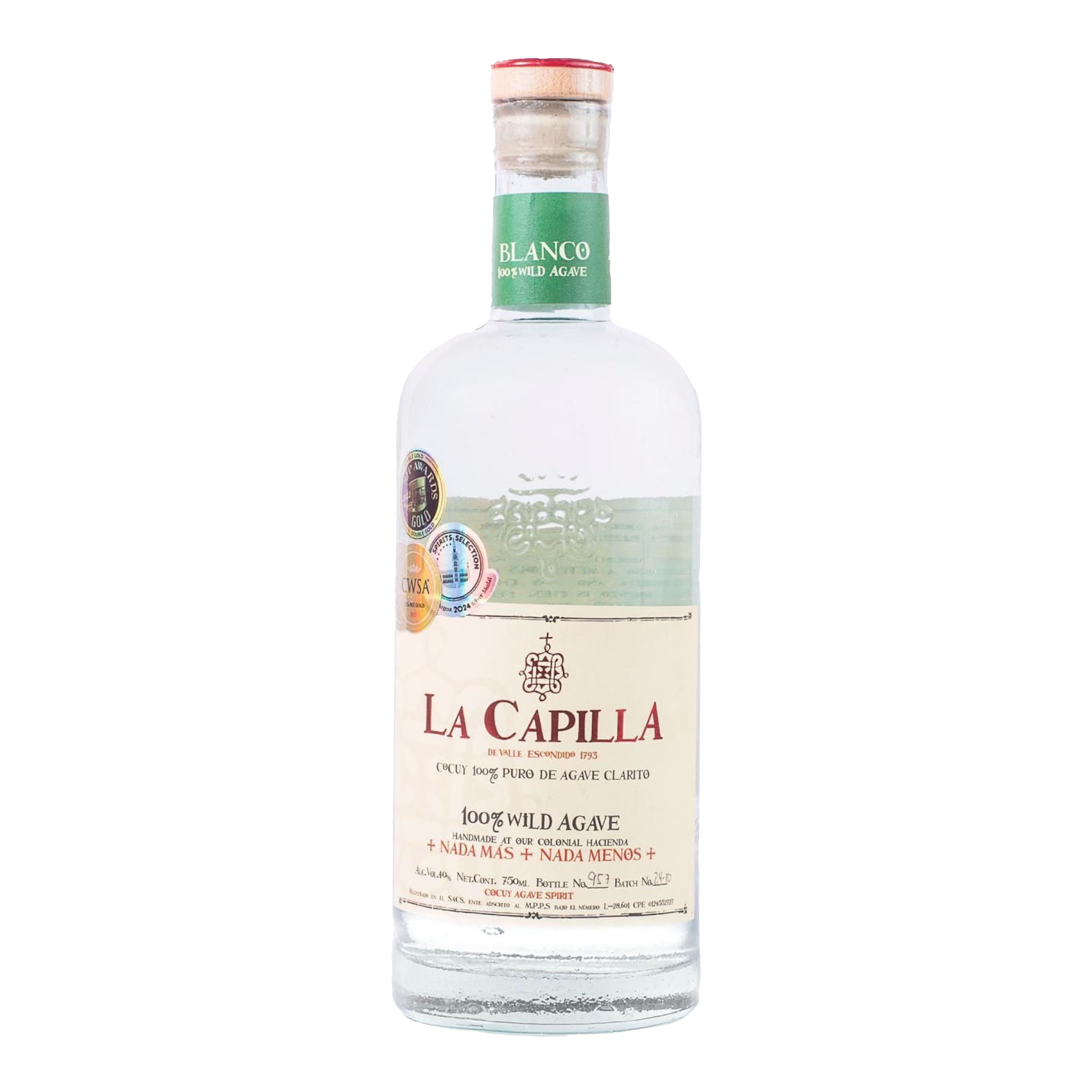
Many drinkers find 100% agave tequila cleaner and more pleasant, particularly when it is produced with care and sipped slowly. For a closer look at how production choices affect the spirit in your glass, explore these artisanal tequila production methods.
Can 100% agave tequila still give you a hangover?
Absolutely. The main driver of a hangover is ethanol, the alcohol in tequila, not whether the bottle says mixto or 100% agave. If you consume enough alcohol, the label cannot cancel out its effects. Choosing 100% agave may help you avoid some products and additives you would rather not drink, but it does not make overconsumption consequence-free.
So, does tequila give you a hangover? The honest answer is that your total alcohol intake matters more than the category name. Product quality can influence how tequila tastes and how you experience it, while the amount you drink remains central to how you feel the next day.
How to check the label
- Look for the exact phrase "100% De Agave" on the bottle.
- Do not assume a tequila is 100% agave just because the front label prominently says "tequila."
- Choose a bottle you enjoy enough to sip, rather than one you plan to drink quickly.
Reading that certification gives you a clearer starting point. It helps you distinguish an all-agave tequila from a mixto, while leaving the most important hangover variable in your hands: how much alcohol you consume.
Why Do People Swear Tequila Doesn't Cause Hangovers?
Because the experience is not just about the spirit in the glass. It is also about your biology, how quickly you drink, what you eat, and what you expect to happen next morning. That combination can make tequila feel like the exception, even though it is not.
Genetics may explain part of the difference. A study of about 4,000 Australian twins found that genetic factors accounted for 45% of the differences in hangover frequency among women and 40% among men. In other words, two people can drink a similar amount and still have noticeably different next-day experiences. Your genes do not make tequila exempt from alcohol's effects, but they may influence how often and how intensely you feel them. The twin-study findings are summarized here.
Then there is habit. Many people drink premium agave spirits slowly, over conversation, with food and water nearby. They sip, taste, and pause. Cheap mixto tequila, by contrast, has often been associated with fast shots, crowded nights, sugary mixers, and drinking past the point of good judgment. The morning-after difference may come less from a magical property of tequila than from the pace and total amount consumed.
Expectation can change the story
Placebo effects matter too. If you expect a clear-headed morning from 100% agave tequila, you may notice the pleasant parts of the evening and interpret ordinary fatigue differently. If you expect a brutal "tequila hangover," every headache or restless night can reinforce the belief. That does not mean symptoms are imaginary. It means expectation can shape how you perceive and remember them.
The chemistry still matters. Research distinguishes between how a drink makes you feel and whether it leaves you safe to perform demanding tasks. Congener content can influence next-day feelings, but it does not remove the effects of ethanol. One review notes that alcohol can impair vigilance and reaction time, with no meaningful safety advantage for bourbon versus vodka in the comparison studied. See the research in PMID 20712591 and PMID 20028364.
- Some people are genetically less prone to frequent or severe hangovers.
- Slow sipping usually means less alcohol consumed in a shorter window.
- Expectation can make a drink seem cleaner without changing what ethanol does.
- Even high-quality 100% agave tequila can cause a hangover when you drink too much.
So, does tequila give you a hangover? It can. The better explanation for tequila's reputation is a mix of genetics, drinking habits, product quality, and psychology, not immunity.
How to Drink Smarter and Reduce Your Chances of a Tequila Hangover
Eat before you pour, and keep something substantial nearby while you drink. Food can help reduce the chances of common hangover symptoms such as nausea, headaches, and fatigue. A proper meal also gives you a better foundation for a relaxed evening than drinking on an empty stomach. Think of it as part of the experience, not damage control.
Start with water and keep alternating. Alcohol has a diuretic effect, so hydration matters before, during, and after drinking. Sip water alongside your tequila rather than waiting until you feel thirsty. It will not make alcohol disappear or guarantee a hangover-free morning, but it can help you avoid adding dehydration to the list of things your body is handling.
Slow the pace down. Tequila is made to be sipped and savored, not rushed through a series of shots. Give yourself time between pours so you can notice the aroma, texture, and finish. Slower drinking also makes it easier to recognize when you have had enough and keep the focus on enjoying the spirit.
Choose quality for flavor, not as a health loophole. A well-made, 100% agave tequila can offer a more thoughtful sipping experience, but it can still cause a hangover if you drink too much. If you are exploring bottles for slow sipping, use this guide to high-quality sipping tequila as a starting point.
Pay attention to the label and your own response. Look for the "100% De Agave" designation, and be cautious of assuming that any particular tequila is automatically easier on you. People vary in how often and how intensely they experience hangovers. Your best guide is a combination of informed choices, a measured pace, food, water, and an honest read of how you feel.
Set your stopping point before the evening gets going. Ethanol is still the main driver of hangover symptoms, regardless of the spirit, so moderation matters more than finding a supposedly hangover-proof bottle. Stop drinking before you feel impaired, switch to water, and never drive after drinking. A smarter tequila ritual leaves room for the next morning, too.
Shop Our Additive-Free, 100% Agave Tequilas
Frequently Asked Questions
Does tequila give you a hangover?
Yes. Tequila can give you a hangover when you drink enough alcohol to trigger one. Ethanol, not the tequila category by itself, is the primary driver of hangover symptoms. Congeners may influence how rough the next day feels, but research suggests the amount of ethanol has a stronger effect overall. A review in PubMed supports this distinction.
Is 100% agave tequila hangover-free?
No. 100% agave tequila is not hangover-proof. It can still cause a hangover if you drink too much, even if it contains fewer of the ingredients people associate with cheap mixto tequila. The label is useful for understanding what you are buying, not for guaranteeing how you will feel tomorrow.
What causes a tequila hangover?
The main factor is alcohol itself, while dehydration, disrupted sleep, and congeners can add to the experience. Alcohol can reduce sleep efficiency and REM sleep while increasing wake time and next-day sleepiness, according to research indexed by PubMed. Your total intake and individual response matter more than a simple blanco-versus-anejo rule.
Are additives in tequila causing hangovers?
Additives may affect a tequila's flavor and how some people feel after drinking it, but they are not the primary explanation for hangovers. It is more accurate to treat additives and congeners as possible contributors rather than proof that one tequila cannot cause a hangover. Moderation still matters most.
How can I prevent a tequila hangover?
You cannot guarantee prevention, but you can lower your chances by eating before or while drinking, alternating tequila with water, sipping slowly, and stopping before you overdo it. Choosing a bottle labeled "100% De Agave" can help you make a more informed quality choice, but it does not cancel out alcohol's effects.
Ready to Shop Additive-Free, 100% Agave Tequilas?
You know what can influence how you feel after drinking tequila, and choosing thoughtfully is part of the experience. When you are ready to explore bottles made with 100% agave and no added ingredients, browse the collection and find a pour that suits your next gathering or slow sip.
Shop our additive-free, 100% agave tequilas