


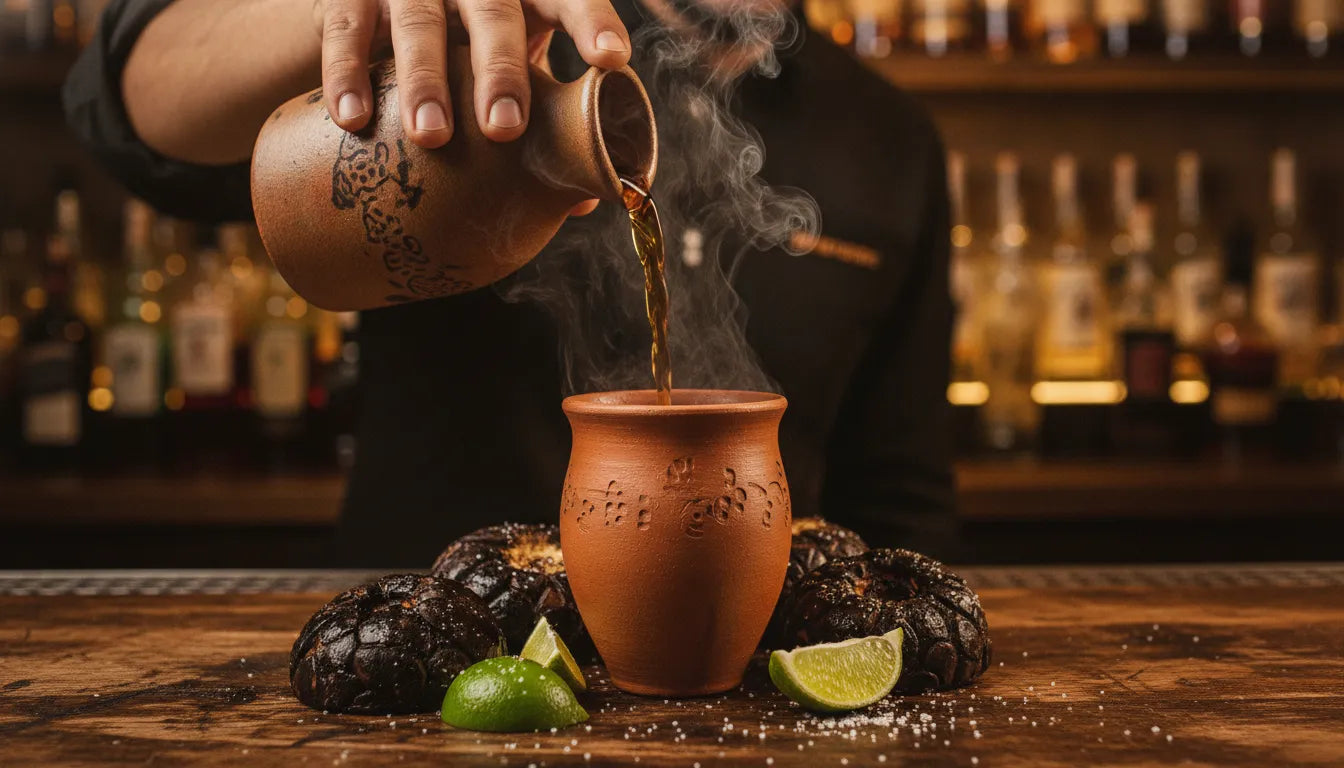
You know the moment: a familiar cocktail arrives with a little more smoke, a little more depth, and suddenly the whole drink feels new. That is mezcal at its best. Its profile can be smoky, earthy, and slightly funky, so it brings character without requiring a complicated bar setup.
For easy mezcal cocktails, start with a smoky margarita, mezcal mule, paloma fumada, mezcal Negroni, or mezcal Old Fashioned. Choose espadin for mixing because its agave-forward, dependable profile works across citrus, ginger beer, grapefruit, vermouth, and bitters. Save pechuga for slower sipping when you want to appreciate its layered, aromatic character.
You can build all five drinks with familiar ingredients. Fresh lime and agave make a bright, balanced margarita, while ginger beer gives a mule enough lift to meet mezcal's savory edge. Grapefruit and soda keep a paloma refreshing, and equal parts mezcal, sweet vermouth, and Campari create a structured Negroni. For a quieter pour, bitters and a touch of sugar let an Old Fashioned show off the spirit.
There is no need to bury the mezcal under syrups or garnishes. Begin with a bottle you enjoy neat, then pair its intensity with ingredients that add contrast rather than competition. That approach makes the first pour easier and gives you room to adjust sweetness, smoke, and dilution as you mix.
Before choosing a recipe, it helps to understand why mezcal's distinctive flavor holds its own beside citrus, spice, bitter liqueurs, and soda.
Why Mezcal Works So Well in Cocktails
Mezcal brings more than smoke to the glass. Its profile can be smoky, earthy, and a little funky, giving a cocktail a distinct point of view without requiring a complicated recipe. That character is especially useful when a familiar drink needs more depth.
Think of mezcal as an ingredient with range. Smoke can echo roasted fruit, balance bright citrus, or add weight to bitter aperitifs. Earthy notes work naturally with agave syrup, grapefruit, and herbal modifiers. A subtle funky edge can make a simple highball feel layered rather than flat. You still want to taste the spirit, though. The best mezcal cocktails use mixers to frame its character, not bury it.
There's also a useful connection between mezcal and tequila. Mezcal is the broader category of agave spirits, while tequila is a specific subcategory made from blue agave. So if you already enjoy tequila drinks, mezcal isn't an entirely unfamiliar direction. It's a different expression of agave with a wider range of aromas and textures. Our beginners' guide to mezcal covers the category in more detail.
What does smoke add to a cocktail?
Smoke adds an aromatic layer before you even take a sip. In a margarita, it gives lime and agave a savory counterpoint. In a paloma, it keeps grapefruit's bitterness from feeling one-dimensional. In a Negroni or Old Fashioned, smoke can make familiar bitter and sweet notes feel darker and more substantial.
Start with a mezcal that has enough character to show up, but not so much that it dominates every other ingredient. Espadin is often a practical place to begin because its agave flavor works across bright, bitter, and spicy builds. From there, you can adjust the balance with dilution, sweetness, and citrus.
- Smoke adds aroma and depth, especially alongside citrus or bitter ingredients.
- Earthy notes pair well with grapefruit, agave, ginger, vermouth, and Campari.
- Funky flavors make simple drinks more distinctive without adding extra steps.
5 Classic Mezcal Cocktails You Can Make at Home
These mezcal cocktails cover the full range of a home bar, from bright and refreshing to spirit-forward and richly bitter. Use a clean, dry mezcal espadin when you want the agave and smoke to remain distinct. Fresh citrus, a measured pour, and plenty of cold ice will do most of the work.
Smoky Margarita or Ojo Rojo
For a crisp mezcal margarita, keep the ratio simple and let fresh lime balance the spirit. If you prefer an ojo rojo, add tomato or clamato and a pinch of savory spice for a longer, brunch-friendly drink.
- 2 ounces mezcal espadin
- 1 ounce fresh lime juice
- 0.5 ounce agave nectar
- Optional: tomato or clamato juice, hot sauce, and a pinch of salt for an ojo rojo variation
- Ice, plus a lime wheel or half salt rim for serving
- Add the mezcal, lime juice, agave nectar, and ice to a shaker. For the ojo rojo version, add the tomato or clamato and season lightly.
- Shake firmly until the tin feels cold. Taste, then adjust with a little more lime or agave if needed.
- Double-strain into a chilled coupe or rocks glass over fresh ice. The fine-mesh pass removes small citrus fibers and creates a smoother result, especially if you add muddled fruit or a spicy ingredient.
- Garnish with a lime wheel. Keep the rim restrained so it does not overpower the smoky finish.
Mezcal Mule
Ginger beer gives mezcal a lively, cooling partner. The drink is quick to assemble, but fresh lime keeps the sweetness in check and brings the agave back into focus.
- 2 ounces mezcal
- 0.5 ounce fresh lime juice
- 4 to 5 ounces ginger beer
- Ice
- Lime wedge and a thin slice of fresh ginger for garnish
- Fill a copper mug or tall highball glass with ice.
- Pour in the mezcal and lime juice, then stir briefly to combine.
- Top with cold ginger beer and give the drink one gentle lift with a bar spoon. Avoid over-stirring, which can flatten the carbonation.
- Garnish with a lime wedge and ginger slice. A smoky, dry mezcal works best against a ginger beer with noticeable spice.
Paloma Fumada
This smoky paloma keeps the structure of the classic grapefruit highball while replacing tequila with mezcal. It is bright, lightly bitter, and refreshing enough for a warm afternoon.
- 2 ounces mezcal
- 1 ounce fresh grapefruit juice
- 0.5 ounce fresh lime juice
- 2 to 3 ounces club soda
- Optional: 0.25 ounce agave nectar if the grapefruit is especially tart
- Ice, grapefruit wedge, and a small pinch of salt
- Add the mezcal, grapefruit juice, lime juice, and optional agave to a shaker with ice.
- Shake briefly, then strain into an ice-filled Collins glass.
- Top with club soda and stir once from the bottom upward.
- Add a pinch of salt and garnish with a grapefruit wedge. The salt should sharpen the citrus, not turn the drink savory.
Mezcal Negroni
Mezcal brings an earthy, roasted edge to the Negroni's familiar bitter-sweet balance. This is a slower drink for people who enjoy bitter aperitifs and a pronounced spirit character.
- 1 ounce mezcal espadin
- 1 ounce sweet vermouth
- 1 ounce Campari
- Large ice cube
- Orange peel for garnish
- Add the mezcal, sweet vermouth, and Campari to a mixing glass filled with ice.
- Stir for about 20 seconds, or until the mixture is chilled and lightly diluted.
- Strain into a rocks glass over one large cube.
- Express an orange peel over the surface, rub it around the rim, and place it in the glass.
Mezcal Old Fashioned
An Old Fashioned is a useful way to explore a mezcal's texture without hiding it behind juice or carbonation. Use a light hand with the sugar and bitters so the spirit stays at the center.
- 2 ounces mezcal
- 1 teaspoon sugar or 0.25 ounce simple syrup
- 2 dashes aromatic bitters
- 1 teaspoon water if using granulated sugar
- Large ice cube and orange peel for garnish
- Add the sugar, bitters, and water to a rocks glass. Stir until the sugar begins to dissolve. Skip the water if using simple syrup.
- Add the mezcal and fill the glass with ice. Stir until chilled and slightly diluted.
- Add one large cube if you started with smaller ice, then stir once more.
- Express an orange peel over the drink and set it on top. A grapefruit peel also works when you want a sharper, more aromatic finish.
Start with the margarita or mule if you are new to mezcal. Move toward the Negroni or Old Fashioned when you want the spirit's earthy, smoky character to lead every sip.
Espadin vs Pechuga: Which Mezcal Should You Mix With?
Both styles can make a memorable drink, but they play different roles behind the bar. Espadin is the dependable choice when you want agave character and smoke to support the other ingredients. Pechuga is more expressive, with a layered profile that deserves your full attention.
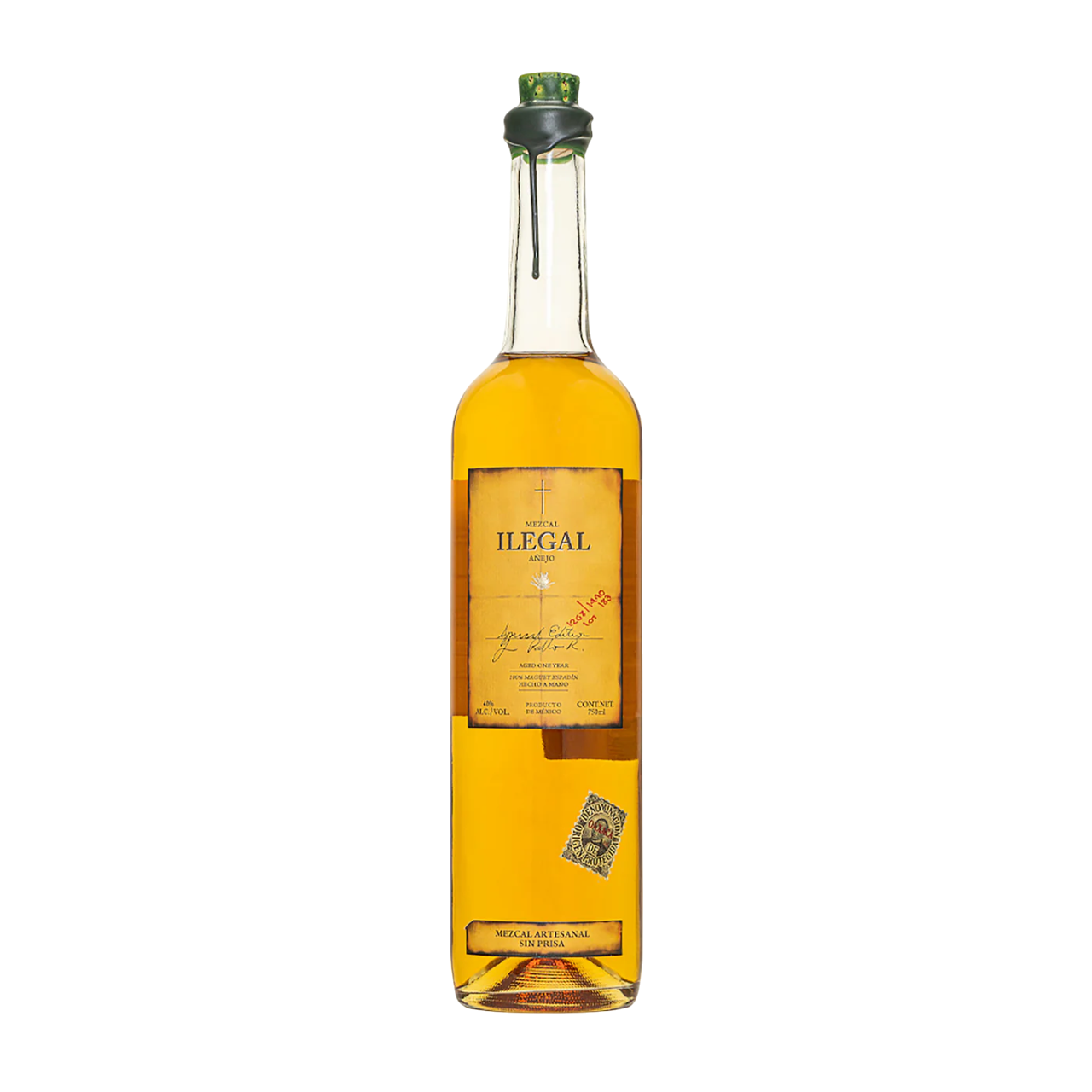
The difference starts with how each mezcal is made. Espadin is produced from agave espadin, a widely used agave known for creating a clean, smoky spirit. That balance makes it easy to pair with lime, grapefruit, ginger beer, vermouth, bitters, and agave syrup. For most mezcal cocktails, it gives you enough personality without overwhelming the glass.
Pechuga takes a more elaborate route. During its final distillation, the mezcal is infused with ingredients such as proteins, fruit, and nuts. The result can be floral, savory, fruity, and complex, depending on the producer and recipe. If you want more background on the style, read our pechuga guide.
| Consideration | Espadin | Pechuga |
|---|---|---|
| Base | Made from agave espadin | Made with a finishing distillation that can include proteins, fruit, and nuts |
| Typical character | Clean, smoky, earthy, and adaptable | Layered, floral, fruity, savory, and complex |
| Best use | Margaritas, mules, palomas, Negronis, and other mixed drinks | Neat pours or cocktails where its distinctive flavor stays prominent |
| Why choose it | It blends smoothly and keeps cocktail proportions easy to balance | It adds a special-occasion layer when the mezcal is the main event |
Think of espadin as your workhorse and pechuga as your conversation piece. A pechuga can work in a drink, especially a simple stirred cocktail, but strong citrus, spice, or carbonation may cover the details that make it interesting. Use it when the recipe is restrained and you want to taste the mezcal clearly.
For a reliable mixing bottle, start with espadin. Our espadin guide can help you understand what to look for. Save pechuga for sipping, or use it in a very simple cocktail where its layers can stay in focus.
- Choose espadin when you want a clean smoky base for mixing.
- Choose pechuga when you want floral, fruity, or savory complexity to lead.
- For most mezcal cocktails, espadin is the better starting point.
How to Swap Mezcal Into Your Favorite Tequila Cocktail
Swapping mezcal into a familiar drink is one of the easiest ways to explore mezcal cocktails without rebuilding your home bar. You already know the structure of a margarita, paloma, mule, or old fashioned. Mezcal simply changes the spirit's center of gravity, adding smoke, earth, and a more savory edge.
Start with a cocktail you make confidently. If you want a refresher, browse these tequila cocktail recipes first. Then use the following process to keep the drink balanced rather than letting the mezcal dominate it.
- Start with espadin. Espadin is the most dependable starting point for a tequila substitution. It has enough character to show you what mezcal brings, but it usually stays flexible alongside citrus, ginger, grapefruit, vermouth, and bitters. Save especially intense or highly distinctive bottles for sipping until you know how their flavors behave in a mixed drink.
- Swap it 1:1 for the tequila. Begin by replacing the tequila with the same amount of mezcal. If the recipe calls for two ounces of tequila, use two ounces of mezcal. This preserves the cocktail's intended strength and gives you a clean comparison. Stir or shake it using the original method before changing anything else.
- Check the sweetness. Mezcal can taste drier and smokier than the tequila in the original recipe. That contrast works well, but it can make a drink feel sharper if the recipe relies on lime or another tart ingredient. Taste before adjusting. If needed, add a small amount of agave syrup, one bar spoon at a time, until the edges soften without making the cocktail sugary.
- Choose bold citrus. Bright, assertive citrus gives smoke something to push against. Fresh lime is a natural fit for margaritas and mules, while grapefruit works well in a paloma-style drink. Use fresh juice when possible, and keep the citrus clear enough to complement the mezcal rather than burying it under several competing flavors.
- Keep the build simple. A spirit-forward drink needs fewer moving parts. Try mezcal with lime and agave, or pair it with grapefruit, soda, and a pinch of salt. For darker cocktails, vermouth, bitter aperitifs, or bitters can frame the smoke. If you are unsure how the bottles differ, this guide to tequila vs mezcal will help you choose a direction before you pour.
The goal is not to make mezcal taste like tequila. It is to let the original cocktail's balance support a different agave spirit. Make one measured substitution, taste carefully, and adjust only what the drink needs.
What Mixers Go Best With Mezcal?
Start with mixers that give mezcal room to speak. Fresh citrus, ginger beer, vermouth, agave syrup, and club soda all work because they balance smoke without burying the agave. The right choice depends on whether you want your mezcal cocktails bright, spicy, bitter, sweet, or simply refreshing.
- Lime: Fresh lime adds sharp acidity and keeps smoky margaritas from tasting heavy. Pair it with a little agave syrup, then taste before adding more sweetness.
- Grapefruit: Grapefruit brings a bittersweet, aromatic edge to a paloma-style drink. Add lime for extra lift and club soda to lengthen the pour.
- Ginger beer: Ginger beer gives mezcal a spicy, lively counterpoint in a mule. Use lime as the bridge between the spirit and the soda, and choose a ginger beer with enough bite to stand up to smoke.
- Sweet vermouth and Campari: This is the move for a bitter, spirit-forward drink. The vermouth rounds the mezcal, while Campari adds bitterness and a firm orange note. Stir this combination with ice instead of shaking it.
- Agave syrup: Agave syrup softens mezcal's earthy, smoky edges without adding a competing flavor. Start with a small amount, especially when another sweet mixer is already in the glass.
- Club soda: Club soda keeps the drink crisp and lets the mezcal remain the focus. It is ideal when you want a long, low-effort drink with citrus and plenty of ice.
When using muddled fruit, strain the drink through a fine-mesh strainer for a smoother, seedless result. For a simple starting point, combine mezcal with lime and agave, then add soda to taste. If the smoke feels too prominent, increase the citrus or dilution before reaching for another sweetener.
Frequently Asked Questions
What are the best mezcal cocktails?
Start with a mezcal margarita, mezcal mule, paloma fumada, mezcal Negroni, or mezcal Old Fashioned. These recipes cover bright citrus, spicy ginger, bittersweet aperitif flavors, and spirit-forward sipping styles, so you can match the drink to the occasion.
Which mezcal is best for mixing?
Espadin is the most practical choice for mixing. Its agave-forward character works across citrus, soda, ginger beer, vermouth, and bitters without making every ingredient compete for attention. Save a more layered pechuga for sipping or a very simple drink where its character can stay in focus.
Does mezcal make good margaritas?
Yes. Replace tequila with mezcal for a margarita with more smoke and earthy depth, then keep the balance simple with fresh lime and agave. One documented build uses 2 ounces of mezcal espadin, 1 ounce of fresh lime juice, and 0.5 ounce of agave nectar (Montgomery County recipe).
How does mezcal taste in cocktails?
Expect smoky, earthy, and sometimes lightly funky notes. Citrus can sharpen those flavors, while ginger beer, grapefruit, sweet vermouth, and agave add contrast. If the smoke feels too strong, use less mezcal in a split base or add a little more dilution.
What is the difference between tequila and mezcal in cocktails?
Mezcal is the broader category of agave spirits, while tequila is a specific subcategory made from blue agave (Stanford Humanities Center). In a cocktail, tequila usually reads cleaner and more vegetal, while mezcal brings a more pronounced smoky profile.
Ready to Find Your Next Mezcal
You have five classic ways to bring mezcal's smoky, earthy character into a cocktail. The right bottle can help you balance citrus, spice, sweetness, and bitters without overwhelming the drink. Explore options for your next home bar pour, whether you are mixing a margarita, mule, or something spirit-forward.